
Connect with us
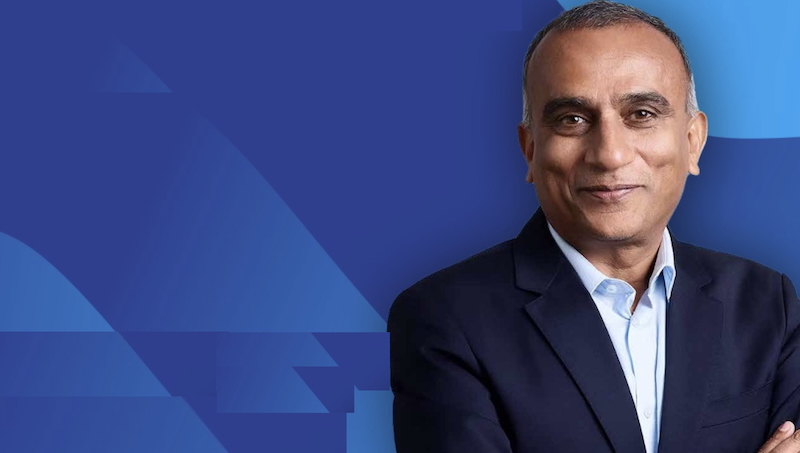
MUMBAI: Pidilite Industries managing director Sudhanshu Vats has been elected chairman of the Advertising Standards Council of India (Asci) at its 39th annual general meeting, taking...
MUMBAI: Nashik of the 1970s wasn’t the energetic city which you may have visited in recent years. It was a bucolic backwater to which retirees from...
NEW DELHI: Broadcast Audience Research Council (India)’s former tech-com member and industry veteran Paritosh Joshi has joined the Chennai-based Sun TV Network to oversee and drive...
MUMBAI: Beyond the hype, what are the ground realities of earning revenue? Or, is it still all about investing in content and infrastructure? When’s the likely...
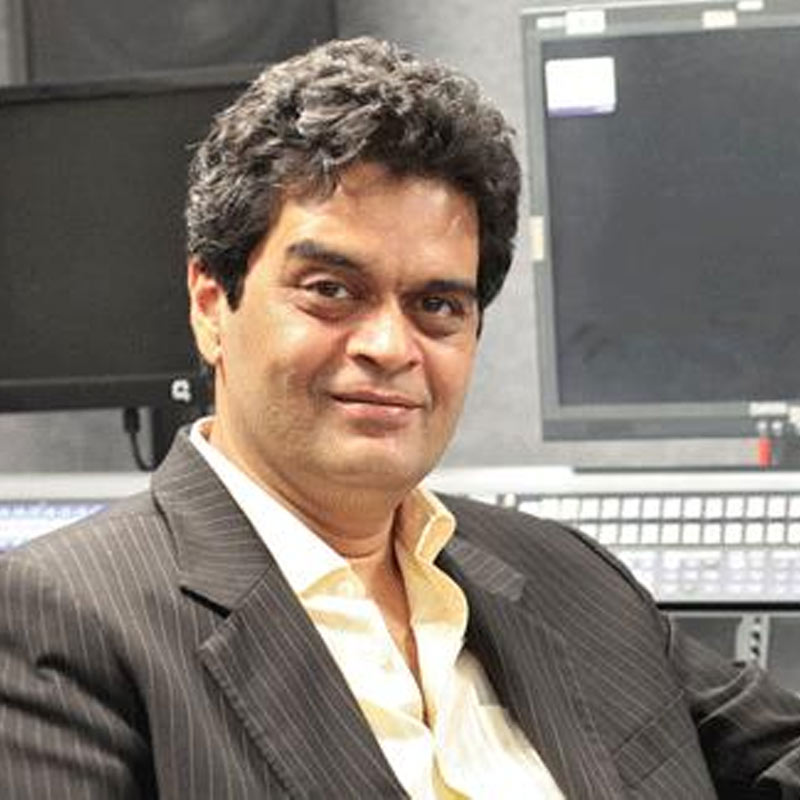
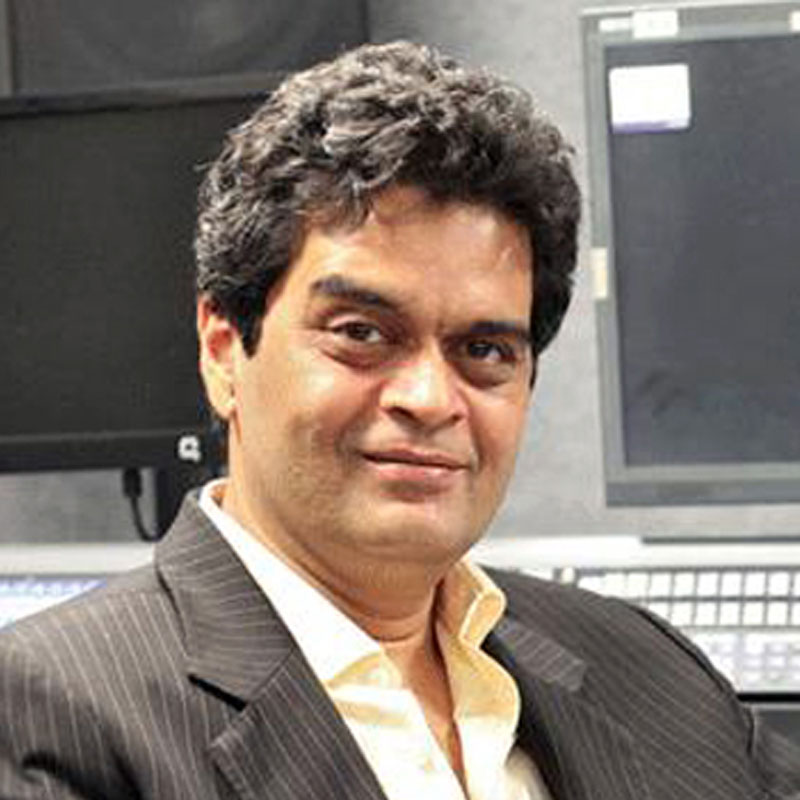
MUMBAI: Paritosh Joshi has decided to step down as the CEO of India TV. he joined India TV on 2 November 2015. Ritu Dhawan, managing Director...
MUMBAI: Paritosh Joshi has decided to step down as the CEO of India TV. he joined India TV on 2 November 2015. Ritu Dhawan, managing Director...

MUMBAI: India TV has appointed Paritosh Joshi as its new CEO. Joshi has been a ‘strategist’ for the news channel since 2012 and was tasked with...
MUMBAI: Ushodaya Enterprises director I Venkat has been elected as the chairman of Media Research Users Council (MRUC) for a period of two years. Venkat...
MUMBAI: The Broadcast Audience Research Council (BARC) is all set for 2015, as it will hold roadshows in February on the GUI (Graphical User Interface) in...
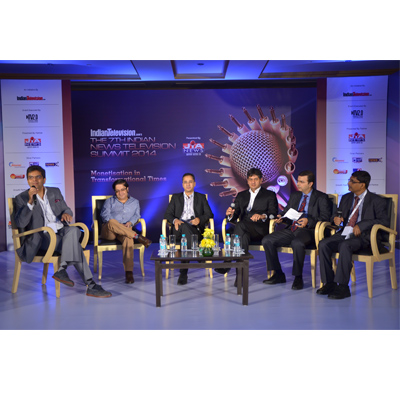
NOIDA: The news television space is burdened with cash crunch. And addressing this core issue were the news industry giants at the 7th News Television Summit...
I will begin by taking a cue from a catchphrase Mr. Modi used frequently in his stump speeches through the electioneering. “More Governance. Less Government.” ...
MUMBAI: The long tail gets an unfair deal – be it in television viewership ratings, print media readership surveys or radio audience research. The long tail,...

MUMBAI: This day fourteen years ago, the idea of Indiantelevision.com was born. It became the one-stop information resource for the blossoming television industry and also for...

MUMBAI: This day fourteen years ago, the idea of Indiantelevision.com was born. It became the one-stop information resource for the blossoming television industry and also for...

NEW DELHI/MUMBAI: The findings of the Indian Readership Survey 2013 may ultimately not be rejected outright. A substantial number of publishers of newspapers and magazines may...

MUMBAI/NEW DELHI: The last couple of days have been a nail-biting one for everyone having an interest in the Indian Readership Survey. From the time the...

MUMBAI: Television ratings agencies seem to be the flavour of the season. On the one hand, Kantar Research, one of TAM Media’s major shareholders, has moved...

KOLKATA: The Broadcast Audience Research Council (BARC) has clarified that its technical committee’s evaluation panel plans to appoint three vendors (read three, not two as reported...
NEW DELHI: The Evaluation Panel of the Technical Committee of the Broadcast Audience Research Council (BARC) will meet from 14 to 17 August in the hill...
BENGALURU: In what was the first of four to five open houses that BARC intends to hold in India, the apex body shared details about the...
BENGALURU: In what was the first of four to five open houses that BARC intends to hold in India, the apex body shared details about the...
NEW DELHI: Even as the government-mandated Broadcast Audience Research Council (BARC) has been working on getting its act together, the Telecom Regulatory Authority of India (TRAI)...
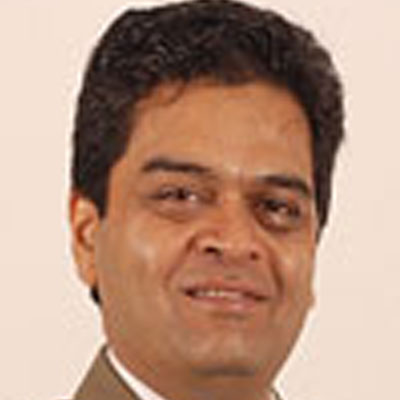
Yesterday, BARC took a decisive step forward. Punit Goenka in his role as Chairman, BARC announced the issuance of a Request for Information or RFI from...
MUMBAI: News broadcaster India TV has appointed Paritosh Joshi as strategist and will be responsible for its revenue and business development. Joshi‘s earlier stint was as...
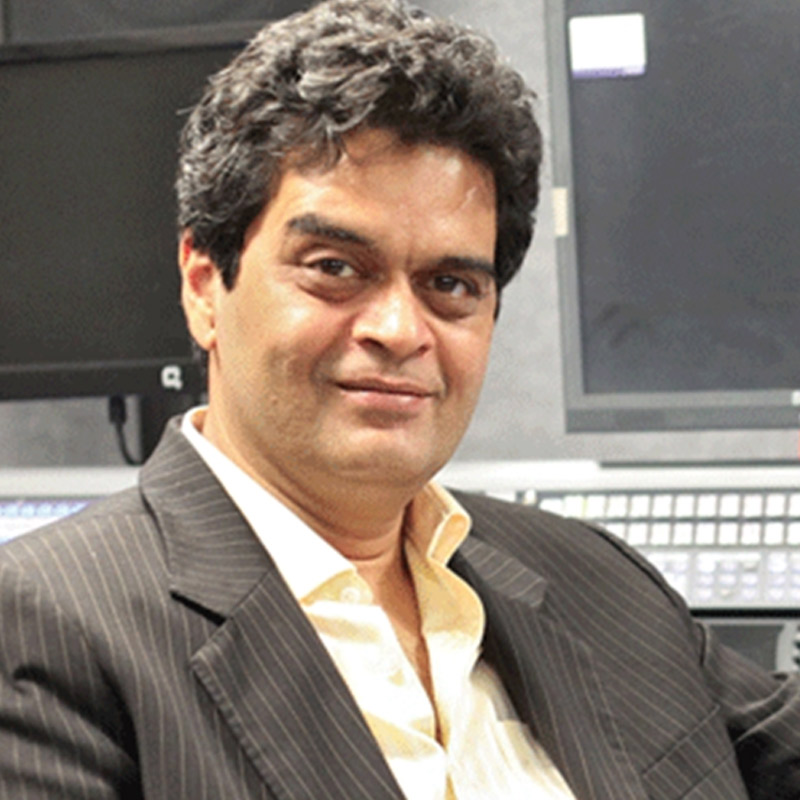
MUMBAI: Home shopping channel Star CJ Alive has come up with a new TVC aiming at attracting more shoppers during the yearend festive season. The film...

MUMBAI: As the year draws to an end, the festivities increase in tempo and so does the shopping. Providing shoppers lucrative deals and exciting offers, Star...

It’s nigh on one-and-a-half years since Star India brought in a “media outsider” Paritosh Joshi as president – advertising sales & distribution, thereby consolidating the two...

It’s now a known fact that HLL has pulled its advertising off the Star India Network, but whether a non co-existence and exchange between the biggest...

MUMBAI: Following the exit of its corporate CEO Peter Mukerjea as of 1 February, and the pending departure of its operational CEO Sameer Nair next month,...
MUMBAI: Television content production house Balaji Telefilms Ltd. will get into broadcasting through a joint venture with Star Group. The two companies will be launching a...
MUMBAI: All energies are being diverted towards introducing the third season of KBC with a ‘mighty bang’ and Star has shown no less vigour in promoting...

MUMBAI: It has taken quite a while but media research agency Tam has finally got its Elite Panel up and running. This latest value addition for...

MUMBAI: After announcing the launch of Antakshri, Star One now is all set to launch Idea Ek Se Badhkar Ek a countdown show premiering on 30...

NEW DELHI: From “let there be voluntary CAS” to “if you must mandate CAS stay out of the pricing mechanism”. That could well sum up how...

MUMBAI: Star Plus is kicking off its programming series with high advertiser participation with the kids talent hunt show Rin Mera Star Super Star. The channel...
MUMBAI: After months of speculation in the market, Star India has finally appointed a revenue management head in Paritosh Joshi. This was confirmed to Indiantelevision.com by...


