Tag: Paras Maheshwari

  • Gravolite partners with Pro Kabaddi League 2024

    Gravolite partners with Pro Kabaddi League 2024

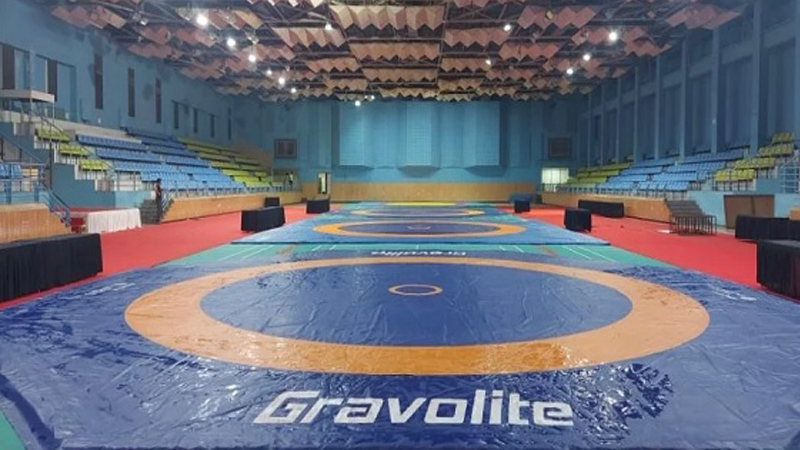
    Mumbai: Gravolite, a sports mat manufacturer in India, has become the official supplier of Kabaddi Mats for the Pro Kabaddi League scheduled to be held from 18 October to 29 December 2024. These state-of-the-art mats have been approved by the Kabaddi Federation of India.

    The eleventh season of the Pro Kabaddi League starts on 18 October 2024, with twelve teams, namely Bengaluru Bulls, Puneri Paltan, Jaipur Pink Panthers, U.P.Yoddhas, U Mumba, Bengal Warriorz, Tamil Thalaivas, Patna Pirates, Dabang Delhi K.C., Haryana Steelers, Gujarat Giants, and Telugu Titans.

    Gravolite Kabaddi Mats will be used throughout the tournament considering the infrastructural requirement recommended by the federation as per international standards and keeping in mind the safety and well-being of the athletes.

    Gravolite director Paras Maheshwari said, “Kabbadi as a sport has been gaining prominence over the years and we are thrilled to announce that Gravolite is the official supplier of Kabaddi Mats for this prestigious Pro Kabaddi League 2024. This esteemed event, hosted by India, serves as an invaluable platform for athletes to showcase their exceptional skills and for organizations like ours to provide sportspersons with the opportunity to experience our technologically advanced mats.”

    “At Gravolite, we are committed to manufacturing world-class mats that not only enhance the overall sports infrastructure experience but also prioritize the health and well-being of the players to avoid injuries. Our Gravolite Kabaddi mats offer the desired cushion base and floor padding, enabling athletes to perform their maneuvers effortlessly. Practicing and competing on professional mats like ours empowers sportspersons to elevate their performance and excel in international tournaments. We are honored to contribute to the success of Pro Kabaddi League 2024 and the advancement of Kabaddi as a sport,” he added. He further added that Pro Kabaddi League is a long tournament, and providing high-quality international mats is our priority.

  • The right mat: Boosting performance and safety in wrestling and kabaddi

    The right mat: Boosting performance and safety in wrestling and kabaddi

    In contact sports such as wrestling and kabaddi, the playing surface plays a critical role in determining athlete safety, comfort, and performance. The mat not only cushions falls but also influences how athletes move, grip, and balance during high-intensity encounters. While both sports are contact-driven and demand immense physicality, they have distinct characteristics that shape how the mat interacts with the athletes.

    Injury prevention and safety

    The prevention of injuries is a paramount concern in both wrestling and kabaddi, given the physical intensity and frequent body contact involved in both sports. The right mat can significantly reduce the risk of injury by providing adequate cushioning to absorb the force of falls, tackles, and other impacts.

    In wrestling mat must be soft enough for cushion falls yet firm enough to allow for proper improvement and grip. Wrestlers engage in intense grappling, throws and takedowns all of which put pressure on the body. Mats that are too firm may fail to absorb the impact effectively, leading to increased risk of concussions, joint injuries, and bruising. Conversely, mats that are too soft may cause instability, making it harder for athletes to maintain their balance, potentially increasing the risk of sprains and twists. Additionally, modern wrestling mats are often coated with antimicrobial substances to prevent infections, which are which are common in close-contact sports  

    Athlete comfort

    Athlete comfort is another critical factor influenced by the mat choice in both wrestling and kabaddi. Comfort not only affects an athlete’s immediate experience but also their long-term performance by reducing fatigue and injury.

    In wrestling, the mat’s ability to provide a stable yet cushioned surface is crucial for minimizing joint stress. Wrestlers spend significant time grappling on the ground, and a comfortable mat can reduce the wear and tear on their bodies. The material and thickness of the mat play a significant role in determining the level of comfort. High-density foam mats are often preferred for wrestling, as they provide both comfort and support, allowing athletes to perform at their best without experiencing undue fatigue from harsh landings or prolonged groundwork.

    Similarly, in kabaddi, where athletes must make rapid sprints and execute tackles in a small playing area, the mat’s comfort is critical. A surface that is too hard can lead to discomfort, reducing the players’ ability to make explosive movements, while a surface that is too soft can make it difficult to change direction quickly, affecting agility. The transition from traditional mud surfaces to synthetic mats has led to a need for materials that minimize discomfort and reduce the impact on joints during fast-paced action. Properly designed mats can help reduce fatigue, enabling players to maintain high performance over longer durations.

    Impact on performance

    The type of mat used in wrestling and kabaddi can directly impact athletic performance. In athletic mats, the right amount of grip allows athletes to execute takedowns, throws, and holds with precision. If the mat is too slippery, it can result in failed techniques or unnecessary slips, hindering performance. Grip is especially important in wrestling where leverage and positioning are key to gaining an advantage over the opponent. The surface texture of the mat should allow wrestlers to move fluidly while providing the necessary traction to maintain stability during aggressive movement.

    In kabaddi, mat design is equally important for performance. As the game involves rapid sprints, sudden directional changes, and quick tackles, the mat must provide adequate grip for the feet. This prevents slipping during crucial movements, allowing players to maintain balance and control. A good quality mat can enhance player agility, giving them the confidence to perform complex maneuvers without the fear of losing their footing. Furthermore, the elasticity of the mat can affect how a player rebound from tackles and how quickly they can regain their footing which is crucial in a game where speed is paramount.

    The choice of mats in kabaddi and wrestling is more than just a matter of comfort it is integral to injury prevention, athlete well-being, and peak performance. In wrestling, mats that balance the softness and firmness reduce the risk of injury while promoting optimal movement and grip. Similarly in Kabaddi, modern mats have evolved to provide comfort, safety, and agility allowing athletes to perform at their best.  As both sports continue to develop, innovations in mat technology will play an increasingly important role in enhancing athlete safety, comfort, and performance on the mat.

    The article has been authored by Gravolite director Paras Maheshwari.

  • The overcoming quality concerns in the Indian sports mat market

    The overcoming quality concerns in the Indian sports mat market

    The Indian sports mat market has witnessed substantial growth in recent years, driven by increasing government expenditure on sports infrastructure, rising disposable incomes, and a growing health-conscious population. However, the market is also plagued by concerns over product quality, which has hindered its full potential.

    India’s sports industry is on a meteoric rise. With a burgeoning youth population and increasing government support, the demand for sports infrastructure is escalating rapidly. Central to this infrastructure is the sports mat, a crucial component that ensures athlete safety, performance, and overall experience. However, the Indian sports mat market is marred by quality concerns, hindering the growth of the industry and impacting the nation’s sporting prowess.

    Current challenges in the Indian sports mat market

    1   Inconsistent material quality – One of the primary concerns in the Indian sports mat market is the inconsistent quality of materials used in manufacturing. Many manufacturers opt for cheaper, low-quality raw materials to reduce costs. This compromises the durability, comfort, and safety of the mats. For instance, using substandard foam or rubber can lead to mats that wear out quickly, lose their grip, or do not provide adequate cushioning, which is crucial for preventing injuries during physical activities.

    2   Lack of standardisation – The absence of standardized quality benchmarks is another significant issue in the Indian sports mat market. While international markets often adhere to strict quality standards and certifications, the Indian market lacks a unified framework to ensure that all sports mats meet basic safety and performance criteria. This lack of standardization makes it difficult for consumers to distinguish between high-quality and inferior products, leading to dissatisfaction and mistrust.

    3   Counterfeit products – The proliferation of counterfeit products is a pervasive problem in the Indian sports mat market. These counterfeit mats are often made from inferior materials and sold at lower prices, undercutting legitimate manufacturers who invest in quality. The presence of these fake products not only harms the reputation of the market but also poses a significant risk to users, as these mats often fail to meet safety standards.

    4   Inadequate consumer awareness – In India, consumer awareness about the importance of quality in sports mats remains low. Many consumers prioritize price over quality, leading them to purchase cheaper, lower-quality mats. This lack of awareness is compounded by the absence of clear information regarding the materials and manufacturing processes used in sports mats. As a result, consumers often make uninformed decisions, leading to dissatisfaction and potential safety hazards.

    5   Environmental concerns – Environmental sustainability is an emerging concern in the Indian sports mat market. Many mats are made from non-biodegradable materials like PVC, which are harmful to the environment. Moreover, the production of these materials often involves the use of toxic chemicals, posing risks to both workers and the environment. As global awareness of environmental issues grows, the Indian sports mat market faces increasing pressure to adopt more sustainable practices.

    Strategies for overcoming quality concerns

    1   Implementing strict quality standards – To address the issue of inconsistent material quality and lack of standardization, it is essential to establish and enforce strict quality standards across the Indian sports mat market. This could involve the introduction of mandatory certifications for sports mats, ensuring that all products meet minimum safety and performance criteria. Such standards would help create a level playing field for manufacturers and provide consumers with the assurance that they are purchasing high-quality products.

    2   Enhancing material innovation – Investing in material innovation is key to overcoming quality concerns in the sports mat market. Manufacturers should explore the use of advanced, high-performance materials that offer better durability, comfort, and safety. For example, using eco-friendly materials such as natural rubber, cork, or recycled materials could not only improve the quality of sports mats but also address environmental concerns. By prioritizing innovation, Indian manufacturers can differentiate their products in a competitive market and cater to the evolving demands of consumers.

    3   Combating counterfeit products – Combating the issue of counterfeit products requires a multi-pronged approach. Manufacturers need to invest in anti-counterfeiting technologies, such as holograms, QR codes, or RFID tags, to authenticate their products. Additionally, raising consumer awareness about the risks associated with counterfeit mats and the importance of purchasing from reputable sources can help reduce the demand for fake products. Collaborating with law enforcement agencies to crack down on the production and distribution of counterfeit goods is also crucial.

    4   Educating consumers – Increasing consumer awareness about the importance of quality in sports mats is essential for driving demand for better products. Manufacturers and retailers can play a key role in educating consumers through informative packaging, advertising, and in-store displays. Highlighting the benefits of high-quality mats, such as enhanced safety, comfort, and durability, can encourage consumers to make more informed purchasing decisions. Additionally, providing clear information about the materials and manufacturing processes used in sports mats can help build trust and transparency in the market.

    5   Promoting sustainability – As environmental concerns gain prominence, promoting sustainability in the sports mat market can serve as a significant differentiator for Indian manufacturers. Adopting eco-friendly materials and sustainable production practices not only addresses environmental concerns but also appeals to a growing segment of environmentally conscious consumers. Manufacturers can also explore recycling programs for old mats, further contributing to environmental sustainability.

    Overcoming quality concerns in the Indian sports mat market is critical for its growth and long-term success. By implementing strict quality standards, investing in material innovation, combating counterfeit products, educating consumers, and promoting sustainability, the market can enhance its reputation and meet the evolving needs of consumers. As the demand for sports and fitness products continues to rise, prioritising quality will be key to unlocking the full potential of the Indian sports mat market.

    The article has been authored by Gravolite director Paras Maheshwari.

  • A future perspective of technology in sports mat

    A future perspective of technology in sports mat

    In the dynamic world of sports, where precision, performance, and innovation reign supreme, the integration of technology has sparked a revolution. From performance enhancement to fan engagement, innovation has consistently reshaped the athletic experience. At the core of the future sports mat lies advanced sensor technology. Embedded within the mat’s fabric, these sensors can capture a myriad of data points, including pressure distribution, force,  impact, and movement patterns. These mats, essential in various sports such as gymnastics, martial arts, wrestling, and yoga, are undergoing a technological revolution that promises to enhance athlete performance, safety, and overall experience.

    The advanced materials and nanotechnology sports mat  

    Traditional foam-based mats are being replaced with materials engineered at the molecular level. Nanotechnology is at the forefront of this transformation. By manipulating materials on an atomic or molecular scale, manufacturers can create mats that are not only lighter and more resilient but also offer superior impact resistance. One of the primary goals of sports is to push the limits of human performance. Nanotechnology contributes significantly to this objective through the development of advanced materials.

    Smart mats with sensors  

    The most exciting development in sports mats is the integration of smart technology. Embedded sensors can monitor various parameters such as pressure, impact force, and movement patterns. This data can be invaluable for both athletes and coaches. For athletes, it provides real-time feedback on their performance, helping them adjust their techniques and avoid injuries.

    Augmented reality integration  

    The integration of augmented reality into sports mats opens up a new realm of possibilities. AR can enhance training sessions by overlaying digital information onto the physical mat. This can include visual cues for exercises, performance metrics, or even virtual opponents for combat sports training.

    Eco-friendly and sustainable innovations

    As environmental concerns become increasingly important, the sports industry is also looking towards eco-friendly solutions. The future of sports mats includes the development of sustainable materials that minimize environmental impact without compromising performance. Biodegradable and recyclable materials are being explored to replace traditional synthetic foams and plastics.

    Injury prevention  

    Embedded sensors can detect abnormal force patterns that may indicate an increased risk of injury. Early identification of potential problems allows for timely intervention and preventive measures.

    Customisation

    Advancements in manufacturing technologies, particularly 3D printing, are paving the way for highly customizable sports mats. Athletes can have mats tailored to their specific needs, such as personalized thickness, firmness, and surface texture. This customization can enhance performance by providing the exact level of support and cushioning required for an athlete’s unique biomechanics and preferences.

    Virtual coaching  

    Virtual reality can be integrated into the mat to create immersive training environments. Athletes can practice complex skills in a simulated setting, enhancing their muscle memory and decision-making abilities without the risk of physical injury.

    Integration with wearable technology

    The future of sports mats will also see greater integration with wearable technology. Wearable devices such as smartwatches and fitness trackers can sync with the sensors embedded in smart mats to provide a comprehensive overview of an athlete’s performance and health metrics.  

    This integration allows for a more holistic approach to training, where data from the mat and wearable devices are combined to give a complete picture of the athlete’s physical condition.

    Material innovation with energy harvesting

    The future sports mat will likely be constructed from advanced materials that offer superior performance and durability with a source of renewable energy. This energy can be stored and used to power the mat’s sensors and other electronic components, reducing the environmental impact of the product. The future sports mat will likely be constructed from advanced materials that offer superior performance and durability. Self-healing materials could extend the mat’s lifespan and reduce maintenance costs.

    Personalised training  

    The intelligent sports mat can create personalized training programs based on an athlete’s individual goals, abilities, and injury history. AI algorithms can analyse vast amounts of data to identify optimal exercise routines and progression paths. This level of customization can accelerate athletic development and maximize performance gains.

    The future of sports mat technology  

    The future sports mat is not merely a piece of equipment, it is a dynamic training tool that will redefine the way we approach athletic performance and injury prevention. As technology continues to evolve, we can anticipate even more ground-breaking innovations that will shape the future of sports.

    The future of technology in sports mats is incredibly promising, with advancements in materials, smart technology, augmented reality,  sustainability, customisation, and integration with wearable devices. As these technologies continue to evolve, sports mats will undoubtedly play a pivotal role in the future of athletic development.

    The article has been authored by Gravolite director Paras Maheshwari.

  • The deep root of kabaddi mats in India

    The deep root of kabaddi mats in India

    Kabaddi, a traditional Indian sport, has ancient roots that trace back over 4,000 years. This contact team sport, known for its intense physical and mental demands, has evolved significantly, with its equipment, particularly the mats used for playing, reflecting a blend of cultural heritage and modern advancements.

    Kabaddi’s origins are often linked to ancient Indian epics such as the Mahabharata, where tales of strategy, bravery, and teamwork resemble the game’s essence. Historically, Kabaddi was played on simple, unmarked fields of dirt or clay, which were readily available in rural India. The raw and rustic nature of these early playfields symbolized the sport’s close connection to the land and the community. These early versions likely involved grappling and raiding techniques, played on natural surfaces like earth or grass.

    Evolution of kabaddi mats – From cultural significance to modern kabaddi mats

    Despite the technological advancements, Kabaddi mats retain a deep cultural significance in India. They symbolize the sport’s journey from rural roots to a globally recognised competition. The mats are not just functional equipment, they are a bridge connecting the past to the present, embodying the spirit of resilience and adaptability. Traditional mats were often made of natural materials like mud, hay, or cloth. These provided a basic playing surface, allowing for the sport’s characteristic dives, lunges, and tackles, and also natural mats had limitations. The mud could become slippery or uneven after rain, while hay and cloth lacked durability. As kabaddi transitioned from rural fields to organised competitions, the need for a more standardised and reliable playing surface became paramount.

    However, today’s modern kabaddi mats are typically made from high-quality foam and synthetic material designed to provide shock absorption and grip. The advancements in technology have led to the development of mats that not only ensure player safety but also enhance performance by offering a consistent and reliable surface. Also, Modern mats have the capacity by which they can be used on either side. When one surface deteriorates or gets dirty, you can play the game on the other side of the mat. These mats are more long-lasting. The design of modern Kabaddi mats involves a multi-layered approach. The top layer is often made from non-slip materials to prevent players from slipping during the game. The middle layers are constructed to absorb impact, reducing the risk of injuries such as sprains or fractures. The bottom layer is designed to grip the floor, ensuring that the mat stays in place throughout the game.

    The impact on competitive kabaddi

    Kabaddi mats are not merely a playing surface; they are a vital component of competitive Kabaddi. Their role in ensuring player safety, enhancing performance, and promoting the sport’s growth is undeniable. As Kabaddi continues Kabaddi mats have significantly impacted the competitive landscape of the sport.

    1.    Increased player confidence: A safe playing surface fosters a sense of security in players. This allows them to push their limits with greater confidence, leading to a more aggressive and exciting brand of Kabaddi.

    2.    Faster gameplay: The firm yet cushioned surface allows for quicker movements across the court. This facilitates a faster-paced game with more dynamic raids and tackles, making it more captivating for viewers.

    3.    Standardized playing conditions: The use of standardised Kabaddi mats ensures consistent playing conditions across different venues. This levels the playing field for all teams, promoting fairness and a focus on athletic skills.

    4.    Global expansion: Portable Kabaddi mats enable the sport to be played in diverse locations, fostering its growth internationally. This exposure attracts new players and audiences, contributing to the overall popularity of Kabaddi.

    Looking ahead: The future of kabaddi mats

    The future of Kabaddi mats is undoubtedly intertwined with the advancement of Kabaddi itself. Here are some potential areas of development:

    1.    Sustainable materials: The exploration of eco-friendly and recyclable materials for Kabaddi mat construction could contribute to a more sustainable sporting environment.

    2.    Technological integration: Integration of sensors into the mats could provide valuable data on player movement, impact forces, and potential injury risks. This data can be used for training optimization and injury prevention strategies.

    3.    Smart mats: The development of “smart mats” with interactive capabilities could enhance training techniques. For instance, these mats could light up specific zones to guide players during drills or training exercises.

    The evolution of Kabaddi mats in India reflects the sport’s dynamic journey from its ancient roots to its modern-day prominence. While technological advancements have transformed the mats into sophisticated pieces of sports equipment, they continue to embody the cultural heritage and traditional values associated with Kabaddi. These mats are a testament to the sport’s enduring legacy, symbolizing the blend of tradition and innovation that defines Kabaddi’s place in Indian culture and its growing global footprint.

    This article has been authored by Gravolite director Paras Maheshwari.

  • Gravolite partners with Wrestling Federation of India for upcoming World Championship 2024 trials

    Gravolite partners with Wrestling Federation of India for upcoming World Championship 2024 trials

    Mumbai: Gravolite, one of the leading sports mat manufacturers in India, became the official supplier of wrestling mats for the upcoming world wrestling championship for men & women trials under17 & under20 category scheduled to be held on 24 June in Noida Stadium. These state-of-the art mats have been approved by the wrestling Federation of India.

    World Wrestling Championship for U17 is scheduled to be held from 19 to 25 August in Amman, Jordan and U20 championship is scheduled to be held from 2 to 8 September 2024 in Pontevedra, Spain.

    Gravolite Wrestling Mat will be used for the men & women’s trails considering the infrastructural requirements recommended by the federation as per international standards and keeping in mind the safety and well-being of the athletes.

    Gravolite director Paras Maheshwari said, “We are honoured to be the official supplier of Wrestling Mats for World Wrestling Championship 2024 trials. We have been manufacturing world-class mats to offer world-class sports infrastructure experience and also safeguard the health and well-being of the players. With Gravolite wrestling  mats, the athletes get the desired cushion base and floor padding which helps them to maneuver moves without having to sustain injury. Further practicing and performing on professional mats enables sportspeople to perform better in international tournaments too”.

    Maheshwari further added  “It is always an honour to associate with wrestling federation of India and as the official supplier of wrestling mats for upcoming world wrestling championship 2024 trails. It has been our constant endeavour as an organisation to manufacture high-quality mats that offer undisputed sports infrastructure experience and also safeguard the health and well-being of the players.

  • Scoping review of traditional exercise in AI age

    Scoping review of traditional exercise in AI age

    Mumbai: The integration of traditional exercise practices with advancements in artificial intelligence presents both challenges and opportunities. The dawn of the artificial intelligence age has undeniably reshaped numerous aspects of human life. While our reliance on technology has brought forth undeniable benefits, concerns regarding a decline in physical activity levels are rising. AI technologies offer innovative ways to enhance fitness routines, and traditional forms of exercise remain foundational for physical well-being.

    The proliferation of AI-driven fitness apps, wearable devices, and virtual trainers has revolutionized the way individuals engage with exercise. These technologies offer personalized workout plans, real-time feedback, and data-driven insights, enticing users with promises of efficiency and effectiveness.

    Values of traditional exercise

    Traditional exercise, encompassing activities like running, swimming, and weightlifting, remains a cornerstone of physical and mental well-being. Traditional sports have been an integral part of human culture for centuries. It demonstrably improves cardiovascular health, reduces the risk of chronic diseases like diabetes and obesity, and enhances cognitive function. There are beneficial effects for mental health as well as physical health when it comes to exercise. It improves sleep, and stress relief, improves mood, increases energy and stamina, reduces tiredness, and can increase mental alertness.

    AI as a role of potential enabler

    Personalised training: AI-powered applications can analyze individual fitness data, movement patterns, and goals to create customized workout plans.

    Virtual coaching and feedback: AI-powered virtual coaches can provide real-time feedback on form and technique, similar to a personal trainer, but at a lower cost and with greater accessibility.

    Gamification and motivation: AI can integrate gamification elements into exercise routines, using rewards, badges, and leaderboards to increase motivation and adherence.

    Wearable tech integration: Advancements in wearable technology, coupled with AI, can provide deeper insights into exercise performance.

    Data privacy concerns: The use of AI in exercise requires careful data collection and management practices. Users should be informed about how their data is used and have control over its dissemination.

    Challenges and opportunities

    Overdependence on technology: Overreliance on AI-driven exercise programs could lead to a decline in intrinsic motivation and a disconnect from the natural joy of movement.

    Accessibility and equity: Not everyone has access to sophisticated AI-powered equipment or high-speed internet required for some applications.

    Data privacy concerns: The use of AI in exercise requires careful data collection and management practices.

    AI-enhanced exercise solutions provide convenience and customization, they also raise concerns regarding privacy, data security, and overreliance on technology. The accessibility of AI-powered fitness tools may exacerbate existing health disparities, as not everyone has equal access to such resources. Virtual reality platforms can simulate outdoor environments for activities like running or cycling, enhancing the immersive experience of traditional exercise.

    Future research

    The effectiveness of AI in promoting long-term adherence, managing chronic conditions, and improving mental health. Even in the AI age, traditional exercise remains fundamental for physical and mental well-being.

    The coexistence of traditional exercise and AI in the realm of fitness presents a dynamic landscape filled with both challenges and opportunities. While AI technologies offer innovative solutions for optimizing workouts, traditional exercise forms remain essential for promoting physical, mental, and emotional well-being. By utilizing AI’s potential as a tool for personalization, feedback, and motivation, we can usher in a future where exercise is more engaging, accessible, and effective for all.

    The article has been authored by Gravolite director Paras Maheshwari.

  • Differences & similarities between Kabaddi and Kho-Kho mat

    Differences & similarities between Kabaddi and Kho-Kho mat

    Mumbai: In the vibrant tapestry of traditional Indian sports, Kabaddi and Kho Kho stand out as two enthralling games deeply rooted in cultural heritage. While both are played on mats, they possess distinct characteristics that make them intriguing in their own right. Let’s delve into the similarities and differences between these two captivating sports.

    Origins and cultural significance

    Kabaddi and Kho Kho share a common origin in the Indian subcontinent, with historical roots dating back centuries. Kabaddi, often hailed as the “game of the masses,” finds mention in ancient texts like the Mahabharata, symbolizing bravery and physical prowess. Kho Kho, on the other hand, traces its lineage to Maharashtra, evolving from a rural pastime to a competitive sport known for its agility and teamwork.

    The playing field: Mats as common ground

    Both Kabaddi and Kho Kho are played on rectangular mats, serving as the arena for exhilarating encounters. These mats, typically made of synthetic materials, provide a level surface conducive to swift movements and strategic maneuvers. The standardized dimensions ensure fairness and consistency across matches, fostering an environment where skill and strategy reign supreme.

    Kabaddi: The clash of strength and strategy

    Kabaddi epitomizes the fusion of raw strength with strategic acumen. In Kabaddi, a player, known as the raider, ventures into the opponent’s territory to tag as many defenders as possible before returning safely to their side. The defenders, meanwhile, strive to immobilize the raider through coordinated tackles while avoiding being tagged themselves. The raider must chant “Kabaddi, Kabaddi” continuously to prove they haven’t taken a breath, adding an element of breath control and mental fortitude to the game.

    Kho Kho: The pursuit of speed and agility

    In contrast, Kho Kho is a test of agility, speed, and tactical maneuvering. The game involves two teams, each comprising 12 players, taking turns as attackers and defenders. The defenders aim to tag the opponents within a stipulated time while navigating through a field of seated opponents, akin to a game of cat and mouse. The attackers, meanwhile, strive to evade capture by sprinting and weaving through the opposing team’s ranks, relying on teamwork and lightning-fast reflexes.

    Similarities: Unity Amidst Diversity

    Despite their distinct gameplay mechanics, Kabaddi and Kho Kho share several commonalities that underscore their cultural significance and universal appeal. Both sports prioritize teamwork, requiring players to synchronize their movements and communicate effectively to outmaneuver the opposition. Moreover, they embody values such as discipline, perseverance, and respect for opponents, fostering camaraderie and sportsmanship among participants.

    Conclusion: Celebrating diversity in sports

    In conclusion, Kabaddi and Kho Kho, while played on similar mats, offer unique experiences that reflect the rich tapestry of Indian sports culture. Kabaddi showcases the clash of strength and strategy, while Kho Kho emphasizes speed and agility. Yet, amidst their differences, both sports exemplify the spirit of competition, unity, and tradition that transcends boundaries. As we celebrate the diversity of sports, let us cherish the legacy of Kabaddi and Kho Kho, preserving their heritage for generations to come.

    The article has been authored by Gravolite director Paras Maheshwari.