Tag: Pandemic

  • Digital & TV steer ad industry’s recovery to pre-pandemic levels in 2021: dentsu

    Digital & TV steer ad industry’s recovery to pre-pandemic levels in 2021: dentsu

    MUMBAI: India has emerged as one of the top five markets with high year-on-year growth rate in advertising spends, said dentsu in its latest Global Ad Spend Forecast June 2021. After suffering a steep 12.9 per cent decline in 2020, the ad spend is expected to bounce back with 10.8 per cent growth in 2021, according to the report.

    The forecast suggests the overall ad spend will reach $ nine billion this year, and expand further by 12.4 per cent in 2022. The growth will largely be led by Television and Digital, as Print, Cinema, OOH and Radio are expected to take a longer time to recover.

    According to the data, Television continues to remain the most popular and resilient media in India, retaining a 40.9 per cent share in ad spend despite the pandemic. The medium also showed a 7.7 per cent spike in growth, as compared to the 2020 spend. Digital’s share of spend has grown rapidly, from 20.0 per cent in 2019 to 29.4 per cent in 2021, and is expected to reach 32.7 per cent by the end of 2022

    India in top 5 mkts-denstu

    The bi-annual report based on data from 59 markets, anticipates a full recovery for the global ad market in 2021, with spends exceeding pre-pandemic levels sooner than was previously forecast. 

    While 2020 remains the weakest performing year since the global financial crisis, the decline in growth during 2020 has improved since the January 2021 forecast from -8.8 per cent to -7.2 per cent. The pandemic-induced decline in global advertising spend during 2020 has also proved less severe than anticipated, it states. The overall ad market outlook for 2021 shows recovery with 10.4 per cent growth and a spend of $634 billion, which represents an improvement of 4.6 percentage points over January 2021 prediction.

    Ad-spend in APAC

    Overall, the ad spend in APAC is expected to grow by eight per cent, with Australia and India showing higher growth rates in 2021 compared to other countries. In APAC, the 6.2 per cent rise in digital spend last year is likely to grow by 12.8 per cent in 2021 to reach $124.5 billion, representing a 54 per cent share of total ad spend. 

    Regional live events such Tokyo Olympics and Paralympics Games will remain significant drivers of growth in Linear TV ad spend in APAC (3.9 per cent increase in 2021 to reach $59.2 billion). The report also indicates a shift towards CTV (Connected TV) and OTT (Over The Top). With audiences moving more towards digital media consumption, Linear TV spend will remain below pre-pandemic levels until beyond 2021.

    With gradual lifting of restrictions on social activities, OOH will bounce back post impact of the pandemic, rising 7.5 per cent in 2021 in the region. Cinema has a slightly longer recovery, with a further decline in 2021 (-5.0 per cent) but expected to bounce back in 2022. Radio will also see growth (4.3 per cent) in 2021.

    While most channels will return to growth in 2021 (Cinema in 2022), Print is seeing a slight decline in 2021 (–2.7 per cent) and expected to continue declining in 2022, as it evolves towards new modes of digital delivery.

    Meanwhile, government spending remained a key growth area, supporting the Covid vaccine rollout and other related initiatives. In APAC’s key markets, the travel and transport sectors, will still be affected by the uncertainty of the past year and see a muted increase in demand (4.9 per cent), while Media & Entertainment is forecast to see growth (9.7 per cent).

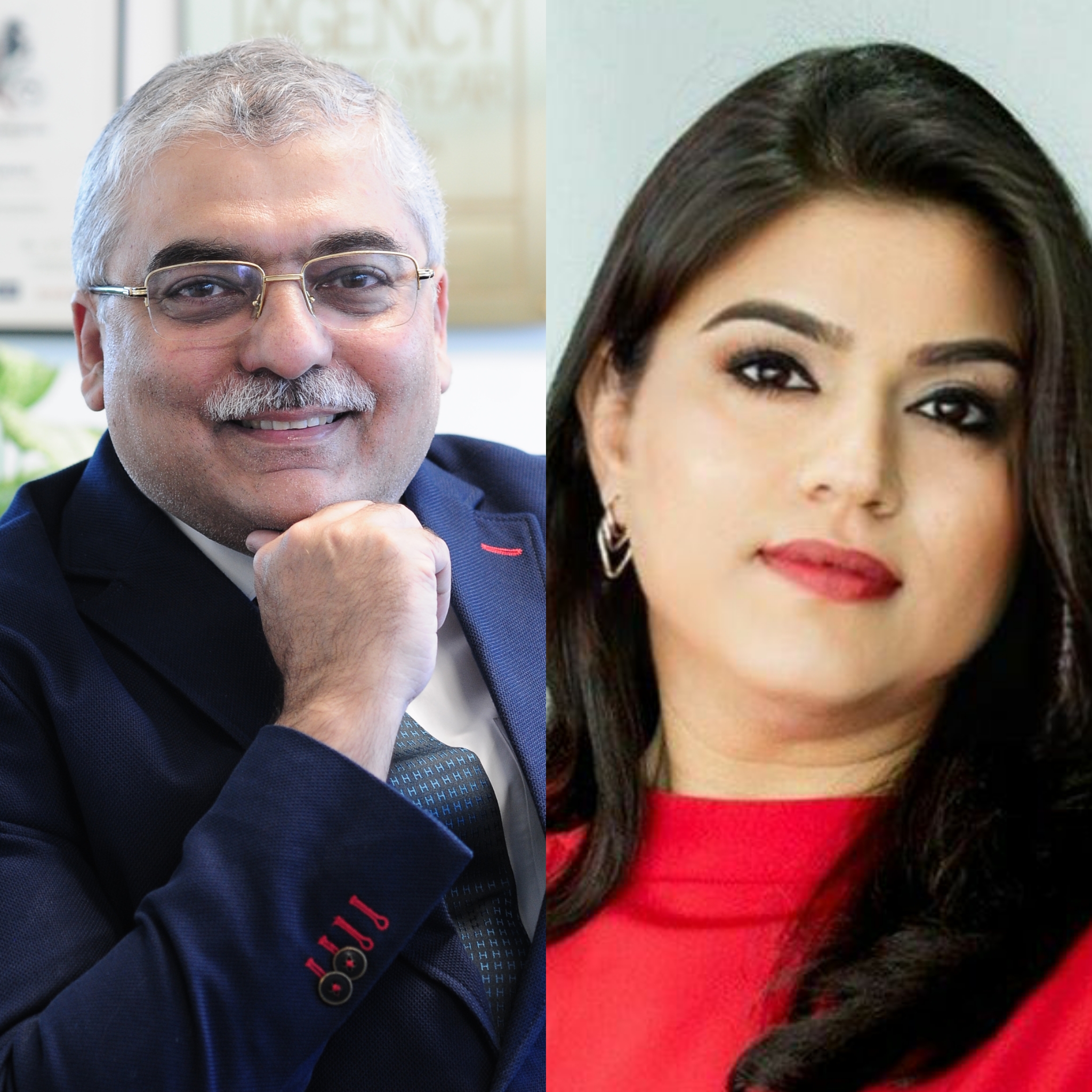
    dentsu International APAC CEO Ashish Bhasin said, “It is promising to see a return to growth in the APAC region with two of our markets in the top five contributors of ad spend growth; China and Japan. While China continues to see strong levels of growth driven by Digital and OOH, Japan’s growth will be buoyed by events like the 2020 Olympic & Paralympic Games, and the House of Representative elections and the advertising spend associated with it, particularly in TV.

    By market, the top five contributors to the $ 59.7 billion of growth in incremental ad spend during 2021 will be the US, China, UK, Japan and Australia. The US share of ad spend remains significantly above all other markets in 2021. The highest growth rates in 2021 are forecast to come from spend in India, Canada, the US, Australia and the UK.

    Media APAC CEO & Media Singapore MD Prerna Mehrotra said, “We are optimistic that the region will bounce back to positive growth in ad spend, with some channels likely boosted higher than pre-pandemic levels. The main drivers behind the growth is economic recovery, with the APAC GDP set to increase by 7.3 per cent, and a stronger-than-ever push to digital marketing.”

  • MontagePro, eka.care join hands to help people with vaccination bookings

    MontagePro, eka.care join hands to help people with vaccination bookings

    Mumbai: Video editing tool MontagePro by Mitron TV has partnered with eka.care to launch an influencer led initiative to reach out to the audience in metros & small towns of India and help them with healthcare facilities.

    eka.care app, which is CoWin approved, builds digital solutions for health care providers such as doctors and care seekers. It has built an AI-based innovation on WhatsApp that helps Indians to download vaccine certificates, book vaccine appointments amongst a host of other facilities.

    With MontagePro and its creators, the initiative in one week reached over 3.7 million Indians through the medium of social media and saw close to 35 per cent of overall vaccination slot bookings and around 60 per cent CoWin vaccination certificate downloads happening through the WhatsApp bot-based innovation, the platform said in a statement on Tuesday.

    “We launched MontagePro in the month of March with the sole aim of helping the creator’s community across the globe with a free to use editing tool,” said Mitron TV’s CTO & co-founder Anish Khandelwal. “Partnering with brands like eka.care gives our creators an opportunity to engage with brands and help them in reaching out with their initiative to a maximum number of consumers. As a brand, we look forward to such partnerships which have a great cause and help Indian citizens at large.”

    “eka.care is for better health outcomes of Indians. We built the app in 9 languages to facilitate local experiences and ease of use,” eka.care founder & CEO Vikalp Sahni said. “When we received approval from CoWin, we went back to the drawing board with the same innovative philosophy, so that vaccination slot booking and certificate download happens in a matter of seconds. MontagePro assisted us in ensuring that we reached the right audience, where super simple and conversational experiences in local languages were essential. We are super happy with the reach we have got and it opens up new opportunities for us to collaborate with MontagePro and its brilliant network of influencers who care to participate in this #LargestVaccinationDrive of the earth.”

    The initiative aims to reach more than 16 million Indians in the next two weeks.

  • TV ad spend touched Rs 35, 015 crore in 2020 despite pandemic

    TV ad spend touched Rs 35, 015 crore in 2020 despite pandemic

    New Delhi: Despite the pandemic’s devastating blow to businesses worldwide, the Indian media and entertainment sector showed ‘remarkable resilience’, according to PwC’s Global Entertainment and Media Outlook 2021-2025.

    TV advertising continued to expand in 2020 as the country emerged from the onslaught of the first wave and reached Rs 35, 015 crore, making India the fourth-largest market globally after the US, China, and Japan. Further expansion at a 7.6 per cent CAGR is likely to take TV ad revenues to the level of Rs 50,660 crore in 2025, according to PwC.

    The outlook for India suggests, multichannel advertising will account for nearly 92 per cent of the total TV advertising market in 2025. Online TV advertising will make modest inroads in the forecast period, with broadband penetration likely to remain extremely low at 7.3 per cent of households.

    The pandemic hit the industry hard, and according to PwC, the total global M&E revenue fell 3.8 per cent year on year in 2020, by far the most significant drop in revenue ever. While sectors like cinema, live music, and trade shows suffered unprecedented setbacks, the persistent growth of digitisation softened the blow for the broader industry.

    Amid all this uncertainty, PwC’s outlook suggests that India’s M&E industry is likely to reach Rs 412656 crore by 2025 at 10.75 per cent CAGR. A significant part of this growth story will be written by demand for great, localised content, increased internet penetration, and the creation of new business models. Technology and internet access will continue to influence the way Indians consume content, says the report.

    The report also shed light on how India is emerging as the fastest-growing Internet advertising market in the world at a CAGR of 18.8 per cent during 2020-2025. Around the world, pandemic lockdowns made home entertainment effectively the only choice, with internet access an essential. Growth in mobile ad revenue overtook wired revenue in 2019 and is expected to be 74.4 per cent of the total internet advertising revenue of Rs 30471 crore by 2025. In 2020 revenue from mobile internet advertising in India was Rs 7331 crore and will rise to Rs 22350 crore in 2025 – increasing at a 25.4 per cent CAGR.

    “This makes India the fastest-growing mobile ad market in the world, reflecting the growth potential, with over half the population yet to take up a mobile Internet subscription in 2020,” says the report.

    One of the worst impacts was seen on the cinema industry, which saw a 70.4 per cent collapse in revenues. With theatres shut, and movies heading to the OTTs, the box-office revenues in India plunged by 75 per cent year-on-year in 2020 to Rs 2,653 crore. However, according to PwC, the box-office revenue is expected to recover and grow at a CAGR of 39.3 per cent grossing up Rs 13,857 crore by the end of 2025.

    “The overall segment comprising box-office and cinema advertising is predicted to grow back to pre-covid level by mid of 2023,” says the report, providing a glimmer of hope to the industry.

    Meanwhile, the gaming market in India continues to enjoy exceptional growth and shows enormous potential. Video games and esports revenue reached Rs 11250 crore in 2020 and is set to expand to Rs 24212 Cr in 2025, at 16.5 per cent CAGR. India’s gaming market is dominated by the social/casual category, which accounted for 77 per cent of all video games and esports revenue in 2020.

    “India’s esports market is small but as awareness grows and, crucially, the mobile esports offering becomes stronger, this sector will see rapid expansion, at a 31.6 per cent CAGR over the forecast period,” it says.

  • mCaffeine launches new initiative to support Covid vaccination drive

    mCaffeine launches new initiative to support Covid vaccination drive

    Mumbai: Homegrown caffeinated personal care brand mCaffeine has launched the #GetTheGoodDose initiative to encourage millennials to get the COVID-19 vaccine.

    The initiative hopes to inspire these youths to better take care of themselves while supporting the government’s vaccination drive. To further foster this sense of social responsibility, anyone who is 18 and above and pledges to get vaccinated on their website, will earn a token of appreciation in form of a special reward, the brand said in a statement.

    “With the second wave of Covid-19 just settling, we all need to come together and ensure that we act responsibly by pledging to get vaccinated, whilst also urging and helping others around us to get their jab,” said mCaffeine’s co-founder & CEO Tarun Sharma. “With #GetTheGoodDose, we aim to be vocal through the voice of our consumers, and strengthen their resolve to get vaccinated, for we truly believe that our consumers are the best advocates for our country.”

    “If we are able to bring them all together to share this common goal via large participation, we can lead by example and our campaign can serve as an authentic voice to encourage the nation’s millennials to safely act before it is too late. Every small step towards this contribution could make a huge impact, as the more people are vaccinated, the closer we are to our pre-covid routines. Our campaign thus aims to put together a collective effort to curtail the spread of this year-long global pandemic,” he further added.

    #GetTheGoodDose went live on 7 July on mCaffeine website; the registration process details are available at: https://www.mcaffeine.com/pages/vaccination-drive.

  • Playtoome to double its manpower by end of 2021

    Playtoome to double its manpower by end of 2021

    New Delhi: Online live entertainment platform Playtoome unveiled its rigorous hiring plans for the next six months. The brand plans to recruit over 35 talented professionals across cities – Delhi, Kolkata, and Bangalore, it said on Monday.

    In a post covid era when industries are recovering and there is a dearth of jobs, the hiring announcement from the brand comes as a cheer for the young professionals.

    Playtoome offers hidden performing artistes to reach their target audience through the platform and monetise their acts. According to the company, it has provided over 8,000 artists with the opportunities and reached a viewership of 100K users.

    “The platform has been enabling quality live entertainment to people who otherwise could not avail the traditional live music due to the increasing dominance of fusion and western music trends. Exploring the horizons, we realised that there has always been a space for such a platform, and we received tremendous response. We distributed over 20 lakh amount among the artists that performed on the platform, and the brand’s revenue too grew by 10X last fiscal year yoy. Now with the climbing numbers we decided to expand the team and continue our journey with new energy,” said Playtoome founder and CEO Keerthivasan Subramanian.

    The startup is looking at hiring across departments including – sales & marketing, finance and accounts, artist coordinator, content planner and content creator, copywriter, web developer, assistant director, graphic designer/video editor/animator/illustrator, brand reputation executive.

    The platform is also looking at scouting musicians and exploring content partnerships with upcoming talent under its vertical Playtoome Originals, and is looking forward to featuring 100 songs under Playtoome Original by the year end.

  • GUEST COLUMN: Deciphering social media Humanology during pandemic

    GUEST COLUMN: Deciphering social media Humanology during pandemic

    New Delhi: Before 2020, if any individual ever put a requirement about a hospital or medicines on their social media timeline, the only people to respond to those posts would be their friends and professional relations. It was highly unlikely if an unknown (or unconnected) individual jumped in to respond or help.

    However, the second wave of Covid-19 broke this myth. When someone posted an SOS message, the entire community, irrespective of whether they were connected or not, jumped in to help them. Within minutes, the seeker had the list of hospitals to dial in, vendors for an oxygen cylinder, masks, sanitisers, vials, doctors, and home remedies.

    As the days went by, the number of these SOS turned into thousands flooding the timelines. There was a barrage of WhatsApp messages, Twitter posts, Insta Stories, Posts, and others sharing the names & contacts of the verified vendors/places of these above-mentioned amenities created by people who are not content creators.

    The content creators and influencers played their roles. Technology enthusiasts created live blogs, tools that maintained the real-time verified status of the hospitals, doctors, and other necessities on the social media accounts for free of cost. Once an SOS query was answered there was a heart-warming response. The scenario reflected the age-old proverb – ‘Neki Kar, Dariya Mein dal’ (Be Discreet with your Kindness).

    And it was not just a common man who used this medium, several hospitals and institutions used the social platforms to update their daily/hourly status and raise SOS to the government.

    So, what changed in 2021? Why did people become so proactive on social media to help each other? What did they get out of this? Before we dig deep into this psychographic analysis of this question, let us understand the behaviour of most people on social media, especially who they engage with & how they do it.

    Social media has always been like a digital mohalla (neighbourhood) where one lives with fast friends, daily acquaintances, casual acquaintances, professional acquaintances, and dormant relations. On most occasions, our deepest engagements are with either fast friends or professional connections. However, with everyone else, this relationship of engagement is very casual.

    Stronger Together!

    People realised that they were probably facing the worst ever humanitarian crisis and the only chance to survive this was through fighting it together. Now they could not go outside physically to help them, so the only option was to help digitally. This meant they could order medicines, find doctors, connect with hospitals, ambulances, and others.

    Online Connection to on-ground Solution!

    Once helping each other became a duty for responsible netizens, they started realising the power of social media and connections. They moved a step beyond just sharing the jokes and news and saw that they were part of the real action where lives mattered. Their small contribution can help someone. A simple idea that even if an existing connection could save one single life, it would be worth it.

    CONTENTment

    It gave them a lot of peace and satisfaction as they were able to help each other. Sharing is caring! They had a platform to express happiness or displeasure about the situation where they will not be judged. This feature has always been there and people used it excessively during the pandemic. The affected shared their challenges & remedies; the ones who suffered losses shared their thoughts & displeasure about the situation and the ones who were safe were able to take learnings from the affected ones.

    Together We Win!

    Together these voices collaborated and were able to gather domestic and global attention. They believed that they were a part of a movement where people will read/hear/see their plight and chip in to help. And finally, people were able to seek genuine responses that mattered. They were turning out to be influencers aka god’s light for many others. This user-generated response mechanism created a strong trust in their mind for the platform and engaged them even further to the mediums.

    A big reason for this massive shift in behaviour was the need of people at large, especially when India’s entire healthcare system was under immense pressure.

    However, there was also a flip side to it. It led to a lot of misinformation also wherein information about several untested medications was also making rounds on social media which could easily lead to reputation damage for a long time.

    As a digital marketer, I believe in the semantics of social media platforms and connections. This shift is going to stay, social media as a social support platform is a colossal example of changing human behaviour & technology.

    (Jankana Kaul is CEO, Natter. The views expressed in the column are personal and Indiantelevision.com may not subscribe to them.)


  • Tata Pravesh’s latest campaign empowers people to make wise choices

    Tata Pravesh’s latest campaign empowers people to make wise choices

    Mumbai: Tata Pravesh, from the house of Tata Steel, has launched a new campaign called #AloneButTogether to empower people for making wise choices in the face of the pandemic. Conceptualised by Logicserve Digital, the campaign showcases the power of an individual to drive positive influence.

    Aligning with Tata Pravesh’s present positioning of ‘Akela Hi Kaafi Hai’, the campaign comprises of impact-driven Thumbstopper videos that aptly convey the message through simple real-life situations such as planning a wedding in the middle of the pandemic, our attitude towards people who deliver our necessities at home and illustrates how we can make an impact with a simple act.

    Commenting on his vision for this campaign, Tata Pravesh’s chief – services and solutions, P Anand said, “This campaign is our attempt at communicating the importance of putting safety first, for yourself and for your loved ones, and making wise choices in our daily life; since we strongly believe that an individual is #AkelaHiKaafi for creating a positive impact. #AloneButTogether promotes the emotion of standing strong with one another by spreading empathy, kindness, and humanity and, encouraging each other to act responsibly.”

    Shedding more light on the creative process of the campaign, Logicserve Digital’s SVP – creative, social, PR, marcom, Manesh Swamy said, “The pandemic is not over yet, and as a community, we have to be more vigilant and at the same time be humane. We realized that people don’t generally take it well when we correct them to behave in a certain manner during the pandemic. However, driving the message that every single individual can make a difference was essential. As things are opening up and people are getting back to normalization 2.0 with a scare of the third wave lurking around, we wanted to spread kindness and instill responsibility via these super short thought-provoking films. If you carefully look at the films, Tata Pravesh’s doors and windows are seamlessly integrated with these films and are playing an important role in driving this important message.”

  • MTV India mobilizes youth to aid India’s fight against Covid

    MTV India mobilizes youth to aid India’s fight against Covid

    New Delhi: As the country continues to reel under the impact of the second Covid wave, the need for communities to come together towards helping each other has never been more imperative. As part of its latest MTV Cancel Covid initiative, youth entertainment brand, MTV on Tuesday launched a celebrity closet fundraiser in association with e-commerce platform SaltScout that supports fundraising for social causes.

    The proceeds from – ‘MTV No Fever Sale’ conducted through Dolce Vee, a platform that conducts charity sales of preloved fashion, will be donated to Sustainable Environment and Ecological Development Society (SEEDS), a non-profit organization that specializes in building community resilience against disasters.

    The MTV No Fever Sale will let fans shop from the closets of some of the renowned actors, singers and influencers from the entertainment industry such as Rannvijay Singha, Taapsee Pannu, Shilpa Shetty, Sunny Leone, Raftaar, Terence Lewis, Varun Sood, and many more. These celebrities have come forward to donate clothes, accessories and memorable items owned by them for their fans to get a chance to shop for a cause.

    The initiative is an endeavor to mobilise the youth of the country and utilize their love for shopping for the greater good – “Shop for a Cause”, said the channel on Tuesday.

    SaltScout founder Komal Hiranandani said the initiative has brought together the country’s top talent with its fan base to make giving back more engaging and to raise awareness about the many ways in which each of us can contribute. “We are incredibly grateful to them, the panel of celebrity participants – the likes of which have never before been assembled, and the fans, who have been sincere in their efforts to help those in need every step of the way,” added Hiranandani.

    SEEDS co-founder Dr. Manu Gupta said, “Our association with MTV for a bold initiative like MTV No Fever Sale has hugely boosted our confidence of doing even more for fellow citizens.  The unique celebrity closet fundraiser is an endeavor to mobilize youth of the country, with whom we hope to ultimately reach out to most marginalised communities in the country who have limited means and access to timely health care and vaccination,” he added.

    Ranging from Taapsee Pannu’s fashionable black jacket and a white shirt she wore for the promotion of her new film to Raftaar’s swanky cap and shoes and Rannvijay’s trendy sneakers, the sale will give fans a chance to own their favourite celebrity’s belongings and extend help to those in need, said the brand. The initiative also brings to light the ever-evolving phenomenon of pre-loved sustainable shopping, which addresses the impact of carbon footprint on the planet and the need for a cleaner environment.

    “The pandemic shook the nation in ways none of us would have ever imagined and it breaks my heart to see people suffering. Amidst all the chaos, it is imperative that all of us come forward to help each other in the best possible way, and I’m happy to do my bit for a humbling initiative like this one which endeavors to mobilize the youth of the country to bring about a change,” said actress Shilpa Shetty.

    The sale is live at www.mtvnofeversale.com.

  • CASE STUDY: How ABP Network and Robin Hood Army stepped up to combat pandemic

    CASE STUDY: How ABP Network and Robin Hood Army stepped up to combat pandemic

    Mumbai: Covid-19 has been the worst-ever health crisis in almost a century which brought the world to its knees. Soaring positive cases led governments to order strict restrictions on movement, compelling people to stay indoors. Hospitals ran out of beds and struggled to procure life-saving oxygen as the pandemic descended in waves.
     
    Amid all this, there were organisations and groups which stepped up and lent a helping hand to people facing the worst adversities. In this hour of need, leading media conglomerate, ABP Network once again established itself as a responsible news network and came forward to support the country’s battle against the pandemic.
     
    As cases began to peak during the first wave in 2020, the network announced its partnership with a volunteer-based, zero-funds organisation, Robin Hood Army (RHA), and launched a special initiative ‘Senior Patrol’. The aim was to help the most susceptible and senior members of society by providing them with essentials like food and medicines.
     
    “In these exceptionally challenging times, we take it as our duty to help those in dire need. We are proud to be collaborating with RHA to help the most susceptible members of society and we hope the citizens will join hands with us in overcoming these difficult times through their support,” said ABP Network CEO Avinash Pandey, at the time of the launch. “The network has always stood by the nation in its hour of need and created a meaningful impact in society. This is our time to step up and spread energy, enthusiasm, and generosity.” 
     
    As part of the initiative, thousands of volunteers began helping senior citizens across the country by providing them food, medicines, and other essentials, which they were unable to procure due to the restrictions. The volunteers remained on the frontlines and took due care to follow all the government, health, and safety guidelines along with social distancing measures to ensure safe & responsible deliveries.
     
    Driven by its core purpose to create an ‘Informed and Happy Society’, ABP Network helped build support for the cause and promoted the initiative through the strength and reach of its national and regional channels inspiring more people from across the country to join the cause.

    The Network’s portfolio includes ABP News (National Hindi news channel) as well as regional ones such as ABP Ananda (Bengali news channel), ABP Majha (Marathi news channel), ABP Asmita (Gujarati news channel), ABP Ganga (Hindi news channel for Uttar Pradesh and Uttarakhand viewers), ABP Sanjha (Punjabi news channel), ABP Bihar (digital news portal for Bihar-specific viewers), ABP Nadu(digital news portal for Tamil viewers )and ABP Live, a digital news platform.
     
    The anchors on its news channels used their social media handles to inform people about the initiative and helped volunteers reach every nook and corner of the country. 
     
    Families were required to fill an online form (https://robinhoodarmy.com/seniorpatrol/) which carried all the necessary contact details of the senior citizens and the essentials they need, in terms of food and medicines. Once the information was submitted, the volunteers ensured the items required were made available to the senior citizens at their doorstep by the local Robins.

    The network also partnered with Robin Hood Army volunteers in their pledge to fast-track COVID-19 vaccination for millions of senior citizens through the #SeniorPatrol campaign. The campaign was launched on 8 March 2021 across 150+ Indian cities. With a force of 100,000 Robins, the Robin Hood Army remained confident of serving millions of senior citizens pan-India across every neighbourhood through the Senior Patrol’s tech-enabled system.

    So, whether it was supporting senior citizens with vaccine registrations on the Co-Win platform or physically bring the elderly to the vaccination centres, the volunteers did it all. Towards this end, the mobility company, Uber was also roped in for logistical support for the initiative.

    Talking about the association, RHA founder, Neel Ghose, said, “We consider ABP to be a part of our extended Robin family. Outside of 200 per cent professionalism, the sheer passion and care which they put into each collaboration makes this much more than a CSR activity – but more of a joint nation building effort. We look forward to creating much more impact together in the years to come.”

    The network kept the viewers apprised about the pandemic updates 24×7 through its news websites in Hindi, Marathi, Bangla, Gujarati, Punjab and Tamil. The media group also provided its continued support to the government to contain the novel coronavirus and the devastation triggered in its aftermath.
     

  • Print media will reach only 75 % of its pre-pandemic revenue this fiscal, says report

    Print media will reach only 75 % of its pre-pandemic revenue this fiscal, says report

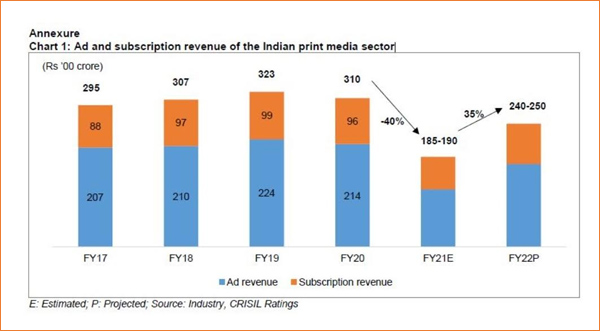
    New Delhi: Despite 35 per cent on-year growth this fiscal on a low base, the country’s print media sector will reach only three-fourths of its fiscal 2020 revenue, according to a new CRISIL report.

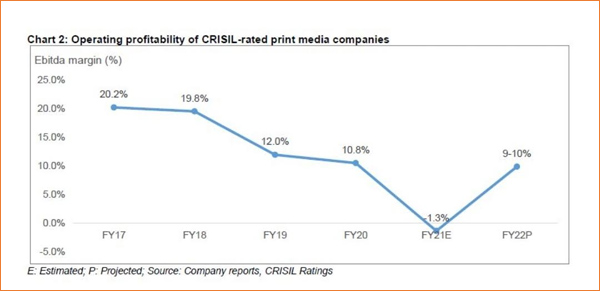
    While the cost of newsprint continues to remain high, there is a good probability that profitability will revive to 9-10 per cent driven by sharp cost rationalisation measures and digitalisation of content, shows the report. The analysis assumes the impact of the second wave to continue to subside, as is seen currently.

    According to CRISIL, the credit profiles of large print media companies will be resilient, cushioned by healthy liquidity and strong balance sheets, while for the remaining ones, liquidity management will be crucial, shows an analysis of CRISIL-rated companies that account for roughly 40 per cent of the sector’s revenue.

    The sector’s revenue of Rs 31,000 crore in fiscal 2020, split 70:30 between advertisement (ad) and subscription revenue, had declined 40 per cent last fiscal amid the first wave. However, it is expected to reach to Rs 24,000-25,000 crore this fiscal, notwithstanding the second wave.

    “The second wave has impacted ad revenues in the last quarter, as it correlates strongly with economic activity,” CRISIL Ratings, director Nitesh Jain said, “We expect ad revenues to recover from the current quarter as economic activity revives. But it would still reach only 75 per cent of the pre-pandemic level this fiscal, as seen during January-March 2021, before the second wave took hold.

    As for subscription revenue, the sector is witnessing a structural change with a shift in consumer preference towards digital news, from physical newspapers. This is more prominent for English newspapers, which have a higher share in metros and Tier-1 cities, where digital adoption is also higher. These companies are, therefore, focusing on monetisation of content by putting premium news behind paywalls and pushing digital subscription along with print subscription. Non-English newspapers, on the other hand, had relatively resilient subscription revenue even in the first wave because of their strong roots in the hinterland.

    “We believe, unlike western countries, print media will remain popular in India. Besides low cover price and the convenience of home delivery, it benefits from the ability to provide original and credible content, and people’s habit of reading physical newspapers,” stated the report, according to which, the overall sector’s subscription revenue loss this fiscal should be restricted to 12-15 per cent of the pre-pandemic level.

    That said, printing physical copies of a newspaper requires newsprint – a key raw material that accounts for 30-35 per cent of the total cost for print media companies. Over the past six months, newsprint prices have risen 20-30 per cent

    The run-up in cost notwithstanding, the operating margin is expected to reach 9-10 per cent this fiscal, or 100-200 basis points lower than the pre-pandemic low of fiscal 2020. This is because of sharp cost rationalisation measures undertaken by the companies, such as reduction in pagination, employee cost and other expenses.

    Last fiscal, retailers strengthened their balance sheets through equity infusions of Rs 2,000 crore, which reduced overall debt for CRISIL-rated apparel retailers by 30 per cent.

    CRISIL Ratings associate director, Rakshit Kachhal said, “Credit profiles of large print media companies will continue to be supported by ample liquidity and sustained strong balance sheets, with most being net-debt free. However, for the smaller ones, whose interest cover has declined to 1.6 times as on 31 March from 2.1 times a year ago, ability to manage liquidity amid the second wave and rising newsprint prices will still be crucial.”