Tag: Pandemic

  • Muthoot Microfin hires 2,300+ employees during pandemic

    Muthoot Microfin hires 2,300+ employees during pandemic

    New Delhi: At a time when businesses worldwide are struggling to retain employees and maintain salaries, Muthoot Microfin has expanded its employee strength by 37 per cent.

    In a statement issued on Friday, the microfinance firm said it has hired more than 2,300 employees while opening as many as 64 new offices across different parts of the country. Most of the new employees were roped in as part of recruitment drives conducted for candidates who had lost their job due to the pandemic.

    The firm has allowed all employees to work from home during the period, apart from providing Covid insurance for all, covering hospitalisation costs as well as expenses on medicine. “Besides, Muthoot Microfin ensured no pay cut and complete job security for all employees. It was on the basis of these aforementioned initiatives that the company was ranked among ‘Best Place to Work’ by GPTW Institute,” said the company.

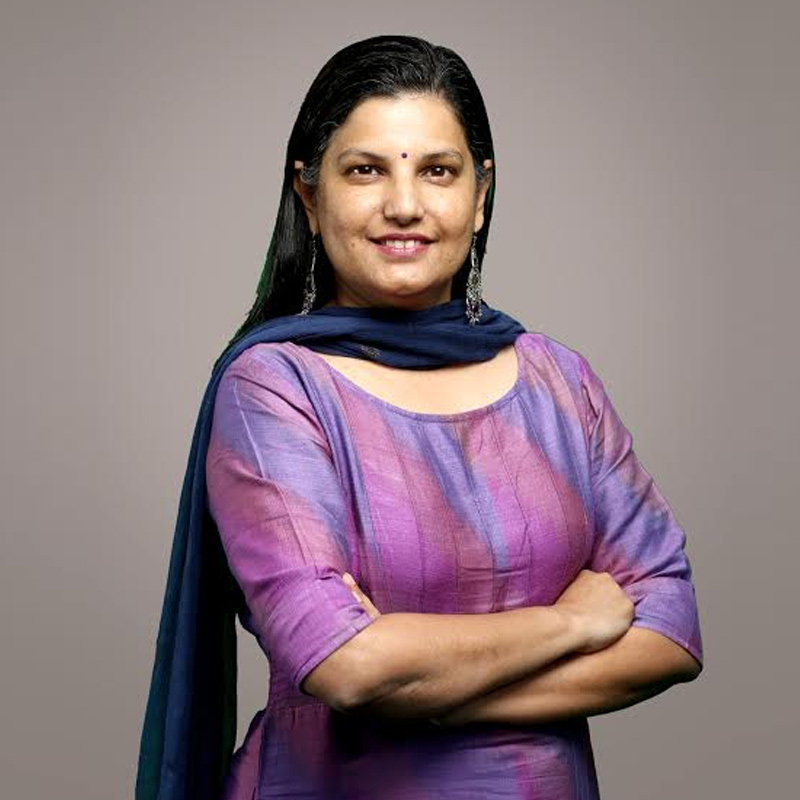
    Muthoot Microfin CEO Sadaf Sayeed said, “We have always kept employee wellbeing on the top of the pedestal, as they are the backbone of our institution. As the pandemic struck, we issued alerts and opened a full-fledged control room to address the panic and concerns among our employees. Also, we actively engaged with them through skill development programs.”

    The company’s HR head Subhransu Pattnayak added, “Our communication strategy was primarily to keep in constant touch with all employees throughout the lockdown period and keep a tab on their safety and wellbeing. We also rolled out a slew of employee engagement activities, associated with online learning platforms and activated internal LMS for skill training of employees. We invested a lot on providing training to our staff over the past year.” 

    The company has disbursed Rs 2,700 crores worth of loans in FY2021.

  • Weekend curfew in Delhi, cinema halls to operate with only 30 per cent occupancy

    Weekend curfew in Delhi, cinema halls to operate with only 30 per cent occupancy

    New Delhi : After witnessing the highest ever single-day spike in the number of Covid2019 cases, the Delhi government has decided to impose a strict weekend curfew in the national capital, starting 10 pm on Friday.

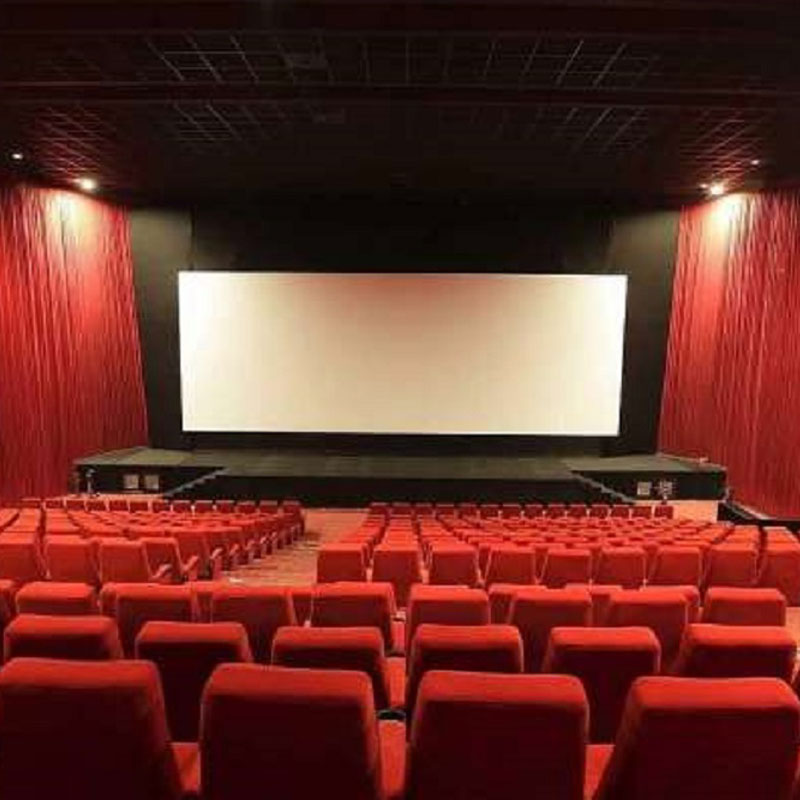
    The AAP government has also ordered all the malls, auditoriums and spas to shut shop from 16 April till further orders. Cinema halls, however, have been allowed to remain open during the weekdays, but can function with only 30 per cent occupancy.

    "I had a meeting with the L-G. We have decided to impose weekend curfew in Delhi. This is because people generally go out for work on weekdays and entertainment on weekends. In order to break the chain we are imposing a weekend curfew, exempting essential services," said Delhi chief minister Arvind Kejriwal on Thursday.

    According to the new restrictions, no dine-in options will be allowed in restaurants and eateries and only home deliveries will be permitted. The weekend curfew will start at 10 pm on Friday to 6 am on Monday. However, all essential services will remain functional.

    A night curfew has also been imposed in Noida and Ghaziabad Friday onwards.

    The decision comes two days after the Maharashtra government announced strict restrictions for the next two weeks in wake of the alarming surge in the number of infections. However, unlike Delhi, Maharashtra has also closed all movie theatres as well. All television and film shoots have been shut down till 1 May.

    The country is reeling under a severe second wave of the novel Coronavirus, with the number of caseloads surpassing last year's records. On Thursday, India recorded a record two lakh cases during the last 24 hours and over 1,038 deaths.

    The national capital too reported 17,282 fresh cases in the last 24 hours, its highest spike so far. The number of daily Covid deaths has also been increasing, with 104 deaths recorded on Wednesday alone.

  • Get crew members tested for Covid, IFTPC urges TV producers

    Get crew members tested for Covid, IFTPC urges TV producers

    MUMBAI: With no slowdown in sight in the number of Covid2019 cases in Maharashtra, the Indian Films and Television Producers Council (IFTPC) has urged all television producers to conduct RT-PCR/antigen tests of crew members working on ongoing projects. The statement comes at a time when the state government is mulling a complete lockdown for two weeks to combat the second wave of infections.

    Maharashtra is battling an unprecedented surge of Covid2019 cases, with nearly 60,000 cases being reported daily for the past few days. As many as 394 people lost their lives in the past 24 hours taking the death toll to 57,987.The state worst hit by the ongoing pandemic was forced to enforce a night curfew and a weekend lockdown last week. Except for essential services, it announced the closure of all other businesses, including theatres, cinema halls, and multiplexes till 30 April. However, the film and television shoots were permitted to continue amid restrictions.

    In a statement, the IFTPC said that it has asked the producers of 90 TV shows to conduct Covid2019 tests of their entire crew and submit a report. It has already received confirmation of as many as 9,000 tests, it stated further. The tests will be repeated after 15 days as per the ‘Break the Chain’ guidelines. The association has, however, mandated that antigen tests be done every week for additional safety.

    IFTPC chairman TV & web wing JD Majethia mentioned that broadcasters have borne the cost of the tests. "All the necessary guidelines are being followed scrupulously. We have also urged the producers to create a bio-bubble of the sets and post-production facilities for total safety,” he said, adding that the work on bio-bubble has already commenced and will fructify in a couple of days.

    Several on-ground productions including Ram Setu, Gangubai Kathiawadi, and Dharma Productions-backed Mr. Lele were impacted after actors, as well as other members on the sets, tested positive for the novel Coronavirus. Filming of Wagle Ki Duniya and Anupamaa was also halted after some members on the sets tested positive. Mumbai itself has recorded nearly 10,000 positive cases in the past 24 hours and recorded 79 deaths. Other cities like Aurangabad, Pune, Nashik, Thane also remain badly affected.

    Majethia said the television industry has been continuously producing entertaining shows which help the people to stay at home and bring relief to their stressful life. “We hope the government will treat the industry as an essential service and its workers as frontline workers,” he stated.

    On Sunday, chief minister Udhhav Thackeray held a meeting with the Covid2019 task force to discuss the current situation and the duration of a state-wide lockdown and its potential economic fallout. Thackeray had earlier warned that a lockdown is imminent if there is no let-up in cases. Talking to reporters post the meeting, state health minister Rajesh Tope said most of those present at the discussion were of the view that a lockdown should be imposed in the state for at least two weeks. However, he added that a final decision regarding imposing a lockdown in Maharashtra will be taken after 14 April.

    The state has administered Covid2019 vaccines to over a crore people so far.

    The second wave of Covid2019 and another lockdown could land a serious blow to the entertainment industry, which is still recuperating from the damages incurred last year due to an extended shutdown. Apart from the loss of revenue and the impact on the workforce, the restrictions have also put a question mark over the revival of the film exhibition business.

    What the second Covid2019 wave means for Maharashtra

    The IFTPC had earlier cautioned the producers about a potential "September-2020" like situation developing again and urged them to avoid outdoor shoots with immediate effect. Meanwhile, the Federation of Western India Cine Employees (FWICE) formed a monitoring team to ensure that all Covid2019 shooting guidelines, including safety precautions on the set, avoiding filming of crowd sequences are strictly followed.

  • Big FM onboards as official radio partners of Rajasthan Royals

    Big FM onboards as official radio partners of Rajasthan Royals

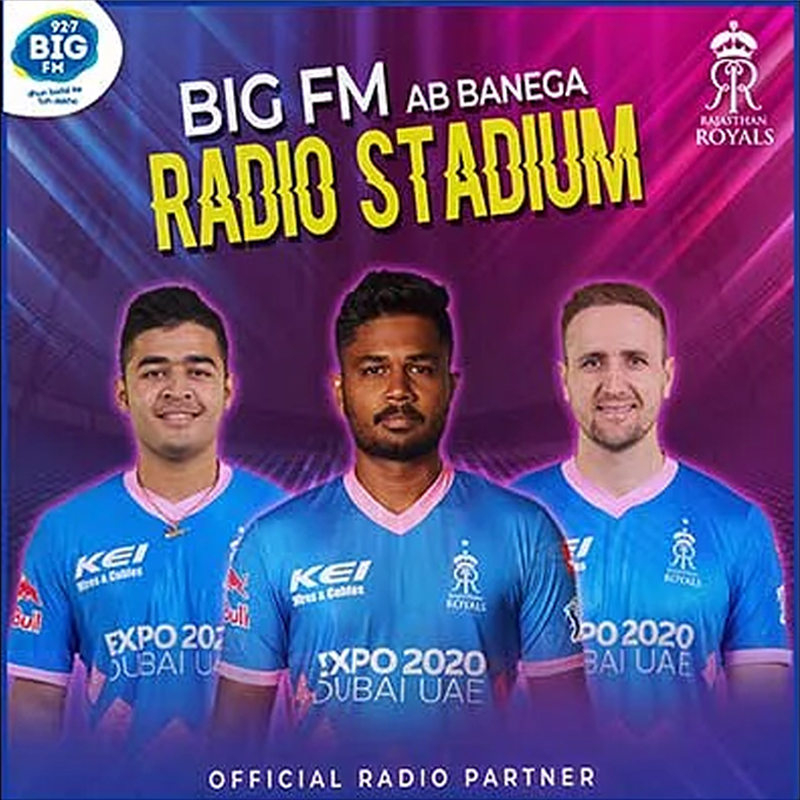
    New Delhi: It's that time of the year again, which cricket fans have been waiting for with bated breath. The 14th edition of the Indian Premier League (IPL) is here and the excitement is palpable. Radio channel Big FM has partnered with the IPL team Rajasthan Royals for the second consecutive year as its official radio partner.

    The second wave of Covid2019 cases continues to pose a challenge and once again, all the matches will be played in empty stadiums, with no enthusiastic fans to cheer their favourite teams. Big FM has announced that it intends to broadcast the stadium experience and ensure that fans can enjoy the revelry from the comforts of their home.

    As a part of the association, Big FM will become Radio Stadium for an hour every day, serving exclusive trivia, conducting exciting contests and quizzes, and hosting an expert panel that will speak on the team and players, and give royal updates on pre or post matches of the Rajasthan Royals team.

    The radio network will also give a chance to their listeners to come up with a ‘royal chant’ for team RR. Listeners will be asked to describe each Rajasthan Royal player in a word. Shortlisting 11 words that best describe each player, Big FM will compose a royal chant using them as core lyrics. The chant will be played on the radio network during each match of the team.

    Big FM country head product – marketing & THWINK BIG Sunil Kumaran said, “This year, the celebrations are a little different, with fans gearing up to enjoy the matches from their homes. However, we don't want them to miss out on the frenzy, and hence through our campaign, we are presenting a multi-platform immersive and engaging experience that will take the excitement and the entertainment quotient a notch higher.”

    The association will allow fans to know more about their favourite RR team players, inside trivia, anecdotes, and fun stories with the Royal Camp, through smart speakers and Android phones. Players will be asked to share stories about teammates, which will be available on the smart assistant in an exclusive format. Big FM will also curate special playlists for some of the top players of the team that match their on-field persona. These playlists will be available on music streaming platforms as the Royal Playlist.

    Rajasthan Royals COO Jake Lush McCrum said, “Our fans mean everything to us. With no fans in the stadium, we need to find different ways to bring them as close to the action as possible. Through this partnership with Big FM, we are excited to bring our fans the joy, excitement, anticipation, and entertainment of IPL from the comfort of their homes.”

  • Guest column: 2020 has been full of new learnings for content creators

    Guest column: 2020 has been full of new learnings for content creators

    MUMBAI: Summer vacations typically start from the month of April leading up to June, a period when content consumption amongst children is usually at its peak for kids entertainment channels. This arrived as early as March this year owing to pandemic-induced lockdown and has continued since. To meet this increased consumption demand of our young viewers, our production houses worked remotely and delivered fresh content throughout the pandemic to keep them entertained. We utilised this time for reflection on the content mix and content journey, hence we have also given them brand new content with the launch of our first chase-comedy show, Pyaar Mohabbat, Happy Lucky; and continued it with another new show in the mythology genre – Krishna Balram.  We also expanded our language feed from seven to nine languages with the launch of Honey Bunny ka Jholmaal in two new language feeds, Gujarati and Kannada. The consumption pattern also moved towards consuming long forms, adapting to which Sony Yay! released 15 new Honey Bunny movies this season.

    We improvised our existing plans and adopted a fresh approach of omni-channel presence of our characters to keep up with our young viewers and entertain them throughout. We commenced this journey with our summer campaign – What’s Your Summer Plan? –announcing exciting new episodes, telemovies of our marquee characters along with new shows. We also launched a unique workshop series called Yay! Summer Camp brought together artists and experts from various fields to create videos on art and craft, Zumba, storytelling and more. In addition to this, the Yay! the ecosystem was expanded to cater the fans with special Honey Bunny themed mobile games and interactive Honey Bunny themed Instagram filters.

    Biggest takeaway from 2020

    Entertainment becomes transformative and necessary in the lives of people in times of crisis like the one we’ve witnessed. 2020 has been a year of learnings and thus, witnessing the shifts and increase in demand for fresh content, we quickly readapted to the situation to create more content thus, while also curating more potential ways to connect with our young audiences. While television continued to be the staple mode of entertainment, the digital medium also took huge precedence. Both kids and gatekeepers have had a dynamic shift in their behaviour, content consumption and perspective. This led us to create new ways of connecting with them through their favourite characters on television as well as digital.

    New skillsets learned during this time

    This year we have seen dramatic shifts in lifestyle and content consumption amongst kids. Thus, we understood that it is paramount to expand our ecosystem offerings and broaden our horizons beyond television. Sony Yay! also enhanced its digital outreach by creating a digital portfolio with immersive workshops, interactive Instagram filters, special Honey Bunny games, and extensive outreach for relevant influencers of the community. Furthermore, in 2020 we have also enhanced our engagement skills by creating experiences for kids in the form of virtual offerings.

    Technology has played an important role

    Apart from the tantamount benefits of technology, the one that stood out for the kids’ entertainment category during the pandemic is helping us stay connected to our young viewers and to our production houses. Our production houses operated remotely and kept creating fresh content meeting its increased demand in the category, thanks to the advancement in technology. This is an opportunity for content creators like us to collate all our experiences and package it into an interactive virtual ecosystem. Also, with higher internet penetration and multi-screen availability, online gaming has witnessed exponential growth and we have tapped into this trend with some of our popular games Honey Bunny ka Jetpack, Kicko & Superspeedo game, Merge Super Speedo exceeding expectations with an incredible one million+, 10 million+, one million+ downloads, respectively, so far.    

    Is TV being monetised enough?

    In India, TV has always been a staple in almost every household and accounts for nearly 40 per cent of the total advertising expenditure in the country in 2019. The kid's entertainment category is still extremely under-indexed with a huge gap in the ad rates compared to some other categories. That said, with high-quality engaging content, we have seen constant growth in viewership and brands also warming up to increase their spending.  

    (The author is business head, Sony Pictures Networks India kids’ genre. Indiantelevision.com may not subscribe to her thoughts.)

  • Guest column: What not to do – A revelation in the times of Covid2019

    Guest column: What not to do – A revelation in the times of Covid2019

    MUMBAI: As we now stand in 2021, I remember a strategy quote by Sissy Gavrilaki which reads, “Failure is nothing more than a chance to revise your strategy.” When the bullet of Covid2019 pierced through our uneventful and routine lives, we didn’t know what hit us. There was pandemonium, anxiety, struggle, outbursts all around us – in every household of every city belonging to every country. All we saw, heard, spoke of was Covid2019 which had become the centre of all our lives and livelihoods.

    Uncertainty became a constant in our lives. As we realised that the path ahead would be undefined, all we could now do was reflect, reassess, redetermine, revalue, re-strategise, realign and run forward with a redefined strategy for our respective businesses.

    Strategy, to think of it, is a word with a simple meaning – a detailed plan for achieving a goal. But execution of a plan has its layer of complexity coupled with strategic vision. As we faced the pandemic, the first question which arose in front of our eyes was, ‘What happens to the business strategy which affects the outcome of goals, that in turn impacts revenue, which ultimately defines the future of our respective businesses’?

    This simple yet alarming question was to be addressed and thus began the path to re-strategise in the Covid2019-dominated world. Each sector carved out its own innovative ways to re-strategise its business plans. Somewhere the strategy was to pause, somewhere it was to slow down, at some places it was to dismantle and while at others, to move forward. Each of these strategic steps redefined the business model, which redefined each human being’s life cycle which now consisted of new patterns, behaviours, lifestyles, cultures and most important habits.

    As a start-up media network fuelled by the fire of ambition, we decided to stand together with the vision ‘united we stand, divided we fall’ to combat the avalanche of issues created due to Covid2019. Reassessing plans to ensure we achieve our goals in an uncompromised fashion became the need of every second and every hour at IN10. Grit, hard work, focus, teamwork became the artillery in our mission to stay on the targeted track of our business goals.

    The pandemic taught me a very simple lesson – ‘What not to do.’ Yes, since the time we make a dramatic entry into this vast universe as human beings, we are taught ‘what to do’ at each level of our life. But as we grow out of the cocoon and take our steps on the road to adulthood, no one tells us, ‘What not to do.’ Now, as one of the most gruelling years of the decade comes to an end, I sit back and reflect on what I learnt ‘not to do!’

    (The author is VP – corporate strategy and development network, In10 Media. Indiantelevision.com may not subscribe to her views.)

  • Covid effect: Warner Bros, Disney, Universal TV postpone LA-based shows

    Covid effect: Warner Bros, Disney, Universal TV postpone LA-based shows

    MUMBAI: Close to two dozen southern California-based television shows have been put on extended hiatus as Covid2019 infection rates continue to rise in Los Angeles county.

    Warner Bros TV has confirmed that series productions such as comedies Mom, B Positive, CBS’ Bob Hearts Abishola, and dramas Shameless (Showtime) and You on Netflix will not resume shooting next week as scheduled. The studio aims to return the week of 11 January but will evaluate as conditions get better.

    On a similar note, Universal TV has pressed pause on six comedies — NBC’s Mr. Mayor, Kenan, Good Girls and Brooklyn Nine-Nine, HBO Max’s Hacks, and Netflix’s Never Have I Ever. Universal is also eyeing a 11 January return date for most of its originals.

    Both Walt Disney-owned 20th Television and ABC Signature have extended production hiatuses on 16 shows: 911, Lone Star, American Crime Story: Impeachment, American Horror Story, American Housewife, Big Shot, Black-ish, Grey’s Anatomy, Last Man Standing, among several others. Reports stated that none of the Disney shows are expected to return to production floor before 18 January.

    Sony Pictures Television has also deferred The Goldbergs and Atypical; both of the shows were slated to resume production next week.

    The moves follow the decision Tuesday by CBS Television Studio to extend the holiday production hiatus after Los Angeles county suggested that shooting in the area be suspended amid a surge in Covid2019 cases.

    “Although music, TV and film productions are allowed to operate, we ask you to strongly consider pausing work for a few weeks during this catastrophic surge in Covid2019 cases,” public health department representatives wrote in a 24 December email, according to FilmLA. “Identify and delay higher risk activities, and focus on lower-risk work for now, if at all possible.”

    According to the reports, Los Angeles county on Wednesday hit a single-day high with 262 Covid2019-related deaths.

  • Covid effect: Italian TV market shrinks by over €400 million

    Covid effect: Italian TV market shrinks by over €400 million

    MUMBAI: After debilitating Italy right at the outset, Covid2019 is now hitting the country in a different way. The Television Market in Italy 2020-2022 report published by Rome-based ITMedia Consulting has estimated that the Italian TV market has lost over €400 million in value this year.

    The report states that pay-TV is the only resource that is growing, while advertising has dropped by 13 per cent.

    Notably, pay-TV has surpassed FTA for the first time in terms of revenues, while the TV market should start growing again as a result of the considerable increase in pay-TV revenues and the partial recovery of the advertising market.

    A strong contribution is expected with the entry of Sky Italia as a network triple player operator and SVoD, which should see a 31.3 per cent CAGR in the time period.

    Although Sky Italia, Mediaset and RAI will remain the dominant players overall (over 75 per cent of the total combined), they will lose market share to other operators whose joint turnover will reach almost €2 billion in revenues. While Mediaset still collects over half of the advertising investments, it is losing ground and now accounts for less than 20 per cent of overall TV sector revenues.

    Sky Italia is still the main market player, albeit with a downward trend, as new and aggressive VoD players increasingly gain market share.

    The report highlights that traditional players that rely only on consolidated business models are being penalised, to the benefit of new players that are able to exploit new technological means and changing viewer demand, increasingly moving towards a personalised, multi-platform and multi-screen experience.

    The pandemic has accelerated and amplified ongoing shifts in consumers’ behaviour, pulling forward digital disruption and forging industry tipping points that wouldn’t have been reached for many years. As a result, the entertainment and media world in 2020 has become more remote, more virtual, more streamed. In the Entertainment & Media Outlook in Italy 2020-2024 report predicted that total E&M revenues in Italy will rise at a compound annual growth rate (CAGR) of 3.0 per cent to reach €39.5 billion in 2024.

    In conclusion, this year's ITMedia Consulting report shows how Italian consumers today are also following the new consumption patterns accentuated by the pandemic. They are watching TV with a greater awareness of the different offers and business models, both linear and non-linear.

    Traditional broadcast TV has sensed the looming and very dynamic presence of online streaming services, and adapting their business models to match those of international operators. Even Sky is leaving no stone unturned to develop new strategies to better confront these internet-based players.

    The report also points out how operators who rely solely on consolidated models are being penalised, to the benefit of new entrants who are able to exploit the opportunities offered by technological evolution and the changing needs of demand, translating them into an attractive offer to the public, increasingly oriented towards personalised use, multi-platform, multi-screen, even on mobile.

  • 50% cap on seating to continue for cinema halls till November 30

    50% cap on seating to continue for cinema halls till November 30

    KOLKATA: As the number of Covid2019 cases is inching towards the 80 lakh mark, preventive measures continue to remain in force. While the ministry of home affairs (MHA) allowed the reopening of cinema halls with limited capacity from 15 October, the 50 per cent cap will be applicable till 30 November.

    At the time of announcing unlock 5.0 guidelines, the ministry stated that the movie theatres outside containment zones can open with 50 per cent of their seating capacity. The announcement brought smiles to the faces of stakeholders across the film exhibition industry, who welcomed the decision despite persisting challenges.

    Later, the ministry of information and broadcasting (MIB) shared an extensive list of SOPs for the exhibition industry to abide by to check the spread of Covid2019. The ministry has clearly stated that no exhibition of films shall be allowed in containment zones; film exhibition activities through cinemas/theatres/multiplexes shall be governed as per the prevalent guidelines of ministry of home affairs and ministry of health & family welfare, and further states/UTs may consider proposing additional measures as per their field assessment.

    However, not all states have permitted the functioning of theatres and multiplexes. Cinema halls remain closed in states like Maharashtra, Telangana, Tamil Nadu, Kerala and Chhattisgarh. On the other hand, Delhi, Haryana, Uttar Pradesh, West Bengal, Madhya Pradesh are some of the states where theatres have reopened.

  • Reliance rolls back salary cuts for Viacom18

    Reliance rolls back salary cuts for Viacom18

    The Covid2019 pandemic forced several organisations to go for salary cuts across the board. The management at Reliance Industries (RIL) also opted for pay deduction at all levels across Viacom18 in April 2020. However, in a positive development, RIL has rolled back the salary cuts at Viacom18 and the employees will be offered their deducted salaries as arrears in the coming months.

    Starting this month, employees will receive their full salaries along with the arrears.  

    Sources close to the development confirmed the news.

    Reports also suggest that Reliance has done the same for its other divisions such as hydrocarbons, oil and technology. It is even offering a bonus to its employees for being with the brand in the last few months.

    At the broadcaster level, the channels are now working towards restoring full salary of their staff owing to an improvement in advertising spends. They are slowly suspending the voluntary pay cuts and releasing the pending performance bonuses. Media reports say that Star had already ended the voluntary pay cuts and Zee will be releasing the pending variable pay in October.