Tag: Over the Top

  • OTT spreading in India, but 50% still prefer TV as first screen: Chrome

    OTT spreading in India, but 50% still prefer TV as first screen: Chrome

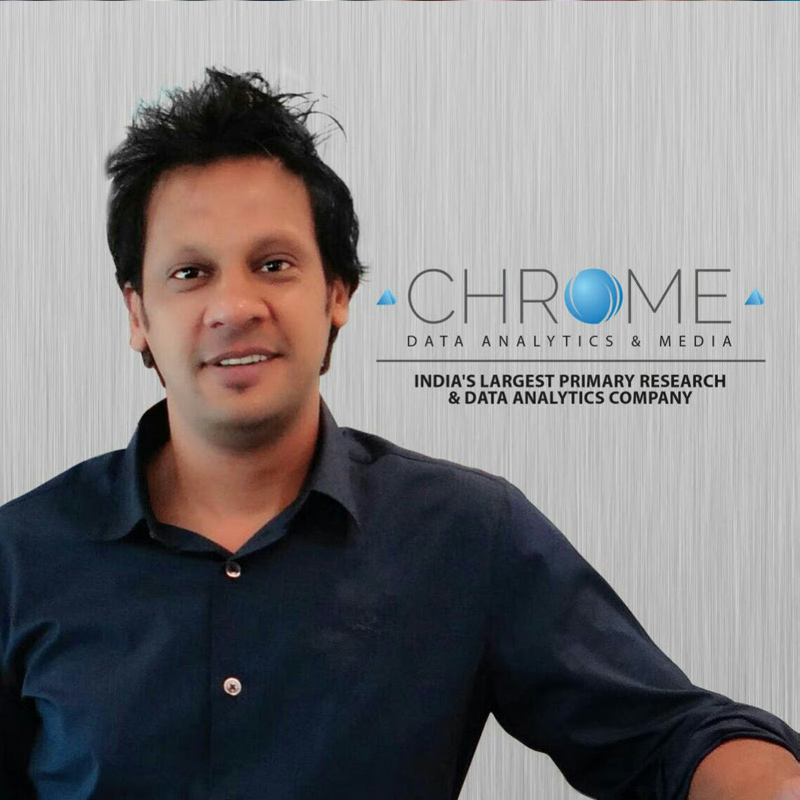
    MUMBAI: Six per cent of urban India accesses OTT services on a daily basis and 24 per cent of the population do so on weekly basis. However, what is more interesting is that more than 50 per cent of the viewers still prefer TV as the first screen for viewing, according to a latest study done by Chrome Data Analytics and Media.

    The study, titled ‘Now Streaming: OTT’, examines the rise and penetration of OTT players in India and covers key aspects of the tech’s evolution, which primarily gives broadcasters, advertisers and the industry, in general, an insight into key target markets. The report further captures profiling nuances of an OTT content consumer.

    Some of the highlights of the report are the following:

    # Exclusivity of content helps increase awareness and eyeballs for an OTT platform.

    # User experience on smart phones plays a vital role in driving penetration. Currently, smart phones account for 29 per cent penetration.

    # More than 75 per cent of the audience prefers free services with ads as they are already paying for Internet services.

    # If the above is taken into account, rest of the population is ready to pay for the services with subscription amount varying on the basis of gender, age group and geography.

    # The potential of ‘Offline’ mode in India is quite high because of inadequate infrastructure and high cost of unlimited Internet.

    # The potential of ‘Offline’ mode varies with gender, age group and geography of the consumer.

    # The same viewer behaves differently over television and OTT. Solo viewing is not the only reason for pushing viewers to an OTT platform.

    # OTT players should focus on regional content as inclination or demand for (Indian) regional content is increasing.

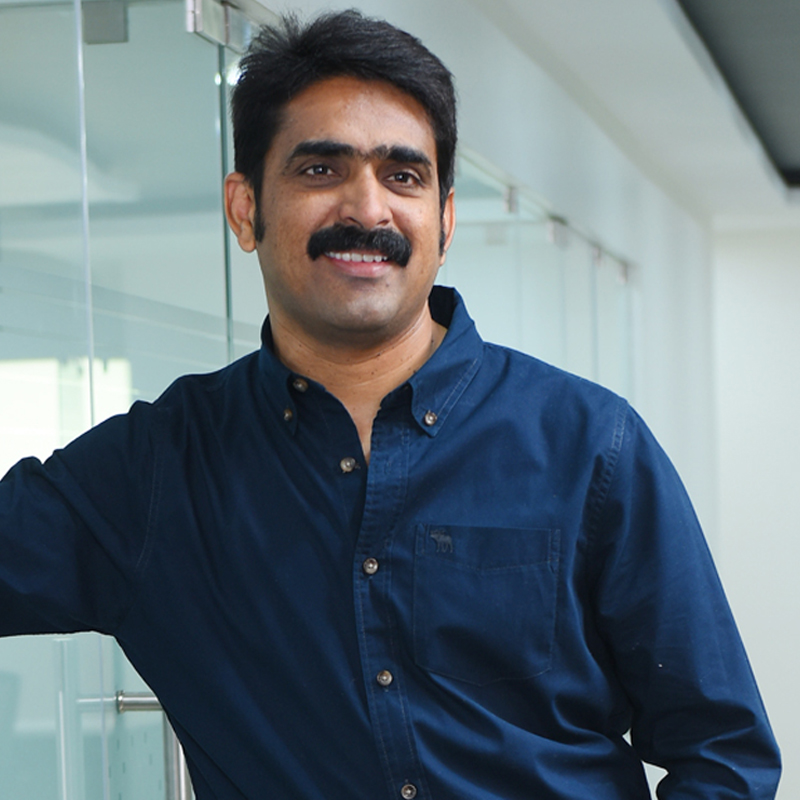
    Talking about the growth potential of OTT, Chrome DM founder and CEO Pankaj Krishna said, “The entire Internet base, which is 464 million today, qualifies for OTT’s growth potential. However, infrastructure enhancement and low cost unlimited internet plans are the key drivers that will exponentially help in reaching and further increasing the potential base itself.”

    The OTT study also outlines the consumer profiles in detail by classifying them into broad segments. The characteristics defined for each of them gives consumer insights.

  • OTT spreading in India, but 50% still prefer TV as first screen: Chrome

    OTT spreading in India, but 50% still prefer TV as first screen: Chrome

    MUMBAI: Six per cent of urban India accesses OTT services on a daily basis and 24 per cent of the population do so on weekly basis. However, what is more interesting is that more than 50 per cent of the viewers still prefer TV as the first screen for viewing, according to a latest study done by Chrome Data Analytics and Media.

    The study, titled ‘Now Streaming: OTT’, examines the rise and penetration of OTT players in India and covers key aspects of the tech’s evolution, which primarily gives broadcasters, advertisers and the industry, in general, an insight into key target markets. The report further captures profiling nuances of an OTT content consumer.

    Some of the highlights of the report are the following:

    # Exclusivity of content helps increase awareness and eyeballs for an OTT platform.

    # User experience on smart phones plays a vital role in driving penetration. Currently, smart phones account for 29 per cent penetration.

    # More than 75 per cent of the audience prefers free services with ads as they are already paying for Internet services.

    # If the above is taken into account, rest of the population is ready to pay for the services with subscription amount varying on the basis of gender, age group and geography.

    # The potential of ‘Offline’ mode in India is quite high because of inadequate infrastructure and high cost of unlimited Internet.

    # The potential of ‘Offline’ mode varies with gender, age group and geography of the consumer.

    # The same viewer behaves differently over television and OTT. Solo viewing is not the only reason for pushing viewers to an OTT platform.

    # OTT players should focus on regional content as inclination or demand for (Indian) regional content is increasing.

    Talking about the growth potential of OTT, Chrome DM founder and CEO Pankaj Krishna said, “The entire Internet base, which is 464 million today, qualifies for OTT’s growth potential. However, infrastructure enhancement and low cost unlimited internet plans are the key drivers that will exponentially help in reaching and further increasing the potential base itself.”

    The OTT study also outlines the consumer profiles in detail by classifying them into broad segments. The characteristics defined for each of them gives consumer insights.

  • ‘Regional VOD, cashless subs among 2017 trends’

    ‘Regional VOD, cashless subs among 2017 trends’

    MUMBAI: The video on demand streaming industry in India is only blooming, with a host of developments in this year. The digital eco-system has seen production houses like Balaji Telefilms, Indian broadcasting networks such as Star India, Sony Pictures Networks, Viacom18, Zee, etc and few international players like Netflix, Hooq, Amazon Prime, Spuul, etc entering this space which caters to the varied tastes of a very heterogeneous Indian audience. The demand for customized viewing of digital content in India is only increasing. Various factors such as smartphone penetration, launch of 4G, data cost coming down, better infrastructure, diverse library of content offerings not only in Hindi and English but also in several regional languages, etc are the key factors that have driven the rise  of video content this year.  

    In the year 2017, according to the Akamai & NASSCOM report on the future of internet in India, the mobile video content to grow at an 83 per cent CAGR in next 5 years. OTT has not only arrived, it is here to stay, and the advent of 4G and improved bandwidth speeds have only re-enforced this. With increased competition between the video on demand apps, regional content that appeals to particular states will be the key to capture user share.

    Online video subscription numbers fluctuate dramatically every month. The number of unique online video viewers will grow from 66 million in 2015 to 355 million in 2020. E-payments and mobile wallets are getting more popular among the millennials in the country. Digitization of cash will accelerate over the next few years.

    Spuul India’s Rajiv Vaidya opined:

    Cord Cutting

    Today’s viewers have a choice of a host of viewing platforms to choose from, including digital television, internet, tablets and smartphones. Revolutionary app-powered devices like Roku, Apple TV, Chromecast and other streaming devices lets viewers watch their favourite shows across a variety of screens. According to the Akamai & NASSCOM report on the future of internet in India, the mobile video content to grow at an 83 per cent CAGR in five years. Every major television manufacturer now offers “smart” television sets, with integrated internet features that provide access to a host of on-demand streaming media directly. OTT has not only arrived, it is here to stay, and the advent of 4G and improved bandwidth speeds have only re-enforced this. This surging popularity of OTT platforms has challenged the exclusivity that linear television enjoyed till quite recently. Broadcasters have begun witnessing the market trend of “cord cutting”, with a sizeable segment of viewers tuning out from cable subscription and completely switching over to OTT platforms. In fact the millennials have grown up watching shows online, and will possibly never subscribe to paid television services due to multiple streaming options now available and multiple generations that are accustomed to on-demand services. Looking at trends in the US, 2010 was the first year that regular pay television saw a quarterly decline in subscription numbers (this was reported by WSJ, back in 2012). We’re still a while away from that but a small pocket of users in India (usually in the larger cities) are exploring their options when it comes to cord cutting.

    Let’s go regional

    With increased competition between the video on demand apps, regional content that appeals to particular states will be the key to capture user share. According to the Akamai & NASSCOM report on the future of internet in India, about 75% of the new internet users consume content in local language. The real trick in winning the market is to capture the Tier III towns and the rural areas. According to the Frost & Sullivan report a large percentage of video-on-demand viewership in India is fragmented across states and languages. We have seen a lot of growth in regional content on the video on demand apps, fuelled by demand from both local viewers and the international diaspora. According to Internet and Mobile Association in India (IMAI), the Internet user base will cross 500 million by 2018, with rural Internet users alone being almost 210 million.

    Micro transactions and cashless transactions

    According to the Frost & Sullivan report there are 66 million unique connected video viewers in India, of which 1.3 million are paid video subscribers. Online video subscription numbers fluctuate dramatically every month. The number of unique online video viewers will grow from 66 million in 2015 to 355 million in 2020. The country is heading for a cashless economy with a colossal change in the way netizens make their day to day transactions. E-payments and mobile wallets are getting more popular among the millennials in the country. Digitization of cash will accelerate over the next few years. Non-cash payment transactions, which today constitute 22 per cent of all consumer payments, will overtake cash transactions by 2023. Digital payments instruments will drive the growth in non-cash payments, according to Google BCG Report. Micro-transactions will form a substantial portion of the industry, with over 50 per cent of person-to-merchant transactions expected to be under INR 100 the study said. The report predicts that the value of remittances and money transfer that will pass through alternate digital payment instruments will double to 30 per cent by 2020.
  • ‘Regional VOD, cashless subs among 2017 trends’

    ‘Regional VOD, cashless subs among 2017 trends’

    MUMBAI: The video on demand streaming industry in India is only blooming, with a host of developments in this year. The digital eco-system has seen production houses like Balaji Telefilms, Indian broadcasting networks such as Star India, Sony Pictures Networks, Viacom18, Zee, etc and few international players like Netflix, Hooq, Amazon Prime, Spuul, etc entering this space which caters to the varied tastes of a very heterogeneous Indian audience. The demand for customized viewing of digital content in India is only increasing. Various factors such as smartphone penetration, launch of 4G, data cost coming down, better infrastructure, diverse library of content offerings not only in Hindi and English but also in several regional languages, etc are the key factors that have driven the rise  of video content this year.  

    In the year 2017, according to the Akamai & NASSCOM report on the future of internet in India, the mobile video content to grow at an 83 per cent CAGR in next 5 years. OTT has not only arrived, it is here to stay, and the advent of 4G and improved bandwidth speeds have only re-enforced this. With increased competition between the video on demand apps, regional content that appeals to particular states will be the key to capture user share.

    Online video subscription numbers fluctuate dramatically every month. The number of unique online video viewers will grow from 66 million in 2015 to 355 million in 2020. E-payments and mobile wallets are getting more popular among the millennials in the country. Digitization of cash will accelerate over the next few years.

    Spuul India’s Rajiv Vaidya opined:

    Cord Cutting

    Today’s viewers have a choice of a host of viewing platforms to choose from, including digital television, internet, tablets and smartphones. Revolutionary app-powered devices like Roku, Apple TV, Chromecast and other streaming devices lets viewers watch their favourite shows across a variety of screens. According to the Akamai & NASSCOM report on the future of internet in India, the mobile video content to grow at an 83 per cent CAGR in five years. Every major television manufacturer now offers “smart” television sets, with integrated internet features that provide access to a host of on-demand streaming media directly. OTT has not only arrived, it is here to stay, and the advent of 4G and improved bandwidth speeds have only re-enforced this. This surging popularity of OTT platforms has challenged the exclusivity that linear television enjoyed till quite recently. Broadcasters have begun witnessing the market trend of “cord cutting”, with a sizeable segment of viewers tuning out from cable subscription and completely switching over to OTT platforms. In fact the millennials have grown up watching shows online, and will possibly never subscribe to paid television services due to multiple streaming options now available and multiple generations that are accustomed to on-demand services. Looking at trends in the US, 2010 was the first year that regular pay television saw a quarterly decline in subscription numbers (this was reported by WSJ, back in 2012). We’re still a while away from that but a small pocket of users in India (usually in the larger cities) are exploring their options when it comes to cord cutting.

    Let’s go regional

    With increased competition between the video on demand apps, regional content that appeals to particular states will be the key to capture user share. According to the Akamai & NASSCOM report on the future of internet in India, about 75% of the new internet users consume content in local language. The real trick in winning the market is to capture the Tier III towns and the rural areas. According to the Frost & Sullivan report a large percentage of video-on-demand viewership in India is fragmented across states and languages. We have seen a lot of growth in regional content on the video on demand apps, fuelled by demand from both local viewers and the international diaspora. According to Internet and Mobile Association in India (IMAI), the Internet user base will cross 500 million by 2018, with rural Internet users alone being almost 210 million.

    Micro transactions and cashless transactions

    According to the Frost & Sullivan report there are 66 million unique connected video viewers in India, of which 1.3 million are paid video subscribers. Online video subscription numbers fluctuate dramatically every month. The number of unique online video viewers will grow from 66 million in 2015 to 355 million in 2020. The country is heading for a cashless economy with a colossal change in the way netizens make their day to day transactions. E-payments and mobile wallets are getting more popular among the millennials in the country. Digitization of cash will accelerate over the next few years. Non-cash payment transactions, which today constitute 22 per cent of all consumer payments, will overtake cash transactions by 2023. Digital payments instruments will drive the growth in non-cash payments, according to Google BCG Report. Micro-transactions will form a substantial portion of the industry, with over 50 per cent of person-to-merchant transactions expected to be under INR 100 the study said. The report predicts that the value of remittances and money transfer that will pass through alternate digital payment instruments will double to 30 per cent by 2020.

  • Eros Now’s content available to Lyca TV’s European customers

    Eros Now’s content available to Lyca TV’s European customers

    MUMBAI: Eros Now, the cutting-edge over-the-top (OTT) Bollywood entertainment platform owned by Eros International Plc, yesterday announced that it is now available on the Lyca TV platform.

    Lyca TV, the world’s largest ethnic content online Over-the-top (OTT) entertainment provider, enables its consumers to experience the convenience of virtual home entertainment anywhere. One can watch his favourite TV channels across a wide range of devices on a single subscription.

    The launch of Eros Now will provide Lyca TV customers with access to the world’s largest collection of premium Indian entertainment with hundreds of titles in several languages. This development further enhances Lyca TV’s offering to customers, particularly across its Indian consumer base. The service will be included in Tamil, Sinhala and African packages and will be available for a small additional fee in others.

    Eros Digital CEO Rishika Lulla Singh says, “With this association, we continue to amplify our presence across top streaming services by showcasing a compelling array of Bollywood and regional language content and reinforcing our reach to our subscribers.”

    Lyca Group deputy chairman Prem Sivasamy said, “We are bringing our extensive customer base enhanced access to a wide range of popular channels and TV shows. This development further demonstrates Lyca Group’s continued commitment to providing our customers with access to their communities back home.”

    Lyca TV, part of the Lyca Group, delivers a broad range of international TV shows across multiple devices. The platform caters to a wide range of major ethnic communities, streaming over 450 channels – more than any competitor – in over 25 languages. LycaTV can be viewed via television, desktop, mobile or tablet.

    Eros Now offers a wide array of entertainment from music to movies and television content across languages. Eros’ vast movie library consists of Bollywood blockbusters including its latest super hits like Housefull 3, Dishoom, Happy Bhaag Jayegi, Bajirao Mastani and Bajrangi Bhaijaan.

  • Eros Now’s content available to Lyca TV’s European customers

    Eros Now’s content available to Lyca TV’s European customers

    MUMBAI: Eros Now, the cutting-edge over-the-top (OTT) Bollywood entertainment platform owned by Eros International Plc, yesterday announced that it is now available on the Lyca TV platform.

    Lyca TV, the world’s largest ethnic content online Over-the-top (OTT) entertainment provider, enables its consumers to experience the convenience of virtual home entertainment anywhere. One can watch his favourite TV channels across a wide range of devices on a single subscription.

    The launch of Eros Now will provide Lyca TV customers with access to the world’s largest collection of premium Indian entertainment with hundreds of titles in several languages. This development further enhances Lyca TV’s offering to customers, particularly across its Indian consumer base. The service will be included in Tamil, Sinhala and African packages and will be available for a small additional fee in others.

    Eros Digital CEO Rishika Lulla Singh says, “With this association, we continue to amplify our presence across top streaming services by showcasing a compelling array of Bollywood and regional language content and reinforcing our reach to our subscribers.”

    Lyca Group deputy chairman Prem Sivasamy said, “We are bringing our extensive customer base enhanced access to a wide range of popular channels and TV shows. This development further demonstrates Lyca Group’s continued commitment to providing our customers with access to their communities back home.”

    Lyca TV, part of the Lyca Group, delivers a broad range of international TV shows across multiple devices. The platform caters to a wide range of major ethnic communities, streaming over 450 channels – more than any competitor – in over 25 languages. LycaTV can be viewed via television, desktop, mobile or tablet.

    Eros Now offers a wide array of entertainment from music to movies and television content across languages. Eros’ vast movie library consists of Bollywood blockbusters including its latest super hits like Housefull 3, Dishoom, Happy Bhaag Jayegi, Bajirao Mastani and Bajrangi Bhaijaan.

  • Yupp TV gets $50 mn funding from KKR-backed Emerald Media

    Yupp TV gets $50 mn funding from KKR-backed Emerald Media

    MUMBAI: It’s a sign of the confidence international private equity firms have in India’s one-billion plus mobile user base, the over the top (OTT) ecosystem and the appeal south Asian content can have worldwide.

    The Chernin-KKR-Ailleo-Kamath backed Emerald Media yesterday announced that it was investing $50 million (Rs 334 crore) in the Uday Reddy-run internet pay TV platform Yupp TV and gaining a significant minority stake in the firm. The purpose of the fund-raising: expand the OTT service’s footprint globally, its content library through originals and acquisitions, and in the process ramp up its subscriber base.

    Headquartered in Atlanta, Yupp TV offers a mix of live TV (more than 250 channels in 14 languages), TV shows, movies and videos with a focus on the US, UK, Middle East, Canada, Singapore, Malaysia, Australia, New Zealand and the Caribbean.  It has been making inroads in India too with an initial focus on the south Indian market, but has since been spreading nationally. The platform has more than 25,000 hours of entertainment content catalogued in its library, with nearly 5,000 hours of new on-demand content being added to it daily. It recently launched YuppFlix, its on-demand movie streaming service on the back of its 5,000 strong movie catalogue.

    More than five million monthly visitors – peaking at 20 million – log on to the Yupp  TV service using 27 integrated devices. The YuppTV app has had 10 million mobile downloads, 50 million Samsug TV  and 300,000 LG Smart TV pre-installs globally.  The app is also available for PS3 and PS4s.

    Said YuppTV promoter & CEO Uday Reddy:  “We couldn’t ask for a stronger partner than Emerald Media. YuppTV is a content distribution platform with a strong consumer connection, and Emerald Media has global media relationships. We hope to leverage their relationships and existing assets Endemol, OML, Fluence and Graphic India to create original programming and make this platform a next generation distribution and content powerhouse.”

    Added Emerald Media managing director Rajesh Kamat:  “Emerald Media believes in driving change and value-creation by providing a distinctive combination of capital, domain knowledge and management bandwidth. The world is moving from traditional consumption to multiscreen delivery mediums. YuppTV provides a unique combination of technology, strong content relationships and revenues of scale and will be an anchor to our vision of building a new age media company.”

    Said Emerald Media managing director Paul Aiello: “Uday and his team have created an exceptional online video platform with a loyal subscriber base that realizes the huge potential of the global Indian diaspora. Our investment and relationship will enable YuppTV to further their strong leadership position in the rapidly growing OTT space.”

    YuppTV will need all the financial muscle it can get. The Indian OTT and VOD space is just about beginning to warm up with the likes of Amazon keeping aside a war chest of around $300 million for its Prime Video service. Additionally, Netflix, Hotstar, SonyLiv, Ditto TV, Voot, Hooq, Viu, Spuul, and the soon to be launched Alt Balaji are all nurturing ambitious investments and plans to capture a piece of the Indian mobile consumer’s wallet.

    Also read:

    Hooq plans to invest $2 million on original Indian content

    Challenges faced by the OTT players in India; the way ahead

  • Yupp TV gets $50 mn funding from KKR-backed Emerald Media

    Yupp TV gets $50 mn funding from KKR-backed Emerald Media

    MUMBAI: It’s a sign of the confidence international private equity firms have in India’s one-billion plus mobile user base, the over the top (OTT) ecosystem and the appeal south Asian content can have worldwide.

    The Chernin-KKR-Ailleo-Kamath backed Emerald Media yesterday announced that it was investing $50 million (Rs 334 crore) in the Uday Reddy-run internet pay TV platform Yupp TV and gaining a significant minority stake in the firm. The purpose of the fund-raising: expand the OTT service’s footprint globally, its content library through originals and acquisitions, and in the process ramp up its subscriber base.

    Headquartered in Atlanta, Yupp TV offers a mix of live TV (more than 250 channels in 14 languages), TV shows, movies and videos with a focus on the US, UK, Middle East, Canada, Singapore, Malaysia, Australia, New Zealand and the Caribbean.  It has been making inroads in India too with an initial focus on the south Indian market, but has since been spreading nationally. The platform has more than 25,000 hours of entertainment content catalogued in its library, with nearly 5,000 hours of new on-demand content being added to it daily. It recently launched YuppFlix, its on-demand movie streaming service on the back of its 5,000 strong movie catalogue.

    More than five million monthly visitors – peaking at 20 million – log on to the Yupp  TV service using 27 integrated devices. The YuppTV app has had 10 million mobile downloads, 50 million Samsug TV  and 300,000 LG Smart TV pre-installs globally.  The app is also available for PS3 and PS4s.

    Said YuppTV promoter & CEO Uday Reddy:  “We couldn’t ask for a stronger partner than Emerald Media. YuppTV is a content distribution platform with a strong consumer connection, and Emerald Media has global media relationships. We hope to leverage their relationships and existing assets Endemol, OML, Fluence and Graphic India to create original programming and make this platform a next generation distribution and content powerhouse.”

    Added Emerald Media managing director Rajesh Kamat:  “Emerald Media believes in driving change and value-creation by providing a distinctive combination of capital, domain knowledge and management bandwidth. The world is moving from traditional consumption to multiscreen delivery mediums. YuppTV provides a unique combination of technology, strong content relationships and revenues of scale and will be an anchor to our vision of building a new age media company.”

    Said Emerald Media managing director Paul Aiello: “Uday and his team have created an exceptional online video platform with a loyal subscriber base that realizes the huge potential of the global Indian diaspora. Our investment and relationship will enable YuppTV to further their strong leadership position in the rapidly growing OTT space.”

    YuppTV will need all the financial muscle it can get. The Indian OTT and VOD space is just about beginning to warm up with the likes of Amazon keeping aside a war chest of around $300 million for its Prime Video service. Additionally, Netflix, Hotstar, SonyLiv, Ditto TV, Voot, Hooq, Viu, Spuul, and the soon to be launched Alt Balaji are all nurturing ambitious investments and plans to capture a piece of the Indian mobile consumer’s wallet.

    Also read:

    Hooq plans to invest $2 million on original Indian content

    Challenges faced by the OTT players in India; the way ahead

  • ‘Don’t WhatsApp users’ data to FB’

    ‘Don’t WhatsApp users’ data to FB’

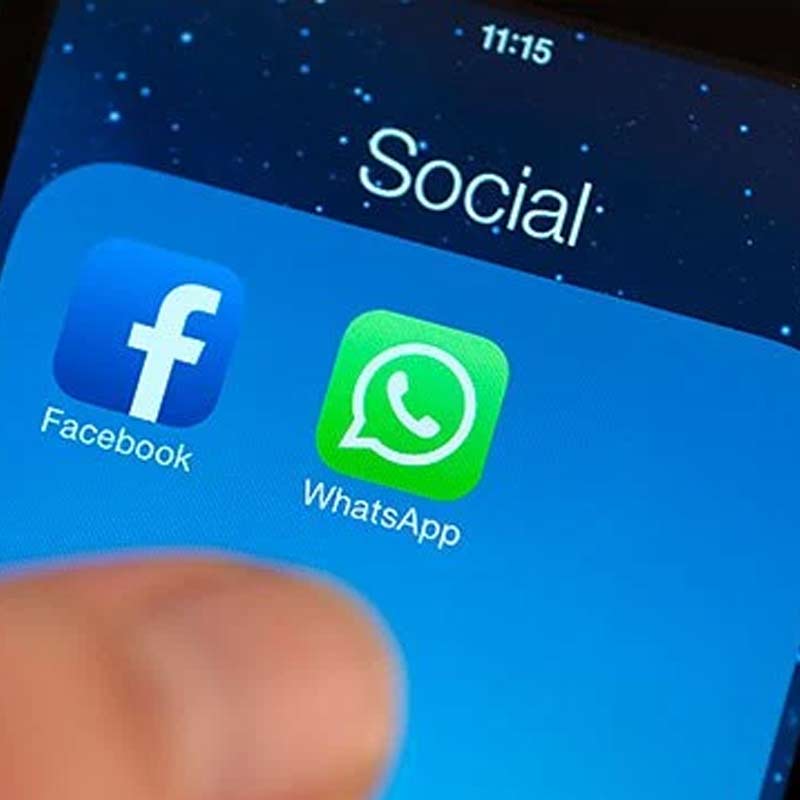
    MUMBAI: WhatsApp’s revised privacy policy has been rejected by the Delhi High Court on Friday. With a few safeguards, the online messaging platform’s modified policy was originally scheduled to come into effect on 25 September and proposed to share information of users with the parent company Facebook and affiliate entities.

    This order came in response to a public interest litigation filed by the Over-The-Top (OTT) platform users against changes in the messaging service’s policy that took effect on 25 August. The order was given by the division bench of justices G Rohini and Sangita Dhingra Sehgal. WhatsApp has been directed not to share with Facebook information of users who would deactivate their accounts as well as the existing users up to September 25 to protect their interest.

    The bench said that, keeping in view that the issue relating to the existence of an individual’s right of privacy as a distinct basis of a cause of action is yet to be decided by a larger bench of the Supreme Court, it was considering it appropriate to issue the said directions. WhatsApp had earlier informed the court that, when a user account was deleted, the information of that person was no longer retained on its servers.

    The platform has been directed to erase all information, data and details of users who choose to delete their accounts. The bench has also prohibited the messaging service from sharing any data or information acquired from users who decide to remain post the date mentioned.

    The aggrieved users had also sought for directions to be issued to the Centre and the Telecom Regulatory Authority of India (TRAI) to consider the issues regarding the functioning of applications like WhatsApp and take an appropriate decision as to whether it is feasible to bring the same under the statutory regulatory framework.

  • ‘Don’t WhatsApp users’ data to FB’

    ‘Don’t WhatsApp users’ data to FB’

    MUMBAI: WhatsApp’s revised privacy policy has been rejected by the Delhi High Court on Friday. With a few safeguards, the online messaging platform’s modified policy was originally scheduled to come into effect on 25 September and proposed to share information of users with the parent company Facebook and affiliate entities.

    This order came in response to a public interest litigation filed by the Over-The-Top (OTT) platform users against changes in the messaging service’s policy that took effect on 25 August. The order was given by the division bench of justices G Rohini and Sangita Dhingra Sehgal. WhatsApp has been directed not to share with Facebook information of users who would deactivate their accounts as well as the existing users up to September 25 to protect their interest.

    The bench said that, keeping in view that the issue relating to the existence of an individual’s right of privacy as a distinct basis of a cause of action is yet to be decided by a larger bench of the Supreme Court, it was considering it appropriate to issue the said directions. WhatsApp had earlier informed the court that, when a user account was deleted, the information of that person was no longer retained on its servers.

    The platform has been directed to erase all information, data and details of users who choose to delete their accounts. The bench has also prohibited the messaging service from sharing any data or information acquired from users who decide to remain post the date mentioned.

    The aggrieved users had also sought for directions to be issued to the Centre and the Telecom Regulatory Authority of India (TRAI) to consider the issues regarding the functioning of applications like WhatsApp and take an appropriate decision as to whether it is feasible to bring the same under the statutory regulatory framework.