Tag: OTT

  • “Writing is the hero on the web”: Anuraadha Tewari

    “Writing is the hero on the web”: Anuraadha Tewari

    Mumbai: Movies, cinema, TV, and OTT shows serve as portals to diverse worlds, emotions, and experiences, captivating audiences worldwide. At the heart of these visual delights are screenwriters, the architects who craft compelling narratives, flesh out characters, and weave intricate plots that keep viewers hooked. They are the unsung heroes behind the scenes, shaping the stories that resonate with audiences for generations.

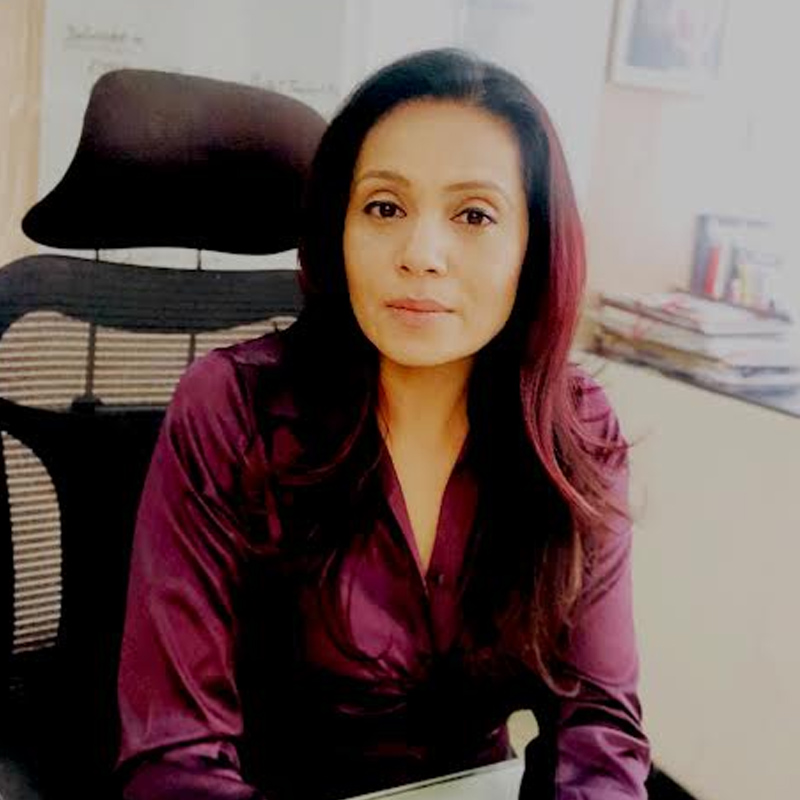
    Anuraadha Tewari stands as a prominent figure in this realm, with a multifaceted career spanning across various mediums. From her early days as a chief assistant to Mahesh Bhatt to her groundbreaking work as a director and screenwriter, Tewari has left an indelible mark on Indian entertainment. With a repertoire that includes acclaimed television shows like “Yeh Meri Life Hai” and “Ek Hazaaron mein Meri Behnaa Hai,” as well as hit films like “Fashion” and “Heroine,” she continues to push creative boundaries. Currently, her focus on OTT platforms underscores her adaptability and foresight in an ever-evolving industry. Tewari’s journey embodies the spirit of innovation and excellence in storytelling, inspiring aspiring writers and filmmakers worldwide.

    Indiantelevision.com in conversation with Anuraadha Tewari spoke about her inspiration behind persuing independent creative endeavors, her focus on screenwriting for TV and cinema, on the creation of Kosen-Rufu and the current projects she is working on and more…

    Edited Excerpts:

    On the inspiration behind your transition from assisting Mahesh Bhatt to pursuing independent creative endeavors

    It was very early in my career and I was mostly one film old as an associate but I think it was the joint faith of Bhatt Saab and Mr Anupam Kher that made me take the plunge. I joined Mr Kher’s Media Entertainment Co. as the creative director and started writing and directing myself as well.  I remember I was hailed as the youngest director in India when I helmed my first project (Femina 1996) I was the youngest member of my Crew and most people would come and ask for the ‘Director’, It was quite a joke 🙂

    I think what happens is when you are young you are brash. You don’t know what you don’t know so you are fearless. I thought I knew everything thanks to my MA degree in Mass Com. I was the topper of my class and I had landed a job on day one in Mumbai, why wouldn’t I turn a director that early? That was more or less going on in my mind. I pitched some very out-of-the-box ideas, one was a silent show, the other a live-action animation one and lo and behold the heads of Star TV and Sony Entertainment Television said yes immediately. So I just went into them with the cockiness of someone who was going to change the business haha.

    Mostly I think people were betting on my confidence and supporting my crazy ideas. I went on to direct several such shows as well as many live events like Filmfare, The Screen Awards, Lata Mangeshkar live in concert. and so on. Those were times when people were experimenting a lot and I was a new kid on the horizon.

    On shifting your focus to screenwriting for television and cinema

    The year was 2004. I had been a director for seven years and had also headed various companies as a head of content or a CEO ( Channel V, Crest Communications, etc). I had already written my first few films ( Rahul, Yaadein, Supaari). It was time to direct my first film and I decided to turn a freelancer for good and turned down all offers to head channels. I was immediately signed up along with directors Neeraj Pandey and Kabir Sadanand for a certain banner. However, none of our films took off. Suddenly there was a slump. After six months of waiting and prepping, I had no film or job. It all felt a little directionless. But I was sure I didn’t want to go back to a job.

    That is when, out of the blue, Himesh Reshammiya called me to create a show for his TV production house (he is also a successful TV producer). I was very reluctant but he was very convincing. In fact, the jargon didn’t exist then but I did create the first show Bible and sort of started the trend of paid pitches for shows. Unfortunately for Himesh, the show didn’t materialise. But my friend Venita Coelho, the then content head of Sony, convinced me to write another TV show while Tarun Katial, the business head offered a two-year writing contract with the channel.

    Frankly, at that point it was the best thing to happen. And so despite my initial reluctance I began writing one show after another and began enjoying the discipline of it all. I was writing all the urban or youth/kid shows anyway and I began to have a blast. And slowly I warmed up to the idea of being a full-time writer and now 20 years later, haven’t regretted a day!

    On your experience working with renowned directors like Prakash Jha and Madhur Bhandarkar

    The two experiences are definitely as different as chalk and cheese! Mr Jha was actually the first person to give me a break as a writer. Meeting me way back in his small office he asked me to write a story based on a concept he had. I didn’t even have a computer then, so I stayed up the night to write it in his office. When he read the 10 pager the next day, he said he was impressed and I was on. Thereafter, our working relationship was that of mentor and student. Mr Jha is a teacher, a taskmaster. With every draft, I felt I was learning something new. I was also touched that he respected every thought of mine, despite being that new and that young. In fact, when I turned a freelancer he let me work out of his office for six months. That’s the kind of grace he has.

    Madhur Sir on the other hand is a different entity altogether. He is a friend first. He seeks personal comfort with you before you start work. There is an incredible ease around him that comes from taking himself too seriously.  Yet, he has this whole spiritual quotient to him, like a part of him is watching himself do what he does. So with him I struck off this instant friendship. We bonded over cinema like two boys. Despite the initial ‘memsaabness’ that he was wary of initially, Madhur Sir brought back the Gorakhpur in me! I find that invaluable because when a part of you becomes elitist, you tend to lose touch with your core audience. With him, I learnt to marry my intellectual thoughts with an Indian groundedness that is unique to him. So yes, I can safely say that both Mr Jha and Mr Bhandarkar have contributed immensely to my growth as an Indian filmmaker.

    On the creation of KOSEN-RUFU, and the projects you’re currently working on through the company

    The year was 2017. I was done with writing for television and done with working solo. I did briefly contemplate changing professions as well since I was dabbling with psychology already. However, a deep introspection revealed to me the fact that I wasn’t done being creative, I was simply bored of the way I had been working for the last 13-14 years. It was monotonous and creatively lonely. That is when the idea of Kosen Rufu was born. Incidentally, it is a phrase from my Buddhist chanting practice and when people ask what it means I get to spread the message :))) It was a simple idea. To create an umbrella where I gather small teams of writers and do live jam sessions over stories. A lot like musicians jam on songs.

    It was still very early days of the web business in India and writers’ rooms were still not fashionable yet but I had sprung them already, out of simply my own need! And as manifestations go, just as I left TV a lot of web show Bibles started coming our way (illegal on Voot being one of them) and that is how it became our focal point and specialisation. By 2018, I concretised the idea and actively found many a young and fresh mind who I trained via live projects. It became a sound model and each year I found a new ‘batch’ of fresh minds. I am so proud to see a whole lot of them turned independent writers or absorbed into platforms now!!! It was a bit like a writers’ room cum writing workshop rolled into one. We worked out of a co-working space in Araamnagar and created some mammoth ideas. I also trained myself on how to run a writers’ room under Ilene Chaiken, the writer of ‘The L Word’. This has been how I have been working ever since. Over the last two years, I have cut down on the number of projects we do since it got a little exhausting. Currently, the show on air is Raisinghani vs Raisinghani which went through a writers’ room in its first month of episodes. We next have ‘Dil, Dosti, Dilemma’ produced by Ten Years Younger which will be the next Kosen Rufu endeavour out there.  

    On the landscape of OTT platforms influencing your creative process in recent years

    OTT platforms have certainly given a lot more freedom to writers and created value for us. You see, the web with its eigth-10 episode Narrative is heavily dependent on story structure. Unlike a film or an Indian TV show, a web show will not be picked up unless structurally sound. Especially because it is meant for binge-watching. Hence, writing is the hero on the web. One has seen that a web series doesn’t require a ‘face’ to become a hit. It actually requires authenticity. False notes and meandering stories don’t work on the web because you will be fast-forwarded. So yes, writing is the mainstay of the web and that has given us all a huge shot in the arm.

    The fact that you have to make a show Bible shows how a story and its arc, character details, the world etc are now important to Indian storytelling as well. There is a little more time and thought being given to the writing. Show creators are being regarded with some respect and there is just more value for what you create. So certainly this has made the process less stressful for us.

    Having said that, the nature of a web series is such that it gets ingested over just two weekends. It gets forgotten in the third! Unlike a film it has no real value for posterity and unlike a TV show, it has no long-term emotional engagement. Hence, the entire business is still figuring out the way forward and I do believe that our show ‘Raisinghani Vs Raisinghani’ despite its obvious challenges seems to have shown the way for a new format that may engage Indian viewers in a form they are more used to. I call it TWeb.

  • From blockbusters to binge-watching: Five screenwriting techniques for the streaming era

    From blockbusters to binge-watching: Five screenwriting techniques for the streaming era

    Mumbai: The rise of streaming platforms like Netflix and Amazon Prime has transformed content consumption, making a vast array of stories accessible anytime, anywhere. This shift has reshaped viewing habits and storytelling approaches, necessitating screenwriters to evolve with the streaming landscape. Today, a successful script merges creativity with adaptability.

    Keep abreast of trends-

    Screenwriters must understand what’s trending, as streaming services demand diverse content for global audiences. Genres such as rom-coms, biopics, and low-budget thrillers are seeing a resurgence. By recognizing what resonates with viewers, writers can craft scripts that align with market demands. Incorporating surprises, intricate twists, and compelling characters, and ending episodes with cliff hangers are strategies to captivate and retain the audience’s attention.

    Embrace constraints-

    The abundance of streaming content calls for economically viable productions. Writing stories that are logistically and financially practical, like contained thrillers with limited settings and casts, can be especially appealing. Focusing on character-driven stories within budgetary limits allows for creating impactful narratives that engage viewers.

    Adapt to different formats-

    Streaming has blurred the lines between cinema and television, creating opportunities for diverse storytelling formats. Screenwriters should explore episodic series and limited-run shows to meet the demand for serialized content. This flexibility allows for deeper character development and more intricate story arcs.

    Be dlexible-

    Adapting writing styles to current trends is crucial. Screenwriters should be willing to experiment with different genres and tones, much like filmmakers who have successfully shifted from comedies to dramatic projects. Versatility enhances a writer’s appeal to producers and executives, broadening their career opportunities.

    Work across genres-

    Having a distinct voice is valuable, but so is versatility. If one genre isn’t successful, exploring others that align with current trends can open new opportunities. As audience preferences evolve, screenwriters can find success by adapting to these changes, thereby securing their place in the competitive streaming content landscape.

    The streaming era represents a new chapter in storytelling, filled with both challenges and opportunities. For screenwriters, the key to thriving in this dynamic environment lies in adaptability, which not only boosts prospects but also encourages personal growth and creative exploration.

    The article has been authoured by SWA co-chair, media sub committee Pawan Sony.

  • “OEM ecosystem advertising helps reach scale and find new audiences efficiently & confidently”: Ashwin Shekhar

    “OEM ecosystem advertising helps reach scale and find new audiences efficiently & confidently”: Ashwin Shekhar

    Mumbai: In the ever-evolving landscape of mobile advertising and app monetisation,  AVOW is at the forefront, pioneering innovative strategies to maximize client outcomes.

    Leveraging mobile OEM advertising has become a cornerstone of their approach, especially amidst the surge of sports marketing and festive seasons in India. AVOW’s mastery of intricate monetization strategies tailored to diverse geographical areas, coupled with their proprietary technology like AVOW Intelligence, sets them apart in the market.

    As regulations like the EU’s Digital Markets Act (DMA) and India’s Digital India Act (DIA) reshape the industry, AVOW anticipates and adapts, fostering collaborative innovation and embracing the opportunities presented by alternative app stores and OEM partnerships. With a focus on sectors like fintech, gaming, OTT, and e-commerce,

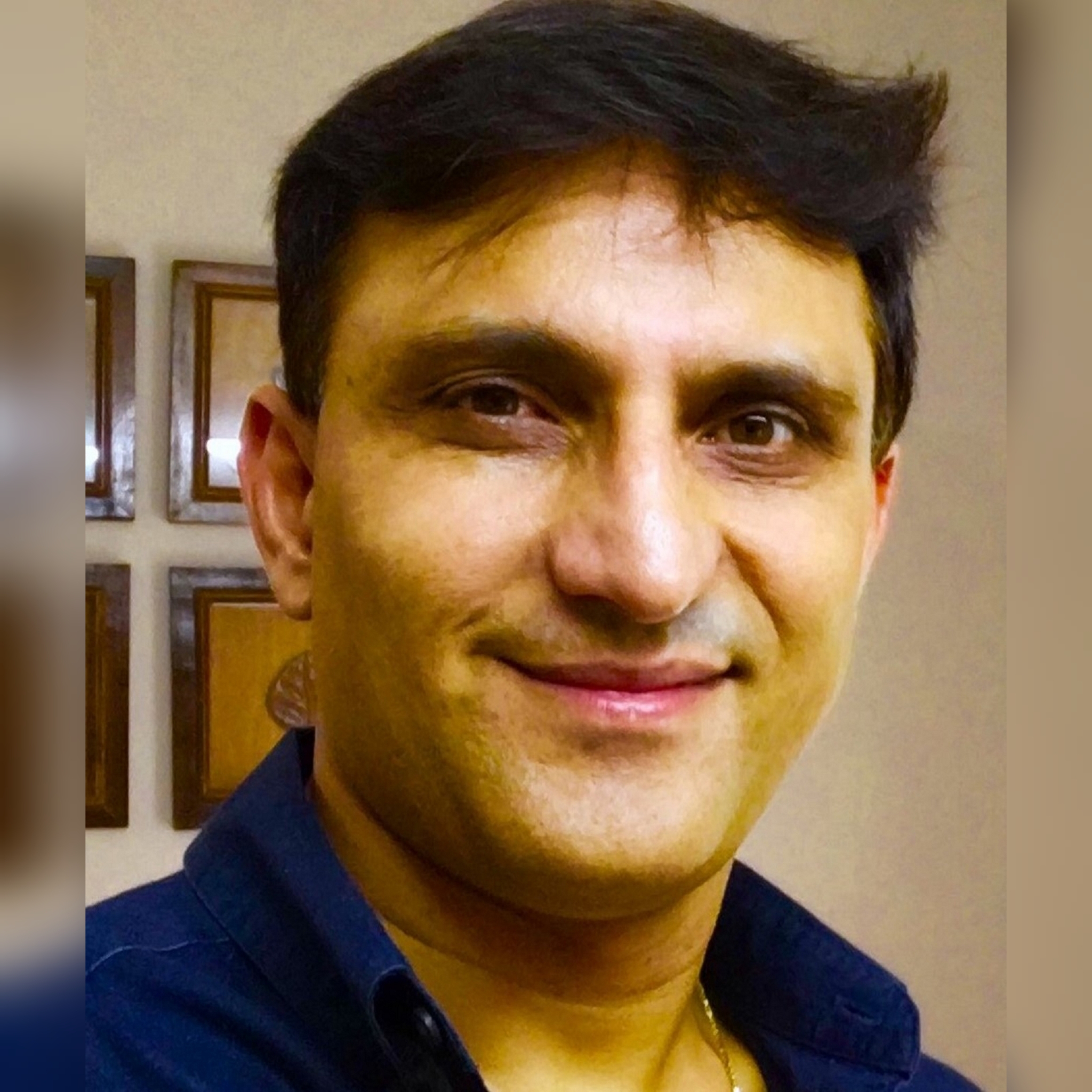
    Indiantelevision in conversation with  AVOW, co-founder Ashwin Shekhar shed light on AVOW’s approach to mobile OEM advertising, particularly focusing on its utilisation during significant sporting events and festive seasons, collaborative innovation initiatives, adaptation to regulatory changes, and future business strategies.

    Edited Excerpts

    On AVOW leveraging mobile OEM advertising to facilitate gaming monetization strategies for brands and app developers, especially amidst the rise of sports marketing with OEM players

    Smartphones have seamlessly connected sports lovers to apps. During the IPL 2023, roughly 70 per cent of digital viewers engaged with their smartphones for various activities, including checking match updates, participating in online discussions about the IPL, ordering food online, playing fantasy cricket and exploring related promotions. This engagement demonstrates the seamless connection between sports enthusiasts and mobile apps, providing a rich environment for focused advertising campaigns. Moreover, sports betting and games app downloads increased by 53 per cent and 14 per cent respectively during the IPL 2023 season. (Source: Adjust Mobile App Trends)

    This kind of outreach demands advertisers to master intricate monetization strategies and show remarkable flexibility in adopting diverse business models tailored to different geographical areas. On the other hand, developers must balance their approaches while implementing a mixed model of In-App Purchases (IAP) and In-App Advertising (IAA). Interestingly, over 80 per cent of mobile gamers are interested in in-game ads and 30 per cent of all the Gen Z and millennial gamers spend money on IAP.  

    The emergence of several gaming centres such as Xiaomi Game Centre signifies the growth of on-demand gaming, along with an upsurge in alternative payment ecosystems. By uploading to OEM native app stores with their corresponding payment services, opening their shops, and marketing their offerings directly to their user base, game and app developers are edging away from the monopolistic shadows of Google and Apple.

    On AVOW’s strategies around trends in app downloads during significant sporting events versus India’s festive seasons to maximize client outcomes

    India is a land of festivals where all the sporting events are celebrated with increasing enthusiasm year after year. Consumer trends reach new heights during important festivals and major sporting events.

    D2C brands, gaming developers and mobile marketers plan to go big with Mobile OEM advertising during festive and sports seasons. The D2C segment along with e-commerce players made Rs 76,000 crore in sales during the festive season of 2022. where tier II and III cities outperformed, accounting for a significant share of purchases made through digital devices and smartphones.

    Sports streaming via mobile apps is growing annually. In 2022, a record-breaking 32 million global users viewed the FIFA World Cup Final 2022 on JioCinema. Last year, it was estimated that over 550 million viewers engaged during the IPL 2023, with 61 per cent of IPL viewers doing so via smartphones. Revenue from digital ads climbed by 33 per cent in 2023, peaking at Rs 20 billion, or more than US$241 million.

    Some of the largest RMG apps do a bulk of their advertising during the IPL season, with dream11 a sponsor of the IPL. My11Circle —another major app that has utilized mobile OEM advertising to its fullest– runs promotions on their app during the IPL season, providing daily prizes of up to Rs 3 crore for participating customers.

    With over 1.5 billion untapped daily active users, OEM platforms such as Xiaomi, Huawei, Oppo, OnePlus, Realme Transsion and Vivo, represent a vast resource for mobile app marketers seeking to draw in new users and boost app downloads, Alternative app stores are a viable option for brands from all verticals, from D2C brands to e-commerce and mobile gaming. Mobile OEMs ought to be a default part of businesses’ marketing mix in 2024 and beyond.

    Advertisers looking to create more personalised and engaging campaigns can employ display ads, full-screen videos, splash ads, and appographic marketing. For apps looking to stand out in a crowded app market Dynamic Preloads, which leverages Mobile OEMs’ ability to recommend apps to users during the setup of a new mobile phone, is an extremely successful user acquisition strategy. Capitalizing on Private Marketplace (PMP) deals can provide new avenues for user acquisition and generate incremental ROAS from advertising campaigns that are action-driven. PMPs allow advertisers to bid on specific ad inventories for specific times during major sporting events.

    Advertisers need to pay only for installs (CPI), rather than clicks (CPC), making it a prime advantage of mobile OEM advertising. Thus, mobile app developers can reach millions of people without spending much, making mobile OEM advertising a trustworthy source to connect with quality users. Additionally, as all the layers between users and advertisers get eliminated, mobile OEM advertising fosters a fraud-free environment to run ad campaigns.

    On the role of collaborative innovation in AVOW’s approach in 2024

    Privacy regulations including the App Tracking Transparency framework and Android’s Privacy Sandbox have a profound impact on the industry, leading to a reduction in the average mobile advertiser’s ROI and diminishing the target capabilities of publishers.

    Considering such privacy changes by giant players in the industry, mobile OEMs are increasingly inclined towards collaborative innovations such as creating and adopting a new tracking standard, similar to that of the Open Anonymous Device Identifier (OAID) introduced by the Mobile Security Alliance (MSA), rather than coming up with individual proprietary solutions. These collaborations are strategic endeavours to safeguard the prospects of mobile OEMs against the depreciation of Google Advertising ID (GAID), or in places where GAID cannot be used. MMPs and mobile OEMs will work hand in hand to ensure that this new tracking standard and the subsequent attributions are carried out accurately, so the advertisers know the “where, what and how” of the campaign success. They aim to offer an efficient solution, helping maintain the efficacy of advertising campaigns while limiting the performance drop experienced by lost targeting capabilities.

    On  AVOW anticipating the impact of regulations like the Digital Markets Act (DMA) and the Digital India Act (DIA) on its operations in India’s advertising and marketing sector

    Under the EU DMA law, industry gatekeepers like Apple and Google are now required to allow users to download alternative app stores on iOS and Android. Furthermore,  they’ll have to let consumers select the default apps on new smartphones. I believe this marks the beginning of a new era in the smartphone and apps space. Eventually, it’s all about consumer choice and allowing competition so that there can be more successful companies—not fewer. Undeniably, the industry needs big brands, but it is smaller companies that help achieve scale so that industry and technology make headway. This felt like a dream previously. However, with the DMA’s support, and the Indian Digital Competition Act, hopefully, it will turn into a fairer competitive environment for all.  We can start to see the foundations of these alternative app stores being laid in India, with the launch of the Indus App Store by PhonePe. An App store made in India, for India, with apps in 12 distinct Indian languages. This is the sort of innovation and competition that these regulations are meant to foster. An App Store that takes no commissions for in-app payments and freely allows the integration of any payment solution is precisely the freedom of choice that mobile OEMs and alternative app stores provide.

    On AVOW adapting to the changing landscape of media buying in mobile OEM advertising, and it uses data and technology to ensure successful strategies for its clients

    The award-winning, global app growth company, launched its proprietary technology called AVOW Intelligence to help mobile marketers overcome one of their biggest challenges- the limitation of buying OEM advertising inventory individually from different OEMs. Purchasing from each OEM platform is not only cumbersome but also lacks in providing complete views of one’s marketing campaign performance. Another challenge is optimizing the campaigns across multiple OEM platforms without being able to merge them into one tool.

    A first-of-its-kind tool, AVOW Intelligence processes enormous amounts of data from multiple OEMs and mobile measurement partners (MMPs), bridging the gap between media buyers and data and offering critical insights and analysis to support real-time data-driven decision-making. The tool offers actionable insights by combining different data sources for a cohesive strategy. These insights result in a highly focused yet cost-effective campaign that gradually reduces acquisition expenses.

    At AVOW, we leverage our team and technology to optimize for down-funnel events. We focus on the outcomes beyond the initial install, such as in-app purchases, sign-ups, and/or subscriptions. With a deeper understanding of the user journey, we help create campaigns that are optimized for meaningful, long-term results.

    On  AVOW’s business and marketing strategies for 2024-25, and it aims to seize emerging opportunities while addressing potential challenges

    We provide an innovative solution for mobile OEM aggregation that enables app discovery on several alternative app stores and facilitates a higher return on advertising spend (ROAS). Our unparalleled access to the mobile OEM user base combined with our unmatched customer-centric approach has led to our faster and more steady growth.

    We will continue raising awareness around the tremendous potential that mobile OEMs offer and its many benefits to mobile marketers and app developers. Our team’s extensive experience in performance optimization allows us to assist clients as they get to grips with OEM marketing. It has become indispensable for mobile marketers to include mobile OEM advertising in their marketing mix by default. Since India is our largest inventory market, we will focus on on-device display ads delivery, retargeting, and Dynamic Preload services as major strategic areas.

    On the changing mobile marketing landscape and legislation front, the EU’s landmark Digital Market Act (DMA) aimed at breaking the tech’s big players’ monopoly has an impact on similar legislation in India and other countries. With DMA in effect, users can not only download alternative app stores on iOS and Android but are also free to choose the default apps on new smartphones. This will help foster fairer competition and support startups.

    On AVOW’s partnerships with players in sectors such as OTT, fintech, and e-commerce leverage OEMs to enhance customer acquisition and specific strategies that AVOW use in these collaborations

    AVOW provides access to over 1.5 billion daily active users (DAUs) and over 10 million monthly downloads for its clients. Advertising within the OEM ecosystem helps reach scale and find new audiences efficiently and confidently. We leverage dynamic preloads to help brands become the users’ first choice when they start the device for the first time. We aim to increase the LTV and install rates of these apps with dedicated placements.. All these together open up avenues for larger customer acquisition.

    For instance, Fintech services across verticals such as digital payment services, crypto trading, Buy Now Pay Later (short-term financing), lending, and personal finance, and insurance apps have been growing at an unprecedented rate. Notably, the fintech sector in India is expected to generate $400 billion in value creation by 2030, indicating a 4X increase from its level in 2023.

    Giant Indian fintech apps, such as Navi and ACKO have used alternative app stores and mobile OEM advertising to drive incremental user growth and maximize ROAS (Return On Ad Spend) for their apps. Investing in mobile OEM alternative app stores has helped these fintech apps tap newer audiences, resulting in a more viable revenue stream.  

    On the sectors that AVOW identifies  as having significant growth potential, and its intention to seize upon these opportunities

    We believe fintech, gaming, mobility, OTT, and e-commerce are some of the sectors which present a huge scope to address the needs of players. We are dedicated to making mobile OEM advertising accessible for brands and apps while remaining performance-oriented in the Indian market.

    On AVOW scaling its team to support business growth and expand its range of services/products

    With Melissa Bohlsen as chief marketing officer and Guenole Le Gall as the new vice president of client strategy, we are all geared up for our next phase. Melissa’s acumen in mobile marketing and impressive leadership experience together with Guenole’s extensive experience and expertise in mobile advertising and digital marketing empowers the AVOW team to fulfill its ambition of revolutionizing the mobile OEM market in India and other global markets. With both of them on board, I’m confident that we will continue our growth trajectory and set new benchmarks in the industry.

    On factors contributing to AVOW’s success in India, and what insights can you share regarding its response and achievements in the market

    AVOW has observed a remarkable 6-year track record of exponential year-on-year growth in the mobile OEM marketing space. AVOW is the only company holding strong partnerships with all premium mobile OEMs such as Xiaomi, Huawei, Oppo, OnePlus, Realme, Transsion and Vivo, accounting for over 62 per cent of the India market share.

    In a dynamic market like India, we have successfully collaborated with leading industry players including Amazon Prime, Navi, Zupee, Unacademy, Paytm, Swiggy, JioMart, MPL, Byju’s and Matrimony.com providing incremental user growth and engagement for their mobile apps. To deliver exceptional value to our clients and strengthen our roots in the country, we welcomed Meliisa Bohlsen and Guenole Le Gall in our leadership team. From launching apps on multiple mobile OEMs to fine-tuning user acquisition campaigns for maximum results, our client services team in India functions as an extension of our client’s internal growth teams, offering a holistic 360-degree service experience throughout their mobile business growth journey.

    With the launch of our proprietary technology, AVOW Intelligence, we aim to revolutionize mobile OEM advertising by giving a smart and holistic view of media inventory across premium mobile OEMs, in one platform. This empowers us to provide clients with a competitive advantage when running user acquisition campaigns on alternative app stores.

  • “We’re exploring ancient Indian mythology for original IPs”: Rusk Media’s Ajit Manerikar

    “We’re exploring ancient Indian mythology for original IPs”: Rusk Media’s Ajit Manerikar

    Mumbai: For Gen-Z, it’s always a mix of snackable entertainment and quick bites of captivating content that fuel their digital cravings. Understanding this appetite, Rusk Media, a Gen-Z first mobile entertainment company, delivers premium social and OTT video IPs tailored to their tastes. Some of their shows include Playground – a gaming entertainment championship, Roomies, Dude, Couple Goals, Date with Senior, and more.

    Spearheading Rusk’s journey into the heart of Gen-Z storytelling, Ajit Manerikar, Sr VP of production & commercials, orchestrates a team of passionate storytellers dedicated to weaving data-driven narratives that resonate with the digital generation.

    Indiantelevision.com caught up with Manerikar to gain more insights on Gen-Z’s behavioural trends, the studios’ upcoming projects or collaborations, Rusk’s strategy of blending TV-style storytelling with snackable content, and more…

    Edited Excerpts:

    On Rusk Studios’ inspiration to focus on becoming a Gen-Z first mobile entertainment company and the behavioural patterns of Gen-Z audiences that Rusk Studios has observed

    Rusk Studios was inspired to focus on becoming a Gen-Z first mobile entertainment company due to the significant shifts in digital behavior observed in recent years. With the explosion of internet and smartphone penetration, there has been a notable trend of individuals, particularly young adults belonging to Generation Z and Alpha, gravitating towards consuming content on their personal screens.

    This surge in mobile entertainment consumption prompted the emergence of a new industry, where content began to be predominantly consumed on mobile devices. Recognizing this trend, we identified a crucial gap in the market – despite the abundance of content available, younger audiences were largely consuming content that was created for older demographics. This presented an opportunity for us to cater specifically to the preferences and interests of Gen-Z audiences.

    Today, as the largest Gen-Z/A focused mobile entertainment company in India, we have strategically positioned ourselves to deliver premium serialized content across various platforms such as YouTube, Instagram, Facebook, Snapchat, and OTTs. Our content spans diverse genres including fiction and non-fiction, and encompasses both short and long-form video formats. By aligning our content offerings with the behavioral patterns and preferences of Gen-Z audiences, we have successfully carved a niche for ourselves in the competitive landscape of mobile entertainment.

    On Rusk Media navigating the ever-evolving landscape of digital entertainment

    At Rusk Media, we navigate the ever-evolving landscape of digital entertainment by staying closely connected to our audience. With a robust presence across four major social media platforms and nearly 20 million subscribers, we’re continually tuned into what content our target audience is consuming. Each month, our channels collectively amass an impressive one billion views, giving us invaluable insights into audience preferences and trends.

    Moreover, our dedicated research and analytics team gathers industry insights, allowing us to stay ahead of the curve. By combining these first-hand observations with comprehensive data analysis, we develop content that is not only relevant but also resonates deeply with our audience, particularly Gen Z.

    Our focus lies in creating premium, snackable content tailored to the preferences of today’s audiences, who often have shorter attention spans. By crafting themes and storylines that resonate with our viewers, we strive to offer entertainment experiences that captivate and engage, ensuring that Rusk Media remains at the forefront of digital entertainment.

    On upcoming projects or collaborations that Rusk is particularly excited about

    We’re thrilled about several upcoming projects and collaborations at Rusk Media. While we’re excited to announce new seasons of our popular shows like School Friends, Couple Goals, and Playground, we’re also venturing into exciting new territories this fiscal year. One area of focus is our expansion into content based on real-life stories, biographies, and docu-dramas. We believe in the power of authentic storytelling to captivate and inspire our audience, and we’re eager to bring compelling narratives to life on screen.

    Additionally, we’re delving into the rich reservoir of ancient Indian mythology to develop original intellectual properties (IPs). Drawing from this vast and culturally significant source material, we aim to create innovative and immersive storytelling experiences that resonate with audiences both locally and globally.

    These projects reflect our commitment to diversifying our content offerings and exploring new creative avenues. We can’t wait to share these exciting ventures with our audience and partners alike.

    On Rusk ensuring its content resonates with audiences across different regions and demographics

    Ensuring that our content resonates with diverse audiences across different regions and demographics is a key priority for Rusk Media. While our primary audience largely consists of the 15-30-year-old demographic from North India, predominantly Hindi-speaking markets, we understand the importance of catering to a variety of tastes and preferences.

    With successful scripted IPs such as Dude, Couple Goals, School Friends, and Playground, we’ve already established a strong connection with our target audience. These shows have resonated well with our audience, providing us with valuable insights into their preferences.  To continue engaging with our audience and staying relevant in the ever-changing landscape, we focus on creating content that reflects the top genres and themes of the time. Whether it’s romance, a slice of life, friendship, or aspiration, we ensure that our content addresses themes that have demonstrated strong acceptability and watch time among our audience.

    By remaining attentive to audience feedback and trends, we strive to produce content that not only entertains but also deeply connects with viewers across different regions and demographics. This approach allows us to maintain a strong rapport with our audience while adapting to their evolving needs and interests.

    On Rusk’s strategy of blending TV-style storytelling with snackable content for a holistic viewing experience

    At Rusk Media, our strategy revolves around crafting storytelling experiences that resonate with Gen-Z audiences. As the saying goes, “Don’t just do it, be it.” We believe in immersing ourselves in the issues, concerns, and motivations of Gen Z, ensuring that our content reflects their worldview authentically. Recognising the infamous short attention spans of Gen Z, we’ve embraced the concept of snackable content, typically lasting around 15 minutes. This format allows us to deliver engaging stories in a manner that aligns seamlessly with our audience’s preferences.

    When it comes to incorporating “TV-style storytelling” into our approach, we’re focused on creating multi-episode, multi-season franchises that provide a holistic viewing experience. While the term “TV-style telling” often refers to content with extended narratives and the potential for franchise expansion, we prioritise developing relatable characters and compelling storylines that viewers will want to revisit time and again.

    Whether it’s a finite series or a multi-season franchise, we aim to captivate audiences with characters and narratives that leave a lasting impression. By blending TV-style storytelling with snackable content, we offer viewers the best of both worlds: familiar storytelling formats presented in an easily consumable manner, akin to enjoying a quick snack!

    On Rusk staying ahead of emerging trends in digital entertainment, and the role you see technology playing in the future of content creation

    Staying ahead of emerging trends in digital entertainment is a cornerstone of Rusk Media’s strategy. With a substantial presence across four social media channels, boasting close to 20 million subscribers and over one billion monthly views, we have firsthand insights into the content preferences of our target audience.

    Our research and analytics team diligently gathers industry insights, enabling us to develop content that is not only relevant and relatable but also resonates deeply with Gen Z—the primary demographic we cater to. By focusing on top genres and themes like romance, slice of life, friendship, and aspiration, we ensure that our content maintains strong acceptability and watch time among our audience, predominantly 15-30-year-old males from North India’s Hindi-speaking markets.

    As digital natives themselves, Gen Z expects personalised and real-time content experiences. To meet this demand, we leverage AI-led solutions to understand their dynamics and preferences better. From AI-driven content recommendations to influencer culture shaping consumption patterns, we closely follow these trends to anticipate and adapt to emerging shifts in the digital entertainment landscape.

    Moreover, we recognise the transformative role of technology, particularly AI, in content creation. Gen Z’s affinity for digital expression and creativity is complemented by AI-driven photo and video editing tools, empowering them to produce high-quality content for social media platforms. Additionally, innovations like “Sora” and other text-to-video AI apps herald a new class of entertainment experiences, which we are eager to explore and integrate into our content offerings.

    By embracing technology and closely monitoring emerging trends, we position ourselves to deliver innovative and engaging content experiences that resonate with our audience and stay ahead of the curve in the ever-evolving digital entertainment landscape.

    On Rusk Media’s future plans

    Our future plans at Rusk Media are centered around continued growth and expansion across multiple fronts. Firstly, we aim to further enhance our IP library by adding to our existing repertoire of over 20 premium IPs. Over the next five years, our goal is to grow this collection to encompass more than 100 diverse and compelling IPs, catering to a wide range of trending content themes.

    In addition to strengthening our content portfolio, we are committed to extending our presence across all major platforms in India, both social media and OTT. By maximising our reach and accessibility, we ensure that our content reaches audiences wherever they are, fostering deeper engagement and connection with our brand.

    Furthermore, we have ambitious plans to take our IPs global, leveraging their universal appeal to reach audiences beyond Indian shores. By expanding our footprint internationally, we not only broaden our audience base but also establish Rusk Media as a recognised player in the global entertainment landscape.

    These strategic initiatives reflect our commitment to innovation, growth, and delivering high-quality content experiences to audiences worldwide. We’re excited about the opportunities that lie ahead and look forward to realising our vision for Rusk Media’s future.

  • Top five action-thrillers to explore before the Bade Miyan Chote Miyan premiere

    Top five action-thrillers to explore before the Bade Miyan Chote Miyan premiere

    Mumbai: Step right up, thrill-seekers, before Bade Miyan Chote Miyan sweeps you off your feet in theatres this April! With a plethora of pulse-pounding action awaiting you, dive into the world of Flower of Evil, Secret Fauji, and a line-up of adrenaline-pumping OTT shows and audio series streaming on a variety of OTT platforms. These gripping tales of suspense, intrigue, and jaw-dropping twists will keep you glued to the edge of your seat, craving for more.

    It’s the perfect time to check out five action-thrillers before the grand premiere:

    Code M (Jio Cinema)

    The Jennifer Winget starrer ‘Code M’ on Jio Cinema is about Monica Mehra, an army officer on a mission to uncover the truth behind a mysterious encounter. As she delves deeper into the investigation, she uncovers a web of deceit, conspiracy, and personal stakes, navigating through the complexities of military justice and her own moral dilemmas.

    Super Yoddha (Pocket FM)

    A young prodigy sets a precedent by bagging the highest rank of a 100-year-old clan. His success is short-lived and is out-stripped of the rank until his fiancé presents him with an opportunity to win it back. But the odds are high and at stake is the honor of his clan. Here’s the story of Super Yoddha only on Pocket FM.

    Criminal Justice (Disney+ Hotstar)

    Embark on a gripping journey with Vikrant Massey as Aditya Sharma in the Criminal Justice franchise on Disney+ Hotstar. The show presents an intricate web of crime and justice, and the audience becomes an active participant in unravelling the complex narratives and moral dilemmas that unfold. With each episode, the show presents new challenges, prompting viewers to question assumptions, decipher clues, and ultimately determine the fate of the characters.

    Flower of Evil (MX Player)

    Dubbed in Hindi, the Korean drama ‘Flower of Evil’ unfolds like a thrilling puzzle on your screen. It follows the story of Baek Hee Sung (played by Lee Joong-gi), a man with a dark secret, and his wife Cha Ji Won (played by Moon Chae-won), a detective determined to uncover the truth about her husband’s true identity.

    Secret Fauji (Pocket FM)

    In Secret Fauji, Kabir Shekhawat, a former soldier, who was known to be one of the best soldiers from the Military Intelligence Bureau, battles a mysterious chemical ailment while grappling with his secret marriage to Bollywood star Jennifer Birla. Despite losing his former strength and position, Kabir embarks on a dangerous journey, facing formidable foes. Dive into a gripping tale of love, espionage, and redemption as their pasts collide in this riveting audio drama, available exclusively on Pocket FM. Tune in to witness a saga of resilience and sacrifice in the shadows – don’t miss Secret Fauji, only on Pocket FM.

  • NXTDIGITAL Media Group forges strategic alliance with 7Star Group

    NXTDIGITAL Media Group forges strategic alliance with 7Star Group

    Mumbai: ONEOTT Intertainment Ltd (OIL), India’s fourth largest private internet service provider (ISP), and 7Star Group, a leading regional ISP, have announced a strategic alliance – focused on growing the broadband business. OIL, a part of NXTDIGITAL Media Group and a subsidiary of Hinduja Global Solutions Ltd. (HGS), will share infrastructure and technology with 7Star – leveraging both alliance partners inherent strengths in the fast-growing broadband space, for growth.

    This alliance underlines NXTDIGITAL Media Group’s deep commitment to delivering value to its customers and sets another industry benchmark for established industry players coming together to offer customers integrated services backed by excellent support. The much respected 7Star Group has a strong network in Mumbai and Maharashtra and enjoys deep customer relationships. Both partners are looking to focus on growing the broadband business in Maharashtra initially, whilst setting the tone to expand services together in other markets.

    The alliance is also developing plans to offer integrated services to their customers that would extend beyond broadband to other services like OTT, IPTV, WIFI, VoIP/intercom and even bespoke CCTV solutions.

    Speaking on the alliance, HGS whole-time director and OIL MD and CEO Vynsley Fernandes said “The future is all about collaboration and there is no better alliance partner than 7Star who have established a high standard of service to its broadband customer base. We will look to leverage each other’s inherent capabilities in accelerating the broadband uptake.”

    7Star Group founders Nadir Ali Jairaj and M M Devendran echoed his sentiment, adding “We are delighted to form this alliance with OIL, the broadband vertical of the Hinduja Group – easily the most respected brand name in this space. We believe the opportunity of growing broadband and expanding to newer markets is now and we will continue to deliver value to our customers, together”.

  • Click, Play, Repeat: Must-stream OTT shows for your long weekend escape

    Click, Play, Repeat: Must-stream OTT shows for your long weekend escape

    Mumbai: Picture this: cosy blankets, favourite snacks, and a world of entertainment at your fingertips, or while on the go, get ready to unwind and escape into the captivating world of streaming as a long weekend on Good Friday approaches. With an extra day to relax, there’s no better time to indulge in some bingeable shows. From gripping mysteries to heartwarming tales, we have a selection of OTT shows and audio series that have something for everyone. So, whether you’re flying solo or enjoying company, let’s make this long weekend one to remember. Grab your popcorn, settle in, and let the binge marathon begin!

    Here are the five trending shows that are a must in your binge list and we bet you won’t be bored a minute:

    1   Maharani 3 (Sony LIV)

    The latest season of Maharani 3 has taken over the internet since its release. The protagonist of the series, Rani Bharti, played by Huma Qureshi, gets accused of killing her husband, Bheema Bharti, played by Soham Shah. The storyline revolves around Rani Bharti awaiting justice for the false allegation against her. With an engaging plot line, the successive seasons of the show have been well received by audiences, and this season is sure to hook viewers to their phone screens.

    2   Hidden Mafia (Pocket FM)

    Rukshit’s past hides many mysteries. What happens when a man known for his cruelty unexpectedly discovers love within the warmth of Aarna’s embrace? Find out further about the future of Rukshit and Aarna and tune in to Hidden Mafia only on Pocket FM.

    3   Murder Mubarak (Netflix)

    With an ensemble cast, Murder Mubarak is a must-watch. Starring Dimple Kapadia, Karisma Kapoor, Pankaj Tripathi, Sara Ali Khan, and Vijay Verma in pivotal roles, Murder Mubarak has been streaming exclusively on Netflix. The movie revolves around a murder investigation with multiple aspects, as a non-traditional police inspector steps into the world of each suspect to uncover the truth.

    4   Super Yoddha (Pocket FM)

    Super Yoddha, streaming exclusively on Pocket FM, will make your weekend with its jaw-dropping plotline. The audio podcast series follows a young fellow on his journey of self-discovery and heroism. It’s a unique sci-fi adventure that takes you to the farthest corners of space, revealing some really interesting secrets along the way.

    5   Sunflower Season 2 (Zee5)

    Directed by Navin Gujral, ‘Sunflower S2’ will start streaming on the OTT platform Zee5 on March 1. Featuring Sunil Grover, Adah Sharma, Ashish Vidyarthi, and Ranvir Shorey among others, the series offers a blend of humour with mystery. It revolves around the investigation of a murder in a housing society named Sunflower.

  • Airtel Xstream Fiber transforms home entertainment with its brand-new campaign

    Airtel Xstream Fiber transforms home entertainment with its brand-new campaign

    Mumbai: Bharti Airtel, one of India’s leading telecommunications service providers, today announced the launch of its high decibel 360° campaign for Airtel Xstream Fiber. With a primary emphasis on home entertainment, this comprehensive campaign aims to raise awareness for Airtel Xstream Fiber and position it as the ultimate solution for big-screen entertainment.

    Produced in collaboration with ad agency Fundamental, this dynamic campaign will leverage multiple platforms including Television, Outdoor advertisement and Digital channels to create maximum impact. The campaign creatives will be adopted in nine languages including Hindi, Tamil, Kannada, Telugu, Marathi, Gujarati, Bengali, Malayalam and Punjabi, ensuring it resonates with viewers across the country.  This multi-lingual approach reflects Airtel’s commitment to cater to the diverse entertainment preferences of audiences throughout India.

    The campaign features characters from popular entertainment shows burst onto the scene, symbolising the plethora of entertainment choices available through Airtel Xstream Fiber. Accompanied by a catchy soundtrack celebrating diverse shows and genres, the campaign highlights the seamless integration of leading OTT platforms and TV channels accessible through Airtel Xstream Fiber. This campaign unveils a nuanced approach to capture all the touchpoints of entertainment for the users. It integrates seamlessly with the pattern of how the current user consumes entertainment.

    With this, the brand redefined engagement by bringing content to centre stage and focused on capturing audience attention to spark meaningful connections. The campaign launch marks a significant milestone for Airtel as it continues to pioneer innovation in the realm of digital entertainment, enriching the lives of consumers across India.

  • India govt bans 18 OTTs and other platforms over pornographic content

    India govt bans 18 OTTs and other platforms over pornographic content

    Mumbai: In coordination with various intermediaries, the Ministry of Information & Broadcasting (I&B) on 14 March 2024, blocked 18 OTT platforms, 19 websites, 10 apps (seven on Google Play Store, three on Apple App Store), and 57 social media handles associated with OTT platforms. This action was taken due to the publishing of obscene, vulgar, and, in some cases, pornographic content.

    The banned OTT platforms are: Dreams Films, Voovi, Yessma, Uncut Adda, Tri Flicks, X Prime, Neon X VIP, Besharams, Hunters, Rabbit, Xtramood, Nuefliks, MoodX, Mojflix, Hot Shots VIP, Fugi, Chikooflix, and Prime Play.

    The ban, imposed under the Information Technology Act, 2000, follows consultations “with other Ministries/Departments of the Government of India, and domain experts specializing in media and entertainment, women’s rights, and child rights,” according to a ministry release.

    Regarding the content on these platforms, the government stated, “A significant portion of the content hosted on these platforms was found to be obscene, vulgar, and portrayed women in a demeaning manner.”

    Commenting on the nature of the content available on these platforms, the government added, “It depicted nudity and sexual acts in various inappropriate contexts, such as relationships between teachers and students, incestuous family relationships, etc.”

    Union Minister for Information and Broadcasting Anurag Thakur has stressed the importance for platforms to refrain from promoting obscenity, vulgarity, and abuse under the guise of ‘creative expression’.

  • VBS 2024: The OTT Aggregation game

    VBS 2024: The OTT Aggregation game

    Mumbai: India is in the grips of seisnic changes regarding video and broadband consumption. Pay TV cord-cutting is rampant even as free TV subscriptions are on the rise and OTT buy-ins are churning with the signs up for certain platforms stagnating even as others are seeing rapid increases and some are seeing cataclysmic drops. 

    Aggregators of OTTs are popping up on the horizon promising cheap bundles along with value-added services for cable TV and DTH. There’s a rush to set up free advertising-supported TV channels by TV set manufacturers and smart TV device makers. There’s the Jio factor where it seeks to convert most pay TV customers to free streaming of video content by offering free access to consumers at no cost. The consumer continues to demand bandwidth higher than ever imagined even as prices drop. Margins are under pressure as every player goes one-up on each other to acquire and retain customers.

    The video and broadband distribution landscape has not been as vibrant as it is now.. How long will this pot-boiling continue? What will the magic potion of video and broadband look and taste like? And what’s the end game? Indiantelevision.com has held the 20th edition of Video and Broadband Summit better known as VBS at Sahara Star Hotel, Mumbai.

    The session chair for this panel was media consultant Anuj Gandhi along with the panelists: Arha Media & Broadcasting CEO Ravikant Sabnavis, GTPL Hathway Ltd senior VP Yatin Gupta, Dangal Play head Akshat Singhal, Playbox TV founder & CEO Aamir Mulani and OTT-Chana Jor, VHunt Digital Media COO Archita Jasani

    To light up the atmosphere, Gandhi asked the audience how many hours on average people spend on their mobile phones. He also dropped another question while spending time looking at phones, how much time is spent on watching SVOD OTT? The response was quite positive as an overwhelming number of people in the audience watched content on their mobile phones for a longer duration.

    As there was a considerable amount of audience who watched other lots of content besides OTT, Gandhi asked a broader question to all the panelists, “There is a belief and everybody says that aggregation is what went above consecutive recession, people said people subscribed to two and a half entities, but individual OTS there is a belief that beyond the point from D to C perspective or direct to consumer, you cannot cross the customer acquisition costs. There is another cost that is there.

    Sabnavis said, “If I look at it from the consumer perspective, Most perspective, there’s a lot of entertainment. Right? Be it a YouTube video, or simply chatting with somebody on the phone. I’m probably oversimplifying to make the point. There are limits to my time when whether it be five hours or three hours and in that time, I’m trying to watch OTTs as well, besides doing whatever I am for entertainment. So therefore you’re possibly right that there comes a time when growth when you look at it from our perspective around the consumer’s approach slows down. They’re gonna find it increasingly difficult to a) reach out to consumers and b) convince them to subscribe to a platform.”

    Jasani said, “There is a stagnation which is happening especially in metro cities. When we see that people, there is a capacity on how many hours can be on the mobile phones. Beyond that, I feel a lot of growth that can happen in tier-two and tier-three cities. Because these are the consumers who are town-tasting in the OTT  and entertainment segments. So here we see that there is a glass ceiling, probably happening towards the metros, but there is a use of potentiality in tier two and tier three cities. So hence the aggregation makes sense in a way that there is a d2c and b2c as well, which helps us to get the hang of the consumers.

    Amir Mulani commented that 90% of the time, consumers know what they want to watch, they will come to search, click the movie, and just start watching it. So I think my responsibility as a platform or as an aggregator, is beyond me to give him something that he wants to, and trying to keep it so easy, that it’s not confusing for them to decide.”

    Singhal said, “Earlier, people used to go to OTT platforms and search for content because the OTT platforms were very messy. Now, with so many OTT platforms, we need to go to the users, and see what they have. So that’s why like it’s important.”

    Gupta opined, “ We already have a cable product, which is an aggregation of channels. We have broadband as a service to augment this along with OTT. Looking at the consumer and saying that from this household. He’s already got cable, he’s already got broadband, and we may be able to give him OTT services as an aggregation.

    Whether it makes economic sense or not, of course, is a big question mark, because the OTT players are expecting a certain amount of guarantees, which may or may not. So we’ve been looking at all of that while deciding whether to go ahead with it and what to do.”