Tag: OTT

  • Airtel’s festive surprise: Unwrapping Zee5’s entertainment treasure trove

    Airtel’s festive surprise: Unwrapping Zee5’s entertainment treasure trove

    MUMBAI: Just when you thought Santa was saving his best for Christmas, Airtel decided to beat him to it!

    In a move as delightful as unwrapping your favourite gift early, Bharti Airtel has teamed up with Zee5 to deliver a digital feast for its wifi customers.

    Starting with plans priced at Rs 699 and above, Airtel users can now dive into Zee5’s treasure trove of premium content—at no extra cost.

    This holiday season, your binge-watching dreams come bundled with your broadband!

    Through this collaboration, Zee5’s exclusive offerings—including original shows, chartbusters, and OTT movies—will become part of Airtel wifi’s ecosystem. Customers can enjoy 1.5 lakh plus hours of content, spanning multiple genres and languages, with hit titles such as Sam Bahadur, RRR, Sirf Ek Bandaa Kaafi Hai, Manorathangal, and The Chronicles of Amaragiri.

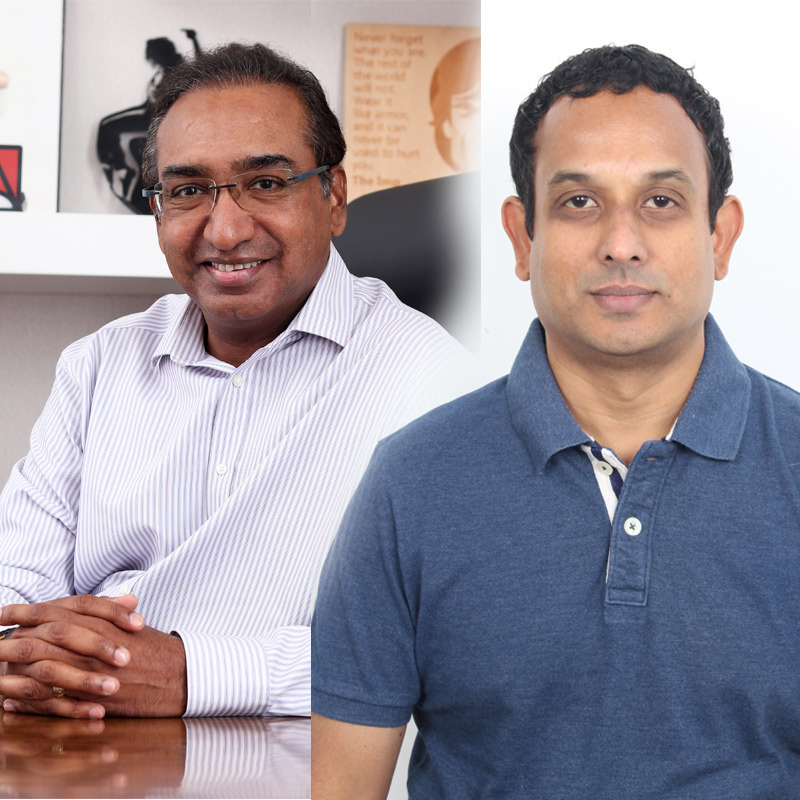
    Bharti Airtel CMO & EVP customer experience, Amit Tripathi highlighted the significance of the partnership, “Partnerships are at the core of Airtel’s DNA, and we are delighted to partner with Zee5 in our endeavour to build a world-class digital content ecosystem. Zee5’s rich library adds a lot of depth to our content portfolio, enhancing the overall experience for our users. We remain committed to building our content portfolio with a single agenda of delighting our customers with the very best.”

    Zee5 CBO, Manish Kalra echoed the sentiment, “At Zee5, it has been our endeavour to democratise access to high-quality entertainment by making our diverse content library available to a larger audience. The collaboration with Airtel strengthens our commitment to offering viewers a seamless entertainment experience across genres, languages, and formats.”

    Airtel wifi plans and benefits

    With this integration, Airtel wifi customers can enjoy access to over 350 HD TV channels and 27 OTT platforms, including Disney+ Hotstar, Amazon Prime, Netflix, and now Zee5.

    Plan

    Speed

    Benefits

    Rs 699

    Up to 40 Mbps

    Zee5, Disney+ Hotstar, 22+ OTTs

    Rs 899

    Up to 100 Mbps

    Zee5, Disney+ Hotstar, 22+ OTTs

    Rs 1099

    Up to 200 Mbps

    Zee5, Amazon Prime, Disney+ Hotstar, 22+ OTTs

    Rs 1599

    Up to 300 Mbps

    Zee5, Netflix, Amazon Prime, Disney+ Hotstar, 22+ OTTs

    Rs 3999

    Up to 1 Gbps

    Zee5, Netflix, Amazon Prime, Disney+ Hotstar, 22+ OTTs

    Customers can claim their complimentary Zee5 subscription through the Airtel Thanks app.

    With Zee5 joining Airtel’s lineup, the partnership reinforces Airtel wifi’s position as a frontrunner in delivering a comprehensive and enriching digital entertainment experience, offering unparalleled content variety to its subscribers.

  • 2024 The year that was – Convergence redefines India’s media landscape

    2024 The year that was – Convergence redefines India’s media landscape

    MUMBAI: As 2024 draws to a close, India’s media and entertainment sector has undergone a profound transformation, reshaping how content is created, distributed, monetised and consumed. The industry’s trajectory is no longer defined by linear growth but by convergence – a blending of formats, technologies, and audience experiences. This article explores the standout trends of 2024 that have positioned India at the forefront of the global media revolution. 

    The Rise of Unified Media Ecosystems 

    In 2024, the fragmentation of content across platforms prompted a surge in unified media ecosystems. Major players integrated cable, satellite, and OTT services into seamless bundles. Partnerships like those between Tata Play and JioCinema offered consumers a singular subscription covering live TV, streaming, and interactive content. The merger of Disney+ Hotstar and JioCinema under the JioStar brand will further demonstrate this trend, combining Disney’s extensive content library with Jio’s robust technological and distribution infrastructure.  

    These developments addressed subscription fatigue by offering cost-effective and convenient bundled services. As telcos and streaming players increasingly leaned towards unified offerings, the next pivotal step emerged – creating singular OTT platforms to integrate multiple streaming services under one roof. Scalable and modular architectures have become essential, enabling flexibility and customisation to accommodate evolving service bundles and diverse consumer preferences. This shift underscores the industry’s adaptability in meeting the complex demands of modern consumers. 

    Sports Broadcasting Reinvented 

    India’s sports media landscape saw unprecedented innovation in 2024. Beyond traditional cricket broadcasts, kabaddi, football, and esports embraced hybrid delivery models. Augmented reality (AR) features allowed fans to experience matches with real-time statistics and dynamic visuals, while 5G-enabled immersive experiences brought stadium energy into living rooms. 

    Regional sports leagues also thrived by leveraging vernacular commentary and localised marketing, broadening their appeal and strengthening connections with diverse audiences. These efforts not only amplified audience engagement but also positioned regional sports as valuable contributors to India’s overall sports media ecosystem. 

    AI, Advertising, and Live Commerce Converge 

     Artificial intelligence, innovative advertising, and live commerce emerged as interconnected forces shaping the media landscape in 2024. AI-driven personalisation powered hyper-targeted recommendations and dynamic content delivery, tailoring experiences to individual, regional, or similar preferences. This capability extended into advertising, where AI analytics enabled micro-segmentation and dynamic ad formats. Brands also experimented with shoppable media embedded directly into OTT platforms, allowing users to interact with ads and make purchases seamlessly. 

    Live commerce further transformed engagement by integrating real-time shopping into live events. Cricket telecasts, for instance, featured exclusive merchandise drops available for purchase during key moments. Platforms with modular architectures and seamless third-party integrations supported these innovations, unlocking new revenue streams and enhancing viewer interactivity. These advancements reflect a significant evolution in how audiences engage with content and commerce simultaneously. 
     

    Deltatre

     Content Without Borders 

     In 2024, Indian content flourished on the global stage. Platforms like Netflix and Amazon Prime Video promoted Indian originals, while regional OTT platforms expanded into south Asia, the Middle East, and Africa. This cross-border success highlighted the universal appeal of culturally rich narratives. 

    International co-productions became more common, with Indian creators collaborating with global studios. Flexible monetisation models, including ad-supported, subscription-based, and hybrid offerings, enabled experimentation and growth, allowing platforms to cater to diverse audience needs. This trend underscores the global demand for authentic storytelling and India’s role as a leading content powerhouse. 

    Collaborative Ventures and Audience Co-Creation Redefine Engagement 

    Collaborative ventures between creators, platforms, and brands surged in 2024. Co-productions between Indian and international studios introduced fresh storytelling perspectives, while brands acted as content producers, funding original series that aligned with their ethos. 

    Audiences also became active contributors, engaging in interactive storytelling, user-generated content campaigns, and fan-led initiatives. This participatory approach fostered loyalty and transformed viewers into brand advocates. Platforms embracing flexible monetisation strategies and modular architectures capitalised on this trend, delivering sustainable revenue through community-driven content models. Such initiatives highlighted the importance of deeper connections between creators and audiences in driving content innovation. 

    Looking Ahead: 2025 and Beyond 

    As we step into 2025, the role of technology in shaping India’s media landscape cannot be overstated. Scalable, modular platforms will be critical in enabling media companies to grow and adapt without overhauling their infrastructure.  

    These technological advancements will not only enable cost-effective scaling but also foster innovation, allowing the industry to explore new content formats, distribution models, and audience engagement strategies. 

    India’s media and entertainment sector is poised to lead the way in leveraging technology for inclusivity and innovation. By embracing modularity, scalability, and flexibility, stakeholders can address the complexities of a rapidly evolving market, ensuring sustained growth and global relevance. 

    The author is country manager India, Deltatre.

    (The picture  for this article featured on Indiantelevison.com’s home page was generated using Microsoft’s AI Image generator. No copyright infringement is intended)

  • Indian government wants streamers to develop a social conscience

    Indian government wants streamers to develop a social conscience

    MUMBAI: Most creators have been singing hosannas about how streaming platforms have allowed them to express themselves freely. But how freely? That’s a question that the  ministry of information and broadcasting (MIB)  is posing. Especially in light of its observation that “certain streaming content available on OTT platforms is inadvertently promoting, glamorising or glorifying the use of narcotic drugs and psychotropic substances through such portrayal by the main protagonist and other actors. Such a portrayal has serious repercussion, particularly regarding the potential influence on young and impressionable viewers.”

    In advisory to the industry, the MIB has advised  OTTs to  stop portraying drug use or abuse as fashionable or acceptable to society especially when it is part of the narrative of a series or film. And it has also cautioned them that should the streamer or content creator choose to portray misuse of psychotropic substances, liquor, smoking, tobacco or any behavior that is  likely to incite the commission of any offence, including infliction of self-harm, and that children and young people may potentially copy, then they should place the film or series in a higher classification of self-certification. 

    The ministry has directed the platforms to  put in place measures like carrying public health messages and disclaimers about the dangers of drug abuse, especially in programs in which it is part of the story line. Then it has requested them to arouse their corporate social responsibility conscience and make and popularise content and documentaries which highlight how substance abuse is health-harming in the long term. Accepting that OTT content is beginning to impact public opinion and behaviour, it has reminded them of their social responsibility and how their content helps shape culture and society. 

    The advisory also warns that in case they find any streamer crossing the red line, strict regulatory scrutiny will follow  under the provisions of the Information Technology Act, 2000 read with the Narcotic Drugs and Psychotropic Substances Act (NDPS), 1985. And if evidence is found conclusive, then strict penalties will apply.

    Are the writers and creators and commissioning editors in streaming platforms listening? As well as the standards and practices guys?

  • The ChangeMakers of the year that was 2024: Uday Shankar

    The ChangeMakers of the year that was 2024: Uday Shankar

    Indiantelevision.com brings you the folks who made a difference in 2024 to the media and entertainment industry. It will cover an eclectic bunch of executives and talent from television, film, OTT, advertising, marketing and media industries. Our hope is we end up doing a good job in selecting the right candidates as we write about their achievements in the year just gone by and challenges that lie ahead of them in 2025.

    Any errors of selection or perspective or narrative are inadvertent and unintended. 

    In the meanwhile, enjoy reading about the first of our selection: Uday Shankar who is ushering in change in the media and entertainment space in the streaming era just like Zee TV did in the nineties in satellite broadcasting. Read on to know our perspective on The Man who sees the future, not just tomorrow.

    Uday Shankar: The executive who sees the future, and bets on it

    He looms like a giant over all other executives in the media sector though  from shoes to the tip of his head , he does not exceed 6 ft in height. 2024 was Uday Shankar’s year by far. As will 2025 be.

    A master planner. 

    A master deal maker; he convinced James Murdoch to partner with him to invest in the Indian market  through Bodhi Tree.  More than that, he managed to get the third most powerful man in India (after prime minister Narendra Modi and home minister Amit Shah) Mukesh Ambani to agree to get into bed with Disney Star India (a company he once headed as CEO).

    On top of that, he got the by-then willing Disney CEO Bob Iger to nod in the affirmative for the alliance where the mouse house would cede management control to the Reliance group. The icing on the cake was that he convinced the two of them to give James and himself a piece of the pie in the joint venture that emerged – JioStar.

    Uday now leads a much bigger company – almost twice the size of Disney Star which he once headed. Yes, he has Mukesh’s wife Nita Ambani as chairperson and son Akash Ambani having oversight over his moves. But the reality is what Uday wants, he gets.  He can be persuasive with his cogent arguments and long-vision thinking and projections. Unlike other leaders in the media, Uday sees the future like others don’t. Probably only one other businessman has his way of thinking –  Mukesh Ambani. That’s why he got Asia’s richest businessman’s buy-in for his strategic and tactical moves. Both love to disrupt the status quo  – that’s the common thread between Mukesh and Uday. 
     

    Uday Shankar

    And Uday bets on that future. In most cases, his “third eye” gets it right.

    Now that the joint venture has got past regulatory clearances, Uday has been working on putting his core team in place. And his core team is working on putting their core teams in place. 2025 might see some blood-letting with the excessive manpower (which has emerged on account of  duplicated roles in the two companies)  being jettisoned. Already senior executives who did not fit into his plans for the corporate structure have been eased out.  The merger and joint venture will take some time to digest. Channels have to be shuttered.  Synergies need to be established. But eventually everything will fall into place. It normally does for Uday.

    And then it will be back to business for him. He is an executive on steroids. He, along with Mukesh and team, have probably already decided which streamer is going to lead – Hotstar  or JioCinema. But no announcements have been made. Executives have been told to port Hotstar’s shows on to JioCinema. However, the former’s technology stack is believed to be much more robust than the latter’s.

    The best part about Uday is that he knows how much he knows and how much he needs to know. He supplements what he does not know through his team mates who know a lot more about what  he does not know. (In simple English, he brings in  the best talent to help him). He then trusts them implicitly and delegates fully, something which the Murdochs did with him when he ran their Indian empire. That’s a trust which Mukesh Ambani has also put in him. Of course, there will be the checks and balances that the Ambanis put in the way they manage. But there’s entrepreneurial spirit a-plenty in the world of Reliance. 

    He will need a lot of that if one considers the IPL rights’ investments which both companies made three years back. The figures seem monstrous; but in Uday’s mind, these were bets which had to be made. So far, both advertising and subscription revenues have not matched the money pumped in. He and his troops have to ensure that the gap is reduced. That could prove challenging as the ad market for certain products was soft during the main spending festival period which went by a couple of months ago. There is no doubt he will drive his  foot soldiers hard like a general on the war front to get to their targets even if it seems difficult with bullets and bombs flying around.  And, like he is vaunt to, he will in all likelihood don his uniform and enter the battlefield himself. 

    To his advantage, if the external environment is rough, then there is enough spending ammunition available in-house in the rapid expansion and diversification drive that the Reliance Industries group is making into retail and fast-moving consumer goods. It is already the leading retailer in the country. As well as the leader in telecom and broadband delivery. On the FMCG side, Campa Cola has been relaunched. Snacks have been launched. Many more forays are in the planning stages.


    Uday shankar questions

    These initiatives will need platforms to reach out their advertising communications to consumers. What better ones can there be than Hotstar, JioCinema, Star Plus and Colors and of course the regional channels which are leading in their respective languages in different states. And then of course there’s the IPL which generates zillions of eyeballs in the country. Loyal ones. Still breakeven might be hard, is what observers are foretelling. However, should the wars  – one in the east and the other in the north – that are harming economies end – just like Donald Trumps wants them to – then we might be narrating a different story by this time next year. 

    At heart, Uday is a man who likes to create and tell stories. Under his tutelage, Star India flowered and bloomed like it had not in the past.  Uday understands what consumers want, and, what he did not, he picked up  from his colleague at Star India, the former Hindustan Unilever professional Sanjay Gupta who is now Google’s APAC head.  He  knows how to tell good stories but more than that he knows how to motivate other creative folks around him select good stories and tell them well. Just like he did earlier on in his career when he was a journalist at The Times of India, and  he led teams at the India Today group and at Star News.  

    Uday has been talking television, saying it has long legs within India with 90 million homes and almost 500 million individuals still watching it through pay TV platforms and free DTH from the public broadcaster. He’s determined to take JioStar’s TV channels deeper into India with stories that resonate with the audiences there. But there’s many a problem that plagues those in heartland India like power cuts and load shedding, that makes watching television continuously difficult on most occasions.  Hence, even if he succeeds with the drama series  and stories how will he ensure  continuous power supply? Or will he rely on innovation from within the Reliance group and its partners to help out on this front?

    Mukesh Ambani is quite in tune with prime minister Modi’s ambition to take Indian stories global just like south Korea and Turkey have been doing. Honest well-written Indian-made stories made with high production values, reflecting the modern India. And yes the content  will have to be made relatable to those in foreign lands. Netflix and Prime Video have done that in a small way by pushing India-made TV shows on their streaming platforms. But they have barely scratched the surface.

    It will be up to the likes of Mukesh Ambani and Uday Shankar – actually mostly up to Uday and his band of merry executives  – to take Indian content where it has not gone before.  Aggressive investments in developing original series and films need to be made either alone or as co-producers with international studios that have the know how and the distribution muscle. There’s Rs 11,500 crore that’s been pumped into the joint venture which needs to be deployed well. Some of that could be used to build the JioStar brand at markets like MipCom where the world’s biggest content creating studios congregate every year. 


    Uday Shankar gesticulating

    Within the country, Reliance Jio has distribution deltoids like no one else does.  With 400 million  plus subscribers consuming video – and hence data, either on mobile handsets or on connected TVs – it can only be win-win for the wireless and wired broadband telco. The more JioStar gets people to binge watch, the more the revenue that will come Jio’s way. Either as video on demand shows or as linear channels being streamed. They will contribute towards Jio’s top line as well as bottom line with data costs dropping – and dropping- and incentivising users to consume more.

    We are not sure if this will benefit Uday and his troops as much as it will Jio. But, on the other side, getting preferential carriage and promotional rates will, and could reduce costs for JioStar and its large bouquet of channels and streaming services.  Synergies there are a-plenty definitely, despite what we have been told. And what the regulators have been told too.

    2025 will keep Uday busy.  He is likely to emerge even stronger as the year goes by.  Most regard him as one of the top media – no, top business  –  leaders in India;  some say even globally (We, at indiantelevison.com tend to agree). And that’s no mean achievement for a media maverick who used to once travel on a two-wheeler to work every day as a journalist.  

  • Zee5 elevates Shresth Gupta to VP – marketing (SVOD)

    Zee5 elevates Shresth Gupta to VP – marketing (SVOD)

    MUMBAI: In the fast-paced world of digital streaming, standing still is not an option. Just as an outdated gadget or a long-overdue promotion begs for an upgrade, so too does the leadership that steers innovation.

    Zee5, India’s leading homegrown video streaming platform, has announced a major upgrade of its own, elevating Shresth Gupta as VP – marketing (SVOD) for India and global markets. This dynamic move underscores Zee5’s relentless drive to dominate the subscription video-on-demand (SVOD) space, sparking excitement and anticipation as the platform sets its sights on conquering new horizons and captivating audiences worldwide.

    In his new role, Gupta will spearhead the launch and promotion of original series and movies in Hindi, Bengali, and Marathi, aiming to drive subscription growth through impactful campaigns tailored for diverse audiences. Gupta joined Zee5 in August 2020 and has been instrumental in the platform’s success, orchestrating standout campaigns for popular titles such as “Taj: Divided by Blood”, “Sirf Ek Bandaa Kaafi Hai”, and “Gyaarah Gyaarah”.

    With over 15 years of experience in strategic planning and brand building, Gupta has held leadership positions at Sun TV Network, Zee Entertainment Enterprises, and Reliance Broadcast Network. He successfully launched impactful initiatives, including introducing Sun Bangla to eastern markets and overseeing the launch of premium channels like Zindagi and &Prive HD.

    Recognised for his expertise in digital marketing, storytelling, and consumer insights, Gupta has consistently delivered campaigns that resonate deeply with audiences.

    His educational credentials include a post graduate diploma in communications from MICA and a bachelor’s degree in engineering from Rajasthan University.

    This move underscores Zee5’s commitment to innovation in marketing and delivering exceptional value to its growing SVOD subscriber base.

  • Parliamentary panel to review OTT content amidst regulatory debate

    Parliamentary panel to review OTT content amidst regulatory debate

    MUMBAI: Imagine this: you’re unwinding with your favorite show, only to frantically fumble for the remote as a scene unfolds that you’d rather your child never see—graphic violence, explicit language, or worse, nudity. Frustrated by the glamorisation of crime and violence in thrillers that could inspire the impressionable? It’s a moment every parent dreads, and a dilemma households across the country face in today’s era of on-demand entertainment.

    But here’s the big news: relief might finally be on the way.

    In a move poised to reshape how we consume digital content, the Parliamentary Standing Committee on Communications and Information Technology is stepping in. Mark your calendars for 20 December, when the committee will meet with leading industry bodies to tackle the hot-button issue of content regulation on OTT platforms. As debates intensify between calls for stricter government oversight and advocates of self-regulation under the IT Rules, 2021, the stage is set for what could be a landmark decision in the OTT landscape.

    This is a moment of mixed emotions—hope for a more family-friendly streaming experience, but also trepidation over potential restrictions that might stifle creativity. One thing is certain: change is brewing, and all eyes are now on the committee’s crucial meeting.

    The committee, chaired by Lok Sabha member Nishikant Dubey, has invited organisations such as the Indian Motion Picture Producers’ Association and the Motion Picture Association of America (India office) to present their views. This dialogue follows Information and Broadcasting minister Ashwini Vaishnaw’s request to prioritise strengthening laws governing social media and OTT platforms.

    Dubey emphasised the urgency of addressing content concerns, particularly regarding portrayals of women, obscenity, and vulgarity. “OTT platforms often feature content unsuitable for family viewing. Our meeting with industry stakeholders will address these pressing issues,” he said.

    Last month, Vaishnaw highlighted cultural disparities between India and foreign regions housing platforms like Netflix and Prime Video. He stressed the need for stricter regulations, citing examples such as Netflix’s portrayal of the 1999 Indian Airlines hijacking in IC-814: The Kandahar Hijack. The series faced criticism for inaccuracies, prompting Netflix to update its disclaimers.

    Industry bodies such as the Indian Digital Media Industry Foundation (IDMIF) and the Internet and Mobile Association of India (IAMAI) have pushed for retaining the current self-regulatory framework. Both organisations argue that platform-level self-regulation under IT Rules ensures creative freedom while adhering to constitutional boundaries.

    In August, IDMIF and IAMAI assured MIB that their members comply with the code of ethics, avoiding content harmful to India’s sovereignty, security, and public order. They also highlighted caution in portraying racial or religious groups.

    As the government explores options like pre-certification for OTT content, industry bodies have urged against additional oversight. They advocate for maintaining the balance between creative expression and compliance.

    The 20 December meeting is poised to shape the future regulatory framework for OTT platforms in India, balancing creative freedom, cultural sensitivities, and legal accountability.

  • From solitude to shared screens: How connected TVs Are changing SVOD in India

    From solitude to shared screens: How connected TVs Are changing SVOD in India

    MUMBAI: Picture this: you’re slouched on the couch, watching the season finale of your favorite show, but the room feels hollow. No one to laugh with, no one to argue about the plot twist. Feels a little dull, doesn’t it?

    You’re not alone—literally. A new wave of co-viewing, driven by Connected TVs, is revolutionising how India engages with subscription video on demand (SVOD) platforms.

    Ormax Media’s latest SVOD audience report 2024 reveals a seismic shift in urban India’s viewing habits. With insights from 3,000 subscribers, the report paints a vibrant picture of a market where language diversity, shared experiences, and tech-savvy innovation drive customer loyalty and growth. From couch-bound solo binging to interactive group viewing, the way Indians consume content is evolving faster than ever—and it’s bringing a mixed bag of emotions along for the ride.

    The question is: are you tuning in alone, or are you part of this co-watching revolution?

    The report highlights a stagnation in the SVOD audience base, which declined by two per cent to 150.6 million in 2024, compared to 153 million in 2023. This represents 28 per cent of India’s digital video audience, a group dominated by ad-supported video on demand (AVOD) viewers who account for 72 per cent of the market. The slowdown in SVOD growth underscores the competitive challenges platforms face in subscriber acquisition and retention.

    A major revelation of the report is the growing impact of Connected TVs, with 36 per cent of SVOD audiences in urban India regularly using such devices to stream content. This trend is expanding beyond metro cities into mini metros and smaller towns, altering how content is consumed.

    The report also sheds light on the phenomenon of co-viewing, where 66 per cent of Connected TV users watch streaming content with family members. This shift calls for OTT platforms to prioritise inclusive content catering to diverse age groups and preferences, ensuring a broader family appeal.

    Ormax Media, head of business development (streaming, TV & brands), Keerat Grewal underscored the importance of these insights in shaping OTT strategies.

    “In a cluttered marketplace where subscribers typically pay for just 2-3 apps, pay OTT platforms must align their pricing, content, and marketing strategies with audience preferences,” Grewal said.

    She added, “While platforms have data on their own subscribers, Ormax Media has consistently built industry-wide insights for the Indian OTT sector. Our latest report equips platforms to craft compelling value propositions, grounded in macro-level audience behaviours and tastes.”

    Contrary to perceptions that Connected TVs are limited to metro audiences, the report reveals growing traction in smaller towns and mini metros. Grewal highlighted the potential for this shift to fundamentally reshape the type and style of content consumed on OTT platforms in India.

    The Ormax SVOD Audience Report: 2024 is now available for subscription and provides valuable data for streaming platforms, brands, and content producers. Covering viewing behaviour, language preferences, genre trends, content sampling triggers, and media habits, the report is a comprehensive resource for industry stakeholders aiming to stay ahead in a dynamic market.

  • Vi Business unveils Easy+ to streamline corporate and personal life seamlessly

    Vi Business unveils Easy+ to streamline corporate and personal life seamlessly

    MUMBAI: Dodging your boss’s relentless calls?

    Scrambling for excuses when your phone mysteriously ‘runs out of data’?

    Vanished on a work trip because international roaming decided to abandon you mid-flight?

    Sounds familiar?

    Say goodbye to corporate chaos and hello to seamless connectivity! Vi Business, the enterprise arm of Vodafone Idea, is rewriting the rulebook for corporate postpaid users with its groundbreaking Easy+ service. Now, whether it’s topping up your roaming pack, binging OTT shows, or avoiding awkward ‘unreachable’ moments, you can do it all—right from the Vi App, on your existing corporate plan. No drama. No hassle. Just effortless convenience.

    This game-changing feature simplifies how employees access value-added services, empowering them to personalise their mobile plans without the hassle of seeking approvals or managing separate numbers.

    Vi Business, executive vice president, enterprise mobility business & marketing, Roerich Kaushal emphasised the significance of the launch. “With Easy+, Vi Business is leading the way in transforming the corporate postpaid experience. Employees now have the flexibility to select and purchase services like international roaming, OTT subscriptions, and data packs for personal needs. In today’s connected world, they deserve an effortless solution that aligns with modern workforce expectations,” said Kaushal.

    He added, “With the upcoming holiday season, Easy+ provides a convenient way for employees to purchase international roaming packs, ensuring seamless connectivity and entertainment on the go.”

    Key Features of Easy+:

    ●    International Roaming Packs: Available across 29 countries with flexible durations – 24 hours, 10 days, or 14 days – priced between Rs 749 and Rs 4,999.

    ●    OTT Subscriptions: Users can subscribe to services like Sony LIV and Zee5, delivering their favourite entertainment directly to their devices.

    ●    Gifting Feature: Corporate users can gift OTT subscription packs to others, making it easier to share entertainment options.

    Corporate postpaid users can avail of Easy+ through the Vi App, which offers a user-friendly interface for purchasing these add-ons. The service reflects Vi Business’s commitment to blending convenience with innovation, making it a valuable tool for professionals on corporate plans.

    https://vi.app.link/viappisnt.

  • India’s sports industry races ahead with digital-first advertising focus

    India’s sports industry races ahead with digital-first advertising focus

    MUMBAI: Sports isn’t just a pastime anymore – it’s a roaring phenomenon that fuels India’s collective heartbeat, more electrifying than a stadium under floodlights during a last-ball thriller. From the thunderous cheers of cricket fans to the passionate chants of football aficionados, the adrenaline rush sports delivers has become the ultimate high – stronger, they say, than the purest Colombian cut.

    And why not?

    The glitzy ads, the digital frenzy, and the unstoppable growth of India’s sports industry have turned it into a $52 billion juggernaut, overtaking several traditional sectors like telecom. Now, poised to shatter records with a jaw-dropping trajectory to $130 billion, according to the Deloitte-Google report, sports in India isn’t just entertainment; it’s an economic revolution with a pace that could leave even the fastest sprinters in awe. With a projected compound annual growth rate (CAGR) of 14 per cent, the sector is rapidly outpacing established industries, including automotive and tourism, and redefining its role in the Indian economy.

    This remarkable growth reflects India’s rising stature in global sports, bolstered by robust government initiatives such as the ministry of youth Affairs & sports’ (MYAS) record 2024 budget allocation. Programs like Khelo India and Target Olympic Podium Scheme (TOPS) are driving systemic changes, ensuring long-term development of sports infrastructure and talent in the country.

    The report underscores the paradigm shift in advertising, with brands prioritising digital platforms over traditional TV broadcasting. Over the past two years, digital sports advertising surged by 63 per cent, while TV sports advertising declined by 10 per cent. Platforms like JioCinema and Disney+ Hotstar are now rivaling linear broadcasting, capitalising on subscription-based revenue models.

    An overwhelming 90 per cent of Indian sports fans engage digitally, with cricket-related videos amassing 50 billion views on YouTube in one year alone. Personalised ad campaigns, such as Mondelez’s AI-powered cricket ads, showcased the immense potential of targeting sports enthusiasts digitally, delivering 92,000 creative variations and doubling ad recall.

    Sponsorship deals in India’s sports sector are expanding at thrice the pace of global benchmarks. Franchise fees grew by 60 per cent in 2023, and campaigns integrated with live sports events, like Swiggy’s IPL drive, saw active user engagement spike by 59 per cent.

    The shift to regional strategies has been pivotal, with 77 per cent of fans preferring sports commentary and content in local languages. Regionalised advertising has tapped into previously untapped rural and semi-urban markets, further solidifying sports’ mass appeal.

    For the first time in Indian sports broadcasting history, the valuation of digital media rights for IPL 2022 equaled that of TV rights. This milestone reflects the industry’s digital-first pivot, as brands and advertisers increasingly gravitate toward the flexibility and reach of OTT platforms.

    As the industry continues to expand, the report highlights that India’s sports sector contributes approximately one per cent to the national GDP, on par with major sporting nations. With significant headroom for growth and increasing digital penetration, India is poised to emerge as a global sports powerhouse.

  • Anuj Gandhi’s Dor TV sells out in 12 hours, next sale announced

    Anuj Gandhi’s Dor TV sells out in 12 hours, next sale announced

    MUMBAI: The dawn of a new era in Indian entertainment has arrived, and it’s nothing short of extraordinary. In a dazzling display of innovation and consumer adoration, Dor TV, India’s first subscription-based television service, made a thunderous debut on Flipkart. Launched by Streambox Media on 1 December 2024, this trailblazing offering captured the hearts of millions, selling out its entire inventory in just 12 electrifying hours. Powered by Gandhi’s visionary leadership (read the exclusive interview with Anuj Gandhi), cutting-edge technology, and an irresistible blend of affordability and convenience, Dor TV’s launch wasn’t just a success—it was a celebration of India’s love for groundbreaking ideas.

    This remarkable response highlights Indian consumers’ hunger for innovative, hassle-free entertainment solutions. With its promise of integrating 24+ OTT platforms, 300+ live channels, and 4K QLED TV technology into a single subscription, Dor has not only resonated with users but also topped the charts as one of Flipkart’s top three brands in the TV category.

    Streambox Media, led by Anuj Gandhi, envisions a world where fragmented content and tedious subscription management are relics of the past. With Dor, viewers can enjoy a streamlined entertainment experience powered by AI-driven personalisation, all while enjoying top-notch visuals and audio quality on an ultra-modern 43-inch 4K QLED TV.

    Expressing his excitement, Gandhi stated, “The overwhelming response we’ve received truly surpassed our expectations and yet it aligns perfectly with our vision for the country. Seeing India embrace Dor with such enthusiasm validates the belief we’ve held in crafting a consumer-first offering. It’s a clear testament that Indian households are ready for a smarter, more seamless way to enjoy their content. This incredible support only strengthens our commitment to making Dor accessible to everyone, and we’re working tirelessly to ensure no one misses out on this transformative digital journey.”

    What’s Next for Dor?

    With the success of its first sale, Streambox Media has announced the next sale date: 8 December 2024. Larger TV variants, including 55-inch and 65-inch models, are slated for an early 2025 release, expanding options for Indian households looking for a premium entertainment experience. As the connected TV market in India continues to grow, Streambox Media aims to lead the charge with Dor, empowering consumers with affordable, cutting-edge technology.

    Dor’s success signifies India’s growing appetite for innovation that’s tailored to its unique needs. As Gandhi aptly put it, “With Dor, we are not just launching a product; we’re creating a revolution.”