Tag: OTT

  • Non-linear TV viewing draws attention of viewers in US, Europe & Australia: Omdia’s Report

    Non-linear TV viewing draws attention of viewers in US, Europe & Australia: Omdia’s Report

    Mumbai: New research from Omdia reveals that nonlinear viewing continues to gain greater hegemony in the daily viewing habits of TV users across the US, Europe, and Australia. Online long form and social media video viewing is growing beyond the previous year’s boom in viewing time.

    Omdia’s new ‘Cross-Platform Television Viewing Time Report – 2022’ finds that across all the markets covered, the average total daily viewing time reached 362 minutes per person per day in 2021 (six hours and two minutes), down 0.5 per cent on last year. Declines in linear TV, online short form and pay TV VoD account for this minor drop in viewing, with the former seeing the sharpest falls. Growth in online long form and social media video viewing, however, counterbalanced these declines, leaving overall viewing to drop by just two minutes.

    Linear TV viewing time decreased in all markets in 2021. The end of restrictions and lockdowns that marked most of 2020 was the primary cause, with the continual shift toward on-demand viewing also driving this.

    Omdia’s TV and Online Video team senior analyst Rob Moyser commented, “In highly developed markets such as the US and the UK, 2021 will likely be the last year where linear TV predominates over non-linear TV viewing. On a platform-by-platform level, however, linear TV still remains, by some distance, the most popular way to watch TV in the markets covered.”

    Online long form was a key area of growth across all markets, driven largely by incumbent online subscription services such as Netflix, Amazon Prime, and Disney+, and the launch of several new OTT services such as Discovery+ and Paramount+. In total, long-form viewing grew by eight minutes, reaching 68 minutes, eight minutes ahead of social media video viewing.

    Time spent viewing video content on social media platforms increased by nine minutes in 2021 to an average of 60 minutes per person per day across the nine markets analysed. TikTok was the standout performer for video growth during the year, with the platform set to overtake Facebook in total time spent for the first time in 2022.

  • Brands are allocating nearly 25-30% of their budgets to influencer marketing: GroupM’s Ashwin Padmanabhan

    Brands are allocating nearly 25-30% of their budgets to influencer marketing: GroupM’s Ashwin Padmanabhan

    The advertising & media landscape in the country is evolving every day, especially with the exponential growth of all things digital during the pandemic. According to market research firm Statista, the influencer marketing industry in India- a relatively new-age advertising segment- has grown robustly and is worth Rs 9 billion, as of 2021. It is projected to grow at a compound annual growth rate (CAGR) of 25 per cent over the next five years to reach Rs 22 billion by 2025. There has also been a perceptible paradigm shift from banking on celebrity endorsers to engaging influencers for product placements in recent years.

    On the sidelines of its flagship content summit Brew, IndianTelevision.com had an in-depth conversation with GroupM’s president of partnerships and trading Ashwin Padmanabhan, to find out whether influencer marketing has finally come of age in India.

    Padmanabhan also weighs in on the importance of responsible advertising, while sharing insights on the marketing & advertising strategies brands and OTT platforms are adopting to improve the bottom lines in today’s uncertain inflationary times, with consumers tightening their purses.

    Edited Excerpts:

    On has influencer marketing reached a stage in India where brands are now keeping aside a substantial part of its annual adspend towards it

    Absolutely. If we look at our clients in the GroupM universe, currently, close to 150 odd brands actively use influencer marketing as a strategy to reach their consumers. Importantly, they are using it in more than one area. One is to drive consideration because the nature of influencer marketing is such that influencers create content which their followers are highly engaged with. That’s one of the reasons that influencers are becoming very relevant in a brand’s marketing mix: to drive engagement.

    We are also seeing some brands now moving from driving consideration to engagement to actual action, as the tech infrastructure becomes increasingly better, to enable a call-to-action where the consumer can directly click on a link to buy a service or product. So we are seeing that shift too with brands in a mid-to-lower funnel.

    In fact, during the lockdown, nobody could go out & shoot content or create TVCs, etc. That’s when we started working with a lot of brands as an alternative to traditional television commercials or traditional web commercials, and influencers became very relevant in that environment. But as brands started working with them, they realised that they can start working with influencers on a standalone basis- as an integral part of their marketing strategy, and not just because they can’t do something else. And that’s the shift that has happened in the last two years.

    On how much percentage of a brand’s annual marketing/ ad spends is allocated today to influencer marketing

    The way we look at brands right now we see three buckets of clients: There are brands which have become native to influencer marketing who allocate close to 25-30 per cent of their budgets to influencer marketing. It’s a very integral part of their marketing strategy. D2C brands make up a large mix within this, but we are seeing even FMCG and especially, personal care brands allocating more than 15-20 percent of their budgets on influencer marketing. They may not be in the top four or five, but they are surely in the mid to lower funnel range. These brands have realised that it’s a great way to create ‘Share of Voice’ (SOV). They can’t fight the ‘big boys’ in the media space, especially in the CPG (consumer packaged goods) category, SOV is very critical. And influencer marketing becomes a great tool to drive SOV. And hence these brands are over-indexed in influencer marketing than their peers, which are the larger organisations.

    Loreal- one of our clients- although a big name, in specific categories like personal care and especially in cosmetics range like Maybelline, they are highly over-indexed in influencer marketing. They had an ‘always-on’ influencer marketing strategy throughout the year. And that’s the other shift we are seeing from stand-alone campaigns. It also allows you to have a threshold level of visibility, engagement, and driving action from the consumer through the year- that’s the beauty of influencer marketing.

    Also, there’s the middle bucket of the brands which have become mature, that would have anywhere from 10 to 25 per cent of its ad spend allocation. These are brands which have tried using influencer marketing and continue using it but it’s not part of their ‘always on’ strategy for them. They look at it very tactically, a lot of their influencer marketing is around events that they do. And then the set of influencers they work with amplifies the work they do. So, they use it differently as a strategic mix. But even here we see anywhere from five to ten per cent spending allocation.

    And then there’s still a very large bucket of clients who are curious and they are wondering how to work with influencer marketing. They are trying to gauge and test the waters & see what’s in it for them, and what kind of metrics they can work with. So they have a lot of questions in their mind on how they quantify their investment, how they define ROI in this case, is there some kind of measurement that’s credible. And that is where we come in with INCA. With the tech that we have built, today we can analyse anywhere close to 45,000 influencers in India & have a very detailed understanding of not only what space they create content in. We also have a detailed understanding of their audiences, their demographic, and what part of geography they come from. Stuff like this has not been organised in many years as it’s an evolving space,  which is also why we took out the INCA influencer marketing report- the first edition of which came out last year.

    Our estimate about the industry last year was close to Rs 900 crore, and this is not the money being spent on media or the money being spent on boosting the content being created. This is money being spent specifically and directly on influencers, which is a significant number. And it’s only growing 25-30 per cent YoY.

    And not just data, but also a lot of qualitative research as well that’s going into it, to quantify the ROI or shift that’s happening when we work with an influencer or celebrity influencers. And the more we do it, the more we see brands getting warmed up to it. It’s suddenly moving out of a space they didn’t understand to a space they can make sense of their investment.

    On ASCI stricture of ‘paid sponsorship’ tag affecting the influencer marketing revenue

    Not really because the way we advise our clients to work with influences is not to force the influencer to post your content. The idea is to create content that’s organic to the influencer and has a brand message embedded. As long as brands do that, there’s content for their followers to consume that’s in line with their expectations. The moment you stray from that and you start using the influencer purely as a reach medium then I think we are moving away from the basic principles of influencer marketing. So it’s not really about the guidelines, which are only making it clear that whatever content you are consuming is sponsored by someone. It’s a disclaimer or statement we are making upfront so it’s transparent. That’s a good thing, and as long as the content remains true to what the influencer makes regularly there’s no difference. On the other hand, even without that paid content tag if you stray away from this principle you’ll not get the required reach.

    On how GroupM ensures it stays in the realm of “responsible advertising”

    Creativity doesn’t mean a licence to abuse or licence to harm someone. Creativity is about connecting with people in ways that surprise them positively, not negatively. And for us “responsible investment” is a very huge part of what we do at GroupM. We have something called the Responsible Investment (RI) framework that we started applying to the content that we produce.

    One is the content that we produce with influencers around INCA. Then there is the long-form content we produce in the motion content group, such as web series, films as well as TV shows where we are bringing RI.

    From this perspective we have defined four goals or areas for us: The first is around sustainability, second is DEI (Diversity, equity and inclusion) with a magnifying glass into gender equality. The third is around primary education, because in India about 40 percent of kids drop out of school after fifth grade, and there are a lot of companies which are trying to do something to change this. The fourth is around financial inclusion. So these are the four pillars that we have defined.

    So the question we are asking is how can we bring any of these themes into the shows we are doing. And we believe that if we need to truly make a difference in the world then habits have to change. And I think “content” is the most powerful way to do that. Content creates cultures, passion and habits, even the way we behave with each other. And one of the routes to driving RI is how we create this content. We believe as an organisation we have to be the catalyst for the world to come around these four principles. 

    Creators and platforms are forever chasing a formula that they think works. Today, there’s a conflict in the creative space when it comes to content. Where at one level we are probably becoming more regressive because we have seen that certain regressive content has worked, and everybody wants to do the same kind of thing. On the other side, we see a lot of independent creators who want to create content which makes a positive difference. That’s why we are committed to them and putting our money behind them. These productions are investments done by GroupM, as we believe as such an important player in the media space in India if we don’t do it then we can’t expect others to do it.

    On how Netflix introducing ad-supported plans impacts OTT viewership

    The fact is that there’s some great content being produced today, but the access to that content is limited today because of the sheer investment a subscriber/ audience has to make to watch that content.

    On OTTs, unlike on TV, if somebody wants to watch content across different platforms and different languages, then they need to be in the top one per cent in the country, otherwise, nobody can afford it. So clearly, from an economic perspective while it does make sense for the channels as they will be able to get more viewership. But from the audience’s perspective, it makes the content more democratic. So I think it’s great if more platforms open up to that and understand that.

    On getting brands to achieve cost efficient & strategic ad spends during these times of rising inflation, and the impact on AdEx

    We don’t anticipate it to impact AdEx as much, it’s more about how those spends can stretch longer or do more for me. What it is potentially doing is, forcing organisations to go back to the question of efficiency. So, you start moving towards value communication at such times. But the value in the equation is being driven by questions such as how can we make it reach more people, are there different ways to reach them, and can I engage with them more and drive more actions?

    One big trend I’m seeing is that it’s forcing organisations to look inwards. And ask what are those systems and processes that they can build more efficiency to save cost, so as to reduce impact on the consumer. Be it in the way they are packaging their products, or the way they are distributing them physically. So, they are trying to build more efficiencies into their own processes to be able to cut costs, so they don’t need to pass on the burden of inflationary pressure they are facing onto the consumers.

    The other question is, how do they help the consumer get to their product in different ways which are not necessarily the way in which they have been used to buying the product. So new distribution channels, whether its D2C or e-marketplaces or whether its small kiosks or QSRs that have been set up to create a physical space as well. So there’s a lot of innovation happening at the ‘point of sale’ and how the consumer accesses the product.

    Yes, there is some part of the pressure which gets passed onto the consumer but that’s being done in different ways. Like, probably reducing the size of the product while keeping the price same as before, so it won’t pinch your monthly budget as much. The reality is that outside of the one per cent of the country’s population, these pressures that we are going through mean a lot to everybody else. If you are not sensitive to what consumers are going through, it’s not good business as well. And honestly, we are seeing this sensitivity very clearly across our clients. These are some of the biggest CPGs (consumer packaged goods) that we manage. And CPG is where one feels the pinch the most because these are staple, everyday items which you need to run your home. These organisations are being extremely realistic about the fact that they need to start at home before they start putting pressure on the consumer.

  • Everest Entertainment ventures into web series production; doubles film release slate

    Everest Entertainment ventures into web series production; doubles film release slate

    Mumbai: Independent production company Everest Entertainment aims to produce web series in Hindi & Marathi by the second quarter of 2023. The film studio has produced 25 Marathi films till date, including well-known titles such as “Me Shivajiraje Bhosale Boltoy”, “Mumbai Pune Mumbai” franchise, “Tukaram”, “Aajcha Divas Majha” and “Happy Journey”.

    The content studio has three business verticals, namely its production business, content licensing business, and music licensing business. In content syndication, it boasts a library of 250 Marathi titles and has long-standing syndication deals with Amazon Prime Video on the digital side and with major broadcasters Star (Star Pravah, Pravah Picture), Sony (Sony Marathi), Viacom18 (Colors Marathi) and Zee (Zee Marathi, Zee Talkies) on the traditional media side.

    Everest also has a robust music licensing business and is one of the leaders in the Marathi music space. Its YouTube channel Everest Marathi has over 2.7 million subscribers.

    Also read: Geo-targeted campaigns ramp up as brands go hyperlocal

    Like many production houses, the pandemic created significant bottlenecks for Everest Entertainment, which had to shift its film releases owing to theatres being shut. With the lifting of lockdown restrictions and theatre-goers back in cinemas, Everest Entertainment’s Sanjay Chhabria is jubilant to see the reception of regional cinema across pan-India audiences, including Marathi films such as “Pawankhind” and “Chandramukhi”, which were commercial successes.

    In July, the studio released its first film of 2022, “Ananya,” starring Hruta Durgule in her big-screen debut and directed by debutant Pratap Phad.

    Including “Ananya,” Everest plans to release four films this year, namely “Boyz 3”, “Autograph,” directed by Satish Rajwade, and a Marathi remake of a Tamil film which is yet to be announced.

    Born into a business family, Sanjay Chhabria descends from Gordhan Chhabria, a well-known overseas financier and distributor of Hindi cinema. Having cut his teeth in the world of film financing, Sanjay Chhabria launched his independent video publishing company, Everest Multimedia, to market and distribute home videos of Hindi feature films.

    Chhabria soon ventured into film production with Mahesh Manjrekar’s ambitiously written “Mee”. The studio gradually increased its production slate. It began by releasing one or two films every year, and now plans to release four films every year from the beginning of 2022. The studio is currently working on 8 projects that will be released in the next two years.

    In conversation with Indiantelevision.com, Everest Entertainment managing director Sanjay Chhabria speaks about the studio’s release slate in 2022, the Marathi cinema landscape, setting up its web series vertical and more.

    Edited Excerpts:

    On the impact of the pandemic

    Sanjay: There are a lot of impending releases due to the pandemic. Marathi cinema has always had a healthy flow of new releases, and this year there will be a lot more. Our decision to wait for theatres to open was a good one as there were a lot of big-ticket films that were released without theatres and did not do so well.

    On the expansion of Everest Entertainment business verticals

    Sanjay: We are an independent studio that has four different business verticals. Under our production vertical, we’ve produced over 25 films till date. Our content aggregation business syndicates content to various broadcasters, including the big four: Disney Star, Sony, Colours, and Zee; and digital platforms such as Amazon Prime Video, Netflix, and Planet Marathi. We have a library of 250 movie titles, including blockbusters like “Pawankhind” and “Chandramukhi”.

    We are one of the leaders in the Marathi music licensing business and have a YouTube channel, Everest Marathi, with 2.7 million subscribers. We’re doing some great numbers due to the release of the “Pawankhind” soundtrack and expect to touch 3–3.5 million by the end of the year.

    Our plan is to get into web shows and originals as well. OTT platforms such as MX Player, Zee5 and Sonyliv are leading in terms of Marathi content, but I’m sure global platforms like Netflix, Prime Video and Disney+ Hotstar will foray into Marathi content as well. Currently, we are in the process of writing scripts for original shows. The idea is to create a bank of scripts so that we can pitch them to OTT platforms. The plan is to create not only Marathi but also Hindi-language series.

    We have hired writers and shortlisted some book rights. Book rights or personality rights are easier to sell compared to a new story as there is a ready script in place. I expect we will start producing our first web series by the second quarter of 2023.

    There is already a long-term relationship with OTT platforms such as Amazon Prime Video to syndicate our movie content. We are currently the only ones in the Marathi segment who have an output deal with them.

    We also distribute Marathi films globally. While the opportunity in the international market for Marathi cinema is not that big, I believe a sustained effort to market big-ticket Marathi films outside of India will create an opportunity to establish a mainstream audience. The main theatrical overseas markets for Marathi cinema are the US and Canada, which is basically North America.

    On the film release slate for 2022

    Sanjay: Normally, we have about one or two releases every year. This year, we are having four releases. There is “Ananya,” which was released on 22 July. “The Boys 3” that releases in September. We have a big release called “Autograph” based on a Malayalam film of the same name. The final release for the year is a Marathi remake of a Tamil film.

    We’re currently working on the script of another project that is a remake of a famous Tamil film, “Athadu,” featuring Mahesh Babu. The film is a family drama, and we are in the process of putting that on the floors as well.

    Today, if you want audiences to come to theatres, you need to have great production values, as witnessed by the success of South films recently. The production values have also increased in the Marathi space. Earlier, we made films with a budget of Rs 90 lakh and one crore rupees. Now, the minimum cost of putting a film on floors is Rs 2.5-3 crore, and I’m talking about a small-scale film. There are Marathi films being produced today with a budget range from Rs 3 -12 crore. There have always been plenty of producers in the Marathi space, but I see the space becoming more structured with some independent production houses regularly churning out films. We are one of the leading independent studios that are making the maximum number of movies.

    On the performance of regional cinema

    Sanjay: The story of regional cinema in 2022 has been really good. The films from the South are doing well. Some Punjabi films have done well. We have also come across a Gujarati film that has done well. There were five or six Marathi films released between November 2021 and now which have done well. We hold the broadcast, digital and music distribution rights to two of the most successful Marathi films recently, i.e., “Pawankhind” and “Chandramukhi.”

    Also read: 5.1 mn viewers tuned in to watch Pravah Picture’s telecast of ‘Pawankhind’: Barc

    On the recovery of theatres and theatre-going audiences

    Sanjay: Theatrical releases are the biggest chunk of revenue for us, even though OTT licensing revenues are growing gradually. In 2021, the majority of theatres were shut, and now I’m seeing a complete recovery of theatres but a shift in the pattern of theatrical releases.

    Regional cinema has done comparatively well as compared to Hindi cinema. Marathi cinema is gaining popularity, with films such as “Jhimma” performing well at the box office. So, audiences are going to the theatres, and it’s not true that we have lost theatre-going audiences to the pandemic. In fact, there are more footfalls now than there were pre-pandemic.

    It is about bringing the right film and giving the right experience to audiences. The films that have not worked in theatres are probably outdated or audiences have outgrown such subjects. The audience’s tastes have evolved in the last two years, and what used to work earlier is not necessarily working now.

    I am very bullish on our recent release, “Ananya,” which is a strong women-oriented drama. It features Hruta Durgule, who is a youth icon. She is a popular face on TV. “Boyz” is another popular franchise that gets a lot of love from audiences. “Autograph” is a love story, and romantic films have historically worked in the Marathi space. It is helmed by renowned director Satish Rajwade.

    On introducing fresh talent to Marathi audiences

    Sanjay: In the last seven to eight years, 10 directors have debuted with Everest Entertainment. Pratap Phad is making his directorial debut with “Ananya,” with Hruta Durgule making her big screen debut. We’re also launching two new heroines in our remake of a Tamil film that is releasing later this year.

    The audiences that are going to theatres on Friday are 15–30 years old, and there are not many youth icons to look up to. Marathi cinema has its established set of actors, but there is a need in the Marathi space to create stars. Marathi cinema is not a star-driven industry but a content-driven industry. What is needed is to have a strong hybrid of the two.

    People flock to theatres on a Friday morning when your film is backed by the star power of a Ranveer Singh or Ranbir Kapoor. We have stars in Marathi like Ankush Chaudhary, Swapnil Joshi, Lalit Prabhakar, Amey Wagh, and great actors like Sachin Khedekar. But instead of having a few stars who you can count on your fingertips, you need a dozen of them to help the industry grow faster.

    On broadening the audience base of Marathi cinema

    Sanjay: The film “Tanhaji: The Unsung Warrior” featuring Ajay Devgn did business of Rs 275 crore across India, and a large chunk of the revenue of Rs 140-150 crore came from the Maharashtra circuit. If the same film was made in Marathi, I’m sure we could have touched a figure of Rs 100 crore, but we need to reach that scale.

    Marathi audiences are cerebral, so while genres like action work, it cannot be plain action high on visual effects. That’s never going to work with a Marathi audience. We’re trying to tell stories from different genres. I personally feel we haven’t seen a rib-tickling comedy in a long time. The 80s Marathi cinema was ruled by comedies like Sachin Pilgaonkar’s “Ashi Hi Banwa Banwi”. But we haven’t seen a film like that in a decade.

    “Ananya” is a strong women’s-oriented drama, and we’re producing a biopic that will be released next year. I am also fascinated by the body-swap genre that’s common in Hollywood, like “Freaky Friday” and “13 Going on 30”. I want to create a franchise around our characters, “Faster Fene.”

    While Marathi films do go pan-India, the majority of theatrical revenues come from Maharashtra. We’re releasing Marathi films in Indore, Delhi, and Ahmedabad as there are Maharashtrians everywhere. But, bringing audiences to theatres also depends on how well you’ve hyped the film and whether there is a demand for it. Certainly, Marathi cinema has not created mainstream pockets in the same way that South Indian films have penetrated.

    Marathi films are doing well in markets like Mumbai, Thane, and Pune, but we need to focus on markets like Aurangabad, Marathwada, Latur, and Vidarbha belts as well. Often, when writers and directors are creating stories, these circuits are ignored. We must make a conscious effort to cater to these audiences as there are multiplexes opening everywhere. The audience base for Marathi cinema has become wider.

    All in all, it is a good time to be in the Marathi film space. During the pandemic, people consumed a lot of regional cinema, including Marathi films. I have a lot of non-Marathi friends who have seen Marathi films and are familiar with a few of the actors’ names. If there is strong word of mouth, then you’ll see more non-Marathi audiences in theatres.

  • GUEST COLUMN: Five ways digital attribution can improve CTV & OTT advertising return on ad-spend

    GUEST COLUMN: Five ways digital attribution can improve CTV & OTT advertising return on ad-spend

    Mumbai: CTV/OTT viewership has exploded in India since the start of the pandemic, opening a new market of opportunities for advertisers. Combining the best of digital and traditional linear TV advertising, CTV/OTT advertising has become marketers’ favourites because of its ability to reach the right audience at the right time. These platforms provide advertisers with easy access to a vast pool of active buyers with high purchasing power.

    It is estimated that more than 500 million Indians are already consuming OTT content. The number of CTV (connected TV) users is expected to reach 80 million households or nearly 320 million users by 2025. As linear TVs continue to lose viewers’ attention, advertisers are scrambling to make the most of the rising CTV/OTT viewership. This has also led to an increase in the amount of money spent on advertising on CTV/OTT, especially by B2B marketers.

    In the OTT and CTV spaces, marketers have the advantage of clear targets, ideal buyer profiles, and clear-cut targeting strategies. While some other factors may affect the overall impact of CTV and OTT campaigns, these platforms also help in improving the return on ad spend (ROAS) through the right digital attribution.

    Here are five ways in which digital attribution can help improve the ROAS:

    Identifies customer touchpoints better

    Marketers have to engage with customers at multiple touchpoints for successful conversions. In video campaigns, it is not easy to identify the exact touchpoint at which the viewer decides to convert.

    Advertisers must have a comprehensive understanding of the customers’ journey for better ROAS. This issue can be mitigated by adopting multi-touch digital attribution for CTV/OTT, as it will enable the advertiser to locate the touchpoint that triggered the conversion. Such knowledge will empower them to reduce ad spend wastage.

    Filters out non-performing tactics

    Through conventional attribution, specific campaigns walk away with sales and conversion credit without giving an insight into what parameters actually worked. This technique fails to take into account that some of the sales may be due to repeat customers or old customers who may have restarted their services. For CTV/OTT, conventional attribution will fail to give the real picture as advertisers use multiple tactics to drive conversions. Digital attribution can help identify the exact ways that resulted in sales on CTV/OTT. It will enable advertisers to focus more on winning tactics and avoid unnecessary ad spending on non-performing strategies.

    Real-time optimisation

    CTV/OTT metrics provide real-time data on customer responses to ad campaigns, allowing marketers to make in-the-moment adjustments. If something is not working, advertisers can withdraw the campaign and launch its alternative or improved version in real time. Digital attribution plays an important role here by enabling advertisers to identify the highest-performing tactics and make adjustments in real time. For example, during live streaming of a new movie on CTV/OTT, if a 30-second video ad is outperforming a 60-second creative, the advertiser can use this data to allocate more budget towards the better-performing 30-second campaign rather than giving in to the length of a video campaign.

    Targets the right audience

    The CTV and OTT streaming markets have exploded since the pandemic. As a large part of the population was confined indoors due to lockdowns, the demand for new entertainment platforms and content also increased. The availability of cheaper data across the country further amplified viewership on OTT and CTV. The surge in OTT/CTV content demand gave advertisers access to a massive new audience.

    However, it has also become important to segment audience attributes for better targeting. With the right attribution, advertisers can easily segment customer databases to identify at which stage of the purchase the customer is actually converted.

    Identifies “buy signals” more accurately

    One of the most common differentiators between a successful and unsuccessful marketer is their ability to identify the “buy signal” from a prospective customer. The “buy signal” on CTV/OTT is an action or behaviour indicating a viewer is ready to become a customer. The actual sale often takes place much after the campaign is over. The right attribution can help in identifying the buy signal correctly. It will further enable marketers to match their strategy with sales insights to optimise the campaign for better results.

    To sum up

    Converting sales from a digital campaign requires slick digital attribution. This beats conventional ad-based tracking. It not only provides precise data points where the customer is most likely to convert, but it also provides insights into consumer purchasing behaviours. A modern world needs more contemporary digital attribution techniques, and we are already ready with one.

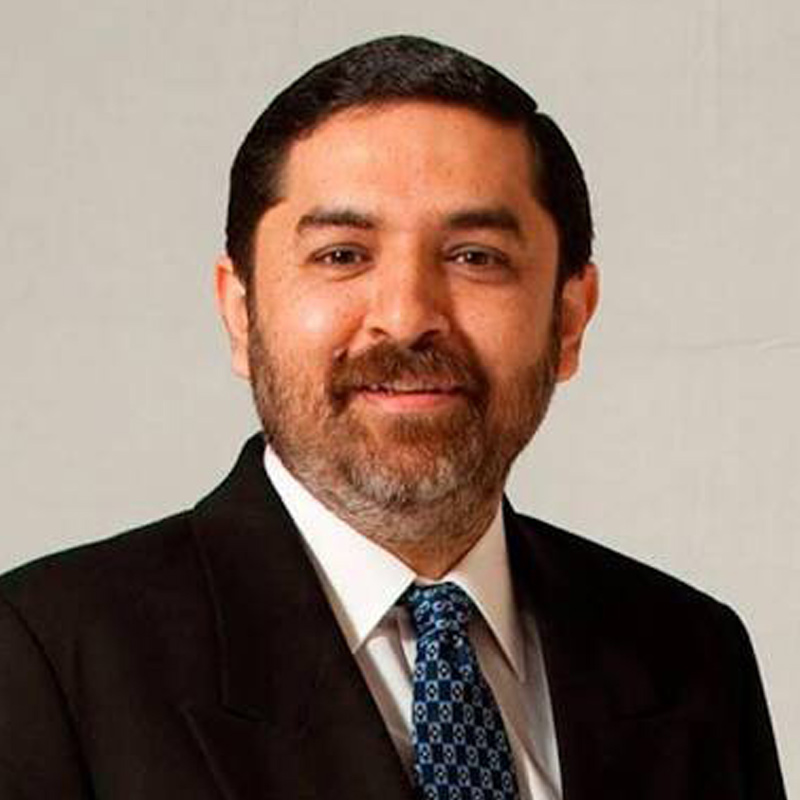
    The author is VDO.AI founder and CEO Amitt Sharma.

  • Atrangii TV to telecast shows ad-free

    Atrangii TV to telecast shows ad-free

    Mumbai: The newly launched Hindi GEC, Atrangii TV, has announced that shows will be available break-free, without any additional premium charges.

    Audiences across the country can enjoy their favourite shows on the channel without any breaks and experience premium OTT-style viewing while watching a television channel with their family.  

    This is the very first time that a Hindi GEC will run their entire programming line-up break-free without any premium subscription.  

    Atrangii TV has come up with its first-ever pricing benchmark from 1 August 2022. The unique and varied content targeting different genres of audiences is the USP of the channel and hence makes it different from other GECs who prefer to showcase only regular family soap dramas. From historical and mythological to comedy and romance, Atrangii TV provides a varied range of shows for all its audiences.  

    Speaking about a first-of-its-kind roll-out, Atrangii TV founder and group CEO Vibhu Agarwal said, “Since the launch of the channel, our endeavour has been to curate gripping, cutting-edge concepts with high production values. “We want our viewers, who are Hindi-speaking and understand audiences across the length and breadth of the country, to enjoy quality content. Adding to the experience, we want our viewers to enjoy premium viewing without paying anything additional. Hence, the Atrangii channel is break-free, which further enriches the viewing experience of the audience.”

  • GUEST COLUMN: How can animation brands utilise communication tools to stay ahead

    GUEST COLUMN: How can animation brands utilise communication tools to stay ahead

    Mumbai: Animation brands have seen a considerable increase in the last three years. Animation is booming as a result of technological advancements and improved internet access. Through amusement and ingenuity, animated films and cartoons capture the interest of children of all ages. Animation is not only a terrific way to tell a story and interact with an audience, but it is also full of unlimited possibilities. People of all ages prefer animation since OTT sites such as Netflix, Disney+ Hotstar, and Amazon Prime Video cater to adults with animated material. People want to make a career in animation by mastering VFX and 3D animation and building a name for themselves. The Indian animation industry is expected to reach Rs 180 billion by 2024, with a 29 per cent annual growth rate. Animated content appeals to a wide range of age groups. Because of the shift in purchasing patterns, the industry has grown at an exponential rate. The Confederation of Indian Industries (CII) and the Boston Consulting Group (BCG) undertook a study of the Indian visual effects and animation business. It is predicted that this industry may potentially take 20–30 per cent of the global AVGC market. It currently accounts for only 10 per cent of the market. This has boosted competition in the animation sector, and brands are seeking new ways to reach a wider audience.

    The goal of public relations (PR) in animation brands is to raise brand recognition in order to pique the audience’s interest and establish thought leadership in the industry. Public relations firms are branding and communication specialists who understand how to make brands newsworthy and relevant to today’s audiences. They also provide crisis management planning and response services to help brands ensure that their message is not lost in translation. Animation Brands can employ tried-and-true public relations (PR) tactics and activities to foster positive attitudes and behaviours about their company, which will help convert interested consumers into customers. Public relations tactics are very cost-effective and often allow brands more control than more broadly targeted advertising efforts. Consider using these public relations tools to help a brand’s reputation.

    To keep them ahead, PR can benefit the animation industry in the following ways:

    Builds brand awareness

    Public relations (PR) are great for maintaining an image that will increase your audience reach. To keep ahead of the competition, animation brands can employ public relations strategies to raise brand awareness and assist them in gaining recognition. Any company or brand. They have the ability to use public relations tactics to effectively build an image and brand recognition. Public relations will help to increase brand awareness, reach, and consumer loyalty.

    Educating about brand/industry

    The animation industry is still relatively unknown, and many people believe it is primarily concerned with cartoons. However, with the advancement of technology and the internet, people are increasingly favouring animation. To keep the momentum rolling, public relations must invest in public relations. Public relations tools like blogs, newsletters, news feeds, social media posts, podcasts, and interviews can assist in educating the public about the animated film. Through public relations, brands may also inform people about how to create a career in animation and educate those who are interested in the profession.

    Better exposure and engagement

    Brand positioning and visibility can be achieved through public relations. The massive market makes it all possible; yet, one must comprehend the method for engaging the audience. Brands may use public relations to design campaigns that enhance engagement and awareness. PR techniques like press releases, social media platforms, and SEO can assist animation brands in reaching their target audience, resulting in increased brand exposure and engagement.

    Permanence

    Animation brands require longevity because they want to reach a broader audience and make their brand popular. Effective public relations techniques allow them to target their audience based on their target group’s interests, increasing their reach. Public relations can help animation brands achieve long-term success by establishing thought leadership in the industry.

    To summarise, animation brands can utilise public relations in a variety of ways to achieve their objectives. It will aid in increasing exposure, awareness, and persistence with the previously mentioned variables. If you want to generate interest in your business, you must increase spending in a profitable and friendly way.

    The author is Scenic Communication co-founder Anindita Gupta.

  • Voot launches first OTT season of Bigg Boss Kannada

    Voot launches first OTT season of Bigg Boss Kannada

    Mumbai: Viacom18-owned, Voot, is all set to exclusively launch its first-ever OTT season of Bigg Boss Kannada on 6 August 2022.

    Kannada superstar Kiccha Sudeep will host the OTT season.

    For the six-week digital exclusive season of Bigg Boss OTT Kannada, Voot welcomes Vimal Elaichi as ‘co-presenting’ sponsor and Paytm as ‘special’ partner.

    Comprising shows and movies like ‘Humble Politician Nograj’, ‘Badava Rascal’, ‘Honeymoon’, ‘Dear Vikram’ etc., the platform has successfully amplified its regional content repertoire to reach out to its Kannada viewers.


    A post shared by Voot Select (@vootselect)

    Following the overwhelming success of its reality show Bigg Boss OTT Hindi last year, Voot will once again unleash over-the-top entertainment and drama for all its Kannada viewers, starting 6th August 2022. With six weeks of unprecedented access, engagement and interactivity, viewers will get a chance to watch exclusive cuts, round-the-clock content drops, and a fully interactive 24*7 live feed from the house.

    Talking about bringing Bigg Boss OTT to its Kannada viewers, Viacom 18 digital ventures chief operating officer Gourav Rakshit said, “Kannada has been an important market for us at Voot, and our recent movie slate has helped us consolidate our leadership in the market. Voot’s success with Bigg Boss OTT Hindi in 2021 proved to be a game-changer in the digital entertainment space, and we’re excited to launch Bigg Boss OTT Kannada, reinforcing our commitment to bringing fresh and engaging shows to Voot audiences across the country.”

    Speaking on the maiden edition of Bigg Boss OTT Kannada, Viacom18 business head of Kannada cluster Param said, “Year-on-year, Bigg Boss has been delivering outstanding and ground-breaking editions across languages, both on television as well as digital. The Kannada market has always stayed ahead of the curve and the launch of Bigg Boss OTT Kannada will further create an immersive and engaging experience for all our Kannada viewers. We are hopeful that the upcoming digital edition will take the show’s fandom a notch higher and engage and interact with viewers like never before.”

    Adding to it, Kichcha Sudeep said, “It’s really exciting to see the growing anticipation for the first OTT season, and the new avatar will surely live up to this craze. As the promo suggests, the OTT season will be a dream come true for the Bigg Boss fans to see 24×7 live action with entertainment, drama, and a lot more that will certainly keep our viewers hooked for 6 weeks. The madness has just begun. Stay tuned.”

  • Second season of Delhi Crime releases on Netflix on 26 August

    Second season of Delhi Crime releases on Netflix on 26 August

    Mumbai: OTT platform Netflix has announced that the second season of Delhi Crime will be released on August 26.

    The second season delves into another challenging investigation. spearheaded by seasoned police officer DCP Vartika Chaturvedi (Shefali Shah), along with the newly promoted Neeti Singh (Rasika Dugal) and Vartika’s right-hand man, Bhupendra Singh aka Bhupi (Rajesh Tailang).

    This season will see Vartika and her team manoeuvre through complex situations both personally and professionally as a heinous crime takes centre stage.

    Along with Shefali Shah, Rasika Dugal, Rajesh Tailang, Adil Hussain, Anurag Arora, Sidharth Bhardwaj, and Gopal Dutt, they will reprise their roles.

  • Rainshine Entertainment to foray into regional footprint, launches Tamil original show ‘Meme Boys’

    Rainshine Entertainment to foray into regional footprint, launches Tamil original show ‘Meme Boys’

    Mumbai: Rainshine Entertainment on Thursday announced the launch of a Tamil original show, Meme Boys, with the aim of strengthening its presence in the Tamil regional market. The new show will be exclusively available on SonyLIV from 22 July, 2022.

    The show will be a hilarious eight-episode series starring Guru Somasundaram of Minnai Murali fame and Aadhitya Baaskar of 96 fame. Produced by Rainshine Studios (formerly CM Studios), created by Rajiv Rajaram & Drishya, directed by Arun Koushik and A. Gokul Krishna, the show will revolve around a college and its playful students who make viral memes on an anonymous social media page to tackle their authoritative dean! Meme Boys is the latest title to join Rainshine’s array of shows and franchises that have kept audiences across the country hooked to their streaming screens.

    Speaking on this launch, Rainshine Entertainment (India) CEO Anuraag Srivastava said, “This show exemplifies what we, as a studio, wish to stand for: hyperlocal, contemporary, and young. We worry about engagement a lot – be it the story or episodes. And as far as we are concerned, so-called “regional” is mainstream. We neither take our clients nor our audience for granted—and therefore see no reason to classify them as less or more important. With an excellent line-up of titles, we are building our reputation as a powerhouse in entertainment. We are excited about our partnership with SonyLIV as we push the envelope on content in India together.”

    Rainshine Studios vice president – content – originals and & creator of Meme Boys Rajiv Rajaram said, “Memes are an intrinsic part of our lives in this post-social media world. Through Meme Boys, we hope to capture the zeitgeist with a story about a motley crew of misfits armed only with humour and self-awareness. We hope that Meme Boys on SonyLIV will make viewers love original content more than ever.”

    Rainshine Entertainment’s rapidly growing roster of regional content includes the massively popular Kannada series Humble Politician Nograj streaming on Voot, the National Award-winning documentary film Amoli, and the Tamil medical drama series Emergency, to name a few. Rainshine’s upcoming regional projects include the Telugu feature film Sangeet, written and directed by Saad Khan and produced by Chandru Manoharan of Lahari Music and Nikhil Kumarswamy.

  • TV9 Network’s Money9 unveils India’s first multilingual personal finance OTT App

    TV9 Network’s Money9 unveils India’s first multilingual personal finance OTT App

    Mumbai: TV9 Network announces the launch of Money9, India’s first multilingual personal finance OTT Channel. A unique proposition, the Money9 OTT App is now live on android and IOS platforms with seven language options Hindi, English, Bangla, Telugu, Marathi, Gujarati and Kannada.

    The app is packed with over 19 app-exclusive pioneering daily, weekly and monthly shows arranged in seasons and episodes, aimed at financial wisdom, inclusion, empowerment, and financial freedom.

    Money9 is committed to de-jargonize, decluttering and democratising financial wisdom leading to financial inclusion, wealth creation and financial freedom for the Indian population, especially in the hinterland, hitherto underserviced.

    The Money9 App is loaded with ground-breaking personal finance content while offering a great user experience.

    TV9 Network managing director & CEO, Barun Das, said, “The Money9 App aims to fill a huge gap in the Indian consumer market by offering an unrivalled product that truly makes a positive difference to the lives of 130 crore citizens of this country.”

    “More people (as a matter of fact everyone) are interested to know how to make their money better than they are interested in news. Personal finance proposition in regional languages – covering all aspects of saving, investment and financial planning – aimed at aiding financial freedom up to the grassroots level is a billion-dollar proposition. Money9 has been a long-cherished dream for me. I am delighted to see the dream turning into reality,” Das added.

    Talking about the launch Money9 editor Anshuman Tiwari said, “Money9 App offers unique shows for the entire gamut of personal finance categories i.e. Savings, Insurance, Loans, Gold, Property, Mutual Funds, Stocks, Spending, Fintech, Crypto and Policy analysis in short videos, audio formats, including comics and stories from history.”

    “Its uniqueness lies in the idea, the format and the treatment made richer by the availability in seven languages and more in the pipeline via text, video and audio,” Tiwari observed.  

    TV9 chief growth officer Raktim Das, said, “The Money9 videos have already made a mark with their simple, candid and empowering content across seven languages. The content has grossed over 1 billion views in the last six months, across platforms and growing. Apart from exclusive content the Money9 App has a studded library of 5,000 evergreen videos and podcasts for repeated viewing.”

    The Money9 App aims to empower its audience with innovative and interactive content lineup. Notable shows currently on air include Money Central, MoneyTime, Chain Ki Saans, Jagte Raho, Assi Nabbe Poore Sau, Formula Guru, Makan Dukan, Bura Na Mano Tax Hai, Kharch Bahadur, Finomoney, Insurance Central, Gold Central, Stocks Central, Mutual Fund Central, Companynama, Economicom, MoneyComic and Kisson Ke Sikke.