Tag: OTT

  • MPA: APAC pay TV growth to slowdown 2016-2025

    MPA: APAC pay TV growth to slowdown 2016-2025

    MUMBAI: Slowdown. After years of dizzying speedy growth, the Asia-Pacific pay-TV industry is expected to grow at a very sedate average 5.8 per cent annually between 2016 and 2021, says leading industry analyst Media Partners Asia (MPA in its new report Asia Pacific Pay-TV & Broadband Markets, published today.

    MPA projects pay-TV industry sales across 18 major markets in APAC to climb from $54 billion in 2016 to US$72 billion by 2021, rising thereafter to US $81 billion by 2025. The pace of pay-TV subscriber and revenue growth is slowing however, weakened by an economic slowdown and increasing competition from both legal and illegal alternatives. Pay-TV subscriber growth has declined or substantially decelerated in Hong Kong, Indonesia, Malaysia and Singapore in particular.

    At the same time however, India and Korea remain two of the region’s largest and most scalable pay-TV opportunities. Revenue growth will also accelerate in Australia and the Philippines, largely thanks to subscriber growth.

    However, MPA analysts have lowered subscriber growth forecasts across much of Southeast Asia, especially for Indonesia, Malaysia and Singapore, although ARPU (average revenue per user) should remain resilient in both Malaysia and Singapore.

    The pay-TV industry in China, meanwhile, remains the largest in the region and is becoming increasingly digitalized. Pay-TV growth opportunities for broadcasters are limited however, due to increasing regulation as well as competition from free and paid online video services.

    Elsewhere in the region, subscription-based video-on-demand (SVOD) services have had a negligible impact on pay-TV so far, despite the global launch of Netflix earlier this year, in addition to increasing competition among lower-priced regional and local SVOD services.

    Most pay-TV subscribers downgrading or canceling pay-TV services are moving instead to illegal services, as well as to free, ad-supported options across both TV and online video.

    At the same time, more pay-TV operators are rolling out connected set-top boxes that can incorporate OTT video services. In addition, some operators (telcos in particular) are aggressively hard-bundling video content, including pay-TV channels, with high-speed broadband. This is helping drive subscriber growth, especially in a number of Southeast Asian markets.

    Commenting on the report, MPA executive director Vivek Couto said:

    “Pay-TV providers are increasingly focused on repackaging and re-pricing both linear and on-demand services. Local and regional Asian programming is also becoming increasingly important. At the same time, sports, kids, infotainment and Hollywood movies will remain mainstays of the pay-TV bundle, although channels offering Hollywood TV series are being disrupted by both legal and illegal OTT. Few pay-TV operators have been able to capture or monetize large-scale online video viewing so far, although early results in Hong Kong and Korea are encouraging. The goal is driving the next cycle of customer growth and consumer spend. Pay-TV user interfaces and data analytics are improving, although often too slowly to effectively compete with legal and illegal OTT rivals. Increasingly, viable pay-TV operators will become drivers and targets for M&A and consolidation, as the worlds of pay-TV, broadband and OTT collide and converge in the wider context of media and telecoms.”

    Ex-China, which remains a utility-oriented and highly regulated pay-TV market, Asia Pacific added 9.6 million net new pay-TV customers last year, the slowest pace of growth since 1997-98. MPA analysts project a spike to 10.4 million net additions ex-China this year, driven by government-mandated cable digitalization in India. Subscriber growth should decelerate again from next year onwards, moderating to between 4 million to 8 million net adds per annum between 2018 and 2022.

    Including China, MPA sees total pay-TV subscribers in Asia Pacific growing from 567 million in 2016 to 764 million by 2025. Adjusted for multiple connections in a household, pay-TV penetration in Asia Pacific will grow from 55 per cent of TV households in 2016 to 61 per cent by 2025.

    Digital pay-TV penetration in Asia Pacific will increase from 80 per cent of pay-TV subs in 2016 to 91 per cent by 2025, as pay-TV networks in most markets go 90-100 per cent digital, with the exception of India (70 per cent) and Pakistan (32 per cent) in the 18 markets covered in the report. HD penetration of digital pay-TV subs in Asia Pacific will grow from 30 per cent in 2016 to 46 per cent in 2025.

    The fastest growing segment within the Asia Pacific pay-TV industry over 2016-21 will be value-added services (VAS), driven by VOD, as revenues climb at an 11 per cent CAGR over the next five years. Australia, China, Japan and Korea will be the biggest markets for VOD revenue growth. Malaysia will lead amongst smaller markets.

    In standout pay-TV markets such as India and Korea, pay-TV subscription revenue growth will be driven by high volumes and a level of ARPU upside (partially offset by price competition). Higher yields will also boost subscription revenue growth in Hong Kong, Malaysia, the Philippines, Singapore and Vietnam.

    Pay-TV advertising will expand from US$11.6 billion in spend in 2016 to US$16.2 billion by 2021, with growth driven by markets with high levels of pay-TV penetration such as India and Korea, along with China. Meanwhile, pay-TV ad spend in Australia, Japan and Taiwan will remain material, although growth in each of these markets will soften. Malaysia and the Philippines will remain the standout markets for pay-TV advertising in Southeast Asia.
  • MPA: APAC pay TV growth to slowdown 2016-2025

    MPA: APAC pay TV growth to slowdown 2016-2025

    MUMBAI: Slowdown. After years of dizzying speedy growth, the Asia-Pacific pay-TV industry is expected to grow at a very sedate average 5.8 per cent annually between 2016 and 2021, says leading industry analyst Media Partners Asia (MPA in its new report Asia Pacific Pay-TV & Broadband Markets, published today.

    MPA projects pay-TV industry sales across 18 major markets in APAC to climb from $54 billion in 2016 to US$72 billion by 2021, rising thereafter to US $81 billion by 2025. The pace of pay-TV subscriber and revenue growth is slowing however, weakened by an economic slowdown and increasing competition from both legal and illegal alternatives. Pay-TV subscriber growth has declined or substantially decelerated in Hong Kong, Indonesia, Malaysia and Singapore in particular.

    At the same time however, India and Korea remain two of the region’s largest and most scalable pay-TV opportunities. Revenue growth will also accelerate in Australia and the Philippines, largely thanks to subscriber growth.

    However, MPA analysts have lowered subscriber growth forecasts across much of Southeast Asia, especially for Indonesia, Malaysia and Singapore, although ARPU (average revenue per user) should remain resilient in both Malaysia and Singapore.

    The pay-TV industry in China, meanwhile, remains the largest in the region and is becoming increasingly digitalized. Pay-TV growth opportunities for broadcasters are limited however, due to increasing regulation as well as competition from free and paid online video services.

    Elsewhere in the region, subscription-based video-on-demand (SVOD) services have had a negligible impact on pay-TV so far, despite the global launch of Netflix earlier this year, in addition to increasing competition among lower-priced regional and local SVOD services.

    Most pay-TV subscribers downgrading or canceling pay-TV services are moving instead to illegal services, as well as to free, ad-supported options across both TV and online video.

    At the same time, more pay-TV operators are rolling out connected set-top boxes that can incorporate OTT video services. In addition, some operators (telcos in particular) are aggressively hard-bundling video content, including pay-TV channels, with high-speed broadband. This is helping drive subscriber growth, especially in a number of Southeast Asian markets.

    Commenting on the report, MPA executive director Vivek Couto said:

    “Pay-TV providers are increasingly focused on repackaging and re-pricing both linear and on-demand services. Local and regional Asian programming is also becoming increasingly important. At the same time, sports, kids, infotainment and Hollywood movies will remain mainstays of the pay-TV bundle, although channels offering Hollywood TV series are being disrupted by both legal and illegal OTT. Few pay-TV operators have been able to capture or monetize large-scale online video viewing so far, although early results in Hong Kong and Korea are encouraging. The goal is driving the next cycle of customer growth and consumer spend. Pay-TV user interfaces and data analytics are improving, although often too slowly to effectively compete with legal and illegal OTT rivals. Increasingly, viable pay-TV operators will become drivers and targets for M&A and consolidation, as the worlds of pay-TV, broadband and OTT collide and converge in the wider context of media and telecoms.”

    Ex-China, which remains a utility-oriented and highly regulated pay-TV market, Asia Pacific added 9.6 million net new pay-TV customers last year, the slowest pace of growth since 1997-98. MPA analysts project a spike to 10.4 million net additions ex-China this year, driven by government-mandated cable digitalization in India. Subscriber growth should decelerate again from next year onwards, moderating to between 4 million to 8 million net adds per annum between 2018 and 2022.

    Including China, MPA sees total pay-TV subscribers in Asia Pacific growing from 567 million in 2016 to 764 million by 2025. Adjusted for multiple connections in a household, pay-TV penetration in Asia Pacific will grow from 55 per cent of TV households in 2016 to 61 per cent by 2025.

    Digital pay-TV penetration in Asia Pacific will increase from 80 per cent of pay-TV subs in 2016 to 91 per cent by 2025, as pay-TV networks in most markets go 90-100 per cent digital, with the exception of India (70 per cent) and Pakistan (32 per cent) in the 18 markets covered in the report. HD penetration of digital pay-TV subs in Asia Pacific will grow from 30 per cent in 2016 to 46 per cent in 2025.

    The fastest growing segment within the Asia Pacific pay-TV industry over 2016-21 will be value-added services (VAS), driven by VOD, as revenues climb at an 11 per cent CAGR over the next five years. Australia, China, Japan and Korea will be the biggest markets for VOD revenue growth. Malaysia will lead amongst smaller markets.

    In standout pay-TV markets such as India and Korea, pay-TV subscription revenue growth will be driven by high volumes and a level of ARPU upside (partially offset by price competition). Higher yields will also boost subscription revenue growth in Hong Kong, Malaysia, the Philippines, Singapore and Vietnam.

    Pay-TV advertising will expand from US$11.6 billion in spend in 2016 to US$16.2 billion by 2021, with growth driven by markets with high levels of pay-TV penetration such as India and Korea, along with China. Meanwhile, pay-TV ad spend in Australia, Japan and Taiwan will remain material, although growth in each of these markets will soften. Malaysia and the Philippines will remain the standout markets for pay-TV advertising in Southeast Asia.

  • Sports OTT VEQTA launches its mobile app for sports programming

    Sports OTT VEQTA launches its mobile app for sports programming

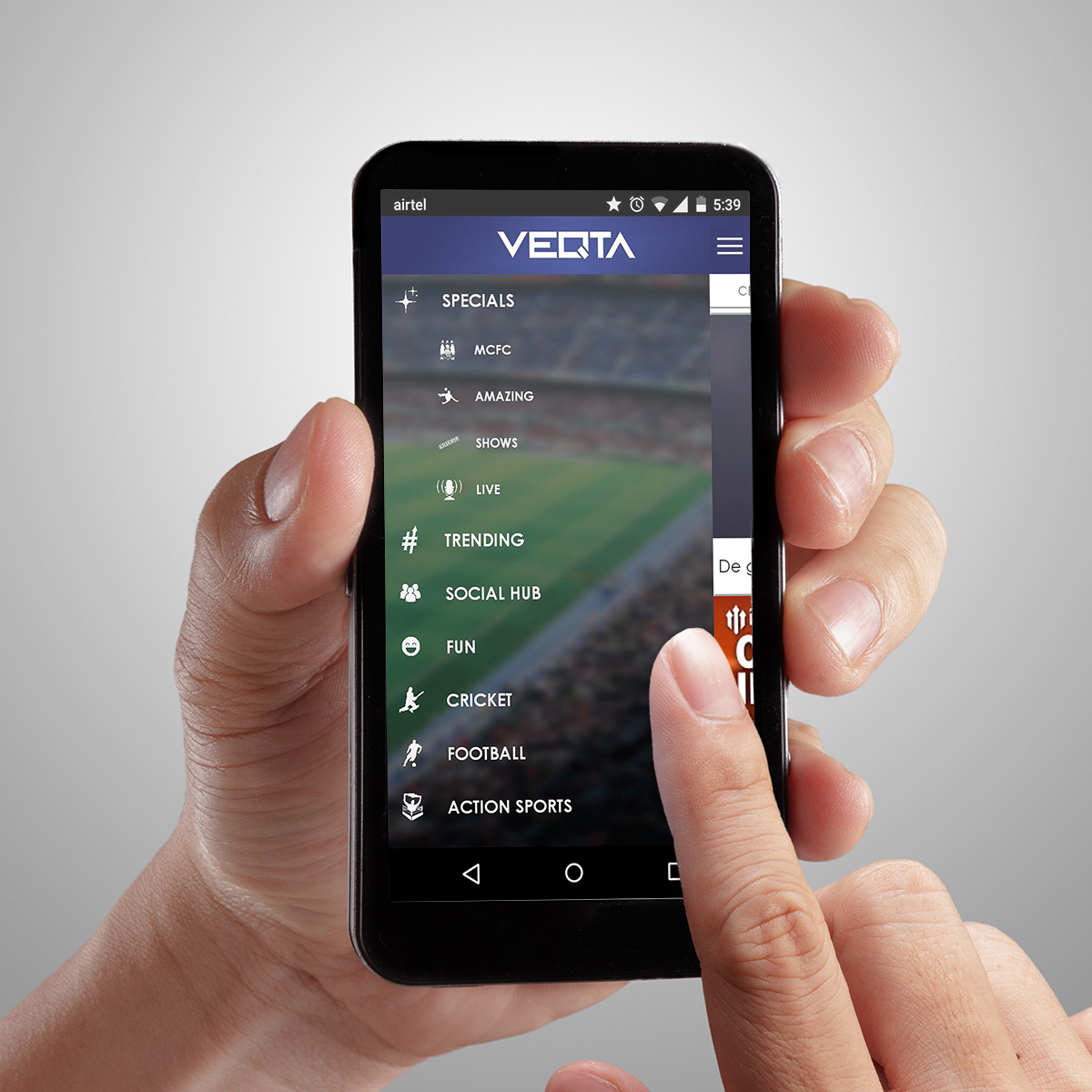
    NEW DELHI: India’s first digital broadcast network (OTT) VEQTA dedicated to sports has launched its flagship sports app which is now available for all android and IOS based mobile phones on the respective app stores.

    Sports fans in India will now be able to watch a unique selection of amazing sports content from around the globe across Football, Cricket, Mixed Martial Arts, Wrestling, Basketball, Motorsports, Tennis, Golf, Olympic Sports and many more from the most authentic sources all over the world.

    Founded by sports and financial sector leaders Vikram Tanwar, Varun Mathur, and Gaurav Gill, VEQTA aims to become the home of sport in India by serving fans a selection of the best diverse sports content from across the globe through Video On Demand and Live Streaming.

    Talking about the launch, Co-founder and Director Gaurav Gill said, “VEQTA will redefine how sports fans in India consume sport. Through our unique licensed and studio developed sports content, our innovative offering will engage users with the kind of width and depth of sports content that has previously not been available in India. We will continue to innovate with our technology and expand our content portfolio to better serve the evolving needs of sports fans. VEQTA is the one app that every sports fan must have.”

    VEQTA had already received seed investment a few months ago and has recently signed a number of partnerships and sports content licenses with leading sports personalities and organizations including partnerships with some of the leading mixed martial arts promotions.

    It has also announced its partnerships with International Mixed Martial Arts Federation (IMMAF) and BAMMA, to bring all the MMA action to sports fans in India.

    Mixed Martial Arts is one of the fastest growing sports in the country and is followed by millions of fans in India. In spite of the growing popularity of the sport, the availability of high quality MMA content is very limited. In two exciting new deals,VEQTA has partnered with IMMAF, a democratic hub for national MMA federations and BAMMA, a mixed martial arts promotion based in the United Kingdom, to bring world class MMA action to fans in India.

    Co-founder & Director of VEQTA Varun Mathur said, “The high paced action of Mixed Martial Arts (MMA) has made it one of the most engaging and popular fight sports in India and our partnerships with IMMAF and BAMMA are another step towards offering world class content to these fans in the country. We are committed to building a strong fight sports portfolio led by MMA action that will be witnessed here for the first time. VEQTA aims to become the destination of choice for fans in India by providing a holistic digital viewing experience across a variety of sports.”

    IMMAF President Kerrith Brown said, “We are excited to commence this partnership with VEQTA, which will seeIMMAF athletes gain exposure across India. With its population of 1.2+ billion and sports spectatorship booming, India is a much coveted market for sports brands and we feel privileged to be enabled to reach MMA fans in the region. India is also home to one of IMMAF’s strongest national federations, the All India Mixed Martial Arts Association (AIMMAA), which has presence across more than 20 states within the country. We are pleased to announce that Team India’s supporters and sports fans back home can now catch up on their Amateur MMA team’s achievements at IMMAF championships events in 2016 and beyond.”

    BAMMA CEO David Green said, “We are excited at our first foray into the market in India with our partners, VEQTA, and we are looking forward to showcase some of the finest MMA action to the population”

  • Sports OTT VEQTA launches its mobile app for sports programming

    Sports OTT VEQTA launches its mobile app for sports programming

    NEW DELHI: India’s first digital broadcast network (OTT) VEQTA dedicated to sports has launched its flagship sports app which is now available for all android and IOS based mobile phones on the respective app stores.

    Sports fans in India will now be able to watch a unique selection of amazing sports content from around the globe across Football, Cricket, Mixed Martial Arts, Wrestling, Basketball, Motorsports, Tennis, Golf, Olympic Sports and many more from the most authentic sources all over the world.

    Founded by sports and financial sector leaders Vikram Tanwar, Varun Mathur, and Gaurav Gill, VEQTA aims to become the home of sport in India by serving fans a selection of the best diverse sports content from across the globe through Video On Demand and Live Streaming.

    Talking about the launch, Co-founder and Director Gaurav Gill said, “VEQTA will redefine how sports fans in India consume sport. Through our unique licensed and studio developed sports content, our innovative offering will engage users with the kind of width and depth of sports content that has previously not been available in India. We will continue to innovate with our technology and expand our content portfolio to better serve the evolving needs of sports fans. VEQTA is the one app that every sports fan must have.”

    VEQTA had already received seed investment a few months ago and has recently signed a number of partnerships and sports content licenses with leading sports personalities and organizations including partnerships with some of the leading mixed martial arts promotions.

    It has also announced its partnerships with International Mixed Martial Arts Federation (IMMAF) and BAMMA, to bring all the MMA action to sports fans in India.

    Mixed Martial Arts is one of the fastest growing sports in the country and is followed by millions of fans in India. In spite of the growing popularity of the sport, the availability of high quality MMA content is very limited. In two exciting new deals,VEQTA has partnered with IMMAF, a democratic hub for national MMA federations and BAMMA, a mixed martial arts promotion based in the United Kingdom, to bring world class MMA action to fans in India.

    Co-founder & Director of VEQTA Varun Mathur said, “The high paced action of Mixed Martial Arts (MMA) has made it one of the most engaging and popular fight sports in India and our partnerships with IMMAF and BAMMA are another step towards offering world class content to these fans in the country. We are committed to building a strong fight sports portfolio led by MMA action that will be witnessed here for the first time. VEQTA aims to become the destination of choice for fans in India by providing a holistic digital viewing experience across a variety of sports.”

    IMMAF President Kerrith Brown said, “We are excited to commence this partnership with VEQTA, which will seeIMMAF athletes gain exposure across India. With its population of 1.2+ billion and sports spectatorship booming, India is a much coveted market for sports brands and we feel privileged to be enabled to reach MMA fans in the region. India is also home to one of IMMAF’s strongest national federations, the All India Mixed Martial Arts Association (AIMMAA), which has presence across more than 20 states within the country. We are pleased to announce that Team India’s supporters and sports fans back home can now catch up on their Amateur MMA team’s achievements at IMMAF championships events in 2016 and beyond.”

    BAMMA CEO David Green said, “We are excited at our first foray into the market in India with our partners, VEQTA, and we are looking forward to showcase some of the finest MMA action to the population”

  • BIF bats for OTT regulations & level-playing field for all in Net Neutrality debate

    BIF bats for OTT regulations & level-playing field for all in Net Neutrality debate

    NEW DELHI: Broadband India Forum (BIF) has put its weight behind proposals to regulate OTT services, saying they too should be guided by same principles as ISPs and telecom service providers (TSP).

    “There  should be level playing field between the ISP/TSPs  and the OTT players. OTT players need to be brought under the same regulatory regime as the ISP/TSPs,” BIF has said in a submission on a pre-consultation paper on Net Neutrality to telecoms and broadcast regulator TRAI. 

    TRAI has been seeking comments since March 2015 from stakeholders on the issue of Net Neutrality and related matters like OTT, zero-rating plans and possible regulations.

    Since last year, several such papers have been issued by the regulator in an effort to finalise recommendations that could possibly go on to become industry regulations. BIF briefly alluded to this “piecemeal approach and not addressing the larger subject in one go” as this was fuelling ambiguities.

    Batting for plans like zero-rating offered by some Indian telcos earlier and Facebook’s FreeBasic — since then outlawed by TRAI — the Forum says, “At our stage of development, our highest need is internet adoption and increased data usage and whatever facilitates that, needs to be heartily supported”.

    Free Data should be permitted and it should be left to the service providers (ISP/TSPs) to decide whether they want to enter into such arrangement with the content providers or not basis their business case and requirement of technical development, BIF says.

    In India, OTT services are flowering every day, keeping in step with Asian trends.

    Some OTT services, available in India, include Star’s Hotstar, Zee’s dittotv, Viacom18’s Voot, Sony’s SonyLiv, Arre, Times group’s Box TV, Asian companies-owned Hooq and Viu and global giants like Netflix, apart from the likes of WhatsApp, Skype, YouTube and Hike. 

    No ex-ante regulation is required since there is enough competition and the market is vibrant enough, says the Forum, adding in case of violations, on ex-post basis, TRAI can examine tariff plans on a case by case basis after giving a reasonable opportunity to the operators of being heard.

    Dwelling on the economics of  broadband infrastructure, BIF highlights  efficient services would require investments up to Rs 500,000 crore over the next 3-5 years. Moreover, as per Government commitments, the Digital India initiative itself will require investments to the tune of  Rs. 113,000 crore.

    “It was the flexibility of service pricing that was permitted to the TSPs that led to mass adoption of voice services. A similar approach is warranted for ensuring adoption of data services. However, entrepreneurs are reluctant to start a new Internet based businesses when online customers are limited due to low adoption of data services,” BIF has said, adding that consumers are unwilling to invest in “expensive data plans” in the absence of adequate local content.

    Interestingly, BIF’s stand that telecoms is a capital–intensive sector where government mandates may hamper private investments, in some way, is also echoed by Hong Kong-based Asian organisation CASBAA.

    “We do not believe TRAI or the government should adopt policies that result in reducing or rationing of funds for (telecom) network investment. Advocates of `networks for all, open to all’ sometimes tend to forget that capable networks are costly, and they will not build themselves,” CASBAA had said in its submission to TRAI on Net Neutrality last year.

    Cautioning against replicating some existing regulation that may impede innovation, CASBAA had said TRAI and the government must avoid seeing the online content industry as another facet of the mature television content supply industry, ripe for extension of the same regulatory approaches governing the “traditional” TV industry. 

    “This would be a colossal mistake, especially at this new stage of development of online content supply in India. Overregulation will constrain development of newer business models which could be of great benefit to consumers and to India’s overall economic development,” the Asian industry organisation had said, hinting that a holistic view needs to be taken by regulators.

    Similarly, BIF in its recent submission has said the question of modernization of communications regulation…should be reviewed holistically and periodically to ensure same services are treated in a technologically neutral way, while protecting consumer rights and achieving the objectives of Digital India.

    The Forum has taken the initiative to define Net Neutrality in the Indian context and some key characteristics of Net Neutrality, amongst others, as:

    – No Blocking
    – No Throttling
    – Open Internet
    – No improper  prioritization (paid or otherwise)
    – Open, easy and non-discriminatory access
    – Recognition of at least four categories  of traffic and different traffic management techniques for different categories but having the same within each category
    – Equitable regulatory treatment of similar or near-similar services
    – Permission of zero rating systems.  

    (1 USD = 67.4874 INR)

  • BIF bats for OTT regulations & level-playing field for all in Net Neutrality debate

    BIF bats for OTT regulations & level-playing field for all in Net Neutrality debate

    NEW DELHI: Broadband India Forum (BIF) has put its weight behind proposals to regulate OTT services, saying they too should be guided by same principles as ISPs and telecom service providers (TSP).

    “There  should be level playing field between the ISP/TSPs  and the OTT players. OTT players need to be brought under the same regulatory regime as the ISP/TSPs,” BIF has said in a submission on a pre-consultation paper on Net Neutrality to telecoms and broadcast regulator TRAI. 

    TRAI has been seeking comments since March 2015 from stakeholders on the issue of Net Neutrality and related matters like OTT, zero-rating plans and possible regulations.

    Since last year, several such papers have been issued by the regulator in an effort to finalise recommendations that could possibly go on to become industry regulations. BIF briefly alluded to this “piecemeal approach and not addressing the larger subject in one go” as this was fuelling ambiguities.

    Batting for plans like zero-rating offered by some Indian telcos earlier and Facebook’s FreeBasic — since then outlawed by TRAI — the Forum says, “At our stage of development, our highest need is internet adoption and increased data usage and whatever facilitates that, needs to be heartily supported”.

    Free Data should be permitted and it should be left to the service providers (ISP/TSPs) to decide whether they want to enter into such arrangement with the content providers or not basis their business case and requirement of technical development, BIF says.

    In India, OTT services are flowering every day, keeping in step with Asian trends.

    Some OTT services, available in India, include Star’s Hotstar, Zee’s dittotv, Viacom18’s Voot, Sony’s SonyLiv, Arre, Times group’s Box TV, Asian companies-owned Hooq and Viu and global giants like Netflix, apart from the likes of WhatsApp, Skype, YouTube and Hike. 

    No ex-ante regulation is required since there is enough competition and the market is vibrant enough, says the Forum, adding in case of violations, on ex-post basis, TRAI can examine tariff plans on a case by case basis after giving a reasonable opportunity to the operators of being heard.

    Dwelling on the economics of  broadband infrastructure, BIF highlights  efficient services would require investments up to Rs 500,000 crore over the next 3-5 years. Moreover, as per Government commitments, the Digital India initiative itself will require investments to the tune of  Rs. 113,000 crore.

    “It was the flexibility of service pricing that was permitted to the TSPs that led to mass adoption of voice services. A similar approach is warranted for ensuring adoption of data services. However, entrepreneurs are reluctant to start a new Internet based businesses when online customers are limited due to low adoption of data services,” BIF has said, adding that consumers are unwilling to invest in “expensive data plans” in the absence of adequate local content.

    Interestingly, BIF’s stand that telecoms is a capital–intensive sector where government mandates may hamper private investments, in some way, is also echoed by Hong Kong-based Asian organisation CASBAA.

    “We do not believe TRAI or the government should adopt policies that result in reducing or rationing of funds for (telecom) network investment. Advocates of `networks for all, open to all’ sometimes tend to forget that capable networks are costly, and they will not build themselves,” CASBAA had said in its submission to TRAI on Net Neutrality last year.

    Cautioning against replicating some existing regulation that may impede innovation, CASBAA had said TRAI and the government must avoid seeing the online content industry as another facet of the mature television content supply industry, ripe for extension of the same regulatory approaches governing the “traditional” TV industry. 

    “This would be a colossal mistake, especially at this new stage of development of online content supply in India. Overregulation will constrain development of newer business models which could be of great benefit to consumers and to India’s overall economic development,” the Asian industry organisation had said, hinting that a holistic view needs to be taken by regulators.

    Similarly, BIF in its recent submission has said the question of modernization of communications regulation…should be reviewed holistically and periodically to ensure same services are treated in a technologically neutral way, while protecting consumer rights and achieving the objectives of Digital India.

    The Forum has taken the initiative to define Net Neutrality in the Indian context and some key characteristics of Net Neutrality, amongst others, as:

    – No Blocking
    – No Throttling
    – Open Internet
    – No improper  prioritization (paid or otherwise)
    – Open, easy and non-discriminatory access
    – Recognition of at least four categories  of traffic and different traffic management techniques for different categories but having the same within each category
    – Equitable regulatory treatment of similar or near-similar services
    – Permission of zero rating systems.  

    (1 USD = 67.4874 INR)

  • Magna revises Indian Adex growth in 2016 from 18.4 to +16.2 percent

    Magna revises Indian Adex growth in 2016 from 18.4 to +16.2 percent

    MUMBAI: Going by the recently released half yearly Adex report by IPG Mediabrands India, the Indian advertising industry is growing at a rate of +16.2 percent in 2016. The size of the industry is expected to touch $ 9 billion or Rs 564 billion (Rs 56,400 crore) equivalents by this financial year. Magna Global, an IPG resource that puts together this industry recognized report has revised the rate from its earlier prediction of 18.4 per cent in 2015, to 16.2 percent in the current report. Magna also predicts that Indian Adex will see a slight dip in 2017 and grow at a rate of +15.7 per cent.

    On  revising the forecast,  Magna Global – India director of intelligence practice EVP S Venkatesh  said, “Basis our initial read of the emerging trends we had envisaged a stronger headwind across digital formats on the mobile platform while the real numbers for H1-2016 suggests a lesser significant acceleration”

    From a global perspective, India has overtaken Italy and made space for itself in the top ten list of advertising markets, and estimated to move up 4 ranks to become the 6th largest advertising market by 2020.

    http://www.indiantelevision.com/sites/drupal7.indiantelevision.co.in/files/styles/large/public/meghna1.jpg?itok=nAzHVEH8

    On India’s performance as an advertising market, IPG Mediabrands CEO Shashi Sinha said, “The outlook is extremely positive as globally India remains one of the fastest growing markets. In fact, India is now one of the top ten advertising markets in the world.”

    http://www.indiantelevision.com/sites/drupal7.indiantelevision.co.in/files/styles/large/public/meghna2.jpg?itok=wwjk769f

    Breaking the report further into media sectors, Television with 42 per cent market share will grow +17 percent. The biggest revenue growth drivers in the sector would be the T20 World Cup, Indian Premier League (IPL) and non-cricketing leagues buttressed by E-commerce, Telecom, Auto and CPG advertising. Addressable television and expansion of the measurement into rural India equips advertisers to reach more consumers and broadcasters to monetize now counted audience. Measurement will evolve to include addressable TV audience and though connected TV currently doesn’t pose a threat to linear advertising, it will open doors for more on demand content access. Mushrooming of both domestic and international OTT (over-the-top) players will eventually fragment TV viewing time.

    Print will continue to be the second biggest medium in India with 35 percent market share and ad sales growth of +8 percent. Conventionally print heavy advertisers in CPG, BFSI, Automobile and now E-commerce will contribute to the segment growth.

    Digital formats continue to disrupt traditional with the highest growth at +40 percent and increasing its share of market by 2 points to 13 percent. Videos will be the fastest growing format driven by consumption on mobile devices. Screen time will only increase as smartphones get bigger with better displays and faster bandwidth. Trailing this trend expect advertisers to ear mark higher promotional budgets. 

    Radio through foot print expansion along with increase in volume is estimated to grow +18 percent in 2016, whereas OOH will grow +15 percent in 2016. Both these segments will hold onto their market share of 4 per cent and 6 percent respectively.

    http://www.indiantelevision.com/sites/drupal7.indiantelevision.co.in/files/styles/large/public/meghna3.jpg?itok=4D6kB7Yw

    The report also shared that India will retain its position as the fastest growing economy with real GDP (gross domestic product) growth of +7.5 percent in 2016. According to International Monetary Fund (IMF), India is likely to maintain the same GDP growth in 2017 as well. Consumer inflation slightly outside of target will force the central bank to hold onto its policy rates.

    However the earlier reduction in rates gave the much needed impetus to automobile, housing, durables and education sectors. The farm sector, if favoured with a good monsoon, will set to rebound its output. The report estimates private consumption to mirror the growth rates and push for higher marketing spends.

  • Magna revises Indian Adex growth in 2016 from 18.4 to +16.2 percent

    Magna revises Indian Adex growth in 2016 from 18.4 to +16.2 percent

    MUMBAI: Going by the recently released half yearly Adex report by IPG Mediabrands India, the Indian advertising industry is growing at a rate of +16.2 percent in 2016. The size of the industry is expected to touch $ 9 billion or Rs 564 billion (Rs 56,400 crore) equivalents by this financial year. Magna Global, an IPG resource that puts together this industry recognized report has revised the rate from its earlier prediction of 18.4 per cent in 2015, to 16.2 percent in the current report. Magna also predicts that Indian Adex will see a slight dip in 2017 and grow at a rate of +15.7 per cent.

    On  revising the forecast,  Magna Global – India director of intelligence practice EVP S Venkatesh  said, “Basis our initial read of the emerging trends we had envisaged a stronger headwind across digital formats on the mobile platform while the real numbers for H1-2016 suggests a lesser significant acceleration”

    From a global perspective, India has overtaken Italy and made space for itself in the top ten list of advertising markets, and estimated to move up 4 ranks to become the 6th largest advertising market by 2020.

    http://www.indiantelevision.com/sites/drupal7.indiantelevision.co.in/files/styles/large/public/meghna1.jpg?itok=nAzHVEH8

    On India’s performance as an advertising market, IPG Mediabrands CEO Shashi Sinha said, “The outlook is extremely positive as globally India remains one of the fastest growing markets. In fact, India is now one of the top ten advertising markets in the world.”

    http://www.indiantelevision.com/sites/drupal7.indiantelevision.co.in/files/styles/large/public/meghna2.jpg?itok=wwjk769f

    Breaking the report further into media sectors, Television with 42 per cent market share will grow +17 percent. The biggest revenue growth drivers in the sector would be the T20 World Cup, Indian Premier League (IPL) and non-cricketing leagues buttressed by E-commerce, Telecom, Auto and CPG advertising. Addressable television and expansion of the measurement into rural India equips advertisers to reach more consumers and broadcasters to monetize now counted audience. Measurement will evolve to include addressable TV audience and though connected TV currently doesn’t pose a threat to linear advertising, it will open doors for more on demand content access. Mushrooming of both domestic and international OTT (over-the-top) players will eventually fragment TV viewing time.

    Print will continue to be the second biggest medium in India with 35 percent market share and ad sales growth of +8 percent. Conventionally print heavy advertisers in CPG, BFSI, Automobile and now E-commerce will contribute to the segment growth.

    Digital formats continue to disrupt traditional with the highest growth at +40 percent and increasing its share of market by 2 points to 13 percent. Videos will be the fastest growing format driven by consumption on mobile devices. Screen time will only increase as smartphones get bigger with better displays and faster bandwidth. Trailing this trend expect advertisers to ear mark higher promotional budgets. 

    Radio through foot print expansion along with increase in volume is estimated to grow +18 percent in 2016, whereas OOH will grow +15 percent in 2016. Both these segments will hold onto their market share of 4 per cent and 6 percent respectively.

    http://www.indiantelevision.com/sites/drupal7.indiantelevision.co.in/files/styles/large/public/meghna3.jpg?itok=4D6kB7Yw

    The report also shared that India will retain its position as the fastest growing economy with real GDP (gross domestic product) growth of +7.5 percent in 2016. According to International Monetary Fund (IMF), India is likely to maintain the same GDP growth in 2017 as well. Consumer inflation slightly outside of target will force the central bank to hold onto its policy rates.

    However the earlier reduction in rates gave the much needed impetus to automobile, housing, durables and education sectors. The farm sector, if favoured with a good monsoon, will set to rebound its output. The report estimates private consumption to mirror the growth rates and push for higher marketing spends.

  • Maverick Records CEO Guy Oseary joins Saavn as investor and partner

    Maverick Records CEO Guy Oseary joins Saavn as investor and partner

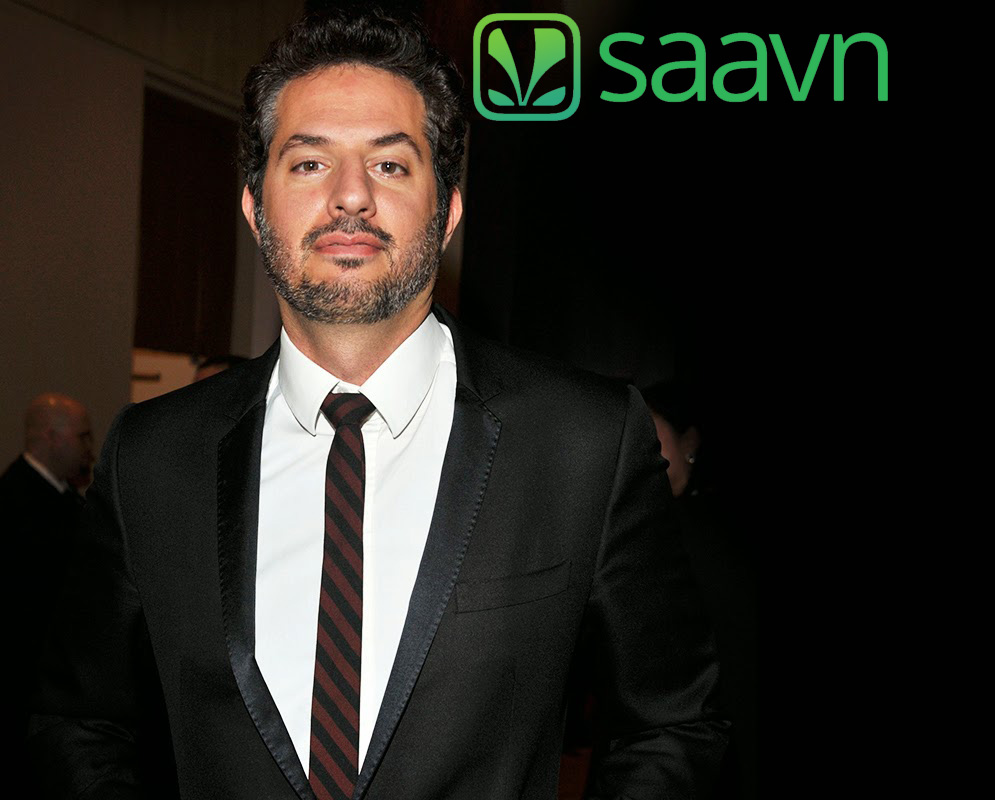
    NEW DELHI: Legendary record executive, investor, talent manager, and CEO of Maverick Records Guy Oseary is joining entertainment streaming service Saavn as a partner and investor.

    Oseary’s career in the entertainment industry spans decades of achievement. At Maverick Records, he led the label to sales of over 100 million records, worldwide. His Maverick Films oversaw the Twilight movie series for a combined gross of more than $2 billion in global sales.

    In addition to working with Madonna for over 25 years, Oseary works alongside some of the best managers in the music business, representing some of the world’s greatest artists, including U2, Miley Cyrus, Britney Spears, Paul McCartney, Nicki Minaj, Jason Aldean, Fifth Harmony, G-Eazy, and the Weeknd.

    As an investor and partner in Saavn, Oseary will help the company continue to build a robust platform for streaming entertainment in India. With a foundation of more than 20 million music tracks, streaming to 196 countries in 13 languages, Saavn claimed its uniquely localized approach has established a new, effective model for international streaming entertainment.

    Oseary said: “I have been a big supporter and investor in music streaming for years. Saavn is the leading music service in one of the world’s largest and most dynamic markets. Many artists would love for their music to reach India’s over one billion residents. From the time I’ve been in the music business, that process has always been too complicated; now, through Saavn, it is finally possible to have a true local partner in India that gets it, and will work hand-in-hand with artists and their managers. I’m very impressed by Rishi’s vision and his exciting plans for Saavn moving forward.”

    Saavn’s disruptive business model, built around a native mobile advertising platform, fast-growing subscription base, and partnerships with leading mobile carriers, demonstrates a sustainable way forward for the streaming industry, while its original programming initiative is introducing Indian audiences to new modes of premium audio content never before heard in the country. In a region that has traditionally seen music and film consumed simultaneously, Saavn is into OTT distribution of new music and original programming for the millennial generation.

    Saavn CEO and Co-founder Rishi Malhotra said: “As we continue to evolve Saavn into the first stop for streaming entertainment in India, we focus on marrying the best content with the best mobile products. Our global perspective and local approach has enabled us to create a powerful streaming economy in India. Guy and I are developing unique artist collaborations for Saavn and we’re honoured to have him as a partner and investor. Guy has incredible instincts across entertainment and media. He understands that we are not building the Spotify or Pandora of India. We are building Saavn in India, for India, and we’re thrilled to work with him to build the company for the long term.”

  • Maverick Records CEO Guy Oseary joins Saavn as investor and partner

    Maverick Records CEO Guy Oseary joins Saavn as investor and partner

    NEW DELHI: Legendary record executive, investor, talent manager, and CEO of Maverick Records Guy Oseary is joining entertainment streaming service Saavn as a partner and investor.

    Oseary’s career in the entertainment industry spans decades of achievement. At Maverick Records, he led the label to sales of over 100 million records, worldwide. His Maverick Films oversaw the Twilight movie series for a combined gross of more than $2 billion in global sales.

    In addition to working with Madonna for over 25 years, Oseary works alongside some of the best managers in the music business, representing some of the world’s greatest artists, including U2, Miley Cyrus, Britney Spears, Paul McCartney, Nicki Minaj, Jason Aldean, Fifth Harmony, G-Eazy, and the Weeknd.

    As an investor and partner in Saavn, Oseary will help the company continue to build a robust platform for streaming entertainment in India. With a foundation of more than 20 million music tracks, streaming to 196 countries in 13 languages, Saavn claimed its uniquely localized approach has established a new, effective model for international streaming entertainment.

    Oseary said: “I have been a big supporter and investor in music streaming for years. Saavn is the leading music service in one of the world’s largest and most dynamic markets. Many artists would love for their music to reach India’s over one billion residents. From the time I’ve been in the music business, that process has always been too complicated; now, through Saavn, it is finally possible to have a true local partner in India that gets it, and will work hand-in-hand with artists and their managers. I’m very impressed by Rishi’s vision and his exciting plans for Saavn moving forward.”

    Saavn’s disruptive business model, built around a native mobile advertising platform, fast-growing subscription base, and partnerships with leading mobile carriers, demonstrates a sustainable way forward for the streaming industry, while its original programming initiative is introducing Indian audiences to new modes of premium audio content never before heard in the country. In a region that has traditionally seen music and film consumed simultaneously, Saavn is into OTT distribution of new music and original programming for the millennial generation.

    Saavn CEO and Co-founder Rishi Malhotra said: “As we continue to evolve Saavn into the first stop for streaming entertainment in India, we focus on marrying the best content with the best mobile products. Our global perspective and local approach has enabled us to create a powerful streaming economy in India. Guy and I are developing unique artist collaborations for Saavn and we’re honoured to have him as a partner and investor. Guy has incredible instincts across entertainment and media. He understands that we are not building the Spotify or Pandora of India. We are building Saavn in India, for India, and we’re thrilled to work with him to build the company for the long term.”