Tag: OTT

  • Ooyala offers Indian broadcasters a quick OTT build service

    Ooyala offers Indian broadcasters a quick OTT build service

    MUMBAI: Come September and Indian broadcasters will have easy access to a quick OTT build solution. Australian telco Telstra subsidiary Ooyala is all set to roll out its AppStudio at the IBC convention in Amsttersam from 8-13 September 2016.

    Ooyala AppStudio, a press release from the company claims, mitigates the expensive custom development and integration costs typically associated with OTT market entry. An out-of-the-box solution, it ensures customers can deploy premium OTT experiences on time and on budget, with a simple, easy-to-use interface. As such, it does not require highly technical staff to build or manage services. Content providers can automate the build of OTT apps directly within the Ooyala AppStudio console for any device, supporting apps for Apple TV, Roku, Amazon Fire TV, and Chromecast as well as on iOS, Android and the web. No engineering is required, drastically reducing time-to-market as well as development and personnel-associated costs.

    Developed in partnership with Massive Interactive, Ooyala AppStudio is a comprehensive solution for companies to deploy, manage, track, analyze and monetize all components of a cloud-based OTT service. It supports revenue models including subscription vide-oon-demand (SVOD), advertising-supported video-on-demand (AVOD) or hybrid strategies. It also comes pre-integrated with a comprehensive set of best-in-breed technologies to ensure the experience is simple to use and seamless for the viewer, including:

    ● User registration, offer management, content scheduling as well as advanced user-interfaces (UIs) for device-tailored user experiences, powered by Massive Interactive’s technology, Massive HALO

    ● Video management and delivery, powered by Ooyala

    ● Content recommendation and personalization, powered by Ooyala Discovery

    ● Detailed analytics for video performance and audience engagement to help boost ad revenue or reduce subscriber churn, powered by Ooyala IQ

    ● Payment management, security and subscription billing, powered by Stripe

    ● Quality-of-experience (QoE) analytics, powered by Youbora from Nice People At Work

    ● Page-level behavior analytics in-app or on the web, powered by Google Analytics

    ● Support for any IAB VAST-compatible ad server including Ooyala Pulse

    Ooyala AppStudio, the company says, has an elegant interface for making changes to content layout, promoting high-performing video, adjusting seasonal promotions and content schedules, and optimizing the user experience for higher engagement. Customers can quickly apply offers and calls to action within the app experience, easily linking in¬-app images to promotional content either within the app or on an external website. These changes and updates are applied automatically with no need to rebuild or recertify the apps.

    “Media companies want to tap into the fast-growing opportunity OTT represents, but have been held back by slow pace and high cost of developing apps for the broad array of connected devices in the consumer market. Ooyala AppStudio changes that,” said Ooyala co-founder and senior vice president of roducts and olutions Belsasar Lepe. “There is tremendous growth in OTT demand particularly outside of the U.S., where broadband and 4G connectivity is improving, making offerings accessible to huge new audiences. For local content providers who want to hedge against larger OTT incumbents entering their market, Ooyala AppStudio is a perfect fit.”

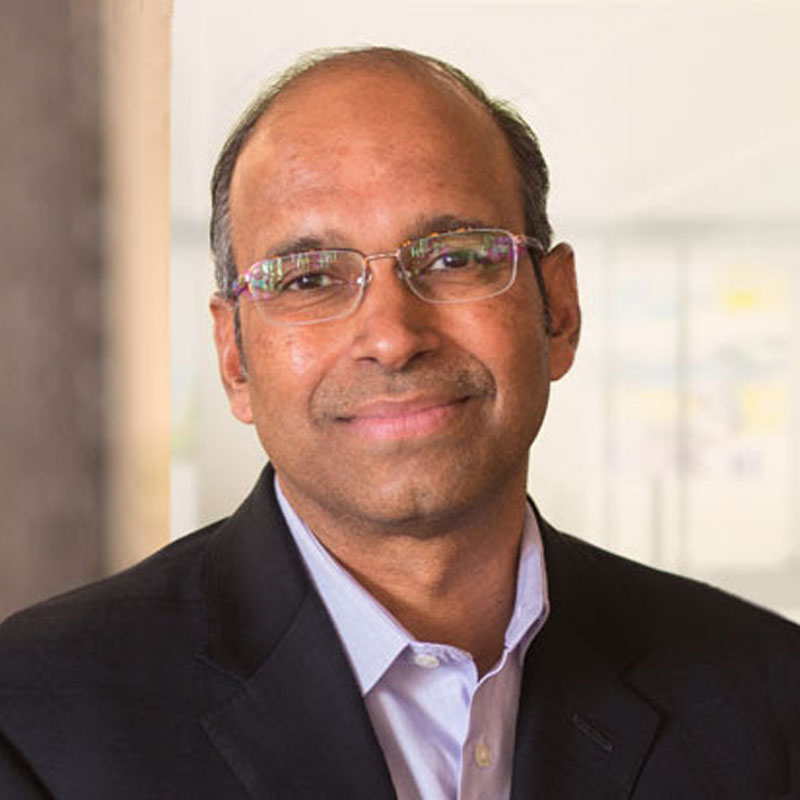
    Ooyala has provided OTT solutions to companies such as Star India and Viacom18 in the past in India. And last month Ooyala CEO Ramesh Srinivasan announced that it was setting up an R&D facility in Chennai. “Our new office here will be instrumental in expanding the company’s global presence, providing another local team to support our growing Asia-Pacific customer base, and helping accelerate the rapid pace of innovation within the company,” he had told local media.
  • Ooyala offers Indian broadcasters a quick OTT build service

    Ooyala offers Indian broadcasters a quick OTT build service

    MUMBAI: Come September and Indian broadcasters will have easy access to a quick OTT build solution. Australian telco Telstra subsidiary Ooyala is all set to roll out its AppStudio at the IBC convention in Amsttersam from 8-13 September 2016.

    Ooyala AppStudio, a press release from the company claims, mitigates the expensive custom development and integration costs typically associated with OTT market entry. An out-of-the-box solution, it ensures customers can deploy premium OTT experiences on time and on budget, with a simple, easy-to-use interface. As such, it does not require highly technical staff to build or manage services. Content providers can automate the build of OTT apps directly within the Ooyala AppStudio console for any device, supporting apps for Apple TV, Roku, Amazon Fire TV, and Chromecast as well as on iOS, Android and the web. No engineering is required, drastically reducing time-to-market as well as development and personnel-associated costs.

    Developed in partnership with Massive Interactive, Ooyala AppStudio is a comprehensive solution for companies to deploy, manage, track, analyze and monetize all components of a cloud-based OTT service. It supports revenue models including subscription vide-oon-demand (SVOD), advertising-supported video-on-demand (AVOD) or hybrid strategies. It also comes pre-integrated with a comprehensive set of best-in-breed technologies to ensure the experience is simple to use and seamless for the viewer, including:

    ● User registration, offer management, content scheduling as well as advanced user-interfaces (UIs) for device-tailored user experiences, powered by Massive Interactive’s technology, Massive HALO

    ● Video management and delivery, powered by Ooyala

    ● Content recommendation and personalization, powered by Ooyala Discovery

    ● Detailed analytics for video performance and audience engagement to help boost ad revenue or reduce subscriber churn, powered by Ooyala IQ

    ● Payment management, security and subscription billing, powered by Stripe

    ● Quality-of-experience (QoE) analytics, powered by Youbora from Nice People At Work

    ● Page-level behavior analytics in-app or on the web, powered by Google Analytics

    ● Support for any IAB VAST-compatible ad server including Ooyala Pulse

    Ooyala AppStudio, the company says, has an elegant interface for making changes to content layout, promoting high-performing video, adjusting seasonal promotions and content schedules, and optimizing the user experience for higher engagement. Customers can quickly apply offers and calls to action within the app experience, easily linking in¬-app images to promotional content either within the app or on an external website. These changes and updates are applied automatically with no need to rebuild or recertify the apps.

    “Media companies want to tap into the fast-growing opportunity OTT represents, but have been held back by slow pace and high cost of developing apps for the broad array of connected devices in the consumer market. Ooyala AppStudio changes that,” said Ooyala co-founder and senior vice president of roducts and olutions Belsasar Lepe. “There is tremendous growth in OTT demand particularly outside of the U.S., where broadband and 4G connectivity is improving, making offerings accessible to huge new audiences. For local content providers who want to hedge against larger OTT incumbents entering their market, Ooyala AppStudio is a perfect fit.”

    Ooyala has provided OTT solutions to companies such as Star India and Viacom18 in the past in India. And last month Ooyala CEO Ramesh Srinivasan announced that it was setting up an R&D facility in Chennai. “Our new office here will be instrumental in expanding the company’s global presence, providing another local team to support our growing Asia-Pacific customer base, and helping accelerate the rapid pace of innovation within the company,” he had told local media.

  • Will LeEco’s device-content bundling strategy pay off in India?

    Will LeEco’s device-content bundling strategy pay off in India?

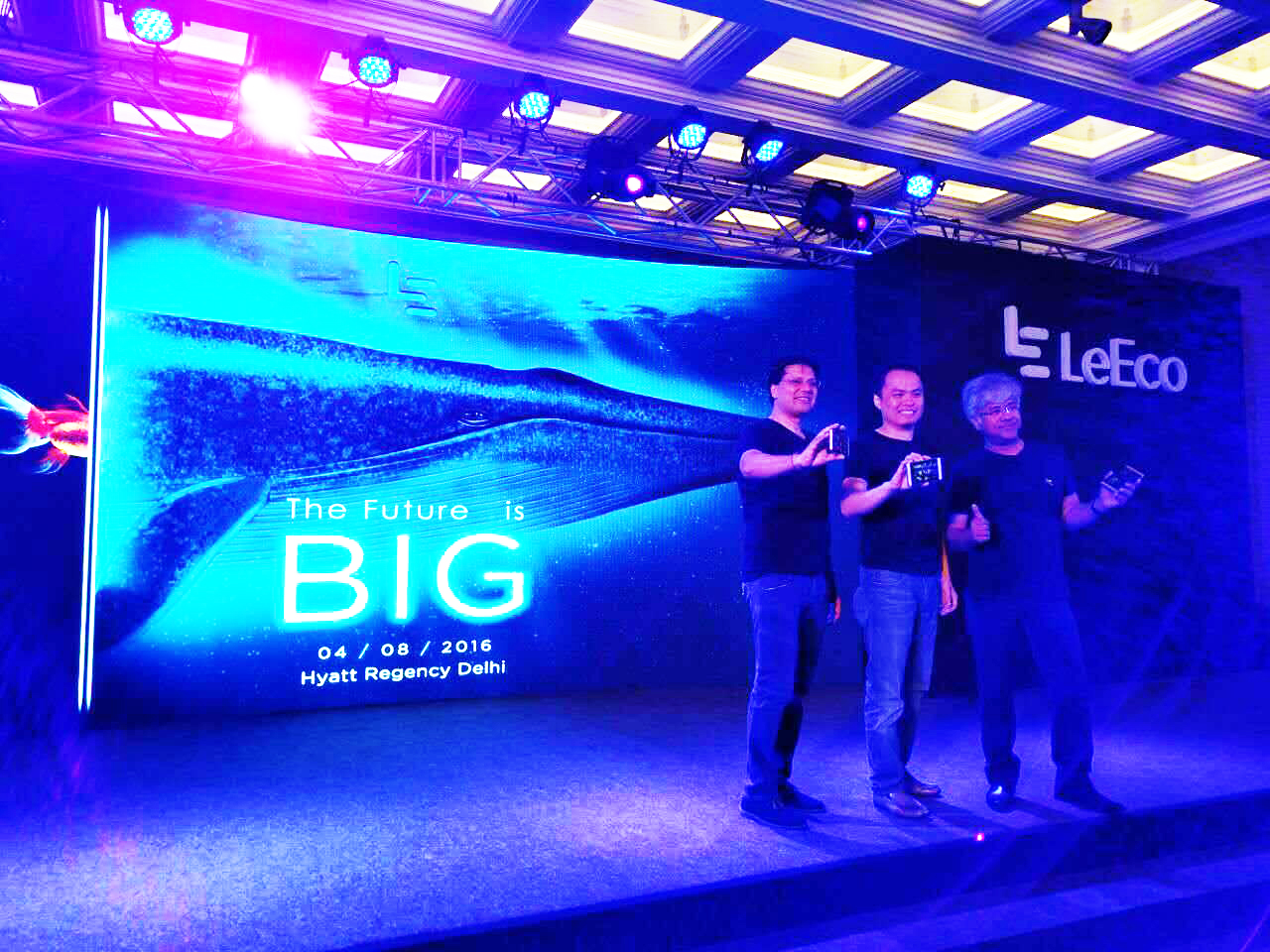
    MUMBAI: There’s a content acquirer on the prowl in India. And it is carrying a fat purse to buy and create the content. Chinese company Leshi Internet Information & Technology aka LeEco – introduced its Super3 TV sets in India last week – and a day later a whisper campaign started that it was going to spend top dollar to build a robust OTT content ecosystem to encourage uptake of the screens by Indian consumers.

    The figure being bandied about is US$200 million or Rs 1,330 crore, according to media reports. It reportedly is in talks with Netflix in the US to offer its content on its devices – which includes smart phones, TV sets, and even smart cars. And it has appointed a content head Harini Calamur whose job is to work with local producers, and distributors to build up its Indian content roster further.

    Its LeEco content ecosystem was launched earlier this year (in May 2016) when it introduced its Le 1S Eco phone at a price tage of Rs 10,899 (discounted to Rs 9,999 in the early flash sale period). Existing phone owners wanting to subscribe to the content package would have to ante up Rs 450 a month separately or Rs 4,990 annually.

    LeEco’s plan to sell 100,000 of these phones through a flash sale on Flipkart on 12 May was a resounding success with the ecommerce site having to shut the registrations quickly. 70,000 of its devices were sold in two seconds.

    LeEco later launched the Le Eco Le 2 and Le Max 2 phones in India in July.

    And finally its latest line of LeEco Super 3 smart TVs launched in early August. The Super3 X55 is priced at Rs 59,790, Super3 X65 at Rs 99,790 and Super3 Max X65 at Rs 1,49,790. These are being made available for pre-sale on Flipkart, as well as LeEco’s e-commerce platform LeMall, from 10-12 August.

    It announced that the LeEco content ecosystem would be available to buyers of its Super TVs also which would allow them to access the movies and TV channels. All that they would have to do is download a software update.

    The LeEco content ecosystem has content from YuppTV, Eros Now, and Hungama.

    Its Yupp TV deal, under the brand Le Live, allows customers to watch Sony Entertainment, NDTV, Gemini Movies, 9X Tashan, Sun TV, Times Now, Nickelodeon, Colors, and others, in multiple Indian languages.

    Its Eros Now partnership allows it to offer 2,000 plus movie titles in various languages under the brand Le Vidi.

    Its Hungama relationship has resulted in the Le Music app under which users can listen to 3.5 million tracks and another bunch of live concerts (in partnership with iConcerts).

    The Le View app which users also have access to consists of curated YouTube content categorized into news and politics, science and technology.

    Will this strategy of bundling content with TV sets and phones work in India? Especially at a time when data usage costs are a dampener? And when cable TV and DTH are offering a slew of channels at low sticker prices. Observers doubt that the content that is on offer in the LeEco content system currently could be a driver for sparking off TV set sales; the TV sets would be bought on their own merit in comparison to the LG, Samsung, Sony, Vu, Videocon and Haier offerings.

    As far as phones are concerned it could be a different story on account of LeEco’s perceived quality and lower prices.

    “Whether they will use the services in their homes on their TV sets or not is a moot question,” points out a senior media observer. “The audience that is using Wifi to watch video in their homes is in nano proportions compared to DTH and cable TV. The content library is also not exclusive and alluring enough.”

    Adds another media expert: “Consumption on the phone seems a more likely bet because there is some amount of on the go viewing happening in India. Mobile service providers have already resorted to a round of bandwidth cost cuts in advance of the Reliance Jio launch. But even so costs are still too high for consumers to binge watch on the phone. Maybe another round of price cuts will come to pass and that will bring costs down further. We will have to wait and watch. ”

    LeEco could draw some inspiration from what it did in Hong Kong earlier this year. It coughed up $400 million for exclusive rights for the region for the English Premier League, probably the highest for Asia, to add to its catalogue of other sports and entertainment content.

    It then bundled its hardware and software into a promotional pack wherein customers subscribing to the Premier League matches for two years at a cost of HK $1,690 a year got a 40 inch TV set free. If customers opted for a more premium Premier League package at a cost of HK$2,490 per year for two years, they got their hands on a 43 inch TV set at no cost to them. The super sports plan also included access to LeEco’s newly secured English FA Cup and other international sporting events such as Major League Baseball (MLB), men’s and women’s China Super League and the Copa Libertadores soccer tournament in South America.

    LeSports chief executive Cheng Yizhong had then stated that “The days that users have to pay for their own device have gone and we are trying to develop a content-led platform for our users. They only have to pay for the content and the device will be given free.”

    “The promotion worked very well and the company notched up HK$27 million in buy-ins in over just two days,” says a Hong Kong based media expert.

    Indian media observers believe that LeEco will have to pick up rights to sports events like cricket or top Bollywood movies and these need to be exclusive for its device-content ecosystem package to work with the masses.

    “Tieups with Netflix are just incremental steps as its has barely 50,000-70,000 paying subscribers and the content there is not that expansive,” says the head of an ad agency. “If it has to get into the mass market it needs to offer fiction and non-fiction shows which will then pit it in competition with the existing majors such as Star, Sony, Colors and Zee. Now that is totally a different ball game. Exclusive sports and films could be alluring as well as sticky for subscribers. Look at how well Star’s hotstar does when the cricket comes up.”

    Another media observer points out that its game strategy could attract buyers. LeEco plans to put out more than 500 plus high end games on its content ecosystem, eliminating the need for consoles.

    “That could be a game changer for its content play,” says she. “Let’s not worry too much however. We are in the very early days of the OTT industry’s play out in India. Go back to the late nineties: no one believed that satellite TV and cable TV would really explode the way it has in the country. Yes, the different players will make mistakes, they will course correct, they will spend money, they will lose money, they will make profits, they will course correct again. But the good thing is that another optional mode of video delivery and for entertainment is being given the push in this country.”

  • Will LeEco’s device-content bundling strategy pay off in India?

    Will LeEco’s device-content bundling strategy pay off in India?

    MUMBAI: There’s a content acquirer on the prowl in India. And it is carrying a fat purse to buy and create the content. Chinese company Leshi Internet Information & Technology aka LeEco – introduced its Super3 TV sets in India last week – and a day later a whisper campaign started that it was going to spend top dollar to build a robust OTT content ecosystem to encourage uptake of the screens by Indian consumers.

    The figure being bandied about is US$200 million or Rs 1,330 crore, according to media reports. It reportedly is in talks with Netflix in the US to offer its content on its devices – which includes smart phones, TV sets, and even smart cars. And it has appointed a content head Harini Calamur whose job is to work with local producers, and distributors to build up its Indian content roster further.

    Its LeEco content ecosystem was launched earlier this year (in May 2016) when it introduced its Le 1S Eco phone at a price tage of Rs 10,899 (discounted to Rs 9,999 in the early flash sale period). Existing phone owners wanting to subscribe to the content package would have to ante up Rs 450 a month separately or Rs 4,990 annually.

    LeEco’s plan to sell 100,000 of these phones through a flash sale on Flipkart on 12 May was a resounding success with the ecommerce site having to shut the registrations quickly. 70,000 of its devices were sold in two seconds.

    LeEco later launched the Le Eco Le 2 and Le Max 2 phones in India in July.

    And finally its latest line of LeEco Super 3 smart TVs launched in early August. The Super3 X55 is priced at Rs 59,790, Super3 X65 at Rs 99,790 and Super3 Max X65 at Rs 1,49,790. These are being made available for pre-sale on Flipkart, as well as LeEco’s e-commerce platform LeMall, from 10-12 August.

    It announced that the LeEco content ecosystem would be available to buyers of its Super TVs also which would allow them to access the movies and TV channels. All that they would have to do is download a software update.

    The LeEco content ecosystem has content from YuppTV, Eros Now, and Hungama.

    Its Yupp TV deal, under the brand Le Live, allows customers to watch Sony Entertainment, NDTV, Gemini Movies, 9X Tashan, Sun TV, Times Now, Nickelodeon, Colors, and others, in multiple Indian languages.

    Its Eros Now partnership allows it to offer 2,000 plus movie titles in various languages under the brand Le Vidi.

    Its Hungama relationship has resulted in the Le Music app under which users can listen to 3.5 million tracks and another bunch of live concerts (in partnership with iConcerts).

    The Le View app which users also have access to consists of curated YouTube content categorized into news and politics, science and technology.

    Will this strategy of bundling content with TV sets and phones work in India? Especially at a time when data usage costs are a dampener? And when cable TV and DTH are offering a slew of channels at low sticker prices. Observers doubt that the content that is on offer in the LeEco content system currently could be a driver for sparking off TV set sales; the TV sets would be bought on their own merit in comparison to the LG, Samsung, Sony, Vu, Videocon and Haier offerings.

    As far as phones are concerned it could be a different story on account of LeEco’s perceived quality and lower prices.

    “Whether they will use the services in their homes on their TV sets or not is a moot question,” points out a senior media observer. “The audience that is using Wifi to watch video in their homes is in nano proportions compared to DTH and cable TV. The content library is also not exclusive and alluring enough.”

    Adds another media expert: “Consumption on the phone seems a more likely bet because there is some amount of on the go viewing happening in India. Mobile service providers have already resorted to a round of bandwidth cost cuts in advance of the Reliance Jio launch. But even so costs are still too high for consumers to binge watch on the phone. Maybe another round of price cuts will come to pass and that will bring costs down further. We will have to wait and watch. ”

    LeEco could draw some inspiration from what it did in Hong Kong earlier this year. It coughed up $400 million for exclusive rights for the region for the English Premier League, probably the highest for Asia, to add to its catalogue of other sports and entertainment content.

    It then bundled its hardware and software into a promotional pack wherein customers subscribing to the Premier League matches for two years at a cost of HK $1,690 a year got a 40 inch TV set free. If customers opted for a more premium Premier League package at a cost of HK$2,490 per year for two years, they got their hands on a 43 inch TV set at no cost to them. The super sports plan also included access to LeEco’s newly secured English FA Cup and other international sporting events such as Major League Baseball (MLB), men’s and women’s China Super League and the Copa Libertadores soccer tournament in South America.

    LeSports chief executive Cheng Yizhong had then stated that “The days that users have to pay for their own device have gone and we are trying to develop a content-led platform for our users. They only have to pay for the content and the device will be given free.”

    “The promotion worked very well and the company notched up HK$27 million in buy-ins in over just two days,” says a Hong Kong based media expert.

    Indian media observers believe that LeEco will have to pick up rights to sports events like cricket or top Bollywood movies and these need to be exclusive for its device-content ecosystem package to work with the masses.

    “Tieups with Netflix are just incremental steps as its has barely 50,000-70,000 paying subscribers and the content there is not that expansive,” says the head of an ad agency. “If it has to get into the mass market it needs to offer fiction and non-fiction shows which will then pit it in competition with the existing majors such as Star, Sony, Colors and Zee. Now that is totally a different ball game. Exclusive sports and films could be alluring as well as sticky for subscribers. Look at how well Star’s hotstar does when the cricket comes up.”

    Another media observer points out that its game strategy could attract buyers. LeEco plans to put out more than 500 plus high end games on its content ecosystem, eliminating the need for consoles.

    “That could be a game changer for its content play,” says she. “Let’s not worry too much however. We are in the very early days of the OTT industry’s play out in India. Go back to the late nineties: no one believed that satellite TV and cable TV would really explode the way it has in the country. Yes, the different players will make mistakes, they will course correct, they will spend money, they will lose money, they will make profits, they will course correct again. But the good thing is that another optional mode of video delivery and for entertainment is being given the push in this country.”

  • TRAI begins exercise on common mobile banking for all sectors

    TRAI begins exercise on common mobile banking for all sectors

    NEW DELHI: With consumers gradually getting attuned to it and the growth of Mobile Apps and OTT requiring mobile banking, the Telecom Regulatory Authority of India has started an exercise to find the best way of making or receiving payments through the mobile.

    As a first step, it has issued a Consultation paper on regulatory framework for the use of USSD for mobile financial services. Stakeholders have been sent a set of ten questions and have to respond by 31 August with counter-comments by 14 September 2016.

    Keeping in view the success achieved by many countries in delivering financial servicesthrough mobile telephone, the Government of India, in November, 2009, constituted an Inter-Ministerial Group (IMG) to submit a report and recommendations on the framework fordelivery of basic financial services using mobile phones. The framework proposed in the IMGreport has been accepted as the basis for delivery of basic financial services using mobile technology by a Committee of Secretaries under the chairmanship of the Cabinet Secretary in April 2010. The IMG framework envisages opening of mobile linked ‘no- frills’accounts, which would be operated using mobile phones. These accounts would be held bybanks and the money would be stored in the banks and not in the users’ mobile phones; thecustomer would be able to perform five basic transactions cash deposit, cash withdrawal,balance enquiry, transfer of money from one mobile-linked account to another, and transferof money to a mobile-linked account from a regular bank account. The IMG framework alsoenvisaged compensation to the key players after taking into account the actual costs incurred bythem. In the IMG framework, TRAI was expected to provide the required regulatory framework governing the quality of service, provisioning and pricing of mobile services for delivery of basicfinancial services.

    Mobile financial services can be delivered using any of the following communication modes:
    (i) Interactive Voice Response (IVR)
    (ii) Short Messaging Service (SMS)
    (iii) Wireless Access Protocol (WAP)
    (iv) Stand-alone Mobile Application Clients (Mobile Apps)
    (v) Unstructured Supplementary Service Data (USSD)
    (vi) Using SIM tool Kit (STK)

    With about 22.5 crore Jan-dhan accounts in the country, more than 100 crore Aadhar cardissued to the citizens and more than 100 crore mobile connections in the country (of whichabout 45 crore are in rural areas), it was expected that the USSD-based mobile banking servicewould gain popularity amongst the unbanked/ under-banked population (the target masses of financial inclusion) with passage of time and would soon achieve a critical mass. However, evenafter two years since August 2014, when it became available to all GSM subscribers in thecountry, the progress of USSD-based mobile banking is below expectations. In May 2016,only about 37 lakh mobile banking transaction attempts (over USSD channel) reached NPCI’splatform (*99#). Clearly, something is amiss. The situation demands a comprehensive review toensure that the service which has successfully deliver.

  • TRAI begins exercise on common mobile banking for all sectors

    TRAI begins exercise on common mobile banking for all sectors

    NEW DELHI: With consumers gradually getting attuned to it and the growth of Mobile Apps and OTT requiring mobile banking, the Telecom Regulatory Authority of India has started an exercise to find the best way of making or receiving payments through the mobile.

    As a first step, it has issued a Consultation paper on regulatory framework for the use of USSD for mobile financial services. Stakeholders have been sent a set of ten questions and have to respond by 31 August with counter-comments by 14 September 2016.

    Keeping in view the success achieved by many countries in delivering financial servicesthrough mobile telephone, the Government of India, in November, 2009, constituted an Inter-Ministerial Group (IMG) to submit a report and recommendations on the framework fordelivery of basic financial services using mobile phones. The framework proposed in the IMGreport has been accepted as the basis for delivery of basic financial services using mobile technology by a Committee of Secretaries under the chairmanship of the Cabinet Secretary in April 2010. The IMG framework envisages opening of mobile linked ‘no- frills’accounts, which would be operated using mobile phones. These accounts would be held bybanks and the money would be stored in the banks and not in the users’ mobile phones; thecustomer would be able to perform five basic transactions cash deposit, cash withdrawal,balance enquiry, transfer of money from one mobile-linked account to another, and transferof money to a mobile-linked account from a regular bank account. The IMG framework alsoenvisaged compensation to the key players after taking into account the actual costs incurred bythem. In the IMG framework, TRAI was expected to provide the required regulatory framework governing the quality of service, provisioning and pricing of mobile services for delivery of basicfinancial services.

    Mobile financial services can be delivered using any of the following communication modes:
    (i) Interactive Voice Response (IVR)
    (ii) Short Messaging Service (SMS)
    (iii) Wireless Access Protocol (WAP)
    (iv) Stand-alone Mobile Application Clients (Mobile Apps)
    (v) Unstructured Supplementary Service Data (USSD)
    (vi) Using SIM tool Kit (STK)

    With about 22.5 crore Jan-dhan accounts in the country, more than 100 crore Aadhar cardissued to the citizens and more than 100 crore mobile connections in the country (of whichabout 45 crore are in rural areas), it was expected that the USSD-based mobile banking servicewould gain popularity amongst the unbanked/ under-banked population (the target masses of financial inclusion) with passage of time and would soon achieve a critical mass. However, evenafter two years since August 2014, when it became available to all GSM subscribers in thecountry, the progress of USSD-based mobile banking is below expectations. In May 2016,only about 37 lakh mobile banking transaction attempts (over USSD channel) reached NPCI’splatform (*99#). Clearly, something is amiss. The situation demands a comprehensive review toensure that the service which has successfully deliver.

  • Netflix steps up marketing drive in India, finally

    Netflix steps up marketing drive in India, finally

    MUMBAI:  There are finally some ripples in sight in the otherwise still surface of Netflix’s marketing efforts in India. From carefully curated short videos hashtagged #LifeWithoutNetflix that are doing the rounds on social media, to meme wars with market rival Hotstar on Twitter, we are seeing more of the American over-the-top video giant’s activity recently — a change from its initial presence in the market.

    https://www.facebook.com/NetflixIN/videos/1008915785888828/

    “The #LifeWithoutNetflix social campaign was created primarily to share with our users the things we love about Netflix and the great stories they can find on our service. We want to build communities within the Indian audience to help them discover content they will love, and also to understand what they want in an entertainment experience,” shared a spokesperson from Netflix team based in Singapore.

    On the recent Twitter spat with Hotstar over an internet meme and its omnipresent rivalry with the Star India owned OTT platform Hotstar, Netflix shared, “Because the entertainment market is so broad, there is an opportunity for multiple brands to be successful. Many people will subscribe to several services (including Netflix) since we have different, exclusive content.”

    For more details on this, please read

    Apart from its quick rise to be a market leader in the digital video space, what makes Netflix stand out is its effervescent marketing campaigns.  Believe it or not, its trademark ads are part of the reason it is a brand to be reckoned with, in several mature markets. And there are no rewards for guessing which media it’s best at. Netflix is known to be bullish with its social media campaigns, with each new market it enters. And yet, its touchdown on Indian soil earlier this year was marked with limited fanfare on the company’s part. No gala launch events, no press conferences with big names, no over the top PR drive. It was left to the overzealous media and enthusiastic netizens to spread the word organically.

    Therefore, industry couldn’t help ponder if this was a strategy of some sort, or Netflix simply wasn’t ready enough to take on the Indian market head on. Or maybe it is not on its priority list, given the fact that Indian audience still hasn’t fully accepted the SVOD way.

    Studying the market and spotting the real problems that is native to the audience was part of the reason for keeping a low profile before taking a plunge, a Netflix official pointed out. After all, a campaign gone wrong is probably worse than no campaign at all.

    “It’s early days in India and there’s still much to learn and discover so that we can keep making the Netflix experience better. We are pleased with how consumers in India are discovering Netflix. They like the fact that we are a flat-fee unlimited viewing commercial-free experience, can cancel anytime without commitments. They can watch as much as they want, anytime, anywhere, on nearly any Internet-connected screen,” Netflix shared. Therefore, to start with, building awareness is Netflix India’s primary task when it comes to marketing.

    Netflix has also somewhat caught the nerve of the Indian audience’s watching taste. “For now, we very quickly see that the shows Indians love are very much similar to what we see in other markets and the top ones are Netflix Originals like Master of None, Narcos, Marvel’s Daredevil and Marvel’s Jessica Jones,” the spokesperson pointed out.

    Analysts and brand consultants have time and again cited Netflix’s ads as the perfect blend of problem solving and brilliant storytelling. A good example is when Netflix coined a whole new term – ‘Netflix Cheating’ to address couples who watch shows together.

    Thus, building that niche in every market is an essential part of the brand’s communication strategy. Building a culture around  local content, of course, is the key to that.

    “On the local front, we are pursuing recent Bollywood titles, notable indie films, memorable classic Bollywood titles and the best of regional cinema (Tamil, Gujarati, Punjabi, Marathi). Our goal is to bring Indian cinema to not only all regions of India but to the world so you’ll find Indian film titles in all countries in which Netflix exists, accessible to all our over 81 million members. For example, Brahman Naman, a coming-of-age comedy by celebrated Indian director Q, is now available globally only on Netflix. Coming up, Raman Raghav 2.0 is also among the titles that we picked up at Cannes this year as an exclusive on Netflix. Sacred Games is Netflix first original series from India, which will be produced in partnership with Phantom Films,” the Netflix official added in parting.

    With so much on the way for Netflix audiences in India, one can anticipate the company to maintain a consistence interaction with streamers online through more engaging and snaky videos, and memes. Although the market has yet to see a high decibel campaign from digital media giant.
     

  • Netflix steps up marketing drive in India, finally

    Netflix steps up marketing drive in India, finally

    MUMBAI:  There are finally some ripples in sight in the otherwise still surface of Netflix’s marketing efforts in India. From carefully curated short videos hashtagged #LifeWithoutNetflix that are doing the rounds on social media, to meme wars with market rival Hotstar on Twitter, we are seeing more of the American over-the-top video giant’s activity recently — a change from its initial presence in the market.

    https://www.facebook.com/NetflixIN/videos/1008915785888828/

    “The #LifeWithoutNetflix social campaign was created primarily to share with our users the things we love about Netflix and the great stories they can find on our service. We want to build communities within the Indian audience to help them discover content they will love, and also to understand what they want in an entertainment experience,” shared a spokesperson from Netflix team based in Singapore.

    On the recent Twitter spat with Hotstar over an internet meme and its omnipresent rivalry with the Star India owned OTT platform Hotstar, Netflix shared, “Because the entertainment market is so broad, there is an opportunity for multiple brands to be successful. Many people will subscribe to several services (including Netflix) since we have different, exclusive content.”

    For more details on this, please read

    Apart from its quick rise to be a market leader in the digital video space, what makes Netflix stand out is its effervescent marketing campaigns.  Believe it or not, its trademark ads are part of the reason it is a brand to be reckoned with, in several mature markets. And there are no rewards for guessing which media it’s best at. Netflix is known to be bullish with its social media campaigns, with each new market it enters. And yet, its touchdown on Indian soil earlier this year was marked with limited fanfare on the company’s part. No gala launch events, no press conferences with big names, no over the top PR drive. It was left to the overzealous media and enthusiastic netizens to spread the word organically.

    Therefore, industry couldn’t help ponder if this was a strategy of some sort, or Netflix simply wasn’t ready enough to take on the Indian market head on. Or maybe it is not on its priority list, given the fact that Indian audience still hasn’t fully accepted the SVOD way.

    Studying the market and spotting the real problems that is native to the audience was part of the reason for keeping a low profile before taking a plunge, a Netflix official pointed out. After all, a campaign gone wrong is probably worse than no campaign at all.

    “It’s early days in India and there’s still much to learn and discover so that we can keep making the Netflix experience better. We are pleased with how consumers in India are discovering Netflix. They like the fact that we are a flat-fee unlimited viewing commercial-free experience, can cancel anytime without commitments. They can watch as much as they want, anytime, anywhere, on nearly any Internet-connected screen,” Netflix shared. Therefore, to start with, building awareness is Netflix India’s primary task when it comes to marketing.

    Netflix has also somewhat caught the nerve of the Indian audience’s watching taste. “For now, we very quickly see that the shows Indians love are very much similar to what we see in other markets and the top ones are Netflix Originals like Master of None, Narcos, Marvel’s Daredevil and Marvel’s Jessica Jones,” the spokesperson pointed out.

    Analysts and brand consultants have time and again cited Netflix’s ads as the perfect blend of problem solving and brilliant storytelling. A good example is when Netflix coined a whole new term – ‘Netflix Cheating’ to address couples who watch shows together.

    Thus, building that niche in every market is an essential part of the brand’s communication strategy. Building a culture around  local content, of course, is the key to that.

    “On the local front, we are pursuing recent Bollywood titles, notable indie films, memorable classic Bollywood titles and the best of regional cinema (Tamil, Gujarati, Punjabi, Marathi). Our goal is to bring Indian cinema to not only all regions of India but to the world so you’ll find Indian film titles in all countries in which Netflix exists, accessible to all our over 81 million members. For example, Brahman Naman, a coming-of-age comedy by celebrated Indian director Q, is now available globally only on Netflix. Coming up, Raman Raghav 2.0 is also among the titles that we picked up at Cannes this year as an exclusive on Netflix. Sacred Games is Netflix first original series from India, which will be produced in partnership with Phantom Films,” the Netflix official added in parting.

    With so much on the way for Netflix audiences in India, one can anticipate the company to maintain a consistence interaction with streamers online through more engaging and snaky videos, and memes. Although the market has yet to see a high decibel campaign from digital media giant.
     

  • Government & private initiatives required to achieve ambitious goal of Digital India

    Government & private initiatives required to achieve ambitious goal of Digital India

    MUMBAI: According to Akamai’s 2015 Asia Pacific Survey, India had the lowest average broadband speeds of 2.5 Mbps. As 3G speeds increase and 4G adoption is still nascent; the quality of internet access and affordability in terms of data tariffs and on 3G/4G enabled devices continue to remain a challenge to deliver consumer value. On the regulatory side, there have been a lot of discussions on net neutrality and licensing of OTT services. These will have a significant impact on how digital media evolves in the future.

    Sony Pictures Networks India Pvt Ltd. head – marketing & analytics, digital business Abhishek Joshi strongly believes that content is where you stream it and the government has the a say in it. “The OTT industry has graduated from the innovators stage to the early adopters stage within the innovation diffusion curve, based on distinguished product strategies by players in the market. However to cross the chasm to gain the majority market, policy makers will have to play a very big role. Infrastructure and regulatory policies are going to be the biggest differentiators for industry growth for the next 18 months.”

    While on the other hand, Ping Networks co-founder Rajeshree Naik is of the opinion that the government should not play any role in an individual’sprivacy. “That is a grey area. The government should rather focus on the infrastructure, companies coming up, partnerships, investments, etc rather than on content. Infrastructure does not bother pay because I know it is going to get better soon. The thing that scares me are the two terms related to digital i.e. no censorship and payment methods. Though, the beauty of digital is having no regulations, collective responsibility is to be taken ensuring that the government stays away.”

    Supporting Joshi on government interference was VOOT head, marketing and partnerships Akash Banerji. “Short form of content is not the solution. “These are early days for OTT in India. Players are either following the AVOD or SVOD model today. Both are profitable but for now what concerns me about the SVOD model is that why should a consumer pay for subscription when he is already paying a lot for mobile data. “

    Banerji adds, “There also is limitation of vast content on platforms. 80-90 percent of content is with the top players and a minuscule number of hours of great quality content is curated. For a new entrant for eg VOOT, it is difficult to drive money immediately after it rolled out.”

    Whereas Joshi thinks that even the consumers are not inclined to pay. “There is no inclination to pay. They will pay for content that has some value for them. They want quality content, expect HD, streamless service, etc.”

    Hungama.com COO Siddharth Roy opined that transactions have worked. “There is massive copyright infringement. The government needs to have a robust and strong IPR. Branded entertainment is the driver of this entire eco-system. Branded IP makes money.”

    “Value comes from the content and the way it is consumed. The business needs a lot of clarity. Government and all the players should work together to come to a concrete conclusion. In the end, crows is the king,” asserts Banerji.

    Naik believes that videos and original content will co-exist and that content will keep evolving.

    With global players like Netflix and Amazon Prime in India, the players present in the panel are looking forward to the global entrants. “If Netflix is a success in India, the creators will have more chance to put their content on the digital platforms. It is investing plenty on producing original content here and will be a good example. Viewers will love to pay for quality content that can entertain them.”

    Joshi is also excited with the entry of this global player and India and thinks that it is only going to be good for the business.

    Sharing his thoughts on the future of India’s burgeoning digital market, Technicolor’s country head for India Biren Ghose, in his valedictory remarks, said, “Content is assuming new life in the emerging digital economy. Technology enables innovations in imagery that could hitherto neither be produced nor consumed. FICCI and LA India Film Council need to be complimented on encouraging the conversation for the Indian agenda in this space.”

    Panelists at FICCI Knowledge Series 2016 for the Regulatory and Infrastructural Challenges for Digital Media, concluded that a combination of government and private initiatives would need to be rolled out to achieve the ambitious goal of a truly Digital India.

  • Government & private initiatives required to achieve ambitious goal of Digital India

    Government & private initiatives required to achieve ambitious goal of Digital India

    MUMBAI: According to Akamai’s 2015 Asia Pacific Survey, India had the lowest average broadband speeds of 2.5 Mbps. As 3G speeds increase and 4G adoption is still nascent; the quality of internet access and affordability in terms of data tariffs and on 3G/4G enabled devices continue to remain a challenge to deliver consumer value. On the regulatory side, there have been a lot of discussions on net neutrality and licensing of OTT services. These will have a significant impact on how digital media evolves in the future.

    Sony Pictures Networks India Pvt Ltd. head – marketing & analytics, digital business Abhishek Joshi strongly believes that content is where you stream it and the government has the a say in it. “The OTT industry has graduated from the innovators stage to the early adopters stage within the innovation diffusion curve, based on distinguished product strategies by players in the market. However to cross the chasm to gain the majority market, policy makers will have to play a very big role. Infrastructure and regulatory policies are going to be the biggest differentiators for industry growth for the next 18 months.”

    While on the other hand, Ping Networks co-founder Rajeshree Naik is of the opinion that the government should not play any role in an individual’sprivacy. “That is a grey area. The government should rather focus on the infrastructure, companies coming up, partnerships, investments, etc rather than on content. Infrastructure does not bother pay because I know it is going to get better soon. The thing that scares me are the two terms related to digital i.e. no censorship and payment methods. Though, the beauty of digital is having no regulations, collective responsibility is to be taken ensuring that the government stays away.”

    Supporting Joshi on government interference was VOOT head, marketing and partnerships Akash Banerji. “Short form of content is not the solution. “These are early days for OTT in India. Players are either following the AVOD or SVOD model today. Both are profitable but for now what concerns me about the SVOD model is that why should a consumer pay for subscription when he is already paying a lot for mobile data. “

    Banerji adds, “There also is limitation of vast content on platforms. 80-90 percent of content is with the top players and a minuscule number of hours of great quality content is curated. For a new entrant for eg VOOT, it is difficult to drive money immediately after it rolled out.”

    Whereas Joshi thinks that even the consumers are not inclined to pay. “There is no inclination to pay. They will pay for content that has some value for them. They want quality content, expect HD, streamless service, etc.”

    Hungama.com COO Siddharth Roy opined that transactions have worked. “There is massive copyright infringement. The government needs to have a robust and strong IPR. Branded entertainment is the driver of this entire eco-system. Branded IP makes money.”

    “Value comes from the content and the way it is consumed. The business needs a lot of clarity. Government and all the players should work together to come to a concrete conclusion. In the end, crows is the king,” asserts Banerji.

    Naik believes that videos and original content will co-exist and that content will keep evolving.

    With global players like Netflix and Amazon Prime in India, the players present in the panel are looking forward to the global entrants. “If Netflix is a success in India, the creators will have more chance to put their content on the digital platforms. It is investing plenty on producing original content here and will be a good example. Viewers will love to pay for quality content that can entertain them.”

    Joshi is also excited with the entry of this global player and India and thinks that it is only going to be good for the business.

    Sharing his thoughts on the future of India’s burgeoning digital market, Technicolor’s country head for India Biren Ghose, in his valedictory remarks, said, “Content is assuming new life in the emerging digital economy. Technology enables innovations in imagery that could hitherto neither be produced nor consumed. FICCI and LA India Film Council need to be complimented on encouraging the conversation for the Indian agenda in this space.”

    Panelists at FICCI Knowledge Series 2016 for the Regulatory and Infrastructural Challenges for Digital Media, concluded that a combination of government and private initiatives would need to be rolled out to achieve the ambitious goal of a truly Digital India.