Tag: OTT

  • Digital success via differentiated content, good story-telling, partnerships

    Digital success via differentiated content, good story-telling, partnerships

    MUMBAI: Bollywood, Hollywood and sports content will certainly get you traction, but ultimately well thought out differentiated content, partnerships with platforms and targeted audience will not only get the eyeballs, but also return on investment for content creators on OTT platforms.

    This was the over-arching message from content creators and OTT platform operators at the session on content paradigm at Indiantelevision.com-organised conference related to OTT here yesterday, aptly themed Vidnet 2016.

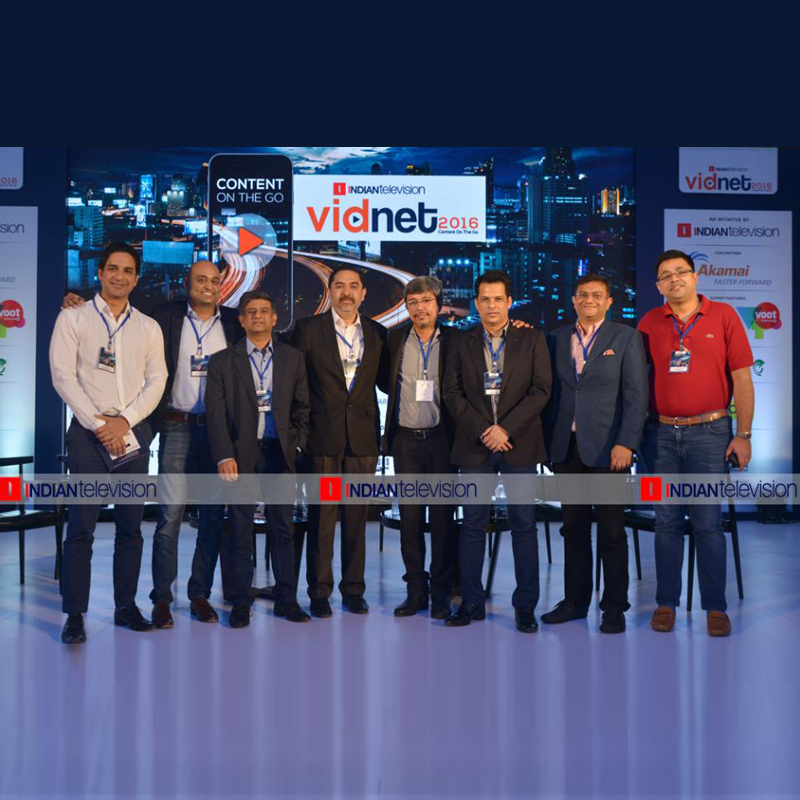
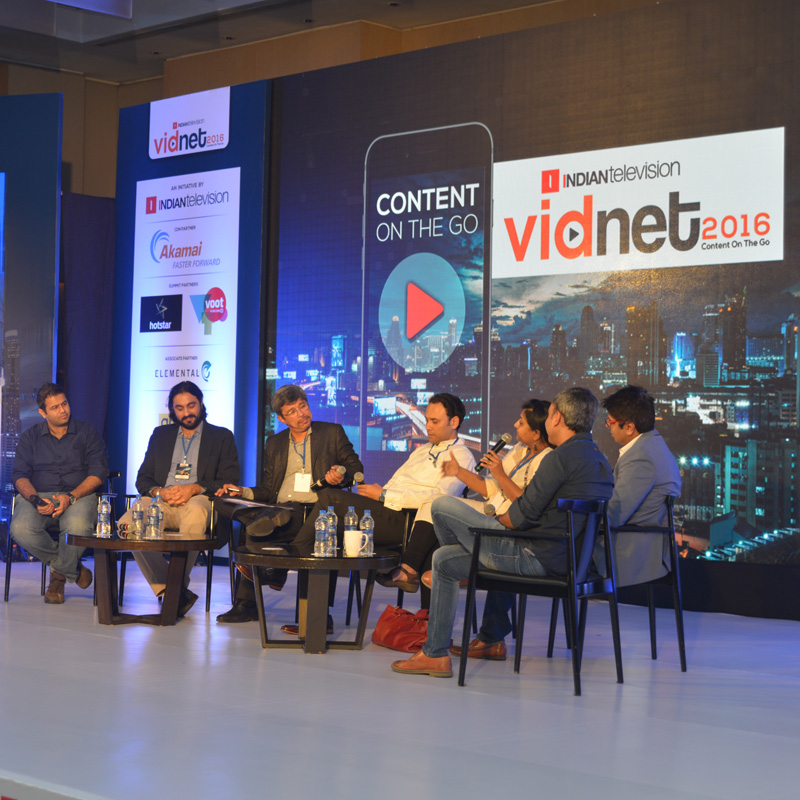
    The panel included Abhimanyu Singh, CEO, Contiloe Entertainment, Mahesh Narayanan, MD, Saavn, Salil Kapoor, MD, HOOQ India, Uday Sodhi, EVP and Head Digital Business, Sony Pictures India, Varun Mathur, Co-Founder and Director VEQTA, Viviek Bhargava, MD and CEO iProspect and Yash Patnaik, Founder, Beyond Dreams Entertainment.

    The session’s basic underlying theme, highlighted by moderator Anil Wanvari, Founder and Editor-in Chief, Indiantelevision.com, revolved around the type of content that could work in the digital world while keeping in mind the needs of advertisers, agencies and investments.

    The variety of online content is vast, Sony’s Sodhi said, adding since the ecosystem is fairly new, consumption is from television content catch up. “There is a fair demand for movie viewing, including short films,” according to him as he pointed out sports too is majorly consumed by OTT subscribers.

    However, Sodhi was candid enough to admit that presently in an evolving eco-system it cannot be said with guarantee what works and what does not.

    As SonyLiv depends a lot on streaming of sports content on the platform, a question was raised whether programming differentiation on major OTT platforms was needed and also whether a global player like Netflix, focused on fictional series and movies, needs to re-strategize in India.

    Pointing out that OTT platforms ultimately will come out with their strengths, Sodhi said, “We come with a huge legacy of sports. We believe it works well for us and gives us an automatic connect between our users on TV and digital (platform), acting as an entry point for consumers.”

    While Sony Liv is banking on sports, HOOQ is finalising plans to launch in India as a VOD platform.

    Educating the uninitiated that HOOQ is a joint venture amongst Sony Pictures TV, SingTel and Warner Bros., HOOQ India chief Kapoor was of the opinion that the new digital evolution is about “pull and not push” and, therefore, “good content will get pulled (by consumers).”

    “All sorts of stories and entertainment can co exist in this (digital) space,” Kapoor said, adding that the criteria for success in the digital world were quality of content as people appreciate good content on every format.

    As per HOOQ, the criteria to measure the success of engagement is not downloads (of an app), but continuous engagement and number of active users.

    However, the experts on the panel did agree that since there is more television content, `catch up’ is a big issue presently. The next step ought to be and should be engagement of consumers with original content and the players are experimenting with that as to what’s relevant to digital natives.

    For example, Saavn, the music streaming app, has its own formula to engage audiences. The strategy for audio players is to package their content differently to provide a unique experience.

    Sharing the company’s varied ways of consumer engagement, Saavn’s Narayanan said an interesting property the company created was Saavn Live where live gigs happen on a stage in the company office with artistes performing at a pre-set time that goes live on Facebook.

    Saavn counts on social media to push its content and offers unplugged version of songs.

    The mechanism of how digital content is working has a big influence on advertising sector as well. iProspect’s Bhargava pointed out while previously brands found advertising cheaper than creating content, digital content creation has minimised cost encouraging brands to produce their own content.
    According to Bhargava, this gives brands an opportunity to engage consumers on their own platforms through licensed content and brand communication becomes easier.

    A digital advertising expert, Bhargava also felt that a shift in advertising pattern has happened past 2-3 years where a large chunk of a client’s budget has been dedicated to digital advertising. “This has given brands an opportunity to reduce advertising costs through content. Digital provides same amount of engagement in less money,” he added.

    But the question remains as to which content works and gives the correct RoI. The content creators on the panel were of the opinion that platforms and advertisers can only succeed with the right shows when a good story is created and told well. The message from the content creators was clear: better storytelling does work wonders.

    Contiloe’s Singh pointed out that television has witnessed a downfall in viewership as there was a “disengagement” with “discerning” viewers/consumers. “Platforms and (content) makers will have to shift to making differentiated content,” he explained, adding not only the plot, but storytelling method has to go undergo a change too.

    “There is a severe need to reinvent the way audiences are engaged with plots and characters,” Singh said, adding that the good news is India has a rich tradition of story-telling and an equally rich bank of tales.

    Though in today’s world there is palpable excitement about the digital eco-system, Patnaik from Beyond Dreams expanded the perspective highlighting that television, cinema and digital are separate platforms catering to the same audience and, hence, “viewership will fluctuate” according to quality of content.

    With the kind of buzz digital space is witnessing, brands, production houses and channels are launching their own platforms or attempting to. Could this clutter the digital space?

    Hinting that existing OTT platforms like Sony Liv could be used by content owners and creators, Sony’s Singh said not everyone needs to have their own platforms and, instead, they need to collaborate to create content.

    Yes, collaboration between content creators and platform operators did resonate with the panellists with most having their own perspectives.

    While Contiloe’s Singh supported the collaboration angle as a way forward, HOOQ’s Kapoor said that instead of everybody trying to do everything, partnerships should be explored.

    VEQTA’s Mathur added that sports as a segment is an under-served one in India and more variety in this space would add to the spice.
  • Digital success via differentiated content, good story-telling, partnerships

    Digital success via differentiated content, good story-telling, partnerships

    MUMBAI: Bollywood, Hollywood and sports content will certainly get you traction, but ultimately well thought out differentiated content, partnerships with platforms and targeted audience will not only get the eyeballs, but also return on investment for content creators on OTT platforms.

    This was the over-arching message from content creators and OTT platform operators at the session on content paradigm at Indiantelevision.com-organised conference related to OTT here yesterday, aptly themed Vidnet 2016.

    The panel included Abhimanyu Singh, CEO, Contiloe Entertainment, Mahesh Narayanan, MD, Saavn, Salil Kapoor, MD, HOOQ India, Uday Sodhi, EVP and Head Digital Business, Sony Pictures India, Varun Mathur, Co-Founder and Director VEQTA, Viviek Bhargava, MD and CEO iProspect and Yash Patnaik, Founder, Beyond Dreams Entertainment.

    The session’s basic underlying theme, highlighted by moderator Anil Wanvari, Founder and Editor-in Chief, Indiantelevision.com, revolved around the type of content that could work in the digital world while keeping in mind the needs of advertisers, agencies and investments.

    The variety of online content is vast, Sony’s Sodhi said, adding since the ecosystem is fairly new, consumption is from television content catch up. “There is a fair demand for movie viewing, including short films,” according to him as he pointed out sports too is majorly consumed by OTT subscribers.

    However, Sodhi was candid enough to admit that presently in an evolving eco-system it cannot be said with guarantee what works and what does not.

    As SonyLiv depends a lot on streaming of sports content on the platform, a question was raised whether programming differentiation on major OTT platforms was needed and also whether a global player like Netflix, focused on fictional series and movies, needs to re-strategize in India.

    Pointing out that OTT platforms ultimately will come out with their strengths, Sodhi said, “We come with a huge legacy of sports. We believe it works well for us and gives us an automatic connect between our users on TV and digital (platform), acting as an entry point for consumers.”

    While Sony Liv is banking on sports, HOOQ is finalising plans to launch in India as a VOD platform.

    Educating the uninitiated that HOOQ is a joint venture amongst Sony Pictures TV, SingTel and Warner Bros., HOOQ India chief Kapoor was of the opinion that the new digital evolution is about “pull and not push” and, therefore, “good content will get pulled (by consumers).”

    “All sorts of stories and entertainment can co exist in this (digital) space,” Kapoor said, adding that the criteria for success in the digital world were quality of content as people appreciate good content on every format.

    As per HOOQ, the criteria to measure the success of engagement is not downloads (of an app), but continuous engagement and number of active users.

    However, the experts on the panel did agree that since there is more television content, `catch up’ is a big issue presently. The next step ought to be and should be engagement of consumers with original content and the players are experimenting with that as to what’s relevant to digital natives.

    For example, Saavn, the music streaming app, has its own formula to engage audiences. The strategy for audio players is to package their content differently to provide a unique experience.

    Sharing the company’s varied ways of consumer engagement, Saavn’s Narayanan said an interesting property the company created was Saavn Live where live gigs happen on a stage in the company office with artistes performing at a pre-set time that goes live on Facebook.

    Saavn counts on social media to push its content and offers unplugged version of songs.

    The mechanism of how digital content is working has a big influence on advertising sector as well. iProspect’s Bhargava pointed out while previously brands found advertising cheaper than creating content, digital content creation has minimised cost encouraging brands to produce their own content.
    According to Bhargava, this gives brands an opportunity to engage consumers on their own platforms through licensed content and brand communication becomes easier.

    A digital advertising expert, Bhargava also felt that a shift in advertising pattern has happened past 2-3 years where a large chunk of a client’s budget has been dedicated to digital advertising. “This has given brands an opportunity to reduce advertising costs through content. Digital provides same amount of engagement in less money,” he added.

    But the question remains as to which content works and gives the correct RoI. The content creators on the panel were of the opinion that platforms and advertisers can only succeed with the right shows when a good story is created and told well. The message from the content creators was clear: better storytelling does work wonders.

    Contiloe’s Singh pointed out that television has witnessed a downfall in viewership as there was a “disengagement” with “discerning” viewers/consumers. “Platforms and (content) makers will have to shift to making differentiated content,” he explained, adding not only the plot, but storytelling method has to go undergo a change too.

    “There is a severe need to reinvent the way audiences are engaged with plots and characters,” Singh said, adding that the good news is India has a rich tradition of story-telling and an equally rich bank of tales.

    Though in today’s world there is palpable excitement about the digital eco-system, Patnaik from Beyond Dreams expanded the perspective highlighting that television, cinema and digital are separate platforms catering to the same audience and, hence, “viewership will fluctuate” according to quality of content.

    With the kind of buzz digital space is witnessing, brands, production houses and channels are launching their own platforms or attempting to. Could this clutter the digital space?

    Hinting that existing OTT platforms like Sony Liv could be used by content owners and creators, Sony’s Singh said not everyone needs to have their own platforms and, instead, they need to collaborate to create content.

    Yes, collaboration between content creators and platform operators did resonate with the panellists with most having their own perspectives.

    While Contiloe’s Singh supported the collaboration angle as a way forward, HOOQ’s Kapoor said that instead of everybody trying to do everything, partnerships should be explored.

    VEQTA’s Mathur added that sports as a segment is an under-served one in India and more variety in this space would add to the spice.
  • Decoding the Indian online video watchers remains an enigma

    Decoding the Indian online video watchers remains an enigma

    MUMBAI: Perhaps the biggest challenge for programmers on online media is to define and segregate the online viewers who will take to OTT mediums in India.

    Following the presentation on OTT trends in the APAC region by Media Partners Asia executive director Vivek Couto at VidNet, this question expectedly assumed importance.

    Indian Television Dot Com’s founder CEO and editor in chief Anil Wanvari flagged off the discussion by asking Isobar India MD Shamsuddin Jasani to define who is a customer for him?

    “A person who is consuming digital content through any medium be it TV, mobile, YouTube, Facebook, etc is my customer. I would spend dollars on a person who is consuming content via digital platforms, what is he consuming, time spent on that piece of content,” said Jasani.

    Adding his perspective on defining a digital customer was FoxyMoron co-founder Suveer Bajaj. He seconded the definition of an OTT consumer and added that he was one who migrated to the digital medium. “I have come across consumers who are consuming three hours on digital. There is a very powerful change that we are seeing right now. These people are plunging on digital than TV.”

    Citing example from his own personal experience, Jasani highlighted how his 6-year old kid consumes around six to seven hours of video content on various platforms like Voot, YouTube, etc. He opined that this is a powerful change that he is witnessing from TV which happens through demand. Bajaj further added that it is not just on demand but also on the go.

    dittoTV business head Archana Anand strongly believed on the platform’s subscription model. Underlining the success of ditto TV’s campaign and aggressive pricing, Anand believed that she and her team had grown the pie by reaching out to people who are not internet savvy audience and is very clear on not getting content for free. “We have marked the people who perhaps are not typical OTT audience to whom TV is being provided at a subscription of Rs 20. There is a huge audience who is alien to OTT in India and we are trying to get them on board by handholding them throughout the entire procedure of getting our app by just a missed call.

    Arre co-founder Ajay Chacko was sure he did not intend to become an OTT platform. “The way we are defining our consumers is not just through access and comfort but by creating new forms of content to drive change.”

    Voot, the AVOD platform from Viacom18 which is often credited with bolstering kids and originals apart from content from the various channels falling under the network, has targeted their digital natives. Their Head marketing and partnerships Akash Banerji dissected consumers into different categories depending upon-access and comfort, demographics and content business offers.

    Discussing the first point, he explained that there are 180 million TV households in India with an average of at least two persons in every house, meaning 350 million subscribers on Internet who are not necessarily active users. “In India, we have 120 video consumers out of which 20-30 million are native digital who are consuming videos online. It is up to a platform whether they are targeting digital natives or getting internet consumers who are not consuming videos or are looking at growing the pie of digital.”

    The discussion went a notch up with the panelists enlightening the audience on the regional content that the content providers have created so far.

    Even the consumers come from varied backgrounds. At the base of the pyramid is the young, college or office going people who are mostly from the metropolitans. The older males and women who are consuming on mobile and desktop are not consuming high velocity content like the youth comprise the mid level. Banerji said that in the past 18-24 months, he has also seen consumers evolving from tier 2 and tier 3 markets primarily consuming content on mobiles. “Rural consumers which are about 200 million i.e 80 per cent of India are also coming up on board in the next few years.”

    Voot follows clear cut understanding of content and is leveraging on its popular content library of TV shows from market. Kids content and Voot originals are the other two important key factors for the platform. “Our Voot originals do not have to follow any format or template. They have to resonate with the consumers”, he added.

    Banerji strongly believes that it is a myth for any business to chase app download numbers. “The players should work on active users and the video watch time.”

    With the second most important driver being content, focusing on just the demographics is not enough. Yash Raj Films Head of content and development Nikhil Taneja said the digital audience is primarily between the ages of 18 to 34. “We are not targeted at providing entertainment to the audiences through effective storytelling and providing emotions through content.”

    He also spoke about the different gender differences by sharing some interesting statistics about the traction and viewership of YRF’s shows. The platform, being a YouTube channel, manages to get some revenue from their channel but also has various other ways to make money. “We launch our own talent and if that talent gets picked by an advertiser, we are benefitted. Our show Love Shots has been picked up by airlines. It is definitely early for advertisers to invest but that does not stop us from creating good quality content.”

    Adding to that, Jasani said, “The customers are agnostic in accessing content and consume digital data through Wi-fi and other services available to them. The offline viewing space is also brewing up rapidly in India. If we are putting an advertiser on every stage of digital consumption, there is no need for him to be on TV.” With various service providers launching 4G, Jasani opined that within 18 months the data is going to become cheap. “Adding to cheap data rates is the launch of smartphones for Rs 2,000 which is also going to grow in the future.”

    Banerji also shed light on how the viewing dynamics are changing and why that change is happening. “With consumers in control of what they consume and content being the king, the need for quality content is just going to grow. The illusion that most of us have on the content that can go on a digital platform has to be broken”.

    The panel discussion also concentrated on the discovery of content in various languages which is currently difficult. The players said they were collectively working on the challenge.

    One thing that all the panelists accepted was to keep innovating and experimenting with content.

    Anand spoke of how asked how she is facing a challenge from payment gateways as they are in English which majority of the Indians do not understand. “Even if there is a potential customer, he has to be guided to pay for my subscription and so.80 per cent of my potential subscribers cannot be captured.” She opined that all the players in the eco-system and various payment platforms have to think in this direction.

    But are there advertisers willing to get on board? Bajaj said that it is no more about ads but content. Selective content will attract specific advertisers.

    “Advertisers are squeamish to put money. We decide after evaluating how it will help the brand after a year. We are no more selling a product but brand through its content,” said Taneja.

    “We are not finicky about not putting ads on dittoTV. There is an ad replacement technology through which I can have two different ads on TV and digital for the same content,” added Anand.

    Jasani said the digital advertising pie is small as the major audience is not yet online. The consumers are not ready to pay for content but the fact that innumerable content creators are evolving cannot be sidelined. With both AVOD and SVOD having their own perks and challenges, there is no tangible answer that any player can provide currently.

    It is an exciting space where everyone is experimenting and innovating. The panel discussion concluded by citing that both the models will co-exist at least for 10 years down the line.

  • Decoding the Indian online video watchers remains an enigma

    Decoding the Indian online video watchers remains an enigma

    MUMBAI: Perhaps the biggest challenge for programmers on online media is to define and segregate the online viewers who will take to OTT mediums in India.

    Following the presentation on OTT trends in the APAC region by Media Partners Asia executive director Vivek Couto at VidNet, this question expectedly assumed importance.

    Indian Television Dot Com’s founder CEO and editor in chief Anil Wanvari flagged off the discussion by asking Isobar India MD Shamsuddin Jasani to define who is a customer for him?

    “A person who is consuming digital content through any medium be it TV, mobile, YouTube, Facebook, etc is my customer. I would spend dollars on a person who is consuming content via digital platforms, what is he consuming, time spent on that piece of content,” said Jasani.

    Adding his perspective on defining a digital customer was FoxyMoron co-founder Suveer Bajaj. He seconded the definition of an OTT consumer and added that he was one who migrated to the digital medium. “I have come across consumers who are consuming three hours on digital. There is a very powerful change that we are seeing right now. These people are plunging on digital than TV.”

    Citing example from his own personal experience, Jasani highlighted how his 6-year old kid consumes around six to seven hours of video content on various platforms like Voot, YouTube, etc. He opined that this is a powerful change that he is witnessing from TV which happens through demand. Bajaj further added that it is not just on demand but also on the go.

    dittoTV business head Archana Anand strongly believed on the platform’s subscription model. Underlining the success of ditto TV’s campaign and aggressive pricing, Anand believed that she and her team had grown the pie by reaching out to people who are not internet savvy audience and is very clear on not getting content for free. “We have marked the people who perhaps are not typical OTT audience to whom TV is being provided at a subscription of Rs 20. There is a huge audience who is alien to OTT in India and we are trying to get them on board by handholding them throughout the entire procedure of getting our app by just a missed call.

    Arre co-founder Ajay Chacko was sure he did not intend to become an OTT platform. “The way we are defining our consumers is not just through access and comfort but by creating new forms of content to drive change.”

    Voot, the AVOD platform from Viacom18 which is often credited with bolstering kids and originals apart from content from the various channels falling under the network, has targeted their digital natives. Their Head marketing and partnerships Akash Banerji dissected consumers into different categories depending upon-access and comfort, demographics and content business offers.

    Discussing the first point, he explained that there are 180 million TV households in India with an average of at least two persons in every house, meaning 350 million subscribers on Internet who are not necessarily active users. “In India, we have 120 video consumers out of which 20-30 million are native digital who are consuming videos online. It is up to a platform whether they are targeting digital natives or getting internet consumers who are not consuming videos or are looking at growing the pie of digital.”

    The discussion went a notch up with the panelists enlightening the audience on the regional content that the content providers have created so far.

    Even the consumers come from varied backgrounds. At the base of the pyramid is the young, college or office going people who are mostly from the metropolitans. The older males and women who are consuming on mobile and desktop are not consuming high velocity content like the youth comprise the mid level. Banerji said that in the past 18-24 months, he has also seen consumers evolving from tier 2 and tier 3 markets primarily consuming content on mobiles. “Rural consumers which are about 200 million i.e 80 per cent of India are also coming up on board in the next few years.”

    Voot follows clear cut understanding of content and is leveraging on its popular content library of TV shows from market. Kids content and Voot originals are the other two important key factors for the platform. “Our Voot originals do not have to follow any format or template. They have to resonate with the consumers”, he added.

    Banerji strongly believes that it is a myth for any business to chase app download numbers. “The players should work on active users and the video watch time.”

    With the second most important driver being content, focusing on just the demographics is not enough. Yash Raj Films Head of content and development Nikhil Taneja said the digital audience is primarily between the ages of 18 to 34. “We are not targeted at providing entertainment to the audiences through effective storytelling and providing emotions through content.”

    He also spoke about the different gender differences by sharing some interesting statistics about the traction and viewership of YRF’s shows. The platform, being a YouTube channel, manages to get some revenue from their channel but also has various other ways to make money. “We launch our own talent and if that talent gets picked by an advertiser, we are benefitted. Our show Love Shots has been picked up by airlines. It is definitely early for advertisers to invest but that does not stop us from creating good quality content.”

    Adding to that, Jasani said, “The customers are agnostic in accessing content and consume digital data through Wi-fi and other services available to them. The offline viewing space is also brewing up rapidly in India. If we are putting an advertiser on every stage of digital consumption, there is no need for him to be on TV.” With various service providers launching 4G, Jasani opined that within 18 months the data is going to become cheap. “Adding to cheap data rates is the launch of smartphones for Rs 2,000 which is also going to grow in the future.”

    Banerji also shed light on how the viewing dynamics are changing and why that change is happening. “With consumers in control of what they consume and content being the king, the need for quality content is just going to grow. The illusion that most of us have on the content that can go on a digital platform has to be broken”.

    The panel discussion also concentrated on the discovery of content in various languages which is currently difficult. The players said they were collectively working on the challenge.

    One thing that all the panelists accepted was to keep innovating and experimenting with content.

    Anand spoke of how asked how she is facing a challenge from payment gateways as they are in English which majority of the Indians do not understand. “Even if there is a potential customer, he has to be guided to pay for my subscription and so.80 per cent of my potential subscribers cannot be captured.” She opined that all the players in the eco-system and various payment platforms have to think in this direction.

    But are there advertisers willing to get on board? Bajaj said that it is no more about ads but content. Selective content will attract specific advertisers.

    “Advertisers are squeamish to put money. We decide after evaluating how it will help the brand after a year. We are no more selling a product but brand through its content,” said Taneja.

    “We are not finicky about not putting ads on dittoTV. There is an ad replacement technology through which I can have two different ads on TV and digital for the same content,” added Anand.

    Jasani said the digital advertising pie is small as the major audience is not yet online. The consumers are not ready to pay for content but the fact that innumerable content creators are evolving cannot be sidelined. With both AVOD and SVOD having their own perks and challenges, there is no tangible answer that any player can provide currently.

    It is an exciting space where everyone is experimenting and innovating. The panel discussion concluded by citing that both the models will co-exist at least for 10 years down the line.

  • “We expect to grow with the OTT ecosystem in India” – Verizon Digital’s Kyle Okamoto

    “We expect to grow with the OTT ecosystem in India” – Verizon Digital’s Kyle Okamoto

    The $132.1 billion US telecom giant Verizon Communications provides communications and entertainment services over mobile broadband and the US’ premiere all-fiber network, and delivers integrated business solutions to customers worldwide. More than that that it operates America’s most reliable wireless network, with 113.2 million retail connections nationwide.

    In his letter to shareholders in the latest annual report Verizon chairman & CEO Lowell McAdam wrote: “Our strategy for continued growth  and profitability is straightforward:  deliver great wireless and wireline  services over our superior networks, develop new business models in platforms such as video and the Internet of Things, and create incremental revenue opportunities in applications and  content.”

    And that’s exactly what its offshoot Verizon Digital Media Services, the next-generation digital media platform,  sought to do when it announced a partnership with Bharti Airtel Limited India’s largest telecommunications services provider. The partnership saw it launch points of presence (PoPs) in four cities in India: Mumbai, Chennai, Bangalore and New Delhi, marking Verizon’s significant investment into expanding throughout the country, leveraging Airtel’s digital infrastructure as a gateway to India.

    Indiantelevision.com had a conversation with Verizon Digital Media Services VP of Technology, Kyle Okamoto, on what this partnership means, what it entails, and how Verizon will foray further into India.

    Excerpts:

    Why did you have to set up the four POPs in India? Why not three or two? And what is exciting you about the country? And what did you have to innovate on while setting up the POPs in India?

    We care about quality and performance. Given the infrastructure and network topology of India, only one or two or three POPs would not achieve the levels of performance that we want to provide to our customers.  The country is important to our customers and growing quickly. Innovation was mainly around performance optimizations regarding network routing utilizing Any case, in addition to the specific SSDs we used to maximize our cache efficiency for better quality.

    We want to be among the top three CDNs in India and for that we needed to invest. Which we have done.

    How much of an investment has gone in – into hardware and software?

    Millions. There was investment from a capital perspective, operational perspective, the data centre and in hardware  and software.  We had to do everything navigating keeping India’s infrastructure in mind.

    Over what period of time were the POPs set up? And who did the design, engineering and setting up? Who’s maintaining the POP now?

    Months of time was spent working out the arrangement with Airtel, while the physical provisioning of the POPs only took a couple of weeks. We did the design and engineering and worked with Airtel on the installation, configuration , testing and optimization.  Our engineers made multiple trips. And on the initial deployment which included the unboxing of the hardware and cabling.  Verizon Digital Media Serivces and Airtel work together on the maintenance and monitoring in terms of data center and network. Ours is a collaborative partnership.

    What does your partnership with Airtel entail from both sides? And what does it allow each of you to do? Airtel can sell your services to other content companies? Your other solutions?

    Verizon Digital Media Serivces and Airtel work together on the maintenance and monitoring in terms of data center and network. The four PoP installations mark Verizon Digital Media Services’ significant investment into expanding throughout the country, leveraging Airtel’s digital infrastructure as a gateway to India. This partnership will ensure that content on the Verizon Digital Media Services platform can be accessed by digital media consumers in a fast, seamless and reliable way and will improve the experience for users in India.

    The launch of these strategic PoPs marks the beginning of a strong partnership between Verizon and Airtel Business and further cements our commitment to providing consumers in India, one of the fastest-growing markets for digital media consumption, with exceptional services and quality. This also allows us to offer amazing quality to our customers and to the consumers in India.  Airtel enjoys network efficiencies, improved quality, lowered costs and the ability to monetize content traffic.

    And yes, we can have conversations with each other on sales too. If a customer comes to us to work in India, we can forward them to Airtel and likewise.

    What kind of capacity have you built up through your POPs? How much of it is being utilised?

    We have built a significant amount of capacity to serve our customers and have prepared for a significant amount of growth. Additionally, we have built our POPs to handle very large customer spikes without affecting any other customers, i.e. gaming or live events or sports or software downloads. We have overbuilt significantly as India is a fast growing market and we wanted to prepare for the future. We are currently using only 2-5 per cent of the capacity we have built so far.

    What benefits have the Verizon-AOL/Yahoo acquisitions brought to the company and how will Yahoo’s presence in India benefit you?

    As Verizon chairman &  CEO Lowell McAdam had previously mentioned, the AOL acquisition enhances Verizon’s strategy of providing a cross-screen connection for consumers, creators and advertisers. The Yahoo acquisition will put Verizon in a highly competitive position as a top global mobile media company, while also helping to accelerate a revenue stream in digital advertising.  It also enables a wider stack and set of services to our digital media customers enabling creative monetization opportunities.

    How do you see your presence in India evolving?

    We expect to grow with our customers as they continue to offer amazing OTT experiences to their consumers.

    Will we see you offering your OTT end to end solutions in India? Do you see opportunity in this space in India?

    We already offer our customers a wide array of digital media solutions including our end-to-end Video Lifecycle Solution that covers the entire supply chain from content to consumer monetization. We do see India as a source of growth moving forward as more and more companies move to OTT and as infrastructure continues to improve. We also have a solution which allows us to build an OTT app in three days for our clients; and we have always met that challenge.


  • “We expect to grow with the OTT ecosystem in India” – Verizon Digital’s Kyle Okamoto

    “We expect to grow with the OTT ecosystem in India” – Verizon Digital’s Kyle Okamoto

    The $132.1 billion US telecom giant Verizon Communications provides communications and entertainment services over mobile broadband and the US’ premiere all-fiber network, and delivers integrated business solutions to customers worldwide. More than that that it operates America’s most reliable wireless network, with 113.2 million retail connections nationwide.

    In his letter to shareholders in the latest annual report Verizon chairman & CEO Lowell McAdam wrote: “Our strategy for continued growth  and profitability is straightforward:  deliver great wireless and wireline  services over our superior networks, develop new business models in platforms such as video and the Internet of Things, and create incremental revenue opportunities in applications and  content.”

    And that’s exactly what its offshoot Verizon Digital Media Services, the next-generation digital media platform,  sought to do when it announced a partnership with Bharti Airtel Limited India’s largest telecommunications services provider. The partnership saw it launch points of presence (PoPs) in four cities in India: Mumbai, Chennai, Bangalore and New Delhi, marking Verizon’s significant investment into expanding throughout the country, leveraging Airtel’s digital infrastructure as a gateway to India.

    Indiantelevision.com had a conversation with Verizon Digital Media Services VP of Technology, Kyle Okamoto, on what this partnership means, what it entails, and how Verizon will foray further into India.

    Excerpts:

    Why did you have to set up the four POPs in India? Why not three or two? And what is exciting you about the country? And what did you have to innovate on while setting up the POPs in India?

    We care about quality and performance. Given the infrastructure and network topology of India, only one or two or three POPs would not achieve the levels of performance that we want to provide to our customers.  The country is important to our customers and growing quickly. Innovation was mainly around performance optimizations regarding network routing utilizing Any case, in addition to the specific SSDs we used to maximize our cache efficiency for better quality.

    We want to be among the top three CDNs in India and for that we needed to invest. Which we have done.

    How much of an investment has gone in – into hardware and software?

    Millions. There was investment from a capital perspective, operational perspective, the data centre and in hardware  and software.  We had to do everything navigating keeping India’s infrastructure in mind.

    Over what period of time were the POPs set up? And who did the design, engineering and setting up? Who’s maintaining the POP now?

    Months of time was spent working out the arrangement with Airtel, while the physical provisioning of the POPs only took a couple of weeks. We did the design and engineering and worked with Airtel on the installation, configuration , testing and optimization.  Our engineers made multiple trips. And on the initial deployment which included the unboxing of the hardware and cabling.  Verizon Digital Media Serivces and Airtel work together on the maintenance and monitoring in terms of data center and network. Ours is a collaborative partnership.

    What does your partnership with Airtel entail from both sides? And what does it allow each of you to do? Airtel can sell your services to other content companies? Your other solutions?

    Verizon Digital Media Serivces and Airtel work together on the maintenance and monitoring in terms of data center and network. The four PoP installations mark Verizon Digital Media Services’ significant investment into expanding throughout the country, leveraging Airtel’s digital infrastructure as a gateway to India. This partnership will ensure that content on the Verizon Digital Media Services platform can be accessed by digital media consumers in a fast, seamless and reliable way and will improve the experience for users in India.

    The launch of these strategic PoPs marks the beginning of a strong partnership between Verizon and Airtel Business and further cements our commitment to providing consumers in India, one of the fastest-growing markets for digital media consumption, with exceptional services and quality. This also allows us to offer amazing quality to our customers and to the consumers in India.  Airtel enjoys network efficiencies, improved quality, lowered costs and the ability to monetize content traffic.

    And yes, we can have conversations with each other on sales too. If a customer comes to us to work in India, we can forward them to Airtel and likewise.

    What kind of capacity have you built up through your POPs? How much of it is being utilised?

    We have built a significant amount of capacity to serve our customers and have prepared for a significant amount of growth. Additionally, we have built our POPs to handle very large customer spikes without affecting any other customers, i.e. gaming or live events or sports or software downloads. We have overbuilt significantly as India is a fast growing market and we wanted to prepare for the future. We are currently using only 2-5 per cent of the capacity we have built so far.

    What benefits have the Verizon-AOL/Yahoo acquisitions brought to the company and how will Yahoo’s presence in India benefit you?

    As Verizon chairman &  CEO Lowell McAdam had previously mentioned, the AOL acquisition enhances Verizon’s strategy of providing a cross-screen connection for consumers, creators and advertisers. The Yahoo acquisition will put Verizon in a highly competitive position as a top global mobile media company, while also helping to accelerate a revenue stream in digital advertising.  It also enables a wider stack and set of services to our digital media customers enabling creative monetization opportunities.

    How do you see your presence in India evolving?

    We expect to grow with our customers as they continue to offer amazing OTT experiences to their consumers.

    Will we see you offering your OTT end to end solutions in India? Do you see opportunity in this space in India?

    We already offer our customers a wide array of digital media solutions including our end-to-end Video Lifecycle Solution that covers the entire supply chain from content to consumer monetization. We do see India as a source of growth moving forward as more and more companies move to OTT and as infrastructure continues to improve. We also have a solution which allows us to build an OTT app in three days for our clients; and we have always met that challenge.


  • Ditto TV sees more demand for regional content

    Ditto TV sees more demand for regional content

    MUMBAI: With an aim to be the default app on every internet enabled smartphone in India for content delivery, Zee’s dittoTV seems to have got its marketing pitch correct with #BeeskaTV and #DeshkaTV campaign.

    Poised to clock an annual revenue of Rs 150 crore (according to a media analyst) from a base of approximately six million installs (downloads), mostly in the Hindi speaking markets (HSM), the OTT service is attracting audience from a segment that is still growing in India.

    “We have received a phenomenal response across all our platforms— six million installs and counting! The viewers loved our television commercial and we trended at no. 3 worldwide on Youtube when the campaign went live,” gushed dittoTV business head Archana Anand.

    #BeeskaTV and #DeshkaTV were among the top 10 Twitter trends worldwide, according to Anand who added that the the dittoTV app trended at #1 in the entertainment category in both the Android and iOS app stores.

    With an aim to build on this trending success and further enhance penetration, the digital platform has tied up with sister company Siticable, which is one of the oldest and largest MSOs in the country. Both come from the Subhash Chandra and family-promoted Essel group.

    As part of this collaboration, Siticable will be pushing the authentication and subscription to dittoTV from its portal to the subscribers of its cable TV service for free. The cable TV service will share 20 per cent as revenue for every ditto TV subscription that the operator sells.

    dittoTV subscription charges for three months, six months and one year are Rs 50, Rs 90 and Rs 170, respectively.

    “They say well begun is half done. By that theory, we are in an extremely good position. With the new alliance rolling out and the masses sharing the phenomena of #BeeskaTV, we see the start of a fun and exciting journey,” Anand explained, adding a strong uptake is also reflected on the service’s usage and good content consumption.

    Anand and her team are working on getting new business partnership for the platform and some alliances are said to be in the pipeline, which were not disclosed.

    The platform credits its success to a combination of factors: width and depth of content and its incredible pricing. dittoTV offers access to over 100+ Hindi, English and regional-language channels encompassing general entertainment, sports, movies, news and lifestyle at just Rs 20 a month.

    What worked best on Indian television (general entertainment) seems to have mirrored on the OTT service too as GECs were key drivers of dittoTV, followed by regional and news channels.

    “Regional language content performs superbly across all our platforms and is rising steadily,” opined Anand claiming that regional viewer is also a `returning viewer’ and spends higher time compared to the platform average.

    “On certain days, we’ve actually seen higher consumption for certain regional GECs as compared to key Hindi GECs. Sports and News are very event based and do extremely well for us in bursts when there is a sporting event or breaking news,” Anand said.

    The average view time on the platform has been up to 24 minutes per user. What the reason? Events like cricket (the West Indies vs. India series) and the bundling of dittoTV with data packs with telcos like Idea Cellular have contributed to this substantially.

    dittoTV has deliberately positioned itself differently from other similar players in the markets like HotStar, Sony Liv and Voot as they follow a simple and clear strategy of providing live content similar to what is available on television.

    An aggressive pricing strategy notwithstanding, dittoTV is still far away from replacing cable TV or DTH from consumer homes as a primary source of video consumption, but Anand is upbeat.

    “TV is synonymous with entertainment for the Indian masses and dittoTV being a linear TV offering remains synonymous with TV. I strongly believe that our platform will be a game changer and will help us drive volumes as well as change the way people consume content on-the-go,” she concluded.

  • Ditto TV sees more demand for regional content

    Ditto TV sees more demand for regional content

    MUMBAI: With an aim to be the default app on every internet enabled smartphone in India for content delivery, Zee’s dittoTV seems to have got its marketing pitch correct with #BeeskaTV and #DeshkaTV campaign.

    Poised to clock an annual revenue of Rs 150 crore (according to a media analyst) from a base of approximately six million installs (downloads), mostly in the Hindi speaking markets (HSM), the OTT service is attracting audience from a segment that is still growing in India.

    “We have received a phenomenal response across all our platforms— six million installs and counting! The viewers loved our television commercial and we trended at no. 3 worldwide on Youtube when the campaign went live,” gushed dittoTV business head Archana Anand.

    #BeeskaTV and #DeshkaTV were among the top 10 Twitter trends worldwide, according to Anand who added that the the dittoTV app trended at #1 in the entertainment category in both the Android and iOS app stores.

    With an aim to build on this trending success and further enhance penetration, the digital platform has tied up with sister company Siticable, which is one of the oldest and largest MSOs in the country. Both come from the Subhash Chandra and family-promoted Essel group.

    As part of this collaboration, Siticable will be pushing the authentication and subscription to dittoTV from its portal to the subscribers of its cable TV service for free. The cable TV service will share 20 per cent as revenue for every ditto TV subscription that the operator sells.

    dittoTV subscription charges for three months, six months and one year are Rs 50, Rs 90 and Rs 170, respectively.

    “They say well begun is half done. By that theory, we are in an extremely good position. With the new alliance rolling out and the masses sharing the phenomena of #BeeskaTV, we see the start of a fun and exciting journey,” Anand explained, adding a strong uptake is also reflected on the service’s usage and good content consumption.

    Anand and her team are working on getting new business partnership for the platform and some alliances are said to be in the pipeline, which were not disclosed.

    The platform credits its success to a combination of factors: width and depth of content and its incredible pricing. dittoTV offers access to over 100+ Hindi, English and regional-language channels encompassing general entertainment, sports, movies, news and lifestyle at just Rs 20 a month.

    What worked best on Indian television (general entertainment) seems to have mirrored on the OTT service too as GECs were key drivers of dittoTV, followed by regional and news channels.

    “Regional language content performs superbly across all our platforms and is rising steadily,” opined Anand claiming that regional viewer is also a `returning viewer’ and spends higher time compared to the platform average.

    “On certain days, we’ve actually seen higher consumption for certain regional GECs as compared to key Hindi GECs. Sports and News are very event based and do extremely well for us in bursts when there is a sporting event or breaking news,” Anand said.

    The average view time on the platform has been up to 24 minutes per user. What the reason? Events like cricket (the West Indies vs. India series) and the bundling of dittoTV with data packs with telcos like Idea Cellular have contributed to this substantially.

    dittoTV has deliberately positioned itself differently from other similar players in the markets like HotStar, Sony Liv and Voot as they follow a simple and clear strategy of providing live content similar to what is available on television.

    An aggressive pricing strategy notwithstanding, dittoTV is still far away from replacing cable TV or DTH from consumer homes as a primary source of video consumption, but Anand is upbeat.

    “TV is synonymous with entertainment for the Indian masses and dittoTV being a linear TV offering remains synonymous with TV. I strongly believe that our platform will be a game changer and will help us drive volumes as well as change the way people consume content on-the-go,” she concluded.

  • ItzCash gets bullish on DTH, cable, movie and mobile bookings

    ItzCash gets bullish on DTH, cable, movie and mobile bookings

    MUMBAI: Essel group company and digital payments facilitator ItzCash generates around 20 per cent to 22 per cent of its Rs 3,000 crore business from satellite cable / DTH recharge by subscribers for Dish TV. Now the company has set itself a scorching growth target of 42 per cent per annum as it bids to notch up business worth Rs 5,000 crore by 2018.

    It is banking on the rapid growth in pay TV subscriptions, its new strategic partnerships with India’s largest online ticketing entertainment brand Bookmyshow, mobile bookings and Zee TV group’s on the go OTT platform dittoTV to help it get to that target.

    BookMyShow has added a new Cash Top-Up feature to its ‘MyWallet’ to make it even easier for everyone to transact on the app or website. The partnership allows users to recharge their MyWallet by paying cash at the nearest ItzCash World outlet. While in its partnership with dittoTV, the company aims to capitalise on its offline network to offer revolutionary Rs 20 easy-recharge for monthly subscription.

    Says ItzCash chief growth officer Bhavik Vasa, “Our partnership with BookMyShow and dittoTV will benefit the larger sections of the society while enhancing customer experience. While with these tie-ups, our partners will leverage our deep entrenched retail network, we plan to aggressively build on our customer base in the online entertainment industry.”

    ItzCash has a presence across various segments serving 35 million consumers having 110 million accounts and over 75,000 franchisees branded as “ItzCash World” in 3000 plus cities and towns.

    To be fair, the company has been growing at 40 per cent per annum year on year in the entertainment sector. And that’s what’s making Vasa that much more confident.

    Says he: “ India is fast becoming a digital country and will soon be the world’s second largest market with 650 million internet users and 520 million smart phone users by 2020 as per a recent Google-BGC Digital Payments report. The food and entertainment sector tops the list of adoption and growth of digital payments.”

    Adds BookmyShow vice-president business intelligence and marketing Marzdi Kalianiwala: “At BookMyShow, we believe in customising our offerings to address the needs of our consumers. While acceptance for online payments is on the rise, a significant set of users still remain to be apprehensive about it, either due to lack of proper internet infrastructure facilities or security concerns, which prevents them from actively using BookMyShow to meet their entertainment demands. By introducing Cash Top-Up to our ‘MyWallet’, we are eliminating these barriers and extending our services to those who prefer cash as their preferred mode of payment. We are delighted to partner with ItzCash, which will enable users book tickets on the BMS app and website without having to use their credit/debit cards or net banking.”

  • ItzCash gets bullish on DTH, cable, movie and mobile bookings

    ItzCash gets bullish on DTH, cable, movie and mobile bookings

    MUMBAI: Essel group company and digital payments facilitator ItzCash generates around 20 per cent to 22 per cent of its Rs 3,000 crore business from satellite cable / DTH recharge by subscribers for Dish TV. Now the company has set itself a scorching growth target of 42 per cent per annum as it bids to notch up business worth Rs 5,000 crore by 2018.

    It is banking on the rapid growth in pay TV subscriptions, its new strategic partnerships with India’s largest online ticketing entertainment brand Bookmyshow, mobile bookings and Zee TV group’s on the go OTT platform dittoTV to help it get to that target.

    BookMyShow has added a new Cash Top-Up feature to its ‘MyWallet’ to make it even easier for everyone to transact on the app or website. The partnership allows users to recharge their MyWallet by paying cash at the nearest ItzCash World outlet. While in its partnership with dittoTV, the company aims to capitalise on its offline network to offer revolutionary Rs 20 easy-recharge for monthly subscription.

    Says ItzCash chief growth officer Bhavik Vasa, “Our partnership with BookMyShow and dittoTV will benefit the larger sections of the society while enhancing customer experience. While with these tie-ups, our partners will leverage our deep entrenched retail network, we plan to aggressively build on our customer base in the online entertainment industry.”

    ItzCash has a presence across various segments serving 35 million consumers having 110 million accounts and over 75,000 franchisees branded as “ItzCash World” in 3000 plus cities and towns.

    To be fair, the company has been growing at 40 per cent per annum year on year in the entertainment sector. And that’s what’s making Vasa that much more confident.

    Says he: “ India is fast becoming a digital country and will soon be the world’s second largest market with 650 million internet users and 520 million smart phone users by 2020 as per a recent Google-BGC Digital Payments report. The food and entertainment sector tops the list of adoption and growth of digital payments.”

    Adds BookmyShow vice-president business intelligence and marketing Marzdi Kalianiwala: “At BookMyShow, we believe in customising our offerings to address the needs of our consumers. While acceptance for online payments is on the rise, a significant set of users still remain to be apprehensive about it, either due to lack of proper internet infrastructure facilities or security concerns, which prevents them from actively using BookMyShow to meet their entertainment demands. By introducing Cash Top-Up to our ‘MyWallet’, we are eliminating these barriers and extending our services to those who prefer cash as their preferred mode of payment. We are delighted to partner with ItzCash, which will enable users book tickets on the BMS app and website without having to use their credit/debit cards or net banking.”