Tag: OTT

  • Indian players have an edge over global OTT platforms: Akamai’s Sidharth Pisharoti

    Indian players have an edge over global OTT platforms: Akamai’s Sidharth Pisharoti

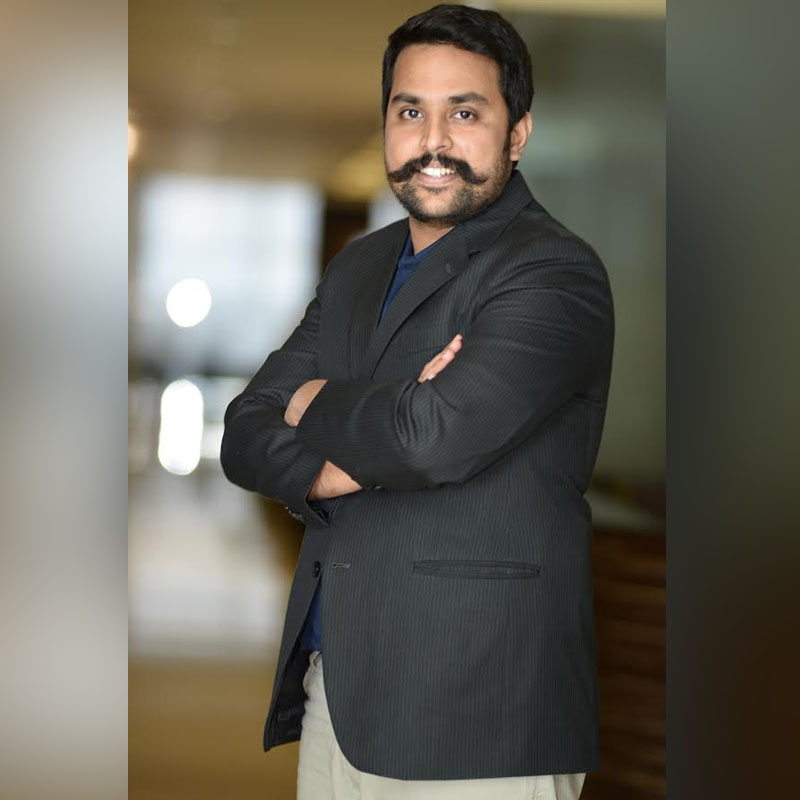
    Starting from one of the biggest Information Technology companies, Wipro Technologies, as a technical facilitator, he pursued young professionals program in general management from Indian Institute of Management, Calcutta. Soon after attaining a degree, he joined American content delivery network (CDN) and cloud services provider Akamai Technologies, Inc. as a relationship manager of emerging customer group in December 2006. Presently serving the company as the regional VP for media in APAC and Japan, Sidharth Pisharoti is a goal-oriented professional known for his alertness in innovating and bringing in new ideas to improve business processes.

    In an interview with indiantelevision.com’s Megha Parmar, Pisharoti shares interesting insights on a variety of topics, including the growing OTT space in India, impact of 4G, changing consumer behavior and the way forward for the entire digital eco-system. Edited excerpts from the interaction:

    Akamai Technologies, Inc. is an American content delivery network (CDN) and cloud services provider headquartered in Cambridge, Massachusetts. The company’s advanced web performance, mobile performance, cloud security and media delivery solutions are said to be revolutionizing how businesses optimize consumer, enterprise and entertainment experiences for any device, anywhere.

    Edited excerpts from the interview:

    Q: Akamai provides several products like web performance, cloud security, media delivery, etc. In a country that’s increasingly getting digital, who would be your Indian customers and how are each of these products faring?

    Akamai is very focussed on India. We are the largest content delivery platform in the world, which also applies to India. We have 3000+ servers, 59 networks across 14 cities in India. If you look at our customer base, we probably have 265 customers here and these are across different industry verticals. We have the customers who are amongst the top five IT services, media services, commerce services segments, apart from top three three stock exchanges in the country. So, whether you talk about IT, media and entertainment, e-commerce, retail or finance, we have customers across all these verticals.

    Q: Over The Top (OTT) is the new buzzword in India as the number of players, both global and local, grows. What is your take on it?

    If we focus on the media and OTT space, it is growing at   fast pace in India. If you look at the number of OTT platforms that are providing content, it is increasing by the day and so are the audience. The good news here is that not just the services are available, but the consumer pattern, behaviour and the adoption too are growing by the day. Earlier, there was a notion that mostly sports, cricket and live cricket are in demand. But that notion has changed a lot in the recent past. It’s not just live content but also on-demand content, episodic content and anytime content that is available out there which is being consumed by the users.

    Q: What could be the reasons for this change in consumer behaviour and consumption patterns?

    What is happening now is that there are more smart phones being available in the market. Even at Akamai, a big chunk of our delivery is happening to smart phones apart from the traditional internet devices. There are two major developments in India.

    First, the smart phone market has changed and accessibility has improved. Today, you can get a decent Android device at Rs 4,000, which is pretty affordable as compared to what it was four-five years ago. Second, the overall infrastructure has improved. Not just launch of Reliance Jio has spurred on other players, but availability of 4G across the different networks has improved too as compared to what it was one year ago. Today, 4G is available almost throughout the country and with Jio’s arrival the reach has further improved.  

    Both the factors are equally important for any kind of content to be consumed, especially when you are talking about OTT, which is primarily consumed by personal computing devices. The screen size is getting smaller and the consumers are increasing. We are moving away from demography of people who believed in the family viewing experience to having a personal single screen for each member in the house.

    Q:When you say more people are consuming more on smart phones, is the time spent on viewing too increasing? If yes, who are these people and what are they watching?

    The viewing time is definitely increasing. If we look at purely episodic content as video on demand (VOD), the viewing time has increased from what it was 18 months ago.  The average time spent was 5-7 minutes, but it has gone up to as high as about 18-20 minutes now. This is a three-fold jump than what the average session brings in. We are seeing an improvement in the viewing time because of these two reasons. Content providers are ready to provide good quality videos without any buffering or start time. That is the experience the consumer wants — he wants a television-like experience. Because content creators are able to provide uninterrupted content, the viewership is going up. It is not yet as big as TV’s, but it is getting there.

    People are watching from across various demographics though we are yet to nail down a particular type of individual watching. We are having difficulty in pinpointing that as of now, but consumers from tier 2 and tier 3 cities and towns are increasing and are coming to our platform.

    Q: What do you think will be the impact of 4G in India? Do you think it will open up choked and inadequate availability of bandwidth?

    Absolutely. We are already seeing 4G’s effects. More and cheaper bandwidths are available with consumers that are improving consumptions. The consumption was not that great earlier because of two factors. One, the availability and affordability of good quality phones and, second, data costs were high. Even four month back, before the launch of Jio, we were talking about Rs 200/ GB. Today we are talking about Rs 50 per GB. I think, in a year from now even this is going to substantially come down. Data has to become like any other affordable commodity. When it becomes the new normal for the consumers, the industry is obviously going to be impacted.

    Q: While players are still experimenting with their models, what, according to you, will stay in long term?

    See, you have to shift the deal. The consumer will either pay for content or for data. Expecting them to pay for both the things is pushing it a bit too much. Today, the reason behind content creators predominantly offering ad-driven content is because they can’t charge for it as the consumer is already paying for the data. When data becomes cheaper, that is when these creators or broadcasters with their platforms can charge for the content.

    To answer your question, it has to be a dual approach. There has to be content that is available on the `freemium’ model with some part being free of cost, that is advertising-supported, and some behind the pay wall for which the subscribers will need to pay. The Indian consumers will adapt to this model slowly. The day data becomes cheaper and easily accessible, that day content providers can make lot more earnings from subscription perspective.

    Q: When you talk about `freemium’ model, payment gateways remain a crucial part. Will making payments online become easier with ongoing digitization and government push towards cashless transactions in the aftermath of currency demonetisation?

    If you had asked me that question a month ago, I would have said this is definitely a challenge. But, now with demonetization happening and the country trying to moving to a cashless economy, cajoled by the PM Modi government to increase of digital wallets, etc, the scenario is undergoing a change. That is good news for all the online players. Not just OTT, but anyone who is selling or buying online benefits from these changes.

    I think in the medium to long term, the problem will resolve, but, right now, not many consumers are comfortable transacting online. It’s less of being comfortable or paying than choosing what they should pay for. For them, paying for data and content is like a double whammy. With data becoming cheaper, consumers will be willing to pay for content. With the new norms that the government is pushing, it will be easier for the consumers to pay through digital wallets.

    Q: A lot of online content creators are betting big on the kids’ space with original content. Do you think there’s demand for kids’ content in India?

    I think it’s a very good genre to be in. If you remove T-Series and Eros content, some of the biggest YouTube channels in India focus on kids’ content and would definitely have large subscriber base. Such channels have original content created by small companies who are purely creating it for kids. So people who are producing kids’ content are going to be benefitted. It is a big genre, which is has eluded the focused of big OTT players.

    Q: What about the regional markets in India?

    Not many players have looked at it separately and are primarily providing content in Hindi or English. If you look at the OTT space today, some of the big players do have regional content, but their catalogue of regional content is not as complusive as their Hindi catalogue. Though a small quantity of original regional content is being produced, OTT platforms are also syndicating it content from some of the south  Indian media houses. Eventually, each of these markets, for example states of Kerala,  Andhra Pradesh or Tamil Nadu, will have one local OTT player who will be the biggest local player in that market with local content. And, there will be cross syndication. So the national players will definitely syndicate content of all languages, but local players will focus on content of their region’s language and will syndicate content from other languages. I think that is the future. Just like the television space where there a few national level TV channels and many in local languages.

    We will have one or two big OTT players — we are already seeing the emergence of two very big ones platforms at a national level — and then we will see each of the Indian states having one big local player.

    Q: But will that not clutter the space or confuse the consumers? What if they want international as well as their regional content together on one platform?

    The current and future generations are the new subscribers or consumers who are getting online. They are already digital and understand only the digital language.  For many of these consumers TV or cable is non-existent as most of their video consumption is online. Unlike in the US, where there are two large players who are catering to the whole market, the scenario in India is different because in the West primarily there is one language (English) that is popular. We have a huge population with different cultures, speaking different languages and dialects and, hence, there is space for more than just two local players.

    Q: Apart from infrastructure problem, what are the other challenges in the current digital space?  

    Another challenge is to put together the video eco-system. Most of these OTT  companies or the media houses are used to broadcast business because that is their bread and butter. In the last 20 years, they have been working on broadcast and they know that after the content is ready, they have to push it through satellite or cable to people’s homes. But digital is a different ball game. Once the content is prepared, it has to go through its own video platform for it to be ready for a satellite or mobile phone. The biggest challenge is the digital media workflow. The first step is content preparation, which basically means that once you get content that’s to be broadcast, you have to encode it or convert it into a format that can be consumed digitally. Then, you have to re-package it to ensure that it fits all the different softwares on different devices.

    The next step is to transport it to all these formats, repackage it again to make sure storage is proper for a content management system and then send it to a content delivery platform. Then you have to get it on your video player and how do you plan to use it in your analytics and reports. This entire media platform workflow is not easy to manage and is a big challenge when lot of people move from traditional broadcast or regular online streaming to a pure OTT platform. The complexities are very high and that is a challenge.

    Q: Online video consumption has also increased digital piracy. Isn’t this a big challenge for content owners too?

    The good news is that there are lot of companies, including us, who offer security services. Using these services combined with DRN, content protection is possible. Security is like insurance. Can someone give you a 100 percent security? No. But, can you give 99.9 per cent security? Yes. Simply because technology is available today. Whether it is securing your application or data centre or media content, Akamai has a a range of security offerings, which help the media customers to help the customers.

    Second, I also believe that piracy exists when there is non-availability of content or when it is expensive to acquire or view. It happens when someone finds some content at a cheaper price than the legal content. But, today content providers are either giving it for free or are offering it at a very nominal price. Hence, they are killing piracy by making content more accessible. People who are involved in digital piracy are not succeeding because that content is anyway available in high quality on a particular device at affordable rates. So, why would a person go and buy pirated content? This is the case for majority of content. Digital piracy is slowly getting killed. The only problem is movies. But again with platforms like Hotstar, they are releasing movies within four-five weeks of a movie’s release.

    Q: Different mix of companies have got into digital space with even DTH operators now active in this space. Who will be the next bunch of customers for them? What is the scenario there?

    It’s an interesting proposition. I believe you will probably have only one leader in that space too. On one hand, you have folks like Tata Sky who have already moved to that model and are leading in that space. On the other hand, you have dittoTV , which offers you a TV-kind of a service. And, then you have telcos like Reliance Jio, which gives similar kind of service. It will be interesting to see how that plays out. I think there will be a consolidation eventually. I don’t think that for a pure play of a bouquet of channels service,  like each of these players are offering, you can have three to four players.

    It’s about curated content, original content and watching content from wherever the consumer wants. As the market is so fragmented, some of the content syndication deals will be interesting. But, I think they will all reach a point wherein they will realise that rather than syndicating the content, it is better to have it under own network as it is more lucrative. When this happens, you will stop seeing content syndication as well. We have to wait and watch. From DTH point of view, we can have more than one large player.

    Q: Do you see Netflix becoming successful in India? Should the Indian platforms worry about its entrance?

    Netflix, as of right now, is a very urban Indian phenomenon. It produces some original content and some premium content that is consumed by a certain section of the population. It can also turn out that their content strategy for India changes in the longer run. As of now, Netflix is not eating into the viewership base of a Hotstar or a Voot. Both these platforms have their separate viewership base, but that might change when the content that they offer changes or gets popular in India.

    I think these Indian players air some of the shows on their platform first before they go on TV. They air some shows before 24-hour of its TV release. Though it is premium subscription, it is available. So, it is not catch-up television. Their strategy is if-you-want-content-before-TV- we-are-providing-it. Eventually, consumers will start accepting that. That is the plan — consumers should first come to a digital platform and then move on to traditional TV broadcast.

    In the longer run, unless global players have a different content strategy for India, I don’t think they can have (subscriber) numbers like some of these local players do. I think the local players have a big edge over Netflix or any other global platform. Incidentally, globally too Netflix has changed its strategy and has started producing original content. It could be either the studios have stopped giving them content or are giving content at a that makes it difficult for content to be monetised by the OTT platform. So, Netflix has started becoming a media house itself. Same thing has to be India specific.

    Q: What are your predictions for the digital eco-system in the year 2017?

    The future should see is decent amount of consolidation.  In terms of pure play Indian content, I think the players who are leading, will continue to lead at a national level. Locally, there is space for few players that will cater to certain languages. Over the next two to three years, content syndication will go down as each of these platforms will get more consumers and, in turn, generate revenues through subscription. Global players will definitely enter India and will get only a handful of subscribers unless their content strategy is different. To achieve that, they will have to spend a lot of energy, resources and money in India. We can probably have maximum of 10 OTT players — three at national level, two global and couple of local providers.

  • Indian players have an edge over global OTT platforms: Akamai’s Sidharth Pisharoti

    Indian players have an edge over global OTT platforms: Akamai’s Sidharth Pisharoti

    Starting from one of the biggest Information Technology companies, Wipro Technologies, as a technical facilitator, he pursued young professionals program in general management from Indian Institute of Management, Calcutta. Soon after attaining a degree, he joined American content delivery network (CDN) and cloud services provider Akamai Technologies, Inc. as a relationship manager of emerging customer group in December 2006. Presently serving the company as the regional VP for media in APAC and Japan, Sidharth Pisharoti is a goal-oriented professional known for his alertness in innovating and bringing in new ideas to improve business processes.

    In an interview with indiantelevision.com’s Megha Parmar, Pisharoti shares interesting insights on a variety of topics, including the growing OTT space in India, impact of 4G, changing consumer behavior and the way forward for the entire digital eco-system. Edited excerpts from the interaction:

    Akamai Technologies, Inc. is an American content delivery network (CDN) and cloud services provider headquartered in Cambridge, Massachusetts. The company’s advanced web performance, mobile performance, cloud security and media delivery solutions are said to be revolutionizing how businesses optimize consumer, enterprise and entertainment experiences for any device, anywhere.

    Edited excerpts from the interview:

    Q: Akamai provides several products like web performance, cloud security, media delivery, etc. In a country that’s increasingly getting digital, who would be your Indian customers and how are each of these products faring?

    Akamai is very focussed on India. We are the largest content delivery platform in the world, which also applies to India. We have 3000+ servers, 59 networks across 14 cities in India. If you look at our customer base, we probably have 265 customers here and these are across different industry verticals. We have the customers who are amongst the top five IT services, media services, commerce services segments, apart from top three three stock exchanges in the country. So, whether you talk about IT, media and entertainment, e-commerce, retail or finance, we have customers across all these verticals.

    Q: Over The Top (OTT) is the new buzzword in India as the number of players, both global and local, grows. What is your take on it?

    If we focus on the media and OTT space, it is growing at   fast pace in India. If you look at the number of OTT platforms that are providing content, it is increasing by the day and so are the audience. The good news here is that not just the services are available, but the consumer pattern, behaviour and the adoption too are growing by the day. Earlier, there was a notion that mostly sports, cricket and live cricket are in demand. But that notion has changed a lot in the recent past. It’s not just live content but also on-demand content, episodic content and anytime content that is available out there which is being consumed by the users.

    Q: What could be the reasons for this change in consumer behaviour and consumption patterns?

    What is happening now is that there are more smart phones being available in the market. Even at Akamai, a big chunk of our delivery is happening to smart phones apart from the traditional internet devices. There are two major developments in India.

    First, the smart phone market has changed and accessibility has improved. Today, you can get a decent Android device at Rs 4,000, which is pretty affordable as compared to what it was four-five years ago. Second, the overall infrastructure has improved. Not just launch of Reliance Jio has spurred on other players, but availability of 4G across the different networks has improved too as compared to what it was one year ago. Today, 4G is available almost throughout the country and with Jio’s arrival the reach has further improved.  

    Both the factors are equally important for any kind of content to be consumed, especially when you are talking about OTT, which is primarily consumed by personal computing devices. The screen size is getting smaller and the consumers are increasing. We are moving away from demography of people who believed in the family viewing experience to having a personal single screen for each member in the house.

    Q:When you say more people are consuming more on smart phones, is the time spent on viewing too increasing? If yes, who are these people and what are they watching?

    The viewing time is definitely increasing. If we look at purely episodic content as video on demand (VOD), the viewing time has increased from what it was 18 months ago.  The average time spent was 5-7 minutes, but it has gone up to as high as about 18-20 minutes now. This is a three-fold jump than what the average session brings in. We are seeing an improvement in the viewing time because of these two reasons. Content providers are ready to provide good quality videos without any buffering or start time. That is the experience the consumer wants — he wants a television-like experience. Because content creators are able to provide uninterrupted content, the viewership is going up. It is not yet as big as TV’s, but it is getting there.

    People are watching from across various demographics though we are yet to nail down a particular type of individual watching. We are having difficulty in pinpointing that as of now, but consumers from tier 2 and tier 3 cities and towns are increasing and are coming to our platform.

    Q: What do you think will be the impact of 4G in India? Do you think it will open up choked and inadequate availability of bandwidth?

    Absolutely. We are already seeing 4G’s effects. More and cheaper bandwidths are available with consumers that are improving consumptions. The consumption was not that great earlier because of two factors. One, the availability and affordability of good quality phones and, second, data costs were high. Even four month back, before the launch of Jio, we were talking about Rs 200/ GB. Today we are talking about Rs 50 per GB. I think, in a year from now even this is going to substantially come down. Data has to become like any other affordable commodity. When it becomes the new normal for the consumers, the industry is obviously going to be impacted.

    Q: While players are still experimenting with their models, what, according to you, will stay in long term?

    See, you have to shift the deal. The consumer will either pay for content or for data. Expecting them to pay for both the things is pushing it a bit too much. Today, the reason behind content creators predominantly offering ad-driven content is because they can’t charge for it as the consumer is already paying for the data. When data becomes cheaper, that is when these creators or broadcasters with their platforms can charge for the content.

    To answer your question, it has to be a dual approach. There has to be content that is available on the `freemium’ model with some part being free of cost, that is advertising-supported, and some behind the pay wall for which the subscribers will need to pay. The Indian consumers will adapt to this model slowly. The day data becomes cheaper and easily accessible, that day content providers can make lot more earnings from subscription perspective.

    Q: When you talk about `freemium’ model, payment gateways remain a crucial part. Will making payments online become easier with ongoing digitization and government push towards cashless transactions in the aftermath of currency demonetisation?

    If you had asked me that question a month ago, I would have said this is definitely a challenge. But, now with demonetization happening and the country trying to moving to a cashless economy, cajoled by the PM Modi government to increase of digital wallets, etc, the scenario is undergoing a change. That is good news for all the online players. Not just OTT, but anyone who is selling or buying online benefits from these changes.

    I think in the medium to long term, the problem will resolve, but, right now, not many consumers are comfortable transacting online. It’s less of being comfortable or paying than choosing what they should pay for. For them, paying for data and content is like a double whammy. With data becoming cheaper, consumers will be willing to pay for content. With the new norms that the government is pushing, it will be easier for the consumers to pay through digital wallets.

    Q: A lot of online content creators are betting big on the kids’ space with original content. Do you think there’s demand for kids’ content in India?

    I think it’s a very good genre to be in. If you remove T-Series and Eros content, some of the biggest YouTube channels in India focus on kids’ content and would definitely have large subscriber base. Such channels have original content created by small companies who are purely creating it for kids. So people who are producing kids’ content are going to be benefitted. It is a big genre, which is has eluded the focused of big OTT players.

    Q: What about the regional markets in India?

    Not many players have looked at it separately and are primarily providing content in Hindi or English. If you look at the OTT space today, some of the big players do have regional content, but their catalogue of regional content is not as complusive as their Hindi catalogue. Though a small quantity of original regional content is being produced, OTT platforms are also syndicating it content from some of the south  Indian media houses. Eventually, each of these markets, for example states of Kerala,  Andhra Pradesh or Tamil Nadu, will have one local OTT player who will be the biggest local player in that market with local content. And, there will be cross syndication. So the national players will definitely syndicate content of all languages, but local players will focus on content of their region’s language and will syndicate content from other languages. I think that is the future. Just like the television space where there a few national level TV channels and many in local languages.

    We will have one or two big OTT players — we are already seeing the emergence of two very big ones platforms at a national level — and then we will see each of the Indian states having one big local player.

    Q: But will that not clutter the space or confuse the consumers? What if they want international as well as their regional content together on one platform?

    The current and future generations are the new subscribers or consumers who are getting online. They are already digital and understand only the digital language.  For many of these consumers TV or cable is non-existent as most of their video consumption is online. Unlike in the US, where there are two large players who are catering to the whole market, the scenario in India is different because in the West primarily there is one language (English) that is popular. We have a huge population with different cultures, speaking different languages and dialects and, hence, there is space for more than just two local players.

    Q: Apart from infrastructure problem, what are the other challenges in the current digital space?  

    Another challenge is to put together the video eco-system. Most of these OTT  companies or the media houses are used to broadcast business because that is their bread and butter. In the last 20 years, they have been working on broadcast and they know that after the content is ready, they have to push it through satellite or cable to people’s homes. But digital is a different ball game. Once the content is prepared, it has to go through its own video platform for it to be ready for a satellite or mobile phone. The biggest challenge is the digital media workflow. The first step is content preparation, which basically means that once you get content that’s to be broadcast, you have to encode it or convert it into a format that can be consumed digitally. Then, you have to re-package it to ensure that it fits all the different softwares on different devices.

    The next step is to transport it to all these formats, repackage it again to make sure storage is proper for a content management system and then send it to a content delivery platform. Then you have to get it on your video player and how do you plan to use it in your analytics and reports. This entire media platform workflow is not easy to manage and is a big challenge when lot of people move from traditional broadcast or regular online streaming to a pure OTT platform. The complexities are very high and that is a challenge.

    Q: Online video consumption has also increased digital piracy. Isn’t this a big challenge for content owners too?

    The good news is that there are lot of companies, including us, who offer security services. Using these services combined with DRN, content protection is possible. Security is like insurance. Can someone give you a 100 percent security? No. But, can you give 99.9 per cent security? Yes. Simply because technology is available today. Whether it is securing your application or data centre or media content, Akamai has a a range of security offerings, which help the media customers to help the customers.

    Second, I also believe that piracy exists when there is non-availability of content or when it is expensive to acquire or view. It happens when someone finds some content at a cheaper price than the legal content. But, today content providers are either giving it for free or are offering it at a very nominal price. Hence, they are killing piracy by making content more accessible. People who are involved in digital piracy are not succeeding because that content is anyway available in high quality on a particular device at affordable rates. So, why would a person go and buy pirated content? This is the case for majority of content. Digital piracy is slowly getting killed. The only problem is movies. But again with platforms like Hotstar, they are releasing movies within four-five weeks of a movie’s release.

    Q: Different mix of companies have got into digital space with even DTH operators now active in this space. Who will be the next bunch of customers for them? What is the scenario there?

    It’s an interesting proposition. I believe you will probably have only one leader in that space too. On one hand, you have folks like Tata Sky who have already moved to that model and are leading in that space. On the other hand, you have dittoTV , which offers you a TV-kind of a service. And, then you have telcos like Reliance Jio, which gives similar kind of service. It will be interesting to see how that plays out. I think there will be a consolidation eventually. I don’t think that for a pure play of a bouquet of channels service,  like each of these players are offering, you can have three to four players.

    It’s about curated content, original content and watching content from wherever the consumer wants. As the market is so fragmented, some of the content syndication deals will be interesting. But, I think they will all reach a point wherein they will realise that rather than syndicating the content, it is better to have it under own network as it is more lucrative. When this happens, you will stop seeing content syndication as well. We have to wait and watch. From DTH point of view, we can have more than one large player.

    Q: Do you see Netflix becoming successful in India? Should the Indian platforms worry about its entrance?

    Netflix, as of right now, is a very urban Indian phenomenon. It produces some original content and some premium content that is consumed by a certain section of the population. It can also turn out that their content strategy for India changes in the longer run. As of now, Netflix is not eating into the viewership base of a Hotstar or a Voot. Both these platforms have their separate viewership base, but that might change when the content that they offer changes or gets popular in India.

    I think these Indian players air some of the shows on their platform first before they go on TV. They air some shows before 24-hour of its TV release. Though it is premium subscription, it is available. So, it is not catch-up television. Their strategy is if-you-want-content-before-TV- we-are-providing-it. Eventually, consumers will start accepting that. That is the plan — consumers should first come to a digital platform and then move on to traditional TV broadcast.

    In the longer run, unless global players have a different content strategy for India, I don’t think they can have (subscriber) numbers like some of these local players do. I think the local players have a big edge over Netflix or any other global platform. Incidentally, globally too Netflix has changed its strategy and has started producing original content. It could be either the studios have stopped giving them content or are giving content at a that makes it difficult for content to be monetised by the OTT platform. So, Netflix has started becoming a media house itself. Same thing has to be India specific.

    Q: What are your predictions for the digital eco-system in the year 2017?

    The future should see is decent amount of consolidation.  In terms of pure play Indian content, I think the players who are leading, will continue to lead at a national level. Locally, there is space for few players that will cater to certain languages. Over the next two to three years, content syndication will go down as each of these platforms will get more consumers and, in turn, generate revenues through subscription. Global players will definitely enter India and will get only a handful of subscribers unless their content strategy is different. To achieve that, they will have to spend a lot of energy, resources and money in India. We can probably have maximum of 10 OTT players — three at national level, two global and couple of local providers.
  • Social media access can be blocked under specific conditions

    Social media access can be blocked under specific conditions

    NEW DELHI: The Government has said that Section 69A of the Information Technology Act 2000 provides for blocking access to information under specific conditions.

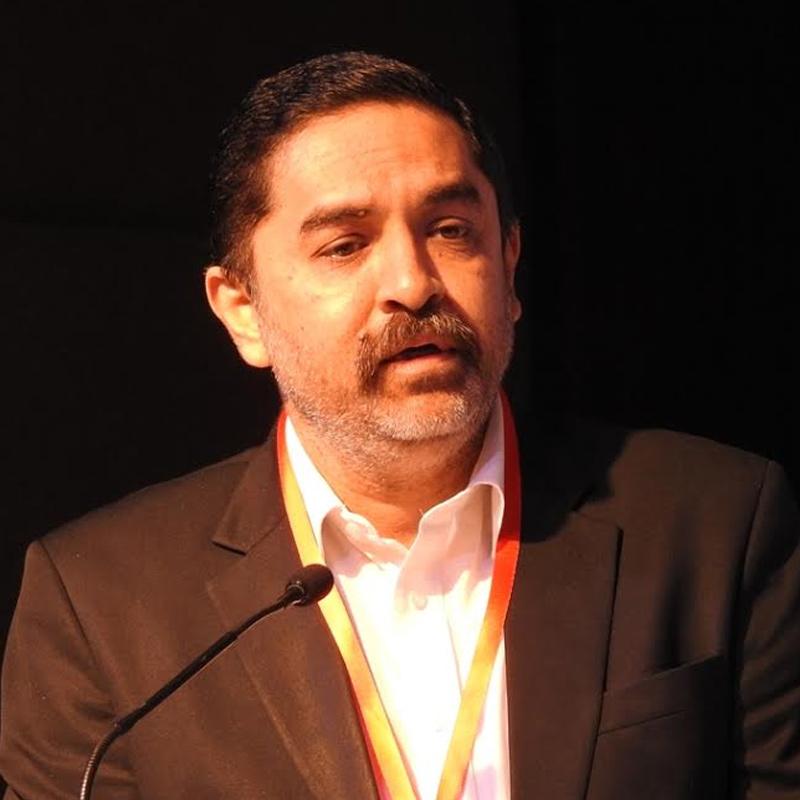
    Answering a question about censoring new platforms for publication and broadcasting of media content like social networks and online video services, the minister of state for information and broadcasting Rajyavardhan Rathore told the Parliament that the Act has provisions for removal of objectionable online content.

    The Information Technology (Intermediary Guidelines) rules 2011 require that the Intermediaries shall observe due diligence while discharging their duties and shall inform the users of computer resources not to host, display, upload, modify, publish, transmit, update or share any information that is harmful, objectionable, affects minors and is unlawful in any way.

    With regard to the use of social media by the Government, he said social media platforms are used to disseminate/ publicise information pertaining to Government policies and programmes.

    The government has set up myGov as a social media platform for enabling greater people participation in matters relating to public policy.

    Meanwhile, the ministry has categorically said it is not contemplating any regulatory framework for censorship of content appearing on the internet.

    As far as OTT was concerned, sources in the ministry told indiantelevision.com that this was still a new subject, and the government would take action in the event of any complaints from viewers and subscribers.

    At present, the government does not certify any programmes coming on television, but the sources reiterated that programming has to be in accordance with the guidelines of the Programme and Advertising Code apart from the Uplink and Downlink Guidelines.

    The information and broadcasting ministry, sources said, has no control over films appearing online as this falls in the ambit of the IT Act which is administered by IT Ministry.

  • Social media access can be blocked under specific conditions

    Social media access can be blocked under specific conditions

    NEW DELHI: The Government has said that Section 69A of the Information Technology Act 2000 provides for blocking access to information under specific conditions.

    Answering a question about censoring new platforms for publication and broadcasting of media content like social networks and online video services, the minister of state for information and broadcasting Rajyavardhan Rathore told the Parliament that the Act has provisions for removal of objectionable online content.

    The Information Technology (Intermediary Guidelines) rules 2011 require that the Intermediaries shall observe due diligence while discharging their duties and shall inform the users of computer resources not to host, display, upload, modify, publish, transmit, update or share any information that is harmful, objectionable, affects minors and is unlawful in any way.

    With regard to the use of social media by the Government, he said social media platforms are used to disseminate/ publicise information pertaining to Government policies and programmes.

    The government has set up myGov as a social media platform for enabling greater people participation in matters relating to public policy.

    Meanwhile, the ministry has categorically said it is not contemplating any regulatory framework for censorship of content appearing on the internet.

    As far as OTT was concerned, sources in the ministry told indiantelevision.com that this was still a new subject, and the government would take action in the event of any complaints from viewers and subscribers.

    At present, the government does not certify any programmes coming on television, but the sources reiterated that programming has to be in accordance with the guidelines of the Programme and Advertising Code apart from the Uplink and Downlink Guidelines.

    The information and broadcasting ministry, sources said, has no control over films appearing online as this falls in the ambit of the IT Act which is administered by IT Ministry.

  • Amagi: KKR-backed Emerald leads US$35 million funding; buys stake

    Amagi: KKR-backed Emerald leads US$35 million funding; buys stake

    MUMBAI: Emerald Media, the Pan-Asia company backed by the leading global investment firm KKR, has been keen to invest in the media and entertainment sector. Today, it announced acquisition of a significant minority stake in Amagi Media Labs (‘Amagi’), the leader in targeted TV advertising and cloud-based TV broadcast infrastructure.

    Premji Invest, the investment arm of Azim Premji (an existing shareholder), is also participating in this combination of primary and secondary US$35 million (Rs 237 crore/ 2.4 billion) Series D round. Mayfield India and Nadathur Holdings will continue to remain invested in Amagi.

    The growth capital from this round of funding will enable Amagi to expand its targeted advertising platforms globally, enter new international markets for its cloud-based managed broadcast services and introduce a host of products to cater to the various needs of TV broadcasters and OTT networks.

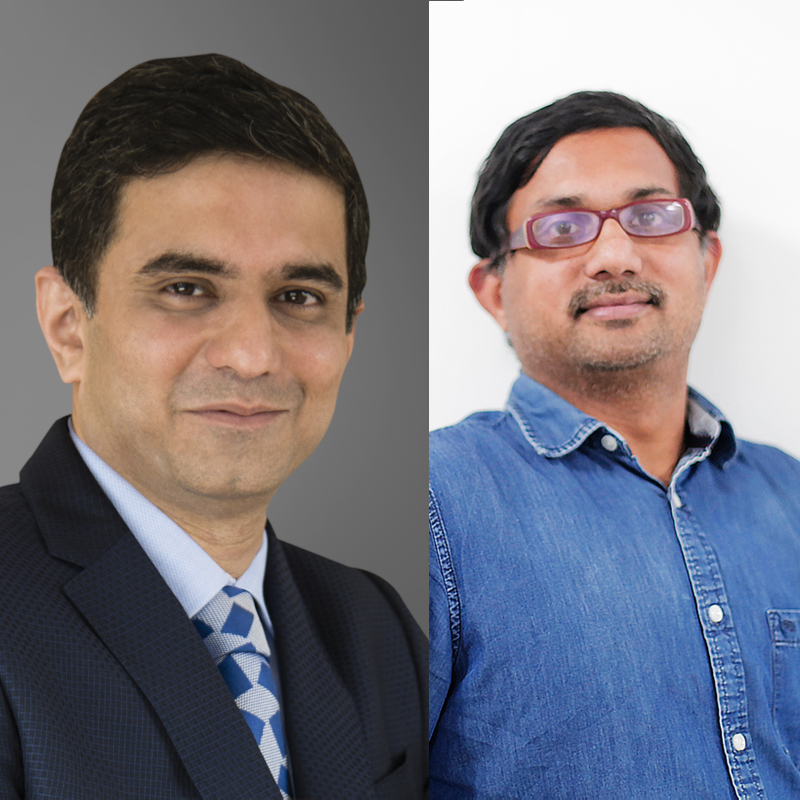
    Emerald Media is led by industry veterans Rajesh Kamat and Paul Aiello, supported by an experienced team of investment and operating executives. Paul and Rajesh together have a combined experience of more than 30 years in the industry and bring a unique blend of operational and investment acumen to their business approach.

    Headquartered in Bengaluru with offices in New York City, London, and Hong Kong, Amagi is a next-generation media technology company providing cloud-based managed broadcast services and targeted advertising platforms to customers, worldwide. Amagi enables TV networks to create a complete broadcast workflow on the cloud and deliver content over satellite, cable, IPTV or OTT (Over-The-Top) platforms. Using Amagi’s patented technologies, advertisers can target audiences at a regional level across traditional TV and OTT multiscreen platforms.

    Amagi has today scaled up to be one of India’s largest TV ad networks, playing around a million ad seconds every month on premium TV channels. With numerous installations of Amagi’s playout and edge insertion servers around the world, they are already a global force in the broadcasting technology domain. Amagi has deployments in over 30 countries for leading TV networks and is India’s largest TV Ad network supporting more than 3,000 brands.

    The growth capital from this round of funding will enable Amagi to expand its targeted advertising platforms globally, enter new international markets for its cloud-based managed broadcast services and introduce a host of products to cater to the various needs of TV broadcasters and OTT networks.

    Amagi co-founder Baskar Subramanian said, “Emerald Media has a strong understanding of the TV broadcast industry and the OTT space. Their domain expertise and regional and global media relationships will help us further leverage the transition of the TV broadcasting industry to the cloud and expand our international footprint.”

    Emerald Media managing director Rajesh Kamat said, “Amagi has harnessed the transformative power of technology (both hardware and software) to change the way TV networks and brands perceive content delivery and monetisation. Emerald will assist Amagi in driving this change by providing a distinctive combination of capital, domain knowledge and management bandwidth.”

    Emerald Media MD Paul Aiello added, “Baskar, Srinivasan and Srividhya are the pioneers of targeted-TV advertisement in India. Amagi’s high degree of workflow automation make TV networks future-ready compared to traditional models.”

  • Amagi: KKR-backed Emerald leads US$35 million funding; buys stake

    Amagi: KKR-backed Emerald leads US$35 million funding; buys stake

    MUMBAI: Emerald Media, the Pan-Asia company backed by the leading global investment firm KKR, has been keen to invest in the media and entertainment sector. Today, it announced acquisition of a significant minority stake in Amagi Media Labs (‘Amagi’), the leader in targeted TV advertising and cloud-based TV broadcast infrastructure.

    Premji Invest, the investment arm of Azim Premji (an existing shareholder), is also participating in this combination of primary and secondary US$35 million (Rs 237 crore/ 2.4 billion) Series D round. Mayfield India and Nadathur Holdings will continue to remain invested in Amagi.

    The growth capital from this round of funding will enable Amagi to expand its targeted advertising platforms globally, enter new international markets for its cloud-based managed broadcast services and introduce a host of products to cater to the various needs of TV broadcasters and OTT networks.

    Emerald Media is led by industry veterans Rajesh Kamat and Paul Aiello, supported by an experienced team of investment and operating executives. Paul and Rajesh together have a combined experience of more than 30 years in the industry and bring a unique blend of operational and investment acumen to their business approach.

    Headquartered in Bengaluru with offices in New York City, London, and Hong Kong, Amagi is a next-generation media technology company providing cloud-based managed broadcast services and targeted advertising platforms to customers, worldwide. Amagi enables TV networks to create a complete broadcast workflow on the cloud and deliver content over satellite, cable, IPTV or OTT (Over-The-Top) platforms. Using Amagi’s patented technologies, advertisers can target audiences at a regional level across traditional TV and OTT multiscreen platforms.

    Amagi has today scaled up to be one of India’s largest TV ad networks, playing around a million ad seconds every month on premium TV channels. With numerous installations of Amagi’s playout and edge insertion servers around the world, they are already a global force in the broadcasting technology domain. Amagi has deployments in over 30 countries for leading TV networks and is India’s largest TV Ad network supporting more than 3,000 brands.

    The growth capital from this round of funding will enable Amagi to expand its targeted advertising platforms globally, enter new international markets for its cloud-based managed broadcast services and introduce a host of products to cater to the various needs of TV broadcasters and OTT networks.

    Amagi co-founder Baskar Subramanian said, “Emerald Media has a strong understanding of the TV broadcast industry and the OTT space. Their domain expertise and regional and global media relationships will help us further leverage the transition of the TV broadcasting industry to the cloud and expand our international footprint.”

    Emerald Media managing director Rajesh Kamat said, “Amagi has harnessed the transformative power of technology (both hardware and software) to change the way TV networks and brands perceive content delivery and monetisation. Emerald will assist Amagi in driving this change by providing a distinctive combination of capital, domain knowledge and management bandwidth.”

    Emerald Media MD Paul Aiello added, “Baskar, Srinivasan and Srividhya are the pioneers of targeted-TV advertisement in India. Amagi’s high degree of workflow automation make TV networks future-ready compared to traditional models.”

  • SonyLIV refreshes its brand identity ‘LIV to Entertain’

    SonyLIV refreshes its brand identity ‘LIV to Entertain’

    MUMBAI: SonyLIV has yet again proved its status as a pioneer of innovation in its industry by unveiling a refreshed brand identity.

    The renewed brand ethos “We LIV to Entertain” promises to make SonyLIV the ultimate destination for rich entertainment across genres, screen types and audience preferences. With its new positioning, the brand underlines its commitment to fulfilling the most basic and pressing of human needs – that for robust, high-quality entertainment.

    To complement its brand ethos, SonyLIV has also rolled out a new logo which encompasses a full spectrum of colours with a young, energetic and self-effacing approach. The logo itself represents the brand’s reinvigorated emphasis on filling the lives of viewers with vivid entertainment that covers the key aspects of variety, depth, novelty, relevance and popularity.

    In order to create top-of-the-mind recall, SonyLIV has also launched a highly riveting brand film which has been shot in Romania, the birthplace of the immortal circus – the genesis of interactive entertainment. At the heart of the film is the figure of the eternal entertainer, the clown and the message is driven home with the refrain Kamaal dikhaana, Kamaal ka kaam hai (It’s no mean feat to keep everyone entertained). Through the film, SonyLIV has positioned itself as the theatre of emotions which has the ability to amplify every feeling and thought of the viewer with engaging and evocative content.

    Link to the brand film: http://www.sonyliv.com/details/promos/5237443992001/Sony-LIV—We-LIV-To-Entertain

    Sony LIV digital business EVP and business head Uday Sodhi said, “For the last four years, SonyLIV has enjoyed a pioneering and undisputed leadership position in India’s digital entertainment industry. As OTT content becomes more ubiquitous, it is time for us to renew our brand focus and differentiate ourselves on the key facets our viewers identify us by; that of providing them rich, stimulating and thought-provoking entertainment.”

    “We pioneered the concept of original web-series in the country and have also been instrumental in bringing audiences closer to the most popular sporting action from across the world. We decided to, therefore, re-energise our brand identity in conjunction with these USPs and clearly establish SonyLIV as the ultimate provider of entertainment, irrespective of screen, genre or audience segment. Our new positioning, ‘We LIV to Entertain’ is sure to connect with one and all.”

  • SonyLIV refreshes its brand identity ‘LIV to Entertain’

    SonyLIV refreshes its brand identity ‘LIV to Entertain’

    MUMBAI: SonyLIV has yet again proved its status as a pioneer of innovation in its industry by unveiling a refreshed brand identity.

    The renewed brand ethos “We LIV to Entertain” promises to make SonyLIV the ultimate destination for rich entertainment across genres, screen types and audience preferences. With its new positioning, the brand underlines its commitment to fulfilling the most basic and pressing of human needs – that for robust, high-quality entertainment.

    To complement its brand ethos, SonyLIV has also rolled out a new logo which encompasses a full spectrum of colours with a young, energetic and self-effacing approach. The logo itself represents the brand’s reinvigorated emphasis on filling the lives of viewers with vivid entertainment that covers the key aspects of variety, depth, novelty, relevance and popularity.

    In order to create top-of-the-mind recall, SonyLIV has also launched a highly riveting brand film which has been shot in Romania, the birthplace of the immortal circus – the genesis of interactive entertainment. At the heart of the film is the figure of the eternal entertainer, the clown and the message is driven home with the refrain Kamaal dikhaana, Kamaal ka kaam hai (It’s no mean feat to keep everyone entertained). Through the film, SonyLIV has positioned itself as the theatre of emotions which has the ability to amplify every feeling and thought of the viewer with engaging and evocative content.

    Link to the brand film: http://www.sonyliv.com/details/promos/5237443992001/Sony-LIV—We-LIV-To-Entertain

    Sony LIV digital business EVP and business head Uday Sodhi said, “For the last four years, SonyLIV has enjoyed a pioneering and undisputed leadership position in India’s digital entertainment industry. As OTT content becomes more ubiquitous, it is time for us to renew our brand focus and differentiate ourselves on the key facets our viewers identify us by; that of providing them rich, stimulating and thought-provoking entertainment.”

    “We pioneered the concept of original web-series in the country and have also been instrumental in bringing audiences closer to the most popular sporting action from across the world. We decided to, therefore, re-energise our brand identity in conjunction with these USPs and clearly establish SonyLIV as the ultimate provider of entertainment, irrespective of screen, genre or audience segment. Our new positioning, ‘We LIV to Entertain’ is sure to connect with one and all.”

  • ATF 2016 discusses secret sauce for Asian OTT’s successes

    ATF 2016 discusses secret sauce for Asian OTT’s successes

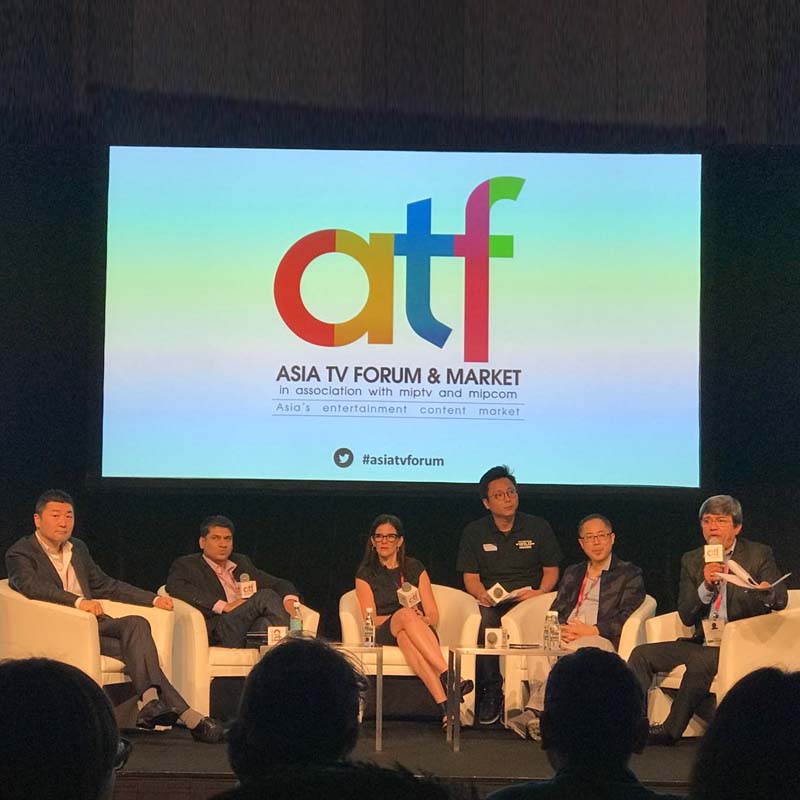
    SINGAPORE: The media and entertainment industry is known for its dynamic and unpredictable nature. With digital media taking an upward turn, over the top services are slowly making a mark and challenging traditional viewing methods. To address how effective are the various OTT models, the pre-ATF market conference on 6 December witnessed the session ‘View From Over The Top.’

    The discussion was led by IndianTelevision.com group founder, CEO and editor-in-chief Anil Wanvari, and covered the scope of the new content buyers in the online evolution and the success in re-aligning company strategies to meet new demands.

    The panelists consisted of an interesting bunch of execs whose services are as different as chalk and cheese: Hulu Japan (Japan), chief content officer, Kazufumi Nagasawa; Singapore-based Hooq co-founder and chief content officer, Krishnan Rajagopalan; LeTV (China), chief executive producer, Hao Fang; and US-based AwesomnessTV head of worldwide distribution, Rebecca Glashow.

    Wanvari set the ball rolling by questioning whether OTT as a business concept is a pipe dream or a reality. “OTT services have not really made a dent on viewing habits for a large part in Asian markets where television viewing is still rating high with consumers,” he stated. “Yet close to 100 or so OTT/VOD services have launched in various Asian nations. No one knows what the right business model is — Is it AVOD? Is it TVOD? Or, is it SVOD? Or is it a freemium model? Or is it a telco-bundled/TV set-bundled service? What is the pricing sweet spot? How much time will it take to build them into viable businesses? It looks like the OTT industry looks like what the cable and satellite TV industry did in the early nineties across Asia. The broadcasters were making losses and kept on bleeding for a decade or so. Will the same happen to OTT? And, what could help accelerate its fortunes better? Is it data costs? Or consumer education?”

    The panelists then went to on to talk about how they were each dealing with the market’s challenges. With China being the largest market in terms of mobile subscribers, LeTV took a strategic decision to bundle its streaming service platform with ‘Le’ mobile phones and in Hong Kong with its TVs. Consumers got LeTV free for varying periods as it was built into the price of the hardware.

    On the other hand, Hooq, being a comparatively young player in the market, Rajagopalan mentioned that the Asian audience is slowly getting used to the idea of paid services. Hooq has strong partnerships with telcos such as Singtel, Airtel, Vodafone, Globe Telecom, Telkomsel in different regions as it rolls out. Partnering with other companies has enabled Hooq to reach out to consumers who might be unaware of Hooq or don’t want to shell out money as it’s a SVOD service. Hooq launched in Singapore in end-November adding to Indonesia, Philippines, India and Thailand – countries in which it has been investing.

    AwesomnessTV follows a completely different approach; it perceives itself as a content creator for all the screens – TV, theatre, mobile, tablet – and its MCN strategy is totally a separate kettle of fish. Its advantage is that it has a strong millennial content focus on account of it strong digital talent. This has landed it deals with various platforms: Verizon for its Go90 mobile service; with ITV2 in the UK for which it is developing a millennial targeted commissioned programme block. A slate of feature films is also in the offing.

    And because its productions have a slew of digital stars it uses their online social media following to tease their fans and lure them to watch the content it creates for the other screens. Glashow said that she was in Asia to explore and evaluate opportunities and build partnerships to help it with its Asian foray. With enough money from its varied parents right from Verizon to Dreamworks Animation and Hearst Entertainment, it can afford to be ambitious for the continent as well.

    Hulu Japan – which is owned wholly by the broadcaster Nippon TV after Hulu exited a few years ago — follows the SVOD model, and has partnered with the Japanese major telco DoCoMo. As far as content is concerned, Nagasawa said that the OTT service has an international to domestic content ratio of 50:50. The service offers its users a smorgasbord of international top series as well as domestically produced content. Production budgets vary from 10,000 dollars to as much as a million dollars.

    Nagasawa said he has plans to make Hulu a one-stop-destination for consumers as the company plans to expand its linear streaming service to include transactional video on demand (TVoD) and electronic sell-through.

    Speaking about original content production, Hooq which recently released the trailer of its first original co-produced show ‘On The Job’ at ATF, Rajagopalan commented: “We have converted a movie into a TV series and are paying more than what goes into the production of a TV show as with multiple business models existing, content differentiation is the key to success. And that’s where the focus should be.”

    Stressing the same fact, Fang added, “While creating our content, we almost feel as if we are buying a building as it costs us around RMB four to five billion! We want to produce more original content but it is difficult.”

    When asked by Wanvari what kind of content and partners are the panelists looking for, Ramagopalan said that it all depends on how differentiated the content is. Glashow advised, “Before producing anything, know your audience and then reach out to them. For us, our client is the audience and so we take feedback from them and listen to what they want.” And, Fang revealed that LeTV is keeping an open mindset and is willing to participate with everyone.

  • ATF 2016 discusses secret sauce for Asian OTT’s successes

    ATF 2016 discusses secret sauce for Asian OTT’s successes

    SINGAPORE: The media and entertainment industry is known for its dynamic and unpredictable nature. With digital media taking an upward turn, over the top services are slowly making a mark and challenging traditional viewing methods. To address how effective are the various OTT models, the pre-ATF market conference on 6 December witnessed the session ‘View From Over The Top.’

    The discussion was led by IndianTelevision.com group founder, CEO and editor-in-chief Anil Wanvari, and covered the scope of the new content buyers in the online evolution and the success in re-aligning company strategies to meet new demands.

    The panelists consisted of an interesting bunch of execs whose services are as different as chalk and cheese: Hulu Japan (Japan), chief content officer, Kazufumi Nagasawa; Singapore-based Hooq co-founder and chief content officer, Krishnan Rajagopalan; LeTV (China), chief executive producer, Hao Fang; and US-based AwesomnessTV head of worldwide distribution, Rebecca Glashow.

    Wanvari set the ball rolling by questioning whether OTT as a business concept is a pipe dream or a reality. “OTT services have not really made a dent on viewing habits for a large part in Asian markets where television viewing is still rating high with consumers,” he stated. “Yet close to 100 or so OTT/VOD services have launched in various Asian nations. No one knows what the right business model is — Is it AVOD? Is it TVOD? Or, is it SVOD? Or is it a freemium model? Or is it a telco-bundled/TV set-bundled service? What is the pricing sweet spot? How much time will it take to build them into viable businesses? It looks like the OTT industry looks like what the cable and satellite TV industry did in the early nineties across Asia. The broadcasters were making losses and kept on bleeding for a decade or so. Will the same happen to OTT? And, what could help accelerate its fortunes better? Is it data costs? Or consumer education?”

    The panelists then went to on to talk about how they were each dealing with the market’s challenges. With China being the largest market in terms of mobile subscribers, LeTV took a strategic decision to bundle its streaming service platform with ‘Le’ mobile phones and in Hong Kong with its TVs. Consumers got LeTV free for varying periods as it was built into the price of the hardware.

    On the other hand, Hooq, being a comparatively young player in the market, Rajagopalan mentioned that the Asian audience is slowly getting used to the idea of paid services. Hooq has strong partnerships with telcos such as Singtel, Airtel, Vodafone, Globe Telecom, Telkomsel in different regions as it rolls out. Partnering with other companies has enabled Hooq to reach out to consumers who might be unaware of Hooq or don’t want to shell out money as it’s a SVOD service. Hooq launched in Singapore in end-November adding to Indonesia, Philippines, India and Thailand – countries in which it has been investing.

    AwesomnessTV follows a completely different approach; it perceives itself as a content creator for all the screens – TV, theatre, mobile, tablet – and its MCN strategy is totally a separate kettle of fish. Its advantage is that it has a strong millennial content focus on account of it strong digital talent. This has landed it deals with various platforms: Verizon for its Go90 mobile service; with ITV2 in the UK for which it is developing a millennial targeted commissioned programme block. A slate of feature films is also in the offing.

    And because its productions have a slew of digital stars it uses their online social media following to tease their fans and lure them to watch the content it creates for the other screens. Glashow said that she was in Asia to explore and evaluate opportunities and build partnerships to help it with its Asian foray. With enough money from its varied parents right from Verizon to Dreamworks Animation and Hearst Entertainment, it can afford to be ambitious for the continent as well.

    Hulu Japan – which is owned wholly by the broadcaster Nippon TV after Hulu exited a few years ago — follows the SVOD model, and has partnered with the Japanese major telco DoCoMo. As far as content is concerned, Nagasawa said that the OTT service has an international to domestic content ratio of 50:50. The service offers its users a smorgasbord of international top series as well as domestically produced content. Production budgets vary from 10,000 dollars to as much as a million dollars.

    Nagasawa said he has plans to make Hulu a one-stop-destination for consumers as the company plans to expand its linear streaming service to include transactional video on demand (TVoD) and electronic sell-through.

    Speaking about original content production, Hooq which recently released the trailer of its first original co-produced show ‘On The Job’ at ATF, Rajagopalan commented: “We have converted a movie into a TV series and are paying more than what goes into the production of a TV show as with multiple business models existing, content differentiation is the key to success. And that’s where the focus should be.”

    Stressing the same fact, Fang added, “While creating our content, we almost feel as if we are buying a building as it costs us around RMB four to five billion! We want to produce more original content but it is difficult.”

    When asked by Wanvari what kind of content and partners are the panelists looking for, Ramagopalan said that it all depends on how differentiated the content is. Glashow advised, “Before producing anything, know your audience and then reach out to them. For us, our client is the audience and so we take feedback from them and listen to what they want.” And, Fang revealed that LeTV is keeping an open mindset and is willing to participate with everyone.