Tag: OTT regulation

  • Parliamentary panel to review OTT content amidst regulatory debate

    Parliamentary panel to review OTT content amidst regulatory debate

    MUMBAI: Imagine this: you’re unwinding with your favorite show, only to frantically fumble for the remote as a scene unfolds that you’d rather your child never see—graphic violence, explicit language, or worse, nudity. Frustrated by the glamorisation of crime and violence in thrillers that could inspire the impressionable? It’s a moment every parent dreads, and a dilemma households across the country face in today’s era of on-demand entertainment.

    But here’s the big news: relief might finally be on the way.

    In a move poised to reshape how we consume digital content, the Parliamentary Standing Committee on Communications and Information Technology is stepping in. Mark your calendars for 20 December, when the committee will meet with leading industry bodies to tackle the hot-button issue of content regulation on OTT platforms. As debates intensify between calls for stricter government oversight and advocates of self-regulation under the IT Rules, 2021, the stage is set for what could be a landmark decision in the OTT landscape.

    This is a moment of mixed emotions—hope for a more family-friendly streaming experience, but also trepidation over potential restrictions that might stifle creativity. One thing is certain: change is brewing, and all eyes are now on the committee’s crucial meeting.

    The committee, chaired by Lok Sabha member Nishikant Dubey, has invited organisations such as the Indian Motion Picture Producers’ Association and the Motion Picture Association of America (India office) to present their views. This dialogue follows Information and Broadcasting minister Ashwini Vaishnaw’s request to prioritise strengthening laws governing social media and OTT platforms.

    Dubey emphasised the urgency of addressing content concerns, particularly regarding portrayals of women, obscenity, and vulgarity. “OTT platforms often feature content unsuitable for family viewing. Our meeting with industry stakeholders will address these pressing issues,” he said.

    Last month, Vaishnaw highlighted cultural disparities between India and foreign regions housing platforms like Netflix and Prime Video. He stressed the need for stricter regulations, citing examples such as Netflix’s portrayal of the 1999 Indian Airlines hijacking in IC-814: The Kandahar Hijack. The series faced criticism for inaccuracies, prompting Netflix to update its disclaimers.

    Industry bodies such as the Indian Digital Media Industry Foundation (IDMIF) and the Internet and Mobile Association of India (IAMAI) have pushed for retaining the current self-regulatory framework. Both organisations argue that platform-level self-regulation under IT Rules ensures creative freedom while adhering to constitutional boundaries.

    In August, IDMIF and IAMAI assured MIB that their members comply with the code of ethics, avoiding content harmful to India’s sovereignty, security, and public order. They also highlighted caution in portraying racial or religious groups.

    As the government explores options like pre-certification for OTT content, industry bodies have urged against additional oversight. They advocate for maintaining the balance between creative expression and compliance.

    The 20 December meeting is poised to shape the future regulatory framework for OTT platforms in India, balancing creative freedom, cultural sensitivities, and legal accountability.

  • SC favours OTT guidelines, says screening needed

    SC favours OTT guidelines, says screening needed

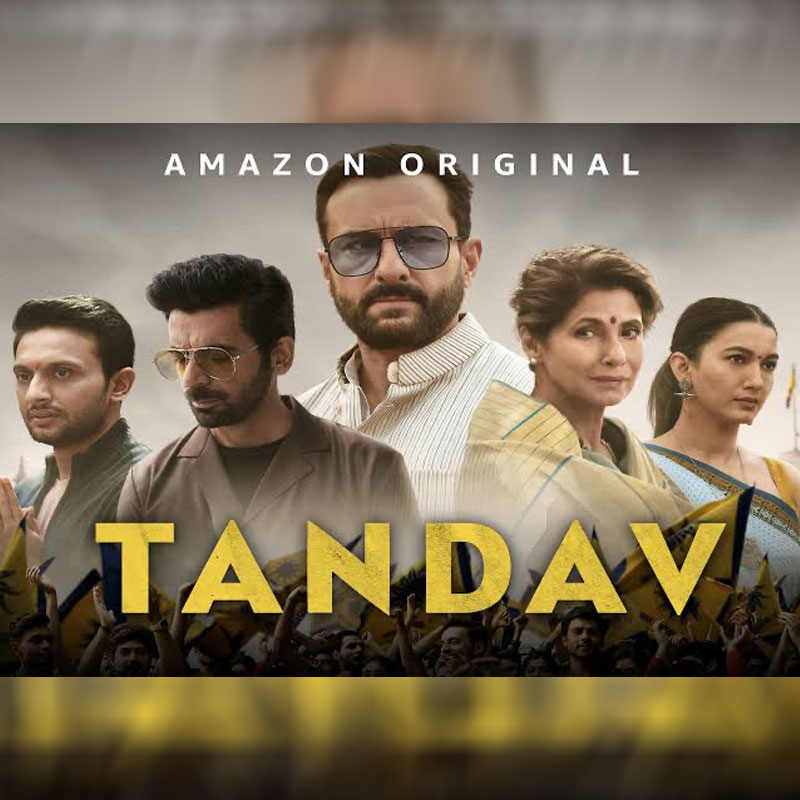
    KOLKATA: The Supreme Court on Thursday remarked that there should be pre-censorship of OTT content like films while hearing a plea by Amazon Prime Video India originals head Aparna Purohit. She had moved the apex court challenging Allahabad high court order denying anticipatory bail to her in connection with the Tandav controversy.

    "We are of the view that some screening of OTT content should take place,” the bench comprising justices Ashok Bhushan and S Subhash Reddy said. "In fact, some platforms even show pornography.”

    Being informed of the new rules announced by the government to regulate OTT content, the bench directed solicitor-general Tushar Mehta to place the rules on record and circulate it.

    Senior advocate Mukul Rohatgi, appearing for Purohit, stated that it was shocking that she, neither a producer, nor an actor, has still been made an accused in the cases against Tandav. The Allahabad high court had rejected Purohit’s bail plea on 25 February, pronouncing that “…the applicant had not been vigilant and has acted irresponsibly making her open to criminal prosecution in permitting streaming of a movie which is against the fundamental rights of the majority of citizens of this country.”

    The matter will be again taken up on Friday.

    Tandav, which premiered on Amazon Prime in January this year, has been embroiled in a series of controversies. A petition was filed against the makers and actors for hurting religious sentiments by mocking Hindu deities in some scenes of the web series. They were also accused of showing the Uttar Pradesh police in bad light. Multiple complaints – including three FIRs in Uttar Pradesh – were filed against the makers of the show as well as the actors involved.

    Yesterday, Amazon Prime Video once again issued an unconditional apology for the “objectionable” scenes in Tandav, and reiterated that all such scenes were deleted or edited.

  • OTT platforms may soon adopt self-censorship

    OTT platforms may soon adopt self-censorship

    MUMBAI:  Leading OTT players clearly don’t want the government interfering with their content or creating rules like broadcast. So, Netflix, Hotstar, Reliance Jio and some other streaming services may soon adopt a voluntary censorship code.

    As part of the code, the platforms will remove content that has been banned by the courts and that disrespects the national flag, emblem, hurts religious sentiments or promotes violence or terrorism against the country, or even shows children in sexual acts. These are codes that even the broadcast industry follows.

    Economic Times citing sources reported on the self-censorship initiative. However, tech companies including Amazon, Facebook and Google are unlikely to sign up for the code as this move of could set an example of how to regulate internet and meddle with creative freedom.

    The code is likely to include a “redressal mechanism” allowing the users of the streaming platform to issue complain in case they think that the over-the-top (OTT) services have violated the code. Eventually, this mechanism may transform in an “adjudicatory body” that will resolve the complaints filed by the customers.

    According to the report, ZEE5, Times Internet, Eros Now and AltBalaji are in favour of the code and the Internet and Mobile Association of India (IAMAI) is facilitating the process. It also added that the players who don’t think it as a very wise step opine it would lead to an unnecessarily nervous environment and validates the government’s point of view that the internet needs regulation.

    Allegedly, the whole process has been opaque and closed-door while content creators have not been included in the discussions. The opposition group to the court also believes the process has been swayed by companies that want OTT companies to be at a more level playing field with broadcasters.