Tag: OTT platforms

  • Advertisers shifting focus to OTT for brand safe environmentAdvertisers shifting focus to OTT for brand safe environment

    Advertisers shifting focus to OTT for brand safe environmentAdvertisers shifting focus to OTT for brand safe environment

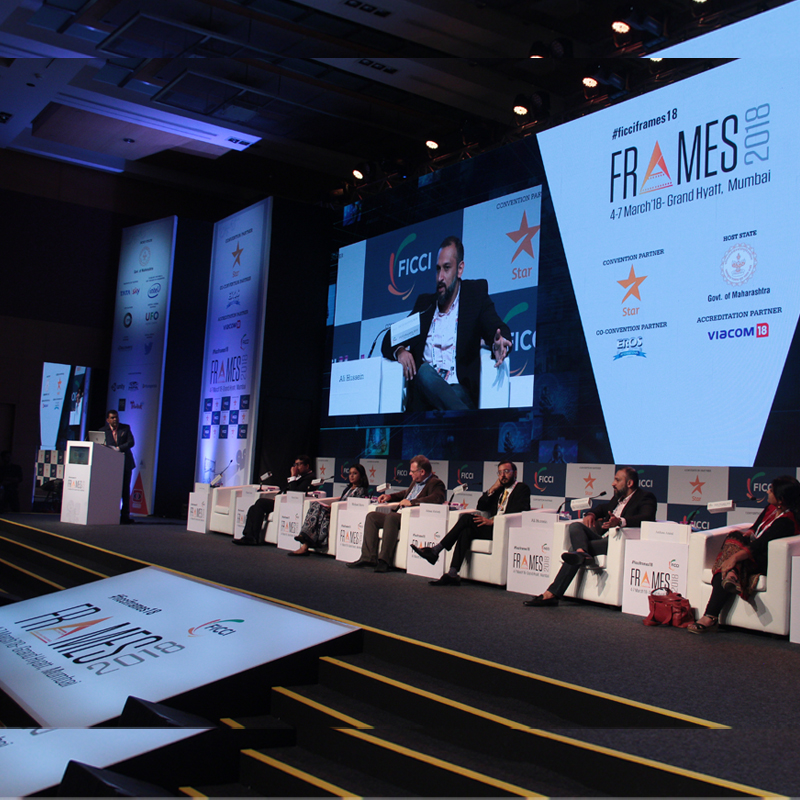
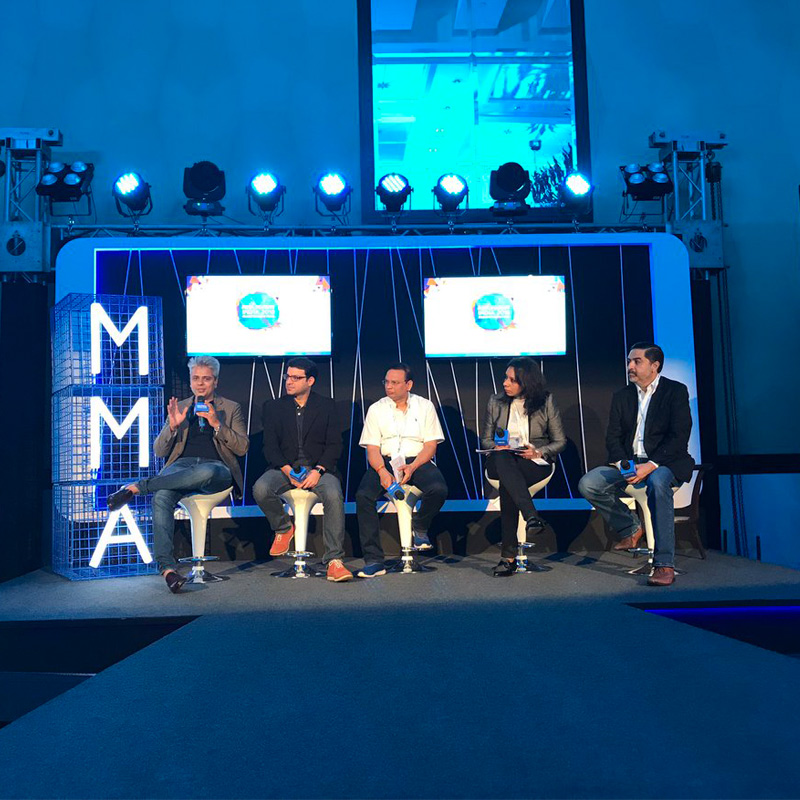
    MUMBAI: Over-the-top (OTT) platforms in India have reached a tipping point with growth in internet users. The change in viewing habit is also altering the way brands want to communicate with consumers. Despite the shift towards OTT platforms, social media giant YouTube remains the dominant player in digital advertising space. Experts from the ecosystem discussed how these players can attract more money focusing on some shortcomings in a session ‘Video 2.0- Time to Pay?’.
    The event was organised by Mobile Marketing Associations India. Hotstar EVP & chief marketing officer Sidharth Shakdher, Sony Pictures Networks India digital business head Uday Sodhi, Isobar South Asia, India group MD Shamsuddin Jasani, Patanjali Ayurved Ltd CGM, and marketing head Avinash Kumar took part in the session that was moderated by Neena Dasgupta, CEO and director Zirca Digital Solutions.

    Dasgupta started the session asking what have been the major shifts in recent time. Jasani mentioned two new trends- one is the high focus on collecting data in the right manner, especially after the rollout of GDPR and the second is the surged demand for a brand safe environment. Brands(http://www.indiantelevision.com/iworld/social-media/facebook-watch-has-its-work-cut-out-in-video-content-creation-180912), as well as agencies, now want their advertisements to appear in the proper content. He cited examples of content owners and creators like SonyLIV and Hotstar which are extremely brand safe.
    The moderator raised a question as to why 70 per cent of revenue still goes to YouTube(http://www.indiantelevision.com/iworld/over-the-top-services/local-ott-players-not-distressed-by-youtubes-originals-plan-180918), the walled garden, while OTT platforms have a good hold over content. Hotstar’s Shakdher said a large number of brands now want to place their ad where content is safe. “Just reach for the sake of reach does not mean anything,” he commented. He also cited the example of Patanjali.

    Avinash Kumar, the exec from the largest domestic FMCG brand also acknowledged the importance of the safe environment. For a brand like Patanjali which reflects “high world value” being deep rooted in Indian culture, putting its ads in the proper place is very important. According to him, a clear shift is visible. Though it started with YouTube, realising the lack of curated content and facility to interact in a safe environment, it moved out. It now only interacts through OTT platforms and considerably works with both Hotstar and SonyLIV whose representatives were present on the stage.
    Kumar, on the other hand, pointed out YouTube’s advantages along with the difficulties of OTT platforms on which they can work. Google’s video streaming service is not only free but also leaves the highest choice for content. He said OTT platforms need to have more content options as well as democratise the payment for content in a way that Jio has achieved in data consumption.
    “There is need of OTT platform, as well as YouTube. It is not an us versus them. So for example when we are doing something for a brand, we have in the mix both as there are different KPIs for different segments,” Jasani said.
    Moreover, Dasgupta added a counterpoint to the fact that Indians don’t want to pay for content. OTT platforms garner 20-22 per cent of the revenue from subscription, which is expected to reach 40 per cent in the next five years.

    Jasani at the start of the session only highlighted that the underlying strength of digital has always been data. While OTT platforms have a huge amount of data as well, the question is if consumers are ready to pay for that data.
    Uday Sodhi said the first steps are definitely being taken already. The movement of money from all other mediums is shifting towards OTT platforms which indicates these platforms definitely carry some value. According to him, these added values help to OTT players get higher rates for ads than others. “Now we are able to sell the inventories on most popular events or shows through which a brand can easily target its defined TG, which for me is the subtle way of targeting, and they are ready to pay for it,” he added. He also mentioned for events like FIFA, IPL, KBC, brands don’t mind to buy premium inventory.
    However, the events merely don’t attract brands. The affordability, right moment, target audience also play a key role. “We should make every ad dollar count. When you are buying a sporting event, you are buying demographic of the event. You don’t buy cricket for sake of cricket. You know demographic composition, product proposition. It’s never a black and white decision,” Shakdher commented.
    Interestingly, before Patanjali buys inventory on OTT, it first goes to the traditional TV to compare rates. If it sees an OTT platform ranking at the top, then it goes ahead. Getting a brief from the OTT platform it goes back to TV to compare the affordability it is getting on the digital platform.
    However while OTT platforms provide better facilities than TV, Patanjali’s Kumar thinks in terms of getting consumer data back the two mediums don’t have much difference.

    “Let’s say I am buying a spot at whatever price, what I am getting out of spending on it is as simple as TV data. You have an image and video fingerprint, you have lots of AI which can put actually the kind of geography and customers I am trying to reach. Do I get that data back from Hotstar or SonyLIV? In fact, we are operating in the same environment as TV. You give us few cookies we cannot decipher,” he pointed out stating the “biggest challenge” for OTT players. In addition to that, there is no accurate data available for digital like TV ratings or BARC data.
    The session ended on a note that it is not about competition between TV and OTT, it is more about whether brands are willing to invest and support in data. Such willingness from brands can enable freemium or AVoD OTT platforms to create better content and engagement, ultimately leading to higher engagement for brands.
  • ALTBalaji’s Sethi reaffirms faith in originals

    ALTBalaji’s Sethi reaffirms faith in originals

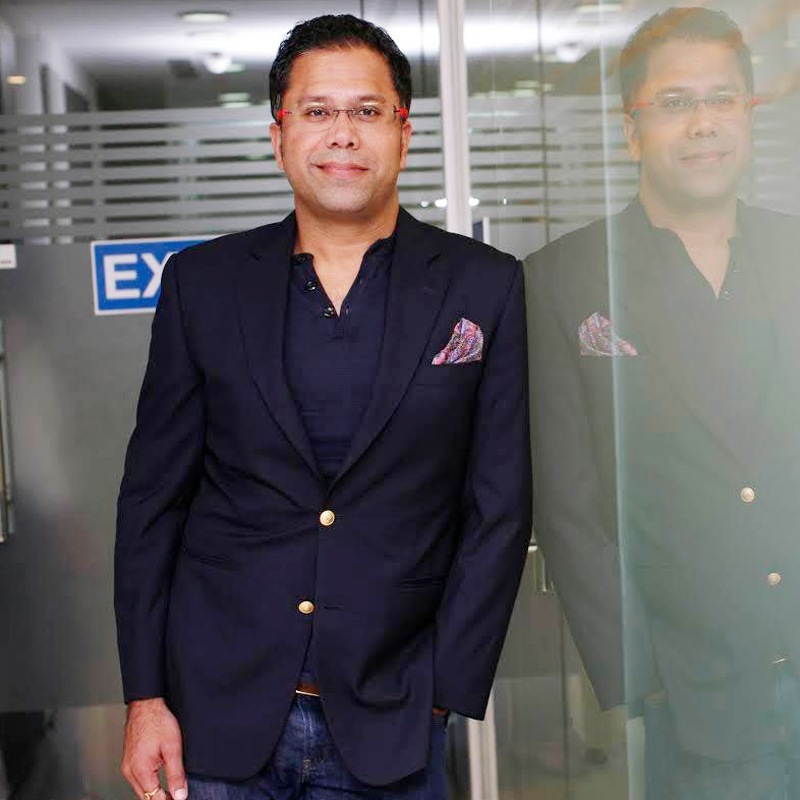
    MUMBAI: Among the plethora of over-the-top (OTT) players that sprung up in the Indian market, we have Balaji Telefilms’ ALTBalaji, which is striving to understand content through the eyes of its customers. The platform takes customer feedback seriously to predict which content will work.

    After gaining positive audience reactions for Bose: Dead/Alive, Kehne Ko Humsafar Hain and Haq Se, the platform may return with Haq Se season 2 as ALTBalaji CMO Manav Sethi confirmed in an interaction with Indiantelevision.com.

    With smartphones personalising everything, content is not left out of this change. Leveraging the shift in viewing patterns, OTT platforms are not only coming up with originals but also content of different genres to cater to every segment of the audience. According to a Deloitte report, Indian players have set aside about Rs 3300 crore for original content production.

    Despite the emphasis on original content by national as well as international players, a recently published report said that only 20 per cent of users in the US watched originals on Netflix. The other 80 per cent predominantly saw shows such as Breaking Bad, The Office, and Grey’s Anatomy. In that context, when asked if OTT platforms’ dependence on originals was overstated, Sethi reiterated the importance of originals for ALTBalaji.

    While ALTBalaji’s big hits-Bose:Dead / Alive, Kehne Ko Humsafar Hain, Haq Se, The Test Case, Ragini MMS Returns-were acclaimed by viewers, a variety of audiences tuned in. Some of the shows were adored by metro cities while some enjoyed popularity in small towns. According to estimates, OTT users are likely to exceed 355 million by 2020, faster if internet services improve.

    “There are certain stories that the small towns have evolved to appreciate. Kehne Ko Humsafar Hain, Karrle Tu Bhi Mohabbat, those shows did very well in small towns. There were actors from TV and household stories, which audiences could relate to,” Sethi said.

    Right now, the platform is bursting at the seams with 50 shows from various genres such as comedy and drama, each at different stages of execution. Many hit shows are being brought back for the second season among which Kehne Ko Humsafar Hain and Dev DD have already been announced.

    Indians can’t seem to get enough of drama with it being the favourite choice on ALTBalaji, too. A new genre combining horror and sex, which Sethi refers to as horrex, is the largest growing genre consumed by ALTBalaji consumers.

    The company is very frugal when it comes to marketing spends. “Our marketing strategy has been very out in the open. We spend most of the money on digital. We don’t believe in spending irrationally and in an exaggerating manner. We are focusing on acquiring the viewers and the subscribers,” Sethi said.

    “We keep focusing on content and analytics. We’re taking cognisance of all the signals our consumers give such as whether they like our shows, don’t like them, where the major dropouts are happening or which episode saw largest number of dropouts,” he added.

    Ever since launch, ALTBalaji has focussed on originals while competitors have dived into areas like sports and catch-up. International competitor Netflix has earmarked $6 billion for original and licenced content with a significant chunk for India. Amazon is spending $300 million in India for acquiring Bollywood movies and originals.

    While the international players are entering the market with a high amount of investment, the company wants to remain very cautious about its expenditure and level-headed about its content.

    Also Read :

    It’s raining awards for ALTBalaji this 2018!

    ALTBalaji is essentially everything that Balaji on TV is not: Sameer Nair

  • OTT players aim to carve a niche with originals

    OTT players aim to carve a niche with originals

    MUMBAI: Catch-up content, popular TV shows and a library full of good movies can make an over-the-top (OTT) platform an attractive proposition to viewers but it is a good original show that can turn the viewer into a subscriber. With more than 30 frontline OTT players, platforms are frantically working to create originals to boost subscription or advertising revenue.

    Good content will ensure you stand out anywhere with a seasoning of marketing and advertising. Hence, platforms, such as Sony Liv, Eros Now, Hooq and Hotstar, which started out with syndicated content, are looking to invest increasingly in original content. Zee5 and AltBalaji, however, launched with original offerings right from the start.

    Initially, they acquired rights for movies and TV shows and knew it was time to come up their own stuff when audiences stuck to TV. A recent Hotstar report claimed that there was a five-fold growth in online video consumption with 96 per cent of it coming from content longer than 20 minutes. According to market research firm Counterpoint, the OTT market is expected to grow 35 per cent year-on-year, currently holding 100 million subscribers.

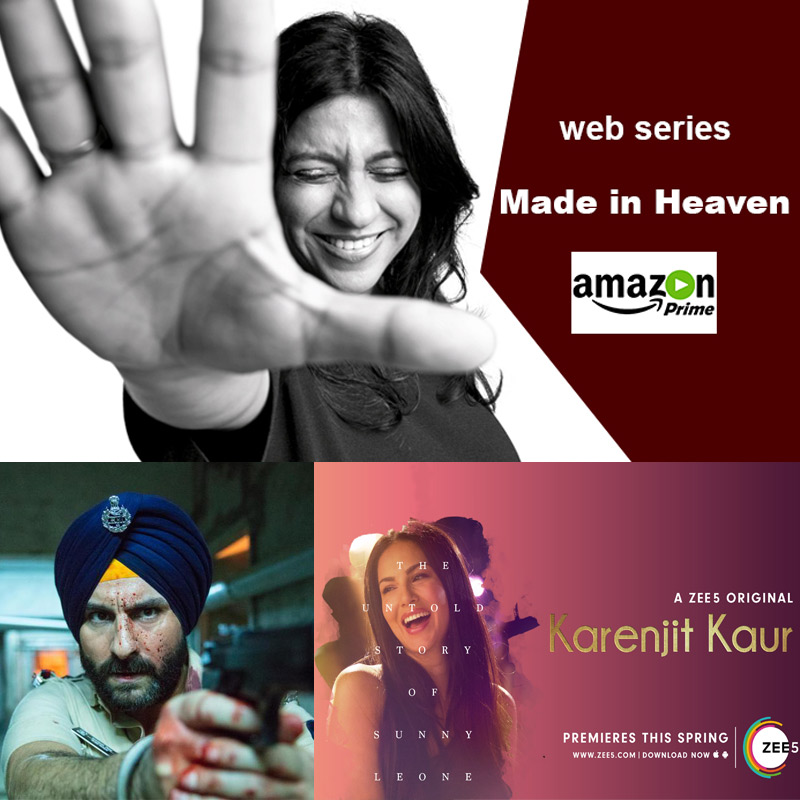
    Even international players in the Indian market are planning specific originals for audiences of the country. Netflix India recently premiered Love Per Square Foot, a full-length Hindi romance. The OTT giant will premier Sacred Games on 6 July, an episodic show starring Saif Ali Khan and Nawazuddin Siddiqui, which will be available for the global audience too. To make the local connection strong, Netflix has chosen Anurag Kashyap and Vikramaditya Motwane as directors and their production house Phantom Films.

    Netflix is aware that India is a big market and second only to Mexico when it comes to binge watching in public. For 2018 itself, it has kept aside a chest of $8 billion for original content. For India, it is looking at increasing partnerships with local content creators. It has just announced another original Indian film. Titled Lust Stories, it will be directed by four prominent names – Zoya Akhtar, Karan Johar, Anurag Kashyap and Dibakar Banerjee.

    In an earlier interview with Indiantelevision.com, Netflix VP communications-Asia Jessica Lee said, “We are committed to working with producers, creators, talent and crew in India to create more great content. We are constantly innovating to enhance our member experience to be able to better serve members and provide more control over their watching experience.”

    Amazon Prime Video, the big competitor of Netflix has also started huge investment in original Indian shows going beyond its rich collection of Bollywood movies. After the success of Inside Edge and Breathe, the platform will gift viewers many originals including Made in Heaven and Mirzapur. Not surprisingly, each episode costs Rs 1-2 crore to create and it is hoping the return will happen soon.

    According to FICCI’s latest media report, 70 per cent of content consumed was less than a year old while those beyond this range made up just 15 per cent. It is no wonder that creators must always be giving people something new to snack on.

    Eros Digital CEO Rishika Lulla Singh mentioned earlier that the platform will come up with six to eight originals in FY 2018-19. Show launches will happen in the second half of the year. While renowned directorial talents will extend their creative support for Eros Now Originals, the shows will be across diverse genres.

    Zee5 has also announced the launch of 20 new originals across different languages and diverse genres. Zee5 digital head Archana Anand believes original content is a powerful tool to draw viewers. The OTT space even allows for more experimentation than TV broadcast. The main aim is to ensure the viewers can’t get enough of your content and will not hesitate to spend some bucks.

    Among other platforms, Hooq, which is famous for its Hollywood movie collection, will launch its first ever original series soon, selecting the best from five original selected screenplays premiered as pilot episodes. Among the five competing pilots is also an Indian series: Bhak (India), Haunt Me (Singapore), How To Be A Good Girl (Singapore), Aliansi (Indonesia) and Heaven and Hell (Indonesia). The new trend is also expanding scope for production houses, aspiring actors and new directors in the industry.

    OTT is also waking up to the giant within the country – regional content. They’ve realised that English and Hindi won’t cut out for people. With the existent content online, the FICCI report states that just 7 per cent viewership comes from English content, 63 per cent from Hindi and 30 per cent from other languages. It is the last set that players are keen to tap and grow.

    Instead of mass marketing, OTT platforms are targeting individuals by providing them with options of their taste and preference.

    With eyes shifting from TVs to your palm-held devices, even broadcasters (such as Zee) aren’t far behind in wooing audiences. The best is yet to come.

    Also Read :

    Zee5 launches 20 originals to drive up subscription

    OTT experts discuss future of India’s hybrid market

  • OTT platforms discuss need for regulation

    OTT platforms discuss need for regulation

    MUMBAI: At FICCI Frames 2018, stakeholders once again debated the need to bring over-the-top (OTT) platforms under a regulatory system. In a session on digital revolution, panellists discussed how India stood a genuine chance of becoming the digital content hub of the world but the threat of regulation from the content, data and economic perspectives loomed large.

    The session ‘Rise in Platforms: Digital Revolution in India and Impact M&E Industry’ was discussed with panellists Media Partners Asia ED Vivek Couto, Frost and Sullivan director Vidya S Nath, Verizon Digital Media VP – strategic alliances & channel management Michael Sturm, PLR Law Partner Suhaan Mukherji, Eros Now COO Ali Hussein and Z5 business EVP & head of digital – India Archana Anand. The panel was moderated by Castle Media ED Vynsley Fernandes.

    According to Mukherji, the concern is that which authority will regulate OTT as it comes under the ambit of the IT Act. “OTT was defined by the Telecom Regulatory Authority of India and it brought out the information papers on net neutrality,” he said.

    Anand said that OTT needs more freedom than traditional media that can differentiate it as being a little more edgy, cheesy and brave. Nath pointed out that the word ‘regulation’ is often interchanged with ‘censorship.’ “In the broadcasting industry, there are regulations like not showing the ads in the day time or show few ads after 10 pm. But the industry does practice self-regulation too,” she said.

    Agreeing with her, Anand said that Z5 also practices self-regulation and that every platform follows certain fundamentals wherein everyone steers clear of things such as porn. She favoured having a debate between platforms and regulators to come up with a regulation after mutual consensus.

    However, Mukherji cautioned saying, “We should be very careful that we just don’t treat OTT or kids movies or IP networks the same way we treated everything else.”

    Describing the nature of digital platforms, Anand said, “We are always on OTT while traveling or even while waiting. It’s really about us consuming way more than we ever did before.”

    Nath opined that looking at the current business model, India was primarily an AVoD market. She said that by 2020, Indian OTT market has the potential to grow to 500 million. It was 180 million in 2017. She further added, “OTT is not competing with pay TV or FTA channels, it is competing with other digital platforms.”

    The fight is essential for viewer time. Since people don’t pay up easily for content, most platforms adopt a freemium model.

    According to Couto, countries like Australia and Japan are largely based on subscription video on demand. In Australia, TV industry has been demolished and the entertainment is largely driven by Netflix. But India is a country with huge potential market. He said, “India is still slow and the most interesting thing about India is that it has a strong online market and online is the subset.”

    Japan and China are liberating the OTT space. “They are creating their digital ecosystems with games, videos, e-commerce and many things in it,” added Couto. He also said that the average watch time for any OTT platform including Netflix in Indonesia is 15 minutes but in India, it comes to 3 hours a day.

    Sturm believes that Indian markets produce the most content across the globe but looking at the scale, everything falls to AVoD, SVoD and TVoD models. He said, “When you need to reach the mass, then you need to opt for AVoD model. In one or two years, we will be able to run profitable AVoD models.”

    While praising the diversity of India and its content creation Sturm said, “India is not just about English and Hindi speaking consumers, it has consumers consuming content in many more languages.” Anand also added that there is a big regional market in India that is waiting to be captured.

    Whether global or local, whatever the niche or genre, OTT services have become the centre of attention in the entertainment space and they must become sustainable businesses at some point. OTT players are certain that TV won’t die so soon and their fight is on a different level altogether.

    Also Read:

    Localised content the way forward for Netflix in India

    2017: The year OTTs went regional in India

    Regional OTT content more than just catch-up TV    

    Indians among top commute streamers for Netflix

  • New York Film Academy announces expansion in India to keep pace with growth of the indian film industry as well as digital media & entertainment genres

    New York Film Academy announces expansion in India to keep pace with growth of the indian film industry as well as digital media & entertainment genres

    MUMBAI: York Film Academy (NYFA) is one of the leading film schools of the world. It was founded on the philosophy that “learning by doing” combined with best industry practices is more valuable than years of theoretical study for filmmakers and actors. This educational model allows students to achieve more in less time than at all other film or acting schools in the world.

    The film school’s programs balance the study of the craft with practical experience to train students to be the best they can be. This is achieved by a rigorous schedule of classroom instruction, hands-on workshops and immediate experience.

    NYFA conducts programs at its three full-fledged USA campuses as well as at 16 locations across the globe from Australia to Europe. NYFA has enjoyed immense support from India’s film and entertainment industry. From conducting its first workshop in India in May 2011, NYFA went on to open its doors in Mumbai in 2017.

    Over the years many Indian students have been a part of the NYFA campus in New York, Los Angeles and Mumbai. Notable alumni include Kangana Ranaut (of Queen), Gauri Shinde (of English Vinglish) and Rakesh Varre (of Baahubali) among many others.

    David Klein, Senior Executive Vice President of New York Film Academy, who has taught filmmaking for over two decades, is visiting from the New York to take classes on film direction and storytelling. He also met with young students in four metros. David Klein said, “New York Film Academy is very excited to be in India. There is immense creative talent amongst the youth. We look forward to working with bright and creative young minds and fostering their talents in the new-age, digital world.The media and entertainment landscape is rapidly evolving and calls for several new skill sets which we are well placed to teach.” He went on to say that the response to NYFA Mumbai has been very encouraging. Salman Khans new discovery, Warina Hussain has just completed an acting program in Mumbai prior to her acting debut.

    David Klein added, “In response to demands from students for acting and film making workshops during the summer vacation, NYFA will hold Teen Camps for the first time in India. These programs are very popular in other markets, due to YouTube, social media and OTT platforms which offer huge scope to the youth.It gives us immense pleasure to launch this concept in India.”

    NYFA, Mumbai offers various acting and filmmaking workshops and camps for all age ranges where the subject matter covers the entire gamut of production, script writing, technicals and post-production in addition to acting and direction.

  • India leads growth for regional pay-TV networks in Asia

    India leads growth for regional pay-TV networks in Asia

    MUMBAI: New research on the pay-TV channel ecosystem shows India powering revenue and profit growth for regional pay-TV broadcasters in Asia Pacific. Revenue for pay-TV channel groups owned by global media companies expanded by 4 per cent in 2017 to reach USD 5 billion across the region, while ebitda grew by 9 per cent year-on-year (yoy) to reach USD 1 billion according to leading industry analysts Media Partners Asia (MPA).

    India continues to make a massive contribution to this pie, led by large local channel businesses owned and operated by 21st Century Fox, Sony and Viacom. MPA’s figures show India comprising 65 per cent of revenue for regional pay-TV channel groups in 2017, followed by Southeast Asia with 15 per cent, Japan with 7 per cent and Australia with 5 per cent.

    Media Partners Asia executive director Vivek Couto said, “Success in a large-scale market such as India shows that regional broadcasters that invest in IP and local businesses can create a lot of long-term value.”

    Excluding large local pay channel businesses in India, pay-TV channel revenue for regional broadcasters declined by 1 per cent across the region in 2017, inching down to USD 2.2 billion while ebitda contracted by 4 per cent yoy to USD560 million. The performance reflects a more challenging wholesale and retail market for pay-TV in Southeast Asia as well as in Australia and New Zealand, Japan and Hong Kong and Taiwan. Nonetheless, Southeast Asia still leads the top-line contribution for this revenue segment at 33 per cent, followed by India (20 per cent), Japan (16 per cent), Australasia (11per cent) and Hong Kong and Taiwan (11 per cent).

    Ex-India, declines have been evenly spread across most genres. The notable exception is sports, wherein the growth of BeIN Media has helped boost the category. Together, factual, lifestyle, kids, news, music, movie and Asian entertainment channels experienced an aggregate contraction of close to US$150 million in affiliate and advertising sales ex-India in 2017.

    Nonetheless, a number of global broadcasters with investments in Asia are still seeing sustained growth in the region on the back of licencing deals and partnerships with online video and telecom platforms, growth of consumer products and nascent online video advertising. Leading broadcasters will also accelerate development of their own branded online video services in the region, a trend already underway with the launch of key entertainment and sports OTT platforms over 2016-17. Partnerships with streaming and telecom services will also proliferate over 2018.

    In India, macro hurdles as well as competitive and regulatory pressures will impact near-term performance for foreign-owned pay channels, MPA said.

    Nonetheless, major players should still outperform the market with strong double-digit growth along with longer-term upside from the growth of branded online video networks.“Success in a large-scale market such as India shows that regional broadcasters that invest in IP and local businesses can create a lot of long-term value,” said Couto. “These bets are starting to percolate across Southeast Asia, Korea and Japan. At the same time, businesses are starting to tap more growth from streaming platforms, including partnerships with online video and telco services.”

    Also Read:

    Indian pay-TV expanding by 10.6 pc, 77 pc to be digitised, ARPUs to rise by ’22: MPA

    Pay-TV in vital stage; service providers must innovate: Study

  • Cartoon Networks with Amazon Prime Video

    Cartoon Networks with Amazon Prime Video

    MUMBAI: Turner India and Amazon Prime Video have announced a strategic tie-up that will see Cartoon Network’s popular kids shows play on Amazon Prime Video.

    This content licensing deal will see Cartoon Network’s Ben 10 (Classic), Ben 10: Alien Force, Ben 10: Ultimate Alien, Ben 10 Omniverse, Grim Adventures of Billy Mandy, Johnny Bravo, Powerpuff Girls (Classic), Kumbh Karan, Roll No. 21 and Dexter’s Laboratory and many more shows that will play on Amazon Prime Video under the Kids & Family TV section.

    Kids today are consuming and engaging with their favourite content across diverse screens such as computers and mobile screens. This is increasing with the emergence of new OTT platforms and the rise in use of apps for games as an entertainment and learning activity.

    Turner, a pioneer in the kids’ entertainment space in India, has been at the forefront of providing engaging experiences to kids both on TV and beyond and the collaboration with Amazon Prime Video reaffirms Turner’s commitment to engage with its fans anytime, anywhere.

  • SonyLiv partners Pocket Aces, brings Filter Copy & Gobble originals

    MUMBAI: Underlining its commitment to provide the best entertainment experience, SonyLiv, the digital video entertainment platform of Sony Pictures Networks India (SPN), has announced a strategic partnership with Pocket Aces. With this partnership, latest content including iconic short videos from the Pocket Aces channel FilterCopy and food videos from its channel Gobble will now be available as a part of SonyLiv’s extensive content catalogue.

    The partnership will augment SonyLiv’s repertoire of entertainment offerings and allow Pocket Aces the opportunity to distribute its content to SPN’s audiences, which are different from the audience on its own social channels, thus also benefiting the advertisers and brands that partner with them for snackable content.

    Says SonyLiv EVP and head – digital business Uday Sodhi: “Our partnership with Pocket Aces aims at bolstering our already extensive content library with even more high-quality entertainment. The association will help us in meeting the growing demand for short-form video content in India and further consolidate our position as the country’s premium digital entertainment destination. We are confident our viewers will enjoy this high-quality addition to our content offerings as well as greater viewing flexibility and convenience that the partnership enables.”

    Pocket Aces co-founder Aditi Shrivastava: “We are excited to partner with SPN’s digital platform – SonyLiv and reach a completely new set of audiences through them. We reach over 25 million people on a weekly basis through our own pages and have been working with large brand partners to create some very successful content. Having our content distributed across various OTT platforms will benefit our brand partners and build a rich IP library. We will add to it this year with four web series and over 500 videos. We are glad to have several avenues to distribute this content.”

  • Hotstar’s digital campaign reaches out to women audience

    MUMBAI: Hotstar, India’s leading video-on-demand platform, has launched a digital campaign that reaches out to their women audiences and helps break away from the assumption that sports is only viewed by males.

    Sporting events, including Cricket, have always been marked with highly energetic and passionate fans, always perceived to be men. However, these trends are fast changing as women fans celebrate sports with as much enthusiasm and gusto as any other male counterpart. Female fans from across the country are all gearing up for the showdown of the champions at this year’s ICC Champions Trophy 2017. With the advent of OTT platforms like Hotstar, there is a remarkable increase in female viewership of sporting content. Even on social media platforms, women fans are contributing immensely to the overall chatter around the ICC Champions Trophy. Hotstar has been quick to notice an increase in the female viewer consumption of sports content, like the IPL and the India-England cricket series which took place at the start of 2017, and has devised their new campaign that recognizes this trend.

    In their exciting new campaign, Hotstar has partnered with popular female influencers to help spread the word to all their women viewers. With relatable promos from Surbhi Jyoti, Maanvi Gagroo and Mallika Dua, all prominent digital celebrities, the campaign is already connecting well with their female fans.

    https://www.instagram.com/p/BU4d5AMFhJ0/?taken-by=mallikadua&hl=en

    https://www.instagram.com/p/BU45n1eAM8K/?taken-by=surbhijyoti&hl=en

    https://www.instagram.com/p/BU3j2JRDjnX/?taken-by=maanvigagroo&hl=en

  • FILMART: Quality localised OTT content crucial

    HONG KONG: With the rapid advances in technology, people can tune into their favourite OTT platforms on different kinds of electronic devices anytime and anywhere. OTT refers to over-the-top distribution of multimedia content via the Internet. For online entertainment companies, the challenge is how to revise their strategies to adapt to rapid developments and high demand for such content. At the thematic seminar held yesterday (14 March), “New Opportunities in the Explosive Growth of Online Entertainment” at the Hong Kong International Film and TV Market (FILMART), representatives of four renowned online entertainment companies discussed how to tap into the tremendous OTT platform market by producing and sourcing quality localized content.

    User pays model is key 

    iQIYI senior VP Yang Xianghua pinpointed the fast-growing audience for OTT platforms in the Chinese mainland over the past few years. “It is estimated that within this year or next year, the number of people who watch streaming videos using mobile phone networks will reach half of the country’s population. In view of this, iQIYI is actively working with our partners to produce high-quality full-length online films.” He mentioned that there are two revenue models in place at present; advertisement revenue and user fees. The number of videos that generated more than Rmb1 million in profit for the company surged from 35 in 2015 to 122 in 2016, which points to a huge online market. 

    Conference moderator Variety Asia Editor Patrick Frater raised the question of how to tackle the issue of many online entertainment companies running at a loss. In his response, Yang noted that iQIYI has invested a lot in purchasing and producing content. In order to attract audiences, a significant portion of the content is free in the early stages. However, he predicted that the platform will turn the deficit into profit, as the number of subscribers and page views increases and the pay-per-user model is established. “Young Chinese viewers are relatively affluent, so they are willing to pay for higher-quality content,” he added.

    Localised vision to meet demands 

    PCCW Media Limited assistant VP – Content Management – Digital Media Meg Lee summed up the current trend: “Korean content is king.” Therefore, ViuTV is closely following the Korean trends and actively sourcing quality Korean entertainment video content such as dramas and variety shows, which have attracted a large numbers of fans of Korean trends to follow the channel.

    Regarding producing and sourcing content that caters to the tastes of local audiences, Lee noted, “ViuTV has its own team in each country, as well as an independent team that is in charge of collecting audience data and analysis. We also work with different local companies so as to quickly grasp the demand of the local market.” She added that ViuTV has its own team of translators who translate related content into local languages in a timely fashion. “We can only stay at the forefront by seizing the opportunities from the fast-changing trends.”

    Diversified video content attracts 

    As audience tastes change quickly, companies need to constantly explore new initiatives and adjust their strategies, which results in high investment risks. LINE Company (Thailand) content business director Dan Zonmani stated that LINE TV partners with various brands in co-productions of new online content, which in turns lowers investment risks. LINE TV also offers diversified video content. “Besides local content, we also feature content from Japan and Korea while refining our existing content to cater to the local audience’s taste.” In addition, LINE TV features re-runs of dramas and live broadcasts in a multi-pronged approach to attract audiences.

    He added that in providing content that caters to Thailand’s market, it is essential for the company to understand and respect the local culture while taking risks. “For instance, at the passing of the King of Thailand, we purchased a three-hour film whose content revolves around songs that are written about the King of Thailand. Broadcasting such a lengthy film on LINE TV was a new attempt, and a worthy one.”

    Japanese VoD platforms bloom 

    Among various markets, Japan was one of the last to join the OTT platform revolution, since the country’s traditional entertainment culture remains strong and it is difficult for industry players to break into the Japanese market. Mytheater DD director (animation division and new business development) Nakase Keiko stated that there will be a gradual increase in the number of Japanese audiences who watch videos on OTT platforms on mobile devices, and the market of VOD services platforms is expected to reach US$1.3 billion in value.

    Despite the tremendous market potential, there are also various challenges for companies who wish to enter the market. For instance, while Netflix and Amazon produce original dramas for their VOD platforms in Japan, the companies face competition from traditional TV stations. Nakase believed the companies must differentiate their programmes from traditional TV content. For instance, greater emphasis may be placed on star casting to arouse audience’s interest.

    In conclusion, online entertainment companies must cater to the audience’s tastes, keep a firm grasp on market trends and provide quality, localized content to attract more viewers, in order to tap into this fast-changing and tremendous entertainment services market.