Tag: OTT platforms

  • Programmatic is enabling the transition of OTTs to open internet: Tejinder Gill

    Programmatic is enabling the transition of OTTs to open internet: Tejinder Gill

    Global technology platform The Trade Desk helps marketers advertise on the ‘open internet’ i.e., outside the ecosystems of Google and Facebook. The Trade Desk can deliver campaigns across a multitude of devices such as computers, mobile devices, OTT, connected TV (CTV) to reach quality audiences at scale via video, audio, display and native ads.

    Founded in November 2009, the company launched in India almost a year ago, setting up their leadership teams in Delhi and Bangalore. It immediately integrated with leading OTT players including Disney+ Hotstar, Zee5, SonyLIV, MX Player and Voot and publishers to enable programmatically-driven advertising and bring transparency to the purchase of online inventory.

    The Trade Desk is only a demand-side platform, meaning it optimises and solves for advertisers only. It helps them understand the break-up of their media investments at scale in a complicated supply-side ecosystem that has up to seven to eight partners. Its most important USP (unique selling point) is that it offers marketers more choices to advertise outside the established walled garden ecosystems.

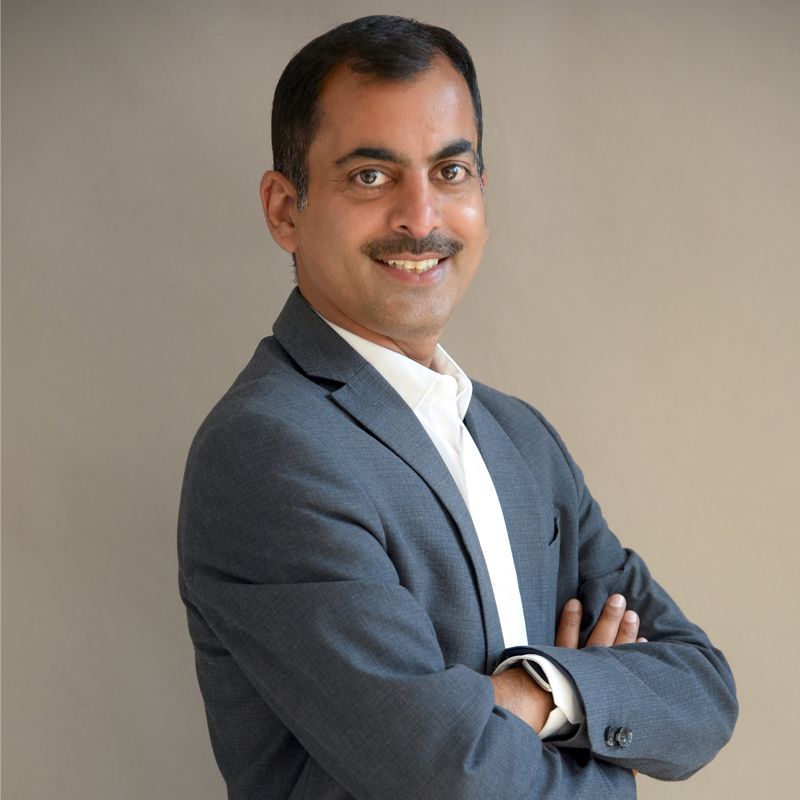
    Helming The Trade Desk’s business in India is Tejinder Gill who is responsible for the business growth strategy, executing the company’s vision and long-term goals and leading the product development. He is spearheading the expansion of programmatic across digital, audio, video and connected TV for Trade Desk. Gill has more than 17 years of experience, starting his career in 2008 with Yahoo, he was later part of LinkedIn’s leadership team for six years and Truecaller’s executive management team for nearly five years.

    In conversation with IndianTelevision.com, The Trade Desk India general manager Tejinder Gill spoke about the challenge that the company is trying to solve, online advertising trends, growth of advertising video-on-demand (AVOD), moving away from third-party identifiers and more.

    Edited excerpts:

    On the challenges addressed by The Trade Desk

    We are all about open internet which means anything outside the walled gardens. The biggest keyword missing in India, when it comes to digital media buying, is choice. Marketers want to get a certain reach and scale that you can only get within the walled gardens. So, the vision we saw was how to build an open internet advertising platform at scale.

    Let’s say, $100 is spent on advertising. Almost $53 goes to Google, $28 goes to Facebook and the remaining $19 is shared among the rest of the players which includes any player other than these two. The biggest reason that marketers are looking for a third choice is that these platforms make their own rules. They withhold data and the inability to measure performance in these walled gardens has led to a lot of frustration among marketers.

    I have observed that 70 per cent of the time spent by a user is on the open internet while 70 per cent of marketer’s budgets are spent on walled gardens. This is disproportionate. The biggest challenge for me is to educate marketers and partners about the benefit of the open internet and how we can solve for reach and scale.

    Think about the open internet as a bunch of different islands and walled gardens as continents. However big you are, you will always remain an island. Our platform makes these islands come together, and talk to each other so that everything is more accessible. The future will see all publishers come under the open internet umbrella. And programmatic is enabling this transition.

    Publishers still have direct sales teams to sell their premium inventory and sponsorships but the bulk of their inventory is now available on programmatic. That means all their pipes are connected to us. We’re building a marketplace where advertisers can pick and choose any inventory they want. They can use any measurement tool or any data partner that they want.  Individually, you can never win the game of scale, but together the open internet is a very strong value proposition for marketers to move away from walled gardens.

    When I joined the company 16 months ago, and the next month we complete a year of launch in India, programmatic talent was a big issue. We addressed this with Trade Desk-Edge Academy certifications, and interestingly, 40 per cent of members who have taken the certification in Asia-Pacific (APAC) are from India. I have built a diverse leadership team across Delhi and Bangalore since then.

    We’ve done strategic partnerships with publishers, OTTs and connected TV manufacturers to be the platform of choice for marketers. This includes partnerships with Samsung TV, OTT platforms such as Disney+ Hotstar, Zee5, SonyLIV, Voot and MX Player and audio streaming services such as Gaana, JioSaavn, and Spotify.

    On the rise of programmatic video advertising

    The OTT consumer base has gone up in the last two years. There are new players entering the global and local markets creating more competition. While linear TV has been there for many years, consumer trends are changing. Some consumers are opting for cutting the chord as a result of the adoption of OTT platforms. OTT offers a seamless viewing experience across devices making it the preferred platform for consumers and building an attractive reach and scale for marketers.

    Online curated content platforms (OCCs) are offering premium high-quality content. An OTT platform attracts a large and diverse audience. The biggest difference between a user-generated content platform and an OCC platform is brand safety. Since curated content will be safer and more positive in nature, brands will want to invest in it. It also helps that you can put a data layer on top of it that delivers better performance, measurement and offers real-time insights to marketers.

    The biggest difference between linear and OTT platforms is the application of data intelligence. Linear TV has always relied on third party intelligence. The impact of an OTT campaign is measurable and you can take the insights and apply them to any other campaign.

    It is also more controlled. For example, suppose you want to target a consumer only three times a day then you can apply a frequency cap. If you want to target him once on Disney+ Hotstar, Voot and SonyLIV then you can adjust your parameters accordingly. This translates to a better consumer experience.

    The one thing that marketers love about programmatic is optimising their media dollars and talking to the same user across the media funnel. This means that whether I’m watching TV, mobile, laptop, OTT or audio, the same message will be played in a different format across.

    A study we did last year in partnership with YouGov found that 55 per cent of Indians prefer to see an ad versus paying for content. This indicates that the future business model for OTT platforms will be one that will be supported by subscription and advertising.

    Our founder Jeff Green predicted three years ago that Netflix will embrace advertising. Today, international players such as Disney+ and Netflix are planning to launch ad-supported models.

    On moving away from third-party cookies

    Third-party cookies are a three-decade-old technology and a shrinking part of the internet. Now, we have to think of a more sophisticated solution and we’ve created our own identifier called UnifiedID 2.0. It is a string of numbers and letters that cannot be reverse engineered to reveal the identity of the user, say for example his email ID.

    If third-party cookies go away, what are the scenarios that marketers arrive at? Walled gardens get more control over the internet. Paywalls keep consumers from accessing content. Consumers having to login multiple times to access the internet.

    That’s why the future will have multiple identity solutions that will be interoperable, meaning that these identity solutions will work across the ecosystem and will need to talk to each other. Our identity solution has got a lot of adoption in the Western market and we’re hoping APAC will start running it soon.

    On the trends in programmatic video advertising

    There are a few trends that I see.

    Connected TV (CTV) will drive the next phase of growth. We expect CTV to hit 40 million devices in the country in the next two years. This means that budgets will start moving from linear TV to connected TV.

    Marketers will start asking everyone about more real-time business outcomes. Marketers will move away from metrics such as CPA (cost-per-action), CPC (cost-per-click), CPM (cost-per-mile) and start measuring in more detail. For example, in-store footfall.

    A cookie-less future is good. It is happening for the benefit of the entire industry. Advertising will be able to target with more precision enabling brands to present different ad opportunities at different points in time. I think this is a new approach for the future.

    Five years ago, when we launched programmatic the idea was to automate the entire paperwork also known as programmatic guarantee. That’s not the real advantage of programmatic. Programmatic is all about decisioning i.e., it is about choices. If a marketer wants to buy audiences who may reside on OTT, mobile, CTV then he can find them across channels and devices. That’s the biggest trend that will drive programmatic in India over the next two years.

    Decisioning is different from upfront media buying. In upfront media buying, an advertiser blocked the front page of a Times of India or a 15 sec slot on a channel. The advertiser would pay upfront and get the ad displayed.

    In a real-time environment, the advertiser wants more control. He wants to pick up the right audience, at the right time and at the right price. The advertiser can control whether that ad should reach 1000 or one million consumers and pay for the reach that he wants. The journey of the ad needs to be mapped. That’s why I say decisioning will take precedence over the existing programmatic guarantee.
  • aha partners with JioSaavn to launch an exciting subscription offer

    aha partners with JioSaavn to launch an exciting subscription offer

    MUMBAI : The regional OTT player, aha has partnered with audio OTT platform JioSaavn to offer access to each other’s content at the price of one. This move comes as a surprise for the new subscribers as the platforms will become super affordable for them.

    The partnership will allow new users to stream eighty million plus audio tracks on JioSaavn and access to two hundred fifty films, series and original shows such as Unstoppable, Telugu Indian Idol, Bheemla Nayak, DJ Tillu , and many more on aha. aha and JioSaavn unlock access to a world of entertainment, with the #OkeDebbaKiAataPaata campaign.

    Following this partnership both aha and JioSaavn will offer one-year subscription of both apps to the new users at an effective price of Rs 399 with 50 per cent discount from the actual annual subscription price of Rs 798 on both platforms independently.

    The latest partnership underscores aha’s aim to entertain the audience in their native language and JioSaavn’s commitment to providing a superlative audio streaming experience to users in regional markets with the most relevant content offerings.

    Additionally, the association will drive organic subscription growth for both platforms while adding value to their new users that sign up for this offer. At present, aha and JioSaavn’s annual subscriptions are priced at Rs. 399. With this collaboration both brands will offer an annual subscription at the price of one ie., Rs 399 per annum for their new users.

    Commenting on the partnership, aha CEO Ajit K Thakur said, “We at aha are delighted to partner with JioSaavn for this exclusive offer. Our partnership with JioSaavn emphasizes our commitment to generate better value for our users with exclusive partnerships. We warmly welcome our new users to enjoy both aha and JioSaavn annual subscription at 50 per cent discount”.

  • In a first, major OTT platforms to participate in IFFI

    In a first, major OTT platforms to participate in IFFI

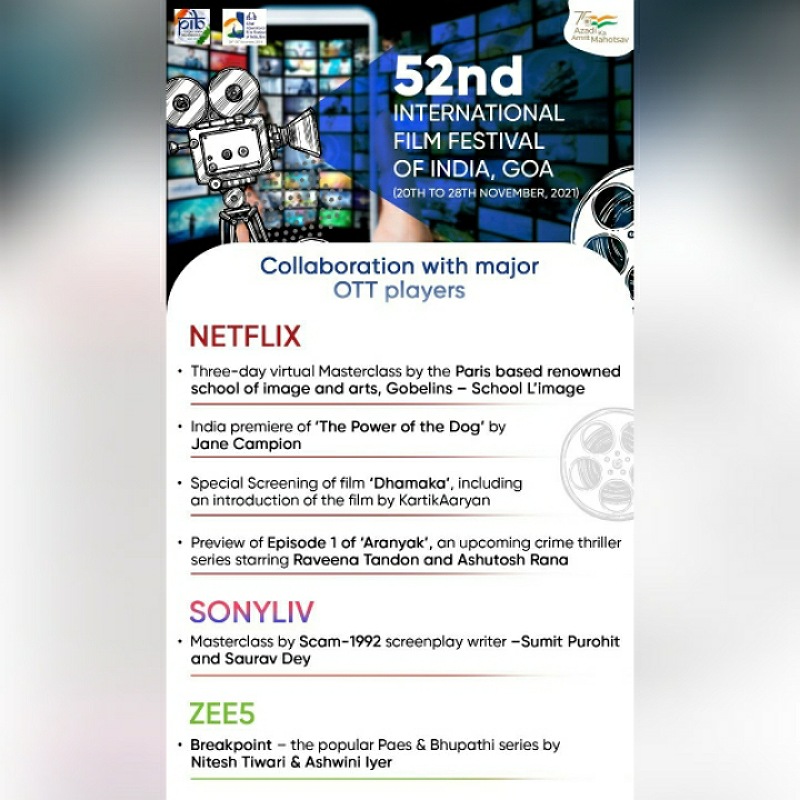
    Mumbai: The International Film Festival of India (IFFI) will see participation from major OTT platforms, for the first time in its history. Netflix, Amazon Prime Video, Zee5, SonyLIV, and Voot will participate at IFFI that is being held in Goa starting 20 November.

    The festival will offer exclusive masterclasses, content launches, previews, and much more. The 52nd edition of IFFI will be held in hybrid format considering the present Covid-19 situation.

    Netflix has organised a three-day virtual masterclass by the Paris-based renowned school of image and arts, Gobelins – School L’image. It facilitated the India premiere of the film “The Power Of The Dog” by Jane Campion, a special screening of the film “Dhamaka” including an introduction of the film by Karthik Aryan and a preview of the first episode of its upcoming crime thriller series “Aranyak” starring Raveena Tandon and Ashutosh Rana. SonyLIV is organising a masterclass by “Scam 1992” screenplay writers Sumit Purohit and Saurav Dey.

    The union minister of information and broadcasting Anurag Thakur announced that actor and member of parliament from Mathura Uttar Pradesh Hema Malini and lyricist and chairperson of Central Board of Film Certification (CBFC) Prasoon Joshi will be conferred the Indian film personality of the year award 2021 at the festival.

    IFFI will feature 148 films from about 73 countries in the international section. The festival will have about 12 world premieres, about 7 international premieres, 26 Asia premieres, and about 64 India premieres. IFFI received 624 films from 95 countries this time, up from 69 countries in the previous edition.

    Global cinematic giants Martin Scorsese and Istevan Szabo are being honoured with the first Satyajit Ray lifetime achievement award. They will not be attending the festival physically but their video messages conveying acceptance of the award will be played.

    The opening feature film of Indian Panorama 2021 is the film “Semkhor,” directed by Aimee Baruah. This is the first-ever film made in Dimasa (dialect from Assam) to be featured at IFFI. “The Visionary” (English) directed by Shri Rajiv Parkash is the opening non-feature film in the Indian Panorama section. “The King of all the World” (El Rey de Todo El Mundo) directed by Carlos Saura will be the opening film and this will also be the film’s international premiere. IFFI 52 will come to a close with the screening of Asghar Farhadi’s “A Hero,” which won the Grand Prix at the Cannes Film Festival.

    There will be about 18 specially curated films presented as part of the ongoing celebration of Azadi Ka Amrit Mahotsav. The festival director informed that the international jury chaired by the Iranian filmmaker Rakhshān Banietemad is coming to attend the festival. The BRICS Film Festival is being held on the sidelines of IFFI for the first time. There will be a special package presenting films from the five countries.

    The 52nd edition of IFFI is paying homage to the prominent Kannada film actor Puneet Rajkumar and iconic James Bond actor Sir Sean Connery.

    IFFI will open with a star-studded inaugural ceremony, featuring Salman Khan, Ranveer Singh, Riteish Deshmukh, Genelia Deshmukh, Shraddha Kapoor, amongst others. Karan Johar and Manish Paul will host the event.

  • SC seeks Centre’s response on regulating OTT platforms

    SC seeks Centre’s response on regulating OTT platforms

    KOLKATA: It seems that when it comes to self-regulation, OTTs have a tough long road ahead, as the supreme court has sought the centre's response on a public interest litigation (PIL) for regulating these platforms by an autonomous body.

    According to a PTI report, a bench of the apex court comprising chief justice S A Bobde and Justices A S Bopanna and V Ramasubramanian has issued notices to the central government, the ministry o information and broadcasting (MIB) and internet and mobile association of India (IAMAI) on the possibility of setting up a proper body for monitoring and management of content across OTT and digital media platforms.

    The plea was filed by advocates Shashank Shekhar Jha and Apurva Arhatia. The petitioners have requested the court to order the government to constitute an autonomous body to monitor and regulate online video content. The petition added that the board should be headed by an IAS officer and have members from various fields.

     “With cinema theatres unlikely to open anytime soon in the country, OTT/Streaming and different digital media platforms have surely given a way out for the filmmakers and artists to release their content without being worried about getting clearance certificates for their films and series from the censor board,” the plea stated.

    The PIL has claimed that lack of legislation governing those platforms is turning out to be more prominent with several incidents.    

     According to the petitioners: “The government is facing heat to fill this lacuna with regulations from the public and the Judiciary; still the relevant government departments have not done anything significant to regularise these OTT/Streaming Platforms.”

    None of the OTT/streaming platforms including Netflix, Amazon Prime, Zee5, and Disney+Hotstar have signed the self-regulation provided by MIB since February 2020, the plea said.

    However, the government recently stated it is not under the process of framing laws for these platforms. It added that the matter may be looked into afresh when more clarity emerges in international jurisdictions.

  • Best OTT Platforms To Subscribe For Indian Regional Entertainment

    Best OTT Platforms To Subscribe For Indian Regional Entertainment

    Over-The-Top media platforms are the latest global trend and India is not far behind. Gone are the days when we had to wait for the clock to strike before our favorite shows came on the TV (Most of the time the jingles told the time for us 90’s kids). You can now binge-watch your favorite shows whenever you like, wherever you like, as long as you have an internet connection and a smart device! We have brought together a list of such platforms that offer the best variety of regional content so that you can binge-watch as you please.

    However, one thing that keeps boggling our minds is the subscription fee for the OTT platforms. More often than not we are found pondering if it’s going to be wise to spend so much on these platforms. No access to the hot Bigg Boss episodes in 2020? Well, with some of the best offers on Amazon Prime Videos,  Voot, Zee5, etc, you can stream your favorite tv shows and movies without any hassle. This sorts your finance and our list will save you from hours of hunting for the best OTT subscription.

    Top 10 OTT Platforms For Best Regional Entertainment

    1. Netflix

    It’s almost surprising how fast Netflix has become the go-to choice for an OTT platform for Indian young stars or maybe not- considering that Netflix pretty much dominates the global OTT platform market. But it is definitely one of the major players that first started the discussion on online streaming services. Netflix has, hands down, some of the best original productions (Netflix Originals as woke people would know), be it movies or series. Sacred Games took all of us by a storm- who would have imagined there would be regional shows to compare with Narcos or House of Cards?! But what India really loves Netflix for is its collection of movies and its convenient streaming as latest data suggests- Kabir Singh was, in fact, one of the top three popular titles in 2019. With pocket-friendly subscription plans that start with a nifty Rs 199 per month for the mobile-app only plan, Netflix has already learned how to keep Indian viewers keep coming back for more.

    2. Hotstar

    A major player in the Indian market, Hotstar is the preferred choice for sports lovers in India, not to mention that it is the official partner for screening Game of Thrones in India, airing only hours after HBO (you now know where to watch GoT legally if you haven’t watched the seasons already). The online streaming service is offered by Star Network and offers a plethora of regional movies and iconic shows like Sarabhai vs Sarabhai! But what Hotstar is really popular for is its sports shows like the IPL or English Premier League. While they offer affordable subscriptions ranging from Rs.199 for a month to Rs.999 for a year, Jio and Airtel users can watch Indian cricket and football matches for free, with the exception of English content which can only be viewed with premium subscriptions.

    3. Voot

    The brainchild of what is hailed to be one of India’s largest growing media networks, Viacom18, Voot is another online streaming service people can’t stop talking about. An excellent range of content preferences, Voot offers over 70,000 hours of content that includes some of the most popular TV shows, movies and of course, Voot Originals. The focus here is on bringing fresh contemporary content to the plate without any premium subscription charges and such emphasis on originality is what has successfully brought about 100 million monthly active users on board who spend a daily average of 50 minutes on the platform.

    4. ALTBalaji

    A subsidiary of the dominant player in Indian TV market Balaji Telefilms, ALTBalaji is a major regional player when it comes to online streaming services in India. With one of the largest media libraries, this platform offers a massive range of Indian regional content in both movies and shows. An ad-free subscription-based service, ALT Balaji offers some of the cheapest pricing options and a diverse range of original regional content in languages like Tamil, Gujarati, Telugu, and Marathi as well as stand-up comedy shows. ALT Balaji has been focused on original regional content from its very inception and making good on its claims of diversifying regional genres.

    5. Amazon Prime

    Amazon Prime video services are one of the biggest OTT players in the Indian market that came on the heels of Netflix. The subscription ranging from Rs 129 a month to Rs 999 a year, Amazon Prime in India is said to have the highest number of Prime users among the 16 countries it has debuted in. Like Netflix, despite the availability of great English content, Indian Prime users actually spend more time viewing regional content-almost 93 per cent of them, according to official records. Besides Primes Original TV shows, it hosts a large number of Hindi and other regional movies.

    6. ZEE5

    Another popular OTT service provider in India is ZEE5, launched by the Zee Entertainment Enterprises Limited-offering video content in categories like TV shows, Music and lifestyle in 12 regional languages that include Hindi, Bengali, Malayalam, Tamil, Telugu, Kannada, Marathi, Odia, and Gujarati. With both hours of catch-up content and original shows, ZEE5 has made sure you are never running out of options. Just to seal the deal, ZEE5 also offers a collection of premium TV shows from all over the world including Korean and Spanish dramas. With pocket-friendly subscription plans and content that are both regional and global, ZEE5 is poised to truly take over the market!

    7. Hoichoi

    Hoichoi, true to its name, has created quite the noise in recent times with its debut as the first-ever OTT platform exclusively focusing on Bengali content. It’s parent company SVF happens to be one of the largest production houses in Tollywood and with that working in favor, Hoichoi boasts of a library that includes national award-winning Bengali movies, not to mention original titles and short films.

    8. Sun Nxt

    Another truly regional platform that has caused quite a stir in the market is Southern platform Sun Nxt that focuses on the content exclusively for the four regional languages of Tamil, Telugu, Kannada, and Malayalam. A subscription-based service like its contemporaries, Sun Nxt offers large number of movies and live streaming of TV channels.

    The challenge when it comes to Indian consumers is to rightly cater to regional markets and these apps listed above are doing the job well. Multiple data surveys attest to the affinity of Indian audiences towards regional content, even on Youtube. Taking note of such a demand, not only existing platforms are diversifying their content libraries but also redirecting their focus to bringing up better regional content, which only means good things for us viewers. So, without further ado, go ahead and subscribe to one of these OTT platforms and treat yourself with some awesome shows and movies.

    Author Bio:

    Jaya Dwivedi: An impulsive backpacker, a storyteller, and an unsophisticated foodie, Jaya loves exploring new destinations and cuisines. She’s a Content Writer by the day, foodie by the night.

  • Budget 2020: BharatNet boost to have positive impact on OTT platforms

    Budget 2020: BharatNet boost to have positive impact on OTT platforms

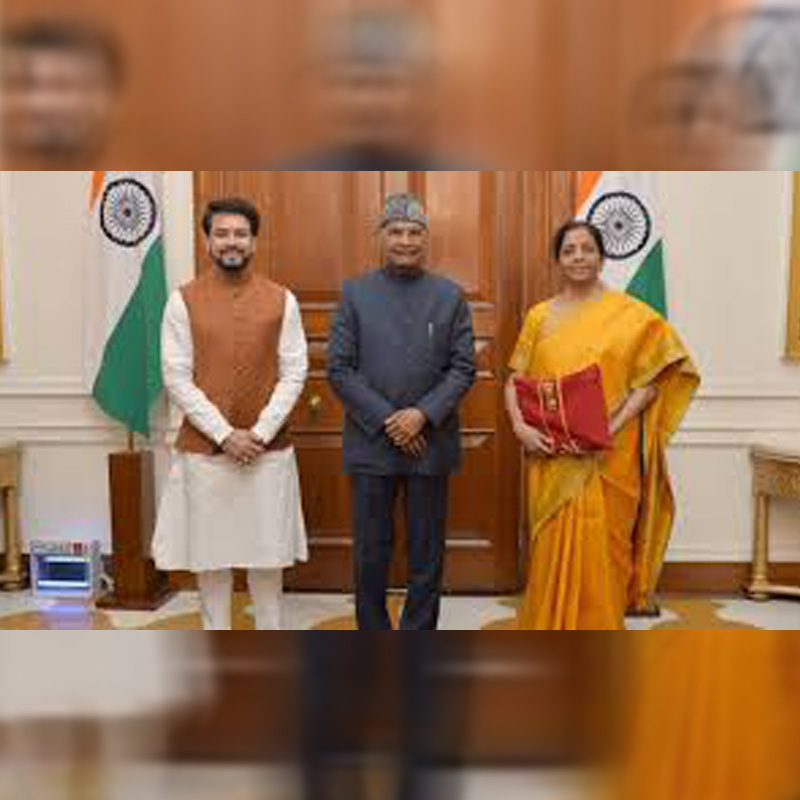
    MUMBAI: While the media and entertainment industry is heading towards a digital future on the back of streaming services, budget 2020 seems to bolster it. Finance minister Nirmala Sitharaman on Saturday proposed to allocate Rs 6,000 crore for the BharatNet programme in 2020-21. The boost to broadband connectivity in rural areas is making OTT platforms hopeful about uptake in online video consumption.

    "Our vision is that all public institutions at the gram panchayat level such as anganwadis, health and wellness centres, government schools, PDS outlets, post offices and police stations — all will be provided digital connectivity. The fibre to the home (FTTH) connection through BharatNet will link 100,000 gram panchayats this year itself," Sitharaman said.

    ALTBalaji CEO Nachiket Pantvaidya appreciates the step to promote digital connectivity through its BharatNet programme and connecting 100,000-gram panchayats through optical fibre network. According to him, this is one more important step taken in the direction of achieving the vision of a digital India where rural India gets placed on the digital map.

    The over-the-top platforms are heavily reliant on internet connectivity for better penetration. Moreover, numerous industry experts and reports have suggested that tier II and tier III cities, rural areas are the next frontier of growth for OTT platforms. Hence, the move will help them to expand more in those markets.

    "We appreciate the efforts of the government to boost the digital ecosystem in the country. The increased focus on improving connectivity under the BharatNet scheme and the emphasis on artificial intelligence will allow OTT players to offer bespoke and personalised solutions to consumers. Additionally, the impetus to the smartphone manufacturing industry will make internet consumption accessible to a wider section of Indian society that will expand the scope of revenues for OTT players. The allocation of Rs 8,000 crore for setting up the National Mission on Quantum Computing and Technology will also boost the development of the industry by making resources cost-effective," Gaana CEO Prashan Agarwal stated.

    “It is now a cliché – “data is the new oil” and it is true that analytics, fintech and internet of things (IOT) are changing the way we deal with our lives. To take advantage of this, I propose to bring out soon a policy to enable the private sector to build Data Centre parks throughout the country. It will enable our firms to skillfully incorporate data in every step of their value chains,” Sitharaman added.

    White Rivers Media chief executive officer and co-founder Shrenik Gandhi said that data and digital occupied the centre piece of the budget. He added that the focus on IoT, Data Parks, AI shall make India a strong contender amongst the top digital economies, globally and the ambitious fibre to home proposal should get the next 100 million in the digital universe soon.

    “75 per cent of the users that come on to the internet for the first time between now and the next few years are going to come from tier II and tier III cities as per various industry reports and the vast majority of them are regional language native speakers who don’t necessarily converse in English or Hindi as their language of preference. Anything that is done to bring them to the digital foray essentially allows regional platform like Hoichoi to influentially expand the addressable user base over time and this is a welcome move. Next set of users are to be brought in the digital fold and it not just the combination of digital apps that will benefit from this, it’s also the  information and social media apps that will benefit from wider availability of the internet at the grassroot level,” Hoichoi co-founder Vishnu Mohta commented.

    "Budget 2020's revised fiscal deficit target of 3.8 per cent of the GDP seems more realistic and focus on spends/ benefits was required to boost the economy. The thrust on entrepreneurship and tax regulations for both, startups and taxpayers is a move in the right direction. India is the third largest startup hub globally and the announcement of an investment clearance cell to provide end-to-end support to startup founders will encourage more youth to be job creators. Further, the ability to defer taxes on ESOPs will democratise wealth creation for startup employees, ensuring the right talent is benefitted. Finally, the decision to grant 100% tax exemptions to sovereign wealth funds on their investment in priority sectors will provide the much needed funding boost to the sector and create value in the longer run,” Pocket Aces VP of Finance and Operations Kunal Lakhara said.

  • hoichoi is now available on Android TV globally and Roku in the US

    hoichoi is now available on Android TV globally and Roku in the US

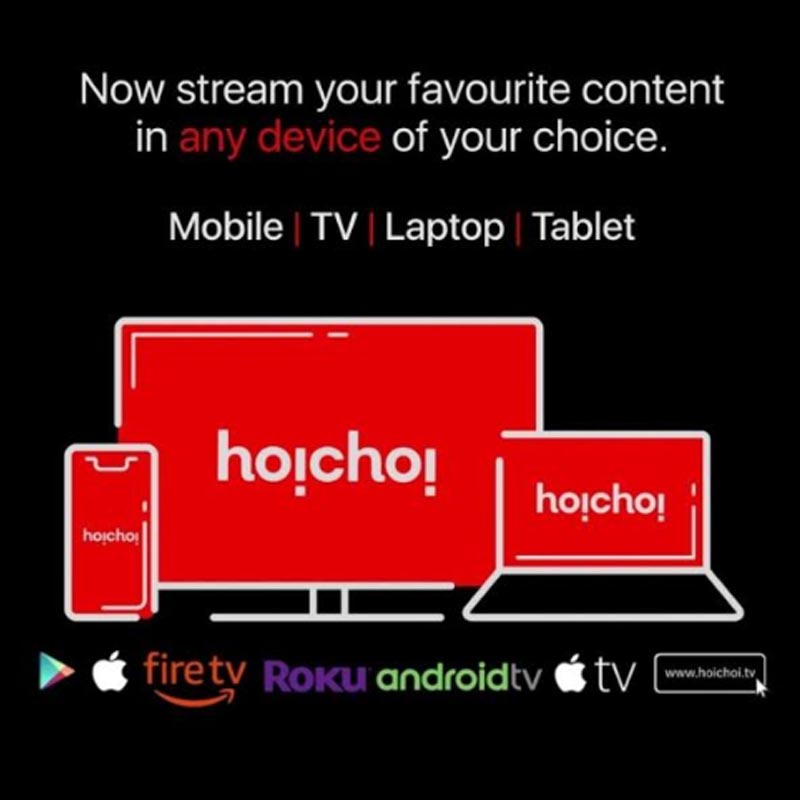
    MUMBAI: hoichoi, the world’s largest digital content platform exclusively for Bengali’s announced they are now available across Android TV and Roku with seamless streaming of their content.  

    Recently, hoichoi celebrated their one-year completion on 19th September 2018 where they committed to uplift Bengali Digital entertainment by putting forward plans like adding an additional 100+ hours of Originals with 30 web series and 12 digital only films, which will increase the library to 2,800 hours of content, along with adding more films to the movie catalogue taking the number from 500 to 800+ movies. They have lived up to their promise of giving two Originals per month along with acquired movies, either old classics or new ones via World Digital Premiere (Durga Puja 2018 blockbusters Byomkesh Gowtro and Ek Je Chhilo Raja each got a World Digital Premiere this month).  

    Last year, hoichoi reached out to users who wanted to stream content on their TV by launching the Amazon Fire TV App and the Apple TV App and it already had enabled Chromecast. This year hoichoi looks to expand its audience base by introducing the hoichoi Android TV and the hoichoi Roku App. 

    Android TV is a version of the Android operating system where OTT platforms can stream their exclusive and shared content on their television like Sony among others, with voice-enabled search and more features. hoichoi’s Android TV App is available on the Google Play Store. Users can open the Google Play Store from their TV and download it. 

    Roku, is another streaming device which allows users to stream content on their TV and is very popular in the US Market. hoichoi launched its Roku App to target its ever-growing US Subscription Audience base. Among international markets, US has always been one of the top markets for the Bengali OTT platform. hoichoi will offer all its movies and original series in its Roku App. Users who have the Roku device can download the hoichoi App from it and can even purchase a hoichoi subscription within the App. 

    Vishnu Mohta, Co-Founder of hoichoi, commented: “This partnership with Android TV and Roku will enable our national and global audience to enjoy content from any medium as it marks a seamless integration of over-the-top content, digital video formats and connected TVs. Audience will consume content irrespective of whether it is on web, mobile, TV or OTT as long as it’s on a device of their choice.” 

  • Peninsula Pictures eyes new genres for digital foray

    Peninsula Pictures eyes new genres for digital foray

    MUMBAI: Peninsula Pictures, the production house known for its shows like Vishkanya, Dev Anand, Shree Krishna, Mayavi Maling and Aladdin has decided to foray into the digital world, with the intent of providing quality content. One of the key reasons for entering digital is also to retain show IPs.

    Apart from its expertise in genres like mythology and fantasy, the production house has plans to experiment with a romantic thriller, crime, comedy and paranormal genres among others for its new web series. As far as television is concerned, it has plans to produce shows in genres like contemporary love story, thriller, etc.

    The production house, led by Nissar Parvej and Alind Srivastava, highlighted that the year 2018 was a bittersweet one. Parvej said that Shree Krishna has done quite well in the industry and has completed 400 episodes. Mayavi Maling was yet another show produced for Star Bharat that didn’t garner much attention from viewers but it didn’t let them down. Aladdin, a period fantasy for Sony Sab, has already made an entry in the space, while Alibaba for Colors and two other shows are in the pipeline to enter the TV space. It also has plans to produce shows for the regional segment.

    Talking about the challenges that they have faced, Srivastava said, “Detective shows take time for the audiences to pick up. The other challenge was streamlining our studio which was launched last year. In 2018, there were a lot of shows that were VFX. Now, we will be able to take more VFX-based shows. We also want it to become one of our strengths and this does not mean that we just want to stick to VFX shows.”

    Parvej further added that they don’t want to pick up too much work so that they can focus on quality. Srivastava said that there was a wave of shows like Daayan, Chudail that were trendy in 2018. Taarak Mehta Ka Ooltah Chashmah is the show that is still working well with the audience. “One should know that when you are making a show, you are making it for the audience, so whatever relates to them should be made and should follow certain basics like touching the emotional core of it,” he said.

    Talking about OTT, Parvej said that the money is definitely more in the OTT space, but according to him, that does not make TV insecure. However, it will take 4-5 years for OTT to settle. He feels that show production cost on TV will go down because of dipping advertising money.

  • WITH 18 NEW ORIGINAL LAUNCHES AND NEW ASSOCIATIONS ALTBALAJI ENDS 2018 ON A HIGH NOTE

    WITH 18 NEW ORIGINAL LAUNCHES AND NEW ASSOCIATIONS ALTBALAJI ENDS 2018 ON A HIGH NOTE

    MUMBAI: ALTBalaji, one of the leading OTT platforms under the brand Balaji Telefilms Limited, has witnessed remarkable growth in 2018. With mass engaging content to the most riveting shows, the platform has emerged as the fastest growing and most talked about OTT platform in India. This year saw, the digital platform launch 18 new shows entertaining millions across the country. Awarded as the ITA Premier Web Channel award this year, ALTBalaji established its lead in the pack with the most-binged original series over the year in addition to winning other accolades. 

    While 2018 was the year of experimentation with highly-acclaimed shows like The Great Indian Dysfunctional Family (TGIDF), The Test Case and Home, ALTBalaji’s subscriber base grew pan-India with viewers enjoying a wide range of shows. Distinctive content in the series like ‘Broken but Beautiful’ and ‘Apharan’ have not only struck the right chords for their coming of age concepts but have also recorded higher viewership and top ratings of 8.8/10 and 9.2/10 on IMDb respectively. Other shows like ‘XXX: Uncensored’ and ‘KehneKoHumsafar Hain’ scored the highest completion rates. On an average, ALTBalaji’s subscribers have spent 77 minutes daily watching these shows. Shows like Home, The Test Case and TGIDF have not only won hearts of the audiences but also garnered rave reviews from the likes of Rajeev Masand, Mayank Shekhar, Rahul Desai and many more.

    Here’s are 2018’s top binge watch shows ofALTBalaji:

    Apharan: As the show title suggests, it is all about an ‘Apharan’ (kidnapping) that goes wrong. What makes this show a standout is the fact that top cop Rudra Srivastava is forced into kidnapping a girl at her own behest, and nothing goes to plan. He finds himself in a web of lies with a lot at stake. Set in the heartland of the country, the thriller truly enthralled the audience with its 70’s style masala entertainment and its upbeat retro music.
    IMDB Rating: 9.2/10

    Broken But Beautiful: When two broken hearts, Veer and Sameera are brought together by chance, sparks fly. The two get involved in a journey that requires them to accept how broken they are and how two broken pieces can probably belong together.  
    IMDB Rating: 8.8/10

    The Great Indian Dysfunctional Family: General VikramjeetRanuat looks forward to a quiet life with his family post his accident while serving at the border. However, the re-entry of his separated brother and sister-in-law into his life changes the trajectory of his plans.
    IMDB Rating: 7.6/10 

    The Test Case: Captain Shikha Sharma gears up to serve as the first female test case in combat. The series beautifully captures her struggles and challenges and encapsulates women-power in the true sense of the term.
    IMDB Rating: 8.5/10

    Home: The series is all about a beautiful family, the Sethis, who believe in loving one another dearly. However, they are faced with a mammoth challenge with they are served with an eviction notice. The heart-warming show features a man’s fight to save his own home.
    IMDB Rating: 8.5/10

    GandiiBaat: The power-packed show has it all – the crime, the twisted relationships and erotic content. The trifecta makes this show a great tale of how crossing the fine line of going to any lengths to fulfill desire comes with its own consequences.
    IMDB Rating: 5.0 /10

    Haq Se: A modern-day story that chronicles the lives of four sisters against the backdrop of theunrest in Kashmir. It is a tale of the sisters seeking happiness and fulfillment in their lives and wanting to trulyfollow their dreams and passion. This also marked the digital debute of Rajeev Khandelwal. 
    IMDB Rating: 8.3 /10

    Hum: I am because of Us: Nothing compares to you sisters always having your back and that is the bond that the three sisters share. However, their relationship is put to test when the three arrive in the burgeoning metro of Mumbai to live their passion and follow their ambitions.
    IMDB Rating: 7.6/10

    With an end to a magnificent year, ALTBalaji has a highly anticipated line-up for 2019 across diverse genres with originals like GandiiBaat 2, KehneKoHumsafar Hain 2, Cold Lassi Aur Chicken Masala, Puncchbeat, The Verdict State Vs Nanavati and Cartel. Audiences are surely going to be entertained by a content library that is not only varied but new and captivating as well.

    ALTBalaji’s original content is available in four Indian languages which includes Hindi, Tamil, Telegu and Malayalam. Additionally it is also available in Malaysia Bahasa, Indonesia Bahasa and Arabic languages. With several strategic associations, ALTBalaji’s shows can be viewed on Amazon Fire TV stick, OLA Play, LG Smart TVs using WebOS , the MI TV Patchwall in addition to the OTT services’ mobile apps and desktop platform. Viewers can also avail the app on 5 different devices in order to make it enjoyable for the entire family.
     

  • Digital trends that define 2018 & expectations from 2019

    Digital trends that define 2018 & expectations from 2019

    MUMBAI: The calendar year 2018 has been an eventful year for the media and entertainment industry. The Indian M&E industry is in the midst of a rapid change. Industry estimates peg the internet population of India upwards of 500 million. India emerged as one of the largest consumers of mobile data largely driven by the content consumption on mobile devices. Digital has transformed the access to content and participation in media, and the consumers have shown affinity towards great content on newer screens.

    Big trends of 2018

    Rise of tier 2 & tier 3 markets – Video based platforms have aggressively targeted users in tier 2 & 3 towns of India in 2018. This was predominantly seen amongst the Chinese & home-grown Indian companies and is a fairly different approach from ones implemented by traditional silicon valley based social platforms which start with metros and spread to smaller towns. This trend indicates that Indian language content has grown in popularity. From Southern languages to North/West regional languages – content creation and consumption across Non-Hindi Indian languages has seen a massive jump this year.

    Democratisation of influence – This year has also witnessed the explosion of content creation on short video platforms. Be it sing along songs, shorter forms of interactive videos or long format live content – there has been a massive outburst of content creation by users on different platforms. This has resulted in the rise of a newer breed of influencers. In the past all we knew were YouTubers, but this year saw the rise of Musers (derived from Musically, now TikTok) and Smulers (derived from Smule). Brands and movies are recognising the power of their reach, especially among the youth.

    Original Content Explosion – 2018 has been an inflection point in the history of OTT platforms. Indian and global OTT platforms have been extremely bullish on developing original content for consumers. To gain foothold in India’s highly competitive OTT segment, global players have increasingly signed content licensing deals with local players to expand their content library. While some platforms have chased Bollywood studios and actors to gain traction, some platforms have played it safe by banking on relatable Indian tales. All these platforms have employed aggressive marketing campaigns and promotional offers to feel the pulse of the audience. The verdict is far from out on the type of content that resonates with Indian audiences. Most industry figures suggest that number of people consuming original content on OTT platforms is a very small niche.

    Expectations from 2019

    Blind spots as we look ahead – With the launch of new platforms for short video content, risk of piracy and copyright infringement tags along. The content industry will have to pick and choose the right platforms to work with and ensure strict controls are put in place to protect the content.

    Future looks exciting – The digital ecosystem in India is very well positioned to grow in 2019 as most conditions indicate that India is currently at the position that China was 5-7 years ago. 2019 will continue to see a high rise of content creation and consumption in India, thanks to the increasing internet penetration and data availability at low cost. 2019 will hopefully be a year of new platforms emerging with local/hyperlocal appeal and growth of language content at a fast pace. The year will have more and more people paying for content online. Newer monetization models with in-app micro-payments and gamification will also boom in the coming years.

    (The author is senior vice president, investment operations at Times Bridge. The views expressed here are his own and Indiantelevision.com may not subscribe to them)