
Connect with us


MUMBAI: In a streaming universe crowded with gritty thrillers, star-led dramas and global franchises, one animated epic has quietly but decisively crashed the party. The Legend of...


MUMBAI: If 2025 had a remote control, India clearly knew where to point it. From spy thrillers and small-town comedies to reality television and global blockbusters,...


MUMBAI: India’s OTT boom has no shortage of numbers, but clarity has often been missing. Ormax Media is now stepping in with Ormax StreamView, a syndicated...


MUMBAI: The year 2025 proved Indian streaming has evolved from adolescence into aggressive adulthood. The market surged to approximately Rs 37,940 crore ($4.44 billion), with YouTube...

MUMBAI: When it comes to streaming, India is no longer buffering, it’s booming. Ormax Media has unveiled the fifth edition of The Ormax OTT Audience Report:...

MUMBAI: Streaming is going prime time. Amazon MX Player, Amazon’s free video service, has joined hands with Sony Entertainment Television to take its buzzy new reality...

MUMBAI: The box office success of Saiyaara has been a topic of wide discussion over the past month. The film has performed exceptionally well, crossing Rs...

MUMBAI – Gautam Jain has been appointed lead, content development, at Sony SAB, part of Sony Pictures Networks India. A media and entertainment hand with more...

MUMBAI: Ormax Media has unveiled Ormax Sports Track, a syndicated research tool that measures how well sports tournaments perform among India’s digital audience. The Mumbai-based media...
MUMBAI: In a country where 678.2 million people tune into everything from cricket to kabaddi, Ormax Media has decided it’s time the scoreboard reflected more than...

MUMBAI: When it comes to India’s streaming wars, Karan Bedi is clearly playing in the big league. The head of Amazon MX Player has been crowned...

MUMBAI: Mumbai’s cinema moguls gathered at the 9th Edition of The Content Hub Summit 2025, the industry attempted to hit “rewind” on declining traditional media consumption...
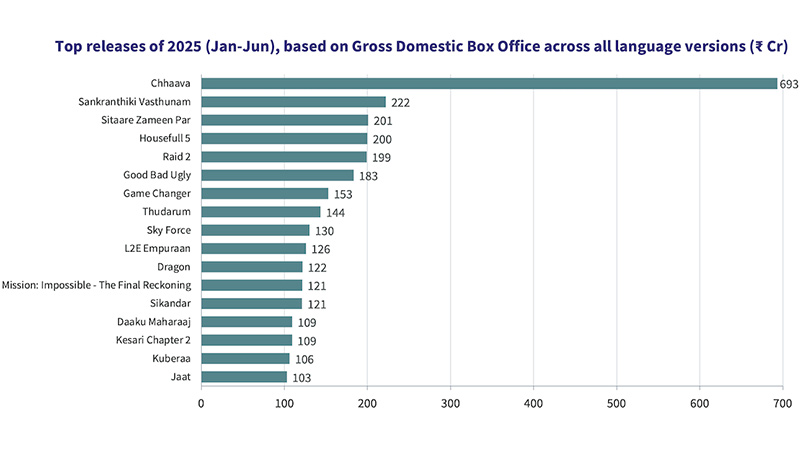
MUMBAI: India’s cinemas have found their groove and the numbers are singing. The first half of 2025 has grossed Rs 5,723 crore at the domestic box...

MUMBAI: Balaji Digital has pulled off a streaming stunner. In just over a year since its OTT rebirth, two of the studio’s three original shows have...

MUMBAI: Ready for a trip down Tele‑vision Lane? Indian TV networks are reaching for the rewind button, dusting off iconic serials from the 90s and 2000s and re-hashing...

MUMBAI: What’s the buzz across Bharat? Ormax Media may now have the answer in eight languages. India’s go-to media insights firm Ormax Media has given its...

MUMBAI: From crime to cult status, Aashram S3 Part 2 isn’t just streaming, it’s storming. The smash-hit series on Amazon MX Player has crossed a jaw-dropping...

MUMBAI: The Indian cinema landscape is witnessing a box office bonanza in early 2025, with February continuing the strong momentum established in January. The domestic box...

MUMBAI: Ads are now sneakier than ever—slipping into your favourite reality show, casually making an appearance in blockbuster films, and popping up in places you least...

MUMBAI: In an era where superheroes fly across screens and futuristic worlds captivate our imagination, one battle remains stubbornly grounded in reality: the gender gap. Despite...

MUMBAI: Picture this: you’re slouched on the couch, watching the season finale of your favorite show, but the room feels hollow. No one to laugh with,...

Mumbai: According to recent reports from Ormax Media, The Legend of Hanuman season five created and produced by Sharad Devarajan and Graphic India has secured the...

Mumbai: The all-new avatar of Vi Movies & TV, launched in March earlier this year, is a one-stop entertainment destination for all Vi subscribers. Vi Movies...

Mumbai: Media consulting firm Ormax Media has released the latest edition of India’s largest audience research to size the OTT universe in the country, titled The...

Mumbai: Entering its 17th year of providing insights to the Indian Media & Entertainment (M&E) industry, media consulting firm Ormax Media has announced its foray into...

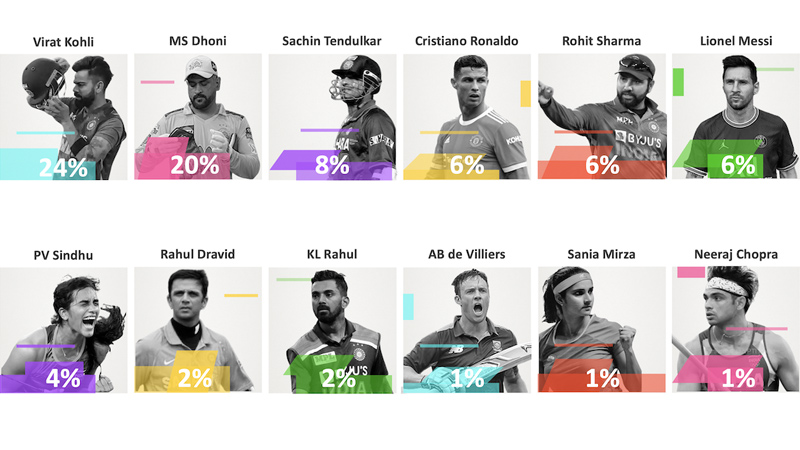
Mumbai: Media consulting firm Ormax Media announced the launch of its new consulting tool Ormax Star Image Pulse. The tool marks the company’s foray into celebrity...

Mumbai: Bodhitree Multimedia’s latest production, “Gunaah,” streaming on Disney+ Hotstar, has secured 3.4 million views. During the week of 24 to 30 June 2024, Gunaah was...

Mumbai: A new annual report from media analytics firm Ormax Media, titled Sizing The Cinema: 2024, sheds light on the growth of the Indian theatrical market....

Mumbai: Media consulting firm Ormax Media has released its latest research report titled The Ormax Sports Audience Report: 2024. The report is based on India’s largest...

Mumbai: Ormax media has released the annual version of their report ‘Streaming Originals in India: The 2023 Story’. Since 2018-19, Ormax Media has compiled extensive industry...

Mumbai: In the ever-evolving landscape of entertainment, Over-The-Top (OTT) streaming platforms have become the go-to destination for consumers seeking on-demand content. From Disney+Hotstar to Netflix, Amazon...
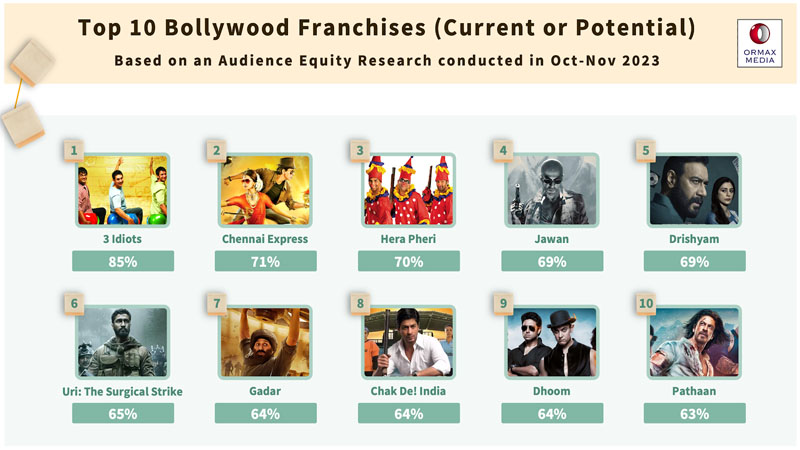
Mumbai: Media consulting firm Ormax Media today announced the launch of its new report titled ‘The Bollywood Franchise Report: 2023’. The report identifies Top 100 Hindi...

Mumbai: Media analytics firm Ormax Media announced the launch of Ormax Campaign Express, its campaign testing tool for across theatrical, streaming and television categories. While Ormax...

Mumbai: Media consulting firm Ormax Media has released the latest edition of India’s largest audience research to size the OTT universe in the country, titled The...

Mumbai: Prime Video, India’s most loved entertainment destination, today released the latest edition of O Womaniya! report, the most definitive study on female representation in Indian...

Mumbai: Tapping India’s evolving content business, including India’s OTT growth story, MICA, Ahmedabad, India’s premier B-school for Strategic Marketing and Communications, has launched a specialised course...
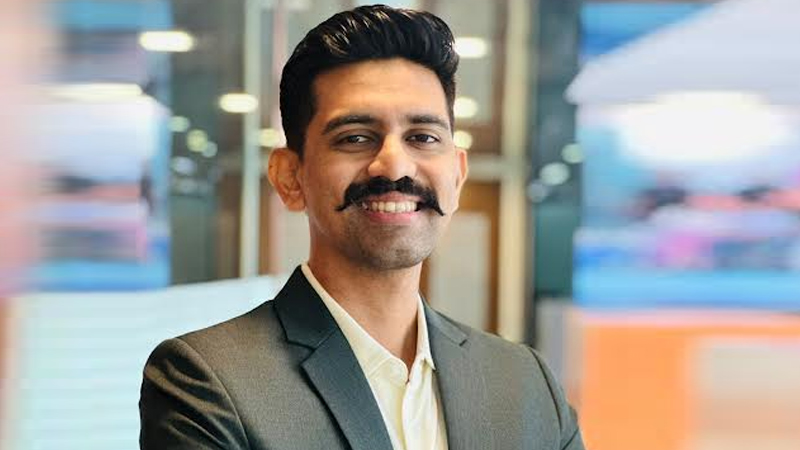
Mumbai: Media insights firm Ormax Media has appointed Sanket Kulkarni as head – business development (theatrical). In this role, Kulkarni will be spearheading the company’s business...

Mumbai: Box office numbers reach Rs 4,200 crore during January-April recording the cinema exhibition industry’s best performance post-Covid, as per a report by cinema advertising company...

Mumbai: The Indian subscription video-on-demand (SVOD) audience consumes content in 4.6 languages on an average, found a study by media consulting firm Ormax Media. The presence...

Mumbai: India has a sports fan base of 136.3 million, according to the latest report by Ormax Media. A sports fan is defined as someone who...

Mumbai: Media consulting firm Ormax Media and entertainment journalism platform Film Companion have announced the launch of the second edition of their initiative on female representation...

Mumbai: Disney Kids Network is set to launch kids’ channel Super Hungama on 1 March. As per Broadcast Audience Research Council (Barc) data, Disney Network is...

Mumbai: The Indian box office lost more than Rs 15,000 crore to the pandemic in the year 2020 and 2021, according to Ormax Media’s ‘The Ormax...

Mumbai: Print media continues to lead with a credibility index of 62 per cent, followed by television (55 per cent) and radio (54 per cent). Social media...

Mumbai: Media consulting firm Ormax Media has announced the launch of an ott brand health tracking tool called Ormax Brand Monitor (OBM). The tool is based...

Mumbai: Ormax Media has announced the launch of a new audience analytics tool, Ormax Televate. It is designed to help TV channels in achieving viewership growth by...

Mumbai: As many as 15 Bollywood movie release dates were announced within 24 hours of the news of cinema theatres reopening in Maharashtra on 22 October....

Mumbai: The English GEC genre accounted for less than one per cent of TV viewership and ad volumes in 2020, according to Broadcast Audience Research Council...

Mumbai: India has 353 million OTT users and 96 active paid subscriptions, according to Ormax OTT Audience Report 2021. The research is based on a sample...
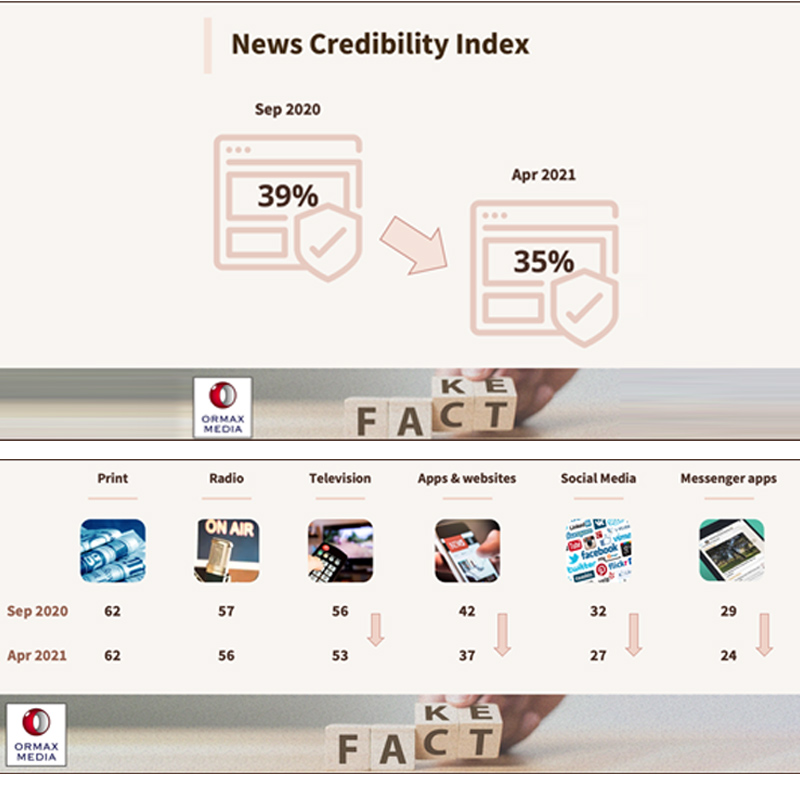
Mumbai: Two out of three news consumers consider fake news a major challenge facing the country’s news organisations, showed the latest report released by media consulting...


