Tag: online gaming regulation

  • Game on, but play fair: India’s gaming industry rolls out ethics code

    Game on, but play fair: India’s gaming industry rolls out ethics code

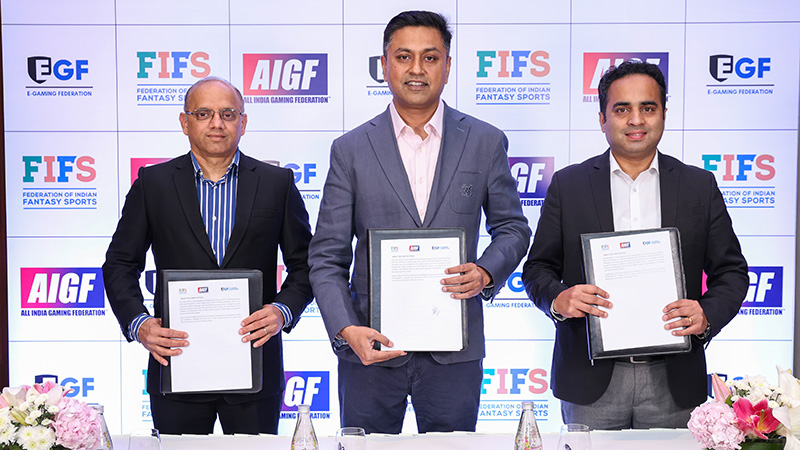
    MUMBAI: The All India Gaming Federation (AIGF), the Federation of Indian Fantasy Sports (FIFS), and the E-Gaming Federation (EGF) have come together to set the rules of engagement—quite literally. With the launch of their code of ethics (CoE), the gaming industry is hitting pause on unchecked practices and fast-tracking a new era of responsibility, transparency, and fair play.

    This isn’t just about PR-friendly promises—it’s a concrete roadmap for player safety, ethical advertising, and industry accountability. The CoE mandates stringent KYC processes, age restrictions, self-imposed spending limits, and annual third-party audits. Gaming platforms with annual revenues above Rs 100 crores have six months to get their act together, while smaller operators have nine months to comply. Those who play by the rules will receive a certification—valid for a year and renewable only after a fresh audit. No loopholes, no excuses.

    India’s online gaming industry is no stranger to scrutiny. With over 50 crore gamers navigating skill-based real-money games, the need for structured regulation is long overdue. The CoE’s principles include:

    Responsible gaming: Strict age-gating, no operations in restricted states, and robust KYC enforcement.

     Player protection: Data security and proper management of player funds.

     Fair play: Ensuring integrity and transparency in gameplay.

     Informed choices: Players can set limits, self-exclude, and make better decisions.

     Support for vulnerable users: Resources to help at-risk players.

     Ethical advertising: No misleading promotions or shady marketing tricks.

    AIGF CEO Roland Landers made it clear that ethical gaming is the foundation for long-term industry growth. “As the largest and oldest industry association, we at AIGF believe that a thriving gaming industry must be built on the pillars of responsibility, transparency, innovation, and player protection. This Code of Ethics reinforces our commitment to fair play, compliance with Indian laws, and fostering a secure and responsible gaming environment. Through collaboration with other industry federations, we are setting new benchmarks for ethical gaming, strengthening the credibility of India’s online gaming sector, and building a sustainable, globally competitive ecosystem.”

    FIFS director general Neil Castelino echoed the sentiment. “This joint code marks a significant step forward in our commitment to fostering a safe, fair, and responsible gaming environment in the country. By working together as an industry, we are setting a unified standard that prioritizes player well-being, integrity, and accountability across the industry. This we believe will be pivotal in ensuring a safe environment for the 24 crore FS users in the country.”

    Meanwhile, EGF CEO Anuraag Saxena didn’t mince words, “National interest, consumer interest, and the industry’s interest have all suffered too long. Unethical gambling operators have been parasitically harming the nation, its exchequer, and its people. I’m delighted that the industry is collaborating on the joint code-of-ethics today. The adoption of these standards reinforces our commitment to accountability through third-party audits, responsible gaming policies, and ethical business practices. Sunlight is the best disinfectant, and the industry taking due cognizance of this is a great step ahead for gaming in India.”

    The gaming industry is no longer playing defence. With the code of ethics in place, India is setting a global benchmark for responsible gaming, ensuring that players can enjoy the thrill—without the pitfalls.


  • TORF extends support to online gaming regulation

    TORF extends support to online gaming regulation

    NEW DELHI: With the Tamil Nadu government taking an increasingly hard line on online gambling, The Online Rummy Federation (TORF) has stated that it welcomes the move to regulate the sector. At the same time, it wants to ensure that any new regulation is not prohibitive and builds in protections for consumers and operations of legitimate operators. 

    The statement comes in the wake of additional advocate general Sricharan Rangarajan informing the Madurai Bench of the Madras high court that the state government was actively considering regulating the online skill gaming sector.

     “The government is worried about the recent suicide reports related to online gaming. These recent events are of grave concern to TORF and its members. Over the last two years, TORF members have taken extraordinary and voluntary steps to self-regulate and give players the tools to play responsibly,” the federation said in a press note.

    The key areas of consideration will include: KYC verification; minimum age; player protection requirements; mandatory responsible playing features like setting daily monthly limits, self-exclusion etc; advertising guidelines; no BOTS on sites; SSL level encryption; and other such requirements to ensure player experience is safe, fair and enables responsible gaming.

    The federation added, “We strongly feel that the government should regulate this sector to ensure only legitimate, legal operators who follow strict protocols are allowed to operate and a clear distinction drawn from those who try and operate above the law. Tens of thousands of players from Tamil Nadu enjoy playing online rummy safely and responsibly. Effective regulation will let the vast majority of the players who play responsibly continue to enjoy the game, protect the players that are vulnerable, and lead to substantial additional revenues for the government.”

    It also suggested that the government of Tamil Nadu should set up a committee to review, discuss and propose a regulatory framework for games of skill, similar to Nagaland and Sikkim. A discussion for a proposal to regulate this industry can address many concerns including the following key points: setting time and monetary limits for players on a daily/weekly/monthly basis; stronger KYC checks and social profiling of users to ensure that players are financially stable adults; strict advertising standards to promote gaming as entertainment and not a way to earn money; an annual license fee and a player support contribution to help vulnerable players. 

    “TORF is committed to providing its full support to the government in creating a safe and responsible gaming industry. We have already made an official representation to the chief minister to kindly consider regulating the sector as a win-win solution,” promised CEO Sameer Barde.