Tag: online gaming

  • India’s gaming giants face extinction as government prepares blanket ban

    India’s gaming giants face extinction as government prepares blanket ban

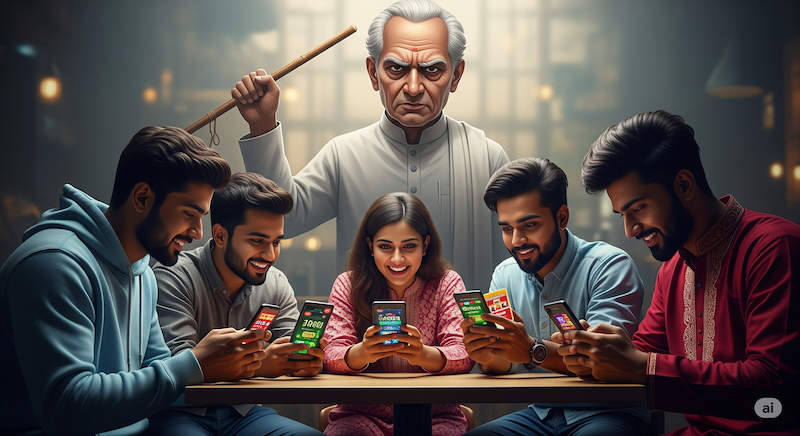
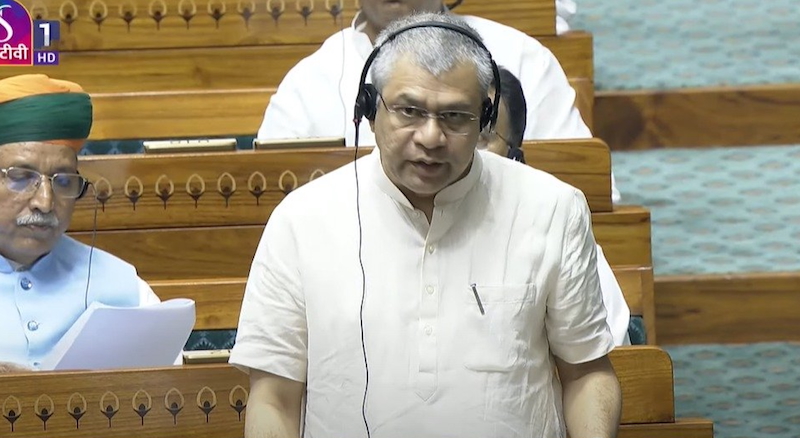
    MUMBAI: India’s booming online gaming sector is bracing for devastation after electronics and information technology minister Ashwini Vaishnaw introduced the Promotion and Regulation of Online Gaming Bill, 2025, in the Lok Sabha on Wednesday. The proposed legislation threatens to outlaw all real-money gaming platforms, regardless of whether they involve skill or chance—a move that could obliterate 86 per cent of the industry’s current revenue streams.

    The bill proposes harsh penalties for violators: up to three years imprisonment and fines of Rs 1 crore for operators, and two years jail plus Rs 50 lakh fines for advertisers. Banks and financial institutions facilitating transactions for money games face similar punishment. Repeat offenders could face between three and five years behind bars with higher fines.

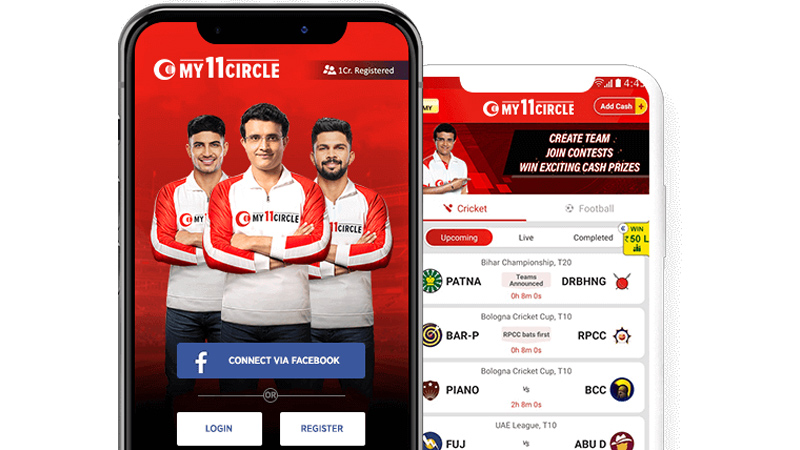
    Market leaders including Dream11, Games24x7, Winzo, GamesKraft and My11Circle now face an existential crisis. India’s online gaming market, currently valued at $3.7 billion and projected to reach $9.1 billion by 2029, could see its financial lifeline severed overnight.

    The All India Gaming Federation, E-Gaming Federation and Federation of India Fantasy Sports have written jointly to home minister Amit Shah, warning that the legislation would “destroy over 200,000 jobs, result in over 400 companies shutting down, and weaken India’s position as a digital innovator.”

    The industry argues that legitimate platforms will be forced to close, pushing crores of users towards illegal matka networks, offshore gambling sites and unregulated operators. The sector has grown into a Rs 2 trillion industry, generating Rs 31,000 crore in annual revenue and over Rs 20,000 crore in taxes whilst expanding at 20 per cent compound annual growth rate.

    The bill defines an online money game as one where users pay fees or deposit money “in expectation of winning in return of money or other stake.” It explicitly excludes esports and online social games such as casual entertainment formats without monetary stakes. A proposed Online Gaming Authority would determine whether games qualify as money games and oversee the sector.

    MeitY secretary S Krishnan said the legislation aims to recognise the industry’s creative intent whilst restricting undesirable segments. The government cited instances of severe financial distress and suicides linked to online money gaming during cabinet deliberations, noting particular concerns about addiction among children and youth.

    The move represents a decisive shift from tax-and-regulate to prohibit-and-enforce. Authorities have already imposed a 28 per cent goods and services tax on gaming revenues since October 2023, followed by a 30 per cent tax on net winnings from FY 2024-25. Over 1,400 illegal betting and gambling sites have been blocked since 2022.

    Players themselves will not face criminalisation under the proposed law, being treated as victims rather than offenders. Free-to-play and subscription-based games where users pay fixed fees without wagering during gameplay will remain permissible.

    Industry insiders warn the legislation could violate constitutional principles whilst strengthening illegal offshore operators—described as “one of the biggest national security threats to the country today.” India’s gamer base has grown from 360 million in 2020 to over 500 million in 2024, with foreign direct investment in the sector crossing Rs 25,000 crore by June 2022.

    The Lok Sabha session was adjourned until 2pm shortly after the bill’s introduction amid opposition protests, leaving the industry’s fate hanging in the balance.

  • India bans online betting as gaming crackdown intensifies

    India bans online betting as gaming crackdown intensifies

    MUMBAI: India’s cabinet approved sweeping legislation on Tuesday that will make online betting a criminal offence, dealing a severe blow to the country’s booming digital gaming sector. The Online Gaming Bill, set to be introduced in parliament on Wednesday, represents the government’s most aggressive move yet to regulate an industry projected to reach $9.1 billion by 2029.

    Under the new law, banks and financial institutions will be barred from processing payments for real-money gaming platforms, effectively choking off funding to betting operations. The legislation also prohibits advertisements promoting monetary gaming whilst encouraging skill-based games and e-sports.

    The crackdown follows a surge in fraud cases linked to offshore betting platforms and their celebrity endorsers. Unauthorised betting already carries penalties of up to seven years in prison under existing criminal provisions, but the new bill strengthens enforcement mechanisms and expands the scope of punishable offences.

    Real-money games currently account for 86 per cent of revenues in India’s online gaming market, valued at $3.7 billion in 2024. The sector has been under increasing scrutiny since the government imposed a 28 per cent goods and services tax in October 2023, followed by a 30 per cent levy on net winnings.

    The ministry of electronics and information technology is expected to serve as the central regulator, with powers to block unregistered or illegal gaming sites. Since 2022, authorities have already blocked more than 1,400 betting and gambling websites.

    The legislation aims to create uniform regulations across states whilst preserving their constitutional authority over gambling matters. The government has issued advisories warning parents and teachers about gaming addiction, whilst broadcasters must now carry disclaimers about financial risks in gaming advertisements.
    Industry observers warn the ban could drive the sector underground, potentially exposing users to greater fraud risks. However, officials argue the measures are essential to protect consumers from addiction and financial exploitation in an increasingly unregulated digital landscape.

  • My11circle partners with JioStar as co-presenting partner for TATA IPL

    My11circle partners with JioStar as co-presenting partner for TATA IPL

    MUMBAI: Cricket fever in India is no joke, and this year, the excitement just got bigger. My11circle has partnered with JioStar as a co-presenting partner for the official digital streaming of TATA IPL 2025. That’s right—fantasy cricket just levelled up, and fans are in for an even more immersive, edge-of-the-seat experience.

    This move cements My11circle’s position at the heart of cricket fandom, tapping into JioStar’s massive digital reach across mobile and connected devices. The brand, already an official associate partner of TATA IPL, is now in its second year of a five-year commitment to the marquee tournament. And if there’s one thing this deal guarantees, it’s a season packed with adrenaline-pumping cricket and non-stop engagement.

    My11circle’s goal? Bringing cricket fans closer to the action than ever before. And with this partnership, they’re doing just that.

    “The passion for IPL in India is undeniable, and we are dedicated to providing users with an even more dynamic and immersive experience. At My11circle, our focus has always been on our users. Partnering with JioStar as a co-presenting partner helps us blend seamlessly with the digital viewing experience, taking fan engagement to the next level. Together, we’re creating a platform that not only celebrates cricket but also brings fans closer to the action,” said Games24x7 COO Saroj Panigrahi.

    By aligning with JioStar, My11circle is now set to engage with millions of cricket fans streaming TATA IPL 2025 digitally, ensuring deeper interaction, real-time participation, and an overall next-gen fantasy sports experience. This partnership doesn’t just make watching cricket fun—it turns every match into a high-stakes, immersive event where fans can test their skills, make strategic calls, and win big.

    With its rapidly growing fantasy sports community, My11circle continues to push boundaries, using cutting-edge technology and a seamless platform to redefine the cricket fan experience. 
     

  • Popular TV Shows That Have Shaped the Casino Gaming Industry

    Popular TV Shows That Have Shaped the Casino Gaming Industry

    The Casino industry continues to experience massive growth, generating remarkable revenues worldwide. The sector’s evolution and integration of modern technology have been the foundation of its recent success. Today, there are thousands of games across different genres, such as live dealers, bingo, poker, and table games, with pokies accounting for the vast majority.

    Aussies are huge fans of Pokies because they are very easy and fun to play. While some may argue about its simplicity, the infusion of gamification elements in modern-day catalogs negates such claims. Many pokies feature adaptations from top-rated TV shows, movies, and music. The end products are games featuring relatable elements, characters, sounds, and symbols. This article explores some of the most popular TV shows that have entered the iGaming industry.

    Game of Thrones

    HBO’s Game of Thrones is a TV series that needs no introduction. First premiered in April 2011, the 73-episode show ranks as one of the best of all time. While many do not agree with how it was concluded in the last season, there are no complaints about its overall ratings. It is based on the book series “A Song of Ice and Fire” by George R.R. Martin. It features plots, twists, and competitions between noble families of the seven kingdoms fighting for their claim to the Iron Throne.

    So far, it has received 59 Primetime Emmy Awards, the most ever won by any drama series. The influence of Game of Thrones is so massive that it inspired renowned software developer, Microgaming to create a specialized themed slot with the same title. The game features 15 paylines of 5 reels, making it a top choice in the best online casinos in Australia. The graphics are just as stunning and epic as the numerous battle scenes in the series. Most notable are the unique-themed GOT soundtrack, symbols of popular casts, and exciting bonuses.

    Vikings

    Vikings-themed slots are among the most popular options in online casinos. Irrespective of the different titles, they all have the same thing in common. The theme revolves around the typical Viking lifestyle or nomadic sea voyage and conquest, especially in pre-historic times.

    Today, many movies and TV series are designed to closely portray the Viking lifestyle. This has become so popular that it extends beyond the cinematic world into the casino industry. Top Vikings movies include Ragnarok, Vikings: Valhalla, Norsemen, and Vikings. These shows have inspired developers like NetEnt, Yggdrasil, Microgaming, and Play’N Go to develop popular slots. Typical examples include Ring of Odin, Asgardian Stones, Vikings, Thunderstruck II, and Vikings Go Berzerk. Each game, in its unique way, features a stunning integration of symbols and sounds, providing exciting gameplay.

    The Walking Dead

    AMC’s “The Walking Dead” is another exciting and famous TV show that has greatly influenced the casino industry. Set in the post-apocalyptic era following the destruction of the world by a deadly virus, the movie keeps you on your toes with every episode. From the first season premiered in October 2010, down to the 177th episode, the cast put up an excellent performance. The goal was simple: survive. At first, it was all about navigating and surviving against the zombies, popularly called “the walkers” in the show. However, things got more complicated when survivors now posed as threats against each other.

    While the series concluded in 2022, it continues to inspire many zombie-themed pokies in the casino industry. Developers like Aristocrat, Playtech, and Blueprint Gaming have so far been inspired. The Walking Dead slot by Aristocrat is by far the most ranked, integrating many relatable tones and sounds. There are icons from major casts like Daryl Dixon, Michonne, and Rick Grimes. Also, these games feature many bonuses and bonus triggers like “Horde Bonus” and “Escape from the Zombie,” portraying the numerous dangers and challenges faced in the show.

    Family Guy

    Created in 1999 by Seth MacFarlane, Family Guy is a fictional, animated sitcom about a dysfunctional family.  The main characters are the Griffins, consisting of Peter and Lois, their kids Meg, Stewie, and Chris, and their dog Brian. The plot centers around the daily adventures of the family and their unique personality.

    So far, the series has 424 episodes and 22 seasons and is still in production. It has so far received several awards and nominations, including a Primetime Emmy nomination for “Outstanding Comedy Series.” The foremost influence of the show’s popularity is seen in the development of slot games by prestigious providers like IGT. The slot game features similar symbols, humor, and sounds, creating nostalgia for those familiar with the series. The slot features 5 reels and 3 rows with wild and scatter symbols and multiple bonus rounds.

    Breaking Bad

    Breaking Bad slot is a top choice for players who are fans of high school chemistry teacher Walter White. The American drama series hit the screen in January 2008. It has 5 seasons, with 62 episodes of drama, suspense, and crime. Walter, on the verge of giving up following a diagnosis of stage-three cancer, turns things around after finding a new purpose. He partners with his former student Jesse when he finds his Chemistry skills useful in producing methamphetamine.

    Developers like IGT and Aristocrat have drawn inspiration from the TV show to create related games. This is particularly interesting for fans of the show as it features sounds and symbols that the show lovers would recognize and enjoy. Like other regular slots, it also features bonus rounds and multipliers, making it fun and rewarding to play.

    Summing Up

    The casino industry is undoubtedly one of the biggest beneficiaries of the digital revolution. With mobile phones and the internet, there is a massive transition from land-based to online gaming. This digital transformation has brought about the integration of enhanced sounds and graphics. Modern slot games boast distinct visuals and auditory simulations from traditional slot machines.

    Overall, the transition from shows to slots has come to stay.  These shows inspire developers to create unique-themed slots so that players can relate and have more fun.

    Disclaimer: This article does not have journalistic/ editorial involvement of indiantelevision.com. indiantelevision.com group or its websites does not endorse/ subscribe to the contents of the article/advertisement and/or views expressed herein.

    The reader is further advised that Online Casino, Betting, Online Gaming , Crypto products, Financial Investments/Engagement , NFTs, Products associated with health, wellness, and food are unregulated and can be highly risky. There may be no regulatory recourse for any loss from such transactions or risk associated with health conditions.

    Indiantelevision.com group shall not in any manner, be responsible and/or liable in any manner whatsoever for all that is stated in the article and/or also with regard to the views, opinions, announcements, declarations, affirmations etc., stated/featured in the same. The decision to read hereinafter is purely a matter of choice and shall be construed as an express undertaking/guarantee in favour of indiantelevision.com (indiantelevision.com group) of being absolved from any/ all potential legal action, or enforceable claims. The content may be for information and awareness purposes and does not constitute financial advice.

  • For India to become a gaming hub, it needs clear, consistent & credible policies: Dr Aruna Sharma

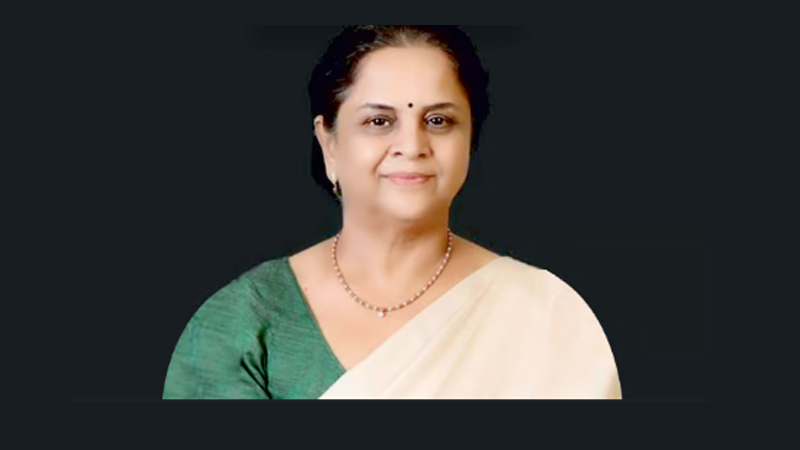
    For India to become a gaming hub, it needs clear, consistent & credible policies: Dr Aruna Sharma

    Mumbai: The online gaming industry in India is rapidly evolving amidst a backdrop of regulatory scrutiny and technological advancement. With a staggering 28 per cent CAGR from FY20-23 and a market valuation of ₹16,428 crore, it has caught the attention of global investors and developers alike. As policymakers navigate challenges around GST implementation and classification of games, the industry seeks a stable regulatory framework to propel it towards becoming a global hub for game developers, leveraging India’s vast potential and cultural richness.

    Delving deeper, Indiantelevision.com caught up with development economist and retired secretary of Government of India, Dr. Aruna Sharma, to gain more insights on how regulatory dynamics and technological advancements are shaping the future of the Indian online gaming industry.

    Edited Excerpts:

    On the current trends shaping the Indian online gaming industry

    The gaming industry in India is evolving rapidly. It is focusing on avoiding misleading ads, ensuring secure digital payments, and keeping an open dialogue with policymakers. The rise of smartphones, better internet access, and new gaming start-ups is exciting. We’re seeing challenges being tackled both with policymakers and in courts. What’s unique about India is how it differentiates between games of skill and games of chance. There’s also a growing perception of online games as valuable learning tools.

    On the implementation of GST impacting the online gaming industry, and the changes you would recommend for a more balanced taxation policy

    In 2023, the GST on online games of skill jumped from 18 per cent to 28 per cent, which was a big shock to the industry. Thankfully, courts have stayed with this increase, recognising the issue, and an inter-ministerial group is now looking into GST rationalisation. The retrospective application from July 2017 was especially tough. However, a recent amendment in Section 11A allows the government to waive these retrospective taxes and penalties, and a quick, positive decision on this is essential.

    Moreover, GST is currently imposed on the entire amount on the table, including player contributions and winnings, which aren’t classified as goods or services. This needs to be corrected, and hopefully, the Supreme Court will address it soon.

    On responsible online gaming contributing to India’s goal of becoming a $5 trillion economy and a global hub for game developers

    Responsible gaming involves several key practices: including SROs among its members, ensuring KYC for all players, mandating digital payments, storing all data on blockchain for easy retrieval and analysis, implementing filters for time spent, money limits, and age restrictions, reporting any signs of money laundering, and adhering to advertising codes to prevent misleading ads.

    For India to become a gaming hub, it needs clear, consistent, and credible policies. All gaming companies should register in India and pay taxes here. India has the talent to develop new, culturally relevant games and a significant potential for expansion. Games should be classified as either games of skill or games of chance, with no bans on any type of game.

    On cultural localisation impacting the success of online games in India

    Online gaming can be a great learning tool, especially for games of skill. People can learn game rules, strategise, and play in teams. India’s rich storytelling tradition can be transformed into engaging games. Online games can also teach kids important skills like color recognition, pattern identification, and grouping. They can even include lessons on civic sense and traffic rules in a fun way.

    On the convergence of online gaming with other digital sectors like fintech and e-governance

    Online gaming is a unique product. Its use of blockchain, digital payments, and KYC helps detect and prevent misuse like money laundering, with data that can be easily traced. While e-governance can use online gaming for skill development, the two remain distinct. Fintech has stricter rules to follow, as it involves finance. All digital transformation platforms need their own core discipline.

    On the impact of too many intrusive ads in mobile games, and the industry striking a balance between monetisation and maintaining a positive user experience

    Many digital platforms have moved to a subscription model instead of relying solely on ads. Plus, many platforms offer the option to pay extra for an ad-free experience, which users appreciate.

    On envisioning the future of the online gaming industry in India over the next decade, especially in terms of technological advancements, regulatory changes, and market growth

    Technological advancements will spread globally. If we delay implementing the right policies, online gaming might move offshore, and India could miss out. We need policies that are convergent, consistent, and credible.

    Today, 60 per cent of mobile phones in India are smartphones. With secure digital payments and expanding internet access, the market for online gaming will grow exponentially. India has the potential to become a hub for game developers and a leading platform for online gaming.

    Currently, games of chance are registered under the Gambling Act. However, online games of skill are only registered for taxation purposes, as MeitY has not yet established an SRB, set parameters to define money and non-money games as skill-based, or enabled all Indian and offshore developers to register in India and legitimise the process.

  • SuperGaming introduces 4v4 Team Deathmatch in Indus Battle Royale

    SuperGaming introduces 4v4 Team Deathmatch in Indus Battle Royale

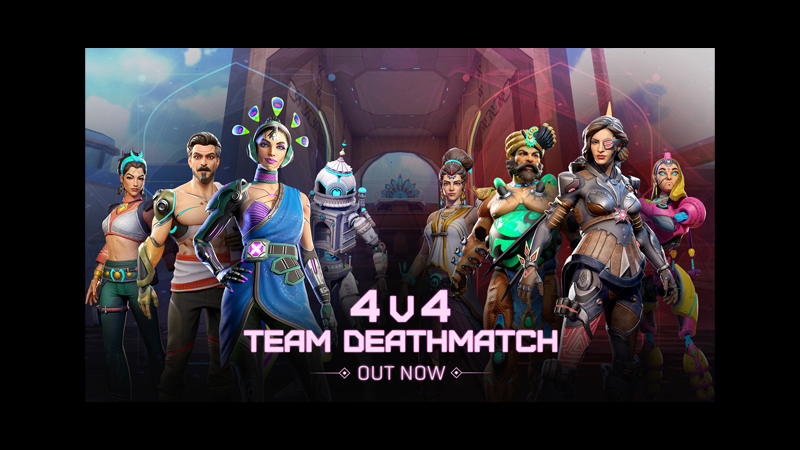
    Mumbai: SuperGaming, an Indian game developer based in Pune, has announced the launch of Team Deathmatch (TDM) mode for its upcoming homegrown game, Indus Battle Royale. This latest gameplay feature follows Indus’ recent feat of surpassing 11 million pre-registrations on the Google Play Store for Android.

    The TDM mode introduces a 4v4 gameplay experience set in the brand-new map called Saaplok. Unlike the traditional battle royale format, TDM offers an adrenaline-pumping environment where players will respawn after getting eliminated, ensuring continuous action and engagement. The first squad to collectively reach 50 kills will be declared the winner.

    Additionally, weapon sway, crosshair centering, and muzzle VFX have all been reworked for a more dynamic and immersive experience. To further enhance player satisfaction, achievements and kill confirmations have been visually revamped, while a brand-new UI widget called “ferrofluids” has been introduced. This innovative widget not only accurately conveys the direction, intensity, and count of weapon fire and self-inflicted damage, but also boasts a stylish design unlike anything seen in the genre.

    Sharing his enthusiasm for the latest gameplay mode addition to Indus Battle Royale, SuperGaming CEO and co-founder Roby John stated, “We are thrilled to introduce the Team Deathmatch mode in Indus Battle Royale. With TDM, players can expect a pulse-pounding experience that combines fast-paced action with strategic gameplay. The support from our community has fueled our development efforts, and we are confident that our players will embrace TDM and the new dimension that it brings to the game.”

    Players can expect a complete audio overhaul, featuring dynamic voice lines, impactful interior reverb during combat, and a thrilling new endgame track complete with unique sound effects for victory and defeat. Weapon handling has also received a significant upgrade, with gun responsiveness now visible during sliding maneuvers and while firing.

    To intensify combat, TDM will offer four pre-made weapon load-outs for players to choose from. Catering to various playstyles, these load-outs will prevent any single weapon or combination from becoming overpowered, bringing balance and a competitive edge to the gameplay.

    The weapon load-outs for Indus Battle Royale TDM will be as follows:

    1   A27 Locust (assault rifle) & Judgement (handgun)

    2   Devastator (light machine gun) & R4-FTR (handgun)

    3   V – Fury (submachine gun) & Kismet CS10 (shotgun)

    4   Tempest CFA (submachine gun) & Vigil SR-14 (semi-automatic sniper rifle)

    The addition of TDM will cater to both casual players seeking fast-paced action and competitive gamers looking for team-based challenges, or even for squads looking for a quick warm up prior to a battle royale match. It will not only diversify gameplay within the Indus universe but also broaden the game’s appeal to a wider gaming community eager for multiplayer modes.

    The game is currently in closed beta and gamers eager to experience it firsthand can head over to www.indusbeta.com and sign up to join the official waitlist. Once on the list, users will receive a direct link to download and play the game as soon as they are whitelisted.

  • Games24x7 reveals new identity, pledges innovation in online gaming

    Games24x7 reveals new identity, pledges innovation in online gaming

    Mumbai: Games24x7 online skill gaming company, today unveiled its new brand identity, marking a significant milestone in the company’s 17-year journey. The new visual identity is a testament to the company’s commitment to the seamless integration of science and entertainment. Guided by the operating ethos of ‘Science of Gaming’, this transformative unveiling reflects Games24x7’s unwavering commitment to delivering awesome gameplay experiences rooted in scientific principles.

    At the unveiling of the new brand identity, Games24x7 co-founder and co-CEO Bhavin Pandya said, “At Games24x7, our path has been shaped by an unwavering dedication to a scientific mindset, our focus on user-centricity, and our incredible teams that wholeheartedly embrace this scientific approach. Our fresh brand identity goes beyond mere visual change; it stands as a reflection of our profound enthusiasm for these core principles and the continuous advancement within the online gaming sector. The rejuvenated brand identity underscores our technological expertise and commitment to harnessing cutting-edge technologies like AI/ML to create hyper-personalised gaming experiences to entertain our users.”

    The carefully crafted new visual identity of the Games24x7 corporate brand serves as a beacon, symbolizing the company’s dedication to creating experiences that transcend the ordinary. Every element has been thoughtfully designed to communicate the duality inherent in the brand’s guiding belief: the intersection of science and entertainment.

    Brand initiatives around new visual identity launch:

    Games24x7 sparked excitement surrounding its new visual identity by unveiling a colour teaser on its social media platforms. The video showcased waves of vibrant colours, each inspired by the brand’s new logo. Subsequently, to provide the audience with a deeper insight into Games24x7’s journey and story so far, its values, and commitment, the brand presented in a three-part illustrated video of Games24x7’s journey.

    The brand engaged its employees through a dedicated microsite – Readytogo24x7.com, which featured a live countdown to the unveil, one-touch games with exciting rewards, and a live photo wall encouraging employees to share their photos, fostering a visual representation of the Games24x7 extended family.

    Intriguing contests were also designed, inviting employees to share their unique perspectives and experiences with the brand, adding a fun and personal touch to the rebranding activities. Furthermore, employees expressed their connection with Games24x7 by sharing the brand’s values that resonate with them the most on their social media handles. These initiatives not only built anticipation but also created an inclusive and spirited atmosphere, allowing teams to actively participate in this journey.

    Key elements of the new logo:

    The new visual identity features a stack of ‘G’ letterforms, with the vibrant orange brushstroke ‘G’ proudly positioned atop a solid navy stack. This distinctive symbol not only represents the initial letter of the company’s name but also signifies the commitment to a scientific approach in crafting enjoyable gaming experiences. The </> coding symbol in navy blue, denoting the universal language of technology, further reinforces the company’s commitment to innovation, while the depth of the stack cues metaphorically illustrates the organization’s willingness to delve deep to address challenges at it’s core for game development.

    The logotype ‘games24x7’ utilizes two distinct typefaces, Poppins and Sprite Graffiti. ‘games’ is crafted with the bold, geometric forms of Poppins, representing the precision involved in the science of gaming. In contrast, ’24×7′ utilises the energetic, brush script numerals of Sprite Graffiti, embodying the vibrant and playful nature of the gaming experiences Games24x7 creates.

    The new visual brand identity can be seen across all brand communications, social media platforms, the website, and other collaterals.

    Reference campaign posts:


  • Interactive Avenues to handle A23 Games’ digital media duties

    Interactive Avenues to handle A23 Games’ digital media duties

    Mumbai: A reprise network company, Interactive Avenues, and the digital arm of Mediabrands India, have won the digital media duties for A23 Games. The account will be led out of the agency’s Bengaluru office.

    A23 Games is India’s leading multi-gaming platform with 16+ years of experience in the online skill-based gaming industry.

    With a goal of expanding A23’s reach across the country and establishing online gaming as a source of entertainment, Interactive Avenues’ mandate for A23 Games includes online brand building, social media management, content development, and digital activations.

    Interactive Avenues EVP (south) Aparna Tadikonda said, “We are delighted to add another marquee brand and an industry leader like A23 Games to our clientele. The online gaming sector is booming, and A23 Games has played a pioneering role, since its inception over 16 years ago, in catapulting India to the second position in the world. Their “Responsible Gaming” campaign with superstar Shahrukh Khan has already raised the content bar, and we are truly excited to leverage our media expertise and creative prowess to not only elevate A23 Games’ digital game but also to help realise their vision of making India an online gaming powerhouse.”

    Interactive Avenues is India’s leading full-service digital marketing company with offices in Mumbai (headquarters), Gurugram, Bengaluru, Chennai, and Kolkata. They offer a comprehensive range of cutting-edge services, including media, programmatic, data & analytics, e-commerce, paid search, social media, SEO, ORM, creative, and web development, all under one roof with fluid, multidisciplinary teams.

  • GUEST ARTICLE: Is Google’s pilot project on fantasy sports likely to alter the course of online gaming?

    GUEST ARTICLE: Is Google’s pilot project on fantasy sports likely to alter the course of online gaming?

    Mumbai: Fantasy sports began in 1962 with a football fantasy league. Since then, its popularity has skyrocketed, mainly due to superior connectivity, dynamic needs for social interaction, the availability of avant-garde smartphones, enhanced demographics, a spike in disposable income, and an expansion in the youth population base. The global fantasy sports market is anticipated to reach $34.66 billion by 2027, rising at a CAGR of 11.47 per cent.

    However, the Indian fantasy sports market gained popularity around two decades back in 2001, when ESPN Star Sports launched the ‘Super Selector Fantasy Game.’ The game’s popularity grew exponentially and garnered over 5,00,000 participants in 2003. The game was the brainchild of the current Fantasy Sports (FIFS) director general Joy Bhattacharjya.

    Fantasy sports participation has surged by 2,500 per cent over the last decade. The number alone demonstrates the enormous fan base of the niche domain in India. Fantasy sports are undoubtedly becoming a forum for crafting gaming strategies and boosting virtual sportsmanship. By the end of 2022, India will have over 829 million smartphone users, increasing the number of sports enthusiasts participating in fantasy sports. The present count of mobile gamers in India is 430 million. It is anticipated to grow to 650 million by 2025.

    With the advent of television, digital, and online gaming models leading to an increase in online gaming sites over the last several years, the gaming sector has undergone a radical transformation. According to an EY report, online gaming is the leading category in the entertainment sector, with a penetration rate of 55 per cent.

    What are Fantasy Sports?

    Fantasy sports are digital sports engagement platforms enabling users to strategically build virtual teams with proxies of actual sports players participating in a forthcoming match (or match-day). The competition in these DFS (Daily Fantasy Sports) platforms is based on the real-world statistical performances of these players in one full, officially sanctioned sports match. The users act as the coach or manager, possessing the authority to drop, recruit, or trade a player they desire.

    Proper knowledge of the sport, an adept understanding of the weather and ground conditions, and a cognisance of the real-life sports person’s strengths and weaknesses are crucial to selecting the fantasy squad.

    “Games Of Skill” vs “Games Of Chance”

    The gaming industry in India is segmented into the offline gaming sector (gaming clubs & casinos) and the online gaming sector (gaming websites). Business entities constitute almost the entire chunk of operators in the abovementioned segments. These entities are registered as private limited companies in India.

    Furthermore, the Indian legislation has bifurcated the gaming industry into two broad divisions, viz., “games of skill” and “games of chance,” to regulate the industry’s monetary offerings.

    A skill-based game is one wherein the outcome primarily depends on the players’ skills and not on a chance event. They are, hence, considered legal in social settings, clubs, casinos, and online. The popular online games in India that are recognised as games of skill include horse racing, rummy, and fantasy sports.

    On the contrary, “Games of Chance” depend on luck and advocate gambling. Thus, they are prohibited, and the practise can lead to legal repercussions.

    But Google has now decided to run a “limited-time application-only pilot programme permitting real-money games (RMG) like DFS (Daily Fantasy Sports) and rummy apps by developers incorporated in India to be distributed to users on the Google Play Store in India. The pilot run will start on 28 September 2022, and through 28 September 2023.

    All applicants must complete the application process successfully to be accepted to participate in the pilot programme and will be eligible to distribute their apps on Google Play for the duration mentioned earlier.

    The reason Google cited for making this significant move is to keep in mind the rapid evolution of the fantasy gaming sector and gather sufficient data about any potential user damage and the security of such apps. The unpredictable nature of the regulatory landscape in the online gaming industry has been very evident in the past. Several states, including Telangana, Andhra Pradesh, and Odisha, among others, have outlawed fantasy gaming apps despite favourable rulings by the Supreme Court and other high courts that they are games of skill and are, therefore, legitimate.

    Developers must ensure that users dwelling in jurisdictions where DFS and rummy apps are not allowed and are refrained from accessing their apps.

    Will Google’s temporary nod to RMG games on Play Store be a game changer?

    The introduction of fantasy games on Google Play could be a revolutionary move impacting app developers and users. It would definitely help the industry grow much faster, increasing awareness of these games and consequently boosting user participation. The move would also expand the Play Store’s user base by reaching out to gamers who were previously unable to access these games on the store.

    However, it will be an arduous task for Google to retain its user base and developers and simultaneously adhere to government and other internal policies.

    The developers chosen for the test programme won’t be able to leverage Google’s in-app payment system; instead, they will need to provide substitute third-party billing options within their apps. Google will adhere to its service fee policy for similar apps globally and will not add a commission to transactions done on these apps.

    Earlier this week, Google released a statement mentioning that, as part of a pilot initiative, it will permit developers of non-gaming Android apps from several nations, including India, to provide third-party payment choices, reducing the service fee of 15–30 per cent by four per cent.

    Current scenario and the way forward

    With a user base of 13 crores, India is the fastest-growing FS market, with a CAGR of 32 per cent expected in the coming years. In other words, the industry is projected to grow from Rs 34,600 crore in FY21 to an estimated Rs 1,65,000 crore by FY25, per FIFS estimates. 50 per cent of transactions on FS platforms are initiated from tier two and three cities.

    Cricket, with a whopping 85 percent market share, captured the most significant chunk of the fantasy gaming universe, followed by soccer, hockey, and others. Cricket is anticipated to generate Rs 73,000 crore of CEA for FSPs by FY25, up from Rs 25,000 crore in FY21. The critical user demographic falls into the 25–40-year bracket (59 per cent of the total user base). One of the key findings is that 80 per cent of fantasy sports users participate in free contests.

    Skill-gaming operators must adopt and enforce a high degree of governance and self-regulation in light of the current regulatory environment. The industry has taken or proposed several steps, such as interacting with stakeholders and users to get a clear picture of the needs and expectations after identifying the necessity for self-regulation.

    The trailblazing growth of fantasy sports with every passing day has attracted investments of over $112 million in the past five years. The industry has garnered foreign direct investment of Rs 10,000 crore so far and is expected to attract over Rs 15,000 crore over the next three years.

    The introduction of 5G would alleviate technical disruptions and eliminate latency and low concurrency problems, enabling a broader user base to participate in a tighter-knit gaming community. The transition to 5G, alongside the incorporation of AR and VR into sports and cloud gaming, will pave the way for the next big wave.

    Additionally, the sector has significantly contributed to generating employment in the nation. By 2023, it is anticipated that the potential for growth in creating jobs will increase to more than 5,000 in direct employment and more than 7,000 in ancillary jobs.

    The author of this article is AdCounty Media global mobile business head Kumar Saurav.

  • GUEST COLUMN: Online gaming is India’s fastest growing digital entertainment

    GUEST COLUMN: Online gaming is India’s fastest growing digital entertainment

    Mumbai: Entertainment has become democratised and accessible as a necessity for all walks of life in India. In today’s ‘Digital India,’ the average Indian has found solace in some form of online gaming at some point in time during the day. There are various types of gamers, ranging from hyper-casual to strategic games to real-money gaming. The surge in the online gaming ecosystem in India has validated that Indians have definitely selected online gaming as a medium of entertainment. The common motivation to entertain across OTT and gaming remains constant across all media, old and new: it is a temporary escape from reality.

    The pandemic saw an unprecedented increase in gaming activity, especially on old favourites like ludo, carrom or any other classic board game on their mobile to enjoy playing with friends and family. The soon-to-be multi-billion dollar online gaming industry has a lot to offer in terms of the diversity of products, services, technological developments, job opportunities, and more.

    Although it still faces perspective biases in India from key sections of society on issues ranging from addiction to taboo, the behavioural shift of the consumer is here to stay. There are valid concerns surrounding the stigma of gaming being harmful or dangerous owing to investments of time or money, depending on the segment of the users, and the ecosystem will need to work with key government stakeholders to address that.

    Needless to say, anything in excess has adverse effects, be it binge eating, shopping or gaming. This brings in the need for higher levels of self-control from a user, which can happen if more power is shifted to the user’s hands. Spain has recently mooted the idea of making it mandatory for all real-money gaming businesses to ensure that players select options on time and money limits at the beginning of every week so that they stick to their limits. Since it is hard to unilaterally shift power back to the players owing to a conflict of business interests, there is a need for regulations and policies to force operators to do so.

    These issues don’t necessarily stem only from real money gaming, as there have been numerous reported unfortunate incidents of young children and families being impacted by other forms of online gaming, such as first person shooter games. India will need to come up with some kind of framework to address various segments of the gaming ecosystem to ensure that these businesses remain a mode of entertainment and not an unaccounted escape from reality. Having said that, there are some self-regulatory bodies that are proactively trying to keep operators in check by adhering to certain standards of integrity, transparency, and responsible play for users. While these are the right steps in the right direction, there needs to be more to follow.

    With significant financial integration in online gaming, cyber fraud, foreign capital flow, the nature of advertisements, etc., have been major pain points to solve. Industry players have been on their toes and have put these issues much ahead of anyone on their radar. Like every growing industry, there is a need for incubation and support rather than rejection. In terms of annual mobile game app downloads, India leads the global charts behind China. The sector is a significant contributor to the economy and is set to create more than 12,000 new job opportunities by 2023. While the industry is mature and has put self-regulatory measures in place, it is important to build and develop a robust framework in collaboration with the government, not only to sustain, boost, and track growth but also to check irregularities and unfair practices that are detrimental to the Indian gamer.

    The author of this article is Head Digital Works vice president – business strategy Siddharth Sharma.