Tag: online

  • Warc revises ad revenue growth estimates upwards for 2024

    Warc revises ad revenue growth estimates upwards for 2024

    MUMBAI: Bullish is the mood at marketing effectiveness specialist Warc. The  firm had forecast in August 2024 that global advertising spend is on course to grow 10.5 per cent this year to a total of $1.07 trillion. Now, it has revised that growth upwards by 0.2 percentage points; its latest projection is that ad spends globally will grow by 10.7 per cent to touch  $1.08 trillion – the strongest growth rate in six years and the largest absolute rise on record if the post-Covid recovery of 2021 (+27.9 per cent year-on-year) is disregarded. 

    Warc’s latest global projections are based on data aggregated from 100 markets worldwide. Online media is on course to drive the growth,  a good year for TV has also made a notable contribution. The good news is that spends on linear TV are rising and are expected to end the year higher by 1.9 per cent, at $153.6 billion, following two years of slippage. Political TV adverts (especially in the US), the Paris Olympics and Euro football in Q3 have buoyed the spends on TV. However, before you start apart applauding please note that  linear TV’s hold today stands at just 14.3 per cent of global advertising spend, much, much lower than the heady days of a 41.3 per cent share in 2013. 

    We have all heard it before: Alphabet, Amazon and Meta are Pacmen increasingly swallowing up ad dollars in large chunks of billions every year. Warc data supports that. It stated that pure play online internet businesses like that of the three big tech firms, will see ad revenue growths of 14.1 per cent reaching $741.4 billion – accounting for a total of 68.8 per cent of all spends. Gadzillions!

    Social media ad spends are expected to leap upwards by 19.3 per cent reaching $252.7 billion -equalling 23.5 per cent of the total ad market. This is mostly because the sales folks at Facebook, Instagram and TikTok have been selling hard leading to better than expected results at the three firms during the first nine months of this year. 

    Overall ad spend growth is also expected to be buoyant next year at 7.6 per cent in 2025, and seven per cent in 2026 taking the global ad market to $1.24 trillion. For all those who have been doomsayers predicting the slamming of brakes on advertising here’s some facts: global ad investments have more than doubled over  the past 10 years and have grown 2.8 times faster than global economic output since 2014.

    Warc director of data, intelligence and forecasting and author of the research James McDonald said: “Our latest forecast anticipates $104bn in incremental advertising spend worldwide this year, the largest rise in history if the post-pandemic recovery year of 2021 were discounted. Whether this boom will sustain remains unclear, however, as 2025 presents a sliding doors moment due to heightened regulatory pressures on Google and TikTok – together a quarter of the ad market outside of China. This, alongside an increasingly challenging geopolitical climate, may spell uncertain times ahead for the businesses that rely on advertising trade.”

    (The image for this report was created using OpenArt AI. No copyright infringement is intended)
     

  • upGrad appoints Anuj Vishwakarma to head its online higher-ed programs

    upGrad appoints Anuj Vishwakarma to head its online higher-ed programs

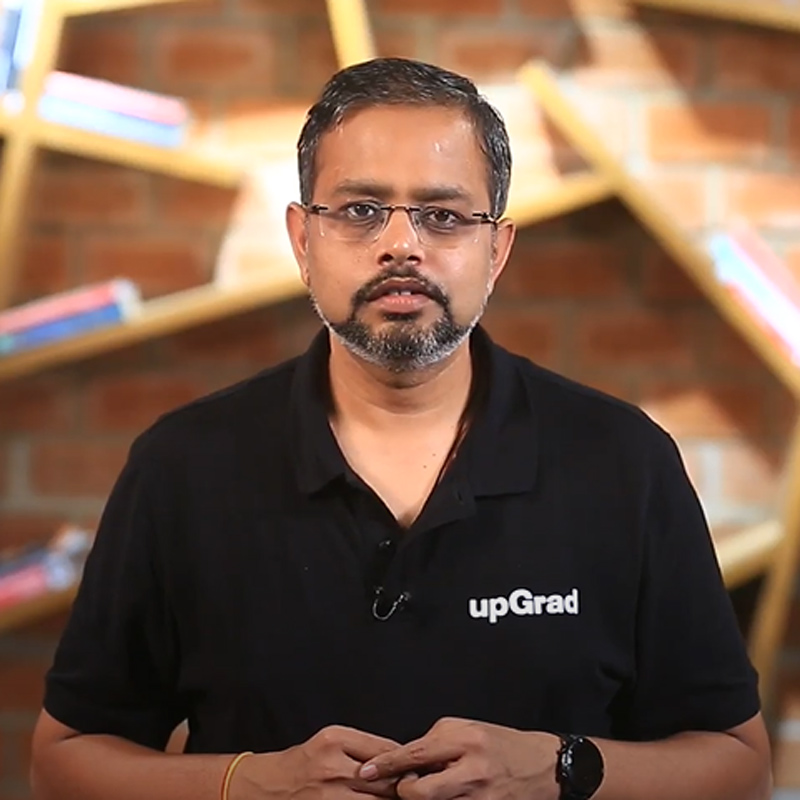
    Mumbai: upGrad, one of Asia’s higher edtech companies has announced the appointment of Anuj Vishwakarma as president for its online higher-ed programs.

    In his new role, Anuj will be responsible for building the online higher-ed vertical for creating a long-term strategic moat and also implement growth best practices for scaling the business.

    Vishwakarma is a seasoned growth leader with over 10+ years of rich experience building high-growth consumer businesses in the fintech, online retail, and offline retail industries. Prior to upGrad he has driven growth for leading consumer internet players like Myntra, Paytm and Ola. He has led high-profile assignments at Ola as revenue & growth head and at Paytm as growth head for Travel Business.

    An MBA degree holder from IIM Bangalore and a National Institute of Technology (NIT) Bhopal, alumnus, Vishwakarma has a constant hunger for growth and has a track record of building large businesses through sustainable growth strategies. He will operate from upGrad’s Bengaluru office and will also collaborate with the multiple teams across upGrad divisions to scale their program vertical.

    Welcoming him, upGrad co-founder and managing director Mayank Kumar commented, “We operate in a golden era where the demand for online higher education will continue to propel and therefore, we need a solution-focused leader who comes with strong hands-on skills. Vishwakarma, for his domain inclination, is best suited to perform in-depth market research and consumer insights to spearhead our vertical growth. His efforts will further solidify our core business while also enhancing our domestic LifeLongLearning suite.”

     “I am humbled to be a part of this dynamic leadership team who knows no limits. upGrad’s vision is synergistic and I look forward to utilizing my domain expertise for building a stronger business foundation for driving career outcomes of our potential learners. This will help me contribute towards strengthening the brand’s reputation across a wider audience,” concluded Vishwakarma.

  • IN10 media network’s channel Gubbare launches online games for kids, to understand digital consumption

    IN10 media network’s channel Gubbare launches online games for kids, to understand digital consumption

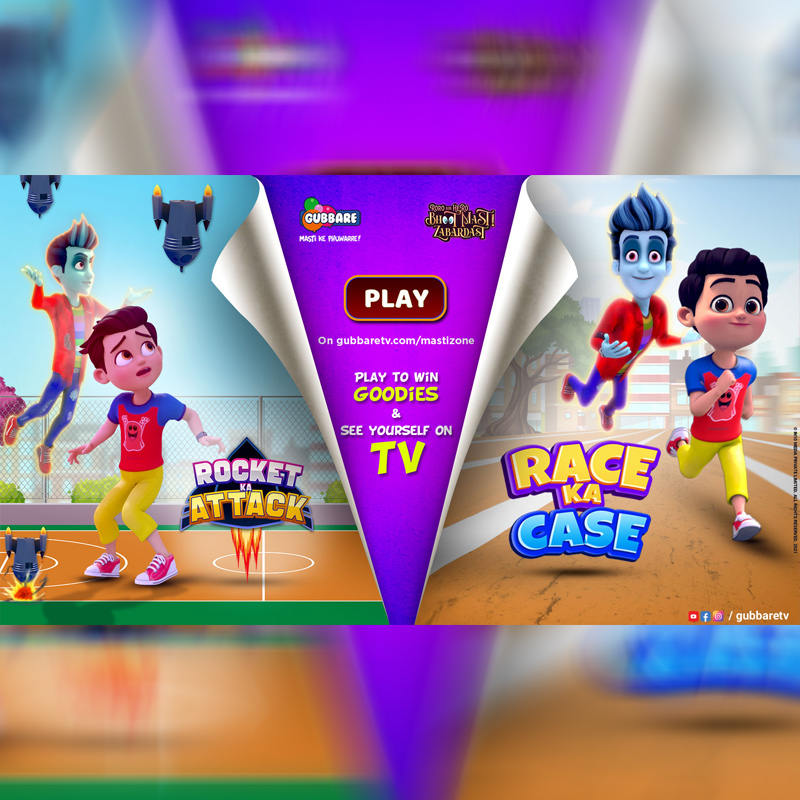
    Mumbai: IN10 Media Network’s kids’ channel Gubbare has launched two games and GIFs based on its successful show Roro Aur Hero Bhoot Mast Zabardast.

    The interactive digital assets have been launched keeping in mind today’s digital consumption and usage among kids and teens.

    With online games gaining popularity and their ‘always-on’ identity providing an opportunity for brands to drive value, the channel has developed two competitive games around its main characters – Roro and Hero. ‘Race Ka Case’ is based on a simple kids-friendly game wherein the players have to make Roro and Hero cross numerous hurdles on a race track to win. Additionally, ‘Rocket Ka Attack’ is an adventure game where Roro and Hero have to save themselves from rockets falling from the sky after a school project goes wrong!

    To further build on the connection between the audience and the characters of the show, the channel has created numerous GIFs depicting various moods and situations. Today GIFs have become an integral part of online communication and will help to spread awareness about the show as they easily capture attention and have a strong capacity for virality.

    The channel has created a robust plan to promote them on social media and television channels.


  • I&B ministry issues advisory against ads promoting online betting

    I&B ministry issues advisory against ads promoting online betting

    MUMBAI: The ministry of information and broadcasting has issued an advisory to print, electronic and digital media to refrain from advertising online betting platforms, according to the ministry’s statement.

    It said the advisory comes in light of instances of several ads of online betting websites/platforms appearing in print, electronic, social and online media.

    Betting and gambling, illegal in most parts of the country, pose a significant financial and socio-economic risk for the consumers, especially youth and children, the advisory states, the statement said.

    It has further added that these advertisements on online betting have the effect of promoting this largely prohibited activity. “The advertisements of online betting are misleading, and do not appear to be in strict conformity with the Consumer Protection Act 2019, Advertising Code under the Cable Television Networks Regulation Act, 1995, and advertisement norms under the Norms of Journalistic Conduct laid down by the Press Council of India under the Press Council Act, 1978,” it also stated.

    The advisory has been issued in the larger public interest, and it has advised the print and electronic media to refrain from publishing advertisements on online betting platforms. It has also advised the online and social media, including the online advertisement intermediaries and publishers, to not display such advertisements in India or target such advertisements towards the Indian audience.

    On 4 December 2020, the ministry of information & broadcasting issued an advisory to private satellite TV channels to adhere to the Advertising Standards Council of India (ASCI) guidelines on advertisements of online gaming which contained specific Do’s and Dont’s for print and audio-visual advertisements of online gaming.

  • GUEST COLUMN: How conversational AI is helping adtech brands maximize advertising ROI

    GUEST COLUMN: How conversational AI is helping adtech brands maximize advertising ROI

    Mumbai: The role of Artificial Intelligence (AI) in adtech has become pivotal over the years. It started with simple bots that helped customers with basic queries and requests through voice or text & now has evolved into sophisticated conversational AI. It is capable of Automatic Speech Recognition (ASR) for taking voice inputs and formulating a context-specific response in real-time. After all, understanding natural language and providing a meaningful response is the key to creating a seamless experience for customers, and this is where conversational AI comes into play.

    Traditional online advertising was not successful in engaging customers

    As digitization has exponentially increased in the past years, it has become difficult to cater to customer demands manually, and automation has been widely experimented with in the adtech sector. The drawbacks of conventional chatbots ranged from being disengaged and irrelevant to frustratingly non-conversational. The seemingly robotic nature of digital advertisements led to a lot of digital campaigns going to dust.

    The result often used to be a loss in customers rather than a hike due to an uncontrolled and unthoughtful message being conveyed via the use of ineffective chatbots. A general lack of understanding of the customer’s intent and providing them with a specific solution were the topmost issues in the area of customer support. A lot of brands are now trying to implement conversational AI into their existing AdTech stack with varying levels of success. Some are doing it right, while others still have a long way to go.

    The modern-day consumer demands more than being sold a product

    Personalisation can be boosted from the very inception of a customer journey through predictive analysis. This innovation helps companies in customer personification, giving them access to a lot of structured data throughout the customer journey. The AI can analyse all the data available on a particular customer and predict what they want based on past behaviour. This enhances the prospects of call-to-action, directly impacting the revenues by 21 percent organically.

    The customer’s AI-generated avatar helps build a personalised experience in an omnichannel ecosystem for advertisements. The analysis is effective across these channels, and the consistent brand voice communicated to the customer imparts a sense of connection that aligns with the customer’s mindset. This plays a critical role in keeping them engaged as building upon previous impressions becomes easier and cost-effective due to reduced cost per acquisition (CPA). Customers are no longer just numbers on a spreadsheet; they are individuals with unique goals and needs. This is why conversational AI is such an essential technology for advertisers today.

    Conversational AI uses intuitive technologies to interact with their customers

    Conversational AI is a game-changer for the adtech industry. It is creating new opportunities for brands to maximise their advertising ROI. It offers in-depth customer insights that help adtech companies understand, adapt and respond to customer needs, thereby improving engagement and sales.

    It helps businesses create targeted audiences based on data analysis around various factors, including age, gender, location, and more. This helps deliver specific content to different groups of people, boosting engagement and sales. Predictive analysis by AI significantly reduces turnaround time, making it easier for companies to meet deadlines without sacrificing quality or spending more money on additional resources like hiring full-time employees for each department (like marketing).

    Conversational AI can analyse conversations between consumers and brands, which allows businesses to predict what their customers want next. This data can then be used to personify a consumer’s identity as part of their journey through the sales funnel so that they feel more connected than ever before.

    Summing up

    As the industry moves towards conversational commerce, it has become clear that conversational AI will play a fundamental role in driving this change. And because it’s built into an existing CRM system, the existing infrastructure can be used without having to make significant changes or upgrades. AI-powered chatbots are, therefore, the future of customer service, with the industry poised to reach a whopping $14 billion by 2025.

    The author is Amitt Sharma, Founder and CEO, VDO.AI

  • TV9 Network appoints Deep Upadhyay as interim editor of Hindi & English websites

    TV9 Network appoints Deep Upadhyay as interim editor of Hindi & English websites

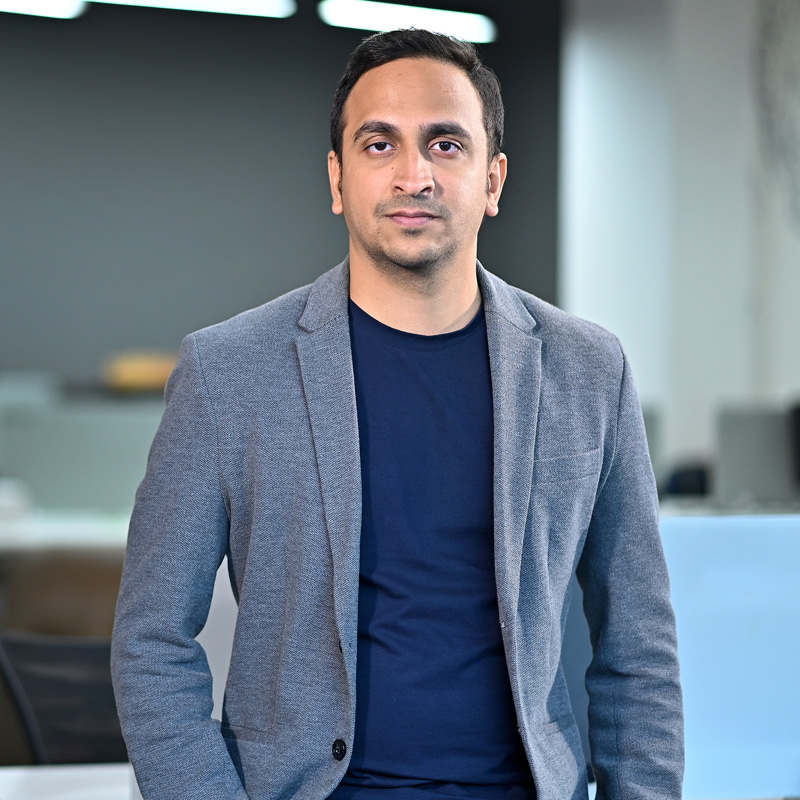
    Mumbai: TV9 Network has expanded the role of editor convergence and strategy Deep Upadhyay by appointing him as interim editor of TV9 Hindi and English websites. He will also coordinate with the group’s regional digital assets.

    The company said, “TV9 Group has gained undisputed leadership in the broadcast space. The network has made significant strides in the digital arena as well. TV9 aspires to replicate its stupendous success in broadcast across its digital properties.”

    “The group, accordingly, is effecting certain strategic changes at the leadership level to ensure TV9 digital emerges as a champion as well,” said the statement.

    Deep Upadhyay had joined TV9 Network from News24 where he had a successful stint as managing editor for more than seven years. He is a senior journalist who has worked with various media houses like India TV, Zee News and Dainik Bhaskar.

  • Tata CLiQ Luxury partners with bigbasket to launch a luxury gourmet store

    Tata CLiQ Luxury partners with bigbasket to launch a luxury gourmet store

    Mumbai: TATA Group’s e-commerce brands, Tata CLiQ Luxury- luxury lifestyle platform, and online supermarket – bigbasket have teamed up to launch and grow the luxury gourmet store on Tata CLiQ Luxury.

    The platform is offering a curated selection of products from a wide assortment of global and Indian luxury gourmet brands and categories across select staples and specialty categories, it announced on Tuesday.

    The brand is promising to provide a luxury gourmet experience to customers’ doorstep at the click of a button, with authentic products and fine ingredients in premium packaging on the same day or the next day. To begin with, this is being rolled out in Mumbai, and in the coming months, the platform will expand its reach for the gourmet store to cities like New Delhi, Bangalore, and other tier-I cities.

    The assortment on the platform currently includes cereals, chocolates, biscuits, beverages, cooking oils, dry fruits, sauces, spreads, dips, pasta, soups, noodles, baking ingredients, and more from premium and luxury gourmet brands.

    Tata CLiQ business head- global luxury Gitanjali Saxena said, “Gourmet enthusiasts look forward to a holistic shopping experience and are increasingly shopping online. This has encouraged us to launch a dedicated store that offers a diverse selection of the finest international and Indian gourmet brands, curated with the utmost attention to quality. As a platform, we will inspire and educate our valued and discerning consumers on gourmet and lifestyle options and provide an unmatched online luxury shopping experience.”

    bigbasket group category head Vishal Das said, “In addition to showcasing the width and quality of bigbasket’s gourmet range, this platform also will serve as an opportunity to address the ever-evolving lifestyle needs of the modern Indian consumer.”

    The editorial-led store will also educate consumers not only about the origins of the delicacy but also about the numerous methods in which a product or an ingredient can be cooked, thus inspiring them to experiment with cuisines. It will cover everything, right from the time of gourmet food purchase, its preparation, delivery, and presentation, to how to consume and host it, as per the statement.

  • Whatsapp set to roll out new multi-device feature

    Whatsapp set to roll out new multi-device feature

    Mumbai: Instant messaging app, WhatsApp is set to roll out a feature that would allow users to log into the messaging platform on their personal computers without being online through their smartphones.

    The feature is currently at the beta testing stage on selected Android and iOS devices, and has been made available in the settings menu of the app. Users will have to manually opt in for the feature.

    Presently, in order to use WhatsApp Web, which is the personal computer version of the messaging service, users have to keep their phones online. With the potential roll-out of the latest feature, users will no longer need to keep the phone near their laptop and make sure it is online before using WhatsApp Web. The linked personal computer would be able to receive and send messages for up to 14 days. This, if the user decides to not manually log out.

    The feature will be useful when users lose their smartphones but require Whatsapp to stay connected.

  • This decade belongs to the ed-tech industry: Practically’s Mahadev Srivatsa

    This decade belongs to the ed-tech industry: Practically’s Mahadev Srivatsa

    The ed-tech sector in India is witnessing unprecedented growth owing to the accelerated adoption of technology. The pandemic further strengthened the trend, with schools, colleges, and educational institutes shifting online, paving the way for the rise of several ed-tech start-ups. Claiming to be India’s first experiential learning app that brings learning alive through immersive videos, interactive augmented reality, and 3D simulations for 6th to 12th graders Practically is one such startup that also scripted its success story during the time.

    Mahadev Srivatsa, who spearheads the brand team as the ed-tech’s VP – marketing & brand strategy, is on a mission to make Practically a household name in India. An evangelist marketer and brand strategist with a keen eye for consumer insight, and over 13 years of cross-industry experience in brand launch & integrated marketing campaigns, Srivatsa has worked across telecom, consumer electronics, auto, and FMCG to name a few. He was recently adjudged Winner in the Thought Leaders category at Voot.

    Srivatsa, who has been previously associated with organisations such as Vodafone-Idea, ASUS India, H&R Johnson India among others, brought in a unique acumen on how traditional and new-age digital mediums can be leveraged to build a brand. He is credited with launching the brand’s first integrated marketing campaign, including crafting the brand proposition, the campaign strategy, and successful rollout that resulted in a 3X growth in both business and brand objectives. The brand’s first national campaign launched earlier last month, ‘Scan Anything’- a disruptive feature that enables students to learn from their everyday observations – also saw a 2X growth in terms of search volumes.

    IndianTelevision’s Anupama Sajeet caught up with the marketer and branding professional for a freewheeling conversation on an overview of the ed-tech marketing space and digitisation in education. Srivatsa also shared insights on the start-up’s roadmap ahead and the role of online education platforms in lieu of the scheduled reopening of schools and institutes for offline teaching in the coming days…

    Edited excerpts…

    On what differentiates Practically from other online learning platforms

    As India’s first experiential learning app designed for students in classes of 6th-12th with a focus on STEM learning, our content is 3D, immersive, and experiential which makes learning fun and engaging for kids. We have a very comprehensive content of 3000+ world-class 3D videos, 1000+ Simulations / AR experiences and are constantly working to make our library amongst the largest. We are also the world’s first ed-tech company to launch the #ScanAnything feature which transforms the mobile camera into an educational tool allowing learners to interact with surrounding elements freely. It can recognise pictures, questions, exercises, proofs, etc., from textbooks, magazines, newspapers including capturing images of any surrounding objects and presenting linked curriculum learning information on the app for the learners to pick their learning journey and resolve doubts instantly. 

    On the challenges faced by the brand to penetrate this increasingly crowded sector

    In ed-tech, the consumer and the customer are different, so the marketing challenge is always to create a campaign that appeals to both sets of audiences. The TG for the campaign was parents of kids of 6-12 grades and kids themselves. The other challenge was communication in a cluttered market, given the amount of SOV (share of voice) by competition in this space of late. Hence the challenge was also to develop communication that breaks the clutter and gets noticed. And finally, we had to do justice to the ScanAnything feature not just in terms of creating awareness about the feature but also the claim that it’s the first by an ed-tech company.

    So, the entire campaign communication was developed to get the perfect balance of keeping the campaign look & feel to reflect the world-class tech and product offering as the hero and at the same time appeal to our younger TG which likes to see communication that is light, snackable and fun. To make the feature believable and showcase its robustness, we designed the print ad in a manner that users could try out this innovative feature straight out of the ad.

    On Practically’s first national campaign

    Given the need to promote this innovative ed-tech feature, the campaign is digital-first with a robust focus on print. The entire campaign was meticulously planned in four phases starting from teasers on social media to launch, post-launch and sustenance. The digital campaign kick-started with the launch of two films on YouTube and a national press release around the campaign proposition of #StopSearchingStartScanning. The films centered around the feature and the tech as the hero.

    A print ad every week for three weeks on leading national and regional dailies was planned to drive awareness and credibility and was uniquely designed to make people engage with the feature. A robust influencer plan with a mix of celebs, micro and macro influencers at a Pan-India level was also executed to create buzz. We will continue to deploy influencers in the future as well. As a medium this is something no marketer can afford to ignore given the digital age, we are in.

    On the key take-aways post the brand’s campaign launch

    The campaign has been well received with over seven million views for our films so far across all social media platforms. We were at four lakh installs before the campaign and in just over a month have grown at a record speed of almost three times to cross one million installs which was our key campaign KPI. All our in-app metrics (MAU, DAU) have witnessed exponential growth and we recently hit more than 1 lakh MAU (Monthly Active Users). More importantly, we are able to sustain the growth as the campaign reaches its final leg. With respect to the feature, on average so far, we are getting 10,000-15,000 scans a day with the highest being 33,000 on the day of our first print ad.  We have had six lakh scans since the launch of the campaign indicating the likeability of the feature and the marketing impact. We have also seen a 2X growth in terms of search volumes.

    On the media mix, the brand looks to target

    The choice of medium for marketing is always dependent on the product and TG. As a marketer, one always selects the optimum media mix desired for a launch or communication. Being an app, our communication will always be digital-first. Going forward, digital and TV alongside print will be the preferred choice for us. With pandemic almost looking like an endemic now, OOH also can be a good bet as a support medium.

    While Andhra Pradesh, Telangana, Karnataka, Tamil Nadu, and Maharashtra are our key markets, we have already gone national with this campaign and will continue to make strides deeper into these markets. As we enter new geographies, our focus will be primarily metro & tier 1one towns for now. We are also present in the Middle East and are expanding rapidly.

    On plans to scale up the brand marketing in 2021

    Getting a million downloads is a dream for any app and is usually the first key milestone and we are delighted at the pace with which we have achieved it, especially the last mile. All our future marketing campaigns will only be bigger in scale than the previous, given our objective is to make Practically the most loved and trusted e-learning brand. The next goal is three million and then eventually 5ive million installs by this financial year for which we have already started planning the next marketing campaign.

    On the role of online education platforms going forward, with schools reopening

    We believe that technology adoption in the education sector is yet to see its peak and the growth trajectory is likely to continue beyond the pandemic years. The lockdown induced by the pandemic has produced a paradigm shift in learners’ behaviour leading to an exponential increase in the demand for ed-tech products in India. As consumers are more aware of the offerings and accessibility, the urge to learn beyond the syllabus will help in bringing in innovations in learning. With steep competition, players need to modify their offerings to engage consumers constantly. With the implementation of the New Education Policy, online learning in higher education will further experience accelerated adoption as people focus more on upskilling and reskilling.

    Also, in what has probably been the biggest change in ed-tech marketing, today every player wants to be a ‘Brand’ and more importantly behave like one!  With the pandemic firmly establishing the trend of blended learning, this decade is looking like the decade of ed-tech in India.

  • First-ever common entrance exam for media studies on 14 Aug

    First-ever common entrance exam for media studies on 14 Aug

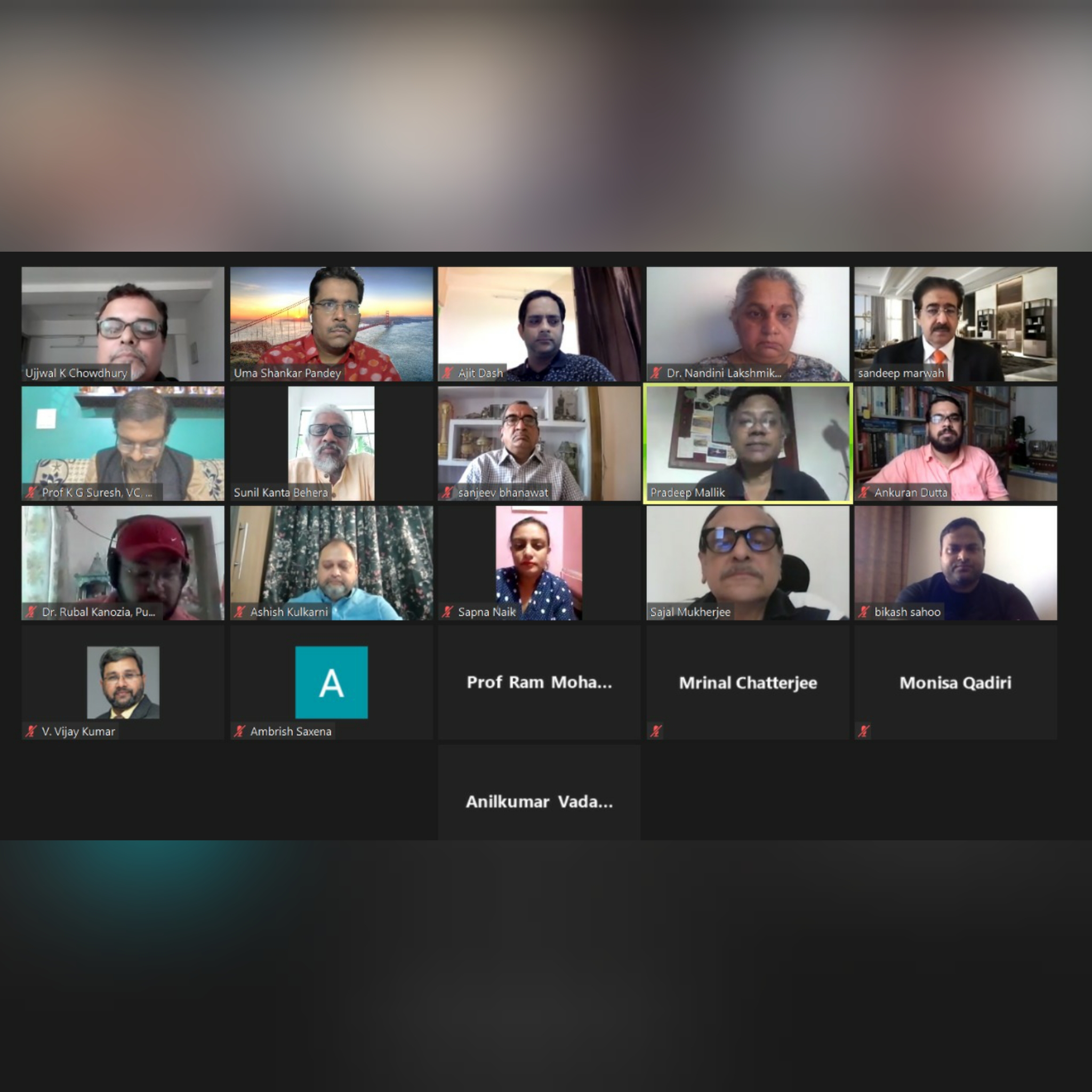
    New Delhi: India’s first-ever national level common entrance exam for media studies will be held online on 14 August. The AIMCET (All India Media Common Entrance Test) is being guided by recently set up Global Media Education Council (GMEC).

    The exam will be organised virtually by educational news portal, Edinbox.com for over 30 universities across the country including MUIT Noida, Adamas University Kolkata, Uttaranchal University Dehradun, JagranLakeCity University Bhopal, Ajeenkya DY Patil University Pune, Mody University Rajasthan among several others.

    It will offer admission to the undergraduate journalism, mass communication, and other media courses in various partnering Universities across the country for the current academic year. Next academic year onwards, it will include the post-graduate media programs as well.

    Set up early this year, the Global Media Education Council is a media body of educators and senior professionals looking into nurturing better quality human resources for the communication domain, and periodically contributing its suggestions on various niche media domains for consideration of institutes. It will also organise counseling sessions for entry-level media learners to assist them to make an informed choice, along with psychometric tests to judge their suitability for the profession.

    Talking about the objectives, Makhanlal Chaturvedi National University of Journalism and Communication (Bhopal), vice chancellor and GMEC, president, Professor K.G Suresh said, “AIMCET is a good endeavour for upgrading the standards of media education. Global Media Education Council is a guiding force for it, and not commercially involved. GMEC is planning to bring a 75 days online event bringing the best media educators of India and the world soon to contribute to the learning of media and communication ahead.”

    “AIMCET is the first national level test of its kind for media and communication domain. We have such tests for law, medical, engineering and management, not for media till 2020,” said Adamas University, Kolkata, pro vice chancellor, PR and Media and secretary, GMEC, Prof Ujjwal Chowdhury.

    The test involving five sections will be of total 100 marks consisting 100 objective-type questions and has to be completed in 120 minutes. The last date to apply for AIMCET examination is 12 August and the application form costs Rs 750.

    Interested students can look up AIMCET website (www.aimcet.in) for more information.

    Elaborating on the working of GMEC, DME Media School, DME Media Academy, founder dean, Prof (Dr) Ambrish Saxena and GMEC, Vice President said, “The GMEC Executive Body shall meet once in quarter: thrice a year virtually, and one time physically which will be powered by Edinbox.com. The Secretariat shall keep functioning continuously towards the goal of the Council. There shall be small groups for specific functions working continuously as well.”