Tag: omnichannel marketing

  • Omnichannel marketing: Engaging customers across platforms

    Omnichannel marketing: Engaging customers across platforms

    Gone are those days when consumers used to contact just one channel regarding a specific brand or business. In today’s dynamic world, which is swarming with countless digital platforms, the consumers choose several channels to interact with a brand. Therefore, it has become crucial for brands to integrate online and offline channels to craft seamless customer experiences.

    Understanding omnichannel marketing

    This omni-channel approach paves the path for  a consistent and personalized experience across multiple touchpoints contrary to multi-channel approach that caters to different channels individually. Omnichannel marketing helps integrate all channels to create a single coherent brand message. Whether a consumer chooses to interact with a brand through social media, on its website, attempts to connect through messages or visits their physical store, the experience should be a unified one.

    Centered around ‘customers’

    The customer lies at the core of omnichannel marketing. Getting deep and truly understanding the customer journey as well as all of their preferences and behavior will be a key approach to delivering hyper-personalized experiences across every channel. Brands, through data analytics, will capture the most vital customer insights that may only exhaustively understand their needs to deliver the right message at the right time.

    Choosing the right technology

    Delivering a seamless experience necessitates creating an integrated technology ecosystem consisting of CRMs (Customer Relationship Management Systems), data analytics platforms and automation tools. These technologies will help understand and track consumer behavior alongside offering consistent messaging across multiple channels.

    Personalisation is ‘King’

    Every customer is unique and so will be their needs. Leveraging data analytics to gather insights pertaining to customer behavior and preferences help tailor content of the messages and offers to fit each customer’s unique needs. For example, in case you are searching for a new pair of shoes on a website, receiving offers based on recent searches will enhance relevance and boost chances to engage with the brand.

    Launching an Omnichannel Marketing Strategy

    Other than understanding the buying behavior and preferences of your target consumer, invest in the right technology and deliver more personal experiences across channels.

    1    Cross-platform data flows

    Create a system where data gathered on one platform (for instance, a mobile application) can be utilized to automatically enrich the user experience on another platform. This will facilitate seamless transitions across touchpoints and improve customer satisfaction.

    2    AI-driven personalisation

    Capitalize on AI to deliver personalised experiences based on real-time consumer behavior. Offering content and recommendations tailored to evolving customer needs for hyper-relevant and dynamic experiences lies at the heart of omnichannel marketing.

    3    Sync real-time inventory

    Invest in and implement technology that offers real-time visibility into product availability across channels.This would help customers seamlessly switch between online browsing and in-store shopping catering a unified brand experience.

    4    Geofencing

    Reaching the actual target customer with the right message or offer at the right place is one of the most critical steps when bridging the online and offline gap. Using geofencing technology, the right messages or offers can be sent to customers near the physical stores to enhance their in-store shopping experience.

    5    Integrated customer support

    Customer service across the platforms needs to be harmonized where the customer can switch platforms but continue the conversation seamlessly. For instance, for the same customer who initiated a live chat with the support desk, they should be allowed to pick up from the point at which they dropped the conversation when using the brand’s social media support line, without necessarily repeating any information.

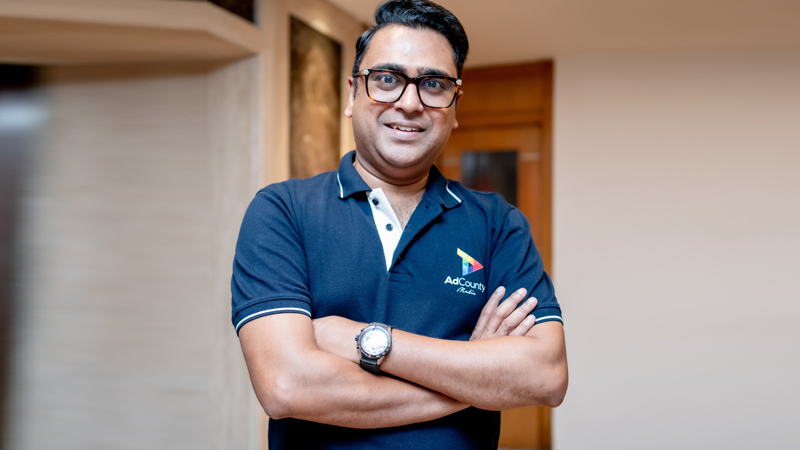
    The article has been authored by AdCounty Media co-founder and chief revenue officer Delphin Varghese.

  • GUEST ARTICLE: Mobile OEM advertising solutions are helping D2C brands ace their performance marketing game this festive season

    GUEST ARTICLE: Mobile OEM advertising solutions are helping D2C brands ace their performance marketing game this festive season

    Mumbai: Due to conservative market behaviour since March 2019, covid-19 has restricted businesses from taking a full-scale marketing approach. However, mobile user penetration has grown enormously since the same period in India due to the increase in usage of internet services and the affordability and economic viability of smartphones. The upsurge in the use of mobile technology has led to an accelerated growth in the consumption of D2C mobile apps. Moreover, with mobility and in-person interactions returning to life in 2022, consumer behaviour toward D2C brands is also drastically growing.

    As the festive season in India is about to hit the roof, D2C brands are expected to garner significant attention and demand, and consumer sentiment looks upbeat, particularly in tier I & II cities. For these brands, the expectation of such seasonality means growth in revenue through performance marketing, as consumer brands during special promotions and festivals in India are proven to generate more business.

    Boom expected in the post pandemic era…

    As per the ‘Second Festive Pulse Survey by The Trade Desk/Nasdaq: TTD,’ there will be a 68 per cent increase in Indian shoppers this festive season with nearly seven in 10 shoppers intending to shop on D2C sites. While observing the current trends, there is increased competition between D2C brands as they become more focused on their ad spends to maximise growth during this festive season despite the concerns over rising inflation.

    App marketing opens up avenues to acquire loyal users for D2C brands…

    Indian D2C brands are thriving with an omnichannel marketing avatar that includes a mix of DOOH, TV, and digital ads using search and social, print, and more. While measuring the success of traditional marketing methods is difficult, one can effectively measure the ROAS (return on ad spend) with performance marketing through mobile OEM (original equipment manufacturer) app marketing.

    Leveraging OEM app marketing strategies to acquire users during this peak festive period can give D2C brands a more lucrative ROAS and increase user engagement. In addition, with mobile OEMs, D2C marketers can tap into untapped audiences and help them unlock a newer and more efficient revenue stream.

    Mobile OEM advertising offered by mobile OEMs such as Xiaomi, Huawei, Oppo, Vivo, and Samsung can help D2C brands with enabling app discoverability: D2C brands can leverage appographic targeting to target users with similar apps and unique app interests beyond the category during the festive season.

    Appographic targeting with mobile OEMs is potent in providing high-value users and acts as a powerful strategy for app marketers.

    Better Visibility: To increase ad visibility during special promotions or festivals like Diwali in India, D2C mobile apps can take full advantage of “app store featuring” with display formats such as Splash and Interstitial ads. In addition, mobile OEMs offer unique ad placements for special shopping and discount cards during the festive season.

    Increased re-engagement: Few mobile OEMs offer down-the-funnel re-engagement for m-commerce apps with special placements during the festive season to regain static users who have been inactive on the app. For such occasions, featured custom placements are highly recommended for increased brand awareness. In addition, D2C apps can also get consultations about the kinds of creatives that best work for the festive season to get the maximum reach and engagement.

    Getting the most of your app marketing strategy for ‘22 festive season…

    While developing creatives for display ads, app marketers must be highly attentive to ensure that their brand resonates with the colour scheme and fonts. It best helps the users identify and engage with the brand. Secondly, since mobile media buying inventories get increased bidding from app advertisers during the festive period, D2C marketers need to book high-impact branding placements on a timely basis. Before the pricing increases, D2C marketers need to plan media buying effectively. Equally important is to explore PMP deals at private marketplaces with mobile OEMs where app marketers can bid on high-performance-based suggested inventories.

    As consumers buy more from brands directly from the brands’ websites or apps, D2C brands should rightfully leave no stone unturned to scale their app marketing efforts and get some fresh eyeballs with a positive outlook on engagement and retention.

    The author of this article is AVOW co-founder Ashwin Shekhar.