Tag: Ogilvy

  • Savlon wins Grand Prix for Creative Effectiveness at Cannes Lions

    Savlon wins Grand Prix for Creative Effectiveness at Cannes Lions

    MUMBAI: In a first for any Indian brand, ITC’s Savlon has bagged the coveted Grand Prix at Cannes Lions 2018 for Creative Effectiveness. Designed and conceptualised by Ogilvy India, the innovative campaign is a rendition of the ‘Savlon Swasth India Mission’ programme unveiled by ITC’s Personal Care Products division to encourage behavioural change towards washing hands amongst children through various engaging and entertaining educational initiatives.

    ITC Personal Care Products business chief executive Sameer Satpathy says, “We at ITC are indeed delighted to have won the Grand Prix for Savlon for creative effectiveness at the Cannes Lions. This award is testimony to ITC’s focus in creating an ecosystem which fosters creativity, talent, collaboration and innovation. I would like to thank the team at Ogilvy, who are our partners in rebuilding this brand and have helped us achieve both commercial and creative success. And also a big thank you to the internal teams at ITC on brand, activation and R&D.”

    The Creative Effectiveness Grand Prix at Cannes is one of the most prestigious awards honouring creativity that impacts consumer behaviour, brand equity and sales. ‘Creative Effectiveness’ judges previous year’s award winning works at Cannes Lions to evaluate its impact in the market place. The Grand Prix win, is an endorsement of ITC’s commitment towards children’s hygiene and celebrates the innovative product solution as an authentic cause collaboration that has helped garner success for brand Savlon.

    The ‘Savlon Healthy Hands Chalk Sticks’ won global honours at Cannes in 2017 and was also recognised as one of the world’s top 10 PR campaigns by the Global SABRE awards. The unique chalk sticks have been invited to be displayed at the Museum of Applied Arts and Sciences (MAAS) in Sydney, Australia to inspire youth on innovation that enables social good.

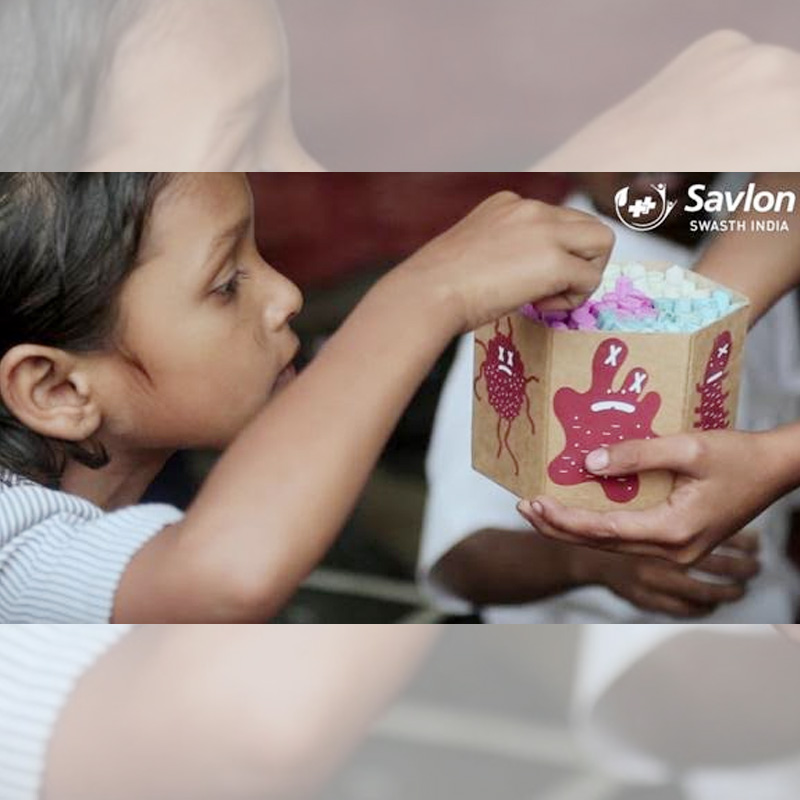
    Conceptualised by Ogilvy & Mather, the initiative provides a unique solution to promote hygiene among children by infusing cleansers like soap into chalks. Children in different primary schools use these chalk sticks for writing on slates and when they wash hands before eating, the chalk dust on their hands work just like soap, helping them avert serious diseases. The ongoing school outreach programmes under the aegis of ITC’s ‘Savlon Swasth India Mission’ has reached out to more than 2.3 million children in over 5200 schools. The innovative ‘Savlon Healthy Hands Chalk Sticks’ as part of this outreach, have engaged nearly 8 lakh children in close to 2000 schools.

  • Taco Bell wants to make potato great again with new campaign

    Taco Bell wants to make potato great again with new campaign

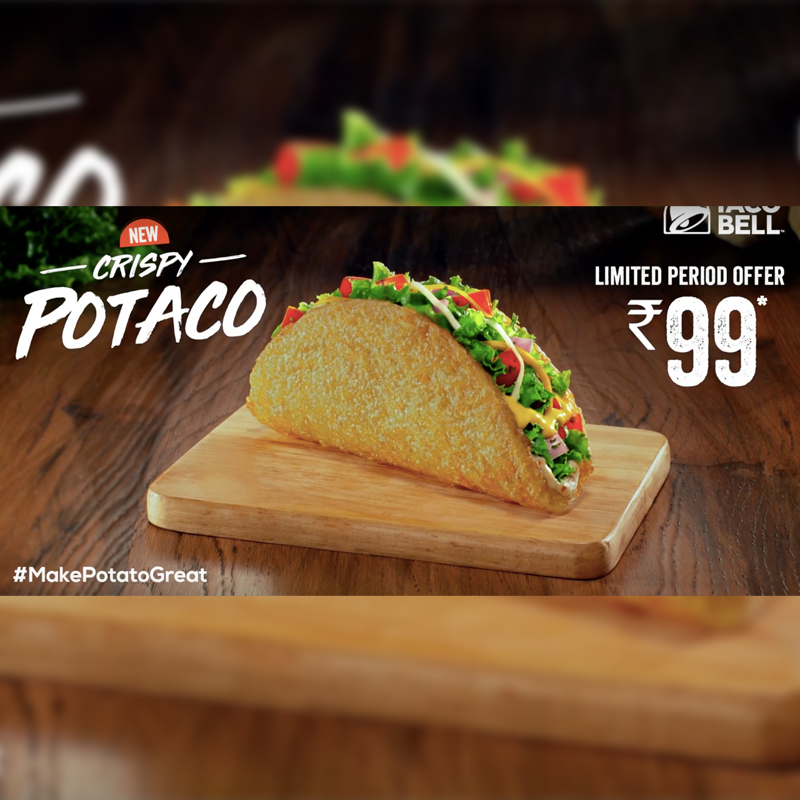
    MUMBAI: Taco Bell is set to make its way into the hearts of potato lovers across India. The brand has just launched a unique potato centric take on the traditional taco. The all new Crispy Potaco will give this much-loved vegetable a new identity where it will no longer play the sidekick in most meals.

    The potato has been discriminated against for far too long. The mighty spud suffers silently as it is crushed between burger buns, forced into a samosa, drowned in ketchup. The potato is oppressed. Why isn’t anyone speaking up? Because frankly, we’ve taken the potato for granted.

    When Taco Bell presented a product which has the potential to make potato great, Ogilvy stepped up to the challenge. The Crispy Potaco from Taco Bell has been promoted in a digital film starring Tanmay Bhat, an Indian comedian.

    Tanmay pitches the product to investors, who are floored by the novelty of the product. With the potato being on the outside, the Crispy Potaco lets the potato really shine through, so much so, that you will want to put your money behind it.

    Ogilvy Delhi vice president and head of digital Sidharth Shukla says, “Everyone was geared up, all set to break previous milestones that we had established on both the creative and the business front. And for a product variety that we eat so much of, but barely give it a second thought.”

    The brand’s first choice for this campaign was Tanmay, because of his ability to capture audiences through his humorous and entertaining content.

    https://www.facebook.com/tanmaycomedy/videos/1764059127008578

  • Uber India launches new campaign with Virat Kohli

    Uber India launches new campaign with Virat Kohli

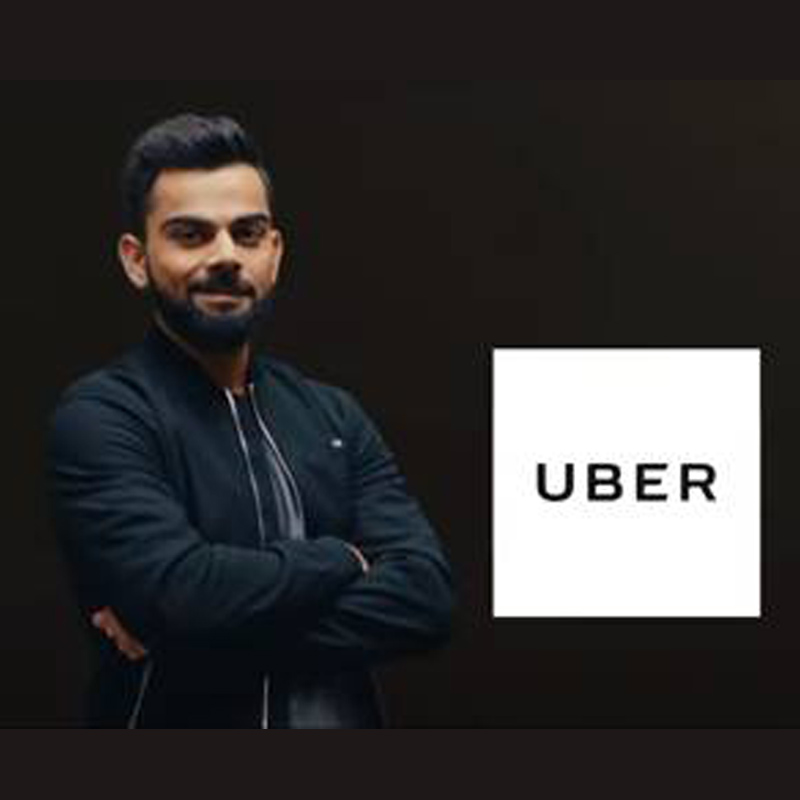
    MUMBAI: Uber, the ride-sharing app that is redefining urban mobility across the world, has unveiled its new brand campaign, with brand ambassador Virat Kohli. The baseline, ‘Badhte Chalein’, is built around the brand’s new positioning that is intended to build Uber as an enabler of movement, that is culturally progressive.

    Uber India head of marketing Sanjay Gupta says, “This is not just a brand idea – it’s happening on the ground, across India, everyday. This brand position is as intrinsically human as the millions of people who ride with us each week, and each of their pursuits. The communication has been designed to be progressive in thought, aspirational in spirit, widely-relatable in manner. And with Virat – perhaps India’s most inspiring model of personal progress. The breadth of communication built around this idea across ATL, digital and owned media, will cement our positioning and bring it to life.”

    In this campaign, Virat plays the role of the brand’s voice to help build Uber’s narrative in India. Set against Virat’s narrative, the commercial showcases four real life inspired examples of riders using Uber in different contexts, to pursue what gives them purpose. The ad features a visually impaired rider, an expectant couple rushing to the hospital, a young female doctor commuting to work and an independent mother taking her daughter to an early morning judo class.

    Uber’s brand ambassador and cricketer Virat Kohli mentions, “I am looking forward to be a part of Uber’s campaign, and moreover being a partner to a company, that in all its capacity, is committed to empowering cities and its people. I appreciate the service that Uber provides to its riders to travel comfortably anytime, anywhere. Being part of this campaign also gave me the opportunity to interact with the driver partners at a personal level and understand how the company has helped them to chase their dreams.”

    The campaign conceptualised by Ogilvy, aims to reiterate its effort to make Uber an everyday, aspirational brand for millions of riders and drivers in India. It positions Uber as a brand that is beyond transportation from point A to point B, reinforcing Uber’s role as an enabler of opportunities for hundreds of thousands of driver partners and riders in India.

    Uber’s relationship with Madison continues through to 2018, to build and execute the media strategy for this intervention. A six month multi-platform campaign, will span ATL (TV, Radio, OOH, Print) as well as Digital (Youtube, Facebook, Twitter and Content publishers) as well as Uber owned CRM Channels and locations. Given the scale and geographic footprint that the business has achieved, the TVC and radio campaigns will be aired in six languages Hindi, Kannada, Marathi, Telegu, Tamil and Bengali.

  • Ogilvy rebrands its identity after 70 years

    Ogilvy rebrands its identity after 70 years

    MUMBAI: After 70 years of creating some of the world’s most iconic marketing campaigns, Ogilvy has revamped itself to adopt a new mantra  – ‘Makes Brands Matter’. At the heart of this transformation lies the agency’s desire to introduce a new organisational structure and brand identity. 18 months is what it took Ogilvy to complete the largest transformation in the company’s long and illustrious history.

    So why did the world’s biggest digital agency shake things up? “To meet the changing needs of our clients, we’re taking a bold step to redefine our company and build a new model for our industry, which we helped to create over 70 years ago,” says The Ogilvy Group chief executive John Seifert.

    The objective of redifing the brand is the agency’s response to constant digital disruptions that are impacting consumer behaviour, media landscape and competition. 

    The integrated Ogilvy brand brings together three distinct units of OgilvyOne, Ogilvy and Mather Advertising and Ogilvy Public Relations along with various sub-brands and specialty brands under a single, unified group with a common identity, positioning, client service model and P&L.

    This unified entity (Ogilvy) will have a new organisational design. The transformation from a matrix-managed holding company of sub-brands to one brand represented by twelve crafts and six core capabilities along with a new operating system. Ogilvy will also offer new consulting options.

    Building on the success of OgilvyRED, an enterprise offering called Ogilvy Consulting, focused on the areas of Digital Transformation Consulting, Growth, Business Design and Innovation, will work horizontally across Ogilvy. 

    The network will also launch a new global digital platform called Connect to train the employees  to boost knowledge-sharing, professional development and customised community-networking.

    The Ogilvy Group chief creative officer Tham Khai Meng is clear that the agency will not deviate from the values it was founded on, “Our creativity is the foundation of Ogilvy’s global network and the most powerful competitive advantage that we have. We are building on the creative heritage of David Ogilvy to fuel our future.”

    Using the common language of ligature, the new Ogilvy logo represents the agility, collaboration and connectedness that the brand is uniquely capable of delivering for its clients.

    The iconic Ogilvy red has been reintroduced in a brighter Pantone and a secondary palette of gray, pink, blue and yellow has been added to emphasise the company’s desire to modernise, while maintaining, its strong heritage. 

    The Ogilvy fonts have also been recut and customised as Ogilvy Serif and Ogilvy Sans.  In addition, the company’s website ogilvy.com has been redesigned to be a dynamic destination showcasing the breadth and depth of the agency’s creative work, talent and thought leadership. 

    Ogilvy collaborated with COLLINS, an award-winning branding and design agency, on the rebrand and launch.

    “Today, there are more opportunities than ever before to shape every aspect of a brand’s needs,” adds Seifert. 

    “The scale and diversity of our global network is the source of our strength. At Ogilvy, we design the components of a brand, create experiences around a brand, and communicate about a brand. Our new organisational design will empower our people to put clients at the centre and create sustained brand value on behalf of our clients for years to come.”

    Set up in 1948 by David Ogilvy, the agency has been synonimous with iconic, culture-changing marketing campaigns through the years.

    A part of the WPP group, today, Ogilvy has 131 offices in 83 countries. The company creates experiences, design and communications that shape every aspect of a brand’s needs through six core capabilities: brand strategy, advertising, customer engagement and commerce, PR and influence, digital transformation and partnerships.

  • Ogilvy Partners The UN To Fight Plastic Pollution

    Ogilvy Partners The UN To Fight Plastic Pollution

    MUMBAI: For Years we have implored people to be more conscious and judicious in their use of plastic. Bottles, bags, straws and cups. What started out as a convenient and cost-effective invention has started threatening the health of our planet and the future is alarming. Every year the world uses 500 billion plastic bags.

    “Say no to plastic.” “Use less plastic.” “Stop plastic pollution.” The slogans started pouring in, but plastic use has anything but slowed down.

    We need a change. We need it now. And often, the most productive way to effect change is by borrowing from the everyday. By taking a common phrase, or an insight and turning it on its head to drive home a simple, direct and powerful message.


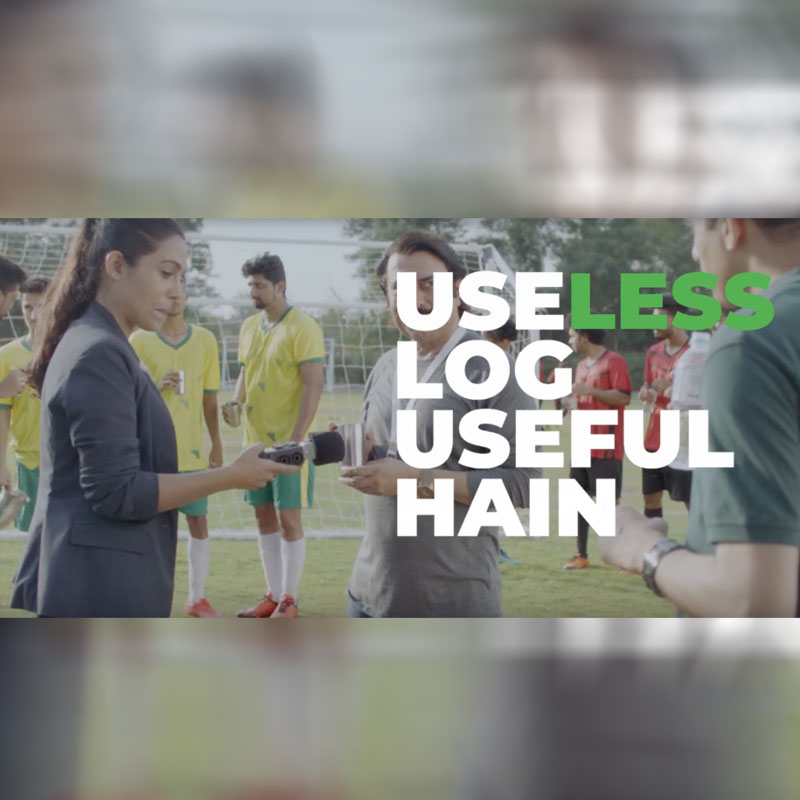
    “Useless people are useful!” It’s not just a catchy tagline, it defies logic. It makes people do a double-take. Makes them stop in their tracks and wonder how useless can be useful. And when we reveal that ‘by using less plastic in their lives, people can be useful to the world’, the message is driven home powerfully and memorably.


    UN Environment and Ogilvy came together to launch this new thinking with a set of 3 films. Each film demonstrates how when we use less we become better. 

    Ogilvy India chief creative officer Sukesh Nayak says, “Turning the word useless and finding a new meaning from it to promote using less plastic, is a great way of reminding people how simple acts can help save the environment. I am hopeful that the campaign line – ‘Useless log useful hain’- will catch on as a phrase and become a common refrain.”

    UN Environment India country head Atul Bagai thinks that when it came to World Environment Day theme Beat Plastic Pollution, they highlighted not just the problem of plastic pollution but also showcased the alternatives to it. These short films are witty, and we hope will encourage people to use less plastic and eventually refuse it.


  • Brands need to move away from femvertising: Sakshi Choudhary, Ogilvy India

    Brands need to move away from femvertising: Sakshi Choudhary, Ogilvy India

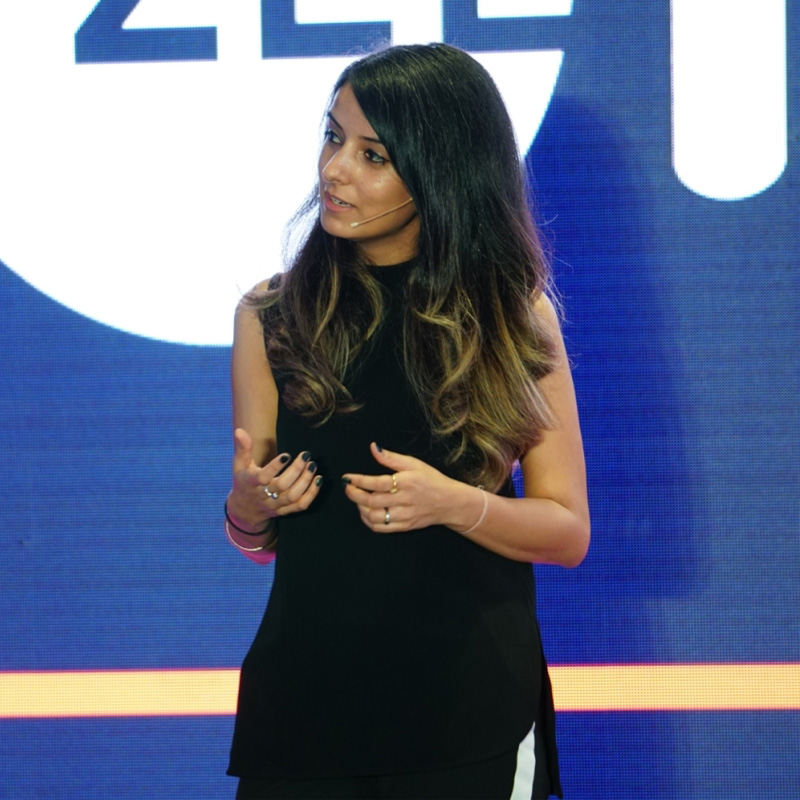
    MUMBAI: The 28-year-old lady, who rose to fame pretty early in her career, proudly sits as the creative controller at Ogilvy India’s office. An avid feminist that she herself is, Sakshi Choudhary spoke eloquently on day one of Zee Melt, on how brands must make a better portrayal of women in ads.

    The young creative head began her session with a rant on the patriarchal ad industry. “Dear ad industry, you don’t talk to me. At 21, I finally fell in love with my body, I rigged myself of the low self-esteem and I roared like a lioness. But you compare me to the kitten and chicken that will lick and bite when the oh-so masculine half-naked man sprays his oh-so masculine deodorant. Dear ad industry you don’t talk to me. At 24, I got my first big promotion and a pay-check which was a result of years of passion, handwork and persistence that has finally paid off. But you think it’s the perfect time to tell my male colleagues that it’s time for me to be picked up and carried home. Dear ad industry, why do you not talk to me? Why does the dreamer in you not connect to the dreamer in me?”

    After the intense rant, Sakshi Choudhary remarked, “If you think that as an industry we have come a long way, well think again.” She spoke about how women in India are increasingly getting into the purchasing power in categories that were predominantly considered a male dominant segment. Women today spend 2X times more time on mobile devices and 74 per cent of purchasing decision today is being made by women which includes decisions about automobile (60 per cent), vacation (90 per cent) and consumer electronics (50 per cent).

    Brands including Honda motorcycles, Bacardi Weekender, Nykaa, UrbanClap and Hotstar have recognised these opportunities to connect with women.

    Choudhary said that brands need to change the portrayal of women as an object, a homemaker or an instantly empowered woman. While creating a campaign, brands and agencies need to follow Badger & Winters test that calls out for sexism in advertising. Badger & Winters is a New Your based agency that leads with a female perspective that helps brands grow loyal and lasting relationships with women. Brands should ask themselves these four questions before they crack an advertisement or final creative:

    – No Prop: Agencies need to ask themselves whether the woman in the ad is a prop? Does she have a voice or a choice?

    – No Plastic: Is she air brushed to a point where she looks like a plastic doll?

    – No Part: Is any part of her being shown? Is it a sexually provocative ad?

    – No Stranger: would you see your mother, daughter or sister in the ad where the women is right now. If the answer to all the above points is no, do not proceed with the campaign idea.

    She then pointed out about how brands stereotype women in ads and they are given less airtime, fewer dialogues and are expected to look young and enthusiastic homemakers whereas men are always shown to have an occupation and get four times as much screen time as women.

    She also touched upon the recent trend in adverting, which is femvertising and suggested that brands should not come up with a piece of work which only speaks to women on women’s day or mother’s day. “Clients need to have an equal and empowered portrayal through the year. Brands should have realistic beauty standards and actively work for social change,” she challenges.

    She ended her session by quoting Tain Wei, “Any society that fails to harness the energy and creativity of its women is at a huge disadvantage in the modern world.”

    Indiantelevision.com got talking to Sakshi Choudhary about her views on the female economy, what the ad industry needs to do to address the issue and more. Excerpts:

    How do you ensure your agency Ogilvy does not create ads that stereotype women?

    At an individual level, I ensure that every piece of work that’s proposed or released from my team is free of stereotypes, and portrays women to be equal as men. As an agency, Ogilvy has constantly strived to create work that doesn’t just beat stereotypes (Komfort, Tata Salt), but also empowers women through effective campaigns like #MakeLoveNotScars, #NotMusicTomyEars, Vodafone Sakhi or #LforLove.

    Which platform woks the best for promoting and advertising women centric  products that promote women empowerment or women safety? Is it digital since you mentioned that women today spend 2X more time on mobile devices. Will digital change the wave?

    It doesn’t really matter which platform you place your work on as long as you reach women effectively, and the right way.

    Does creating campaign and products designed specifically for women safety or empowerment) lead to a jump in sales? Does it help in improving the brand perception?

    Yes, if done right, gender equality campaigns not only lead to increased brand love and loyalty but also sales. However, as mentioned in my talk, lately, Femvertising has become a fad. The problem arises when brands want to hop on the empowerment bandwagon just for the sake of it, or to enjoy a share of voice without any concrete on-ground results in mind.

    This happens more often on digital as brands are often in a rush to jump on a trend or an occasion. Women’s Day campaigns are a classic example.

    Gender pay is still a pressing issue in the industry. What do we need to do as an industry to address the issue?

    Gender pay gap is an issue that exists in every industry.

    While paying equally seems to be the first solution that comes to everyone’s minds, the issue is far deeper than that. Women don’t ask for their worth as often or as assertively as they should. They constantly undermine themselves and feel that they aren’t good enough. This self-doubt keeps them in a weaker position throughout their careers.

    As an industry, for starters, we women need to come together through a forum. And then address our needs through formal training workshops or mentorship by senior women leaders.

    How challenging is it to create a campaign that impacts culture?

    Extremely. Anything to do with culture, and it runs the risk of offending sensibilities. The consumers are now online, and analyzing and scrutinizing every inch of your creative online. The intent of the brand may be right, but if the execution isn’t done well and is misinterpreted, it can lead to massive brand fails.

    The risk is huge. But it’s an interesting challenge. These are also the pieces of work that come with the most fulfilment and make you feel good about being in the industry.

    Is it a major responsibility on agencies and brands to create the societal change?

    Nope, we are in the business of selling products.

    Having said that, we need to be more mindful of the undercurrents shaping our country right now.

    Whether it’s recognizing the societal advancement of women in the last 10 years, or embracing our younger population that’s judging marketing efforts and only trusting brands with a purpose.

    One piece of advice to creative heads that are at the helm of ad industry that create/want to create ads about women empowerment while not demeaning them?

    Nurture and celebrate your women.

    Retain the ones you have, and hire more to make every team in your agency gender equal.

    And nope, don’t do this to produce work only on ‘ women empowerment’.

    Do this because the current Indian woman wants to see campaigns that she can relate to. Connect with the dreamer in her.
  • Ogilvy appoints Anirban Roy as head of planning for South

    Ogilvy appoints Anirban Roy as head of planning for South

    MUMBAI: Advertising agency Ogilvy India has appointed Anirban Roy as head of planning for Ogilvy South with immediate effect. Roy will move to Bengaluru.

    Ogilvy South president N Ramamoorthi says, “Anirban’s leadership of our planning group ticks two boxes for us. One, he is from within Ogilvy – so he’s not new to the culture of the agency. Two, he is that rare breed of planner who has worked on both brand and digital planning – both crucial to Ogilvy’s next chapter transformation.

    Roy was in Ogilvy Mumbai and comes with 15 years of work experience across mainline and digital in India and APAC (Singapore, Manila). He has led brands such as Fanta, Sprite, BMW, GSK, Tata Salt, Wild Stone, United Nations, Carlsberg, Huawei to name a few. 

    Ogilvy India chief strategy officer Prem Narayan mentions, “Anirban is a true Ogilvy all rounder. He has worked in our Delhi and Mumbai offices. Anirban is a great team player and is one of the finest leaders I have worked with. As Head of Planning, Anirban will partner N Ramamoorthi, Azaz, Kiran, Tithi and Mahesh. I am sure he will take Ogilvy South to greater heights.”

  • The Chonkpur Cheetahs are back with Amazon

    The Chonkpur Cheetahs are back with Amazon

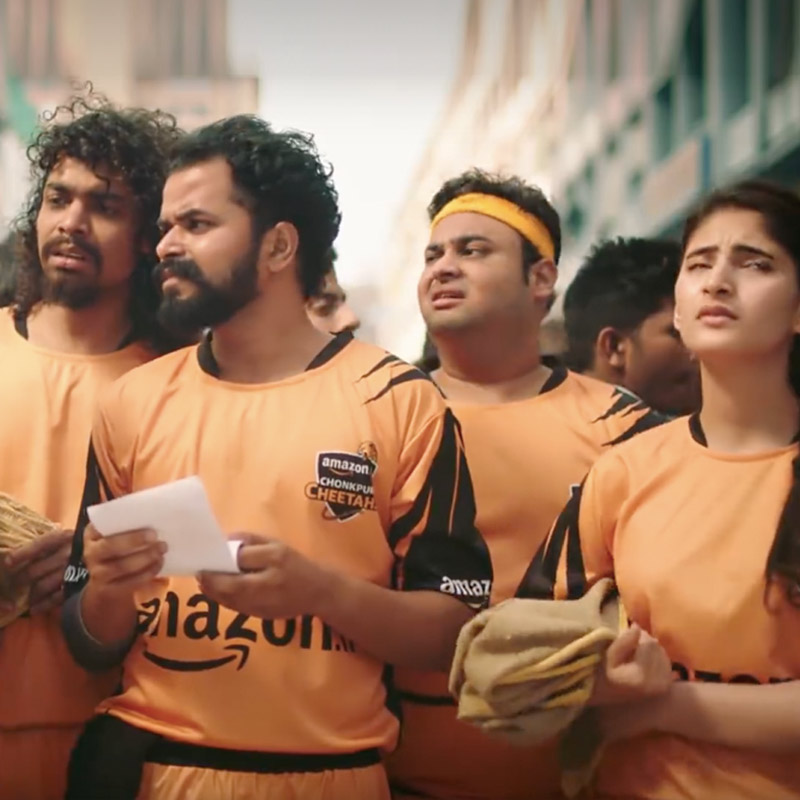
    MUMBAI: This time last year, while our favourite teams battled it out on the field, another contender emerged during the commercial breaks that we were all rooting for. This unlikely team captured the imagination of millions of Indians, as we saw a bunch of talented players work hard to become the next big T20 team, with a little help from Apni Dukaan.

    Oh yes, the Chonkpur Cheetahs are back, and this time with brand new rivals! This season, they’ve moved to a new city to get one step closer to their dream, only to realise that before they face their opponents on the field, they must face the unknown city and its googlies.

    The campaign “Ajnabi Shahar Mein Apni Dukaan”, shows the everyday struggles of an unknown city through this endearing team, where amazon.in, helps resolve dilemmas getting in the way of things truly important. Currently, the Cheetahs have emerged victorious against their first opponent.

    There is a new team to look forward to this time around, called the “Chellapuram Cheetahs”. These boys and girls will be seen in all the south states in India, embarking on their dream to be the next big T20 team. With the help of Amazon.in, they learn to face the problems of settling in a new city effortlessly, before facing their opponents on the field! Watch the coach (played by VTV Ganesh) prepare Kanika, Giri, Munni, Gaja, Mani, and Malini for their first opponent in the new city.

    Both the Chonkpur Cheetahs and Chellapuram Cheetahs (Tamil Nadu, Karnataka, Andhra Pradesh), will be seen on TV screens through this cricketing season, and we’ll be able catch-up with more of their journey through the new city on digital platforms.

    Conceptualised by Ogilvy Bangalore and directed by Hemant Bhandari of Chrome Pictures (Chonkpur Cheetahs) and Jerald Packiasamy of Still Waters Films (Chellapuram Cheetahs), the films bring to life charming stories of people settling into new cities, and how Amazon India can help by providing access to required products in a humorous and light hearted way.

    Amazon India director of mass and brand marketing Ravi Arun Desai says, “With more than 300 million interactions across touch points in 2017, Amazon had to bring back the Cheetahs in 2018, this time chasing a bigger dream in an ‘Ajnabi Shahar’. The insight behind this campaign is that almost all Indian families have someone who would’ve moved to a big Indian city in pursuit of ‘better opportunities’ for themselves and the next generation.”

    “The campaign encapsulates how Amazon supports millions of Indians in their pursuit of dreams, as we cater to their everyday needs. Our customers use Amazon to effortlessly settle down in a completely new environment. The campaign explores a few relatable stories of the Chonkpur Cheetahs trusting apni dukaan to help them tackle some problems of settling into an unknown city. With over 17 crore products to choose from, the obstacles are taken care of by Amazon.in, and all they now need to do is concentrate on fulfilling their dream,” Desai adds.

    Ogilvy Bangalore senior vice president Kiran Ramamurthy mentions, “With the launch of Chonkpur Cheetahs last year, Indian audiences came across a team that had potential, but whose dreams of playing in ‘T20’ matches was restricted by their ability to get things that they needed. That is, till Amazon came into the picture and helped them realise their potential by removing the obstacles of access to things they needed. This year, with an improved game, the Cheetahs land in a big city to progress in their careers.”

    The campaign is led by multiple TVCs through the course of cricketing season, amplified through an integrated campaign spread across digital, social, cinema, radio, and more.

  • Center Fruit launches campaign with new tagline

    Center Fruit launches campaign with new tagline

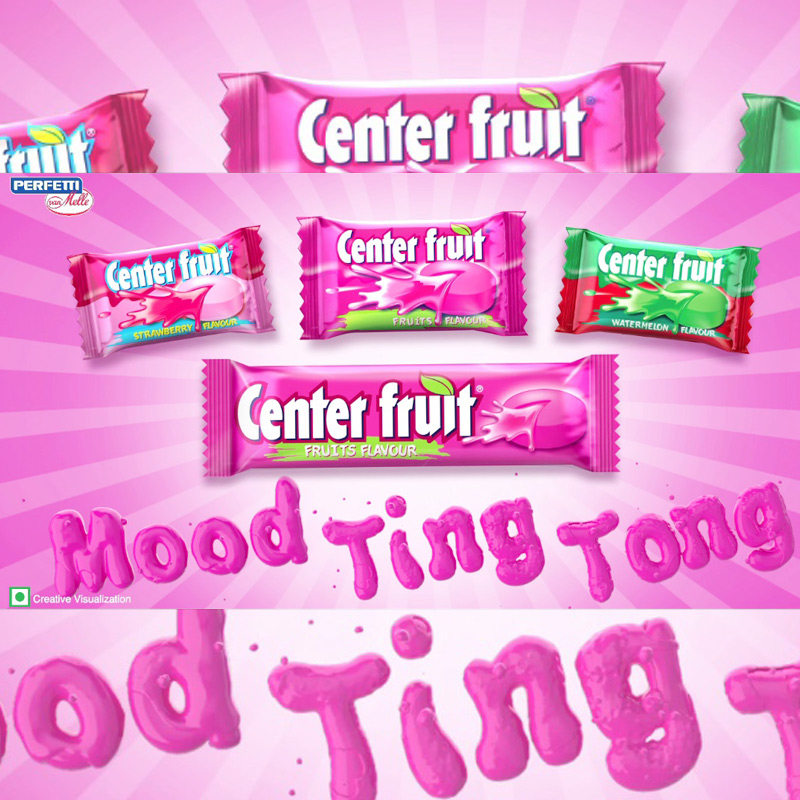
    MUMBAI: Perfetti Van Melle India’s leading gum brand, Center Fruit, has launched a new campaign that asks consumers to make their mood Ting Tong.

    The campaign is based on the insight that all of us have unavoidable moments of boredom in our daily life, and a little uplift in mood in such moments can make the task enjoyable.

    The story draws from mundane slice-of-life boring situations which a teenager goes through. Rohan has a deadline to submit his assignment. He, however, finds the routine assignment boring and is no mood to complete it. He spots a Center Fruit which he pops in, and bites the gum. The flavourful splash works its magic and we see that his mood has dramatically improved. Keying in his assignment now becomes fun, almost as if the keyboard has turned into a piano. The change in mood makes a routine situation enjoyable for him and he finishes the assignment in time for submission to the professor.

    The new campaign will be on air from mid-March 2018 and will be on air across all major channels as well as on digital media.

    Perfetti Van Melle India marketing director Rohit Kapoor says, “Center Fruit has always been about a great fruity taste. For the new campaign, we worked with consumers to understand their consumption experience and what Center Fruit does for them. The flavourful splash is core to the consumption experience. This is the insight which the new campaign captures – the tasty splash is a real mood uplifter. With this, the brand moves from the memorable kaisi jeeb laplapyee to a new tagline Mood Ting Tong, which resonates strongly with consumers”.

    Ogilvy Mumbai ECD Anurag Agnihotri mentions, “Center Fruit has always been an absolute delight to work on. After years of amazing work on kaisi jeeb laplapyee, we felt it was a good time to explore something new, still keeping the taste promise integral to the film. The basic promise is ‘mood enhancement’ and we decided to build on this simple promise and came up with ‘mood ting tong’. This is the first TV commercial of what will be yet another series of crazy funny stories”.

  • Fevicol makes a banner that actually sticks

    Fevicol makes a banner that actually sticks

    MUMBAI: No one pays attention to web banners anymore. So Fevicol, India’s leading adhesive brand, decided to make a banner that would genuinely stick and not just figuratively.

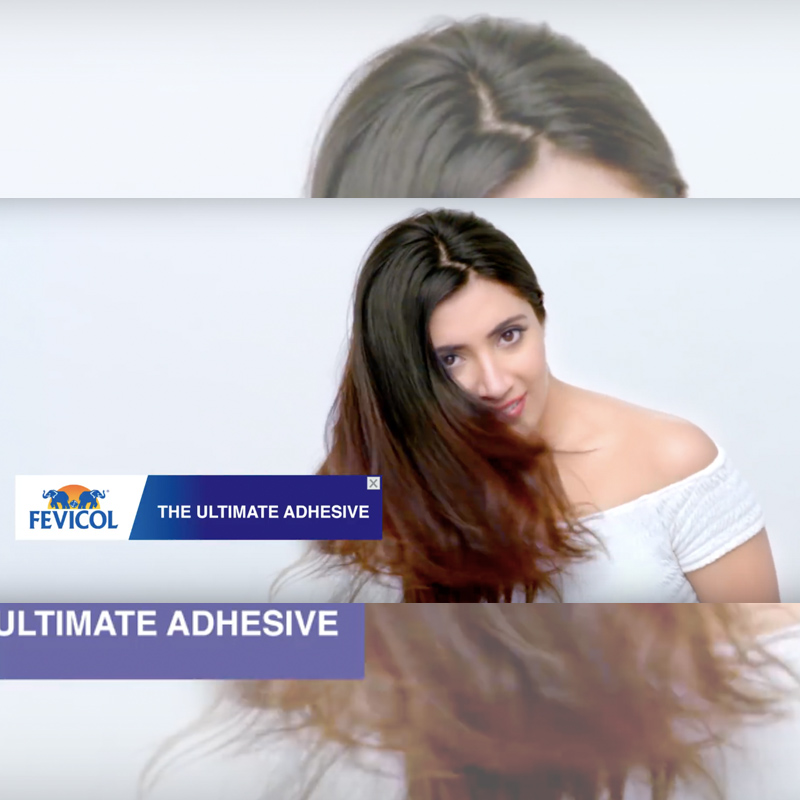
    The sticky banner appears to show up in YouTube pre-roll ads of other brands, like a standard in-video banner. And the adhesive power of the banner is so strong, that even the characters in the ads can’t escape it.

    This effect was achieved by making videos that closely mimicked the ads viewers were used to watching every day, and deploying them as seemingly ordinary pre-roll ads on Youtube.

    Ogilvy vice chairman and group chief creative officer Sonal Dabral notes that Ogilvy has a long history of creating memorable television commercials for Fevicol. “Stories that always leave you with a smile. So when it came to pre roll ads in the digital space we decided to say it in the same Fevicol voice. Quirky little ads that will leave you with a smile and a message that will remain stuck long after the ads are over. Like all Fevicol advertising, we hope the consumers will enjoy this campaign too and will have as much fun watching it as we had creating it,” he adds.

    Pidilite Industries CMO Vivek Sharma mentions, “Fevicol is known for its innovations in product and marketing, especially it’s entertaining TVCs and activities. Continuing its tradition of innovation and targeting the young digital generation, Fevicol has devised these creative digital interventions with the aim of pleasantly surprising the consumer while giving its message of unbreakable bonds.”