Tag: Ogilvy & Mather

  • Asian Paints ‘Baarish’, proves O&M point

    Asian Paints ‘Baarish’, proves O&M point

    MUMBAI: Asian Paints has roped in Ogilvy & Mather as the creative agency to conceptualise ‘Baarish Ko Aane Do’ campaign for UltimaProtek. The brief given to the agency was to establish UltimaProtek as the best waterproofing paint.

    There is a clear opportunity within the exterior category to own a differentiated, stable, strong and consistent positioning that is rooted in highlighting water as the main cause of all exterior problems. With UltimaProtek and its superior water protection properties, Asian Paints can confidently tap into this category opportunity. This will also enable AP to elevate the brand stature for UltimaProtek as a technologically-superior and innovative painting system in the exteriors category.

    With this objective in mind, the team came up with the core thought, “Since the product can really withstand the pressure of heavy rains, why don’t we dare the rains to see if they can overcome us.”

    A truly refreshing and interesting take on the brief, this dare allows for various extensions across media. To launch the campaign we have a film with our brand ambassador, Ranbir Kapoor, in a never ever seen role before, an acclaimed classical singer, exponent of Raag Malhar. He is in love with his neighbour but her parents want to marry her off to someone else. So what does he do? Every time the girl’s parents fix a match, he ruins it by calling upon the rain to create havoc in their life and their non-Asian Paints house. Finally the girl’s parents give in. And our classical singer gets the girl thanks to his Raag that calls upon the rain and Asian Paints UltimaProtek that has kept his house always protected in spite of the heavy rain called upon by the classical singer.

    Ogilvy Mumbai executive creative director said, “We had a lot of fun working on this brief. The fun and the madness is quite evident in the work. I must thank Prasoon Pandey for making this commercial come alive. My team and I are looking forward to execute the other surround ideas on the same platform.”

    In addition to the TVC there are various ideas in the pipeline stemming from the core idea of Baarish Ko Aane Do. The campaign will be live across TV, POS, OOH, press and digital.

  • Asian Paints ‘Baarish’, proves O&M point

    Asian Paints ‘Baarish’, proves O&M point

    MUMBAI: Asian Paints has roped in Ogilvy & Mather as the creative agency to conceptualise ‘Baarish Ko Aane Do’ campaign for UltimaProtek. The brief given to the agency was to establish UltimaProtek as the best waterproofing paint.

    There is a clear opportunity within the exterior category to own a differentiated, stable, strong and consistent positioning that is rooted in highlighting water as the main cause of all exterior problems. With UltimaProtek and its superior water protection properties, Asian Paints can confidently tap into this category opportunity. This will also enable AP to elevate the brand stature for UltimaProtek as a technologically-superior and innovative painting system in the exteriors category.

    With this objective in mind, the team came up with the core thought, “Since the product can really withstand the pressure of heavy rains, why don’t we dare the rains to see if they can overcome us.”

    A truly refreshing and interesting take on the brief, this dare allows for various extensions across media. To launch the campaign we have a film with our brand ambassador, Ranbir Kapoor, in a never ever seen role before, an acclaimed classical singer, exponent of Raag Malhar. He is in love with his neighbour but her parents want to marry her off to someone else. So what does he do? Every time the girl’s parents fix a match, he ruins it by calling upon the rain to create havoc in their life and their non-Asian Paints house. Finally the girl’s parents give in. And our classical singer gets the girl thanks to his Raag that calls upon the rain and Asian Paints UltimaProtek that has kept his house always protected in spite of the heavy rain called upon by the classical singer.

    Ogilvy Mumbai executive creative director said, “We had a lot of fun working on this brief. The fun and the madness is quite evident in the work. I must thank Prasoon Pandey for making this commercial come alive. My team and I are looking forward to execute the other surround ideas on the same platform.”

    In addition to the TVC there are various ideas in the pipeline stemming from the core idea of Baarish Ko Aane Do. The campaign will be live across TV, POS, OOH, press and digital.

  • Kahani Designworks and Ek Type win Black Elephants

    Kahani Designworks and Ek Type win Black Elephants

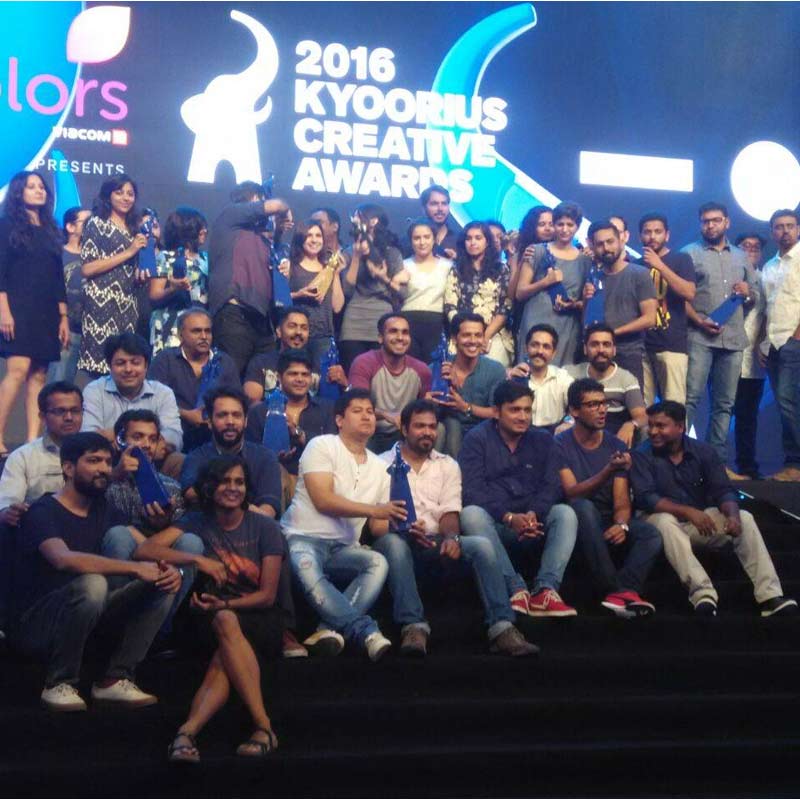
    JAIPUR: The three day creative extravaganza of design and visual communication, Kyoorius Designyatra, reached its crescendo with the Kyoorius Design Awards 2016. On its 11th edition, a total of 22 Blue Elephants were awarded to those who have done remarkable work in the field, out of which Ogilvy & Mather took home four, followed close at heel by Open Strategy & Design with three Blue Elephants to their name.

    Two Black Elephants (equivalent of a grand prix) were also won.

    Kahani Designworks took home a Black Elephant, on top of their Blue Elephant, in the Design For Space category for ‘The State of Architecture’ which was done for Urban Design Research institute. The second winner of the prestigious Black Elephant was Ek Type in the Deign Craft category for their work titled ‘Baloo,’ which was done for Open Source through Google Fonts. This year Kyoorius Design Awards had received a total of 468 entries out of which 43 were the In-Book winners.

    Five Blue elephants were won in the Branding & Identity category, with O&M and NH1 Designing claiming two each and BLOK winning one. Design for Packaging category saw two winners – Open Strategy & Design and Fitch — for their consumer packaging designs.

    Four Blue Elephants were awarded in the Design for Communication category with winners including Ogilvy & Mather, Publicis Communication, Famous Innovations and Open Strategy and Design.

    Design for Spaces saw four Blue and one Black Elephant, while three Blue Elephants and one Black Elephant were awarded in the Design Craft category. Open Strategy and Design and Dynamite Design each won one Blue Elephant in the writing for design category. Design for Good and Design for Book each had one Blue Elephant.

    Kyoorius also awarded some of the future creative stars with the Kyoorius Young BloodAwards, which 353 entries with 14 Red Elephants being rewarded and 27 In-Book winners. “This year at Kyoorius Designyatra we aimed to bring together a group of divergent thinkers to encourage interactions and creativity. We hope people will go back inspired and with a new passion and vigour towards why they are a part of this ever-growing industry,” said Kyoorius CEO  Rajesh Kejriwal , who organises this non-for-profit initiative with D&AD.

    The awards were a culmination of the event on creativity and design that sparked fresh and new ideas among the attendees.  The final day of Kyoorius Designyatra 2016 had an incredible speaker line-up that included Jon Marshall, Co-Founder & Creative Director, MAP, Singgih Kartono, Founder & Designer, Magno Design, Alex Daly, Founder, Vann Alexandra, Ronald van Schaik, Founder, Kaliber Interactive, Ayappa KM, Co-Founder, Early Man Film, Tap Kruavanichkit, Creative Director, Farmgroup, Ruchita Madhok, Principal, Kahani Designworks, Sameer Kulavoor, Founder, Bombay Duck Design and Sarang Kulkarni, Founder WhiteCrow. The speaker sessions ended with an interactive discussion with the legendary Michael Wolff, Founder, Michael Wolff & Co.

    Designyatra is presented by Zee, and powered by The Patrika Group and has various partners such as Absolut, Zindagi, Colorplan, Nicobar, myPaperclip and many more.

    Kyoorius Design Awards 2016 Winners List :

    Kyoorius Young Blood Awards Winners List : 

  • Kahani Designworks and Ek Type win Black Elephants

    Kahani Designworks and Ek Type win Black Elephants

    JAIPUR: The three day creative extravaganza of design and visual communication, Kyoorius Designyatra, reached its crescendo with the Kyoorius Design Awards 2016. On its 11th edition, a total of 22 Blue Elephants were awarded to those who have done remarkable work in the field, out of which Ogilvy & Mather took home four, followed close at heel by Open Strategy & Design with three Blue Elephants to their name.

    Two Black Elephants (equivalent of a grand prix) were also won.

    Kahani Designworks took home a Black Elephant, on top of their Blue Elephant, in the Design For Space category for ‘The State of Architecture’ which was done for Urban Design Research institute. The second winner of the prestigious Black Elephant was Ek Type in the Deign Craft category for their work titled ‘Baloo,’ which was done for Open Source through Google Fonts. This year Kyoorius Design Awards had received a total of 468 entries out of which 43 were the In-Book winners.

    Five Blue elephants were won in the Branding & Identity category, with O&M and NH1 Designing claiming two each and BLOK winning one. Design for Packaging category saw two winners – Open Strategy & Design and Fitch — for their consumer packaging designs.

    Four Blue Elephants were awarded in the Design for Communication category with winners including Ogilvy & Mather, Publicis Communication, Famous Innovations and Open Strategy and Design.

    Design for Spaces saw four Blue and one Black Elephant, while three Blue Elephants and one Black Elephant were awarded in the Design Craft category. Open Strategy and Design and Dynamite Design each won one Blue Elephant in the writing for design category. Design for Good and Design for Book each had one Blue Elephant.

    Kyoorius also awarded some of the future creative stars with the Kyoorius Young BloodAwards, which 353 entries with 14 Red Elephants being rewarded and 27 In-Book winners. “This year at Kyoorius Designyatra we aimed to bring together a group of divergent thinkers to encourage interactions and creativity. We hope people will go back inspired and with a new passion and vigour towards why they are a part of this ever-growing industry,” said Kyoorius CEO  Rajesh Kejriwal , who organises this non-for-profit initiative with D&AD.

    The awards were a culmination of the event on creativity and design that sparked fresh and new ideas among the attendees.  The final day of Kyoorius Designyatra 2016 had an incredible speaker line-up that included Jon Marshall, Co-Founder & Creative Director, MAP, Singgih Kartono, Founder & Designer, Magno Design, Alex Daly, Founder, Vann Alexandra, Ronald van Schaik, Founder, Kaliber Interactive, Ayappa KM, Co-Founder, Early Man Film, Tap Kruavanichkit, Creative Director, Farmgroup, Ruchita Madhok, Principal, Kahani Designworks, Sameer Kulavoor, Founder, Bombay Duck Design and Sarang Kulkarni, Founder WhiteCrow. The speaker sessions ended with an interactive discussion with the legendary Michael Wolff, Founder, Michael Wolff & Co.

    Designyatra is presented by Zee, and powered by The Patrika Group and has various partners such as Absolut, Zindagi, Colorplan, Nicobar, myPaperclip and many more.

    Kyoorius Design Awards 2016 Winners List :

    Kyoorius Young Blood Awards Winners List : 

  • Amitabh Bachchan announced as the brand ambassador for Dr. Fixit

    Amitabh Bachchan announced as the brand ambassador for Dr. Fixit

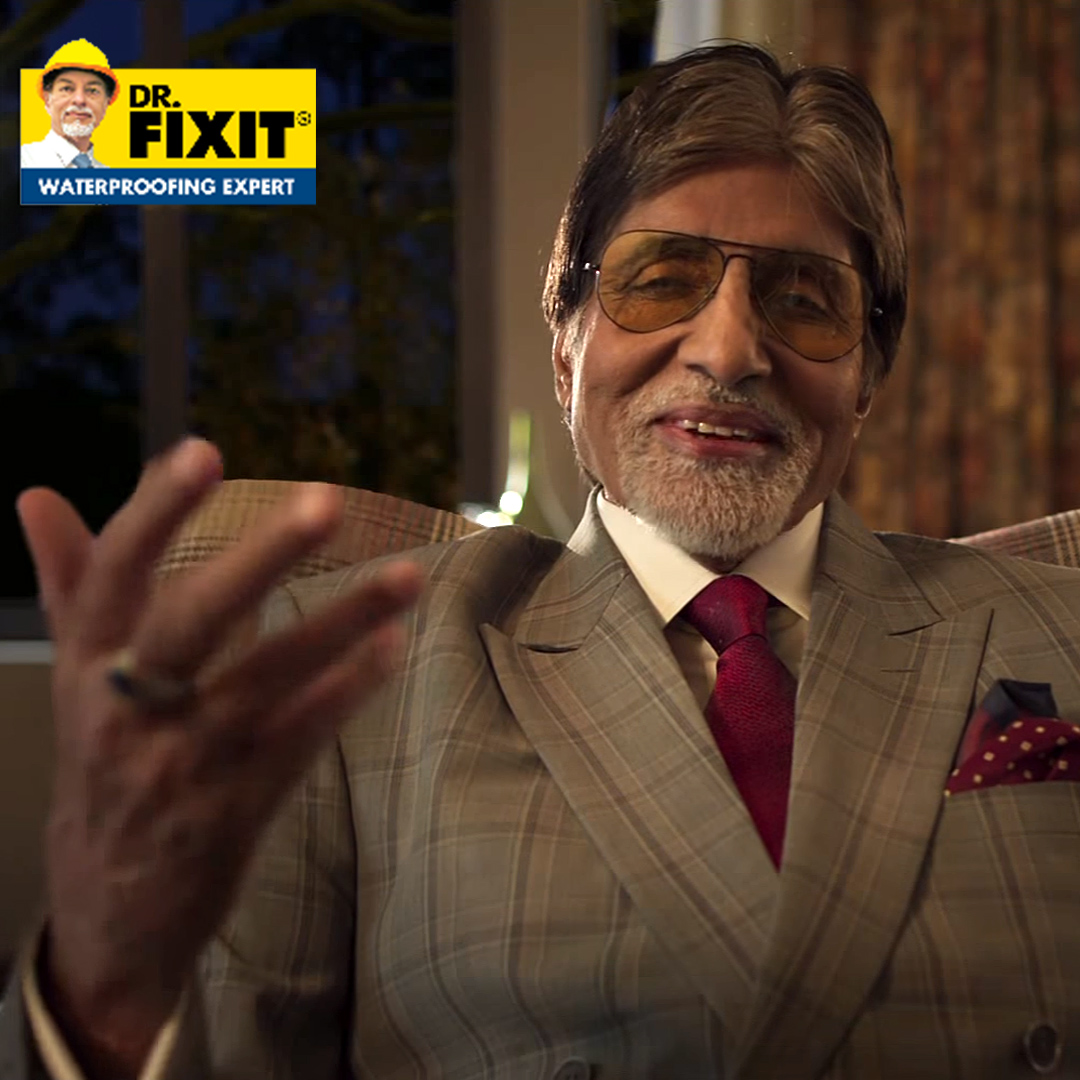
    MUMBAI:  Pidilite unveiled legendary actor Amitabh Bachchan as the ambassador for its Dr. Fixit range of waterproofing products and solutions.  Bachchan, an icon of the silver screen, will spearhead Dr. Fixit’s flagship campaign and will act as its face across engagement platforms.

    The campaign featuring  Bachchan was rolled out on India’s 70th Independence Day with a multimedia campaign on digital, TV, retail activations, radio and outdoor.  As a pioneer and leader in water-proofing, Dr.Fixit aims to create awareness for pro-active water-proofing using modern methods at the beginning stage of building a new house.

    Dr. Fixit commercials are known and loved by audiences for their light sense of humor. The new campaign stays true to this approach, with  Bachchan bringing his own trademark style and wit to the TVC.

    The opening TVC features Bachchan playing himself and portraying a romantic, restless man living in a home that hasn’t been waterproofed and has 3 beautiful women as neighbors.  The TVC begins with Mr. Bachchan delivering a quixotic, Bollywood-style monologue, and wistfully thinking about his neighbors as water from their apartments leaks into his home. Then the TVC reveals a composed Mr. Bachchan wrapped up in a shawl who had been daydreaming about this fantasy. In reality, his wife had made sure that the house was waterproofed with Dr. Fixit at the construction stage itself. Thus, Mr. Bachchan’s feelings for his beautiful neighbors remain in his heart due to water-proofing by Dr. Fixit. 

    Mr. Vivek Sharma, Chief Marketing Officer, Pidilite Industries said, “Dr. Fixit is the market leader in water-proofing segment and it continues to play the role of creating the market for water-proofing using modern methods. This involves changing behavior of people through messages that are relevant, persuasive and delivered in a memorable way. Who other than Mr. Bachchan to deliver this convincingly, as he is not only loved and admired by all but also considered a person of immense credibility. ”

    Commenting on the campaign, Mr. Piyush Pandey, Executive Chairman and Creative director, South Asia, Ogilvy & Mather- says, “No matter what section of the society one comes from, when your home leaks, your feeling of helplessness is identical.  This campaign takes this insight and says it in a very entertaining fashion.  Dr. Fixit is the leader in the category like Mr. Bachchan is, in the world of cinema.  It’s a perfect jodi.  Prasoon Pandey has put together this story in a beautiful and persuasive manner, making the communication watchable again and again.””


  • Amitabh Bachchan announced as the brand ambassador for Dr. Fixit

    Amitabh Bachchan announced as the brand ambassador for Dr. Fixit

    MUMBAI:  Pidilite unveiled legendary actor Amitabh Bachchan as the ambassador for its Dr. Fixit range of waterproofing products and solutions.  Bachchan, an icon of the silver screen, will spearhead Dr. Fixit’s flagship campaign and will act as its face across engagement platforms.

    The campaign featuring  Bachchan was rolled out on India’s 70th Independence Day with a multimedia campaign on digital, TV, retail activations, radio and outdoor.  As a pioneer and leader in water-proofing, Dr.Fixit aims to create awareness for pro-active water-proofing using modern methods at the beginning stage of building a new house.

    Dr. Fixit commercials are known and loved by audiences for their light sense of humor. The new campaign stays true to this approach, with  Bachchan bringing his own trademark style and wit to the TVC.

    The opening TVC features Bachchan playing himself and portraying a romantic, restless man living in a home that hasn’t been waterproofed and has 3 beautiful women as neighbors.  The TVC begins with Mr. Bachchan delivering a quixotic, Bollywood-style monologue, and wistfully thinking about his neighbors as water from their apartments leaks into his home. Then the TVC reveals a composed Mr. Bachchan wrapped up in a shawl who had been daydreaming about this fantasy. In reality, his wife had made sure that the house was waterproofed with Dr. Fixit at the construction stage itself. Thus, Mr. Bachchan’s feelings for his beautiful neighbors remain in his heart due to water-proofing by Dr. Fixit. 

    Mr. Vivek Sharma, Chief Marketing Officer, Pidilite Industries said, “Dr. Fixit is the market leader in water-proofing segment and it continues to play the role of creating the market for water-proofing using modern methods. This involves changing behavior of people through messages that are relevant, persuasive and delivered in a memorable way. Who other than Mr. Bachchan to deliver this convincingly, as he is not only loved and admired by all but also considered a person of immense credibility. ”

    Commenting on the campaign, Mr. Piyush Pandey, Executive Chairman and Creative director, South Asia, Ogilvy & Mather- says, “No matter what section of the society one comes from, when your home leaks, your feeling of helplessness is identical.  This campaign takes this insight and says it in a very entertaining fashion.  Dr. Fixit is the leader in the category like Mr. Bachchan is, in the world of cinema.  It’s a perfect jodi.  Prasoon Pandey has put together this story in a beautiful and persuasive manner, making the communication watchable again and again.””


  • “The new management structure will empower and create width of leadership” – Kunal Jeswani

    “The new management structure will empower and create width of leadership” – Kunal Jeswani

    As the media and advertising world in India undergoes catharsis in the form of unlearning, relearning and evolving for the ongoing digital disruption, with data and analytics infusing new variables in the process of creating a brand communication, most of the major stakeholders understand the urgency to address the matter at a talent and skill level within the organisations as well. The recent restructuring of Ogilvy & Mather Mumbai is a fine example of that.

    Effective from July 7, 2016, all Ogilvy & Mather Mumbai’s businesses and account management resources were brought together under five clusters, each headed by an executive vice-president (EVP) and cluster head.

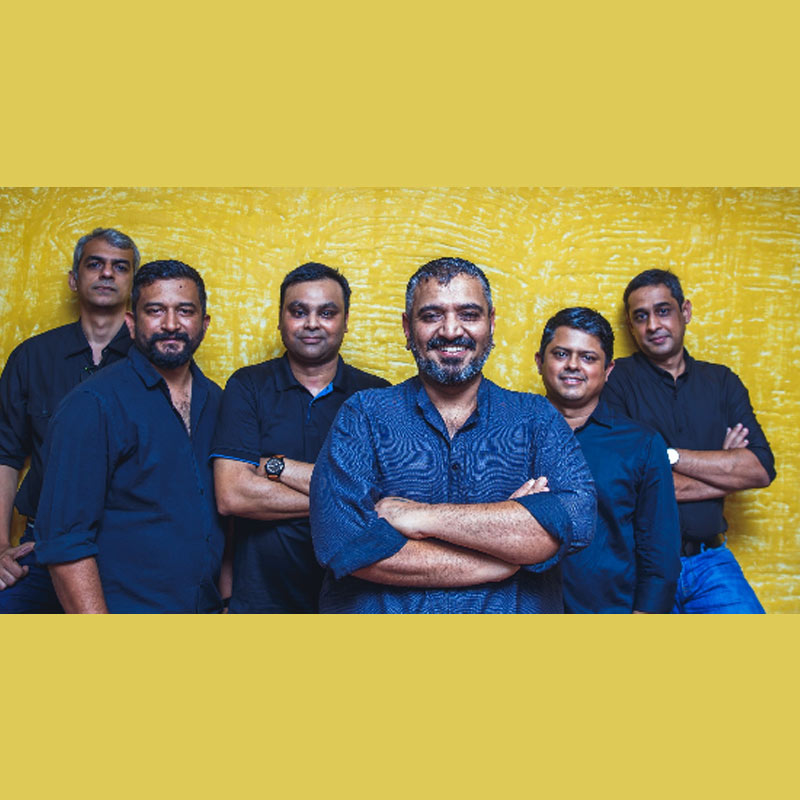
    The five new EVPs and cluster heads are —  Abhik Santara, Ajay Menon, Hitesh Patel, Prakash Nair, and VR Rajesh — forming the core business leadership team for Ogilvy & Mather Mumbai. The EVPs are working closely with CEO of Ogilvy India, as well as the head of office for Ogilvy Mumbai Kunal Jeswani to spearhead the agency’s flagship Mumbai office.

    It is a first major change in the organisation structure after Kunal Jeswani’s appointment as the CEO last year, after the position lay vacant since the previous CEO Pratap Bose quit in 2008.

    To understand the agency’s strategy behind the new reshuffle of key positions and what foreshadowed the restructuring,  indiantelevision.com’s Papri Das caught up with Kunal Jeswani.

    In a free flowing interaction, Jeswani  attempts to satisfy curiosities about function and purpose of the new management structure at Mumbai Office, his thoughts on the challenges of talent retention within major agencies, the relevance of 30 second TV commercials for brands today and why brands should not fall prey to promise of  ‘free viral reach.’

    Excerpts:

    Q1. What called for the need to restructure Ogilvy & Mather’s Mumbai office?

    Ogilvy Mumbai has grown to become the largest advertising office in South Asia. At the same time, our business is changing rapidly. We need a more nimble management structure and we need to put our young leaders in positions where they can influence change. The new management structure is designed to empower Ogilvy’s young leaders and create a width of leadership to re-engineer the agency for growth over the next 5 years and drive greater focus on clients.

    Q2. What were the key factors kept in mind while planning this restructure?

    The heart of planning the new structure was creating leadership width. There is so much to do and we need to empower people to take on different aspects of the business and own them. Brand stewardship is a given. That is the heart of our business.

    But there is so much more to do today — new business growth, building, launching and nurturing new services, talent and training, agency reputation management, and the list goes on. We need more people in positions of authority to drive this.  

    Q3. What roles will each of the units have and how will the five units function in tandem?

    The EVPs & cluster heads will have a line responsibility to run their clusters and improve the quality of our client relationships. However, they will also work as a management team with me at an office level. The intent, at an office level, is for them to work as a team to influence the office as a whole.

    Q4. What function does the Mumbai office play for the agency’s overall strategy in the market keeping the rest of the offices in mind?

    Every office has a strong role to play in the India network. Gurgaon is the fastest growing market for the advertising industry in India and we have a fantastic team leading it. Our Bangalore office has seen dramatic growth on the back of offshore marketing services as well as great new business wins like Amazon. Our Hyderabad office is our digital technology and production centre. Our Kolkata and Chennai offices have each built a strong business in their markets.

    Mumbai is the largest of the lot and is recognized as one of the best advertising offices in the world. Its role is no different from any of our other offices in the sense that it needs to deliver communications solutions that help grow our clients’ businesses. We have to do it better than anyone else in the market. Our work has to shine, across every medium of communication. At the end of the day, it’s always about creating great work and growing our clients’ businesses.

    Q5. In a scenario when consumers are also becoming a key part of the creative process for a brand’s communication, how can an agency stay relevant to clients?

    Consumers have always been part of the creative process. No one has ever created work without a consumer in mind. But our job is not to do what the consumer tells us to. If that were the case, no client would need an agency. All you would need to do is get a bunch of consumers in a room and get them to create advertising for you. Or better still crowdsource your advertising online. You need an agency because you want work that cuts through, that connects with consumers in a way they couldn’t have envisaged in the first place. That uses decades of experience in persuasion to deliver work that actually gets the consumer to do something you want him or her to do, that navigates the changing media landscape to deliver a width of work that addresses the consumer in different mind-states, at different points in the consumer journey, across different media. Of course the role of the agency is becoming harder. And that’s a good thing. The harder the job is, the more clients need us to do it well.

    Q6. Independent content creators today are launching several branded content initiatives. Does the agency see a market in India for developing their own branded content for the digital or television space for that matter?

    Media is getting more expensive every year. As clients struggle to manage slow sales growth and rapid media cost escalation, they look for easier, more cost effective ways to reach consumers. Branded content, particularly digital video offers the allure of free viral reach. My advice is always to be wary of anyone who tells you that a piece of branded content will go viral. The odds are hugely stacked against it. The hard truth is that if you want significant reach (and by significant reach I mean that if you want a large proportion of your actual consumers to see something) you need to spend significant media money behind it. There are no short-cuts. There is no escaping it. Is there are market for branded content? Yes. Will we build a play in that market? Yes. But clearly content that is part of an overall communication strategy, content that has a specific role in the media mix, content that engages predominantly digital consumers. Not content that is the promise of free viral reach.

    Q7 Are 30 seconders still relevant to brands today, or is not the age of one minute or two minute videos?

    Both. Most clients understand that TV is still the driving force of reach, awareness and persuasion and the TV commercial still accounts for the chunk of their media spend. However, many clients are also using digital to reach and engage with consumers who spend a significant amount of their media time on mobile and desktop video consumption.

    Q8. How hard is it to attract new talent and retain existing talent for an agency like Ogilvy & Mather, when several are leaving salaried jobs for the freedom that comes with being an entrepreneur?

    Talent is our business. It is our primary cost and without great talent, we are nothing. Of course it’s getting more and more difficult to retain talent. There are far more options that are available to young people today. However, Ogilvy offers them stability, mentorship of the best kind, the opportunity to work on a range of the incredible brands, and a client base that essentially comes to us because they want great work. That’s what attracts people to us. That’s what keeps them here. 

  • “The new management structure will empower and create width of leadership” – Kunal Jeswani

    “The new management structure will empower and create width of leadership” – Kunal Jeswani

    As the media and advertising world in India undergoes catharsis in the form of unlearning, relearning and evolving for the ongoing digital disruption, with data and analytics infusing new variables in the process of creating a brand communication, most of the major stakeholders understand the urgency to address the matter at a talent and skill level within the organisations as well. The recent restructuring of Ogilvy & Mather Mumbai is a fine example of that.

    Effective from July 7, 2016, all Ogilvy & Mather Mumbai’s businesses and account management resources were brought together under five clusters, each headed by an executive vice-president (EVP) and cluster head.

    The five new EVPs and cluster heads are —  Abhik Santara, Ajay Menon, Hitesh Patel, Prakash Nair, and VR Rajesh — forming the core business leadership team for Ogilvy & Mather Mumbai. The EVPs are working closely with CEO of Ogilvy India, as well as the head of office for Ogilvy Mumbai Kunal Jeswani to spearhead the agency’s flagship Mumbai office.

    It is a first major change in the organisation structure after Kunal Jeswani’s appointment as the CEO last year, after the position lay vacant since the previous CEO Pratap Bose quit in 2008.

    To understand the agency’s strategy behind the new reshuffle of key positions and what foreshadowed the restructuring,  indiantelevision.com’s Papri Das caught up with Kunal Jeswani.

    In a free flowing interaction, Jeswani  attempts to satisfy curiosities about function and purpose of the new management structure at Mumbai Office, his thoughts on the challenges of talent retention within major agencies, the relevance of 30 second TV commercials for brands today and why brands should not fall prey to promise of  ‘free viral reach.’

    Excerpts:

    Q1. What called for the need to restructure Ogilvy & Mather’s Mumbai office?

    Ogilvy Mumbai has grown to become the largest advertising office in South Asia. At the same time, our business is changing rapidly. We need a more nimble management structure and we need to put our young leaders in positions where they can influence change. The new management structure is designed to empower Ogilvy’s young leaders and create a width of leadership to re-engineer the agency for growth over the next 5 years and drive greater focus on clients.

    Q2. What were the key factors kept in mind while planning this restructure?

    The heart of planning the new structure was creating leadership width. There is so much to do and we need to empower people to take on different aspects of the business and own them. Brand stewardship is a given. That is the heart of our business.

    But there is so much more to do today — new business growth, building, launching and nurturing new services, talent and training, agency reputation management, and the list goes on. We need more people in positions of authority to drive this.  

    Q3. What roles will each of the units have and how will the five units function in tandem?

    The EVPs & cluster heads will have a line responsibility to run their clusters and improve the quality of our client relationships. However, they will also work as a management team with me at an office level. The intent, at an office level, is for them to work as a team to influence the office as a whole.

    Q4. What function does the Mumbai office play for the agency’s overall strategy in the market keeping the rest of the offices in mind?

    Every office has a strong role to play in the India network. Gurgaon is the fastest growing market for the advertising industry in India and we have a fantastic team leading it. Our Bangalore office has seen dramatic growth on the back of offshore marketing services as well as great new business wins like Amazon. Our Hyderabad office is our digital technology and production centre. Our Kolkata and Chennai offices have each built a strong business in their markets.

    Mumbai is the largest of the lot and is recognized as one of the best advertising offices in the world. Its role is no different from any of our other offices in the sense that it needs to deliver communications solutions that help grow our clients’ businesses. We have to do it better than anyone else in the market. Our work has to shine, across every medium of communication. At the end of the day, it’s always about creating great work and growing our clients’ businesses.

    Q5. In a scenario when consumers are also becoming a key part of the creative process for a brand’s communication, how can an agency stay relevant to clients?

    Consumers have always been part of the creative process. No one has ever created work without a consumer in mind. But our job is not to do what the consumer tells us to. If that were the case, no client would need an agency. All you would need to do is get a bunch of consumers in a room and get them to create advertising for you. Or better still crowdsource your advertising online. You need an agency because you want work that cuts through, that connects with consumers in a way they couldn’t have envisaged in the first place. That uses decades of experience in persuasion to deliver work that actually gets the consumer to do something you want him or her to do, that navigates the changing media landscape to deliver a width of work that addresses the consumer in different mind-states, at different points in the consumer journey, across different media. Of course the role of the agency is becoming harder. And that’s a good thing. The harder the job is, the more clients need us to do it well.

    Q6. Independent content creators today are launching several branded content initiatives. Does the agency see a market in India for developing their own branded content for the digital or television space for that matter?

    Media is getting more expensive every year. As clients struggle to manage slow sales growth and rapid media cost escalation, they look for easier, more cost effective ways to reach consumers. Branded content, particularly digital video offers the allure of free viral reach. My advice is always to be wary of anyone who tells you that a piece of branded content will go viral. The odds are hugely stacked against it. The hard truth is that if you want significant reach (and by significant reach I mean that if you want a large proportion of your actual consumers to see something) you need to spend significant media money behind it. There are no short-cuts. There is no escaping it. Is there are market for branded content? Yes. Will we build a play in that market? Yes. But clearly content that is part of an overall communication strategy, content that has a specific role in the media mix, content that engages predominantly digital consumers. Not content that is the promise of free viral reach.

    Q7 Are 30 seconders still relevant to brands today, or is not the age of one minute or two minute videos?

    Both. Most clients understand that TV is still the driving force of reach, awareness and persuasion and the TV commercial still accounts for the chunk of their media spend. However, many clients are also using digital to reach and engage with consumers who spend a significant amount of their media time on mobile and desktop video consumption.

    Q8. How hard is it to attract new talent and retain existing talent for an agency like Ogilvy & Mather, when several are leaving salaried jobs for the freedom that comes with being an entrepreneur?

    Talent is our business. It is our primary cost and without great talent, we are nothing. Of course it’s getting more and more difficult to retain talent. There are far more options that are available to young people today. However, Ogilvy offers them stability, mentorship of the best kind, the opportunity to work on a range of the incredible brands, and a client base that essentially comes to us because they want great work. That’s what attracts people to us. That’s what keeps them here. 
  • Ogilvy & Mather Mumbai’s new management structure keeps young leaders in mind

    Ogilvy & Mather Mumbai’s new management structure keeps young leaders in mind

    MUMBAI: Effective July 7, Ogilvy & Mather has made the following changes in the Mumbai Office Management Structure:

    • All Ogilvy Mumbai’s businesses and account management resources will be brought together under 5 clusters, each headed by an Executive Vice President & Cluster Head.

    • The five new EVPs & Cluster Heads are: Abhik Santara, Ajay Menon, Hitesh Patel, Prakash Nair and VR Rajesh.

    • These EVPs & Cluster Heads will form the core business leadership team for Ogilvy Mumbai. They will work with Kunal Jeswani, who is both CEO of Ogilvy India as well as the Head of Office for Ogilvy Mumbai, to drive Ogilvy’s flagship Mumbai office.

    The new management structure is designed to empower Ogilvy’s young leaders and create a width of leadership to re-engineer the agency for growth over the next 5 years, drive greater focus on clients within each cluster, drive new capabilities and services, and a deeper focus on talent and training.

    “Like any great team, we need to put the right people in the right roles; we need to work harder and train harder than the competition; and we need to play to win. Ogilvy Mumbai is a great team. And we’re playing to win. Abhik, Ajay, Hitesh, Prakash and Rajesh are our best young business leaders and we are empowering them to shape this agency. We are building for the future and this is only the beginning,” said Ogilvy India CEO and Head of Office – Ogilvy Mumbai, Kunal Jeswani.

  • Ogilvy & Mather Mumbai’s new management structure keeps young leaders in mind

    Ogilvy & Mather Mumbai’s new management structure keeps young leaders in mind

    MUMBAI: Effective July 7, Ogilvy & Mather has made the following changes in the Mumbai Office Management Structure:

    • All Ogilvy Mumbai’s businesses and account management resources will be brought together under 5 clusters, each headed by an Executive Vice President & Cluster Head.

    • The five new EVPs & Cluster Heads are: Abhik Santara, Ajay Menon, Hitesh Patel, Prakash Nair and VR Rajesh.

    • These EVPs & Cluster Heads will form the core business leadership team for Ogilvy Mumbai. They will work with Kunal Jeswani, who is both CEO of Ogilvy India as well as the Head of Office for Ogilvy Mumbai, to drive Ogilvy’s flagship Mumbai office.

    The new management structure is designed to empower Ogilvy’s young leaders and create a width of leadership to re-engineer the agency for growth over the next 5 years, drive greater focus on clients within each cluster, drive new capabilities and services, and a deeper focus on talent and training.

    “Like any great team, we need to put the right people in the right roles; we need to work harder and train harder than the competition; and we need to play to win. Ogilvy Mumbai is a great team. And we’re playing to win. Abhik, Ajay, Hitesh, Prakash and Rajesh are our best young business leaders and we are empowering them to shape this agency. We are building for the future and this is only the beginning,” said Ogilvy India CEO and Head of Office – Ogilvy Mumbai, Kunal Jeswani.