Tag: NVIDIA

  • Venue gets a tech tune-up as Hyundai drives into the future

    Venue gets a tech tune-up as Hyundai drives into the future

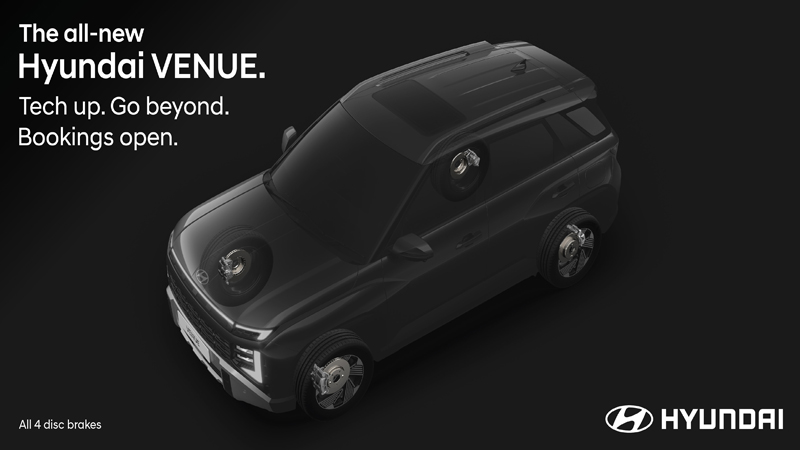
    MUMBAI: Fasten your seatbelts, the Hyundai Venue just got a serious software update. The compact SUV that once ruled the roads with its style is now gearing up to rule with its smarts. Hyundai Motor India Limited (HMIL) has unveiled the tech-packed, safety-loaded all-new Venue, promising to take Indian roads into the era of Software-Defined Vehicles (SDVs).

    Leading the charge is Hyundai’s futuristic ccNC (Connected Car Navigation Cockpit) system, accelerated by Nvidia, paired with dual 62.5 cm (12.3” + 12.3”) curved panoramic displays that stretch across the dashboard like a digital command centre. It’s not just a screen, it’s a statement.

    The Venue also features an immersive 12.3-inch infotainment system with wireless Android Auto and Apple Carplay, seamless OTA updates, and a fully digital 12.3-inch display cluster that keeps you updated on everything from tyre pressure to ADAS alerts. Add to that a Bose 8-speaker premium sound system, and every drive starts to feel like a private concert.

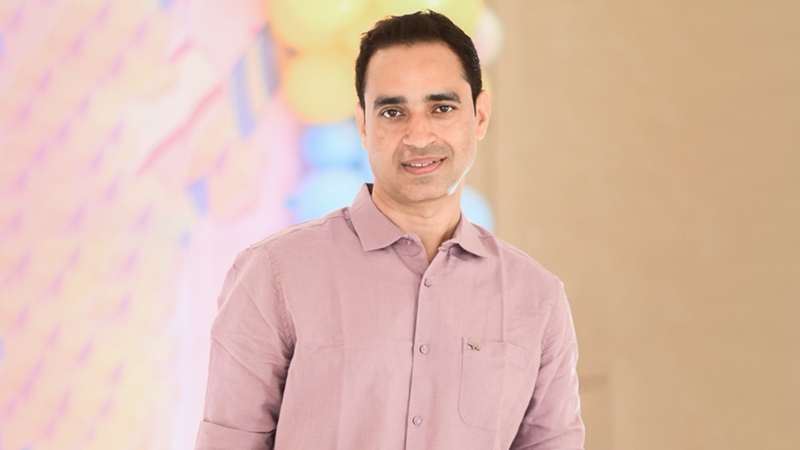
    “At HMIL, we’re committed to democratising global technologies for our customers in India,” said Hyundai Motor India whole-time director and COO Tarun Garg calling the new Venue “a bold step towards introducing SDVs in India.” He added that the Venue’s blend of “cutting-edge features and class-leading safety” would set new benchmarks in the compact SUV segment.

    For the gadget geeks, the new Venue goes all out. Expect 20 Controller Over-the-Air (OTA) updates, 70 Blue Link connected features, voice-enabled smart sunroof, ventilated front seats, wireless phone charging, cooled glovebox and even support for five voice recognition languages Hindi, English, Hinglish, Bengali and Tamil. Oh, and yes, it comes with the in-built JioSaavn app for your on-road playlists.

    But beneath the shiny tech, Hyundai has gone heavy on safety. The Venue boasts a super-strong body structure with 71 per cent ultra-high strength steel, making it sturdier than ever. It also features Hyundai SmartSense ADAS Level 2, packing 16 advanced driver assistance features like Smart Cruise Control with Stop & Go, Forward Collision-Avoidance Assist (for cars, pedestrians, cycles and junction turns), and Parking Collision Avoidance Assist.

    In total, the SUV comes loaded with more than 65 safety features, 33 of which are standard across all variants. Think six airbags, all-four disc brakes, Hill-start Assist, Electronic Stability Control, Tyre Pressure Monitoring System, and even a rollover sensor, it’s practically a fortress on wheels.

    Inside, it’s a symphony of comfort and convenience: rear AC vents, electric 4-way driver’s seat, Surround View Monitor, and the Bose system’s crisp acoustics make sure your journey feels as good as it sounds.

    Bookings are already open at Hyundai dealerships across India or online with a booking amount of Rs 25,000, ahead of the Venue’s grand debut on 4 November 2025.

    With its screens, sensors and smarts, the all-new Hyundai Venue isn’t just about reaching destinations, it’s about redefining how we get there. In a world going digital, this Venue is clearly designed for the front row.


  • Acer flexes Predator power with AI laptops, monster desktops and more

    Acer flexes Predator power with AI laptops, monster desktops and more

    MUMBAI: Gamers, creators and AI developers, brace yourselves Acer just dropped a tech arsenal that roars as loud as its name. From AI-powered laptops to monster desktops, lightning-fast monitors and even a keyboard that can outlast your weekend grind, the Predator lineup is here to push the limits of power, speed and play.

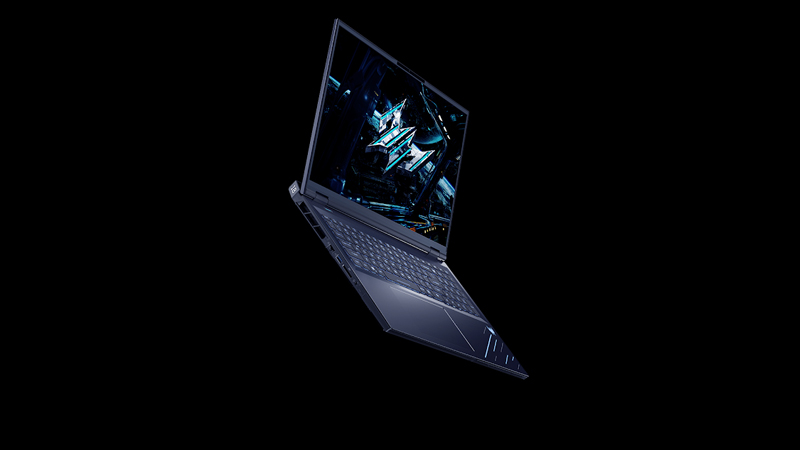
    Leading the charge is the Predator Helios 18P AI, a hybrid beast that blends gaming brawn with workstation brains. Powered by up to an Intel Core Ultra 9 Processor 285HX with Intel vPro, the system supports a jaw-dropping 192 GB EEC memory critical for error-free performance where every byte counts. Graphics duty falls to the Nvidia Geforce RTX 5090 Laptop GPU with DLSS 4, paired with 6 TB PCIe Gen 5 SSD storage, Thunderbolt 5, and Wi-Fi 7. Its 18-inch Mini LED 4K panel hits 1,000 nits HDR brightness and covers 100 per cent of the DCI-P3 colour gamut, perfect for creators. Keeping the monster cool are Acer’s 6th Gen Aeroblade fans and liquid metal thermal grease. Price tag? 3,999 dollars in North America and EUR 4,999 in EMEA, starting early 2026.

    For desktop warriors, the Predator Orion 7000 is a liquid-cooled powerhouse, packing up to an Intel Core Ultra 9 285K CPU with integrated AI acceleration, paired with an Nvidia RTX 5090 GPU. Gamers get access to Nvdia NIM Microservices for cutting-edge AI assistant development. Cooling is handled by the Cyclonex 360 system, improving efficiency by 15 per cent and cutting motherboard temps by 9°C, while up to 128 GB DDR5 RAM and 6 TB SSD storage keep things screaming fast. Prices start at EUR 3,999 in EMEA and AUD 8,199 in Australia. Its sibling, the Predator Orion 5000, offers a slightly leaner build with an Intel Core Ultra 7 265F, NVIDIA RTX 5080 graphics, up to 2 TB SSD and 4 TB HDD storage, starting at EUR 2,999. Both sit inside ARGB-lit, eco-friendly 45L recycled-plastic chassis.

    Display junkies can feast their eyes on the Predator X27U F8 monitor. At 720 Hz refresh rate, it’s one of the fastest on the planet. The 26.5-inch OLED IPS panel runs at WQHD (2560×1440) and switches to 1280×720 at 720 Hz for pro-level esports. HDR 500 True Black and 99% DCI-P3 colour ensure visuals pop, while AMD FreeSync Premium Pro smooths the ride. Launch prices: 1,299 dollars in North America, 1,199 euros in EMEA, and RMB 9,999 in China.

    And for the finishing touch, Acer introduced the Predator Aethon 550 TKL keyboard, priced at USD 129 / EUR 129. With tri-mode connectivity (wired, Bluetooth, 2.4 GHz), a battery life of 150 hours, hot-swappable switches, and customisable per-key RGB, it’s built for both precision and flair.

    Acer’s Predator lineup isn’t just flexing, it’s redefining what next-gen gaming and AI machines can do. Whether you’re dropping headshots, training models, or cutting 4K edits, this is hardware that doesn’t just keep up; it dares you to push harder.

  • WPP partners with IICT to boost creative and digital talent in India

    WPP partners with IICT to boost creative and digital talent in India

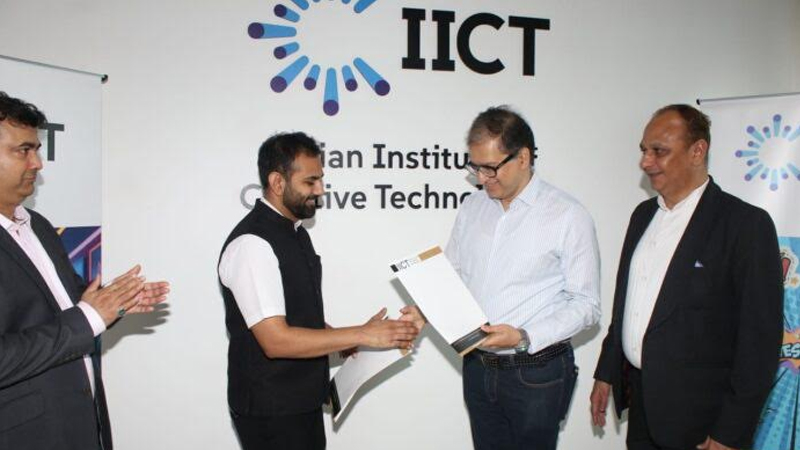
    MUMBAI: When ad world muscle meets academic hustle, you get a creative spark like no other. In a move that blends Madison Avenue with Mumbai’s media dreams, WPP, the global giant in marketing services has signed a landmark Memorandum of Understanding (MoU) with the Indian Institute of Creative Technologies (IICT), a Ministry of I&B-supported initiative that aims to revolutionise creative and digital skilling in India.

    This partnership positions WPP as the first agency group to formalise such a comprehensive engagement with IICT, joining the league of global tech titans like Google, Meta, Microsoft, JioStar, Nvidia, and Adobe all of whom have pledged support to build India’s creator economy.

    India, WPP’s fifth largest and fastest-growing market, now becomes the testing ground for a powerful alliance between academic rigour and industry firepower.

    Under the collaboration, WPP will Co-develop IICT’s curriculum to reflect real-world creative, media, and tech skills, Provide mentorship for IICT’s startup incubator, Engage faculty on live projects and joint research, Support technology planning for the IICT campus, Assist with promotional and outreach strategies.

    “This collaboration is a testament to WPP’s deep commitment to nurturing talent and driving innovation in India’s dynamic media and entertainment sector,” said WPP country manager for India CVL Srinivas. “By combining IICT’s academic rigour with WPP’s global industry leadership, we aim to equip the next generation of creative professionals with the skills and insights needed to thrive in a rapidly evolving technological landscape.”

    The alliance comes close on the heels of IICT’s inauguration at the newly established IICT–NFDC campus in Mumbai, a high-profile event attended by Ashwini Vaishnaw, union minister for railways, information & broadcasting, and electronics & IT, and Devendra Fadnavis, chief minister of Maharashtra.

    IICT board member Ashish Kulkarni added, “With WPP, we are bringing together the best in creative, technology, and media. This partnership will help make IICT a world-class institution on par with IITs and IIMs, preparing market-ready talent for tomorrow’s India.”

    With India inching closer to becoming a global creative powerhouse home to over 75 crore internet users and a booming content economy, the timing couldn’t be more apt. If the next big idea is born at the crossroads of commerce and creativity, WPP and IICT might just be laying the road.

  • Waves 2025 Brings Big Deals and Bold Dreams to India’s Media Sector

    Waves 2025 Brings Big Deals and Bold Dreams to India’s Media Sector

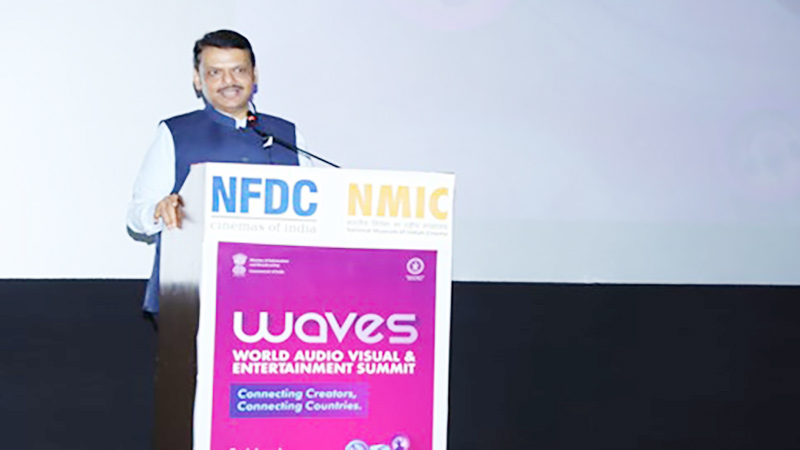
    MUMBAI: If the Indian media sector were a movie, Waves 2025 would be the montage sequence fast cuts of big money, bold ideas and breakout talent all coming together for a dramatic makeover. Held in Mumbai, the Waves Summit 2025 saw the Government of Maharashtra sign MoUs worth nearly Rs 8,000 crore, giving the media and entertainment sector a starring role in the state’s growth narrative. Among the headliners:

    . Rs 3,000 crore from Prime Focus to build a 200-acre Film City

    Rs 2,000 crore from Godrej for a film, TV and media campus in Panvel

    .  Rs 1,500 crore each from the University of York and the University of Western Australia to set up their first Indian campuses in Mumbai

    And just like that, education and entertainment are sharing billing on the marquee.

    Waves 2025 also introduced the Nifty Waves Index, listing 43 media and entertainment companies finally giving the sector its own Sensex-style snapshot. Meanwhile, the Indian Institute of Creative Technology (IICT) inked partnerships with industry giants including Google, Apple, Microsoft, Meta, Adobe, Nvidia, and Toon Boom, rolling out opportunities for scholarships, internships, rendering parks, game design courses and creative entrepreneurship.

    Waves Bazaar cemented its role as the sector’s B2B-B2G power corridor. Launched in January 2025, the digital-first marketplace has already hosted 2,450 projects, with 6,442 buyers and 6,106 sellers participating across film, animation, XR, gaming and advertising verticals. It’s India’s global swipe-right moment for creative deals.

    Elsewhere, WaveX turned into a high-stakes pitch fest where creative dreams met venture capital muscle. From 1,504 applicants, 30 high-potential M&E startups in gaming, storytelling, immersive tech and the creator economy pitched live to 29 marquee investors including Lumikai, Jio, and Warmup Ventures. With 127 startups securing connections or partnerships, and applications vetted by IAMAI and KPMG, this wasn’t just razzle, it was rigor with returns.  

    Enter the Create in India Challenge, a flagship talent hunt that hosted 34 creative contests across animation, AR/VR, gaming, music and films. Finalists competed in the buzzing Creatosphere, a zone dedicated to next-gen creators. Eight expert masterclasses helped sharpen their edge, while the finals turned the stage into a launchpad.

    Not to be left out, Waves Culturals gave attendees a feel of India’s artistic pulse through performances blending traditional and global forms. The event’s heart, however, was the Bharat Pavilion, inaugurated by prime minister Narendra Modi on 1 May 2025. Designed as an immersive tribute to India’s storytelling roots, it showcased four thematic zones Shruti (oral traditions), Kriti (written heritage), Drishti (visual storytelling), and Creator’s Leap (future tech).

    Over in the FM lane, the 8th National Community Radio Conference saw 12 CR stations receive national awards for innovation and inclusivity. With 531 CR stations and over 400 representatives attending, it was a mic-drop moment for grassroots broadcasters.

    Add to that the launch of the first Indian Film Festival in New Zealand and fresh Indo-UK film collaborations and you’ve got an M&E summit that doesn’t just talk global, it screens it.

    From classroom tie-ups to cultural showcases, and from startup pitches to mega MoUs, Waves 2025 didn’t just imagine India as a global creative powerhouse it laid down the blueprint, cast the crew and started shooting.

    And with Maharashtra calling action on infrastructure, investment and innovation India’s media industry is no longer just watching the story unfold. It’s writing the script.
     

  • Milestone and Nvidia power Genoa’s smart city revamp with AI that speaks the traffic’s language

    Milestone and Nvidia power Genoa’s smart city revamp with AI that speaks the traffic’s language

    MUMBAI: Europe’s streets are getting smarter—and not just with electric cars and bike lanes. In a move that promises to give urban infrastructure a digital edge, Milestone Systems has teamed up with Nvidia and European cloud provider Nebius to launch Project Hafnia in Genoa, Italy. The initiative aims to fine-tune AI tools that manage traffic, improve public safety and ultimately make cities think on their feet—or wheels.

    After kicking off in the United States, Project Hafnia has now officially arrived in Europe, bringing with it a data-rich platform that trains visual language models (VLMs) using real and synthetic video inputs. These models can map visual footage to text-based insights, allowing AI systems to not only recognise but also describe what they see. From traffic snarls to security alerts, this machine vision could soon become a city planner’s best friend.

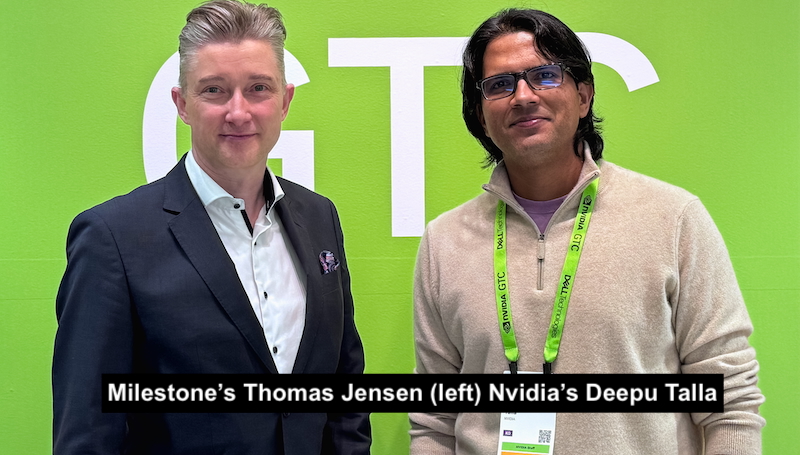
    “I’m proud that with Project Hafnia we are introducing the world’s first platform to meet the EU’s regulatory standards, powered by Nvidia technology. With Nebius as our European cloud provider, we can now enable compliant, high-quality video data for training vision AI models — fully anchored in Europe. This marks an important step forward in supporting the EU’s commitment to transparency, fairness, and regulatory oversight in AI and technology — the foundation for responsible AI innovation”, said Milestone CEO Thomas Jensen.

    Project Hafnia has become one of the first real-world use cases of the Nvidia Omniverse Blueprint for Smart City AI. Milestone is also expanding its data platform with Nvidia Cosmos to blend real-world footage with synthetic video for better training outcomes. All of it is built to comply with Europe’s gold-standard frameworks like GDPR and the AI Act.

    The initiative’s debut product is a European-trained VLM, developed using responsibly sourced transportation data from Genoa. This model supports video search and summarisation using Nvidia’s AI stack and GPU-optimised infrastructure. It’s all part of Milestone’s goal to fuse regulatory integrity with technical prowess.

    “AI is achieving extraordinary results, unthinkable until recently, and the research in the area is in constant development. We enthusiastically joined forces with Project Hafnia to allow developers to access fundamental video data for training new Vision AI models. This data-driven approach is a key principle in the Three-Year Plan for Information Technology, aiming to promote digital transformation in Italy and particularly within the Italian Public Administration”, said City of Genoa information systems officer Andrea Sinisi.

    To ensure that the data stays within EU borders, Milestone has roped in Nebius to handle cloud infrastructure. As an EU-based provider, Nebius delivers the GPU muscle required to run large-scale training while maintaining complete compliance with European sovereignty requirements.

    “Project Hafnia is exactly the kind of real-world, AI-at-scale challenge Nebius was built for”, said Nebius CBO Roman Chernin. “Supporting AI development today requires infrastructure engineered for high-throughput, high-resilience workloads, with precise control over where data lives and how it’s handled. From our EU-based data centres to our deep integration with Nvidia’s AI stack, we’ve built a platform that meets the highest standards for performance, privacy and transparency”.

    While Genoa serves as the testing ground, Milestone’s framework is built to scale across cities and sectors. The VLMs and datasets will be licensed to local governments through controlled access, ensuring ethical, transparent AI adoption that stays rooted in legal and cultural reality.

    From streetlights to silicon, Europe’s cities may soon run not just on power—but on vision.

  • TGM Joins NVIDIA Inception Program to Advance AI-Powered Streaming Innovation

    TGM Joins NVIDIA Inception Program to Advance AI-Powered Streaming Innovation

    TGM, the parent company of SWIFT TV, has been selected to join the prestigious NVIDIA Inception program, a global initiative designed to nurture startups transforming industries through AI and advanced technologies.

    Swift TV, TGM’s flagship product, is a next-generation Free Ad-Supported Streaming TV (FAST) platform that delivers premium content at no cost to users. Breaking away from traditional SVOD models, SWIFT TV leverages cutting-edge AI and real-time personalization to make high-quality entertainment accessible and seamless for all audiences.

    Central to its technological edge is TGM’s in-house channel playout solution, which curates dynamic, tailor-made content schedules to maximize viewer engagement. Complementing this is a proprietary ad-tech stack, enabling dynamic ad insertion and advanced targeting—empowering content partners to achieve optimal monetization while maintaining full control. A strong focus on first-party data segments also ensures advertisers benefit from robust targeting across both smartphone and CTV environments.

    Joining the NVIDIA Inception program marks a pivotal milestone in TGM’s growth journey. The partnership provides TGM with access to NVIDIA’s technical resources, go-to-market support, and AI expertise, strengthening its ability to innovate at scale and fast-track its vision for AI-driven entertainment ecosystems.

    “We are honored to be recognized by NVIDIA as part of the Inception program. This partnership will play a critical role in accelerating our mission to democratize entertainment through advanced AI and next-generation streaming solutions,” said Sai Srikanth, CTO, Swift TV.

    Participation in NVIDIA Inception also connects TGM to a global community of AI-driven startups and industry pioneers, fostering opportunities for collaboration, learning, and shared innovation as the company continues to push the boundaries of media and advertising technology.

  • Intel chips in with TSMC for US fab fix amid foundry fatigue

    Intel chips in with TSMC for US fab fix amid foundry fatigue

    MUMBAI: Fab mates in the making? In a twist worthy of Silicon Valley drama, Intel and Taiwan’s TSMC are reportedly close to a blockbuster chip deal with Washington pulling a few strings from the wings.

    According to The Information, via Reuters, the two semiconductor giants have reached a preliminary agreement to form a joint venture that would see TSMC operate a 20 per cent stake in Intel’s U.S.-based fabs. The rest of the ownership remains under wraps, though whispers of potential investor pitches to AMD, Nvidia, Broadcom, and Qualcomm have swirled since early 2024, despite public denials by some of the players involved.

    Behind the scenes, the Biden administration and the U.S. Department of Commerce are said to be stage-directing the high-stakes collaboration. With Intel’s IDM 2.0 strategy stalling and its fabs failing to fire on all cylinders, this venture appears designed to stabilise an American chip titan without handing over control to foreign ownership, something the U.S. government has firmly resisted.

    The stakes are silicon-sharp. Intel has spent tens of billions of dollars on its domestic fabs, but only a select few are equipped for advanced 18A process technologies, the bedrock for Intel’s next-gen processors. The challenge? Many of these fabs are tailored for Intel’s own chips, not contract manufacturing, a space where TSMC reigns supreme.

    TSMC’s planned 20 per cent stake also raises eyebrows given its existing 165 million dollars investment in Arizona’s Fab 21, which already serves top-tier clients like Apple. How the Taiwanese foundry plans to juggle its own fab expansion with the new Intel tie-up remains unclear.

    Chip watchers say this uneasy alliance may be less about synergies and more about survival, with the White House acting as the matchmaker. As part of a broader push to keep chipmaking competitive and domestic, Washington seems determined to bring Intel back into the game, even if it means nudging rivals into bed together.

    Adding to the plot, Intel recently brought in industry veteran Lip-Bu Tan as CEO to guide its comeback after it fumbled the AI-driven semiconductor surge. While Intel and TSMC have stayed silent on the matter so far, industry insiders suggest that this deal, if sealed, could redefine global chip geopolitics.

  • Milestone Systems’ revenue zooms as video tech takes a giant leap forward

    Milestone Systems’ revenue zooms as video tech takes a giant leap forward

    MUMBAI: Milestone Systems is making waves, and it’s not just because of its video tech, it’s also because of the numbers that are stacking up! The company, known for turning video footage into powerful data, has just delivered a standout 2024, outpacing the market with an impressive 18.7 per cent growth in net revenue, which hit a cool DKK 2 billion.

    If that sounds impressive it’s because it is, Milestone has doubled its revenue since 2020. And the growth doesn’t stop there. Earnings (EBIT) for 2024 reached DKK 106.8 million, confirming that Milestone is more than just a tech player, it’s a tech titan on the rise.

    Milestone chief financial officer Lars Larsen was understandably pleased. “This is a very satisfying result, underscoring the resilience and strength of our business,” he said, no doubt relishing the company’s ability to thrive despite global turbulence.

    But Milestone didn’t just grow financially 2024 was also a year of major technological expansion. By acquiring Briefcam, a leader in video analytics, and Arcules, a cloud-based platform, the company strengthened its product offerings, preparing for the next frontier in video technology. These acquisitions are expected to bring even more flexibility and power to Milestone’s solutions, allowing customers to turn video into actionable insights like never before.

    The company’s commitment to innovation didn’t stop there. A massive 23 per cent of Milestone’s revenue, DKK 478 million, was poured into research and development, an increase of 34 per cent compared to 2023. This is no mere token effort; it’s a clear signal that Milestone is doubling down on its technological edge.

    Looking ahead to 2025, Milestone has big plans to expand even further. “Our priorities are clear,” says Milestone Systems CEO Thomas Jensen. “We’ll integrate Briefcam and Arcules seamlessly, expand our market presence, and continue to lead the charge in responsible innovation.”

    One of the key milestones in this journey? Project HAFNIA. Launched just last month, it’s a collaboration with Nvidia to create a privacy-compliant data platform. This new platform will provide access to data and help train AI models, all while ensuring that the data is ethically sourced and anonymised. The ultimate aim? To build the world’s first anonymised and annotated visual data library platform, creating a future-proof solution for AI training.


  • Danish firm Milestone launches video data platform for coders to train AI models

    Danish firm Milestone launches video data platform for coders to train AI models

    MUMBAI: In a world where AI developers are positively gagging for decent video data, Danish surveillance heavyweight Milestone Systems is stepping into the breach. The Copenhagen-based firm unveiled Project Hafnia today, a new platform that promises to democratise AI model training by serving up high-quality, legally kosher video data to hungry developers.

    Milestone’s new offering leverages Nvidia’s tech stack to create what it hopes will be a knockout service for both data generators keen to monetise their footage and developers desperate for properly annotated video data that won’t land them in regulatory hot water.

    “Artificial intelligence is our generation’s biggest game-changer,” says Milestone Systems  chief executive Thomas Jensen. “The Project Hafnia platform will collect and curate data with the aspiration to be the world’s smartest, fastest and responsible platform for video data and training of AI models.”

    The firm is rolling out two distinct services:

    * A cutting-edge “training as a service” offering where coders can access quality data to train their AI models
    * A visual language model (VLM) service for smart city transport applications, which the company boldly claims will be “industry leading”

    Milestone reckons its platform, powered by Nvidia’s Cosmos Curator data curation tools, will speed up AI and analytics development by up to 30 times compared with current standards—a claim that will raise eyebrows in the notoriously cautious tech community.

    The first cab off the rank is a transport-focused VLM designed to tackle everything from general traffic assessments to incident reporting and alert validation.

    “The next phase in development and adoption of visually perceptive agentic AI services will be unlocked by recipes like Nvidia VSS blueprint combined with widely available and accessible fine-tuned VLM models,” says NVIDIA vice president and general manager of embedded and edge computing Deepu Talla.

    Project Hafnia launches initially as a pilot, with keen developers able to join a waitlist at hafnia.milestonesys.com/joinwaitlist. The platform will cut its teeth on traffic video data before expanding to other domains once fully operational.

    Founded in 1998 and headquartered in Copenhagen, Milestone employs more than 1,500 people worldwide and has been an independent company in the Canon Group since 2014.

  • Intel chips in with new boss: Veteran semiconductor maestro Tan takes the reins

    Intel chips in with new boss: Veteran semiconductor maestro Tan takes the reins

    MUMBAI:  The Silicon Valley giant that’s been looking for a permanent captain has finally found its new helmsman, as Intel Corp yesterday announced semiconductor veteran Lip-Bu Tan will slide into the chief executive’s chair effective 18 March.

    The appointment ends months of boardroom musical chairs at the chip-making behemoth, with Tan succeeding interim co-CEOs David Zinsner and Michelle Johnston Holthaus.

    Zinsner will remain executive vice president and chief financial officer, and Johnston Holthaus will remain CEO of Intel Products. 

    Frank D. Yeary, who took on the role of interim executive chair of the board during the search for a new CEO, will revert to being the independent chair of the board upon Tan getting his feet under the corner office’s desk.
     
    “Lip-Bu is an exceptional leader whose technology industry expertise, deep relationships across the product and foundry ecosystems, and proven track record of creating shareholder value is exactly what Intel needs in its next CEO,” Yeary said. “Throughout his long and distinguished career, he has earned a reputation as an innovator who puts customers at the heart of everything he does, delivers differentiated solutions to win in the market and builds high-performance cultures to achieve success.

    “Like many across the industry, I have worked closely with Lip-Bu in the past and have seen firsthand how his relentless attention to customers drives innovation and success,” Yeary continued. “We are delighted to have Lip-Bu as our CEO as we work to accelerate our turnaround and capitalise on the significant growth opportunities ahead.”

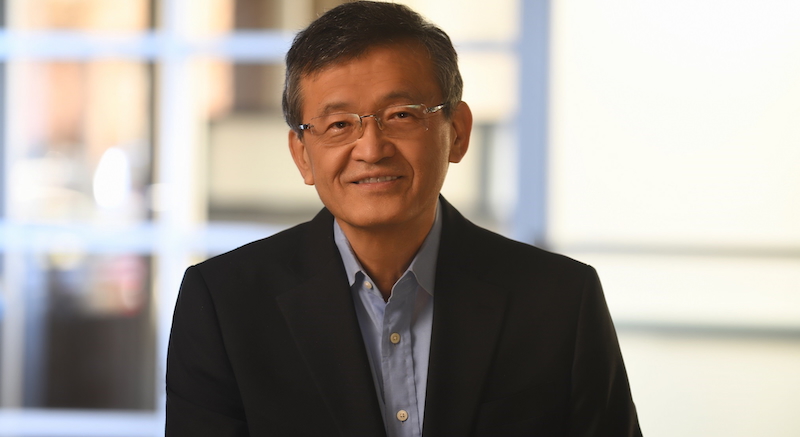
    The 63-year-old Singapore-born executive, who previously served on Intel’s board before stepping down last August, brings over two decades of semiconductor foreplay to a company desperately seeking to regain its mojo.

    A  longtime technology investor, he has deep relationships across Intel’s ecosystem, having served as CEO Cadence Design Systems from 2009 to 2021, where he led a reinvention of the company and drove a cultural transformation centered on customer-centric innovation. During his time as CEO, Cadence more than doubled its revenue, expanded operating margins and delivered a stock price appreciation of more than 3,200 per cent. 
    Tan served as a member of the Cadence board of directors for 19 years, from his appointment in 2004 through his service as executive chairman from 2021 to 2023 following his tenure as CEO.

    “I am honoured to join Intel as CEO,” said Tan.”I see significant opportunities to remake our business in ways that serve our customers better and create value for our shareholders.”

    “Intel has a powerful and differentiated computing platform, a vast customer installed base and a robust manufacturing footprint that is getting stronger by the day as we rebuild our process technology roadmap,” Tan continued. “I am eager to join the company and build upon the work the entire Intel team has been doing to position our business for the future.”

    Intel’s shares jumped four per cent on the announcement, as investors bet that Tan – who holds a nuclear engineering Master’s from MIT and a physics degree from Nanyang Technological University – has the technical chops to help the company reclaim its crown from rivals like Nvidia and AMD.