Tag: Nokia

  • Nokia, Tata remain India’s most trusted brands; Anna Hazare is top personality

    Nokia, Tata remain India’s most trusted brands; Anna Hazare is top personality

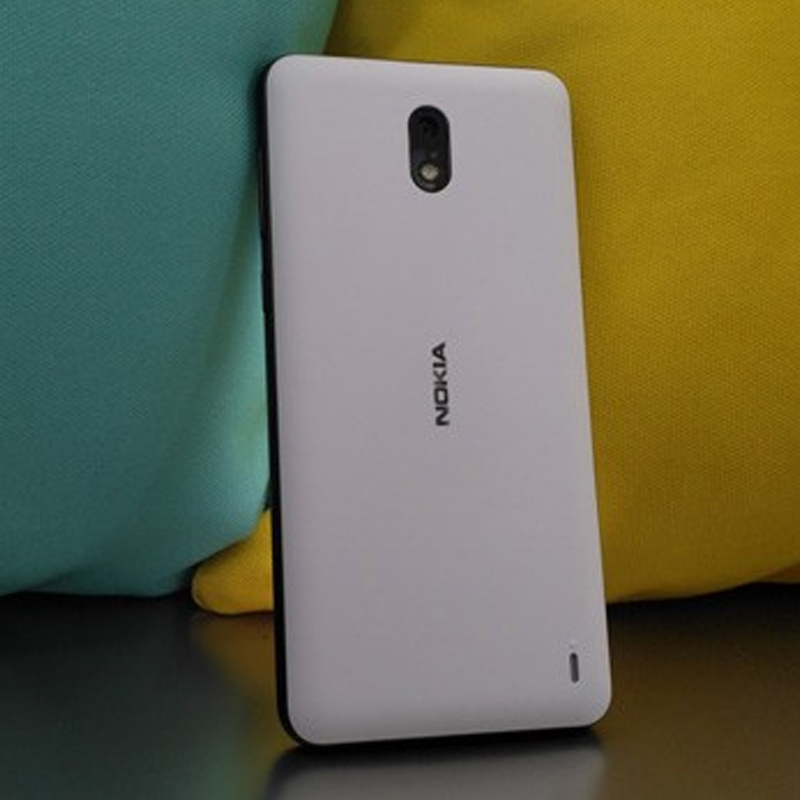
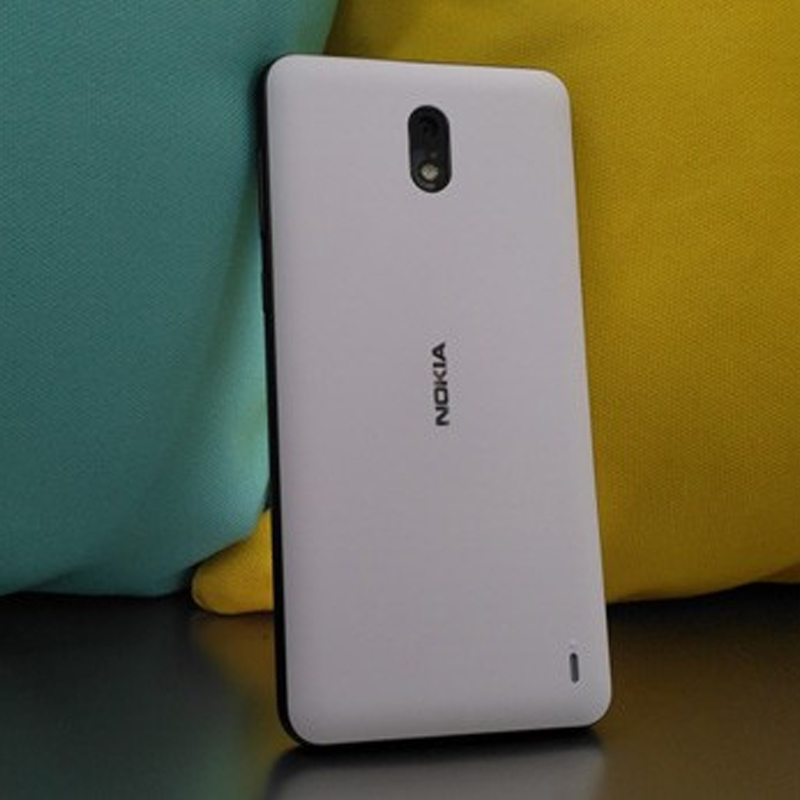
    BANGALORE: Nokia and Tata have retained their position as the top two trusted brands in India this year, according to a recent brand study.

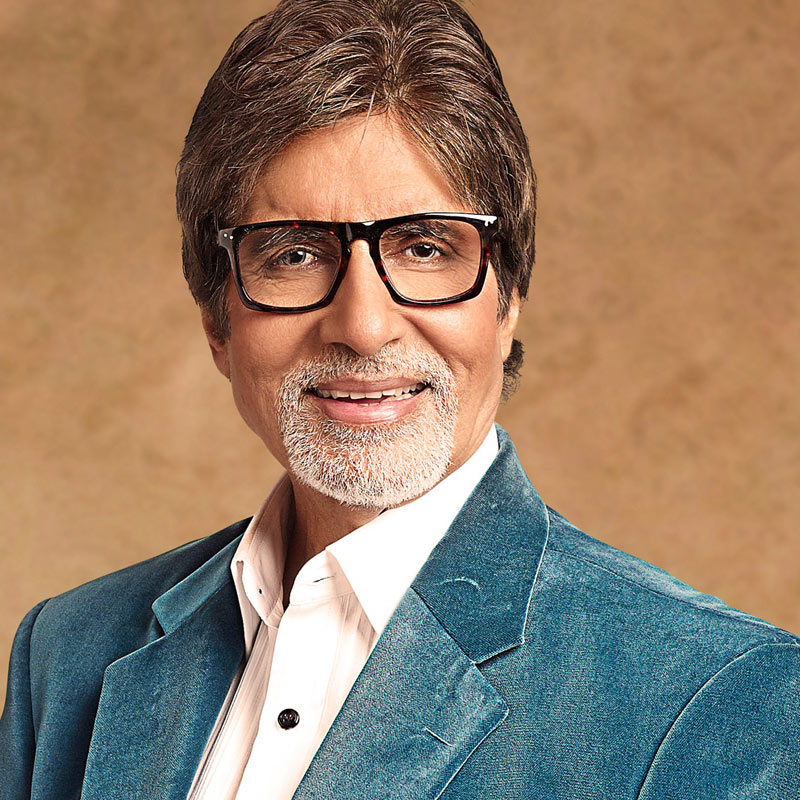
    Anna Hazare has surged, gaining the nation’s trust ahead of Sachin Tendulkar, Salman Khan, Amitabh Bachchan and Aamir Khan who feature in that order.

    According to the second edition of Brand Trust Report (BTR) released by The Comniscient Group’s Trust Research Advisory (TRA), Sony has slipped two positions to become the fifth most trusted brand, while LG and Samsung have moved up to the third and fourth positions.

    The BTR India Report 2012 lists India’s 1000 most trusted brands. There are 22 personalities listed in BTR.

    Reliance has slipped from its number six position last year to No.10, while Bajaj at No.7 has eased out Titan from the top 10 positions. LIC and Airtel have retained their last year’s positions of eighth and ninth ranks respectively.

    TRA CEO N Chandramouli said, “In life, without trust, there is nothing. Each time a human engages with anything, the basis for all decisions is trust. Be it brands, other humans, or just ideas, one will react to them on the basis of the trust it generates. Last year was tumultuous for several brands, but those which focused on trust, have gained market-share, revenues and profits. On the other hand, the brands which have focused only on the latter, have invariably lost both. Focus on building trust and all else will follow automatically.”

    Most Trusted leaders in some other categories are Armani in Branded Fashion, DLF in Construction, NIIT in Education, ONGC in Energy, PVR in Entertainment, Pepsi in F&B, Dabur in Healthcare, Taj Hotels in Hospitality, Google in Internet, ACC in Manufacturing, Thomas Cook in Services, Being Human in Social Sector, Hewlett Packard in Technology, and Air India in Airlines.

    The BTR is an attempt to understand and simplify concepts related to Brand Trust – it tries to help decipher, analyse and measure trust as the basis for all human-based engagements and interactions.

    The research has been carried out using TRA’s proprietary Trust Matrix comprising 61 different ingredients or components of trust. The research has been conducted with 2,718 ‘influencer’ respondents from 15 cities in India and is based on more than two million data points from 12,000 hours of research, said TRA.

  • Venue of Oscar awards to change post 2013

    Venue of Oscar awards to change post 2013

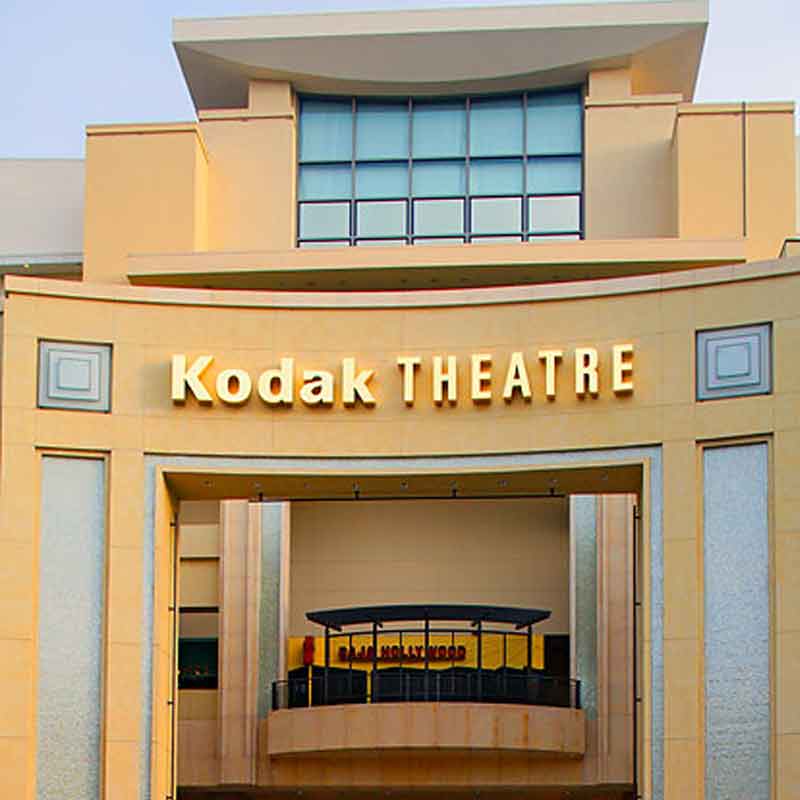
    MUMBAI: With the Academy of Motion Pictures Arts and Sciences (AMPAS) having planned to shift the prestigious Oscar awards venue from Kodak Theatre in Hollywood, it has come to light the annual Academy Award ceremony might move to a new venue outside Hollywood after 2013.

    The new venue is said to offer bigger facilities than in Kodak. It has more seats, better infrastructure, greater promotional opportunities and other facilities for parties and press.
     
    Anschutz Entertainment Group (AEG), one of the leading sports and entertainment presenters in the world, which operates the LA Live and 7,100-seat Nokia Theatre, has already been in discussion with the AMPAS about the issue.
     
    This year‘s Academy Awards will be presented at the Kodak Theatre in Hollywood & Highland Center on February 26.

  • Nokia flies high with ‘Amazing Everyday Campaign’

    Nokia flies high with ‘Amazing Everyday Campaign’

    MUMBAI: Nokia‘s ‘Amazing Everyday Campaign‘ has taken a big leap with the Jet Airways Aircraft branding.

    Branded entirely in the new Lumia colours, the Jet Airways Boeing 737 – 800 plane will sport the tile interface of the new Nokia smartphone on its windows, as well as inside the aircraft. The aircraft branding also features the names of Nokia employees responsible for this marketing initiative.

    Nokia India general manager West Prashanth Mani said, “The Amazing Everyday Journey has been designed to live and share the consumer‘s everyday adventures. The Nokia Lumia branded plane with Jet Airways will brighten the day of its passengers with its vivid colours and execution. This has created a new marketing and consumer engagement benchmark.”

    “We have created some amazing moments for our consumers since the launch of the Nokia Lumia range through the Lumia Taxi, flash mobs, flash cricket and luxury helicopter rides, and the Lumia aircraft will take the ‘amazing quotient‘ of this campaign a little higher,” Mani added.

    Additionally, Nokia has announced a consumer competition, ‘Spot the Lumia‘, wherein the consumers will have to spot the Nokia Lumia, on the plane, or outdoor, at Nokia retail or even on TV and upload the picture on Nokia‘s Facebook page. 50 consumers with the most innovative pictures will get to attend the Sky Party on 20 January.

    Jet Airways VP marketing- products and merchandising Manish Dureja added, “The aircraft wrap is a virtual advertising billboard that allows you to take your brand to the skies quite literally. We are happy to partner with Nokia Lumia as our launch customer and are certain Nokia users all over India would simply love this manner of advertising chosen by their brand. Now imagine the power of communicating your brand message to a focused group of prospects in a unique and eyeball catching way and that is what the aircraft wrap will deliver to brand managers across India that will opt to take their brands to the skies in the months ahead.”

    The Nokia Lumia Jet aircraft has already started its journey, as it flies across destinations in India till 31 January.

  • Nokia is new sponsor of Champions Twenty20 League

    Nokia is new sponsor of Champions Twenty20 League

    MUMBAI: With Airtel having pulled the plug on the Champions Twenty20 League as the title sponsor, ESPN Star Sports (ESS) has managed to get Nokia as a replacement.

    The event‘s CEO Sundar Raman confirmed the news on Twitter. The rate will be much lower than what Airtel had been forking out, it is reliably learnt.

    When contacted, ESS declined to comment.

    Earlier, Indiantelevision.com had reported that it was also in talks with three advertisers including Nokia. The handset manufacturer is a sponsor of Shah Rukh Khan‘s IPL franchise, the Kolkata Knight Riders.

    Airtel‘s five-year deal was worth Rs 1.70 billion.

    The Champions T20 League takes place this year from 23 September- 9 October. Before this event, there will be a qualifying tournament featuring among other teams the Kolkata Knight Riders. If the Shah Rukh Khan owned franchise gets through, then there will be four Indian Premier League (IPL) teams in the event.

  • The Year in between 2006 and 2008

    The Year in between 2006 and 2008

    Here’s a year that barely was!

    When someone writes the history of 2007 they will find it difficult to find the right catchphrase to define an odd year.

    People, I’m not going to lie when I say that for me it was a True Generation Year because it made me realise that I had made one of the best decisions of my life. I say one because there are other Best Decision Year status years.

    Leaving the comfort zone was the BIG CALL because at the end of the day, no matter what, it’s not called The Comfort Zone for no reason. It’s called the Comfort Zone because that’s what we strive for all our lives. As a student you’re made to realise that if you work hard you’ll get a Good Job and work for a Good Company and Money isn’t everything! So you study hard , work hard and then finally get a job that you think is cool and you get on with the boss and you continue to strive each day to get promoted and earn that little bit more and so on and so on. Then when you get to the Top you realise that that’s Not the Top and the chase continues. It’s a bit like going on a trek and you’re told that the stopping point is just round the corner and you find that its not. There’s another corner to go round and another and another until you’re completely knackered.

    So when you get to the place where you think it’s the Top you could say that it’s the Comfort Zone you’ve always strived for.

    Not a bad place to be. The view is good, the perks aren’t bad, there’s plenty of challenge and yet there’s the Golf routine and the variety of paid-for overseas jaunts and family holidays, at least twice a year. An expense account that most would kill for and so on. A couple of trips in the corporate jet maybe.

    That’s when the fun starts because there are people who’ll tell you that you should really be doing more with your life and get OUT OF THE COMFORT ZONE. As though the Comfort Zone was a place akin to hell and that you could be doing more interesting things with your time and getting more out of life!

    And the strong willed amongst us take that on board and yet dismiss it and stay put and enjoy The Comfort Zone. (Sounds like a good name for a massage parlour or a nightclub).

    The more Daring, Creative, Energetic, Passionate, Fun loving, Mad ones actually take the BiG CaLL and do it. They quit. And take the plunge into the icy waters of ‘doing your own thing’.

    So for me this was the Generation Year that I took the plunge but I’d never have done it without being pushed by Indrani – my much better half – (and that was an earlier BEST DECISION YEAR) who’s said I was a loser if I didn’t do this and asked me time and again how long I would be a slave to someone and do the ‘yes sir yes sir, 3 bags full sir’ routine.

    I would recommend the’ Icy water jump’ to anyone who’s been doing the 3 bags full routine for any length of time and ask them to rekindle the flame of taking risks.

    The transition from being an entrepreneur to a professional entrepreneur is less exciting I think that going from being a prosessional and doing the transition to becoming an entrepreneur.

    Go for it any day. You can’t imagine how boring life has become until you see the light at the end of the tunnel and after about 3 days you don’t actually miss the corporate jet or the expense account or the rest of it.

    It’s a new start and that’s the key to reinvention.

    There’s another reason for me to call this a BIG DECISION YEAR. That’s because I bought my first computer game – since buying the original Nintendo. This time its the Nintendo Wii and I bought it to play tennis which I’m getting better at and I have reached a score of 500, which I’m told is not so hot as I should be up to 1000+. Turns out I’m a very competitive digital athlete. My daughter whips me in boxing but I get her back at tennis – sometimes. She’s 10.

    It’s also been a year for the I phone which I managed to get working quite early on and found a colleague who could transfer all the data from a Nokia to an Apple. Marvelous what the techy guys can do. Really.

    This was a great year by all accounts for yours truly. No complaints, no regrets and no lack of wonderful goal posts to shoot into. A real BIG DECISION YEAR.

  • Marching to a new tune

    Make no mistake about it, 2007 was a b-a-a-a-d year for the industry.

    That’s no doomsayer sounding the deathknell for the music industry, but one of the opening remarks of a series of year end insights put out on MTV.com. Globally, the biggies of the music industry have had to contend with dipping physical sales graphs, even as the indies and sharp eyed innovators in the digital world have been snapping up the advantages offered by the Internet, live performances and merchandise.

    The low tide hit Indian shores too in 2007. Internet downloads however did not hit the Indian industry as hard as did the rapidly growing mobile phone industry, where music entertainment was one of the prime drivers of the value added services industry here. FM, which boomed this year, was one of the biggest applications utilised over the mobile phone, aided in no small measure by scaled down prices for FM enabled mobile phones.

    Physical sales plummet…
    Indians purchased more music on their mobile phones than they did physical music products like CDs and cassettes in 2007, says a Soundbuzz report. Mobile music products, in fact, will be purchased nine times more often than physical within the next 18-24 months, the report adds. One doesn’t need to look far for the reason. The region is experiencing an exploding mobile market, virtually dominated by consumers under the age of 30 who are generating and sharing content on a spectrum ranging from pure entertainment, to self projection, to self expression and self actualization.

    While experts within the industry differed on the quantum of mobile music sold during the year, claiming that it could not have surpassed the Rs 600 crore worth of physical sales, most agreed that India is now part of the Asian juggernaut – 50 per cent of all music purchases in Asia in 2006 were digital – online or mobile, and the figures only spiralled in 2007.

    Hardly surprising, considering industry estimates that in the next 12 months, 12 per cent of the world’s population will comprise of young singles in Asia who will command a purchasing power of about US$150 billion.

    The mobile industry taps into music to grow
    Music in 2007 became one of the key value adds that helped the mobile phone industry to grow.

    By the end of July 2007, India had 192.98 million wireless subscribers, a number expected to grow to 250 million handsets by the year end. As if the rapid penetration of the mobile in the country wasn’t enough, global companies like Nokia, Sony Ericsson, Motorola and Samsung strove neck-to-neck to come up with handsets loaded with FM radios, MP3 players and a good memory capacity.

    Today, around 35 per cent of their Indian handset products feature downloadable music applications and Sony’s Walkman phone accounts for 65 per cent of total revenues. Sony is also toying with expanding its chain of Expression Stores, which feature phones and music download stations.

    Nokia too set up college sponsorship deals and collaborated with music companies to buy the rights for free downloadable songs on some of their handsets to encourage the use of digital music. Some of Nokia’s N-series handsets, with a 3,000 song capacity, offer 100 preloaded songs free; just to make a mark, and money of course, in this segment. Most of the major handset makers have tie-ups with music content sites such as Soundbuzz.com and OnMobile.com as well as revenue-sharing deals with local telcos and music companies.

    VAS – the big deal
    Mobile value added services (VAS) in India stood at Rs 2850 crore at the end of 2006, and according to a IAMAI and IMRB study, by end 2007 it stands at nearly Rs 4560 crore, a growth of 60 per cent. Ringtone downloads contribute over 35 per cent of the whole. These comprise the spectrum of mono and polyphonic ringtones, apart from caller ring back tones, true tones – all of which borrow heavily from either Bollywood, devotional or regional music.

    The innovations
    While the industry lamented the downward trend in sales, labels continued to innovate, expand and diversify, tapping into newer arenas.

    Companies like Saregama introduced mobitune cards for ringtones, a pilot project across Bangalore, Chennai and Hyderabad, for music downloads at Nokia outlets. The company said there were 8000 music downloads against 4000 handsets sold at the 25 Nokia outlets during the trial period.

    Companies also tried to expand by signing exclusive deals with mobile operators and others in this segment, with everyone realising that five years down the line, this segment will be a very important source of income and revenue.

    Companies like T-Series and Yash Raj turned out to be key players in the digital music segment, with Yashraj beginning to offer music downloads online. Other music labels like Saregama also launched its own online music store. Others may follow suit in the coming year, although the domestic market for net downloads is still abysmal.
    Regardless of the discovery of new artistes and tuneful Bollywood compositions that made their mark in 2007 – compilations of old Bollywood music continued to contribute significantly to companies’ bottomline. 2008 should see the witness the continued slow but steady rise of spiritual music, which many leading labels tried their hand at.

    The new launches
    Despite sluggish revenues, the industry perceived enough to launch some new labels. Reliance’s Big Music and Home Entertainment was the first off the block early this year. Starting off with Bollywood music, Big Music now plans to reach into regional music in a big way next year. Regional music will also be the focus of Times Music’s new label, Junglee music that launched at the fag end of the year with the music of Nadiadwala’s Welcome. After a fallout with Big, UTV decided to go ahead and launch its own music label for its forthcoming production, Jodhaa Akbar.

    Piracy – the demon’s talons refuse to get trimmed
    Pirated music CDs and illegal Net downloads apart, mobile chip piracy became the latest demon to haunt the Indian music industry. The Indian Music Industry estimates that the size of the music market on mobile phones is around Rs four billion, including products like ring tones – monophonic and polyphonic; True Tones; Ring back Tones; Full song mobile downloads; Music videos.

    Considering royalty, for the music industry, on products like full songs download at approximately Rs five per download and assuming one illegal transfer per phone per month, the loss amounts to Rs 12.5 million per month, says the IMI. Digitized music can be easily copied from any storage device like computer hard disc or USB drive, mobile phone with stored music etc. into the built in memory of a mobile phone or on memory cards or chips which can be further inserted into other mobile phones.

    Individual companies like Shemaroo continued their own campaign against piracy, raiding illegal CD burning outfits and bringing culprits to book with the help of the police. The Phonographic Performance Limited, the licensing wing of the IMI, also did its bit by launching awareness campaigns about the need to procure licenses to play music at events and venues.

    India – the new destination
    The number of international artistes wanting to perform live in India continues to grow. Nelly Furtado kicked off the year’s musical proceedings by performing at the Nokia New Year’s Night eve in Mumbai. Shortly thereafter, Shakira, Aerosmith, Beyonce, 50 Cent, Iron Maiden, America and the Scorpions, among others, performed to packed crowds in venues as diverse as Shillong and Chennai. Obviously, the music lovers’ demand here is huge – Iron Maiden will start their ’08 world tour with a performance in Mumbai.

    The new tunes in ’08
    Globally, music delivered to mobile phones via operators’ networks (mobile music) will jump from the current 13 per cent of global recorded music retail value to 30 per cent by 2011.

    “Looking to emerging markets, mobile could become the number one platform for music, where packaged CDs haven’t gained traction due to piracy and lack of hardware ownership,” says a recently released report by Understanding & Solutions.

    Experts say that in India, ringtones which are the dominant digital format, will continue to remain so till 2009. Mobile music growth will however be fuelled by additional formats, including ringback tones, caller id tones plus full track audio adn video downloads. These forms of mobile music will grow dramatically to achieve 3.9 billion USD in sales in Asia by 2009, up from 210 mn USD in 2005. Online sales will remain relatively static in the coming three years, point out experts.

    Regional could well be the new flavour for music labels, that want to tap the huge interiors. They could well be wary of artistes and music directors, who are slowly taking the production route themselves – turning producers or launching their music directly on the Internet a la Radiohead. As technolgy advances by leaps and bounds, the sky’s the limit for the creators of music in the country.
  • ‘CNN is an American-owned news channel, but we are not America-centric’ : Rena Golden – CNN International senior vice president

    ‘CNN is an American-owned news channel, but we are not America-centric’ : Rena Golden – CNN International senior vice president

    A little girl from a small town in Bihar who migrated from India to the US when she was just six years old, Rena Golden is today at the very top rung of the hierarchy at global news major CNN International. As senior vice president, she visited India this week to announce the latest edition of “Eye on India”, focussed this time on the youth power of the country.

    Credited by her colleagues with amazing skills, journalistic and managerial, driving the world’s largest news broadcasting company CNN from just an all-American channel (“I joined 21 years ago when people used to call CNN Chicken Noodle News!”), to an international one reaching 2 billion viewers across 200 countries, she still retains a disarming level of simplicity.

    It is perhaps natural that an American of Indian origin would also be the head of CNN’s Diversity Committee, ensuring that community parity is maintained not just within the organisation but also in the dissemination of news.

    Golden, who studied in two universities in North Carolina, graduating in English with Honours (“My father wanted me to be a doctor, but I wanted to study English”) and started working with CNN from 1985, spoke to Indiantelevision.com’s Sujit Chakraborty on the present status and future plans of CNN.

    Excerpts:

    You have a large hand in shaping the strategic direction of CNN. What is the most significant area you are looking into at the moment?
    I think it is expansion of news beyond the television sphere. We are on the Internet, mobile phones… I think what CNN is interested in becoming is your news source, on whatever platform it may be… your phone, your Blackberry… We want to become your news information source and travel with you, wherever you are.

    CNN’s news website is a tremendous success which attracts a billion users every year. And CNN International has just launched its news service on mobile phone. We are also looking at video on demand and IPTV… we want to be platform agnostic.

    How is IPTV doing in America… there is content available on that platform here in India as well, but the problem is we do not have downloading technology or bandwidth?
    I think even now in the US market the bandwidth is still not there, but the market is growing in South Korea, in Hong Kong and in some of the Nordic countries in Europe, where we can stream the CNN news channel completely on mobile phones. We are still not there on that platform in the US, but I think the important thing is to have your foot in all the areas. CNN is known for that and one of the areas we are looking at is (improving) technology in news gathering.

    That is my second question, in fact. You also deal with the technology of news gathering?
    Yes, for instance, earlier, when we would go for coverage, say in India or the war in Iraq, we would have to travel with 30 suitcases of equipment. Now, thanks to CNN working with Sony, with Panasonic, and other organisations, we have cameras that fit in a suitcase, which you can take as your carry-on luggage.

    When we went to North Korea, we could move in easily and cover news in a much easier manner, which is often cheaper.

    What are the latest innovations and what are the next technological frontiers in news gathering and dissemination?
    Things are getting smaller and smaller… we are looking at shooting footage on a mobile phone. Only last week, we used a Nokia mobile phone and went “live” on CNN. You don’t have to book satellite space. You can just dial into the CNN offices in Hong Kong or Atlanta, and stream news live, so technology is getting smaller and mobile.

    CNN has more than once made public its ambitions to go regional and local. But at least in the context of the Indian subcontinent it has not happened. And now with the explosion in television news in the country, it looks like it never will. I can see your CNNj in Japan, then Turkish and Korean CNN, so why not in India?
    OK, what we have done in India goes beyond what we have done in some of the other regions. We have partnered with IBN and additionally, we have CNN International which covers India not just for Indians but for the rest of the world. Our partnership with CNN-IBN is less than a year old but it has emerged as the number one news channel in this country. That partnership is as strong as what we have in some other regions, say in Turkey where we have tied up with a media channel that broadcasts CNN in Turkish.

    I think there are different models for different markets and the model that we have for the Indian market… Wow! I mean we couldn’t have imagined this. There could be a partnership with some Hindi channel… I am not ruling that out, but what we need is as strong a partner as we have in CNN-IBN.

    We do not have anything to announce here (in terms of a regional channel) so far. We believe in having local partners and we would not do that in India and open a Hindi channel for instance, without a strong local partner. Local partners understand the country much better… So what you see, this partnership with CNN-IBN, is one of our proudest achievements.

    Chris Cramer had told us last year that BBC has a certain Mark Tully factor advantage in India. For the first time though, now both CNN and BBC can be said to running neck-and-neck. It’s been a long while coming but don’t you think it has come too late in the day because of the way Indian news channels have captured virtually all the mind space?
    Sixty years… not just Mark Tully… I think it is a huge association.

    I think also right from the days when we were ruled by the British there was some association, so what do you feel you are looking at here to change that?
    This is the only market where BBC leads the CNN. I think you just put your finger on that. India has a long historic association with Britain and BBC, especially BBC radio, which was here decades before CNN even came to the market. I respect the BBC, no doubt about that.

    But where CNN excels is in breaking news… that’s our DNA, the DNA of CNN-IBN. We also don’t have a British style of presentation, a British view of the world. We have journalists from 50 different nationalities covering news for us. Don’t get me wrong, I have a lot of respect for BBC, but I think CNN has very successfully differentiated itself.

    Unlike a few years ago, when even a major train accident here would not be covered on BBC or CNN, there is a lot of India on these channels now. But I also feel that there are documentaries that need to be made on India. What are the kinds of documentaries you think CNN ought to do on India in the near future? Do you have a kind of road map for that?
    I am glad you brought up that question. CNN has a documentary division, and one recent documentary was on Britain’s Muslim population. We also have a couple of them from Iraq and from Africa, etc. We are also doing documentaries with foreign filmmakers. We have partnered with a filmmaker from Sierra Leon who has done five or six films on the major issues of Africa. That gives us the opportunity to get into some of the under-reported stories of the world. So we are looking at filmmakers to partner with for making documentaries.

    But having said that, the important thing to remember is that we are not a documentary organisation, not a documentary channel. Our first and foremost work is 24-hour news. We believe in context, not only what’s happened but why it has happened.

    Everyone knows now India is changing, especially in the economic and knowledge sectors. What are the specific areas of change that excite you the most and why?
    I think it is the influence that Indians are now having in the diaspora… and not just the diaspora, because many Indians are also coming back home. India’s influence outside India is a story that really excites me.

    In the US, Indians are doing a lot of things. There are Indians heading technology companies, there are a couple of Indian filmmakers in Hollywood, and of course there are those in medicine and engineering. But one area where Indians are not there in the US is politics, which I think is important for us.

    The other thing, which is the topic of this edition of Eye on India, is the Indian youth. There is no other country in the world where 50 per cent of the population in under the age of 25.

    In the early days of the Iraq war, the media was not as critical as it should have been and a lot of American society regrets that

    Looking at the global picture, is there a region-wise break-up of how it all reports back to Atlanta? How does it work?
    Well, we have an Asian production hub in Hong Kong and a hub in Europe and the headquarters is in Atlanta, but we as an organisation are very decentralised. In India, we have 15 people in the bureau, but we cover India primarily by people who have been journalists in India. It is not just Atlanta dictating what stories are to be done, it’s journalists here saying that ‘these are the stories on the front pages of the newspapers today. We think these are the stories that need to be told about India’. It is people who are working in this country, living, breathing India that drives our India coverage (and likewise, across the globe). That is what makes CNN so unique.

    And speaking of regions, can you offer how revenues stack up in percentage terms?
    Our revenue increase over last year is 22 per cent. Which is very good, very, very strong growth.

    A lot has changed in the last 5-7 years. A global news perspective is not solely in the hands of the likes of the CNN and BBC anymore. The impact of Al Jazeera has been well documented. Now the French have also launched their own global news channel. How is CNN changing to meet the challenges of a world view that is no more ruled from a western Anglo-Saxon perspective?
    Let me put this clearly. CNN International is American owned, and we are proud of our American ownership, but CNN International is not America-centric. It would be crazy for us to be broadcasting internationally but from an American perspective. From the business point of view, that would be ridiculous.

    But I think competition always makes us stronger, because competition means we have to be always ahead. We welcome competition. We have been there for 25 years and there is vast acceptance, because CNN’s journalism is top notch. And we feel there is enough room for others as well.

    And we have been talking about ethics and so forth, so what are the checks and balances that are in place to make sure that stories are fair and accurate?
    First of all, we have the standard-practice guidebook, which, of course, all news organisations have, which all CNN journalists have to abide by. Obviously, the journalist reporting knows the story best, but that story is vetted by many people. Along the way there are many different people who touch that story and fact-check it before it actually goes on air. We are much more interested in getting a story right than getting it ‘first’. We are the Breaking News leader, but we would not be that if our objectivity failed.

    Yes, but say you hire me from India and I, for that matter no one, can be totally objective… maybe I am slightly with the BJP or the Congress or whatever, so a tinge of bias creeps in. So how do you correct that? At the desk level?
    Yes, there is always the issue of being subjective, but there are things like hard facts that cannot be changed. That is why we lay so much emphasis on attribution. If you watch the news channel you will sometimes find that one person has been quoted but the other one has not been… this happens sometimes even if the journalist wants to be objective. It’s in their DNA, but it happens, so we tell them, ‘Hey, that guy’s quotes are not there, so go get it’.

    There have been occasions when a story has been held back for a week to make sure that all the players have got the chance to comment. I can’t tell you how much CNN lives and dies by its credibility factor.

    We’ll pick up on a touchy issue, with American media in particular – “embedded” journalism. Isn’t the way the whole Iraq story has developed a severe indictment on the way the media reported on it from the very beginning? What’s the point of the truth coming out now, when all that is left is death and destruction?
    Well, I think the media had not been as critical as it should have been in the early days (of the Iraq war). Not only the media, there are many politicians and different segments of American society that regrets not having been more critical (at the outset). I think that a lot has changed.

    Because and after the massive Iraq fiasco?
    Because of the war in Iraq and other reasons, because of the political season in general, but I do think that a lot of that has changed. I do think the media has got a lot proper.

    Veering off from your day job, as it were, you are on the advisory board of the Atlanta Woman magazine. Tell us something about the magazine and your area of interest in this.
    I am no longer on the board, but this is a local magazine from Atlanta focussing on the businesswomen. I think as a person involved with international news, I am always interested in what’s happening outside my world. And as a mother, as a wife and as a citizen of Atlanta, Georgia, I also have my responsibility of giving something back to my community.

    As the head of the CNN committee on diversity, what are the crucial diversity issues you face and how do you resolve them?
    The diversity issue we face overall is to maintain the diversity of coverage, to be sensitive to diverse cultures. With American, Latin American, African, or Indian people, all working together in the newsroom, it can be tremendously exciting but there is a lot of opportunity of misunderstanding. And what we encourage is a very open communication in our newsrooms, where people can talk to each other honestly, without feeling they are being attacked. But it’s really difficult to work with such diversity of cultures. It’s a tough challenge.

    Sure, but the question is, how do you resolve that?
    We resolve that by getting people to get together and discuss issues together. And we also give people opportunity to take their issues up without putting their names. If somebody wants to talk to me about a report that he or she feels has been unfair to a particular group of people, they can send me an unsigned note.

    We also hold functions where I may not be there but my managers are there. Transparency is the most important thing.

    You are in charge of talent scouting too. What do you think of the talent pool in India in your line of work and how do you plan tapping that pool?
    Well, I’ll tell you what kind of talent we are looking at. There is a lot of talent here. For CNN International, the presenter has to be a really strong journalist, people who know how to write, and more importantly, people who can speak extempore without a script. There are times, during Breaking News stories, when people have to work for four hours at a stretch in front of the camera without a script. These are people who have to have a fairly strong recall, they have to know the history, the culture, and feel confident enough to express themselves without the written script.

    There are people who differ with me and say, ‘No, an anchor is very different from a reporter. They have to look good, have a good voice, look polished all the time… and it’s the reporter who has to be out there and do the story. No. I can’t afford to do that in CNN International.

    Our anchors are the ones who are on the field as much as possible. Because to my mind, there is no difference between an anchor and a reporter. In the case of Lebanon issue last year, for example, I had three or four anchors going from Atlanta reporting alongside CNN reporters.

  • RPG Cellucom makes quiet entry with select stores

    RPG Cellucom makes quiet entry with select stores

    MUMBAI: RPG Cellucom, a part of RPG group retail sector has made a quiet entry into the growing mobile and IT products retail market in India.

    An official press release, RPG Cellucom has developed a distinctive retail concept directed at engaging the consumer and expanding their knowledge of mobile technology.

    SRPG Cellucom has also made a quiet entry with the launch of its retail outlet in Gurgaon. The company plans to open over 500 exclusive retail outlets by end 2007.

    The retail outlets will be in stand-alone as well as shop in shop formats. The chain recently opened its first stand-alone outlet in Sahara Mall, Gurgaon and has identified several other properties in the capital to expand the retail chain.

    Through phased expansion, RPG Cellucom aims to cash on the growing mobile and IT products market in India. The company has opened its shop-in-shop format at Shopper’s Stop in Mumbai and Spencer’s in Pune.

    ERPG Cellucom outlets will showcase a wide variety of mobility products in the communication space from leading brands like Nokia, Motorola, Acer, HP, Samsung and Sony Ericsson amongst others.

    The retail outlets will offer customers a wide range of hi-tech and state of the art technology products ranging from mobile phones, laptops, accessories, pen drives and various other IT peripherals. In addition to showcasing these products, RPG Cellucom retail outlets will also offer customers after sales service and exclusive product demonstrations.

    Says RPG Cellucom CEO Sunil Bhagat “RPG Cellucom stores are a one stop shop for all techno-savvy customers. Along with providing the customer with a wide range of IT and communication products from different brands, we also provide them with after sales services and product demos at our exclusive showrooms across the country. So now the customers will not have to run around the city to make choices.”

    Cellucom was set up as an exporter of leading mobile phone brands, with operations in Dubai and East Africa. Today, thanks to the keen attention and rapid response to the customer’s needs, the company has evolved to become one of the largest distributors of digital devices and mobility solutions in the Middle East and Africa region.

  • Vh1, Nokia to create music video from ‘user generated content’

    Vh1, Nokia to create music video from ‘user generated content’

    MUMBAI: Vh1 and Nokia will partner to launch ‘Shot by You’ an initiative which will see the creation of a music video with ‘User-Generated-Content’.

    The music video for Indian contemporary rock band Pentagram’s single ‘Voice’ will be created using video clips sent in by Nokia consumers. This is bound to push ‘user interactivity’ into the mainstream media. The music video would be made for Pentagram’s latest album, ‘It’s OK. It’s All Good’.

    Commenting on the partnership, MTVN India managing director Amit Jain said, “This partnership with Nokia best exemplifies ‘Viacom Brand Solutions’, our approach that goes beyond traditional advertising or sponsorship and focuses on providing innovative marketing solutions to our key clients and brands.”

    He further added, “We’re happy that in Nokia we’ve found a partner who is willing to take the leap of faith and associate itself with a ground breaking concept that takes their approach of ‘connecting people’ even further.”

    Nokia consumers are invited to listen to the latest track by Pentagram – ‘Voice’ posted online on www.nokia.co.in, and use their camera phones or video recording devices to shoot video footage that they believe is most appropriate for the sound track and send them to Vh1. The most relevant of the video clips would be selected and integrated by Vh1 to create the music video, which will be launched exclusively on Vh1 in March 2007.

    Starting February, Vh1 and Nokia will launch a nation-wide campaign to promote the concept across multiple platforms. The promos of the concept will be seen on Vh1, followed by multi-city ground activation.

    Talking about the Nokia initiative Nokia India director marketing Devinder Kishore said “Nokia’s association with VH1 is an extension of our ‘Music Connects’ theme, aimed at giving young talent an opportunity to express their creativity with the fusion of music and technology “.

    Kishore further added, “With the power of mobility, music enthusiasts will surely have an interesting experience by capturing, sharing and editing their interpretations and creating a video of Pentagram’s chart topping soundtrack.”

    Lead singer of Pentagram Vishal Dadlani says, “It’s a great way to get our people directly involved with the music, and also, hopefully, to include a wider-than-usual audience. So many thanks to both Nokia and Vh1.”
     

  • BES Expo booming and globally accepted

    BES Expo booming and globally accepted

    NEW DELHI: All the stalls at the BES Expo 2007, to be inaugurated on 1 February, are packed. BES estimates it would need to add 20 per cent more space in the coming year, a significant rise in global visibility for the lone Indian broadcast engineering show, says AS Guin, President, BES at a press conference here today.

    Three hundred participants are here this year, among them 16 which are coming here for the first time, Guin, who is also All India Radio’s engineer-in-chief, states.
    In fact, two major participants, Joseline Josiah of Unesco’s adviser in communication and information in Asia and Ed Homan, director of operations, Ideal Systems Asia Pacific, specifically mentioned that it is the phenomenal growth of BES as an organisation, just one among the three broadcast engineering institutes in the world, that made them participate in this year’s Expo.

    Homan made a brief but sharp point in stating that there were earlier only two major such Expos, IBC and NAB. “The fact that people like us have decided to come here is because BES has earned tremendous respect as an institution and is seen globally for the tremendous work they have done in the field.

    Though Josiah’s project on community radio is the socially most exciting among the ones to be showcased here during the three-day exposition, Nokia stole the show, as a partner of Doordarshan’s project on mobile television project that is under trials at the moment.

    In fact, Pawan Gandhi, Nokia’s Singapore based head of mobile TV and Video Experience division, was practically mobbed by the media for a dekko at the mobile set he was carrying to demonstrate the ongoing project under trial. The crystal clear image and the easy channel surfing system surprised many.

    Gandhi said that the system could carry ten channels per band and in its dialogue with DD, they have felt it necessary to run at least 30 channels. The sets are at the moment not available in India, and the ones launched in Vietnam costs $700 to 800, and is a high-end product.

    Guin added that, as in the case of DD’s DTH, DD Direct Plus, which initially cost a packet per household, so in the case of DD’s mobile TV project, “prices are bound to come down as the demand rises,” hence, those who want will be able to afford this equipment in the coming days.

    Ashish Bhatnagar, honourary secretary of BES, said: “The government has silently ushered in a revolution in the form of community radio to be operated by NGOs.” He said that this is among the most promising projects in hand and will see thousands of radio centres coming up across the country.

    The government’s programme with Unesco is to make people aware and empower and train them to handle radio stations on their way, Adhikary added.

    Josiah, asked to address the media, spoke of an amazing range of products, especially those with multiple facilities, including what she described as “more than a radio”, rather a community multimedia centre with provisions for radio, Internet and other forms of communication.

    Josiah said that Unesco has been working for the past 30 years in the field of community radio and developed models relevant to various countries and cultures. These will be on show at the pavilion and there will be presentations and demonstrations.

    Another advancement BES is seeking to make is to help launch broadcast engineering courses in universities, under affiliation to the Asia-Pacific Broadcasting Union, the apex body in the region.

    Dialogue is going on this, Guin said, and the BES hopes to see this happen very soon. Guin also said that though the BEShas been holding these Expos for the past 12 years, from this 13th year, they would send reports to the government about participation and developments and results achieved at the fairs.

    The expo will be inaugurated by information and broadcasting minister Priya Ranjan Das Munshi tomorrow, at Hall No. 7D, Pragati Maidan, Delhi.