Tag: New Tariff Order

  • BARC week 25: Live cricket matches catapult Star Sports 1 Hindi to top spot across genres

    BARC week 25: Live cricket matches catapult Star Sports 1 Hindi to top spot across genres

    BENGALURU: The live telecast of the India Pakistan ICC cricket world cup match in week 25 of 2019 (Saturday, 15 June 2019 to Friday, 21 June 2019, week or period under review) was among the most watched sports programme on three channels – Star Sports 1 Hindi, Star Sports 2 and DD Sports. One ICC World Cup other match – the live telecast of the Australia-Bangladesh on Star Sports 1 Hindi was the fifth most watched programme in Broadcast Audience Research Council of India (BARC) weekly list of 5 most watched programmes during primetime during the week under review. Besides, the live telecast of Philips Hue Cricket on Star Sports 1 Hindi was the fourth watched sports programme during the week under review. These matches catapulted Star Sports 1 Hindi to first rank in BARC’s weekly list of top 10 channels across genre in week 25 of 2019.

    Sun TV Networks flagship Tamil GEC Sun TV pipped Dangal TV to second rank during the period under review, pushing the Hindi GEC to third rank. Seven Hindi GEC’s and one channel each from the Sports, Tamil and Telugu genres comprised BARC’s list of top 10 channels across genre in week 25 of 2019. From the network’s perspective, there were 3 channels from Star India, two channels each from Sony Pictures Network India (SPN) and Zee Entertainment Enterprises Limited (Zeel) and one channel each from Enterr 10 TV, Sun Tv Network and Viacom18 in BARC’s weekly list for week 25 of 2019.

    Climbing up a place to first rank in week 25 of 2019 was Star Sports 1 Hindi with 1,186.783 as compared to second rank and 763.962 million weekly impressions in week 24. Star Sports 1 Hindi was also ranked first in BARC’s weekly list of top 5 Hindi Sports channels and as mentioned above. Further, the three of five most watched sports programmes as mentioned above were broadcast on Star Sports 1 Hindi during the week under review.

    Also climbing up a place to second rank during week 25 of 2019 was Sun TV with 851.935 million weekly impressions as compared to third rank and 762.213 million weekly impressions in week 24. Sun TV also headed BARC’s weekly list of top 5 Tamil channels in the Tamil Nadu and Puducherry markets and four of the top 5 Tamil programmes in this market based on average rating across all original airings in the week were aired on Sun TV.

    Dropping two places to third rank in week 25 of 2019 was Enterr 10 TV’s Hindi GEC Dangal with 788.059 million weekly impressions as compared to first rank and 806.687 million weekly impressions in week 24. Dangal also headed BARC’s weekly lists of top 10 Hindi GECs’ in the combined urban and rural Hindi speaking market -HSM (U+R) and HSM (R).  Dangal was ranked seventh in HSM (U). An Indian mythology programmes– Mahima Shanidev Ki and a family drama Baba Aiso Var Dhundo on Dangal were in BARC’s list of  Top 5 Hindi GEC programmes based on average rating across all original airings in the week in HSM (R).

    Climbing up a rank to fourth place was Zeel’s flagship Hindi GEC Zee TV with 701.670 million weekly impressions in week 25 as compared to fifth rank and 680.603 million weekly impressions in week 24. Zee TV was ranked second in HSM (U+R), HSM (U) and third in HSM (R) in BARC’s weekly list if top 10 Hindi GECs’. The Balaji Telefilms produced Kumkum Bhagya, its spinoff  Kundali Bhagya and Tujhse Hai Raabta aired on Zee TV were among the top 5 Hindi GEC programmes based on average rating across all original airings in the week in HSM (U+R), HSM (R) and HSM (U).

    Also climbing up to fifth place in week 25 of 2019 was Star India’ flagship Hindi GEC Star Plus with 682.166 million weekly impressions as compared to seventh rank and 624.298 million weekly impressions in week 24. Star Plus was also ranked third and fourth in BARC’s weekly list of top 10 Hindi GECs’ in  HSM (U+R) and HSM (R) respectively and was ranked first in HSM (U). Yeh Rishta Kya Kehlata Hai on Star Plus was amongst BARC’s weekly list of top 5 Hindi GEC programmes on average rating across all original airings in the week in HSM (U+R) in HSM (U).

    Retaining its previous week’s sixth rank in week 25 of 2019 was Star India’s flagship Telugu GEC Star Maa with 663.013 million weekly impressions as compared to 626.797 million weekly impressions in week 25. Star Maa was also ranked first in BARC’s weekly list of top 5 Telugu GECs’ in the Andhra Pradesh/Telangana markets and all the five programmes in BARC’s weekly list of top 5 Telugu programmes based on average rating across all original airings in the week in these markets were aired on Star Maa.

    Dropping down three places to seventh rank in week 25 of 2019 was Zeel’s Hindi GEC Big Magic with 566.278 million weekly impressions as compared to fourth rank and 690.539 million weekly impressions in the previous week. Big Magic was ranked fourth and second in BARC’s weekly lists of top 10 Hindi GECs’ in HSM (U+R) and HSM (R) respectively. Big Magic was ranked eighth in BARC’s weekly list of top 10 Hindi GECs’ in HSM (U).

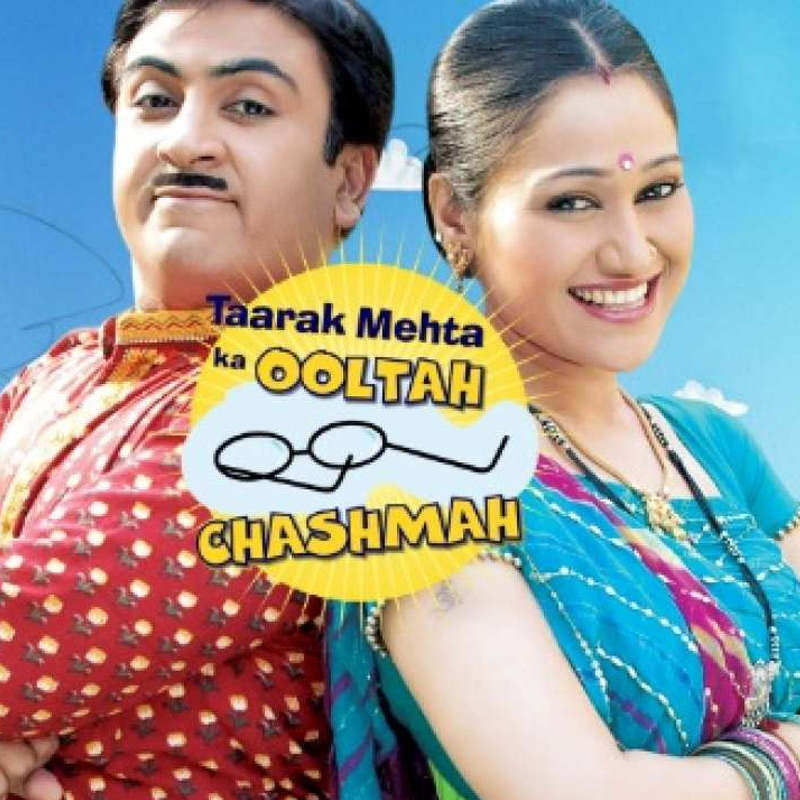
    SPN’s Hindi GEC Sony SAB also retained its previous week’s eighth rank in week 25 of 2019 with 536.918 million weekly impressions as compared to 552.626 million weekly impressions in the previous week. Sony SAB was ranked fifth, sixth and third in BARC’s weekly lists of top 10 Hindi GECs’ in HSM (U+R) and HSM (R) and (U) respectively. One of the longest running Indian sitcom – Taarak Mehta Ka Ooltah Chashma on Sony SAB was among BARC’s weekly list of top 5 Hindi GEC programmes on average rating across all original airings in the week in HSM (U+R) and HSM (U).

    Climbing up a rank to ninth place was Viacom18’s flagship Hindi GEC Colors in week 25 of 2019  with 513.035 million weekly impressions as compared to tenth rank and 521.025 million weekly impressions in week 24. Colors was ranked sixth in BARC’s weekly lists of top 10 Hindi GECs’ in HSM (U+R) and was ranked fifth in both HSM (R) in HSM (U).

    Re-entering BARC’s weekly list of top 10 channels across genre was SPN’s flagship Hindi GEC Sony Entertainment Television (SET) with 479.487 million weekly impressions in week 25 of 2019. SET was ranked seventh in BARC’s weekly  lists of top 10 Hindi GECs’ in HSM (U+R) and was ranked fourth in HSM (U)
  • BARC week 25: DD India back in second spot

    BARC week 25: DD India back in second spot

    BENGALURU: Pubcaster Doordarshan’s English news channel DD India was ranked second in Broadcast Audience Research Council of India’s (BARC) weekly list of top five English news channels in week 25 of 2019 (Saturday, 15 June 2019 to Friday, 21 June 2019, week or period under review). DD India made it to second spot after a hiatus of four weeks. Earlier the Doordarshan Network’s English news channel was involved in a dingdong battle for the pole position with the Arnab Goswami-headed Republic TV between weeks 13 and 19 of 2019 until Republic TV overtook it.

    There was a slight improvement in the combined total of the impressions garnered by the top 5 English news channels in week 25 as compared week 24. Many genres/channels ratings had plunged in week 23 when BARC reverted to a previous method of treating landed changes and outliers. Ratings of some channels/genres had plunged even further in week 24. It must be pointed out that around the same time (week 23 of 2019), ICC’s cricket World Cup 2019 being played at England and Wales commenced. Because of the difference in time zones, the second part of the matches overlapped and over shot primetime slots of most channels including news channels in India, hence probably impacting ratings.

    Earlier, BARC had stopped publishing ratings in the public domain for seven weeks starting week 6 of 2019 until week 12 to enable viewership stabilise after the implementation of the Telecom Regulatory Authority of India’s (TRAI) new tariff order.

    In week 25 of 2019, three channels from BARC’s weekly list of top 5 English news channels saw gains in ratings, while ratings of two fell. Republic TV continued to head BARC’s weekly list of English news channels with 0.572 million weekly impressions in week 25 of 2019 as compared to 0.556 million weekly impressions in the previous week. As mentioned above, DD India was ranked second with much improved ratings of 0.441 million weekly impressions as compared to 0.334 million weekly impressions and third rank in week 24.

    At third rank was Times Now with 0.402 million weekly impressions in week 25 of 2019 as compared to 0.418 million weekly impressions and second rank in week 24.  Moving up a place to fourth rank in the period under review was the India Today group’s English news channel India Today Television with 0.264 million weekly impressions as compared to 0.251 million weekly impressions in week 24 of 2019. Completing the quintet at rank 5 was CNN News18 with 0.261 million weekly impressions in week 25 of 2019 as compared to rank four and 0.289 million weekly impressions in the previous week.

  • BARC week 24: Dangal regains pole position across genres

    BARC week 24: Dangal regains pole position across genres

    BENGALURU: Enterr 10 TV’s Hindi GEC Dangal regained first place in Broadcast Audience Research Council of India (BARC) weekly list of top 10 channels in week 24 of 2019  (Saturday, 8 June 2019 to Friday, 14 June 2019, week or period under review) after a short hiatus. The channel had been placed second in the list in the previous week. Star India’s sports channel Star Sports 1 Hindi also climbed a place to second rank on the back of the ongoing ICC Cricket World Cup Tourney 2019 in England and Wales. Sun TV Network’s flagship Tamil GEC Sun TV dropped a couple of ranks to third place. All the channels in BARC’s weekly list of top 10 channels across genres in the week under review were the same as in the previous week, but with a shuffling of ranks.

    Six Hindi GECs and one channel each from the Hindi movies, sports, Tamil and Telugu genres made up BARC’s across genres list for week 24 of 2019. From the network’s perspective, there were three channels from Star India, two channels each from Sony Pictures Network India (SPN) and Zee Entertainment Enterprises Limited (Zeel) and one channel each from Enterr 10 TV, Sun TV Network and Viacom18 respectively.

    As mentioned above, at first rank was Hindi GEC Dangal TV in week 24 of 2019 garnered 806687 million weekly impressions as compared to third rank and 805.510 million weekly impressions in week 23. Dangal also headed BARC’s weekly lists of top 10 Hindi GECs in the combined urban and rural Hindi speaking market -HSM (U+R) and HSM (R).  Dangal was ranked seventh in HSM (U). An Indian mythology programmes– Mahima Shanidev Ki and a family drama Baba Aiso Var Dhundo on Dangal were in BARC’s list of  Top 5 Hindi GEC programmes based on average rating across all original airings in the week in HSM (R).

    Moving up to second rank with 763.962 million weekly impressions in week 24 of 2019 was Star Sports 1 Hindi as compared with third rank and 784.016 million weekly impressions in week 23. The channel was also ranked first in BARC’s weekly list of top 5 Sports channels during the week under review. Further, three of the top 5 sports programmes on average rating across all original airings in the week were aired on Star Sports 1 Hindi.

    With 762.613 million weekly impressions in week 24 of 2019 was Sun TV at third rank as compared to first rank and 811.795 million weekly impressions in the previous week. Sun TV also headed BARC’s weekly list of top 5 Tamil channels in the Tamil Nadu and Puducherry markets and four of the top 5 Tamil programmes in this market based on average rating across all original airings in the week were aired on Sun TV.

    Maintaining its previous week’s fourth rank was Zeel’s Hindi GEC Big Magic with 690.539 million weekly impressions as compared to 695.790 million weekly impressions in week 23. Big Magic was ranked second in BARC’s weekly lists of top 10 Hindi GECs in HSM (U+R) and HSM (R). Big Magic was ranked eighth in BARC’s weekly list of top 10 Hindi GECs in HSM (U).

    Climbing up two places to fifth rank was Zeel’s flagship Hindi GEC Zee TV in week 24 of 2019 with 680.603 million weekly impressions as compared to seventh rank and 612.470 million weekly impressions in week 23. Zee TV was ranked third in HSM (U+R), HSM (U) and HSM (R). The Balaji Telefilms produced Kumkum Bhagya, its spinoff Kundali Bhagya and Tujhse Hai Raabta aired on Zee TV were among the top 5 Hindi GEC programmes based on average rating across all original airings in the week in HSM (U+R), HSM (R) and HSM (U).

    Dropping a rank to sixth place in week 24 of 2019 was Star India’s flagship Telugu GEC Star Maa with 626.797 million weekly impressions as compared to fifth rank and 653.203 million weekly impressions in week 23. Star Maa was also ranked first in BARC’s weekly list of top 5 Telugu GECs in the Andhra Pradesh/Telangana markets and three of the five programmes in BARC’s weekly list of top 5 Telugu programmes based on average rating across all original airings in the week in these markets were aired on Star Maa.

    Also dropping by a rank to seventh place in week 24 of 2019 was Star India’s flagship Hindi GEC Star Plus with 624.298 million weekly impressions as compared to sixth rank and 626.032 million weekly impressions in week 23. Star Plus was also ranked fourth in BARC’s weekly list of top 10 Hindi GECs in both HSM (U+R) and HSM (R) and first in HSM (U). Yeh Rishta Kya Kehlata Hai on Star Plus was amongst BARC’s weekly list of top 5 Hindi GEC programmes on average rating across all original airings in the week in HSM (U+R).

    SPN’s Hindi GEC Sony SAB retained its previous weeks rank at number eight with 552.626 million weekly impressions as compared to 541.665 million weekly impressions in week 23. Sony SAB was ranked fifth in BARC’s weekly lists of top 10 Hindi GECs in HSM (U+R) and HSM (R) and was ranked second in HSM (U). One of the longest running Indian sitcom – Taarak Mehta Ka Ooltah Chashma on Sony SAB was among BARC’s weekly list of top 5 Hindi GEC programmes on average rating across all original airings in the week in HSM (U).

    Climbing up a rank to ninth place in week 24 of 2019 was SPN’s Hindi movies channel Sony Max with 524.681 million weekly impressions as compared to tenth rank and 526.994 million weekly impressions in the previous week. Sony Max also topped BARC’s weekly lists of top 5 Hindi movies channels in HSM (U+R), HSM (U) and HSM (R). Hindi feature films Bahubali The Beginning and KGF Chapter 1 were in BARC’s weekly list of top 5 Hindi Movies programmes on average rating across all original airings in the week in HSM (U+R), HSM (R) and HSM (U).

    Viacom18’s flagship Hindi GEC Colors dropped a place to tenth rank in week 24 of 2019 with 521.025 million weekly impressions as compared to ninth rank and 536.369 million weekly impressions in week 23. Colors was ranked sixth in BARC’s weekly lists of top 10 Hindi GECs in HSM (U+R) and HSM (R) and was ranked fourth in HSM (U).

  • TRAI may look at “finetuning” new tariff order

    TRAI may look at “finetuning” new tariff order

    MUMBAI: The Telecom Regulatory Authority of India (TRAI) may look at “finetuning” the new tariff order for cable and broadcasting sector to address any “aberrations”, as per a news report by Economic Times. However, the regulatory body won’t rush into this without adequate data backup.

    “When a new thing is put in place, you always notice that in some areas, things are not working out the way you had imagined, or in some areas some finetuning is required,” TRAI chairman RS Sharma told ET. Sharma also added that the new regime marked a “paradigm shift,” giving customers transparency and choice as well as providing a level playing field for operators.

    “Finetuning will require some data and we don’t want to get into that on the basis of anecdotes, ARPU (average revenue per user), number of litigations, etc. We’re looking at this carefully and collecting data and will finetune (the regulation) at the right time,” Sharma said. He said that the regulatory body is looking at if there are any aberrations in the implementation of the tariff order and they would rectify accordingly.

    However, it was not clear if the finetuning will also consider looking at ways to reduce monthly cable and DTH (direct-to-home) bills of consumers. The new tariff order reduced the cable bill for users who use fewer channels but it increased it for many. Even, some subscribers found the new regime complicated.

    He also clarified that subscribers will have the freedom to select separate channels on their second set-top box like they can do for their first box. He also noted that the industry agreed to give discounts for the second box.  While he acknowledged that adapting to the new regime is taking time with people learning along the way, he said consumers need to have complete control over choosing and paying for channels.

    “We’ve issued show-cause notices, etc. So, we’re very proactive to ensure that aberrations that take place are set right before they become the regular practice,” Sharma said while mentioning that in some places broadcasters are not doing it.

  • Megha Tata on transforming Discovery, TRAI tariff order impact, content strategy & OTT play

    Megha Tata on transforming Discovery, TRAI tariff order impact, content strategy & OTT play

    Megha Tata describes her current gig as a ‘dream job’. She draws parallels between her rise as a top media executive with brand Discovery’s journey in India. “I feel at home. This is the kind of genre I can relate to, not only as a consumer but also as a business proposition,” the American broadcaster's new managing director for south Asia admits. The possibilities of what can happen to Discovery Communication India and its brands in the country are what Megha is most excited by. She's taken up the top job at a crucial juncture with several challenges that need addressing. The disruption in regulation and the overall ecosystem has made matters more tricky. In order to gain a better perspective of how Megha intends to navigate a complex terrain and steer Discovery forward, Indiantelevision.com caught up with her for a wide-ranging chat.

    As a company, at which stage do you see Discovery in at the moment in India?

    I think Discovery has gone through its ups and downs in the last 25 years. I think more ups than downs, which is fine because that’s how life is. At this stage, for me, it’s more in the space of transformation. There was a transition, and now we are moving into the transformation phase and that is not only true to India but globally as well.

    I have spent the last two months observing and absorbing what is happening not only in India but globally. I have spent time with my regional counterparts around the world and it was heartening to see that I’m not the only one who is going through that change which is happening around the world. That's great because when globally the company is moving in a direction and you’re going to be moving along, you know, the pace of that movement will be much faster. So that is where we are, we are in the process of transition and transformation from linear to non-linear.

    There is so much to be done. We have to prioritise our focus areas especially in the next 12 to 18 months. We have put together a strategy, which is very clear cut with three pillars at its core that would help to grow our business.

    Which are the problems that you have inherited and what problems do you see ariseing in the future?

    I see the glass always half-full, that is my attitude in life so I don’t see the problems. I only see opportunities and let bygones be bygones. The future is beautiful and that’s what I’m focusing on.

    As part of the whole ecosystem, who is to predict how it will play out? We know what our strengths are and what are our weaknesses, and accordingly, we play to our strengths and that is the plan. Discovery is in that phase now which is great because that only makes our job in India that much more, I won’t say easy, but at least aligned to what the global mandate is as well. I am seeing it as a great opportunity for stuff we can do in India with all our brands.

    There is a perception that Discovery’s brand in India has been diluted over the years. As the head of the company, how would you like viewers to perceive the brand going forward?

    On the contrary, Discovery’s brand continues to be strong in India. Given huge focus on never seen before thrilling content, we have an opportunity to take Discovery brand to a greater high in the country.  You will see emerge even stronger in the time to come!

    How do you see each of the brands in your portfolio in terms of their position in their respective segments?

    We have identified three key pillars that we want to focus on.

    We want to have an unparalleled leadership in the infotainment space. While we are the leaders, we want to scale it up further. Between Animal Planet and Discovery, we intend to do that. That will happen through not only the global content which we intend to bring in a bigger and better way, but also by investing in local Indian production.

    Second is the kids’ genre. We have a great play in the Discovery Kids so far. It is the fastest growing kids’ channel. We want to grow that business to become a formidable top three player. So not only our existing IP, but adding new IPs to it which we believe will have a resonance with Indian kids. Little Singham has done extremely well, so we are going to add more episodes, acquire more content, add another IP.

    And the third integral part is getting into the D2C space, which is the way to go if you want to survive. We will be coming up with an OTT platform very soon. We are very uniquely positioned to be different in terms of what is out there.

    Will your OTT platform work on an AVoD or SVoD model?

    Both.

    When are you launching it?

    Hopefully, early next year.

    What sort of content can we expect on your streaming service?

    The beauty about Discovery Networks is that we have 300k hours of content and we add about 8000 hours of content every year to it. That is the depth of the library we have. It is huge. We are not going to use all of that and put it up on our OTT platform. We will see what the Indian audiences would like and then divide it by genre. We will be an aggregator of this content. Our partnership with Dailyhunt is a testament to the fact that there is keenness for content like this. 

    When we partnered Dailyhunt, the audience reaction and consumption we got was outstanding. 400 million views, seven million MAUs and a lot of that are coming from regional content. We decided to invest in languages early on. We are already available in five languages, adding three more. So, Discovery will have eight languages. Kids will have six languages, Animal Planet will have three. It is a big thing for us to be available in so many languages, with rationalisation and localisation of our products.

    Does your partnership with Netflix continue to exist?

    Yes.

    What does the future hold for Discovery Jeet?

    Jeet has done its bit and it will play its course out. There is no plan to resurrect it. It will have its own course for an exit at some point.

    What about DSport?

    It is in a happy place, it is doing what it was meant to do.

    Any other partnership you have struck for content distribution?

    Not specifically with content distribution but there are many conversations on, with big players wanting to partner with us especially after what they saw with Dailyhunt. Now that we are saying that we will officially be launching our OTT, so more conversations are building up. It is pretty positive.

    How did the TRAI tariff order impact your subscription and advertising revenues?

    It is still playing out, there are many moving parts to it, and maybe it will take another few months before it settles down. So, we have also been impacted like any other company. We fared well given that we are a special interest proposition. We could have had the worst impact, but the main reason it didn’t was that our brand pull is so strong that the consumer demand remained high.

    With the TRAI order and the explosion of digital content has some of the advertising money moved out of TV?

    I think overall there has been a movement from linear to non-linear. Advertising is moving to digital but there are areas of challenge. An independent research mechanism does not exist in the ecosystem, and that becomes a question mark for a lot of marketers in terms of how the money is getting spent. There are many questions related not only to us but at an industry level and the issue which is being discussed in many forums. In our case linear has been our mainstay of revenue whether it is through ad sales or affiliate sales. OTT is yet to happen, it just recently happened. We are very new to the digital revenue space.

    What’s your take on advertising expenditures on television for the year?

    I think there is a positive story and I feel overall there is going to be growth. There were lots of cricket happening and elections were a positive spin. There is an India positive story. That will translate into advertising growth.

    Are you facing a challenge in selling your inventory?

    I think for Discovery, FCT is a challenge and that’s true for every genre, not just us. But what’s unique for our genre, I think we are probably the other genre after news which has the possibility to create branded content through branded solutions. I think there is an opportunity for growth there. We have done a bit, but we have really touched the tip of the iceberg. There is a huge opportunity for us to drive revenue from branded solutions.

    We are doing some of it. We have a dedicated team to deliver that content and promise. It has to go beyond content. I think it’s an opportunity to bring brand solution as a proposition far deeper and stronger connect with a brand, so the brand looks at you not from a transactional point of view but as a partner.

    Ok. What’s your take on the current TV audience measurement system?

    Let's put it this way. From where it was to where it is, there has been growth. They are now in 40,000 odd homes. That’s much better than 8000 homes. Is that enough? Not according to me. In a country of over a billion, 40,000 homes is not a benchmark. In that, special interest channels lose out because you know your allocation of boxes is so minuscule. If a person puts off one box, you have a huge drop in ratings, it does not make sense. It is an evolving conversation. BARC has its own view, there's a cost angle to it. So, it’s multiple layers of conversations.

    You’re now making a move into digital. How do you view the current scenario around a unified currency for digital measurement?

    Absolutely the need of the hour. Because that is what is missing in the whole digital economy. I won’t take names, but you know there are only two players making money on digital in the country. So, is there actual revenue out there in digital? That’s the question.

    What has been the rise in your topline?

    I can't say exact numbers, but we have a good growth story and we are a profitable company in India. A lot of our revenue growth has come from affiliate sales. And we have a good mix of revenue which is coming from affiliate as well as ad sales. It’s a good healthy mix, it’s skewed towards affiliate sales.

    Your vision for the brand in the next two-three years?

    Unparalleled leadership in the infotainment genre, among the top three positions in kids segment, and to be the number one real-life entertainment OTT service in India.

    For the ecosystem at large, are there any potential hurdles that need to be solved to amplify the growth?

    I think the biggest is the NTO and TRAI challenge that every broadcaster is facing. That needs to be addressed in some form or other. There is so much ambiguity right now that needs to be addressed very quickly.

    Has the TRAI tariff order resulted in adding more pressure on a network like yours?

    In the new regime, content has become a bigger king. The proposition has to be very distinctive. If you are one of many you, may lose out. We are so distinctively different and our proposition is so specific and so strong, that we continue to have a strong pull even after NTO.

    Going back to your OTT proposition, how do you see India’s OTT landscape? Is there space for all or we will see consolidation?

    There is bound to be consolidation. There are bound to be some exits in larger OTT space. I think five or six could be a happy mix in the existing play out. What we propose is very different. We will be the only one to come out with that kind of proposition. Hence, we believe there is a good opportunity, audience out there for us to offer such a proposition. But I think some form of consolidation or exits might happen.

    In terms of OTT content, there seems to be a gap on the documentaries front. Do you feel you are uniquely positioned to fill that gap?

    Yes, definitely. If you look at the existing players, the kind of content they have in their real-life entertainment, all of them put together would be ranging between the 600 to 1200 hours of content. We will be launching with 8000-10,000 hours of content. Our repository is so huge. So, that's our edge, that's our USP.

    Where will OTT consumption happen going forward – small screen or larger one?

    More small screens, more mobile phones, data getting cheaper, more people will be watching it on mobile. 

  • BARC week 23: Sun TV claws back to first place across genres, Star Sports 1 Hindi re-enters list

    BARC week 23: Sun TV claws back to first place across genres, Star Sports 1 Hindi re-enters list

    BENGALURU: The Sun TV Network’s flagship Tamil GEC Sun TV was ranked one in Broadcast Audience Research Council of India’s (BARC) weekly list of top 10 channels across genres in week 23 of 2019 (Saturday, 1 June 2019 to Friday, 7 June 2019, week under review). Enterr 10 TV’s Hindi GEC Dangal, the normal occupier of first place in non-IPL week’s after the implementation of TRAI’s new tariff order climbed down to second place during the week under review.

    And now that ICC’s World Cup 2019 cricketing tourney is on, Star India’s Hindi Sports channel – Star Sports 1 Hindi re-entered BARC’s weekly across genres list at third rank in week 23 of 2019. Consequently, a number of channels dropped a rank in week 23 of 2019 as compared to their ranks in the previous week. Sony Pictures Network India (SPN) Hindi movies channel Sony Max also re-entered BARC’s across genres list on the back of SS Rajamouli’s Bahubali The Conclusion and old faithful Sooryavansham among other movies at tenth rank.

    Six Hindi GECs, and one channel each from the Hindi movies, sports, Tamil and Telugu channels comprised BRAC’s weekly list of top 10 channels across genres in week 23 of 2019. From the network’s perspective, there were three channels from the Star India fold, two channels each from SPN and Zee Entertainment Enterprises Limited (Zeel) and one channel each from Enterr 10 TV, Sun TV Network and Viacom18 in the list.

    As mentioned above, Sun TV was ranked one in week 23 of 2019 with 811.795 million weekly impressions as compared to second rank and 765.397 million weekly impressions in week 22. Sun TV also headed BARC’s weekly list of top 5 Tamil channels in the Tamil Nadu and Puducherry markets and four of the top 5 Tamil programmes in this market based on average rating across all original airings in the week were aired on Sun TV.

    Dangal TV at second rank in week 23 of 2019 garnered 805.510 million weekly impressions as compared to first rank and 884.884 million weekly impressions in week 22. Dangal also headed BARC’s weekly lists of top 10 Hindi GECs in the combined urban and rural Hindi speaking market -HSM (U+R) and HSM (R).  Dangal was ranked seventh in HSM (U). An Indian mythology programmes– Mahima Shanidev Ki and a family drama Baba Aiso Var Dhundo on Dangal were in BARC’s list of  Top 5 Hindi GEC programmes based on average rating across all original airings in the week in HSM (R).

    Star Sports 1 Hindi entered BARC’s weekly list of top 10 channels across genres in week 23 of 2019 with 784.016 million weekly impressions at third rank. The channel was also ranked first in BARC’s weekly list of top 5 Sports channels during the week under review. Further, four of the top 5 sports programmes on average rating across all original airings in the week were aired on Star Sports 1 Hindi.

    Dropping a place to fourth rank in week 23 of 2019 was Zeel’s Hindi GEC Big Magic with 695.790 million weekly impressions as compared to third rank and 732.325 million weekly impressions in the previous week. Big Magic was ranked second in BARC’s weekly lists of top 10 Hindi GECs in HSM (U+R) and HSM (R). Big Magic was ranked eighth in BARC’s weekly list of top 10 Hindi GECs in HSM (U). The Indian mythology drama Parmavtar Shree Krishna aired on Big Magic was present in BARC’s weekly list of top 5 Hindi GEC programmes based on average rating across all original airings in the week in HSM (R).

    Star India’s flagship Telugu GEC Star Maa also dropped a rank to fifth place in week 23 of 2019 with 653.203 million weekly impressions as compared to fourth rank and 643.989 million weekly impressions in week 22. Star Maa was also ranked first in BARC’s weekly list of top 5 Telugu GECs in the Andhra Pradesh/Telangana markets and four of the five programmes in BARC’s weekly list of top 5 Telugu programmes based on average rating across all original airings in the week in these markets were aired on Star Maa.

    Dropping down a place to sixth rank was Star India’s flagship Hindi GEC Star Plus with 626.032 million weekly impressions as compared to fifth rank and 641.814 million weekly impressions in week 22. Star Plus was also ranked third, fourth and first in BARC’s weekly list of top 10 Hindi GECs in HSM (U+R), HSM (R) and HSM (U) respectively. The reboot of  Balaji Telefilm’s  Indian soap opera Kasauti Zindagi Kay on Star Plus was amongst BARC’s weekly list of top 5 Hindi GEC programmes on average rating across all original airings in the week in HSM (U).

    Zeel’s flagship Hindi GEC Zee TV also dropped a place to seventh rank with 612.470 million weekly impressions as compared to sixth rank and 628.588 million weekly impressions in week 22. Zee TV was ranked fourth in HSM (U+R), fifth in HSM (U) and was ranked third in HSM (R). The Balaji Telefilms-produced Kumkum Bhagya its spinoff Kundali Bhagya aired on Zee TV were among the top 5 Hindi GEC programmes based on average rating across all original airings in the week in HSM (U+R), HSM (R) and HSM (U). Another programme on Zee TV -Tujhse Hai Raabta was also in BARC’s weekly list of the top 5 Hindi GEC programmes based on average rating across all original airings in the week in HSM (U+R).

    SPN’s Hindi GEC Sony SAB retained its previous week’s eighth rank in week 23 of 2019 with 541.665 million weekly impressions as compared to 535.117 million weekly impressions in week 22. Sony SAB was ranked fifth in BARC’s weekly lists of top 10 Hindi GECs in HSM (U+R) and HSM (R) and was ranked fourth in HSM (U).

    Viacom18’s flagship Hindi GEC Colors dropped two ranks to ninth place in week 23 of 2019 with 536.639 million weekly impressions and seventh rank and 612.337 million weekly impressions in week 22. Colors was ranked sixth in BARC’s weekly lists of top 10 Hindi GECs in HSM (U+R) and HSM (R) and was ranked third in HSM (U).

    As mentioned above, SPN’s Hindi movies channel Sony Max entered BARC’s weekly list of top 10 channels across genres in week 23 of 2019 with 526.994 million weekly impressions. Sony Max was ranked second in BARC’s weekly lists of top 5 Hindi Movies channels in HSM (U+R) and HSM (U) and was ranked first in HSM (R). Three movies on the channel – Bahubali 2 The Conclusion, Sooryavansham and Nela Ticket were among BARC’s weekly list of top 5 Hindi Movies programmes in HSM (U+R) and HSM (R), while Bahubali 2 The Conclusion and Sooryavansham were in the top 5 Hindi movies channels list in HSM (U).

  • Independent TV assures TRAI of compliance with new tariff order after subscribers complain

    Independent TV assures TRAI of compliance with new tariff order after subscribers complain

    MUMBAI: Direct-to-home (DTH) operator Independent TV has clarified to the Telecom Regulatory Authority of India (TRAI) that it has taken several measures in order to ensure that its current tariff plans are in conformity with the regulator’s new framework for the broadcast sector.

    TRAI had earlier sought an explanation from the DTH operator, formerly known as Big TV, over the tariff plans offered to its subscribers post the implementation of the new regime.

    TRAI, in a letter on 26 March, had directed Independent TV "to ensure that the new regulations are followed in letter and spirit with no violations…ensure that all new connections booked are provided in a time bound manner…and ensure that all outlets of Independent TV Ltd do not provide any package which is in violation of new regulations".

    This regulator’s action was a direct result of several complaints from Independent TV subscribers concerning the break-up details for monthly charges and an overall lack of clarity in terms of the operator’s new tariff plans.

    "In regard to our current tariff plans being offered by Independent TV, we would like to assure the authority of our complete compliance with the NTO (New Tariff Order). Pursuant to our meetings…and the discussions…we have realigned our product offerings,” Independent TV told TRAI in a letter written last month, according to news agency PTI.

    The operator also apprised TRAI of all its current plans and packages on offer, along with details of the network capacity fee (NCF) and distributor retail price.

    "There were some complaints that their franchisees were offering annual plans without clarity on break up…So, Independent TV has said it has not activated any annual plan after implementation of the new regulatory framework, and that in case any of its franchisee is offering such plans, it will take necessary action," a TRAI official said.

    Independent TV has also upped its communication strategy crafting advertisements and clearly stating its policy on withdrawal of the legacy offers and other details like channel packs and pricing on its website.

    "With regard to any ambiguity on the old annual offer (Freedom 1999) from Independent TV and its current availability, we have taken the following steps…We have run a campaign on our website informing all prospective customers of the withdrawal of all our LDPs (Long Duration Packs) including Freedom 1999 pack. We have aggressively engaged in educating and explaining the same to our channel partners," the Independent TV letter further said.

    The operator added, "Every complaint forwarded to us by the authority with regard to this issue is being verified one-on-one and any delinquent behaviour from any of our channel partners is being dealt with appropriately." 

  • In TRAI-BARC India stand-off, flashes of regulatory overreach

    In TRAI-BARC India stand-off, flashes of regulatory overreach

    MUMBAI: One of the most intriguing side acts during the implementation of the Telecom Regulatory Authority of India's (TRAI) new tariff order has been the sector regulator's face-off with TV audience measurement firm BARC. The latest flashpoint in this impasse involved TRAI issuing a show-cause notice to BARC.

    At the core of this issue is TRAI’s insistence on BARC publishing its weekly findings on its website and the latter's sustained inaction on that front.

    While BARC continues to supply data to advertisers, broadcasters and agencies, it has stopped publishing weekly ratings of shows and channels on its website due to vagaries linked to the rollout of the new regulatory framework for the broadcast sector. 

    The decision was taken after due and appropriate deliberations to protect the interest of trade, subscribers and consumers, BARC had said.

    TRAI’s argument, however, is that data at any given point in time reflects ground realities and there’s no valid reason for not putting it out in the public domain. TRAI, according to sources, believes consumers will use the ratings on the BARC website to make channel selection.

    With this stand-off now stretching into its third month, it’s important to understand what really is at centre of this controversy. Is TRAI right in directing BARC to publish the data or is the TV ratings agency justified in taking the position it has on the issue?

    To answer these questions, one must look at what BARC and TRAI have been entrusted to do as industry watchdog and TV audience measurement body respectively 

    Like any regulator, TRAI’s mandate is to devise and implement policies factoring in market realities for growth of the sectors it oversees. Ensuring free and fair regulation that is pro-consumer and aimed at sending positive signals to the investment community should be hallmarks of any policy it conceives. The new tariff order and consultation paper on improving BARC’s measurement system are two fine examples of responsible regulatory behaviour. These initiatives are aimed at benefiting consumers and growth of the TV broadcasting and distribution business at large.

    Encroaching into the operational domain of an independent and self-regulatory body, or even privately held entities for that matter, is a measure any regulator should try and avoid. Therefore issuing multiple directives and a show-cause notice to BARC could be categorised as a regulatory misstep by TRAI.

    BARC is a joint industry body founded by stakeholder bodies that represent broadcasters, advertisers and media agencies.

    Its job is to own and manage a transparent, accurate, and inclusive TV audience measurement system. It is mandated to ensure efficient media spends and content decisions in a highly dynamic and growing television sector. Hence, publishing weekly web data (for non-subscribers) isn’t actually a deviation from its standard operating procedures or a move away from conducting business as usual.

    In fact, publishing ratings on the website found no mention in the Amit Mitra committee’s recommendations, endorsed by TRAI post consultations with the industry, to form joint industry body (BARC) in 2013. These guidelines were then notified by the MIB in 2014, resulting in the formation of BARC.

    BARC India had registered itself with the MIB and was to conduct its operations on a self-regulatory model. Applying this fundamental tenet to the current scenario, BARC is well within its rights to not publish the weekly data on its website as long as it continues to service its subscribers.

    Based on evidence in the public domain, BARC neither seems to have flouted any norms nor hampered the seamless functioning of the broadcast or advertising sector in any manner. In short, BARC not publishing its weekly data on its website, pre or post the tariff order implementation, bears no impact on the operations of industry stakeholders. TAM, BARC’s predecessor for 15 years, too, did not follow the practice of publishing web data.

    Prima facie, BARC’s stance on the matter cannot be termed as a violation of the guidelines and/or the TRAI Act as the former does not come under the purview of the said act.

    BARC is yet to confirm the date from when it intends to publish the weekly data. In both its statements so far, the company has cited reasons behind applying restrictions to public consumption of its data without offering a clarification as to how it intends to tackle the regulator’s constant questions.

    It now remains to be seen what approach both parties adopt in breaking this deadlock. With both sides not backing off at the moment, the matter could soon take a serious legal turn.

  • TRAI show-cause notice to BARC India for not publishing TV viewership data on website

    TRAI show-cause notice to BARC India for not publishing TV viewership data on website

    MUMBAI: The Telecom Regulatory Authority of India (TRAI) has reportedly issued a show-cause notice to Broadcast Audience Research Council India (BARC India) for not having adhered to the regulator’s directive of publishing weekly TV viewership data on its website during the new tariff order rollout.

    According to a report by news agency PTI, the sector regulator has, yet again, asked the TV audience measurement firm to explain why action should not be taken against it for contravention of sections of the TRAI Act. Earlier, the industry watchdog asked BARC to publish ratings and TV viewership data for the week ending 8 February and subsequent weeks with immediate effect.

    TRAI’s directive came in the wake of the latter's decision to release the weekly data only to its subscribers as opposed to publishing it on the website.

    The show-cause notice dated 29 March also noted that BARC India did not comply with TRAI’s 22 February directive seeking the release of viewership data with immediate effect.

    Following the show-cause notice, BARC issued a statement reiterating its position on the matter.

    “BARC India is a joint industry body, and operates under self-regulation model, in compliance with Ministry of I&B Guidelines. In the NTO transition period, due to distribution disruptions (which have been well documented in media reports), there is significant volatility in data.  Due to this, and the fact that data in this period does not truly reflect viewers’ choice, BARC India Technical Committee and Board took a decision to temporarily suspend placing the limited set of data our website,” a BARC spokesperson said.

    “Putting such misleading data on the website would be against public interest and could be misused by vested interests. BARC is constantly monitoring the ground situation on this.  We have made detailed submissions to TRAI and MIB, backed by data, on several occasions. Also, we would like to re-iterate that there has been no stoppage of data to our subscribers. Every week, our clients have been receiving weekly data without any disruption,” the spokesperson added. 

    An earlier TRAI directive read, "BARC India has modified its Fair and Permissible Usage Policy in February 14, 2019, even after being repeatedly asked by the authority to not stop publishing of rating data and viewership data on its website during the migration to new regulatory framework until and unless explicitly permitted by the authority and are thus, in contravention of the direction of the authority dated December 21, 2018 and January 14, 2019.”

    According to the TRAI, BARC has ignored its previous directives of publishing ratings and viewership data for television channels. The regulator said that the audience measurement company had argued that disruption due to migration to a new regulatory framework could prevent consumers from gaining access to channels of their choice, thereby running the risk of an inaccurate portrayal of TV consumption trends in the country.

    The TRAI, however, is opposed to the idea of not publishing the data, which, it feels, is a true reflection of the market changes. BARC’s decision to "withhold" the data is not justified, the regulator pointed out.

    The TRAI also highlighted that BARC "failed to furnish any cogent reason for not publishing the rating and viewership data" and that "such action on part of BARC India reflects poorly on the creditworthiness of the data published by them."

    "Now…the authority…hereby directs Broadcast Audience Research Council to immediately release and publish viewership data for the week ending February 8, 2019 and weeks subsequent to it, on its website without any further delay and not to stop it in future also without explicit instruction/direction from the authority or Ministry of Information and Broadcasting…," said the previous TRAI directive.

  • TRAI tariff order’s impact on OTT content consumption

    TRAI tariff order’s impact on OTT content consumption

    MUMBAI: Amid debates over the impact of TRAI’s new tariff order on the Indian pay-TV ecosystem, over-the-top (OTT) platforms have emerged as probable beneficiaries. Several reports have indicated that streaming services stand to gain from the change in cable TV pricing. As digital continues to steadily emerge as an alternate content consumption avenue, the new tariff regime could stimulate the adoption rate of OTT platforms in the country. While OTT players seem optimistic about the positive impact of the new regulatory framework, there are those who believe there’s no direct correlation between the two.

    FICCI-EY 2019 report predicts that OTT platforms are certain to benefit post the tariff order implementation due to an increased parity between television and OTT consumption – both in terms of content choice and costs. The report also mentions that trends could also be determined by the channel prices at which the market settles, which could take up to six to nine months.

    This is not the only testimony in favour of OTTs gaining, as a report from Crisil too made similar observations. It said that OTT platforms could emerge as the big gainers amidst all these changes because many viewers could shift due to the rising subscription bills. In addition to that, it also mentioned that low data tariffs will also encourage viewership on OTT platforms.

    Velocity MR, another prominent market research and analysis company, carried out a survey of 2010 respondents across Indian cities including Delhi, Kolkata, Mumbai, Hyderabad, Bengaluru, Chennai, Ahmedabad, and Pune. The report states that more than 80 per cent of subscribers will either opt for lesser channels under new price regime or switch to OTT platforms.

    The CEO of India’s newest OTT platform MX Player, Karan Bedi, is of the view that the new pricing regime for broadcast channels is sure to add to the content consumption on OTT platforms especially for those audiences who no longer want to be restricted to a single TV screen. According to him, good content combined with the availability of better payment pipes and varied subscription models that come with OTT offerings, are the main drivers of entertainment today.

    "It may help because cable ARPU moves up post the tariff order and I really doubt if the consumer will stand more on TV in this kind of space where there’s so much variety on digital. So definitely you will see some kind of spend getting allocated from TV to digital,” remarked Elara Capital vice president Karan Taurani.

    The CEO of a top production house, which makes shows for both TV and OTT, said the new tariff order will definitely help OTT platforms to attract consumers. According to him, consumers that find it hard to access their preferred TV channels in the midst of this radical change are likely to shift to digital platforms.

    “Viewers are aligning their cable TV packs as channels may have blacked out, resulting in higher than usual numbers for streaming daily TV soaps on digital platforms. A significant traffic is driven by OTT due to the convenience it offers to the users. In spite of rapid growth in digital consumption, TV has its own audiences and will continue to coexist with OTT in the long run as it remains to have its dominance in India due to several factors,” ZEE5 India business head Manish Aggarwal said.

    PricewaterhouseCoopers (PwC) partner and leader, media and entertainment Frank D’Souza does not find a strong correlation between the tariff order implementation and OTT consumption uptake. However, D’Souza is of the opinion that a lot will depend on the price points broadcasters opt for. Moreover, the other thing which needs to be considered is the nature of content that OTT platforms are trying to build. He also mentioned that one is really not an option over the other as there is significant programming that is being released exclusively on OTT.

    “One is really a supplement for the other. So, we are not going to have a situation where someone is going to cord cut cable and get on to OTT. I don’t think there is a direct correlation between one and the other because the fact is that they operate in a different ecosystem. If the overall cable pricing gets expensive for a consumer he may try to kind of curtail it or he may choose only what he wants to see. That doesn't imply a natural migration to OTT,” he added.

    "TV and OTT services cater to a distinct set of audience, OTT services have an edge when it comes to meeting the ever growing consumer demand for fresh and engaging content, available at the end users finger tip, on-demand and on the move. The diversity of content and consumer choice is unmatched when compared to traditional broadcast media. OTT serves as personal viewing experience and is an additional layer for viewers to choose from wide array of content. At Eros Now we support consumer choice and work towards creating engaging and high quality content serving multi user needs,”  Eros Digital CEO Rishika Lulla Singh commented. 

    During the launch of Voot’s original short films label 'Shortcuts' in February, Viacom18 Digital Ventures marketing and partnerships head Akash Banerji had said that one would have to wait and watch how consumers eventually respond to the tariff order, and whether it finally ends up changing their deep habit of having access to 300 or 400 odd channels. While watching and having access to different channels is a habit developed over the years, Banerji felt it would be naive to start thinking and predicting that it would change instantly, with OTT platforms making rapid gains.

    “The only thing that we need to be clear of and that we are preparing for if this change happens, we should be ready to give an equally good experience to a lot of new consumer acquisition that will happen on OTT. As a network, our ambition, of course, will be to ensure that the watch time and the consumer size and the scale do not go down at a network level and only keeps growing up,” he had said.

    Whether new tariff order helps OTTs gain or not, the massive growth of the digital ecosystem in next few years is undebatable. The FICCI-EY report too estimates that digital subscription revenue is bound to grow at a CAGR of 55 per cent to touch Rs 5290 crore by 2021 up from Rs 1420 crore in 2018.

    The Indian broadcast sector is steadily coming to terms with the radical changes the TRAI tariff order has resulted in. With most key indicators beginning to stabilize, the impact of the new framework in terms of content consumption trends on OTT platforms and digital media needs to be closely monitored, with patterns and trends beginning to emerge.