Tag: Netflix

  • Netflix strikes movie deal with Weinstein

    Netflix strikes movie deal with Weinstein

    MUMBAI: In a drive to add subscribers, Netflix has expanded on a movie licensing deal with The Weinstein Co. that will add more films to its internet video service beginning in 2016.


    The multi-year agreement announced builds upon a partnership that Netflix forged with Weinstein last year. That deal gave it the streaming rights to the Oscar-winning film, The Artist, as well other foreign films and documentaries from the eight-year-old studio.


    The new deal gives Netflix the rights to show all movies released by Weinstein and its subsidiary, Dimension Films, before they appear on pay-TV channels. That makes it more competitive with channels like HBO and Showtime that have traditionally been the first place to see films after their theatrical runs.


    Netflix’s exclusive arrangement with Weinstein begins with films released in theaters during 2016. That’s around the same time Netflix will begin showing films for the first time outside a movie theater from The Walt Disney, part of an agreement announced last year.


    Financial terms of the latest Weinstein deal weren’t disclosed.

  • Millennials may opt for Net TV over traditional pay TV

    Millennials may opt for Net TV over traditional pay TV

    MUMBAI: Pay TV providers may want to skip peeking into the crystal ball.

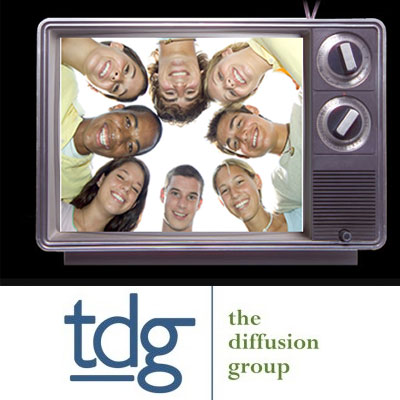
    New research from The Diffusion Group (TDG) finds that younger consumers are less likely than their older counterparts to subscribe to legacy pay-TV services, opting instead for the likes of Netflix or Hulu Plus.

    TDG’s Late Millennials: A Study in Media Behavior surveyed a random sampling of more than 2,000 broadband users between the ages of 18 and 24, half of which were living at home with their parents. Of this latter group, 49 per cent said they were highly inclined to sign up for an online subscription video service once they moved out on their own, compared to 31 per cent that were highly inclined to sign up for a traditional pay-TV service when they set up their own households. This is a difference of 58 per cent.

    TDG president and principal analyst Michael Greeson admits these dispositions could change over time if OTT TV services are unable to acquire the content these consumers will want as they marry, have children, and move up the career ladder. “In the end, it will still be less about the conduit and more about the content and value the service provides.”

    “While this data can be spun to rationalise a number of arguments, the simplest insight may be the most profound,” noted Greeson. “The very fact that young consumers perceive online video services as somehow more desirable or necessary than incumbent pay-TV services says volumes about the future of video.”

  • Netflix loads up on kids shows yet again with Scholastic deal

    Netflix loads up on kids shows yet again with Scholastic deal

    MUMBAI: Netflix has been positioning itself as an online babysitter of sorts with a slew of deals for children’s content, thus it has sanctioned even more episodes of the kids’ genre.


    The streaming-video service said it has expanded an agreement with Scholastic Media, an arm of publisher Scholastic, to offer more of its TV series and video content, such as the shows based on the tween babysitting series, The Magic School Bus and Goosebumps. Most of the new content is available to Netflix members in the US, Canada, UK, Ireland and Latin America.


    Both Netflix and Amazon’s Prime Instant Video service have been buying content for children. The idea is twofold: Go after a type of programming that – after sports – can be the most decisive sway factor when a consumer is choosing what entertainment to pay for. Then get children cozy with the format and style of internet-delivered content to create a new generation of subscribers.


    Netflix’s Scholastic deal marks the first time many of the episodes have been available in the streaming format, and Netflix has an exclusive hold on select programs like The Magic School Bus. However, most of the content is years old.


    “When we first added ‘The Magic School Bus’ and ‘Goosebumps’ for our members in the US and Canada earlier this summer we knew they would perform well, but after seeing just how popular they were we decided to expand our relationship with Scholastic and bring these great shows to more of our markets,” Netflix chief content officer Ted Sarandos said in a release.


    Three of the first five programs Amazon will produce as part of its original content push are children’s programs, and last month the company ordered up kids’ content solely for its next round of five pilots.


    Netflix is also working to fill a kids’ content void. The site declined high-demand Nickelodeon content earlier this year because parent Viacom wanted to bundle it together with less popular programs in a hulking deal. Amazon later snatched up the forsaken Viacom content.


    The latest deal with Scholastic however doesn’t include video content related to Scholastic’s most blockbuster brand, the Harry Potter series.

  • CBS-TWC in a tiff over digital services

    CBS-TWC in a tiff over digital services

    MUMBAI: The blackout dispute between CBS and Time Warner Cable has shifted from the TV set to the tablet.

    In their latest heated exchange, TWC claims that CBS wants to charge higher fees while shortchanging it on digital programming rights that it “has provided to others.”

    CBS contends that the cable-TV outfit is aiming to get digital rights for free or inhibit licensing deals with newer online rivals like Netflix and Amazon.

    The battle between the two companies, which has left CBS-owned TV stations dark in New York and other cities, underscores how the demand for digital rights, including the ability to watch shows on tablets and other mobile devices, is overshadowing the traditional cable bundle.

    On Monday, TWC honcho Glenn Britt offered to end the five-day blackout and pay a higher rate – $2 a month per subscriber, up from $1 now – in exchange for video-on-demand and digital rights to CBS and Showtime programming under the terms of their old contract.

    In response, CBS head Les Moonves argued that the terms of the 2008 deal no longer apply.

    “Those terms and conditions, better known as rights, were established in 2008,” Moonves wrote in his rebuttal. “That was before the introduction of the iPad. Netflix was still doing little but mailing out DVDs. Amazon was known simply for selling books.”

    Moonves wants to protect future digital revenue and doesn’t want TWC limiting his ability to sell shows such as The Big Bang Theory to whomever he sees fit.

    For its part, TWC wants to protect its turf. It doesn’t want CBS giving Amazon preferential treatment to air shows such as miniseries Under the Dome if it’s paying huge fees to carry CBS, according to those familiar with the talks.

    As one cable executive told The Post, “The program guys want all the Amazon revenue to be incremental, and the cable guys are saying we’re not doing that anymore. We want to compete and offer the same experience.”

  • Google plans device to bring Internet shows to your TV

    Google plans device to bring Internet shows to your TV

    MUMBAI: Making a new move into internet television, Google will start selling a $35 gadget that will plug into a high-definition TV and stream video from Netflix, YouTube and other sources.

    The two-inch device, dubbed Chromecast, is aimed at replacing set-top boxes and can be controlled by both Android and Apple smartphones or computers. Google said it will also stream music or even show web pages from computers using the Google Chrome web browser.

    Analysts said the device could be a disruptive move by Google to compete with Apple and other tech companies that want to bring internet services to the television set. Forrester analyst Sarah Rotman Epps tweeted that it represents a “smaller, more elegant approach” compared with Google’s previously halting efforts at similar products.

    The new Chromecast gadget looks something like a USB memory stick but packs far more capabilities. When plugged into a TV set, Google said the gadget will connect both to a home wireless router and to other devices such as smartphones, tablets or laptop computers. Anyone in range can then use their smartphone or computer as the “remote control” – to select a video from YouTube or Netflix, for example.

    The Chromecast takes its cue from the selected device but then streams the video or other material directly from the internet, through the home router, so the smartphone’s battery doesn’t drain, Google representatives said.

  • Google’s North America web traffic bigger than FB, Netflix and Instagram combined

    Google’s North America web traffic bigger than FB, Netflix and Instagram combined

    MUMBAI: Search engine giant Google on an average day reportedly handles 25 per cent of web traffic running through North American internet service providers (ISPs) which makes it bigger than Facebook, Netflix and Instagram combined.

    Founder of Deepfield, the internet monitoring company, Craig Labovitz said that over the past year Google has become pervasive not just in Google data centers, but throughout the North American internet and 62 per cent of smartphones, tablets and other devices that tap into the internet from throughout North America connect to Google at least once a day. According to the report, Google’s lion share of the web traffic comes from YouTube and the growing traffic is the reason why Google is building data centers as fast as possible and has data centers on four continents.

    Google has added thousands of servers called Google Global Cache servers to ISPs around the world which store the most popular content from Google’s network and then serve it directly from the ISP’s data center, rather than streaming it all the way from Google’s data center.

    Labovitz said that Google and Netflix’s move into so many of the ISP network operation centers is likely to be followed by other internet giants like Apple and Facebook, the report added.

  • Netflix adds subscribers, but fewer than expected

    Netflix adds subscribers, but fewer than expected

    MUMBAI: Netflix reported earnings Monday that beat expectations as it added streaming-video subscribers, though not as many as analysts had expected.


    Netflix stock fell more than six per cent after the report.


    “The company added 630,000 new subscribers to its US streaming service, bringing the total number of domestic subscribers to 29.8 million. The gain was in the middle of Netflix’s own forecast issued in April but fell short of the average expectation from Wall Street analysts of 700,000”, Sterne Agee analyst Arvind Bhatia said.


    “It’s a mixed quarter, not good enough for the stock to move up a bit,” Bhatia said.


    Internationally, Netflix gained 610,000 new streaming users, for a total of 7.75 million international subscribers.


    The stock has soared 183 per cent this year, which set the bar high for second-quarter results.


    “The stock was priced for perfection going into the quarter, hence the sell-off,” Evercore Partners analyst Alan Gould said.


    The May release of comedy Arrested Development generated a “small but noticeable bump in membership,” chief executive Reed Hastings and chief financial officer David Wells said in a letter to shareholders.


    The company generated buzz from last week’s Emmy nominations for “Arrested Development” and an original series, political thriller “House of Cards,” the first Internet series to garner Emmy nods in major categories.


    Netflix, in its shareholder letter, forecast it will add up to 1.5 million U.S. streaming customers in the current quarter. That guidance “looks like a little light,” Gabelli & Co analyst Brett Harriss said.


    “Netflix needs to add a substantial amount of subscribers to justify the current valuation,” Harriss said.


    Net income rose to $29 million, or 49 cents a share, in the second quarter, from $6.2 million, or 11 cents a share, in the same period a year earlier, when the company was spending heavily to push into foreign countries.


    Revenue increased to $1.07 billion from $889 million a year ago.


    Analysts had expected the streaming-video company to report earnings excluding items of 40 cents a share on $1.07 billion in revenue, according to a consensus estimate from Thomson Reuters.


    For the third quarter, the company expects earnings of 30 cents a share to 56 cents a share. The median of that guidance is 43 cents a share; analysts currently expect 45 cents a share.

  • Dream Works Animation to boost its television and digital presence

    Dream Works Animation to boost its television and digital presence

    MUMBAI: The Californian Animation giant Dream Works Animation (DWA) is reportedly on the move to revamp and re-position itself as a television power. The company told analysts that it will produce 1,200 TV episodes over the next five years, which CEO Jeffrey Katzenberg says “will give us a significant footprint across the global TV landscape”.

    He commented that DWA is now on the path to becoming one of the biggest producers and distributors of television following the multi-year agreement with Netflix to create 300 hours of original content for the online streaming platform. DWA has also made a deal with Germany‘s Super RTL to make up to 1,100 half-hours of programming.

    Katzenberg adds that the company should see $100 million in revenues from TV this year, about half of which will come from titles in the Classic Media library which include characters like Casper, The Rocky and Bullwinkle Show, Mr. Peabody & Sherman and George of the Jungle Classic Media was bought last year by DWA.

    Adding details to this, DWA also revealed that it is projecting at least $200 million in TV revenue per year with gross profits of around 30 per cent, close to what it sees from its films post 2015. Revenue from the Netflix and Super RTL deals won‘t vary depending on the performance of different titles.

    The numbers don‘t include benefits from sales of licensed merchandise, the library value of shows, or progress from its recently acquired online video service AwesomenessTV. The company isn‘t ready yet to create a separate business line for television, but will consider the change.

  • Netflix dominating the subscription video-on-demand (SVOD) subscribers market

    Netflix dominating the subscription video-on-demand (SVOD) subscribers market

    NEW DELHI:The Telecom Regulatory Authority of India (TRAI) seems to be getting hyperactive. Just like its head the ever so aggressive Rahul Khullar.

    In the past month or so it has been releasing consultation papers and regulations like it is in a hurry. Today, it released another two draft regulations. Both relate to the interconnection agreements that broadcasters sign with distributors such as Cable TV, DTH and IPTV operators.

    Entitled the “Telecommunication (Broadcasting and Cable Services) Interconnection (Digital Addressable Cable Television Systems) (Second Amendment) Regulations, 2013” and the draft “Telecommunication (Broadcasting and Cable) Services (Fourth) (Addressable Systems) Tariff (Second Amendment) Order 2013,” they seek to amend some regulations that TRAI had passed earlier in relation to tariffs and interconnect agreements in earlier years. (Earlier, TRAI had notified the Interconnection Regulations for DAS dated 30 April 2012 as amended on 14 May last year and the Tariff Order applicable for the Addressable Systems dated 21 July 2010 as amended on 30 April last year).

    The amendments it has proposed state:

    * Multi system operators (MSOs) cannot seeks signals of a particular TV channel from a broadcaster under ‘must provide‘ clause while at the same time demanding carriage fee for carrying that channel on its distribution platform.

    * No minimum channel carrying capacity has been prescribed for the MSOs. However, the MSOs are mandated to carry the channels of broadcasters on non-discriminatory basis under the ‘must carry‘ provision.

    * The service providers of the addressable systems are allowed to price and package their offering of channels, however, they are required to comply with the modified twin conditions, as proposed in the draft amendment to the tariff order. These twin conditions are (a) the a-la-carte rate of a pay channel forming part of a bouquet shall not exceed two times the a-la carte rate of the channel offered by the broadcaster at wholesale rates for addressable systems (b) the a-la-carte rate of a pay channel forming part of a bouquet shall not exceed three times the ascribed value of the pay channel in the bouquet. The TRAI says it is doing this to ensure that the a-la-carte rates offered to the subscribers are reasonable vis-? -vis the bouquet/package rates.

    *As in the case of pay channels, operators can specify a minimum subscription period, not exceeding three months, for Free-to-Air (FTA) channels subscribed on a-la-carte basis by the subscribers.

    *Subscribers are free to choose channels on a-la-carte basis or bouquet/package basis or any combination of a-la-carte and bouquet/package.

    *Channels, such as HD orMUMBAI: According to The NPD Group, a global information company, growth in watching television programming is driving subscription video-on-demand (SVOD) viewership, and Netflix continues to clearly dominate the category.

    According to NPD‘s VideoWatch VOD report, in the first quarter of the year the number of viewers watching television shows using SVOD services increased by 34 per cent, compared to the same quarter year-ago. NPD‘s VideoWatch Digital tracking shows Netflix dominating the sector, with a 90 per cent share of video-streaming units during the first quarter, which was four percentage points lower than last year.

    In the TV category alone, which accounts for 80 per cent of streams, Netflix holds an 89 per cent share. HuluPlus showed healthy growth in 2013, with 10 per cent of TV streams in Q1, while Amazon Prime accounts for just two per cent of the overall TV units streamed.

    NPD senior VP of industry analysis Russ Crupnick said, “There‘s no doubt that Netflix is driving the growth in SVOD, particularly with increased attention to television programming. We are also seeing good gains in the streaming numbers from Hulu Plus and Amazon Prime, and while neither pose an immediate threat to Netflix it is interesting to see which services later adopters will try.”

    In the first quarter of 2012, 76 per cent of SVOD subscribers streamed only from Netflix. This year that figure fell to 67 per cent, while 10 per cent of SVOD streamers used both Netflix and Amazon Prime, and eight per cent used both Netflix and Hulu.

    Crupnick said, “Since its launch, Netflix Watch Instantly has enjoyed a virtual monopoly on the SVOD market, and the company still has a quite comfortable market-share lead. While Hulu Plus and Amazon both still have a long way to go before they come close to catching Netflix, we are beginning to see increasing trial of these services, even among some Netflix users.” 3D, requiring special type of set top boxes are to be offered on a-la-carte basis and if such channels are also offered as a part of a bouquet(s), corresponding to each such bouquet, the operator would be required to offer bouquet(s) excluding the HD and 3D channels, at a reduced price, commensurate to the rates of these HD and 3D channels.

    Written comments on these draft amendments have been invited from the stakeholders by 18 June.

    You can download the two new proposed amendment drafts by clicking on the following links:

    Telecommunication (Broadcasting and Cable Services) Interconnection (Digital Addressable Cable Television Systems) (Second Amendment) Regulations, 2013

    Telecommunication (Broadcasting and Cable) Services (Fourth) (Addressable Systems) Tariff (Second Amendment) Order 2013
  • Netflix to join Nasdaq 100

    Netflix to join Nasdaq 100

    MUMBAI: OTT subscription service Netflix will become a component of the Nasdaq-100 Index, the Nasdaq-100 Equal Weighted Index and the Nasdaq-100 Ex-Technology Sector Index prior to market open on 6 June 2013.

    Netflix will replace Perrigo Company.

    The California headquartered Netflix has a market capitalisation of approximately $12.1 billion. The move comes at a time when its stock price has more than doubled since the start of the year. The company is looking at creating more original content.