Tag: Netflix

  • Can OTT players leverage market opportunities & rationalize rising content costs?

    Can OTT players leverage market opportunities & rationalize rising content costs?

    MUMBAI: In a bid to grab eyeballs, spending on digital advertising is on the increase, but this increase also comes with challenges, if KPMG is to be believed.

    KPMG director Girish Menon said that digital advertisement is likely to cross Rs 25,500 crore in 2020, but digital ads do not come without challenges with major concerns being inability to track mobile activity, ad fraud, ad blocking and measurement.

    Making a presentation at an event organised by FICCI here yesterday, Fast Track India: Bolstering Growth in the Digital Content, Menon added, “OTT video is likely to become the holy grail in digital media. The advent of OTT services and on-the-go content, aided with competitive tariffs and falling average retail price of smartphones, has helped to drive video consumption in India.”

    According to him, approximately 40 per cent of mobile data traffic is being driven by video and audio consumption.

    The Indian market is highly price sensitive and broadcast services are well accepted, making the growth and profitability of OTT video players an uphill task. As digital media consumption grows in the country, content owners and delivery platforms need to reflect on innovative ways of monetizing digital content. OTT players need to leverage market opportunities while rationalizing rising costs of acquiring or producing digital content.

    “Profitability still continues to be a major challenge coupled with infrastructure and affordability of data tariffs and payments models. It is imperative for the OTT players to address these concerns through innovative means to achieve the medium’s full potential,” added Menon.

    Discussing future trends to grow this market, through effective monetization of content, while delivering consumer value, in addition to evaluating various payment models at FICCI Knowledge Series 2016 were Film Producer Vishesh Bhatt, DittoTV business head Archana Anand, Arre co-founder and CEO AJay Chacko and Eros Digital COO Karan Bedi.

    Sparking the discussion was Bhatt who observed how this conversation flagged off last year with everyone talking about content that has come to a point where it’s annoying. He is of the opinion that serious content makers fuelling the various platforms have to first understand the ecosystem. “In my opinion, even the platforms have not taken initiatives to educate the content makers. The ecosystem currently is extremely poor. The content makers have to understand the economics first or open my own platform to air content and then make money out of it.”

    Various content monetization options are being explored with the rapid adoption of digital platforms. Ad remains the major source of advertising. Short format made-for-digital content is being leveraged for immediate monetization opportunity. Existing content is being repackaged and delivered across digital platforms owned and 3rd party (YouTube, Mobile Apps, etc.). Existing content infrastructure is being leveraged to create purpose built content (interactive shows, online polls, etc.).

    The focus has now shifted to original/exclusive content for digital media, to drive subscription revenues

    Enlightening the audience further, Chacko pointed out how the content consumption medium has evolved from print to broadcast and now to digital. While there is 70 per cent investment in content creation for digital, the showdown does not stop there. “Investing more on content is the rule.”

    Citing the example of Pokemon Go, Bedi asserted how the game is earning roughly 1.6 million per day which is just 10 per cent of what they can make if monetised properly. “The cost of data, infrastructure, etc, remains an issue for us. We are definitely not there yet with the subscription model, but it’s not far.”

    Anand though strongly surmises that platforms need to set their strategies right. “You have to establish with masses first to get subscribers. We followed the consumer behaviour trend on mobile and made it affordable for them. Like anyone else, we never told them to download our app, rather gave them the option to give a miss call to download it. To solve bandwidth constraints, we tied up with Telcos and payment wallets and the usage has been phenomenal.”

    dittoTV has a clear road map set wherein it has first focused on getting eyeballs to its platform. Anand also opined that the platform does not have to necessarily follow a linear model in future.

    But how will the value change make money? Answering that, Bedi said that the three levers- revenue generation, content creation and marketing acquisitions. “Netflix does not invest on marketing acquisitions. In the end, it depends on the platform to decide what model it wants to follow and it has to make it work right.”

    “SVOD also allows multiple things to be done. There is an inherent ability to share piece of profit with partners by tying up with various partners”, added Anand.

    With various global players like Netflix, Amazon Prime Video, etc, entering India, the players will have to focus on producing original quality content to drive viewers. But is it beneficial to the creators here to put their content on the different platforms. Bhatt strongly affirmed that the West has made its content makers worth. It’s no more only about money but about environment.
  • Can OTT players leverage market opportunities & rationalize rising content costs?

    Can OTT players leverage market opportunities & rationalize rising content costs?

    MUMBAI: In a bid to grab eyeballs, spending on digital advertising is on the increase, but this increase also comes with challenges, if KPMG is to be believed.

    KPMG director Girish Menon said that digital advertisement is likely to cross Rs 25,500 crore in 2020, but digital ads do not come without challenges with major concerns being inability to track mobile activity, ad fraud, ad blocking and measurement.

    Making a presentation at an event organised by FICCI here yesterday, Fast Track India: Bolstering Growth in the Digital Content, Menon added, “OTT video is likely to become the holy grail in digital media. The advent of OTT services and on-the-go content, aided with competitive tariffs and falling average retail price of smartphones, has helped to drive video consumption in India.”

    According to him, approximately 40 per cent of mobile data traffic is being driven by video and audio consumption.

    The Indian market is highly price sensitive and broadcast services are well accepted, making the growth and profitability of OTT video players an uphill task. As digital media consumption grows in the country, content owners and delivery platforms need to reflect on innovative ways of monetizing digital content. OTT players need to leverage market opportunities while rationalizing rising costs of acquiring or producing digital content.

    “Profitability still continues to be a major challenge coupled with infrastructure and affordability of data tariffs and payments models. It is imperative for the OTT players to address these concerns through innovative means to achieve the medium’s full potential,” added Menon.

    Discussing future trends to grow this market, through effective monetization of content, while delivering consumer value, in addition to evaluating various payment models at FICCI Knowledge Series 2016 were Film Producer Vishesh Bhatt, DittoTV business head Archana Anand, Arre co-founder and CEO AJay Chacko and Eros Digital COO Karan Bedi.

    Sparking the discussion was Bhatt who observed how this conversation flagged off last year with everyone talking about content that has come to a point where it’s annoying. He is of the opinion that serious content makers fuelling the various platforms have to first understand the ecosystem. “In my opinion, even the platforms have not taken initiatives to educate the content makers. The ecosystem currently is extremely poor. The content makers have to understand the economics first or open my own platform to air content and then make money out of it.”

    Various content monetization options are being explored with the rapid adoption of digital platforms. Ad remains the major source of advertising. Short format made-for-digital content is being leveraged for immediate monetization opportunity. Existing content is being repackaged and delivered across digital platforms owned and 3rd party (YouTube, Mobile Apps, etc.). Existing content infrastructure is being leveraged to create purpose built content (interactive shows, online polls, etc.).

    The focus has now shifted to original/exclusive content for digital media, to drive subscription revenues

    Enlightening the audience further, Chacko pointed out how the content consumption medium has evolved from print to broadcast and now to digital. While there is 70 per cent investment in content creation for digital, the showdown does not stop there. “Investing more on content is the rule.”

    Citing the example of Pokemon Go, Bedi asserted how the game is earning roughly 1.6 million per day which is just 10 per cent of what they can make if monetised properly. “The cost of data, infrastructure, etc, remains an issue for us. We are definitely not there yet with the subscription model, but it’s not far.”

    Anand though strongly surmises that platforms need to set their strategies right. “You have to establish with masses first to get subscribers. We followed the consumer behaviour trend on mobile and made it affordable for them. Like anyone else, we never told them to download our app, rather gave them the option to give a miss call to download it. To solve bandwidth constraints, we tied up with Telcos and payment wallets and the usage has been phenomenal.”

    dittoTV has a clear road map set wherein it has first focused on getting eyeballs to its platform. Anand also opined that the platform does not have to necessarily follow a linear model in future.

    But how will the value change make money? Answering that, Bedi said that the three levers- revenue generation, content creation and marketing acquisitions. “Netflix does not invest on marketing acquisitions. In the end, it depends on the platform to decide what model it wants to follow and it has to make it work right.”

    “SVOD also allows multiple things to be done. There is an inherent ability to share piece of profit with partners by tying up with various partners”, added Anand.

    With various global players like Netflix, Amazon Prime Video, etc, entering India, the players will have to focus on producing original quality content to drive viewers. But is it beneficial to the creators here to put their content on the different platforms. Bhatt strongly affirmed that the West has made its content makers worth. It’s no more only about money but about environment.
  • Face-off between Amazon Prime, Netflix & Hulu

    Face-off between Amazon Prime, Netflix & Hulu

    MUMBAI: Folks at Amazon India are popping champagne bottles. The e-commerce giant has launched its Prime service for a free 60 day trial after which the annual subscription will be available at a special introductory price of Rs 499. Though Prime in the US and UK, offers more than the free one or two day deliveries, early access to offers and same day deliveries, the company also promises to bring its streaming video and music services here soon. Prime Video will include Amazon original TV series and movies besides other Indian and global content, is expected to be launched as a part of this service later.

    The Prime membership subscription fee in India might later be increased to Rs 999., which is much lower as compared to its other market like $99 (Rs 6,633) for US and £96 (Rs 8,691) for UK. Benefit to the US subscribers being that they can also enjoy other features like access to over a million e-books via Kindle Owners’ Lending Library and free unlimited photo storage, in addition to music and video.

    Prime will be available to customers in 100 cities, and members in 20 cities can also choose same-day, morning or scheduled delivery at a discounted fee of Rs 50 per order on over 10,000 products. These deliveries typically cost Rs 150.

    Amazon is not launching their content service which includes Amazon Video and Amazon Music. Although the company said that the video streaming is coming soon. Amazon Prime Video includes shows such as Mr. Robot and The Man In The High Castle. Reports suggest that the company will be investing a huge sum of $300 million for the original Prime video content in India.

    The biggest prime competitor for Amazon still would be Flipkart who also has a similar service called Flipkart first. The membership fees of Flipkart first is 500 per year. Like Amazon Prime, it also offers free fast deliveries and discounted one-day deliveries. Although, Flipkart customers get a Priority Customer Service or early access to deals and offerings. But returns, replacements and exchange policy remains the same.

    But the streaming showdown does not stop here. In the past, we have seen global streaming services Netflix and Hulu Plus entering Indian markets. With subscription fee of Rs 650 per month, Netflix offers a wide selection of movies and TV shows, with several series being exclusive to the platform or even made and funded by Netflix like House of Cards, Orange is the New Black and Marvel original TV shows, like Daredevil and Jessica Jones. In terms of films, it is mainly back catalogue stuff, although the occasional partnership deal will throw up a modern movie, such as The Hobbit trilogy. It has also started to produce and release films on Netflix at the same time as a cinematic release for example Crouching Tiger, Hidden Dragon: Sword of Destiny. Adam Sandler flick, The Ridiculous 6, was made by and especially for Netflix.

    InstantWatcher.com, a site plugged into the databases of both Netflix and Amazon Prime. On one hand, Amazon Prime offers more than 17,000 standard- and high-definition movies and TV series, significantly more than Netflix, which had more than 10,000. But Netflix pulled ahead overall by offering more than 7,500 HD videos vs. almost 3,500 for Amazon Prime.

    The one thing Netflix and Amazon both falter at is recent shows. There’s almost always a several month long delay between a season wrapping up and its arrival on streaming services. This is where Hulu Plus picks up the slack. Hulu Plus had 92 of the 250 shows surveyed. However, only 40 of them included backlogs of older seasons. 52 of the shows Hulu Plus carried were either the most recent season or a rotating set of the most recent few episodes of a show.

    It offers a one-week trial period in which if the viewers dislike the service, they must cancel it before the week is up otherwise will automatically be charged for a full month of service. It has original content which mostly comes from other countries and production companies, including the UK’s BBC. There are a few original web series that have made a dent, however, at the service, including The Awesomes, Deadbeat and Behind The Mask. However, Hulu Plus needs to buck up seeing the competition it has.

    Talking about compatibility, Netflix leads as you can watch it via your PC, Xbox 360, PS3, Nintendo Wii, Internet-ready TV, Roku, Android, Blu-ray player, Nook or other e-reader table, and iOS devices.

    Hulu Plus comes in at a close second, offering compatibility and support for many of the same devices that Netflix does. Unfortunately, Hulu currently lacks compatibility for many Internet-ready TVs and Blu-ray players. Still, it can show movies through gaming devices, Android, iOS devices, Roku, and various tablet computers.

    Amazon Prime doesn’t yet feature the extensive compatibility of the other two services, but it is slowly building its network. Presently, you can watch shows via internet-ready TV, Blu-ray player, Roku, Kindle Fire tablet, and iOS or Android phone. However, it cannot yet be streamed via any gaming devices.

    With this new entry, Amazon Prime is set to further intensify the competition and the intensity will only compel Amazon, Flipkart and others to improve services that can be offered to customers.

  • Face-off between Amazon Prime, Netflix & Hulu

    Face-off between Amazon Prime, Netflix & Hulu

    MUMBAI: Folks at Amazon India are popping champagne bottles. The e-commerce giant has launched its Prime service for a free 60 day trial after which the annual subscription will be available at a special introductory price of Rs 499. Though Prime in the US and UK, offers more than the free one or two day deliveries, early access to offers and same day deliveries, the company also promises to bring its streaming video and music services here soon. Prime Video will include Amazon original TV series and movies besides other Indian and global content, is expected to be launched as a part of this service later.

    The Prime membership subscription fee in India might later be increased to Rs 999., which is much lower as compared to its other market like $99 (Rs 6,633) for US and £96 (Rs 8,691) for UK. Benefit to the US subscribers being that they can also enjoy other features like access to over a million e-books via Kindle Owners’ Lending Library and free unlimited photo storage, in addition to music and video.

    Prime will be available to customers in 100 cities, and members in 20 cities can also choose same-day, morning or scheduled delivery at a discounted fee of Rs 50 per order on over 10,000 products. These deliveries typically cost Rs 150.

    Amazon is not launching their content service which includes Amazon Video and Amazon Music. Although the company said that the video streaming is coming soon. Amazon Prime Video includes shows such as Mr. Robot and The Man In The High Castle. Reports suggest that the company will be investing a huge sum of $300 million for the original Prime video content in India.

    The biggest prime competitor for Amazon still would be Flipkart who also has a similar service called Flipkart first. The membership fees of Flipkart first is 500 per year. Like Amazon Prime, it also offers free fast deliveries and discounted one-day deliveries. Although, Flipkart customers get a Priority Customer Service or early access to deals and offerings. But returns, replacements and exchange policy remains the same.

    But the streaming showdown does not stop here. In the past, we have seen global streaming services Netflix and Hulu Plus entering Indian markets. With subscription fee of Rs 650 per month, Netflix offers a wide selection of movies and TV shows, with several series being exclusive to the platform or even made and funded by Netflix like House of Cards, Orange is the New Black and Marvel original TV shows, like Daredevil and Jessica Jones. In terms of films, it is mainly back catalogue stuff, although the occasional partnership deal will throw up a modern movie, such as The Hobbit trilogy. It has also started to produce and release films on Netflix at the same time as a cinematic release for example Crouching Tiger, Hidden Dragon: Sword of Destiny. Adam Sandler flick, The Ridiculous 6, was made by and especially for Netflix.

    InstantWatcher.com, a site plugged into the databases of both Netflix and Amazon Prime. On one hand, Amazon Prime offers more than 17,000 standard- and high-definition movies and TV series, significantly more than Netflix, which had more than 10,000. But Netflix pulled ahead overall by offering more than 7,500 HD videos vs. almost 3,500 for Amazon Prime.

    The one thing Netflix and Amazon both falter at is recent shows. There’s almost always a several month long delay between a season wrapping up and its arrival on streaming services. This is where Hulu Plus picks up the slack. Hulu Plus had 92 of the 250 shows surveyed. However, only 40 of them included backlogs of older seasons. 52 of the shows Hulu Plus carried were either the most recent season or a rotating set of the most recent few episodes of a show.

    It offers a one-week trial period in which if the viewers dislike the service, they must cancel it before the week is up otherwise will automatically be charged for a full month of service. It has original content which mostly comes from other countries and production companies, including the UK’s BBC. There are a few original web series that have made a dent, however, at the service, including The Awesomes, Deadbeat and Behind The Mask. However, Hulu Plus needs to buck up seeing the competition it has.

    Talking about compatibility, Netflix leads as you can watch it via your PC, Xbox 360, PS3, Nintendo Wii, Internet-ready TV, Roku, Android, Blu-ray player, Nook or other e-reader table, and iOS devices.

    Hulu Plus comes in at a close second, offering compatibility and support for many of the same devices that Netflix does. Unfortunately, Hulu currently lacks compatibility for many Internet-ready TVs and Blu-ray players. Still, it can show movies through gaming devices, Android, iOS devices, Roku, and various tablet computers.

    Amazon Prime doesn’t yet feature the extensive compatibility of the other two services, but it is slowly building its network. Presently, you can watch shows via internet-ready TV, Blu-ray player, Roku, Kindle Fire tablet, and iOS or Android phone. However, it cannot yet be streamed via any gaming devices.

    With this new entry, Amazon Prime is set to further intensify the competition and the intensity will only compel Amazon, Flipkart and others to improve services that can be offered to customers.

  • Netflix and 20th Century Fox Television sign SVOD licence agreement

    Netflix and 20th Century Fox Television sign SVOD licence agreement

    MUMBAI: Netflix and 20th Century Fox Television Distribution have announced a global SVOD licensing agreement be the exclusive global streaming home for FX’s hit, The People v. O.J. Simpson: American Crime Story. The first season of the franchise will be available globally on Netflix, excluding Canada, in 2017 with all seasons made available after their respective broadcast windows.

    The limited series is produced by Fox 21 Television Studios and FX Productions.

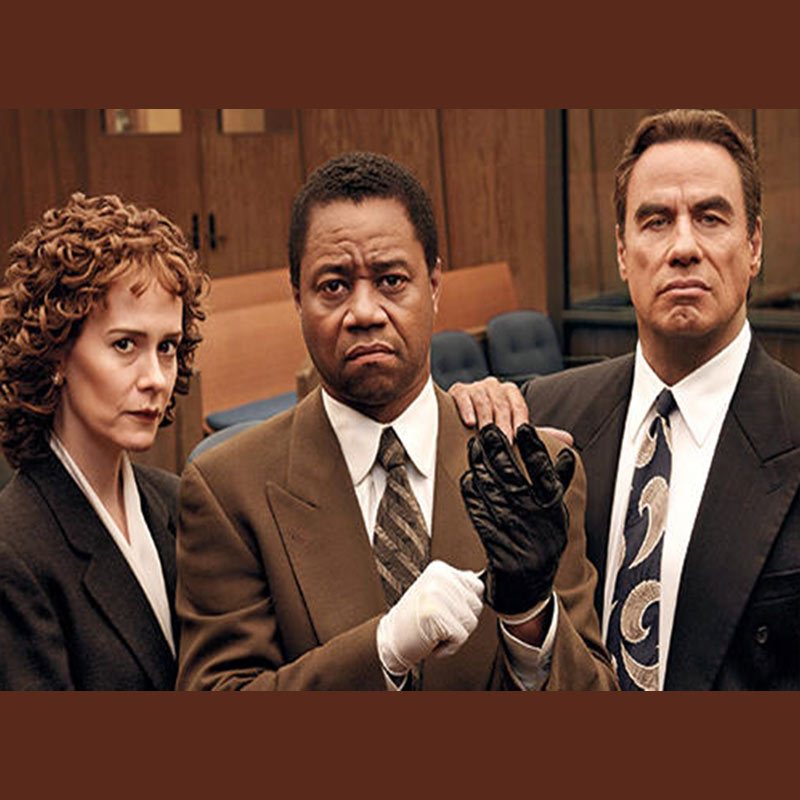
    From executive producers Ryan Murphy, Nina Jacobson, Brad Simpson, Scott Alexander, Larry Karaszewski and Brad Falchuk, the series stars John Travolta, Cuba Gooding Jr., Sarah Paulson, David Schwimmer, Courtney B. Vance, Sterling K. Brown, Nathan Lane, Kenneth Choi, Christian Clemenson and Bruce Greenwood.

    “We’re excited to evolve our relationship with FOX and to bring their lauded content to our members around the world,” said Global Television VP Sean Carey. “Given the popularity of the first season of American Crime Story, we are thrilled to offer this acclaimed drama series to our members.”

    The first season of this series goes inside the O.J. Simpson trial and explores the chaotic, behind-the-scenes dealings and maneuvering on both sides of the court, and how a combination of prosecution overconfidence, defense shrewdness and the LAPD’s history with the city’s African-American community gave a jury what it needed: reasonable doubt. The second season of American Crime Story focusing on Hurricane Katrina will debut on FX next year.

    “We’re extremely pleased to continue our relationship with Netflix on this groundbreaking deal,” added Twentieth Century Fox Television Distribution EVP Worldwide Pay TV and SVOD Gina Brogi. “We are very proud of the first installment of this franchise, The People v. O.J. Simpson: American Crime Story, which has received extraordinary critical acclaim and perfectly captured the cultural Zeitgeist.”

  • Netflix and 20th Century Fox Television sign SVOD licence agreement

    Netflix and 20th Century Fox Television sign SVOD licence agreement

    MUMBAI: Netflix and 20th Century Fox Television Distribution have announced a global SVOD licensing agreement be the exclusive global streaming home for FX’s hit, The People v. O.J. Simpson: American Crime Story. The first season of the franchise will be available globally on Netflix, excluding Canada, in 2017 with all seasons made available after their respective broadcast windows.

    The limited series is produced by Fox 21 Television Studios and FX Productions.

    From executive producers Ryan Murphy, Nina Jacobson, Brad Simpson, Scott Alexander, Larry Karaszewski and Brad Falchuk, the series stars John Travolta, Cuba Gooding Jr., Sarah Paulson, David Schwimmer, Courtney B. Vance, Sterling K. Brown, Nathan Lane, Kenneth Choi, Christian Clemenson and Bruce Greenwood.

    “We’re excited to evolve our relationship with FOX and to bring their lauded content to our members around the world,” said Global Television VP Sean Carey. “Given the popularity of the first season of American Crime Story, we are thrilled to offer this acclaimed drama series to our members.”

    The first season of this series goes inside the O.J. Simpson trial and explores the chaotic, behind-the-scenes dealings and maneuvering on both sides of the court, and how a combination of prosecution overconfidence, defense shrewdness and the LAPD’s history with the city’s African-American community gave a jury what it needed: reasonable doubt. The second season of American Crime Story focusing on Hurricane Katrina will debut on FX next year.

    “We’re extremely pleased to continue our relationship with Netflix on this groundbreaking deal,” added Twentieth Century Fox Television Distribution EVP Worldwide Pay TV and SVOD Gina Brogi. “We are very proud of the first installment of this franchise, The People v. O.J. Simpson: American Crime Story, which has received extraordinary critical acclaim and perfectly captured the cultural Zeitgeist.”

  • What’s driving the APAC broadcasting equipment market’s growth

    What’s driving the APAC broadcasting equipment market’s growth

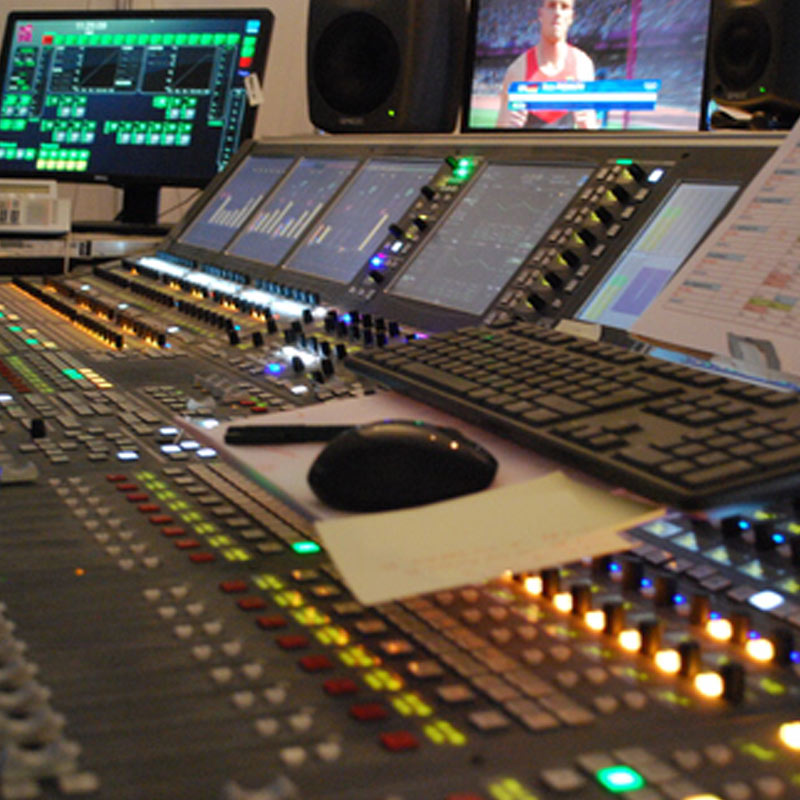
    MUMBAI: Here’s another research report, which echoes what everyone has been saying about the growth of OTT services in the Asia Pacific region. But it is from the perspective of the equipment that is used to produce, and transmit and distribute content.

    Persistence Market Research’s latest report predicts that the overall broadcast equipment market in Asia Pacific is expected to grow healthily, along with traditional TV broadcast equipment, even as the IP converged broadcasting equipment segment shows the maximum growth.

    Consumers, especially in APAC, prefer access to audio-visual content over multiple devices such as tablets, smartphones and desktops. OTT players such as YouTube, Netflix, and Amazon Prime offer multimedia content that can be accessed across various platforms. This is a major factor driving growth of the market, says the report.

    Another peculiarity of the region is that various countries have low electricity penetration that is creating significant challenges for broadcasters. Infrastructure challenges such as lack of electricity and mismatch cabling can negatively affect growth of APAC broadcasting equipment market.

    Most key players in the APAC broadcasting equipment market are focused on carrying out promotional activities via industrial exhibitions to advertise their products and form strategic alliances with other broadcasting service providers to expand the reach of their business.

    For the report, Persistence Market Research has classified the sector into traditional TV broadcast, traditional radio broadcast, IP converged broadcasting and asset management systems.  And the APAC region has been broken down as follows: China, Japan, India, ASEAN, Australia and New Zealand and the  rest of APAC.

    The report has concluded that the overall APAC broadcast equipment market was valued at $2.49 billion in APAC in 2015.  It predicts that it will grow at an 8.1 per cent CAGR to touch $5.10 billion by 2024.

    And this is primarily being driven by the convergence of high definition (HD)  technologies such as 4K with IP. As per the report, 4K services are expected to be available on IP networks over the next four to five years via satellite launching and cable platforms.

    Traditional TV broadcast equipment

    The traditional TV broadcast segment accounted for 45.1 per cent share in terms of value of the total APAC broadcasting equipment market in 2015. Consumption of HD content in the region is increasing at a rapid clip, supported by rising sales of HD ready TVs. Valued at US 1.123 billion in 2015, it is expected to grow at a CAGR of 8.1 per cent between 2016 and 20124.

    The traditional TV broadcast equipment market is further segmented into cameras, monitors, routers, switchers, cable, transmitter, receiver and other accessories. The routers sub-segment is projected to expand at the highest CAGR of 9.2 per cent during the forecast period.
    Content creators across the region are shifting towards 4K cameras in order to capture high definition video. This is being supported by sales of 4K UHD televisions that has gained momentum due to rising disposable income in the region.

    IP converged broadcast equipment

    The IP converged broadcasting is projected to be the fastest growing segment in the APAC broadcasting equipment market, exhibiting a CAGR of 10 per cent during the forecast period. IP converged broadcasting is the emerging segment in broadcasting equipment market, where the IP network is used for the content delivery by broadcasters. The convergence of IP with broadcasting has enabled broadcasters to deliver content in real time in a more secure and reliable manner. It was valued at $453.3 million in 2015 and is expected to hit $1.06 billion by 2024.

    The Persistence Market Research report has further sub-segmented this category into media over IP, media contribution over IP and IP in studios and campuses.

    The traditional radio broadcast segment was valued at US$ 544 Mn in 2015 and is anticipated to register a CAGR of 7.5% during the forecast period.

    The key players in the APAC broadcasting equipment market include Media Excel Inc.(US), ChyronHego Corporation (US), TVU Networks Corporation (US), XOR Media Inc.(US), FOR-A Company (Japan), ORACLE Corporation (US), Unlimi-Tech Software Inc. (US), Grass Valley (Canada) and General Dynamics Mediaware (Australia).

  • What’s driving the APAC broadcasting equipment market’s growth

    What’s driving the APAC broadcasting equipment market’s growth

    MUMBAI: Here’s another research report, which echoes what everyone has been saying about the growth of OTT services in the Asia Pacific region. But it is from the perspective of the equipment that is used to produce, and transmit and distribute content.

    Persistence Market Research’s latest report predicts that the overall broadcast equipment market in Asia Pacific is expected to grow healthily, along with traditional TV broadcast equipment, even as the IP converged broadcasting equipment segment shows the maximum growth.

    Consumers, especially in APAC, prefer access to audio-visual content over multiple devices such as tablets, smartphones and desktops. OTT players such as YouTube, Netflix, and Amazon Prime offer multimedia content that can be accessed across various platforms. This is a major factor driving growth of the market, says the report.

    Another peculiarity of the region is that various countries have low electricity penetration that is creating significant challenges for broadcasters. Infrastructure challenges such as lack of electricity and mismatch cabling can negatively affect growth of APAC broadcasting equipment market.

    Most key players in the APAC broadcasting equipment market are focused on carrying out promotional activities via industrial exhibitions to advertise their products and form strategic alliances with other broadcasting service providers to expand the reach of their business.

    For the report, Persistence Market Research has classified the sector into traditional TV broadcast, traditional radio broadcast, IP converged broadcasting and asset management systems.  And the APAC region has been broken down as follows: China, Japan, India, ASEAN, Australia and New Zealand and the  rest of APAC.

    The report has concluded that the overall APAC broadcast equipment market was valued at $2.49 billion in APAC in 2015.  It predicts that it will grow at an 8.1 per cent CAGR to touch $5.10 billion by 2024.

    And this is primarily being driven by the convergence of high definition (HD)  technologies such as 4K with IP. As per the report, 4K services are expected to be available on IP networks over the next four to five years via satellite launching and cable platforms.

    Traditional TV broadcast equipment

    The traditional TV broadcast segment accounted for 45.1 per cent share in terms of value of the total APAC broadcasting equipment market in 2015. Consumption of HD content in the region is increasing at a rapid clip, supported by rising sales of HD ready TVs. Valued at US 1.123 billion in 2015, it is expected to grow at a CAGR of 8.1 per cent between 2016 and 20124.

    The traditional TV broadcast equipment market is further segmented into cameras, monitors, routers, switchers, cable, transmitter, receiver and other accessories. The routers sub-segment is projected to expand at the highest CAGR of 9.2 per cent during the forecast period.
    Content creators across the region are shifting towards 4K cameras in order to capture high definition video. This is being supported by sales of 4K UHD televisions that has gained momentum due to rising disposable income in the region.

    IP converged broadcast equipment

    The IP converged broadcasting is projected to be the fastest growing segment in the APAC broadcasting equipment market, exhibiting a CAGR of 10 per cent during the forecast period. IP converged broadcasting is the emerging segment in broadcasting equipment market, where the IP network is used for the content delivery by broadcasters. The convergence of IP with broadcasting has enabled broadcasters to deliver content in real time in a more secure and reliable manner. It was valued at $453.3 million in 2015 and is expected to hit $1.06 billion by 2024.

    The Persistence Market Research report has further sub-segmented this category into media over IP, media contribution over IP and IP in studios and campuses.

    The traditional radio broadcast segment was valued at US$ 544 Mn in 2015 and is anticipated to register a CAGR of 7.5% during the forecast period.

    The key players in the APAC broadcasting equipment market include Media Excel Inc.(US), ChyronHego Corporation (US), TVU Networks Corporation (US), XOR Media Inc.(US), FOR-A Company (Japan), ORACLE Corporation (US), Unlimi-Tech Software Inc. (US), Grass Valley (Canada) and General Dynamics Mediaware (Australia).

  • Netflix unveils brand new icon; even as YouTube stutters

    Netflix unveils brand new icon; even as YouTube stutters

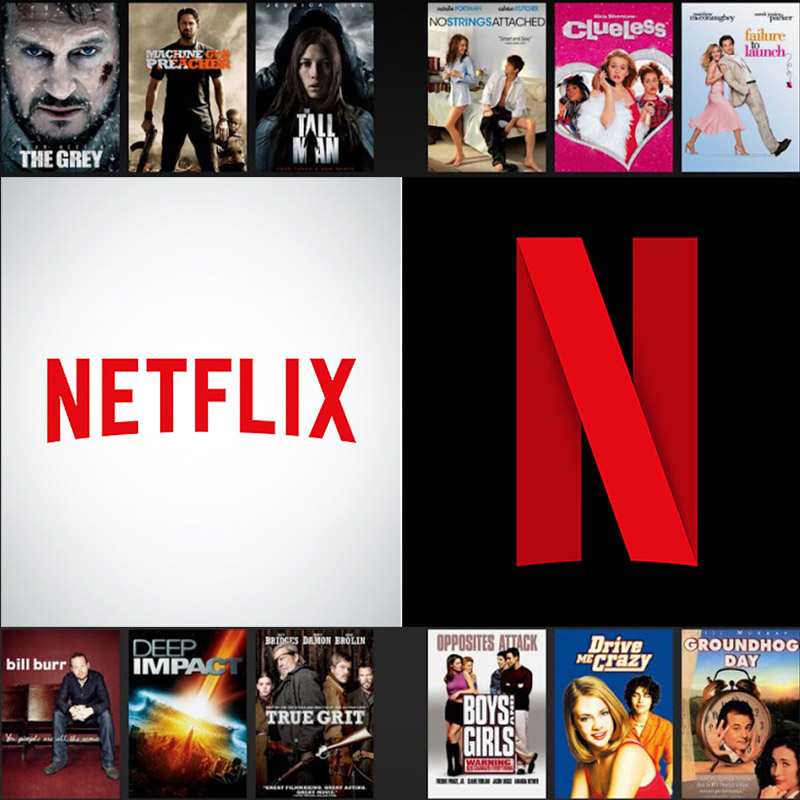
    MUMBAI: Netflix bingers and observers have all been used to the Netflix logo appearing every where, even in icons online. Now the global streaming content leader has decided to do away with the whole name of the service in the icon and replaced with a bright N only.

    It revealed this transition on its facebook and Twitter accounts. The icon features the N red letter flowing like a ribbon against a black background and stands more vertically instead of horizontally fitting inside an app icon box.

    The player made it clear on its Twitter account that it’s not a new logo. “The N is an icon and a new creative element to live with our logo. The current Netflix logo is here to stay :)”, reads the tweet.

    “We are introducing a new element into our branding with an N icon. The current Netflix logo will still remain, and the icon will start to be incorporated into our mobile apps along with other product integrations in the near future,” said a Netflix spokesperson.

    The new icon will be seen on most places, including smartphone apps, social media and other product integrations making it lot easier to identify the Netflix app.

    Back in 2014, Netflix had made the first change to its logo when it opted a flatter, more minimal design, switching from its DVD-era logo with a red background, and old-school typeface.

    Even as Netflix introduced its new icon, online video guzzlers in certain countries and ares got a bit of a heart burn when leading streaming media site YouTube went down for a few minutes around 5 pm. Visitors were surprised to see a http 502 error, which mean the site was not available. The outage led to howls and funnies being posted on social media. Users wailed that they thought the end of the world was at hand, that they were frightened. A major howler was one which stated ” that a bunch of highly trained has been dispatched to deal with this situation.”

    Nonetheless, close to a billion YouTubers the world over heaved a sigh of relief when it came back on again

  • Netflix unveils brand new icon; even as YouTube stutters

    Netflix unveils brand new icon; even as YouTube stutters

    MUMBAI: Netflix bingers and observers have all been used to the Netflix logo appearing every where, even in icons online. Now the global streaming content leader has decided to do away with the whole name of the service in the icon and replaced with a bright N only.

    It revealed this transition on its facebook and Twitter accounts. The icon features the N red letter flowing like a ribbon against a black background and stands more vertically instead of horizontally fitting inside an app icon box.

    The player made it clear on its Twitter account that it’s not a new logo. “The N is an icon and a new creative element to live with our logo. The current Netflix logo is here to stay :)”, reads the tweet.

    “We are introducing a new element into our branding with an N icon. The current Netflix logo will still remain, and the icon will start to be incorporated into our mobile apps along with other product integrations in the near future,” said a Netflix spokesperson.

    The new icon will be seen on most places, including smartphone apps, social media and other product integrations making it lot easier to identify the Netflix app.

    Back in 2014, Netflix had made the first change to its logo when it opted a flatter, more minimal design, switching from its DVD-era logo with a red background, and old-school typeface.

    Even as Netflix introduced its new icon, online video guzzlers in certain countries and ares got a bit of a heart burn when leading streaming media site YouTube went down for a few minutes around 5 pm. Visitors were surprised to see a http 502 error, which mean the site was not available. The outage led to howls and funnies being posted on social media. Users wailed that they thought the end of the world was at hand, that they were frightened. A major howler was one which stated ” that a bunch of highly trained has been dispatched to deal with this situation.”

    Nonetheless, close to a billion YouTubers the world over heaved a sigh of relief when it came back on again