Tag: Netflix

  • WPP snaps up InfoSum, promising a data-driven bonanza for brands

    WPP snaps up InfoSum, promising a data-driven bonanza for brands

    MUMBAI:  WPP has bagged InfoSum, the data collaboration cutting edge solutions provider. This acquisition, a proper “data-licious” deal, promises to supercharge WPP’s AI-driven marketing arsenal, giving clients access to a treasure trove of data signals.

    “At WPP, we have been building the technology and data infrastructure that will give our clients a unique competitive advantage in the AI era. Bringing InfoSum into WPP is a major step forward for our data capabilities and the results we can deliver for our clients,” said WPP CEO Mark Read. “It allows clients to stay in complete control of their first-party data, while also giving them access to vastly greater quantities of high-quality, privacy-compliant data and pioneering technology that is not available anywhere else in the market today.”

    InfoSum’s patented cross-cloud tech allows brands to mingle their data with billions of signals from big hitters Channel 4, DirecTV, ITV, Netflix, News Corp, and Samsung Ads, as well as major retailers around the world and five billion identifiers through identity and data partners like Experian, TransUnion, Circana, Dynata, and NCSolutions. 
     
    “InfoSum’s mission has always been to reimagine how data powers marketing in a secure, privacy-first, and, most importantly, impactful way for advertisers and consumers. WPP and GroupM are the perfect partners to help us accelerate our impact on a truly global scale. We couldn’t be more excited to join forces with the team at GroupM as privacy and security become non-negotiables, and AI allows us to redefine what’s possible for advertisers and our network of media and data partners,” quipped InfoSum  chief executive Lauren Wetzel, who’ll now be pulling double duty as GroupM’s chief solutions officer.

    GroupM chief executive officer Brian Lesser was equally enthusiastic, stating, ” Directly integrating InfoSum’s global data network and technology infrastructure will allow our clients to create even more value from their first-party data and enable us to train client AI models against the most data, from the most places, at unprecedented scale and speed. Our approach recognizes the importance of identity data to today’s marketing strategies while allowing us to take advantage of the limitless opportunities for growth we can create by moving beyond them. As more and more clients leverage our AI-first solutions, every client model, every audience, and every campaign will benefit from network effects that will exponentially increase their intelligence and competitive advantage.” 

    The deal allows WPP’s clients to train custom AI models in secure environments, delivering smarter audiences, optimised campaigns, and better business outcomes. Basically, it allows the ability to get your hands on all the juicy information, without anyone else seeing your private bits.

    InfoSum’s network boasts hundreds of billions of data signals, and five billion identifiers, allowing for a level of insight that’s previously been the stuff of marketing fantasies. No more relying on those crumbling cookie-based systems, which are about as useful as a screen door on a submarine.

    This acquisition represents a bold leap into the future of predictive performance and AI-driven marketing intelligence. WPP is betting big on AI, and with InfoSum in its pocket, it’s ready to unleash a marketing storm that’ll leave competitors scrambling for cover.

  • Netflix extends multilingual  content viewing to TVs

    Netflix extends multilingual content viewing to TVs

    MUMBAI: Netflix has at long last unleashed its full linguistic arsenal on television screens worldwide, allowing subscribers to frolic through its catalogue in whichever of its 30-plus languages tickles their fancy. The streaming behemoth, which had previously restricted this multilingual delight to mobile devices and web browsers, has finally capitulated from 2 April to the thousands of monthly pleas from linguistically frustrated viewers.

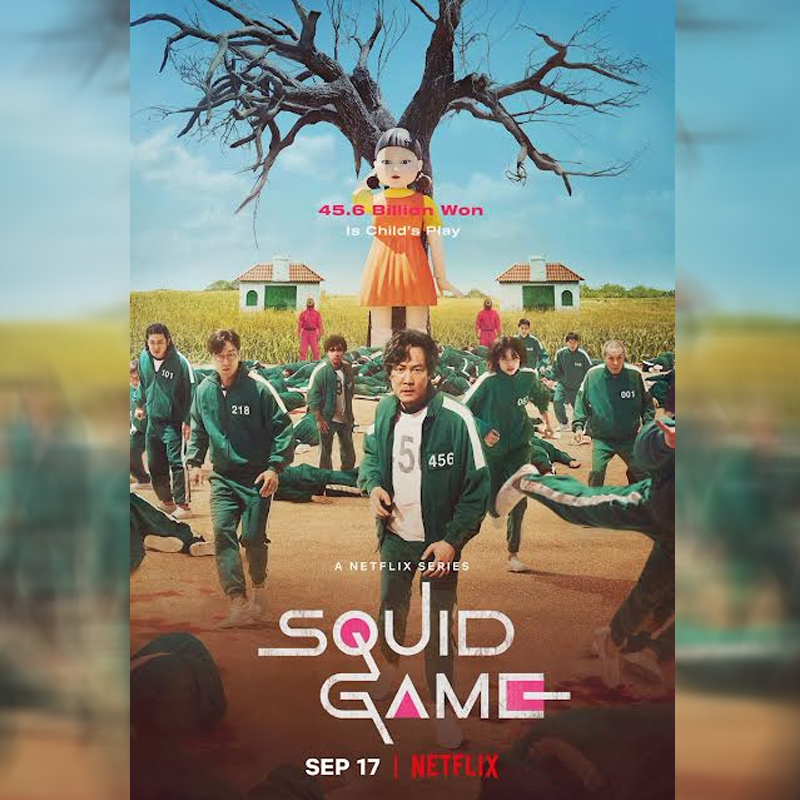
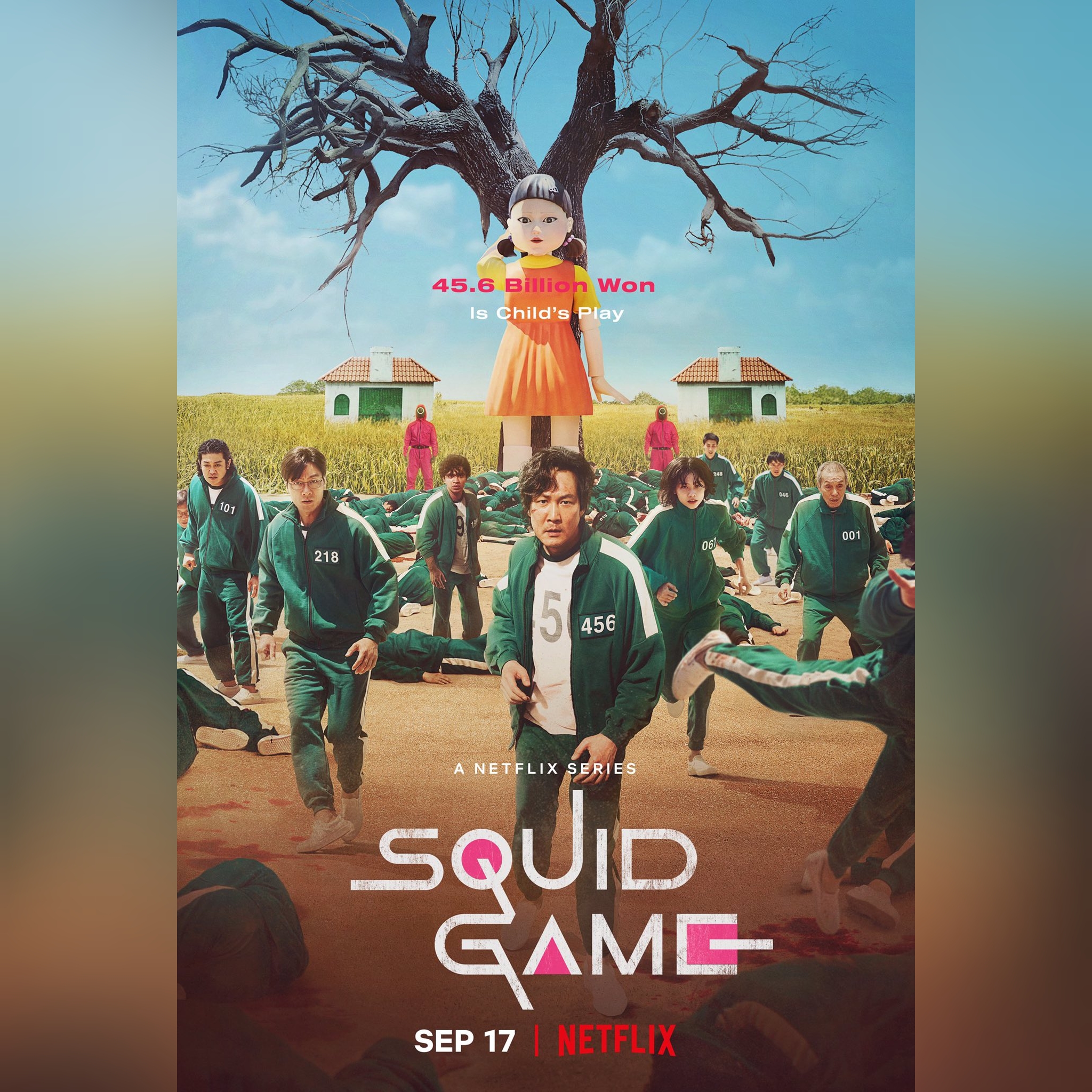
    The timing could hardly be more apt. Nearly a third of all viewing on the platform now involves non-English content—a figure that explains why Korean survival drama Squid Game had British grandmothers attempting to pronounce Ojingeo Geim and why Spanish heist caper Berlin has viewers worldwide practicing their ¡Vamos! with varying degrees of success.

    “This much-anticipated feature carries over the experience members already enjoy on mobile devices and web browsers,” Netflix announced. 

    The streaming giant has also cottoned on to another delicious trend: subscribers have been using the service as a language-learning tool. With customisable subtitle options and a “Browse by Language” feature, Netflix has become an accidental competitor to Duolingo—albeit one with considerably more drama, bloodshed and royal intrigue.

    For the truly adventurous linguistic daredevils—those peculiar souls who might fancy watching Mexican telenovelas with Korean dubbing and English subtitles—Netflix has now made such exotic combinations possible on the biggest screen in the house.

    Global sensations like France’s Lupin, Mexico’s Who Killed Sara?, Norway’s Troll and Germany’s Oscar-winning All Quiet on the Western Front have demonstrated that language barriers in entertainment are crumbling fast. What’s driving this babel of content consumption? Perhaps viewers are finally discovering what continental Europeans have known for decades: that Hollywood doesn’t have a monopoly on compelling storytelling.

    As streaming wars intensify and competitors scramble for global market share, Netflix’s linguistic flexibility may prove its secret weapon. After all, in the battle for worldwide domination, speaking the local lingo is more than half the battle—it’s the whole war.

  • From screen to streaming, a new script for Indian entertainment : Ficci Frames

    From screen to streaming, a new script for Indian entertainment : Ficci Frames

    MUMBAI: Lights, camera, transformation! The entertainment industry is in the midst of a plot twist as digital platforms rewrite the rules of audience engagement. At FICCI Frames 2025, industry stalwarts dissected the evolving landscape, debating whether theatres and streaming services could co-exist in a mutually profitable sequel or if the latter would be the ultimate showstopper.

    Filmmaker Hansal Mehta and Netflix India’s VP of content, Monika Shergill, took centre stage in a panel discussion moderated by Saurabh Varma of Content Engineers. The discussion zeroed in on how streaming platforms have not just altered viewing habits but also reshaped Indian storytelling.

    With India’s digital entertainment market projected to hit $13 billion by 2027, streaming platforms are no longer just an alternative, they’re an essential part of the ecosystem. Shergill highlighted how Indian content is increasingly gaining global traction, with 60 per cent of Netflix India’s viewership coming from international audiences. “The power of streaming lies in its ability to amplify diverse narratives,” she said, emphasising how regional content is breaking barriers.

    But does this mean curtains for theatres? Not quite, argued Mehta. “Cinema has a soul that streaming can’t replicate. But the audience is demanding smarter, more immersive experiences,” he noted. With over 10,000 screens in India, he said, exhibitors are innovating enhanced sound, premium formats, and event-based screenings are drawing viewers back.

    The discussion underscored that storytelling now hinges on data-driven insights. “Streaming has democratised content creation. Today, analytics shape scripts as much as creative instincts do,” said Shergill. Mehta echoed the sentiment but warned against formulaic storytelling driven purely by metrics.

    While Hindi cinema’s box office has seen a 15 per cent recovery post-pandemic, OTT subscriptions in India have skyrocketed, with 450 million users now consuming digital content. “It’s a hybrid future,” Mehta admitted. “Theatres will continue to be the temple of cinema, but streaming is the pulpit from where stories reach the world.”

    With international audiences embracing Indian content like never before, streaming platforms have become a powerful gateway for cross-cultural storytelling. From rooted Indian narratives like The Railway Men to high-octane thrillers, OTT platforms are catering to an increasingly global fanbase. “It’s no longer just about Hindi cinema; it’s about India’s rich tapestry of stories,” Shergill pointed out.

    Meanwhile, theatrical releases are also seeing a shift towards large-scale, event-driven experiences. Films that promise visual spectacle historical epics, superhero sagas, and big-ticket entertainers continue to bring audiences to cinemas. “The future of theatres lies in making movie-watching an event, not just a routine,” Mehta observed.

    As India’s entertainment industry rides this digital wave, one thing is clear content consumption is no longer bound by screens or schedules. Hybrid distribution models are emerging, where films are simultaneously released in cinemas and on streaming platforms. Innovative experiments like pay-per-view premieres and interactive storytelling formats are also gaining traction.

    “The lines between mediums are blurring, and that’s not a bad thing,” Varma concluded. “We’re in the middle of a creative renaissance where technology and storytelling go hand in hand.”

    Whether it’s a theatrical blockbuster or a binge-worthy series, the show must go on and in this digital era, the audience is always in the director’s chair.

  • Airtel beams entertainment into 2000 cities with mega IPTV splash

    Airtel beams entertainment into 2000 cities with mega IPTV splash

    MUMBAI:  Bharti Airtel has fired a broadside into India’s home entertainment market, launching IPTV services that promise to turn living rooms into multimedia playgrounds across 2,000 cities.

    The telecom giant’s latest offering bundles 29 streaming apps — including Netflix, Apple TV+, and Amazon Prime — with 350 television channels, all riding on Airtel’s high-speed Wi-Fi networks.

    Chief of connected homes Siddharth Sharma  declared the launch as “a new era in home entertainment where cutting-edge technology seamlessly blends traditional linear TV with streaming”.

    The telco has drawn up a handful of packages for the IPTV service based on the broadband speed and number of apps. The following are the plans:  
    * Rs 699 (40 Mbps, 26 apps)
    * Rs. 899 100 Mbps 26 Streaming Apps 350 TV Channels
    * Rs. 1099 200 Mbps 28 Streaming Apps including Apple TV+, Amazon
    Prime 350 TV Channels 
    * Rs. 1599 300 Mbps 29 Streaming Apps including Netflix, Apple TV+,
             Amazon Prime 350 TV Channels* Rs 3,999 (1 Gbps, 29 apps)
    * Introductory sweetener: 30 days free service

    Customers can activate services through Airtel’s website or stores. Existing Wi-Fi subscribers can upgrade via the Airtel Thanks App.

  • Infinix India challenges industry hype with its Questionthenoise campaign

    Infinix India challenges industry hype with its Questionthenoise campaign

    MUMBAI: Infinix India’s new campaign, Questionthenoise, championing substance over spectacle. With a satirical twist, the brand film takes a playful dig at excessive marketing tactics, spotlighting product innovation as the true measure of value.

    Piyush Khati, known for his role in Netflix’s class, the ad creatively depicts a scenario where Infinix’s marketing team is left scrambling with a minimal budget. The reason? The company poured its resources into refining the Note 50x 5G+ its latest smartphone designed to prioritise performance and user experience over glitzy promotion.

    The campaign underscores Infinix’s commitment to delivering real value through cutting-edge technology. The Note 50x 5G+ packs a punch with Android 15-based Xos 15, offering enhanced personalisation, fluid animations, and smarter AI capabilities. Powered by the Mediatek Dimensity 7300 Ultimate Soc, it promises lightning-fast performance. Additional features include ultra-fast charging, military-grade certification, and a sleek, stylish design.

    “With Questionthenoise, we want consumers to focus on what truly matters—the product,” said Infinix India CEO Anish Kapoor. “We believe that genuine innovation speaks for itself. The Note 50x 5G+ is designed to offer meaningful features at an accessible price, without the need for flashy promotions.” 

  • Mattress firm Wakefit throws down the gauntlet to Netflix in battle for India’s shut-eye

    Mattress firm Wakefit throws down the gauntlet to Netflix in battle for India’s shut-eye

    MUMBAI:  In a ballsy marketing campaign that’s got the attention of the advertising world, Indian mattress maker Wakefit has taken a full-page broadside at streaming behemoth Netflix, cheekily positioning the US giant as its direct competitor in the battle for Indians’ bedtime hours.

    The eye-catching advert, splashed across mainline newspapers nationwide, references Netflix co-founder Reed Hastings’ infamous 2017 quip that “sleep” was their biggest competitor—a joke that’s turned into a bloody nightmare for millions of Indians, according to Wakefit.

    “In India, the joke came true,” proclaims the advert with undisguised glee. “According to Wakefit’s Great Indian Sleep Scorecard 2025, 51 per cent Indians blame binge-watching for late nights, and one in three of us have insomnia. Happy now, Mr Co-founder?”

    wakefitThe cheeky campaign, timed to coincide with World Sleep Day which was on 14 March, sees Wakefit positioning itself as the plucky David to streaming’s Goliath, declaring “sleep a.k.a. Wakefit is competing back” with what the company has dubbed “sleep-tech vs screen-tech” and “now sleeping vs now streaming.”

    Wakefit co-founder Chaitanya Ramalingegowda didn’t stop at print. The savvy entrepreneur took to social media with a video of himself reading the advert, further amplifying the message that’s struck a chord with knackered Indians nationwide.

    “May ‘du-dumm’ become the sound of India crashing on a Wakefit mattress,” the advert proclaims in a cheeky reference to Netflix’s iconic sound logo. “The road is long. It may take several seasons to beat the competition. But this show is never getting cancelled.”

    Not content with mere verbal sparring, Wakefit is backing its fighting talk with action, offering punters up to 55 per cent off all mattresses until 16 March—a commercial sweetener that’s got cash-conscious consumers sitting up in their beds.

    The campaign dovetails perfectly with this year’s World Sleep Day theme: “Make Sleep Health a Priority.” The annual awareness day, organised by the World Sleep Society, aims to elevate conversations around sleep health globally at a time when digital distractions are at an all-time high.

    Industry analysts are calling Wakefit’s campaign a masterstroke in challenger brand marketing. By positioning streaming giants as the villain in India’s sleep crisis narrative, the mattress maker has effectively elevated itself from flogging bedroom furniture to championing a public health cause.

    With Netflix raking in billions globally while Indians increasingly struggle to catch their forty winks, Wakefit’s provocative question—”Happy now, Mr Co-founder?”—might just be keeping a few streaming executives up at night for a change.

  • JioHotstar bowls over digital world with Champions Trophy final streaming record

    JioHotstar bowls over digital world with Champions Trophy final streaming record

    MUMBAI: JioHotstar has smashed the cricket ball clean out of the stadium with eye-popping viewership figures during India’s Champions Trophy final victory against New Zealand, giving Netflix’s boxing blockbuster a run for its money.

    The streaming giant registered a colossal 61 million concurrent viewers at its peak as cricket-obsessed fans piled onto the platform to witness India’s crowning moment. Total reach rocketed to a mind-boggling 182 million, with an astronomical 900.2 million views altogether.

    These staggering statistics narrowly trail Netflix’s boxing extravaganza featuring Jake Paul and Mike Tyson, which drew 65 million peak concurrent viewers globally and 38 million in the US. However, cricket enthusiasts certainly weren’t on the back foot with their passionate support.

    JioHotstar’s record-breaking performance demolishes the previous high of 59 million concurrent viewers set during the 2023 Cricket World Cup final by predecessor Hotstar, showing just how far the digital heavyweight has come.

    “The subcontinent was absolutely stumped by Team India’s magnificent display,” remarked an OTT technology expert. “JioHotstar’s platform faced a tsunami of viewers but never dropped a catch.”

    The India-Pakistan group stage clash proved particularly lucrative, notching up a whopping 602 million streaming views on JioHotstar. Meanwhile, on traditional television, Star Sports registered 206 million viewers tuning in – amassing over 26.1 billion total viewing minutes, an 11 percent jump from their 2023 World Cup encounter.

    The #CTonJioHotstar campaign delivered a perfect yorker, connecting millions of fervent supporters to every boundary and wicket as India’s cricketing heroes lifted the trophy.

    This viewership milestone cements JioHotstar’s position as the undisputed champion of India’s streaming landscape – the team there is not merely participating in digital entertainment’s premier league, it is writing the record books.

  • Come 1 April, WWE will bodyslam its way onto Netflix in India

    Come 1 April, WWE will bodyslam its way onto Netflix in India

    MUMBAI: In a spectacular manoeuvre that has the wrestling world buzzing, WWE has officially announced its debut on Netflix India, following a colossal $5 billion deal that will see the streaming giant become the new home of spandex-clad drama and high-flying action.

    Starting 1 April 2025, Indian fans can swap their remote-wrestling for front-row streaming as WWE’s chief content officer, Paul “Triple H” Levesque, delivered the news via YouTube with all the dramatic flair of a perfectly executed entrance theme.

    “The Netflix era is upon us,” declared Triple H, confirming that Indian viewers will soon have uninterrupted access to RAW, SmackDown, NXT, and premium live events including SummerSlam, Money in the Bank, and the crown jewel – WrestleMania.

    The streaming platform isn’t just pinning down the basics. Netflix will unleash a treasure trove of archival content from the WWE vault, giving fans the opportunity to bodyslam their way through decades of wrestling nostalgia.

    “Created for fans and presented live and in living colour,” announced Netflix, “we’re stepping into the ring with WWE, showcasing serialised storytelling and high-adrenaline action three times a week, 52 weeks a year.”

    After years of WWE content being broadcast through Sony Sports Network – whose five-year deal taps out in March – this move represents a championship belt change in how Indian audiences consume their favourite squared-circle entertainment.

    In a move that would make any good tag-team partner proud, Netflix is also introducing Hindi commentary, ensuring that even the verbal smackdowns translate perfectly to the local audience.

    “Through this partnership, WWE fans in India will have seamless and immersive access to all WWE programming,” WWE declared in its press release, effectively drop-kicking barriers to viewing.

    With India boasting one of WWE’s most devoted international fanbases, this Netflix partnership promises to clothesline the competition and reach even more enthusiasts with its unique cocktail of athleticism, drama, and larger-than-life storytelling.

    The question on everyone’s lips now isn’t “Can you smell what The Rock is cooking?” but rather, “Are your streaming devices ready?” 

    As WWE prepares to power-bomb its way onto Netflix India, fans can expect nothing less than a championship-calibre viewing experience.

  • Jio Studios dominates 2025 with Sky Force success and OTT power moves

    Jio Studios dominates 2025 with Sky Force success and OTT power moves

    MUMBAI:  If 2024 was a cinematic knockout, then 2025 is already shaping up to be a content juggernaut for Jio Studios. After delivering a string of smash hits last year-including Article 370, Laapataa Ladies, and Shaitaan, plus record-breaking blockbusters like Stree 2 and Singham Again-Jio Studios has wasted no time in kicking off 2025 with a bang. The momentum continued with the Sky Force release, which soared at the box office and received glowing reviews.

    Jio Studios isn’t just ruling the big screen—it’s also dominating the OTT space. The studio has already dropped eight major releases across digital platforms, ensuring there’s something for everyone.

    Among the early 2025 highlights:

    . Mrs. – A bold and conversation-sparking film on Zee5

     .  Dhoom Dhaam – The ultimate binge-watch on Netflix

    .   The Storyteller – A masterful nod to Satyajit Ray’s cinematic legacy

     .  Kaushaljis vs Kaushal – A heartfelt exploration of second chances in love on JioHotstar

    These titles aren’t just topping streaming charts—they’re also leading Ormax reports, proving that Jio Studios isn’t just creating content; it’s setting the benchmark.

    As Jio Studios continues to push creative boundaries, audiences can expect a packed year of high-quality, genre-defying content. With eight plus titles already launched and more in the pipeline, the studio is doubling down on its commitment to delivering fresh, diverse, and engaging stories to audiences everywhere.
     

  • Netflix boasts eye-watering viewing figures

    Netflix boasts eye-watering viewing figures

    MUMBAI:  Netflix, the streaming behemoth that enjoys reminding us all that it was first to the party, has revealed its subscribers collectively frittered away a staggering 94 billion hours watching content between July and December 2024. One can only imagine how many unwritten novels, unlearned languages, and unvisited gymnasiums those hours represent.most watched films

    The company, displaying its customary selective transparency, proudly announced that the comedy caper Carry On topped its film charts with 137 million views. Curiously, Netflix neglected to convert this figure into actual viewing hours—perhaps calculating the true extent of global procrastination proved too depressing even for its data analysts.

    Union (131 million views) and Rebel Ridge (129 million) followed closely behind, with Beverly Hills Cop (97 million) and Our Little Secret (81 million) rounding out the top five films that kept humanity from more productive pursuits.

    On the series front, to absolutely nobody’s surprise, Squid Game continued its cultural stranglehold with its second season amassing 87 million views. The Perfect Couple (which, ironically, describes Netflix’s relationship with its audience’s leisure time) secured 75 million views, while Monsters: The Lyle and Erik Menendez Story drew in 70 million viewers with its cheery subject matter.

    most watched shows

    Meanwhile, Emily in Paris continues to defy both critics and cultural cringe in its fourth season, with 58 million views suggesting that viewers simply cannot get enough of watching an implausibly employed American navigate the treacherous waters of croissants and couture. Nobody Wants This completed the top five with 57 million views—a title that clearly doesn’t apply to the show itself.

    The streaming giant’s announcement serves as both a flex of its market dominance and a gentle reminder that we’re all spending far too much time staring at screens. Nonetheless, with numbers like these, Netflix executives are likely too busy counting their subscribers to worry about counting sheep at night.

    (While like millions of others globally, we too are fans of Netflix and probably contributed a few thousand hours to Netflix’s 94 billion hours, we decided to write this piece in a fun,  almost irreverent manner, just like the content Netflix offers. Cheers!)