Tag: Netflix

  • Netflix releases the trailer for Soni

    Netflix releases the trailer for Soni

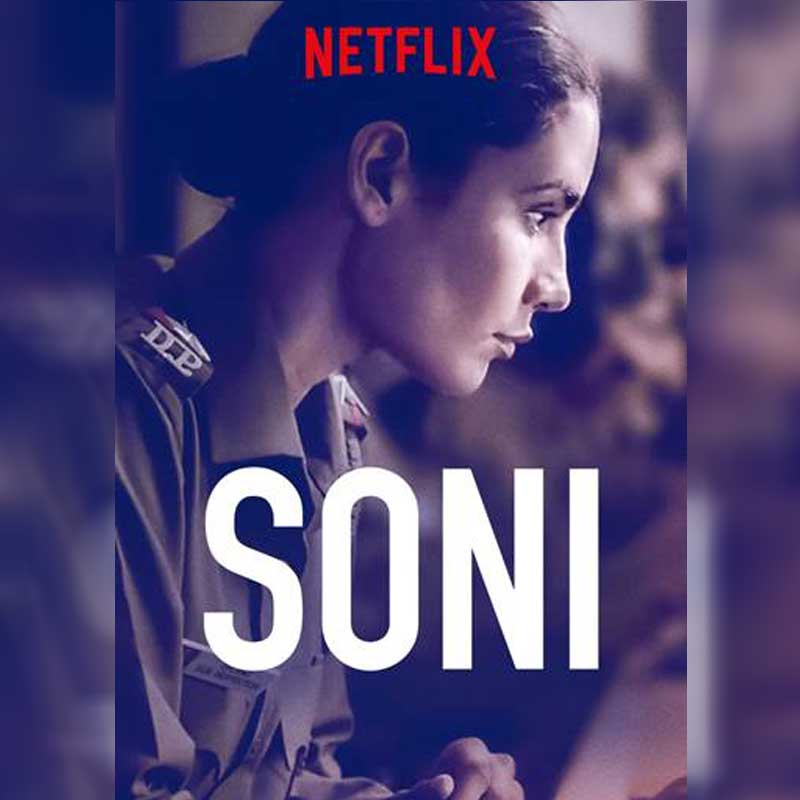
    MUMBAI: Netflix today launched the trailer for the critically acclaimed film Soni, will launch on the service in 190 countries on January 18, 2019. The film has been a festival favourite and featured across the programs at the 75th Venice Film Festival, the Mumbai Film Festival, BFI London Film Festival among others last year.

    Soni is directed by Ivan Ayr and features the talented star cast of Geetika Vidya Ohlyan (Soni) and Saloni Batra (Kalpana) – who with their strong and fierce performances are sure to win the hearts of audiences across the world!

    A thought provoking film chronicling around the injustices and struggles that the women face everyday, Soni explores how the society is confined to a narrow set of patriarchal ideologies and reveals the gender biases in the contemporary society.


  • Netflix raises US prices for the first time since 2017

    Netflix raises US prices for the first time since 2017

    MUMBAI: Is Netflix feeling the heat of well-funded competitors? The king of OTT platforms is increasing its US prices for the first time since 2017. The hike in subscription rate will be applied also to subscribers in Latin American and the Caribbean, where Netflix bills in US dollars. The move comes at a time when Disney is gearing up for its streaming service launch and NBC has just entered the market.

    The move is aimed at easing a large, debt-fueled investment in new films, series and documentaries this year. According to media reports, company executives are looking for more money to pay escalating content bills.

    The most popular subscription plan will see largest hike costing $13 a month, up from $11. Despite the hike, it costs lesser than HBO, whose streaming service charges $15 per month. The cheapest subscription will run $8.99, up from $7.99. The change in subscription will be effective for new customers immediately and for existing customers it will be rolled out during the next three months.

    “We change pricing from time to time as we continue investing in great entertainment and improving the overall Netflix experience,” the company said in a statement.

    Wall Street put its faith on the move as the company’s stock surged $21.70 to finish at $354.64 on Tuesday, its highest closing price in nearly three months. It shows that investors believe the price increase won’t significantly slowdown Netflix’s subscriber growth.

  • CRITICALLY ACCLAIMED FILM SONI TO RELEASE ON NETFLIX  ON JANUARY 18, 2019

    CRITICALLY ACCLAIMED FILM SONI TO RELEASE ON NETFLIX ON JANUARY 18, 2019

    MUMBAI: Ivan Ayr’s directorial debut, Soni, a crime drama chronicling the life of two policewomen is set to get its digital release on Netflix. After being screened at prestigious festivals such as the 75th Venice Film Festival, the Mumbai Film Festival and the BFI London Film Festival, the title will be available exclusively on Netflix, to 130 million members across 190 countries, on January 18, 2019.

    The story revolves around Soni, a young policewoman, and her superintendent, Kalpana, who have collectively taken on a growing crisis of violent crimes against women in the capital city of Delhi. Their alliance suffers a setback when Soni is transferred out for alleged misconduct on duty.

    In this drama, Ayr explores, observes and unveils the daily grind, dynamics and hierarchies that lie within society. The strong characters and compelling narrative brought to life by Geetika Vidya Ohlyan (Soni) and Saloni Batra (Kalpana) have earned the film love and praise from both critics and movie enthusiasts. Soni has received stellar reviews from around the world with The Hollywood Reporter calling it “the ideal vehicle to explore a wide variety of issues related to gender battles in contemporary Indian society”, and Variety tagging it as an “indie Indian gem”.

    Ivan Ayr said, “I am excited that my film Soni will premiere on Netflix, which is accessible to millions of people around the world. We live in a society that has accepted to adjust and bear patriarchal norms and gender biases, and I believe that the release of the film on a global service like Netflix will help the voices of my characters reach a large and diverse audience base eloquently.

  • 2019 OTT TV trends in Asia and India

    2019 OTT TV trends in Asia and India

    MUMBAI: 2018 wrapped up as a fascinating year for OTT TV in Asia, with global content owners, Pay TV operators, and OTT players all ramping up their direct-to-consumer OTT offerings. With falling smartphone prices, OTT content market saw a boom in India as players across the spectrum set up shop. Original content was a game changer over the last few years, with OTT players outdoing the Bollywood big studios in their budgets. Netflix is investing Rs 500-600 crore per year into original content in India whereas Amazon Prime has announced that it would be investing around Rs 2000 crore in the same. In contrast, the budget of a Bollywood blockbuster like Padmaavat (2018) was merely Rs 200 crore.

    As content owners and pay TV operators launch — or even revamp — their direct-to-consumer OTT TV services, it’s an ongoing race to establish a business model that includes the right content, pricing, and user experience. Here’s my take on the top six trends that will shape OTT TV in India this year.

    1. Focus on the viewing customer

    While previous years have been dominated by conversations about tech or monetisation, 2019 will be dominated by a focus on the customer and enabling their access to great content. Disney’s Kevin Mayer puts this succinctly in a recent interview: “Having a better relationship with our consumer puts us in control of our own destiny.”

    2. Enabling access on every device

    Consumption trends are plotting a chart upward and to the right. Not all of this consumption is sensitive to copyright ownership, but it’s clear that video viewers have multiple devices and an internet connection, which facilitates increasing consumption. However, there’s a great deal of friction preventing these viewers from watching the content they want or even being offered the option of paying for the content they watch.

    3. Consumers want flexible payment options

    According to our OTT research, consumers have varying views across the region about whether they’re willing and happy to pay with their time (through watching advertising) or their money (subscriptions).  In 2019, we’ll see platforms using their understanding of their consumers’ preferred content to deliver premium experiences. Business model choices also need to be flexible for the consumer. In India and Asia, OTT providers could take a cue from the FMCG marketing playbook by offering sachet pricing. OTT TV providers can also offer small, low-priced subscription plans that are valid for a weekend or a week. The aim here is to enable users to sample the content and eventually convert the consumer into a more long-term subscriber.

    4. Does OTT advertising remove friction?

    Advertising paying for TV content is a contract the viewer is already familiar with. The benefit for the viewer is that they ‘pay’ with their attention. And they should receive more relevant, well-targeted ads than they would on a broadcast channel.

    Because of its highly targeted nature, ease of measurement, and tendency to have higher ad completion rates, OTT advertising is opening up new revenue streams for OTT TV providers — while also offering a highly engaging environment for brands. For advertisers, who tend to go where their audiences are, OTT TV is a beautiful mix of engaging content and addressability. It’s encouraging that agencies are seeing ad rates hit a plateau in the traditional, linear channels, while CMOs are excited by the high viewability of OTT TV services.  

    5. The content viewing experience guides OTT strategy

    According to Brightcove's OTT TV research with YouGov, trials and promotions tend to drive users to sign up for OTT services, but it’s the content itself that drives retention. We see many OTT providers not just investing in content, but also making their content work harder with content discovery and recommendation features. The research also sheds light on the importance of accessing content on mobile, which forces OTT providers to consider how their mobile OTT app could or should enhance the viewing experience. Features like offline download, which allows users to watch content when they’re not on wifi or a mobile network, and video continuity, which allows users to continue where they left off or ‘travel’ in between devices, remain desirable. All of these features are designed to increase stickiness to the service, as they allow for increased view times and encourage binge-watching habits.

    6. Pay TV operators experiment with OTT solutions

    Asia Pacific pay TV annual growth is slowly grinding to a two percent compound annual growth rate — from 267 million subscribers in 2018 to 288 million subscribers by 2023. Such low growth means that pay TV operators need to adapt to changing viewer habits by exploring the extension of their pay TV service to OTT TV services. Skinny bundles are an emerging product offering in Asia, with HOOQ launching skinny bundles in Indonesia that are targeted to tap into the 90 percent of Indonesia’s population who do not already access pay TV services. These kinds of content offerings acknowledge the difference between the buffet of the pay TV mega bundle and the a la carte personal choice of OTT TV. Understanding the context-driven difference in consumer preferences will allow pay TV operators to thrive in the OTT space.  

    Finding success in OTT TV services ultimately comes down to the viewing customer. For any global regional broadcaster or direct-to-consumer OTT service to thrive in this highly competitive environment, they must offer the desired elements to consumers.

    (The author is head of media sales, Asia, Brightcove. The views expressed here are his own and Indiantelevision.com may not subscribe to them)  

  • Bob Bakish on turning around Viacom, tie up with CBS, company’s culture and future

    Bob Bakish on turning around Viacom, tie up with CBS, company’s culture and future

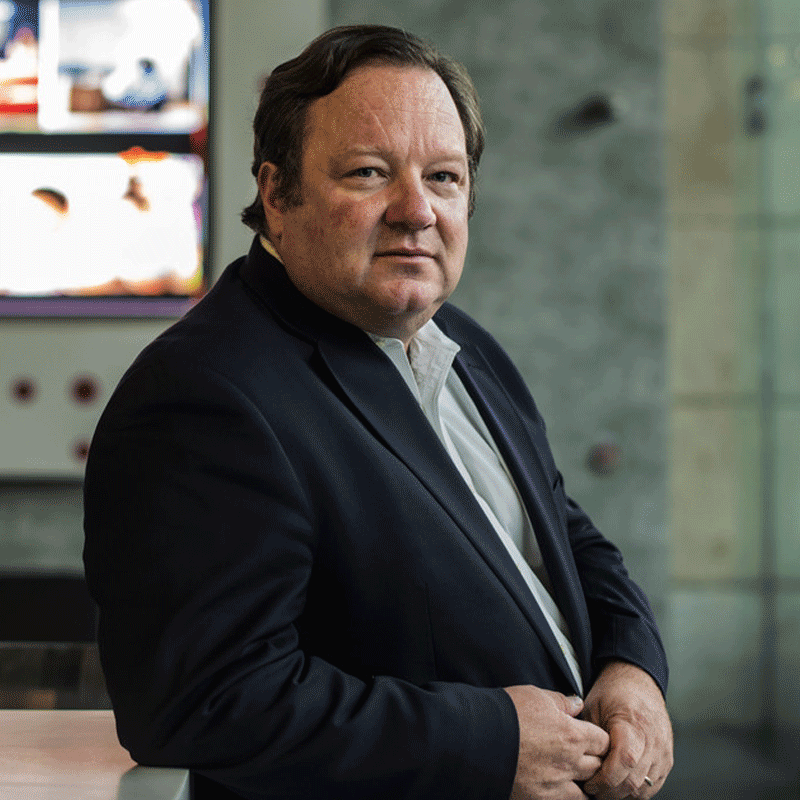
    MUMBAI: Viacom CEO Bob Bakish describes his tenure at the giant company using two words – turnaround and evolution. At the end of 2016, Paramount Pictures was coming off a year where it had lost half a billion dollars and consumed another billion in cash. There was friction with distributors with the company’s cable networks not performing as they should have. It highlighted a trend line that was moving in the wrong direction. Cut to 2019, Paramount has delivered an earnings improvement in seven straight quarters with earnings improvement. The studio produced films that matter and made money on them. The television business delivered 400 million dollars in revenue, putting out nine series. Bakish has scripted one of the most fascinating times in the media and entertainment world with his work as CEO of Viacom. At CES 2019, he sat down for a fireside chat to reveal how we made it happen. Here are the excerpts of that insightful conversation with Variety.

    You’ve been on record recently saying Viacom doesn’t require a transformational deal. In this environment there were companies even bigger than yours are consolidating. How is that position tenable?

    Look, we and I, continue to believe there’s a lot of value in the assets we already own. In 2016 people thought that MTV was dead and buried but today it is the fastest growing network in television. Its audience is up again, in the current quarter, in double digits and we are already beginning to benefit from that resurgence from a monetisation standpoint… there’s a lot of value to the assets we already own. We, unlike most media companies, are truly a global operating media company, we don’t just have sales forces outside the US, you know we own the number one broadcast network in Argentina, we are major broadcaster on Channel 5, we are making content all over the world. We own half of the leading Indian media company called Viacom18 which owns the Colors brand. There’s a lot of value there and if you think about the transition we are in from an industry standpoint. Back in February of ’17 we started talking about something we call a flagship brand which was partially about prioritisation but it was also about unlocking opportunities through multi-platform expression. If you look at MTV, it’s only not only a linear cable network with substantial programming slate, but it also has a piece of the Paramount film slate. We started a digital native division called the Viacom digital Studios which produces original content in short form for distribution both in front of the wall social and other places… that has dramatically taken us from number 22 in space into top 10. There’s a lot of opportunity and when we got to our fourth fiscal quarter of ’18 we saw our company to return to growth, something that hasn’t been the case since ’14. So, we think there’s a lot of growth ahead.

    And relative to some of our peers, we are further along in making this transition. Look at the ad business, it’s not all 30 seconds up. We got an advanced ad business with significant branded content assets, significant data-driven assets. We can insert dynamically in 90 per cent of the VoD homes in the US. Something nobody else we can do. We have been doing M&A, we have been doing what I call accelerant deals. We bought a company called Whosay, a branded content company, which clearly increased our capabilities in the lower-end of the branded content space from a price perspective which is important. We also bought a company called Vidcon which is ground zero for social influencers… it has really strengthened our legacy with young-adult audiences and associated talented and it is also an extension of our experiential business, we most recently bought a company called Awesomeness which people think of as a web company and it’s true that they are an expert in marketing content on web but it’s also true it’s a studio in its own right. And increasing our participation in creation of content including for third parties is a big push we are making as a company and that Awesomeness has produced among other things “To All the Boys I have Loved Before”, which was amongst the most watched shows on Netflix.

    But these are very small deals. Are you going to look at making bigger deals or are you looking at more of the same smaller deals?

    Scale is very much in vogue, vertical integration is very much in vogue. If you look at the history of the industry in certain media vertical integration doesn’t tend to work, bigger is not always better. I don’t think that is the necessary path. What is really important is that you have a plan and you know where you are going and you’re executing against and you are achieving growth and that’s exactly what we are doing.

    Let’s address the elephant in the room. There’s a plenty of speculation that Viacom and CBS can be combined this year. How do you manage for you know an uncertain future? Do you have a distinct vision that you are planning for Viacom with smaller acquisitions or are you trying to build for a bunch of different possible futures?

    I’m a huge believer in having a plan. Our plan is fundamentally based on the assets we have because that is the only thing I can bet on for sure. We got to focus, we got to play through, we got to execute, we got to grow because there’s only one thing I know for sure that at the end of the year you are going to be talking to me or you are going to be talking to somebody else. What you don’t want to have to say is that ‘well yeah we had this opportunity but we got distracted and we didn’t get it done’. So our mission continues to be focussed on the assets that we have, focus on execution, look broadly to capture value and opportunistically see what else happens, and that’s what we do day in and day out and that’s what we’ll keep doing.

    However, in this climate where the pay-TV business is challenged, you guys are dealing with your tensions with some of major distributors. That could end up dropping key channels. How do you manage the future?

    You have to make sure you’re adding values. Point one and two is that you have to recognise how the world is changing. To the first point, talking about what we are doing in distribution, we broadened our ability to add value for our mutual benefit, both our partner’s benefit and Viacom’s benefit and certainly our whole extension to advanced advertising, what we call AMS, is fundamental to that.

    The second thing I would say in terms of how the world is changing is the fundamental thing is going on is fragmentation in terms of how people access content. In the television space 85 per cent people had the same product and that was big basic and that was very nice structure. Today, that’s no longer true and it continues to fragment. So you have a vast majority of the people in the highest priced segment, but you got people at 45 dollars, that price is starting to creep up as people are trying to make economic businesses there. We have people in teens, people around 10 bucks in terms of the SVoD space, then you have some single digit numbers and then you have free, the AVoD mode. So, that world is not going to change, that’s the world we are going to live in, and what’s important is that we take these called flagship brands and we make sure that we participate in all those levels. The big basic levels, that’s fairly obvious… you know we are active in VMVPD in the OTT space, we are also active in the SVoD space through our third party production business.

    Are those deals in the future big enough?

    We are in the state of transformation of our industry. You can either view that as glass half full or half empty. I view it as half full. Global distribution really is the catalyst that will turn this whole decline of television argument on its head because you have 3G, soon 4G, never mind 5G as 5G is more about fixed broadband. It will eventually be handset. If you have 500 million pay TV homes outside the US at the high side, probably 300 million quality ones, if you take out India and China. These kinds of deals where you bring in product either products that look like exactly what you get on television so that’s Telefonica and aggregated product that combines a lot of different things under one brand.

    We are in Indonesia with a mobile carrier that has 160 million subscribers. We have Nick Play and Nick Junior Play apps which provide access to that product on an on-demand basis. Some of these are through a third party intermediary, you could think Amazon channel store, and some of these are called B2B2C deals with carriers. You could think about Telefonica or Telenor or Telecom Cell. Now in this kind of hybrid economy of distribution, unfortunately, everybody doesn’t get the same thing, people are getting different products bigger bundles or smaller bundles.

    So you look at the difference between Sling and Dish in the US. For us we are carried on both, but all the Sling ads are dynamic, we can insert a specific ad to a specific person based on specific data. On the Dish platform we can’t do that, for obvious reasons, it’s a DTH going down, we can’t do it because of some technical work but that is another big move forward in terms of our ability to create values and we are in the super early days of that.

    So your focus will be more and more on production now, and what’s interesting about that is if there is a double edged sword to the success there. Doesn’t it make it harder for you to get eyeballs because people are watching your content on Netflix or Facebook? Doesn’t it hurt your core business?

    No, it doesn’t. For two reasons, one is whether we make a show for Facebook or not it’s not going to influence whether they have shows on their platforms. Point two is the most important thing from a consumer perspective and that is to continue to have our flagship brand on top for consumers that think about entertainment. And that entertainment might be going to see a movie in a theatre, on your flat screen watching pay video bundle or access to product on an app. Out of the extended ecosystem of entertainment experience associated with these brands that cross this fragmented environment is what it’s all about. It provides great solutions for advertisers. It’s all about being able to get reach to say men 18-34, which is not easy to reach these days, it is harder than ever. Use a cross-section of platforms, leveraging our linear distribution, adding our app distribution, adding our over the top distribution, adding our Viacom Digital Studios product, in branded content, in a programme that synchronised to reach that 18-34 group.

    How did you energise thousands of employees especially at Viacom, because looking at their world, there is pessimism, there is negativity. How did you get people going?

    You have a plan and you have to make sure people understand what it is and how they fit in and both you and they can understand if you are making progress and if so it is the path you want to take. Or if you are not making progress in one year you can see if you want to take some different direction. If you talk to people at Viacom they fundamentally believe in our plan. That we are actively participating in places that we haven’t before including providing original content on a day-in-day-out basis to the AVOD digital stratosphere and that we are acting in advance. In total, we actually grew the earnings of the company and all of that is the culture of content. Whether you make short-form, long-form, feature-length or event, whether you are on the creative side, monetisation side, or sports side, they all are working in this culture of content and they see the progress we’re making. I know because I talk to them, at least quarterly, I talk to them on Facebook live and take questions and ask them do you see the progress. Because at the end of the day people are pretty simple, it comes down to what’s in it for them and that is the future.

    Here at Las Vegas with CES you are spending a lot of time. What are the kind of technologies that are catching your eye?

    If you think about the fundamentals of our business there are kind of two things we are working on. One is we get the consumers to spend more time, that’s important, and two is that you are getting paid for it. If you have those two things, everything else can sort itself out. And if you look at the arc of consumption, I remember because I’ve been in this business 30 odd years when second TV sets starting showing up in scale in kids’ bedrooms and other places and that drove more minutes. That was a good thing and then more reasons like computers with infrastructures started to show up in places like offices and that wasn’t really in the heavy video space but there were more impressions and of course much more recently you get into over the top and you get into mobile and that’s much more ton of a product. There are two things that are coming like a freight train. One is the continuing acceleration of broadband infrastructure both in the name of 5G which is definitely coming as you all know, maybe its fixed broadband first but that’s going to flood in and all the wireless carriers when you talk to them all they say we need use cases and certainly entertainment is a use case and the other thing that’s got less press at CES is 10G and that’s the cable industry talking about their next length. They are delivering 1G now and their next push is to deliver 10x that which will be five years or something. 5G autonomous cars that people don’t have to drive is also coming. So just like adding a TV set to a bedroom or adding mobile on the go, the last vestige of video free consumption is automobile.

  • 36% Netflix originals to be non-English

    36% Netflix originals to be non-English

    MUMBAI: Netflix has realised that if it wants to be a global leader, it can't do so by expecting just it's English content to fly high. According to the latest report from Ampere Analysis, the company is eying local content highly in Europe and Asia with a focus on non-English originals.

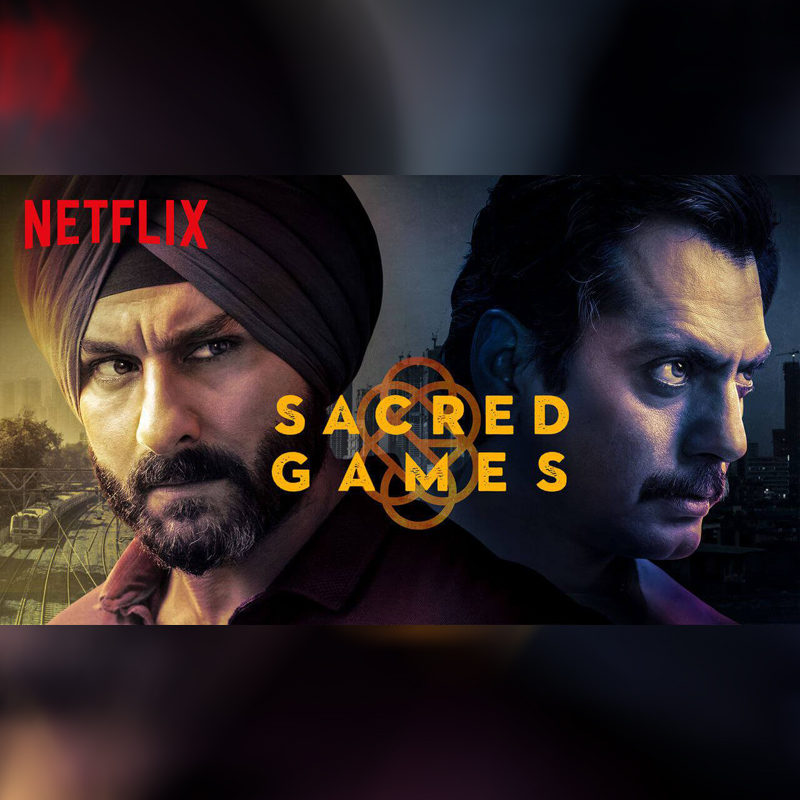
    The streaming platform has added eight and nine million subscribers respectively between 2017 and 2018 in these markets. Encouraged by the success of hits like Dark from Germany and Sacred Games from India, Netflix announced 24 new titles for Europe in Q4 2018.

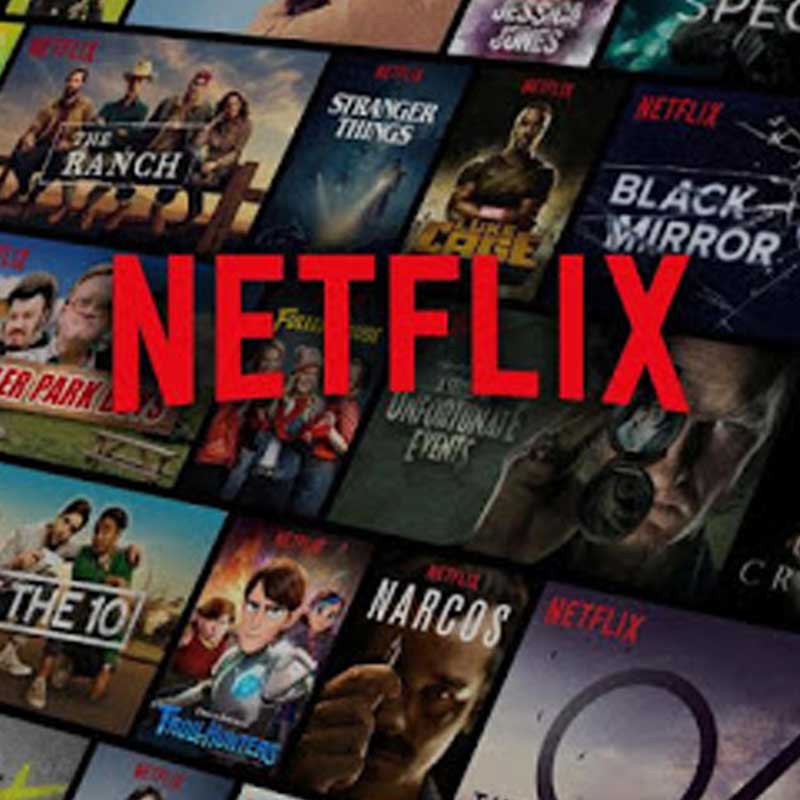
    Investment in local language content not only helps subscriber growth but also throws competition to homegrown rival fight by captivating users with high-quality international productions. Elite, Narcos and Sacred Games – all these series have been adored in both native and English language audiences which shows how the international productions serve double purpose. The report says 36 per cent of Netflix’s upcoming originals will be non-English, and 46 per cent will originate from outside the US and Canada.

    The streaming giant is currently producing new content in 25 countries, with 133 titles originating outside of its home market North America. Netflix is heavily focused on specific markets, with the top two international producers of the UK and India accounting for 32 per cent of international productions, and the top five accounting for 56 per cent.

    Moreover, it is rapidly increasing production in key markets across Asia and Europe and the markets with past hits are getting more importance. The UK has added 10 titles so far in Q4 2018 followed by eight in India.

  • Spencer Neumann appointed Netflix CFO

    Spencer Neumann appointed Netflix CFO

    MUMBAI: Spencer Neumann will be joining Netflix as chief financial officer, the company has confirmed. Before this, Neumann was CFO of Activision Blizzard and is also equipped with experiences from senior positions at The Walt Disney Company.

    Neumann will succeed David Wells who served as CFO since 2010.

    On Neumann’s appointment, Netflix CEO Reed Hastings said, “Spencer is a stellar entertainment executive and we’re thrilled that he will help us provide amazing stories to people all over the world.” For the departing David Wells, he said, “I also want to again say thank you to David Wells, on behalf of the company and our shareholders, for his invaluable contributions at Netflix over the past 14 years.”

    Neumann, describing his excitement said, “Netflix is a singular brand, and I’m excited and honoured for the opportunity to work with the Netflix team and all of our stakeholders to build on the company’s exceptional track record of success and innovation.”

    With increasing responsibilities at The Walt Disney Company, Neumann has also served in a number of positions for the company. He was the CFO and executive vice president of Global Guest Experience of Walt Disney Parks and Resorts, from 2012 until May 2017.

  • Hotstar adds offline watching feature for premium content

    Hotstar adds offline watching feature for premium content

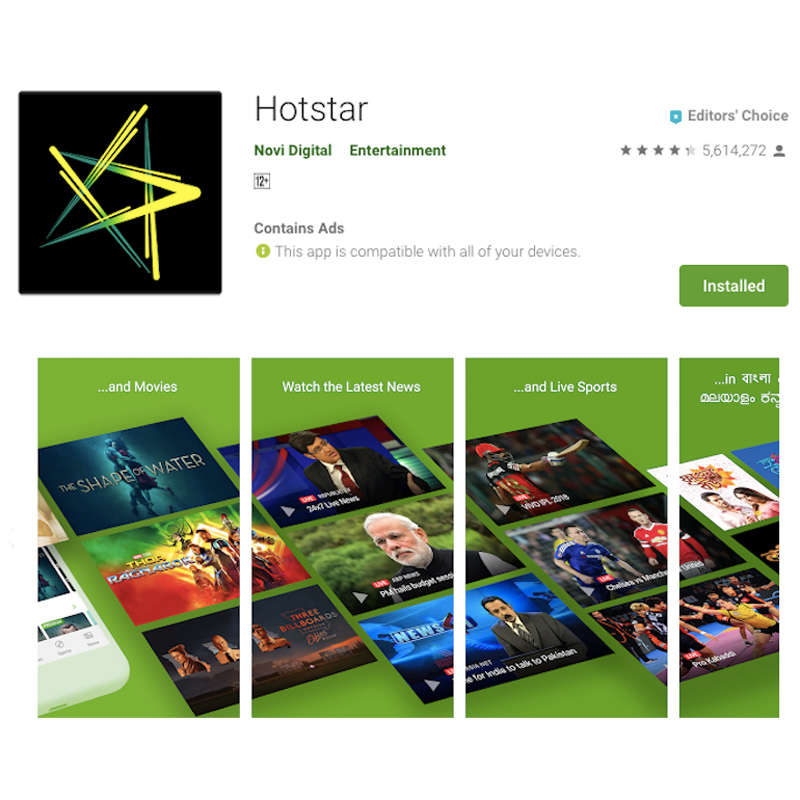
    MUMBAI: Hotstar, the leading streaming platform of India has now made the option of offline viewing available for its premium content. While the in-app download feature on rival platforms like Amazon, Netflix has been well received, Star India’s digital arm restricted the download feature to only non-premium and old content.

    The facility is available now for both Android and iOS users. It has also enabled support for watching videos in 18:9 aspect ratio, which most of the modern full-screen phones offer. However, it is not clear if the support is also available for premium users.

    “Now you can download and watch offline most of your favourite premium shows like Game of Thrones, Friends, Big Bang Theory and many more,” Hotstar Android app changelog noted on Google Play.

    Hotstar users will have the option to choose between low, medium, high and full-HD quality to download. However, downloaded premium content on the app will expire within 7 days of the download or 48 hours since the user starts watching it.

    Among the number of OTT platforms in India, Hotstar is way ahead in the race. Even streaming giant Netflix admitted that YouTube and Hotstar are till now leaders in the Indian market.

  • OTT platforms may soon adopt self-censorship

    OTT platforms may soon adopt self-censorship

    MUMBAI:  Leading OTT players clearly don’t want the government interfering with their content or creating rules like broadcast. So, Netflix, Hotstar, Reliance Jio and some other streaming services may soon adopt a voluntary censorship code.

    As part of the code, the platforms will remove content that has been banned by the courts and that disrespects the national flag, emblem, hurts religious sentiments or promotes violence or terrorism against the country, or even shows children in sexual acts. These are codes that even the broadcast industry follows.

    Economic Times citing sources reported on the self-censorship initiative. However, tech companies including Amazon, Facebook and Google are unlikely to sign up for the code as this move of could set an example of how to regulate internet and meddle with creative freedom.

    The code is likely to include a “redressal mechanism” allowing the users of the streaming platform to issue complain in case they think that the over-the-top (OTT) services have violated the code. Eventually, this mechanism may transform in an “adjudicatory body” that will resolve the complaints filed by the customers.

    According to the report, ZEE5, Times Internet, Eros Now and AltBalaji are in favour of the code and the Internet and Mobile Association of India (IAMAI) is facilitating the process. It also added that the players who don’t think it as a very wise step opine it would lead to an unnecessarily nervous environment and validates the government’s point of view that the internet needs regulation.

    Allegedly, the whole process has been opaque and closed-door while content creators have not been included in the discussions. The opposition group to the court also believes the process has been swayed by companies that want OTT companies to be at a more level playing field with broadcasters.

  • Netflix’s Swati Shetty steps down

    Netflix’s Swati Shetty steps down

    MUMBAI: Netflix international originals and acquisitions director for India Swati Shetty has put down her papers after a successful stint of more than two years with the company. Netflix confirmed the development to Indiantelevision.com via email.

    Shetty, the lady responsible for Indian content licensing, was based in the US. According to a source, given the increasing importance of India in Netflix’s international business, the company now wants the India content and film acquisition role to be based out of Mumbai. Shetty, however, did not want to relocate. This is her last week in the company, the source further added.

    Netflix had opened its India office in Mumbai last year and is now beefing up its team across various verticals like content licensing, production talent and marketing among others.

    Over the next few years, the streaming giant intends to benefit from India’s growing video-streaming appetite, targeting the acquisition of 100 million subscribers.

    Apart from sprucing up its offering with more locally produced original content, the company is also set to experiment with pricing models.

    Last year, the Reed Hastings-led company hired Simran Sethi to serve as creative executive for India and be part of its International Originals Production Group.

    Earlier this year, Shrishti Behl Arya was appointed by Netflix as director for international orginals, India.

    Shetty, who was among the first executives for India, helped Netflix to increase its Indian content library and acquire original films with hits like Love Per Square Feet, Lust Stories and Rajma Chawal. 

    Her experience spans two decades. She also worked with Star India, Walt Disney and Balaji Telefilms.