Tag: Netflix

  • Netflix reports good topline growth, international subscriber additions in Q4

    Netflix reports good topline growth, international subscriber additions in Q4

    MUMBAI: Despite missing out on domestic subscriber addition for two consecutive quarters, streaming colossal Netflix beat its forecast for overall subscriber additions for the fourth quarter of 2019. The company also beat on the top and bottom lines for the quarter.

    The streaming giant witnessed a net addition of 8.76 mn paid subscribers globally including 420,000 streaming customers addition in the U.S. and 8.33 million overseas in the year-end 2019 quarter. Netflix reported $5.47 bn revenue for the quarter while earnings per share (EPS) for the same quarter amounted to $1.30.

    “We generated Q4-record paid net adds in each of the EMEA, LATAM and APAC regions, while UCAN paid net adds totaled 0.55m (with 0.42m in the US) vs. 1.75m in the year ago quarter. Our low membership growth in UCAN is probably due to our recent price changes and to US competitive launches. We have seen more muted impact from competitive launches outside the US (NL, CA, AU). As always, we are working hard to improve our service to combat these factors and push net adds higher over time,” the company said in a note to shareholders.

    The company ended 2019 with 167.1 million streaming customers worldwide including 61 mn in the U.S. and 106 mn internationally. For the first quarter of 2020, Netflix forecast global paid net adds of 7.0m vs. 9.6m in the first quarter of 2019, which was an all-time high in quarterly paid net adds. According to the company, the forecast reflects the continued, slightly elevated churn levels it is seeing in the US.

    “Many media companies and tech giants are launching streaming services, reinforcing the major trend of the transition from linear to streaming entertainment. This is happening all over the world and is still in its early stages, leaving ample room for many services to grow as linear TV wanes. We have a big headstart in streaming and will work to build on that by focusing on the same thing we have focused on for the past 22 years – pleasing members. We believe if we do that well, Netflix will continue to prosper,” Netflix added. 

  • Netflix and its binge spending: $17.3 bn on content in 2020

    Netflix and its binge spending: $17.3 bn on content in 2020

    MUMBAI: Netflix is stubborn with its content spending despite being criticised often for being “irrational”. The streaming firm is sticking to its 'grow now – pay later' strategy. According to a recent estimate, the streamer will invest around $17.3 billion on content in 2020.

    In 2019, the streamer spent little up from $15 billion on content. The report by BMO Capital Markets predicts the company is on track to spend $26 billion by 2028. An increase of almost $2 billion indicates that users will not get a chance to lower their screen time from the streaming engine as most of the money is expected to go on originals.

    While the popularity of the streaming platform rose with years, the competition has also turned tougher with the entry of other deep-pocket players in the ecosystem. Apple TV+ and Disney+ launch have thrown major challenges on the unofficial streaming king. Moreover, Warner Media’s HBO Max is also going to enter the market in mid 2020.

    "Netflix remains the clear leader in the global streaming video, and we believe there is still room to grow as incremental investment points enter the story: continued international growth (particularly India and Japan), improving per subscriber leverage on content spending, and the beginning of long-promised FCF improvements," BMO Capital Markets entertainment analyst Daniel Salmon comments in the research note.

    Considerably, among the other competitors, no one is spending extraordinarily big on content like Netflix. Disney said it would spend $1 billion on original programming for Disney Plus and will have nearly $1 billion in operating expenses in FY 20 while WarnerMedia will invest up to $2 billion in HBO Max in 2020. Comcast/NBCUniversal has planned about $2 bn for its streaming service Peacock in the first two years.

    "We continue to believe the 'streaming wars' narrative is false and there will be multiple winners in global streaming and thus continue to recommend buying Netflix (NFLX), Amazon (AMZN) and Discovery (DIS) together," the note also adds.

    Netflix is upping its India game significantly as the streaming giant is ready to spend Rs 3000 crore (around $418 mn)  on Indian content for this year and the next. Netflix founder and CEO Reed Hastings spoke about the investment during a recent India visit while illustrating the country’s importance in their business.

    "We launched in 2016 and we have continued to invest. So we have a lot of content from the United States, the UK and Spain. We are developing our Indian content here,” Hastings said. "This year and next year, we will spend about Rs 3,000 crore developing content and you will start to see a lot of stuff hit the screens," he added.  

    The streaming giant is set to report its fourth quarter earnings on 21 January. Netflix reported revenue of $5.24 billion, up 31 per cent year-over-year in the last quarter. 

  • The future of AI and ML-driven platforms in the coming decade

    The future of AI and ML-driven platforms in the coming decade

    Whenever I talk about artificial intelligence (AI) and machine learning (ML), most people immediately think of Terminator or one of the many sci-fi movies that show super-intelligent machines trying to overpower the human race. But in reality, we use AI in our day-to-day lives more often than we think, because it has been adopted by the major platforms, such as Google, Facebook, Netflix, Amazon, Myntra, and Flipkart. When you scroll through Facebook and see videos and articles that pique your interest, when Netflix recommends The Witcher before you can mourn the end of Game of Thrones, or when Myntra lets you know that your outfit will be incomplete without a pair of matching shoes – all this is the work of AI and ML-driven solutions. So we can easily say that it is one of the most disruptive technologies in history that is helping companies enhance efficiencies and boost revenues. It is no wonder that as per PwC's recent report, AI's potential contribution to the global economy is slated to be $15.7 trillion by 2030!

    However, the industry is still evolving, and we are a far cry from creating systems that can contend with a creative, intelligent human brain. So, without any further ado let's take a look at a few trends that are going to shape the future of AI- and ML-driven platforms this decade.

    Smarter Search Functionality: With the rapid development of natural language processing (NLP), I am sure that search engines would gain a better understanding of our language using linguistics, semantics, and ML techniques. When you search via text or voice recognition using conversational language, technology will be able to respond to even the most complex queries. Search engines and ecommerce websites will display more relevant, contextual results, leading customers straight to the products they want, thereby increasing the chances of conversion.

    Working with Limited Data: One of the challenges AI developers and data scientists face is stringent data privacy laws. More than hundred countries have various data privacy laws in place, so it is complicated to make data both protected yet accessible. However, with time, the reasoning abilities and intelligence will improve, which means that we can work even with limited data. Unlike the data-hungry platforms of today, machines in future will learn to cope in cases of missing, unreliable or changing data.

    More Accurate Insights and Predictions: Deep learning capabilities coupled with advanced data analytics will help businesses derive more accurate insights into the minds and patterns of customers, as well as help predict and interpret behavior. Moreover, AI- and ML-led platforms will receive these actionable insights in real-time, enabling them to tweak their business strategy on the fly.

    Better Product Recommendations: Customers are expecting highly personalized shopping experiences, and AI and ML-driven platforms will evolve to fulfill the role of a live salesperson. So if you are shopping during Christmas, the platform will use past purchase history and current activity to recommend products, and it will also be able to adjust prices of high-demand items in real-time. Leading shopping search engines such as Google Shopping, Amazon DSP, and Taglr are already leveraging AI. For example, Taglr's easy-to-use digital advertising platform, ShopperAds – analyzes demographics, preferences, shopping patterns, and past purchases to recommend relevant products, thus cutting down on transaction time and customer acquisition costs. And as ML algorithms never stop learning, with every shopping experience, the recommendations will be more tailored and precise.

    Better Customer Support: Bot platforms will be able to offer 24/4 support via virtual agents and live chat and solve problems in a human-like fashion. Also, ML models will use the questions and answers generated to predict future conversations, thus facilitating interactions with customers. There will come a time when we wouldn't know whether we are chatting with a human or a bot!

    So, it is abundantly clear that in next 10 years AI and ML-led platforms will not only completely revolutionize the way businesses interact and engage with consumers, but also help businesses improve productivity, reduce costs, and save time.

    (The author is Taglr CEO. The views expressed are his own and Indiantelevision.com  may not subscribe to them.)

  • Likee Emerges As One Of The Most Popular App Worldwide

    Likee Emerges As One Of The Most Popular App Worldwide

    New Delhi: Likee, the pioneering global short video creation platform from Singapore based BIGO Technology has been named among the top 10 most downloaded apps globally. The 2019 report released by Sensor Tower Inc. saw Likee entering the top 10 downloaded apps club for the first time. Likee, ranked at No. 6, saw a tremendous year on year growth of 173% with more than 330 Million downloads. It is to be noted that India drove more than half of installs. Likee has over taken other popular apps such as SHAREit, YouTube, Snapchat and Netflix.

    Year 2019 has been the remarkable year in growth for Likee in India. Throughout 2019, Likee cultivated its top position by engaging with Indian youth via unique #challenges and campaigns which went viral in no time. Some unforgettable campaigns from the platform in 2019 were 'No matter where I am, #IAMINDIAN', #Flashbeat, #KillTheEvil, #DiwaliWishQuiz and many more. Likee's #IAMINDIAN campaign was launched to celebrate India's 73rd Independence Day and had also won a Guinness World Record for creating the world's largest video album of people waving Indian national flag. Other noteworthy initiatives by Likee are #Likeedreams, #KillTheChill and a few more campaigns that were launched with the aim of societal development.

    Likee is available in different Indian languages like Hindi, Tamil, Marathi, Telugu, Gujarati, Bengali, Kannada, Malayalam and Punjabi. The platform's sharp focus on hyper-localization of the content is contributing to its strong growth. Today, Likee has emerged as an app the youth identifies with. It provides them with a stage to accelerate their creativity, thus producing high-quality video content. It gives them confidence, recognition and a chance to earn a living. With an increasing number of collaborations with music producers, movie production houses, and others, Likee is becoming a preferred choice in the industry for budding artists.

  • TV & video people who made an impact in 2019

    TV & video people who made an impact in 2019

    MUMBAI: Even as the curtains have gone down on 2019, Indiantelevision.com is happy to reveal its list of senior executives from the business of TV and video, who were constantly under the arc light throughout the year or made waves on account of something they did. We have put in our best efforts to cover as many of the noteworthy professionals of 2019 as we could, taking into consideration the importance of their roles in the organisation and industry as well as the significant contributions they made in the year. We do not say the list is comprehensive, and any omissions are unintended.  We hope you will find the first part of this list interesting read. More will follow in the coming days.

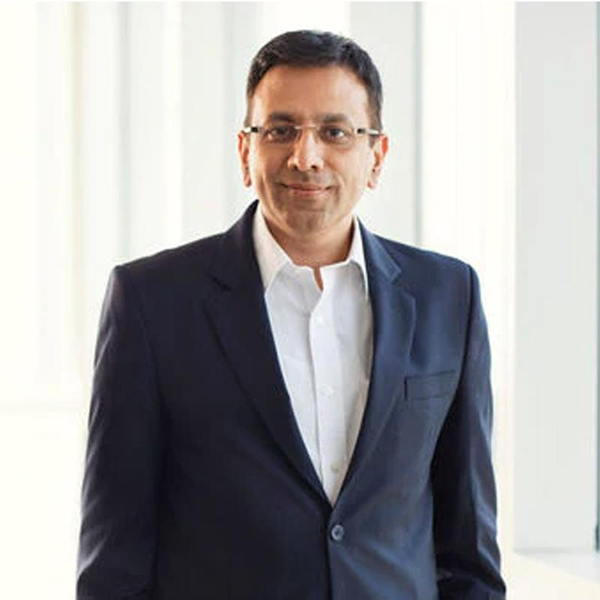
    Sanjay Gupta

    His departure from Star India – a company which he helped steer along with Uday Shankar for around a decade- came as a shocker for many in industry. But he was leaving for the digital world – that of Alphabet or Google – and he would be heading the India operations for the global juggernaut.

    From close friends and associates, Shankar and Gupta will be on two different sides of the spectrum. There will be many areas that Star Disney-Google will be able to work on together; in some maybe not.  Clearly, the digital and entertainment world is going to be an exciting one with them at the top of their respective companies.

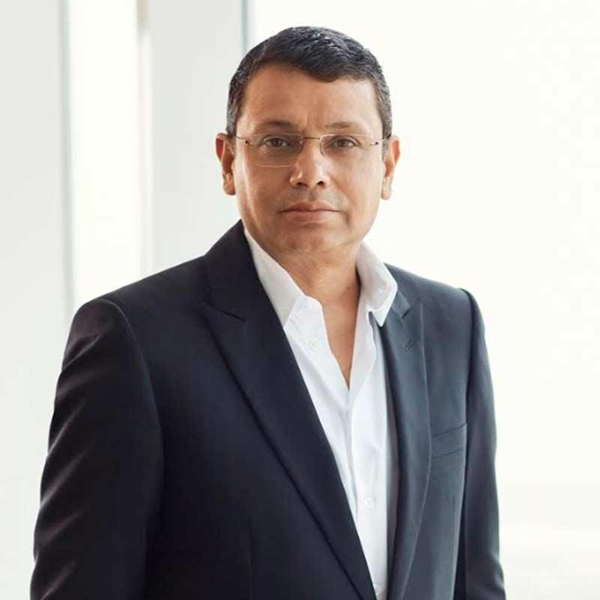
    Uday Shankar

    For long, the boss of Star India has been seen as the mover and shaker of the broadcast industry. But for the last two years, he’s had an additional responsibility: overseeing the merger across Asia-Pacific of Twenty First Century Fox with Disney, including its biggest and most prized territory, India. And he came out with flying colors: the transition was relatively smooth, not too much bad press emerged, and overall the merged company, now looks forward to bearing the fruits of the union.  Morale at the two companies – or should we say the merged company – is high as Shankar continues to organise, shuffle reshuffle, hire, rejig executive portfolios to build an organisation for the future.

    Star India notched up losses, but those were for costs of prized but expensive cricket rights and these were planned. Hotstar continued to set record after viewing record, Star India retained its position as a top Indian TV network and he even managed the departure of his deputy Sanjay Gupta by looking for talent in-house and appointing the successful regional TV boss K Madhavan as his head of all television, while he took on the responsibility for the network’s streaming service. He along with Bob Iger and the Disney Plus team will have to take calls on how they will launch Disney Plus in India in 2020

    K Madhavan

    He is the shy and not-so-used-to-the-public-eye professional with the midas touch who ran and helped built the southern business for the Star India network from nothing over the years. Of course, under the direct steerage of Uday Shankar.

    It began with the acquisition of the Tamil channel Vijay from UTV’s Ronnie Screwvala nearly all of 19 years ago. Madhavan came on board Star India in 2008 when Star India purchased a majority stake in Asianet. He had the credentials – he had helped turn around the struggling Malayalam network after he took over in 1999, and giving it an indomitable position in Kerala very soon thereafter. With it came three Malayalam channels and two Kannada ones. Star completed its southern footprint by acquiring the Telugu service, MAA Television Network in 2015. As head of the southern business of Star India, he grew it further until it contributed a significant sum to its topline business.

    And for that, he has been rewarded now with oversight of the overall TV business of the now Disney owned network. Madhavan’s immediate focus will be on the Hindi GEC business of Star India, which is perceptibly under threat from streamers who are dishing out edgy content, which is appealing to younger mobile audiences.  Additionally, he will have to find ways of monetising the network’s TV cricket rights better. He has the pedigree and 2020 will see his imprint being left on what is now his charge. 

    Punit Goenka & Subhash Chandra

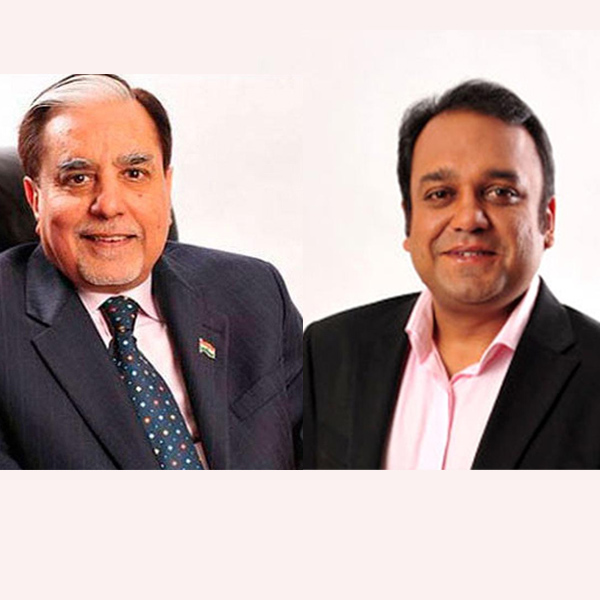
    What do we say about Punit Goenka but that 2019 was the year when he showed what stuff excellent CEOs can be made of. No other executive comes even close to the plaudits that Punit has got for managing the tough situation that the promoter family of Zee Entertainment got itself into. Along with his father, they convinced existing investors to buy equity in the company to pay off lenders. Yes, it meant lowering the promoter family holding to around five per cent. But even that was acceptable to both Goenka and Chandra. The company was above family holding. Zeel for its part is a very well run media outfit with a bunch of excellent senior professionals that Goenka has brought in place and whose respect he has earned courtesy of the fact that he is so approachable. The company is now en route to monetise more than any other broadcaster in the regional language space by launching channels in Kannada, Punjabi etc.

    That aside, along with his brother Amit, and Zee5 CEO Tarun Katiyal, he helped hyper-activate the group’s streaming service Zee5 – launching originals like there was no tomorrow. Today, Zee5 looks like one of the more promising OTT platforms with SVOD, AVOD, and adtech plays.

    Hiren Gada

    When Hiren Gada was nominated as CEO of Shemaroo, he was relatively unknown to most in industry. From being a content rights owner, which licensed its library to everybody, Shemaroo has now become a platform owner in streaming service ShemarooMe, which has an interesting offering. A wide array of content, gamification, special offerings, licensing and merchandising, Gada has transformed Shemaroo by bringing in young professionals and giving them wings to fly. In fact, his singular focus has been to transform the once family-run but now publicly listed Shemaroo into a professional organisation. To that accord, he has hired from mainline entertainment and media firms and upped the ante on distributing his OTT service in as many countries as possible. He has been attentive to monetise the content library as well, by continuing to provide value-added services to other platforms as well.

    NP Singh

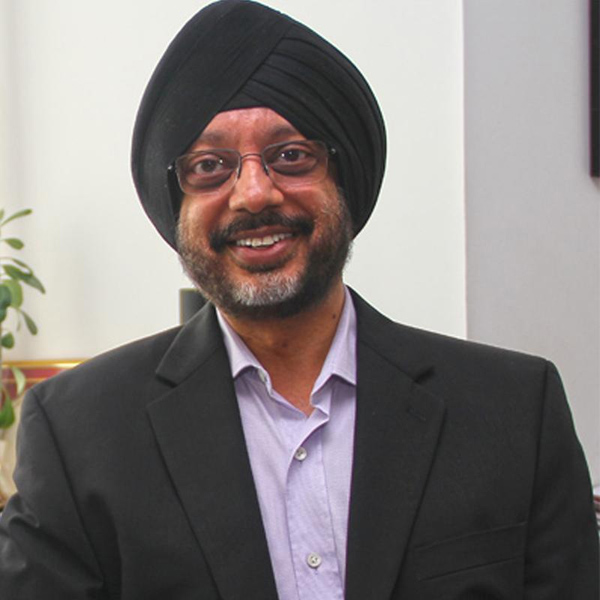
    NP Singh was at his customary best: staying out of the limelight. But even behind the scenes, he was hard at work. First, along with his Culver city management, he got into deep conversation with the Zeel promoter family for a buyout. The price Sony Pictures put on the table was chunky, but Chandra and Goenka wanted to retain control, they were okay with investment bankers and institutions reducing their stake to a minority, but not a rival media and entertainment firm. Hence, a deal which was looking hot suddenly became cold.

    Singh played a big role in the parleys with Mukesh Ambani to merge his media assets TV18 with Sony for a large period of the second half of the year. The deal had not materialised at the time of writing, but it well could in the new year.

    The quiet-and-polite-to-a-T  executive had a good year on the TV front with his Sony Entertainment Network, SAB, Max group of channels and kids channel Sony Yay all doing well. Sony Entertainment Network, which was lagging for long, finally got its act right under Danish Khan with a mix of good reality, talent, talk and celebrity stand up offerings in 2019.

    Harit Nagpal

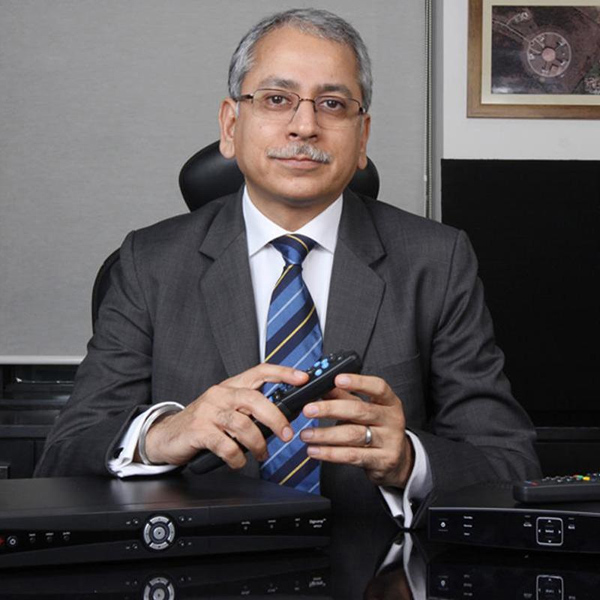
    If there’s one platform that has come out with shining colours in 2019, it is the Harit Nagpal-run Tata Sky. The professional who keeps a razor-sharp eye on consumer experience was quick off the blocks in stitching equitable win-win deals with broadcasters, and then followed that quickly with a campaign educating Tata Sky subscribers on the TRAI mandated New Tariff Order. The DTH platform offered packages and also had its call centre employees well equipped to answer queries. Net result: Tata Sky signed up 3 million active subscribers at a time when other platforms added less than one-third its adds, giving it a 32 per cent market share.   

    Nagpal also came up with new packages serving HD channels then introduced Binge – an Amazon firestick service innovation – delivering OTT apps and special programming to its consumers on one device. It pushed its broadband offering as well, offering competitively priced plans.

    Reed Hastings

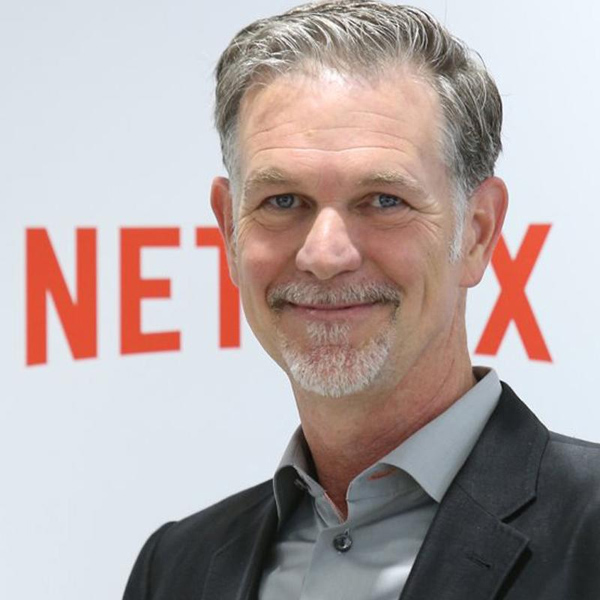
    He is not Indian but has big ambitions on Indians. And it’s his pronouncements and actions which have been excited the creative and production community in India, like elsewhere in the world. For long Netflix big boss Reed Hastings has avowed that the next 100 million customers for the streamer are going to come from India. And he has been putting his money where his mouth is, promising to invest Rs 3,000 crore in India in his latest announcement as the year was ending. Continuing with the localisation drive he lured local creative professionals like Monika Shergill and Aashish Singh in early 2019 to lead digital and film originals respectively. And since then Netflix has commissioned filmmakers of the calibre of Karan Johar and Shah Rukh Khan to produce digital series for the streaming service. A host of filmmakers too are being signed on as it battles competition from the likes of Amazon Prime, and a string of local players. Concerned by the sluggish uptake of subscriptions since it launched three years ago in India, Hastings and team Netflix put in place a mobile-only plan priced at Rs 199 a month. Deals have also been struck with almost every platform to make sure Netflix is easily accessible to those interested in it. 

    Attractive pricing and cutting edge content are the two planks Hastings has put in place. 2020 will decide how much that translates into results and his envisioned goal for India.

  • LCOs and new tariff order challenges

    LCOs and new tariff order challenges

    MUMBAI: With the evolution of television, cable industry has gone through various challenges from competing with DTH operators to digitisation to NTO. Although implementation of NTO was the biggest challenge for the cable industry, it managed to overcome all the challenges they came across. Going ahead LCOs are also gearing up for challenges with OTT apps with its Hybrid boxes. The industry experts gathered to discuss how has the role of the LCO changed under the new regulatory framework and its significance going forward at VBS 2019.

    Video and Broadband Summit 2019 orgainised by Indiantelevision.com on11 December gave the platform to the DPOs, MCOs and LCOs to discuss the issues faced by them. One of the panel discussions of VBS 2019 highlighted the role of LCOs post NTO where the experts discussed the impact of NTO on cable industry, technical challenges they came across, customer churns in the transition period of NTO, and importance of educating LCOs on bouquets and a la carte prices. 

    The panel was moderated by One Take Media co-founder and chief executive officer Anil Khera. On the panel were IndusInd Media & Communication Ltd. chief operating officer N K Rouse; ABS Group of Companies MD & chairman Atul Banwarila Saraf; Maharashtra Cable Operators Federation (MCOF) president Arvind Ramesh Prabhoo; UCN Cable Network Pvt Ltd head – operations Debashis Mohanty and Ashwini Cable Santosh Yadav. 

    Khera set the tone of the discussion by briefing the audiences on the challenges faced by LCOs till date and how they have overcome all those challenges successfully. NTO was the biggest challenge for the industry, Rouse explained that the new NTO, for his company was not a new tariff order, but was a new technical order and his company had to face lot of technical challenges to implement the new NTO. 

    “In the initial stage there was a lot of confusion. With the top five broadcasters, for 335 bouquets or packs, we have more pay channels and DPO packs. Customers were confused as they were not sure what to select. We had challenges in convincing the customers as everything was new. But as things settled down, the viewership pattern had changed with lots of ups and downs but still packages keep coming and going,” he said. 

    “There was a saying that content is the king and distribution is the God. The time has come that content remains the king, but God has changed. Now customer chooses the God. We all have to come and work together and ensure that we take care of the customer’schoice. Challenges will keep coming and there will be amendments in NTO, but things will settle down. I look forward for collaboration with the stakeholders and I am sure things will turn positive,” he opined.

    There has been 15 to 20 per cent of customer churn in the transition period of NTO. Saraf said in the last six to eight months, he has observed that people in small towns are still using TV and there is a trend of using two or three TVs in one house. To get these customers back, LCO needs to be educated, but MSOs are not able to educate these customers as the customers themselves are not ready to educate themselves.

    Saraf also said, “Though operators and MSOs like us are not much happy post NTO, we are able to compete with big MSOs at the same cost. We do not deny entry to the new areas as our preposition of expansion is different and we can expand our business.” He further added that there are lots of things which small MSOs can build among their LCOs, as compared to big MSOs. For big MSOs, it is difficult to control 10 – 15 thousand of LCOs. A limited number of LCOs can be controlled and good business can be built post NTO.

    Prabhoo believes that transformation has already started but is unaware of how much the MSOs are assisting FTH with the transformation. He added that the network is operated and owned by the last mile owner and it will be the responsibility of the last mile owner to upgrade the network.

    The panellists also agreed that they have to make sure to reach platforms like Netflix or Amazon and for that LMOs have to immediately upgrade to DTHs and then MSOs will be able to help them to launch a wide OTT platform. Once this happens, cable networking can be similar to that of an OTT platform.

    Mohanty said, “As per the customer’s perspective, there is a demand for content. Customers will return to MSOs, if MSOs come up with OTT content and provide a number of services as per the customer’s choice. Most of the time, LCOs have 50 per cent digital connection, so they have enough manpower to upgrade their network. Once MSOs upgrade their network, it can provide services as per the customer’s demand.”

    He also informed that they have started hybrid boxes. Once the hybrid boxes are installed at the customer’s place, customers can view both offline and online content.

    Saraf said that five years back the market was not up with the hybrid boxes and LCOs were not ready toinvest in it. Now from last 2 – 3 years we have OTT platforms and hybrid boxes. Now FTTH will create something which will influence the customers and LCOs to invest in hybrid boxes.

    Yadav replied to Khera’s question of cable collaborating with broadband, “NTO implementation has been big for the LCOs and there has been increase in the operating cost of the LCO. So LCO has to provide additional services like broadband. LCO can tie up with the MSOs and go ahead with the existing costumers. I believe that all LCOs do not have their 100 per cent base and so they already have chosen for their cableservices. They can advertise and can assure that they can provide good services by upgrading their infrastructure.”

    On NTO Prabhoo commented, “I am not sure if the NTO’s image’s in true spirit has been implemented or not or if the customers have understood that what NTO has started to provide them. During the pre-digitisation era the NTO was under declaration by the LMOs. When digitisation came in, each and every set-up box was accounted with LMOs and with MSOs. He said he is unaware if broadcasters benefited from that. But in the post NTO there has been 15 to 20 per cent drop in the subscriber base, but ARPU has increased in a particular rate.”

    Rouse commented, “When NTO was implemented few broadcasters thought that there will be a drop in the base. There was a massive fall from DTH or videos but I am sure we could retain some customers. More transparency is required as customers have made a choice, for which some laws have to be implemented.” 

  • Sacred Games 2, Bard of Blood, and Delhi Crime: Netflix most popular originals in 2019

    Sacred Games 2, Bard of Blood, and Delhi Crime: Netflix most popular originals in 2019

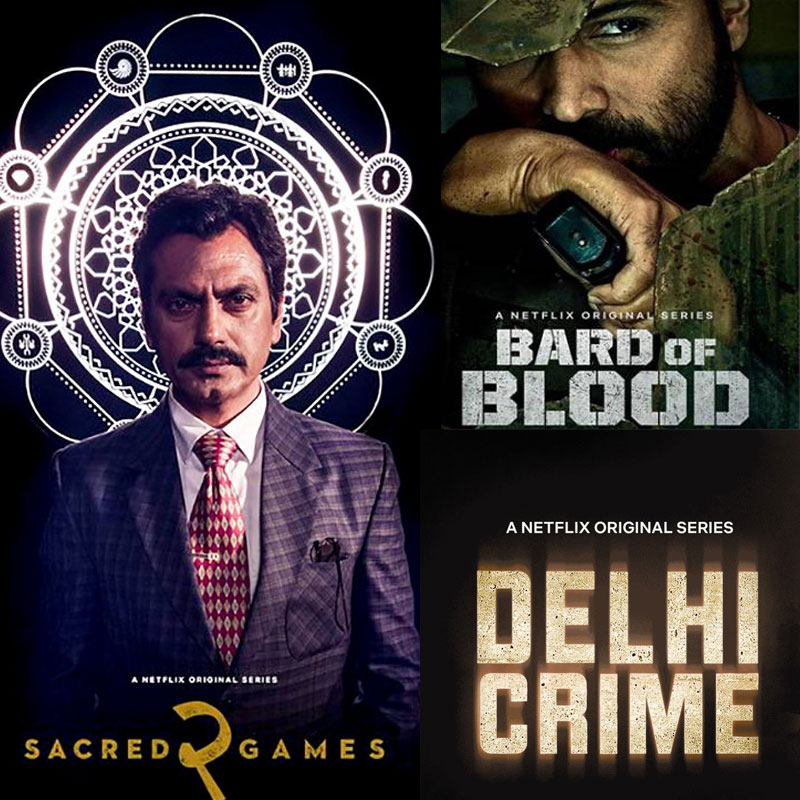
    MUMBAI: Netflix has announced the list of most popular originals and movies in 2019 in India.  Sacred Games 2, Bard Blood and Delhi Crime were the top three most popular series in the list of top 10 most popular series releases of 2019. The list also included Sex Education, Leila, Stranger Things S3, Typewriter, Little Things S3, The Witcher and The Spy: Limited Series. 

    The company took this initiative for helping its customers to know about the popular releases which they can watch in the holiday season. Compared to any other country, the viewership percentage on Netflix is the highest in India as 70 per cent of subscribers watch at least one film in a week.

    The top 10 most popular movies in 2019 on Netflix include Kabir Singh, Article 15, Drive, Badla, House Arrest, 6 Underground, Chopsticks, Baazaar, Luka Chuppi and Romeo Akbar Walter at the tenth position.

    These lists are ranked by the number of accounts choosing to watch at least 2 minutes of a series, movie or special during its first 28 days on Netflix in 2019. At least two minutes is the same way Netflix calculates its daily Top 10 lists in the UK and Mexico – and similar to the way in which the BBC compiles its iPlayer rankings.

  • Higher investment in content & tech, innovative marketing strategy led OTT industry in 2019

    Higher investment in content & tech, innovative marketing strategy led OTT industry in 2019

    MUMBAI: The over-the-top (OTT) market in India turned more saturated in 2019. To make a dent in the cluttered space, the contenders have significantly upped their game with a greater amount of high-quality original content, incorporating new technologies and increasing marketing spend.

    As per EY and FIICI 2019 report – ‘A Billion Screens of Opportunity,’ the OTT sector in India grew by a whopping 59 per cent in FY2019, growing from Rs 13.5 billion in 2018 to Rs 17 billion in 2019. The sector is estimated to reach Rs 24 billion by 2021.

    How OTT platforms significantly upped investment in content and technology

    While ZEE5 has been bullish on producing original content since the beginning among the domestic OTT platforms, Zee Entertainment Enterprises Ltd (ZEEL) CEO Punit Goenka said that the financial year FY 2019-20 will be the year of peak investment for its video on demand (VoD) platform. Throughout the year, ZEE5 launched over 80 originals across languages in the calendar year 2019. In this over-competitive market, ZEE5 stands ahead of SonyLIV by 1.7x, approximately 5-6 times ahead of each the platforms – MX Player, Amazon Prime Video, VOOT and 14x of Hotstar.

    Along with launching a number of Bollywood-starring web-series, bringing back popular franchises in Hindi, the platform had at least one original web series come out in six different languages each month on an average in regional languages including Marathi, Bengali, Telugu and Tamil. As Indian audiences have always been an avid follower of movies, the platform strengthened the movie library as well. While the platform already boasts of over 20 original direct to digital films, it also made Bollywood hits like URI: The Surgical Strike, Dream Girl, Simmba, Sonchiriya, Kedarnath, PADMAN, Veere Di Wedding, Mulk, Parmanu, The Tashkent Files, The Accidental Prime Minister, Judgemental Hai Kya available for its users.

    After banking on catch-up and sports content for a long time, the leader in the Indian OTT pack, Star India’s Hotstar also decided to invest in premium original content. Reportedly, Hotstar jumped onto the bandwagon with a Rs 120 crore investment plan. The primary reason to launch originals is to convert users into paid subscribers in the face of increasing competition. Hitherto, adapting successful foreign shows by infusing local flavours had been an important aspect of Hotstar’s strategy but it is certain that the platform is not going to limit itself to adaptations.

    The traditional player Shemaroo also entered the OTT market in 2019 with its new platform ShemarooMe. The platform launched a host of new and exciting properties to keep the audiences entertained throughout the year including Shemaroo Bollywood Premiere, Shemaroo Comedy Studio, Shemaroo Bhakti Studio, Komal Nahta…aur ek Kahani, Mantlya Manat, etc.

    Shemaroo Entertainment Ltd COO Kranti Gada said that ShemarooMe’s Bollywood Premiere, the offering that showcases World Digital Premiere of critically acclaimed movies every Friday, was launched in September 2019 and has received positive response from not only the audiences but also the actors and the teams involved in the making of the films.

    “Shemaroo has seen a loyal base of audience as well as manifold growth with the increase of more varied content. Content is the only factor that lures viewers to any OTT platform or deters them,” Gada added.

    Times Internet’s MX Player, which entered the market in February 2019 after re-invention, also created a buzz with originals like Hello Mini, Immature, CheeseCake, Thinkistaa and Queen. International streaming giants are also looking at rich local content library to make their games stronger in India. Reportedly, Amazon Prime Video is looking to double its original content offering for India.

    At the same time, Netflix chairman and CEO Reed Hastings recently said at the Hindustan Times Leadership Summit that the company is looking to invest Rs 3,000 crore for original content in India this year and the next. He also added the top-performing Netflix shows from India include Sacred Games, Little Things, and Delhi Crime. He highlighted Mighty Little Bheem, since its release in 2019, has been watched by 27 million households around the world, including in Latin America, Australia and New Zealand. Since launching here four years ago, Netflix has licensed hundreds of Indian films and shows, and invested in over 40 originals.

    According to a MediaPartnersAsia report in July 2019, ZEE5 holds 44 per cent, Amazon Prime Video holds 17 per cent, Netflix holds 11 per cent, SonyLIV holds 10 per cent, VOOT and Hotstar hold 9 per cent each of the cumulative original content hours for OTT in India.

    To retain users and advertisers on the platforms, all the major platforms highly emphasised on better user experience. The way ZEE5 made its content strategy stronger, it made significant investment in technology too. The platform launched a one-of-its-kind industry-defining ad-suite, the ad:tech solutions for advertisers. The offering hosts tools likeAmpli5, Ad-vault, Infonomix, PLAY5, Wishbox.

    ShemarooMe entered into an in-app travel partnership with ixigo, app in app partnership with Dainik Bhaskar, and made the platform available on Roku. According to Gada, the availability of the channel on Roku devices further strengthened ShemarooMe’s presence in the US market by offering its vast library of Bollywood and regional language content to the Indian diaspora residing in the US while it did a global launch after seven months of its domestic launch.

    “2019 for the digital streaming industry was a revolution with multiple shows being launched, and many platforms experimenting with new technologies and new business models. 2019 also saw the rise of gamification for the non – fiction shows that were tried as a successful experiment with at least two other platforms. However, they have been for network-related apps with shows being broadcast simultaneously on television. The crux lies in independent apps adopting this to engage audiences with their Original content as a scalable model. It also saw the OTT platforms experimenting with influencer marketing, AI and VR filters, microbloggers, VR innovations, extensive usage of UGC apps etc,”  ALTBalaji senior VP and head marketing  Divya Dixit said.

    In a recent interview withIndiantelevision.com, MX Player CEO Karan Bedi said that the platform has invested a lot of money on video compression which means that the amount of video the platform can deliver in 1GB data is much more than others. Bedi added that buffering or latency is much lower on the platform which translates into lower cost for the user and the platform. He also added that the platform has also been investing a lot in recommendation systems.

    PwC, in its 2019 annual report – ‘Global Entertainment & Media Outlook 2019-2023,’ estimated that the Indian OTT market will grow to Rs 11,976 crore by 2023, growing at a CAGR of 21.8 per cent. During that period, India is also slated to be the eight biggest OTT market overtaking South Korea.

    How streamers innovated the marketing strategy

    “All the OTTs in India are suffering from a similar issue which is to get the audience to pay wholeheartedly for content. On top of that, very few OTTs have been able to create attractive content. People have also followed the GEC mantra in OTT advertising. Basically, you know like take a show and cluster it across. The most remarkable thing is the absence of remarkability,” McCann Worldgroup vice chairman and managing director Partha Sinha said.

    ZEE5 India SVOD marketing head Reilly Rebello said OTT platforms made communication a lot more contextual while talking about marketing trends in 2019. He added that even radio and outdoor were very contextual to location and geography this year. Moreover, OTT platforms are going on new social media platforms like TikTok, ShareChat, Helo.

    “The third one was that we saw a lot of OTT players going in the outdoor space. We did a lot of outdoor advertising in the first half of the year and it became noticeably larger in the second half of the year. We saw a lot of video advertising happening which was quite a move away from static poster-driven advertising. We emphasised on video and it was not only TV but also social media, YouTube and other OTT platforms,” Rebello added.
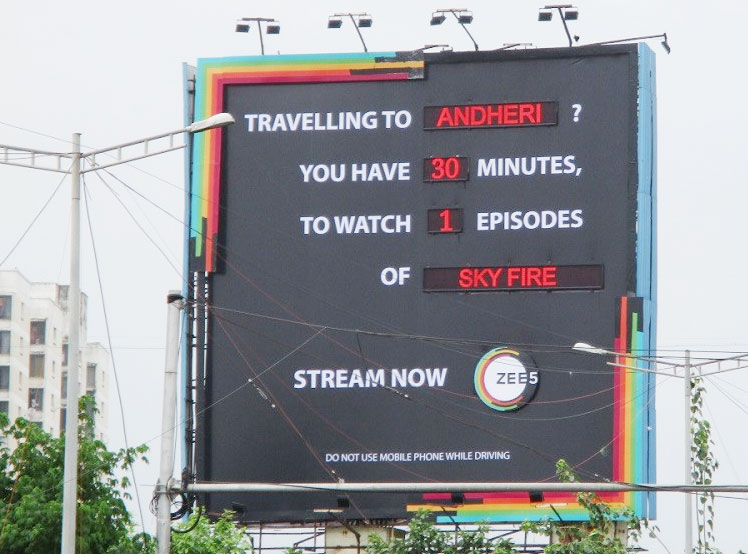
    “With each show the challenge is to break the mould and do something new appealing to the audience, Maybe that’s why the skyline of cities is dominated by OTT platforms. Billboards are prima facie an ‘announcement medium’ providing prominence across prime locations in target markets. It helps the vast audience pool notice and register a particular campaign, thereby increasing recall. However, from a show perspective, there are always several factors involved, largely the celeb value, the genre of the show etc. Marketing the show has science in its core element, in a never-seen-before manner. It lies perfectly in sync with adopting new-age technology that appeals to our target audience. If it’s an innovation hoarding, then it doesn’t just grab eyeballs, but registers in the minds of the audience owing to its novel concept,” ALTBalaji’s Dixit added.

    Shemaroo’s Gada commented that with bite-sized video content and emergence of regional social media apps gaining popularity, the industry eventually saw influencers and celebrities joining the bandwagon thereby driving adverting dollars to these new-age platforms.

    Rebello noted that ZEE5 changed the whole advertising game to be more video-focused as people are watching a lot more video. He also added that the measure has given a huge upside in terms of subscription and brand association.

    “We tried making things a lot more contextual. For example in our outdoor hoardings for Rangbaaz every line which has been there was made contextual to the location of the city. We got a lot of good feedback taking this approach. The dialogues are getting more popular. We also started our TikTok presence,” he added on ZEE5’s marketing initiatives.

    Talking about marketing mix, Rebello said that TV and digital hold equal importance as TV still gives most reach. Followed by TV and digital, outdoor and radio gets importance as those two mediums help in branding. He also emphasised on the importance of social media for the overall marketing strategy.

    “We saw many interesting campaigns by McDonalds and Burger King taking on each other through advertisements. Interestingly,  we also saw another form of this back home in India  when Shemaroo seized the opportunity of an ongoing “Masala Nahi Toh Mazaa Nahi’ campaign of Society Tea and placed their OOH hoarding right below the Society Tea hoarding with a continued conversation to say, ‘Toh Masala Chai ke Saath Ek Masala Movie ho Jaye? A unique way to complement each brand’s strength to woo audiences and strike a relevant connection seems natural and organic,” Gada added.
  • OTT India 2019 – key trends and crystal ball gazing for 2020

    OTT India 2019 – key trends and crystal ball gazing for 2020

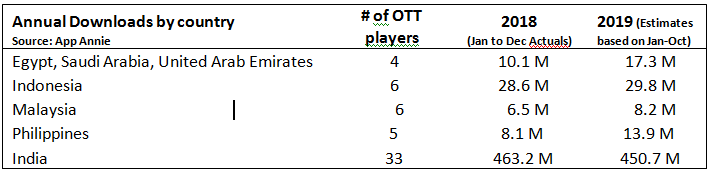
    While  creating this write up on something that’s as wide and far as India OTT we decided to be as objective as possible and use data to establish and talk about some key trends that we see both unique as well as interesting on how the sector is evolving.

    App Annie is a third-party app analytics tool that provides the starting point to map the market within the limitation of the methodology that they use. While it cannot be a gospel of truth, its a good indication of trends. Hope you find this useful high-level dynamics.

    Some caveats and assumptions that we have made:

    • Data is App Annie for Jan-Dec 2018 and Jan-Oct 2019 extrapolated for Jan-Dec 2019

    • SVOD classification: including Telco, International and few independent apps

    • AVOD/Freemium classification: including Broadcast and other independent apps

    1. How does the India OTT market compare with some of the countries emerging OTT markets?

    • In terms of the # of OTT players India continues to be the most competitive in the world.

    • In India, while a few players seem to have stopped reported by App Annie they have been replaced by another set of new players keeping the total number of players to 33 as reported the same vis-a-vis 2018

    • The India market continues to be represented uniquely by all 4 segments of players – Broadcasters who have risen well to the challenge, International players with deep pockets like Netfilx, APV and Apple TV, the telcos and finally a large number of independents like VIU, Balaji Alt, Eros Now, HoiChoi.

    • Other territories are less competitive (or benign?) vs India OTT with the International players dominating in most markets. With exception of the MENA region, hardly any broadcasters participating as vigorously as in India

    • Crystal Ball Gazing: It will be interesting to see how much consolidation accelerates in 2020 with Disney Plus and more activity from the defenders?

    2. How has the India OTT market progressed vs 2018 on downloads and on consumption?

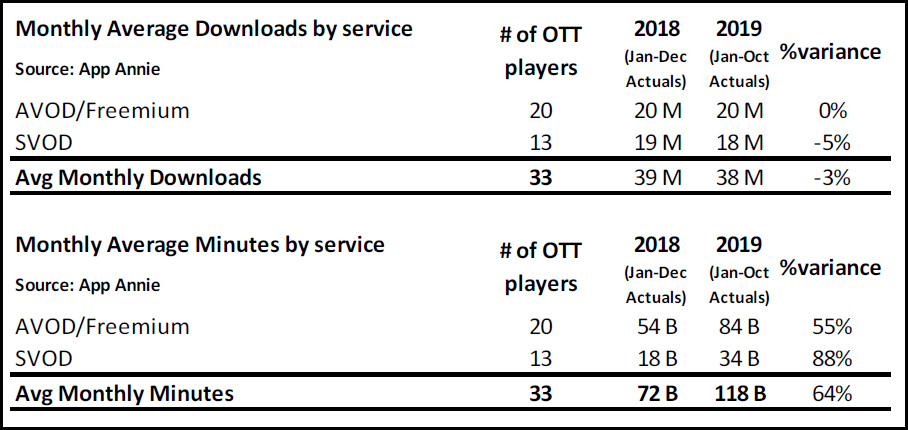
    • The number of downloads has remained flat vs 2018 but the Minutes Consumed increased by 64%. Is there some sign of maturity and loyalty setting into the behaviour of the consumer now?

    • Indians are consuming on an average 118 billion minutes per month consuming on OTT apps in the country. Clearly that’s coming at the cost of more traditional video sources.

    • We don’t think OTT will kill TV but the challenge is now very real and visible. Is potential finally turning to reality?

    3. The most polarising part of the OTT business. What is the interplay between the SVOD and the AVOD services?

    • Downloads growth is flat between the two segments. On Minutes growth, the SVOD services seem to have made gains although they still lag the AVOD / Freemium in terms of absolutes.

    • Clearly the paying or free trial customer is making full use of the SVOD access. Depth of content, highly visible shows in terms of promotions by the SVOD players like Netflix and APV seem to be winning customers.

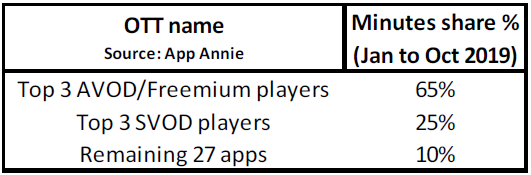
    App Annie data also indicates how skewed the market is towards the top cluster. In terms of minutes share, 90% of the total minutes is contributed by 6 apps with the remaining 27 players giving 10% of minutes share. These top OTT apps by minutes share are:

    While 2018 was a year of making a splash with never before seen production mounting on the OTT space, heavy marketing spends to support these launches 2019 did come across to be a year of and consolidating. Focus on revenue and recovery of investments (real profitability is still some time away) was high.

    Some bets on 2020:

    • Original content launches will be the flavour of the season with all the effort and our suspicion is that the hours of content here will rival that of a GEC channel producing and releasing first run content.

    • Regional will continue to grow. More regional OTT launches – be it from broadcasters or from International players will be seen and there will also be a few independents like in the case of Telugu launching services.

    • The “for whom” will assume a stronger accent on content productions. More TG focused web originals will emerge instead of GEC style of content catering to a wider base

    • Technology driven by personalization, AI powered discoverability to unearth content specific to viewers will take on a deeper play.

    • SVOD players will innovate on pricing or payment mechanisms to deepen penetration, AVOD players will push for innovation on monetization beyond inventory to realise their reach potential

    2020 promises to be a tough year for the players but an exciting one for consumers who will continue to be spoilt for choice.

    (Vishal Maheshwari is country manager, and DS Ramakant Raju is associate director, growth marketing at Viu India. The views expressed are their own and Indiantelevision.com may not subscribe to them.)


  • Gaana introduces ‘Stories’, the short-format content in music streaming

    Gaana introduces ‘Stories’, the short-format content in music streaming

    MUMBAI: After leading the industry with the vertical video format, Gaana videos, India's largest music streaming app, Gaana has launched its own form of video stories – a version of short-form video content to showcase engaging mini videos and influencer clips on the app. With seamless toggle and navigation gestures, the feature aims to offer uninterrupted music experience.

    Stories is the feature that has been popularized by apps like Snapchat and Instagram, has been adapted by Facebook, YouTube, WhatsApp, Netflix and many others. With the advent of Gaana Stories, the brand has emerged as the only music streaming platform in the entertainment industry to showcase mini videos and influencer clips. These stories are designed to offer Gaana users a flavour of newly launched, upcoming or trending/popular songs. In its soft launch, Gaana has partnered with labels and artists to feature engaging stories to promote newly launched songs and artist stories.

    Speaking at the launch, Gaana CEO Prashan Agarwal said, “At Gaana, we have believed in producing premium content that is meant to be mobile, social and shareable. After our industry-first launch of Gaana Videos earlier this year, we wanted to go above and beyond in our ambition to host differentiated & engaging content apart from the core music streaming experience, and that led to the idea of Gaana Stories. In its most purest sense, stories are previews of songs that will help music lovers get a quick taste of newly launched, upcoming and trending songs.”

    Earlier in April, Gaana made its first major foray into video content by adding music videos to its audio-led experience. Built for the mobile, these exclusive & immersive vertical videos now accompany new and popular music on Gaana, and is handcrafted by artists in partnership with the brand with the intention to bring music lovers closer to the artist as they enjoy their favorite music.