Tag: Net

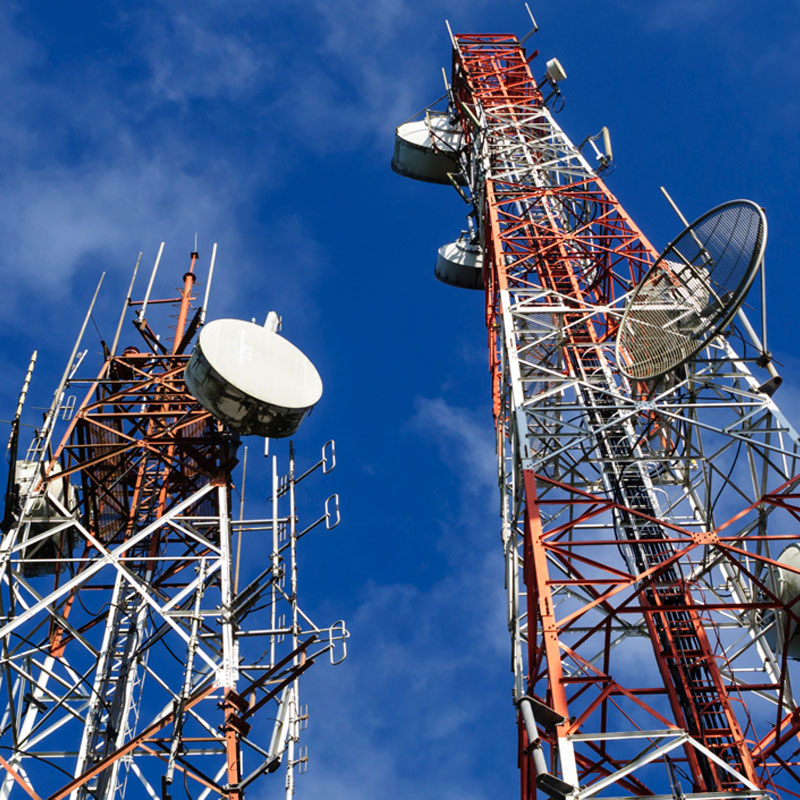
  • DoT-regd Net providers can set up towers on defence land

    DoT-regd Net providers can set up towers on defence land

    NEW DELHI: The government has decided to allow allotment of defence land on lease and grant of permission in defence areas and cantonments to access service licensees and companies registered with department of telecommunications as internet provider for setting up shared communication towers and allied infrastructure.

    The union cabinet chaired by the prime minister Narendra Modi has approved a proposal for revision of policy of the ministry of defence for providing defence land to communication operators for construction of shared communication towers and allied infrastructure.

    The decision is based on experience in implementing the policy and guidelines issued by DoT for issue of clearance for installation of mobile towers. 

    This will improve the quality of communication services in the cantonments and military stations.

  • Offline first & good on slow Net: YouTube Go beta launched

    MUMBAI: In last September’s Google for India event, YouTube Go was announced. YouTube app has been reimagined for the next generation of YouTube users. 

    Today, after months of expanded testing and refinement, Google is happy to announce that it’s making the beta version of YouTube Go available for download on the Google Play Store in India.

    Every aspect of YouTube Go was designed from the ground up, with four main principles in mind: It’s relatable, with fresh and relevant video recommendations tailored to your preferences; the app is designed to be offline first and improve the experience of watching videos on a slower network; it gives you more control over data usage, by providing choice and transparency into the amount of data spent on streaming or saving videos. And finally, it’s social, allowing you to share videos quickly and easily with friends nearby.

    Key features of YouTube Go include:

    ●        A home built for you: YouTube Go home screen features trending and popular videos in your area, so that you can find and discover videos that you and your community care about.

    ●        Preview videos before you save or watch: On YouTube Go we’ll show you a preview of the video when you tap on a thumbnail, giving you a better sense of what the video is about before you decide if you want to watch it.

    ●        Choose your resolution when saving or streaming videos: You can choose to save a video for offline viewing later or stream it now. And we also allow you to choose the amount of data you’d like to spend on that video.

    ●        Share videos with friends nearby: Share videos with friends and family nearby without using any data. You can send and receive videos instantly and offline with others using the YouTube Go app.

    To get us to this point, Google has worked hard on refining the features that you’ve inspired us to build, gaining new insights along the way. 

    Some things learned in the run-up to this beta release include making the home screen fresher and more relevant for users, so they can find amazing videos easily. Google has also worked hard behind the scenes to make sharing videos with nearby friends an even more seamless experience, and ensuring that the app works well across a wide range of phones and connectivity. 

    While the app is in its beta release, Google will welcome consumer feedback and improve the app before launching more broadly. We’ll also be holding several activities in Udaipur over the upcoming weeks to glean more insights from users on the ground. If you’re in India, Google hopes one downloads the beta from the Google Play store.
    With the rapid transformation sweeping India’s mobile internet landscape, Google is aware there will be an even greater demand for a fast and accessible video app. 


  • Net subs grow significantly but public Wi-Fi idea flayed

    Net subs grow significantly but public Wi-Fi idea flayed

    MUMBAI: Even as internet subscribers are growing significantly across Indian states, TRAI’s idea of public Wi-Fi has been flayed by stakeholders.

    Maharashtra has recorded the highest number of internet subscribers in India at 29.47 million, followed by Tamil Nadu, Andhra and Karnataka in that order, according to government data. At the end of March 2016, India had a total of 342.65 million subscribers. BharatNet project meantime plans to connect all 2.5 lakh gram panchayats in the country through broadband.

    Delhi had registered 20.59 million internet users, while Kolkata and Mumbai recorded 9.26 million and 15.65 million, respectively.

    Tamil Nadu recorded 28.01 million subscribers, while the neighbouring states of Andhra Pradesh and Karnataka respectively registered 24.87 million and 22.63 million. Himachal Pradesh saw the lowest number of subscribers at 3.02 million.

    Of the over 342 million subscribers, over 67 per cent are from urban India. At the end of FY16, the rural internet subscriber base stood at 111.94 million. Tamil Nadu recorder the highest number of urban subscribers at 21.16 million, while UP (East) telecom circle is ahead in terms of rural internet customer base at 11.21 million.

    Public Wi-Fi condemned

    Telecom stakeholders recommending an open and cheap internet have raised concerns over privacy and regulatory hurdles following the release of TRAI’s consultation paper on public Wi-Fi.

    The Internet Freedom Foundation co-founder Aravind Ravi Sulekha was apprehensive that the proposed regulations could lead to invasion of privacy and interfere with the freedom of hotspot providers to operate freely. The proposals may turn out to be regressive, Sulekha said.

    TRAI proposed hotspot providers would have to register with the government and users could access hotspots only after paying using a service tied to their Aadhaar number.

    Centre for Internet and Society policy director Pranesh Prakash said that TRAI solution was a classic example of over-regulation and centralism. It turns out that TARI was unclear about the problem to be solved, he added.

  • Net subs grow significantly but public Wi-Fi idea flayed

    Net subs grow significantly but public Wi-Fi idea flayed

    MUMBAI: Even as internet subscribers are growing significantly across Indian states, TRAI’s idea of public Wi-Fi has been flayed by stakeholders.

    Maharashtra has recorded the highest number of internet subscribers in India at 29.47 million, followed by Tamil Nadu, Andhra and Karnataka in that order, according to government data. At the end of March 2016, India had a total of 342.65 million subscribers. BharatNet project meantime plans to connect all 2.5 lakh gram panchayats in the country through broadband.

    Delhi had registered 20.59 million internet users, while Kolkata and Mumbai recorded 9.26 million and 15.65 million, respectively.

    Tamil Nadu recorded 28.01 million subscribers, while the neighbouring states of Andhra Pradesh and Karnataka respectively registered 24.87 million and 22.63 million. Himachal Pradesh saw the lowest number of subscribers at 3.02 million.

    Of the over 342 million subscribers, over 67 per cent are from urban India. At the end of FY16, the rural internet subscriber base stood at 111.94 million. Tamil Nadu recorder the highest number of urban subscribers at 21.16 million, while UP (East) telecom circle is ahead in terms of rural internet customer base at 11.21 million.

    Public Wi-Fi condemned

    Telecom stakeholders recommending an open and cheap internet have raised concerns over privacy and regulatory hurdles following the release of TRAI’s consultation paper on public Wi-Fi.

    The Internet Freedom Foundation co-founder Aravind Ravi Sulekha was apprehensive that the proposed regulations could lead to invasion of privacy and interfere with the freedom of hotspot providers to operate freely. The proposals may turn out to be regressive, Sulekha said.

    TRAI proposed hotspot providers would have to register with the government and users could access hotspots only after paying using a service tied to their Aadhaar number.

    Centre for Internet and Society policy director Pranesh Prakash said that TRAI solution was a classic example of over-regulation and centralism. It turns out that TARI was unclear about the problem to be solved, he added.

  • Govt favours net neutrality; data is the new oil: RS Prasad

    Govt favours net neutrality; data is the new oil: RS Prasad

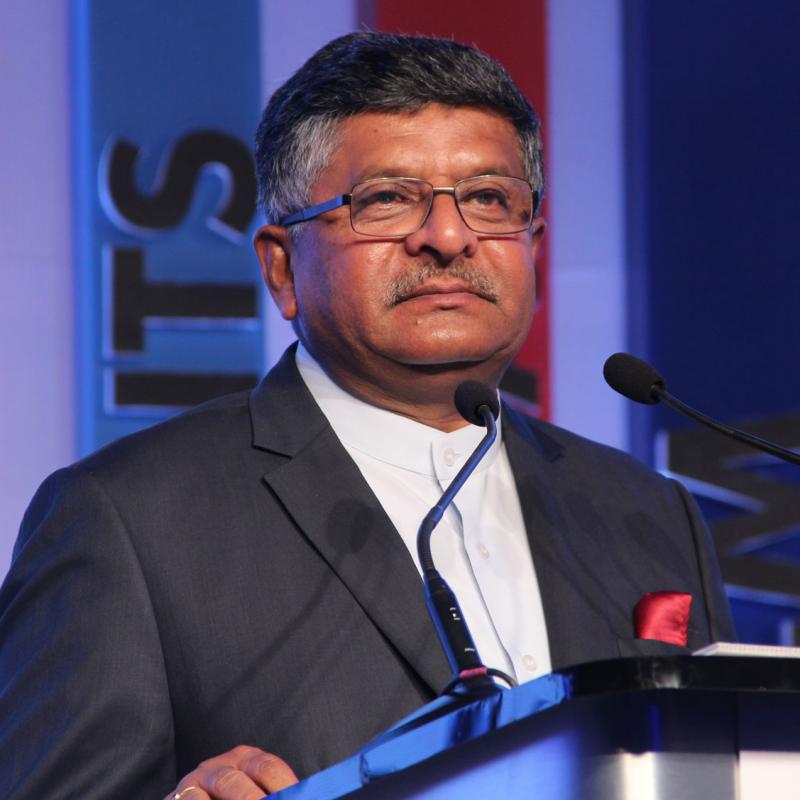
    NEW DELHI: The much-debated net neutrality issue got some additional boost from the Indian minister of electronics & information technology and law & justice Ravi Shankar Prasad when he said that the government favours non-discriminatory access to the Internet.

    “We are strong advocates of non-discriminatory access to Internet and democratization of Internet governance,” Prasad said yesterday while dwelling on the issue of net neutrality and digital dividends to average citizens.

    However, he didn’t elaborate on the net neutrality (and OTT) issue, which is being studied by the Telecom Regulatory Authority of India (TRAI) in totality for possible guidelines and regulations. TRAI has already undertaken a lengthy consultation process with various stakeholders and its final recommendations are awaited.

    Pointing out that India is home to 270 million smart-phones, a number that’s likely to swell to 500 million in few years time, Prasad said that India doesn’t want to miss out on the digital revolution having missed the industrial revolution.

    Making a case for more efficient bandwidth availability at affordable rates to an average Indian, Prasad said, “Data is the new oil… (and) digital India is ideology neutral, politics neutral and only pro-India.”

    Prasad, who was delivering the inaugural address at the Observer Research Foundation (ORF)-organised “CyFy 2016: Digital Asia & Scripting the New Governance Order” here yesterday evening, asserted if a digital profile of India is drawn it would look something like this: 1.03 billion mobile phones, 1.05 million digital identity (Aadhaar cards) and  400 million internet users, apart from a digital army of young people who have fanned out in rural areas running Common Services Centres at more than 200,000 places.

    Enumerating the various digital initiatives undertaken under the Digital India plan, something that is very dear to Prime Minister Modi, the senior minister opined that the government had undertaken some “path-breaking” programmes.

    “Digital India is for the under-privileged… (and) digital inclusion will come about with digital connect,” the Minister said, adding the government was creating a digital infrastructure for Indians so that citizens could reap digital dividends aplenty.

    Pointing out that a digital India would provide more effective governance and remove socialistic-era licence regime, Prasad said in a few years time India would become a $ 1 trillion digital economy.     

    But the cyber space also brings along many dangers. Emphasising on the importance of precaution, Prasad said, “Governments of all countries have to come together to safeguard their citizens from the threats of cyber crimes.”

    ORF, which annually organises a conference on cyber-related issues, including security and entertainment, is an independent self-sustaining think-tank. Having started in the early 1990s, it has been backed by the now Mukesh Ambani-controlled Reliance Industries.

    The full address of the minister could be viewed here:

    https://www.facebook.com/RaviShankarPrasadOfficial/videos/10154464395568329/


  • Govt favours net neutrality; data is the new oil: RS Prasad

    Govt favours net neutrality; data is the new oil: RS Prasad

    NEW DELHI: The much-debated net neutrality issue got some additional boost from the Indian minister of electronics & information technology and law & justice Ravi Shankar Prasad when he said that the government favours non-discriminatory access to the Internet.

    “We are strong advocates of non-discriminatory access to Internet and democratization of Internet governance,” Prasad said yesterday while dwelling on the issue of net neutrality and digital dividends to average citizens.

    However, he didn’t elaborate on the net neutrality (and OTT) issue, which is being studied by the Telecom Regulatory Authority of India (TRAI) in totality for possible guidelines and regulations. TRAI has already undertaken a lengthy consultation process with various stakeholders and its final recommendations are awaited.

    Pointing out that India is home to 270 million smart-phones, a number that’s likely to swell to 500 million in few years time, Prasad said that India doesn’t want to miss out on the digital revolution having missed the industrial revolution.

    Making a case for more efficient bandwidth availability at affordable rates to an average Indian, Prasad said, “Data is the new oil… (and) digital India is ideology neutral, politics neutral and only pro-India.”

    Prasad, who was delivering the inaugural address at the Observer Research Foundation (ORF)-organised “CyFy 2016: Digital Asia & Scripting the New Governance Order” here yesterday evening, asserted if a digital profile of India is drawn it would look something like this: 1.03 billion mobile phones, 1.05 million digital identity (Aadhaar cards) and  400 million internet users, apart from a digital army of young people who have fanned out in rural areas running Common Services Centres at more than 200,000 places.

    Enumerating the various digital initiatives undertaken under the Digital India plan, something that is very dear to Prime Minister Modi, the senior minister opined that the government had undertaken some “path-breaking” programmes.

    “Digital India is for the under-privileged… (and) digital inclusion will come about with digital connect,” the Minister said, adding the government was creating a digital infrastructure for Indians so that citizens could reap digital dividends aplenty.

    Pointing out that a digital India would provide more effective governance and remove socialistic-era licence regime, Prasad said in a few years time India would become a $ 1 trillion digital economy.     

    But the cyber space also brings along many dangers. Emphasising on the importance of precaution, Prasad said, “Governments of all countries have to come together to safeguard their citizens from the threats of cyber crimes.”

    ORF, which annually organises a conference on cyber-related issues, including security and entertainment, is an independent self-sustaining think-tank. Having started in the early 1990s, it has been backed by the now Mukesh Ambani-controlled Reliance Industries.

    The full address of the minister could be viewed here:

    https://www.facebook.com/RaviShankarPrasadOfficial/videos/10154464395568329/


  • MTV tells youth to play safe on the net

    MTV tells youth to play safe on the net

    MUMBAI: Six years ago, the sensational case of a sixteen-year-old who ended up being murdered by two teenagers he had befriended on the then popular website Orkut sent shock waves through the country.

    Today, instances of cyber crime have grown multi-fold, permeating our everyday lives; be it something as serious as child pornography or abuse or just someone having been taken for a ride on the internet.

    In a world where danger may be lurking just a click away, MTV, through its pro-social platform, MTV Act, has taken upon itself the task of teaching the youth how to protect themselves from being victims of cyber crime.

    MTV Act will be starting a new series called MTV Webbed, which attempts to explain how every Like, Share, Comment or Tweet can have a Domino effect. With fictional representations of real-life incidents that youngsters have encountered on the Web, the ten-part series, airing on Saturday, 14 September at 7:00 pm, targets the age group between 15 and 24 years.

    To be able to stay as true to what is happening online, MTV has associated with the NGO – Cyber Crime Awareness Society (CCAS), apart from some intensive research on the subject.

    Dos and donts while surfing

    * Don’t share your pictures and other personal details on social networking websites.
    * Don’t add strangers on social networking sites, and other android applications.
    * Use https only when you are net banking websites.
    * Don’t use pirated software and operating systems.
    * Use genuine anti-virus and operating systems.
    * Keep your anti-virus and windows updated.
    * Don’t give your laptops, mobiles phones, credit/debit cards to your friends.
    * Use WPA/PSK or higher encryptions for your WI-FI connections.
    * Don’t sign in into your net banking accounts while using public internet
    * Don’t give your credit card number(s) & CVV online unless the site is secured and reputable.
    * Don’t leave your credit card around that tempts children to use it.
    * Be careful while downloading any free software or screensaver etc.
    * Don’t reveal if you’re going out of town or details of your location
    * Choose strong passwords for your accounts to keep them safe. (Use special characters, etc)
    * Always type the website address yourself in the browser rather than clicking on a link provided in an email or   in a chat by your friend.
    * Keep a questioning attitude, if you receive any big amount of lottery through the internet even without   participating in it.
    * Use a variety of passwords, not the same for all of your accounts.
    * Disconnect from the internet when not in use, while using computers or mobiles.
    * Check your online account frequently and make sure all listed transactions are valid.
    * Always delete spam emails immediately and empty the trash box to prevent accidentally clicking on the same link.

    MTV Webbed will be hosted by celebrities such as Jay Bhanushali, Siddharth Shukla, Karan Vir Bohra, Ritwick Dhanjani, choreographer Salman Khan, Pratyusha Banerjee, Sana Syed, Priya Wal and singer Chang. The emphasis will be on how more often than not, youngsters let curiosity and natural instincts take precedence while surfing the net, only to regret their actions later.

    Says MTV India EVP and business head Aditya Swamy: “We have realised that today, the youth is online and they don’t realise that though internet has its advantages, every advantage comes with associated risks. So, we want to tell people how they can protect themselves from being victims.”

    What about the umpteen reality shows that already cater to this subject? “Cyber crime has become so prevalent today that it needs that much more of coverage and awareness to be created. Since we have a good digital presence and we want our TG to be there, it is also our responsibility to make sure they are safe,” replies Swamy.
    The promos, created by an in-house team with the tagline ‘Think before you click’, are already on air.

    There was also a debate on the topic on CNN IBN with Sagarika Ghose on 12 September.

    Also, MTV has tied-up with various colleges to create help lines that one can contact in times of distress.
    While MTV is gung-ho about the new series, media analysts too feel it might do well, what with parents watching it as well just to increase their awareness about what happens online.
     

  • Verizon looks to take convergence between TV, mobile, net to the next level

    Verizon looks to take convergence between TV, mobile, net to the next level

    MUMBAI: “We are the Broadband company.”

    That is the message that US telecom major Verizon wants to send out to consumers and the industry.

     
    At the Consumer Electronics Show in Las Vegas Verizon’s new president and COO Denny Strigl said that the company is leading the way in the next revolution of television. “With the strength of our powerful wireless and fiber networks, we have transformed our business into one of the world’s greatest content-delivery systems”.

    To prove the point, Strigl, accompanied by two of Verizon’s most senior executives, introduced new products that marry the phone, the Internet and television for consumers in ways not available from any other company.

    Verizon has introduced FiOS digital media new interactive programme guide and a platform that offers the company’s base of FiOS TV customers a myriad of multimedia applications linking television, the Internet, personal computers and phones. Both will be available in the first half of the year.

    At the same time, Verizon Wireless raised the curtain on V Cast Mobile TV which is expected to be available in the first quarter of 2007.

    Strigl detailed the two-fold strategy behind these products, which crystallises the changing nature of Verizon’s consumer business. “At Verizon, we build great networks and we offer great content. We have built the nation’s most comprehensive all-digital broadband fiber network that reaches all the way into individual homes, while we offer the most reliable
    wireless voice and data network, period.”

    Verizon FiOS provides homes and businesses in 16 states in the US with up to 50 megabits of Internet speed, and FiOS TV is already available in more than 200 cities in 10 states. Verizon Wireless’ broadband network covers more than 200 million people, offering V Cast Video, V Cast Music and BroadbandAccess for high-speed laptop and PDA connectivity.

    Strigl adds, “Our parallel networks of fiber and wireless create a delivery system for the high-bandwidth content of today, and will meet consumers’ needs for years to come”.

    Verizon says that its fiber and wireless broadband networks, and their reach, quality and speeds, provide the basis for advancing existing partnerships with technology companies such as Qualcomm. In addition, relationships with leading content providers, appearing on FiOS TV, on Verizon Online and in a variety of mobile platforms to package, format and program TV content, will combine to deliver a suprior overall TV experience says the firm.