Tag: neel pandya

  • Climate-conscious marketing startup bags $2m to fix advertising’s waste problem

    Climate-conscious marketing startup bags $2m to fix advertising’s waste problem

    MUMBAI: Nearly two-fifths of the $1 trillion sloshed around global advertising each year vanishes into the ether—wasted on botched targeting, feeble creative and sheer duplication. Climaty AI reckons it can plug the leak.
    The Dubai-based startup, which bills itself as the world’s first “CliMarTech” company, has secured $2m in early-stage funding led by Turbostart to build what it calls an agentic AI ecosystem—self-learning marketing infrastructure that optimises campaigns in real time whilst measuring their carbon footprint.

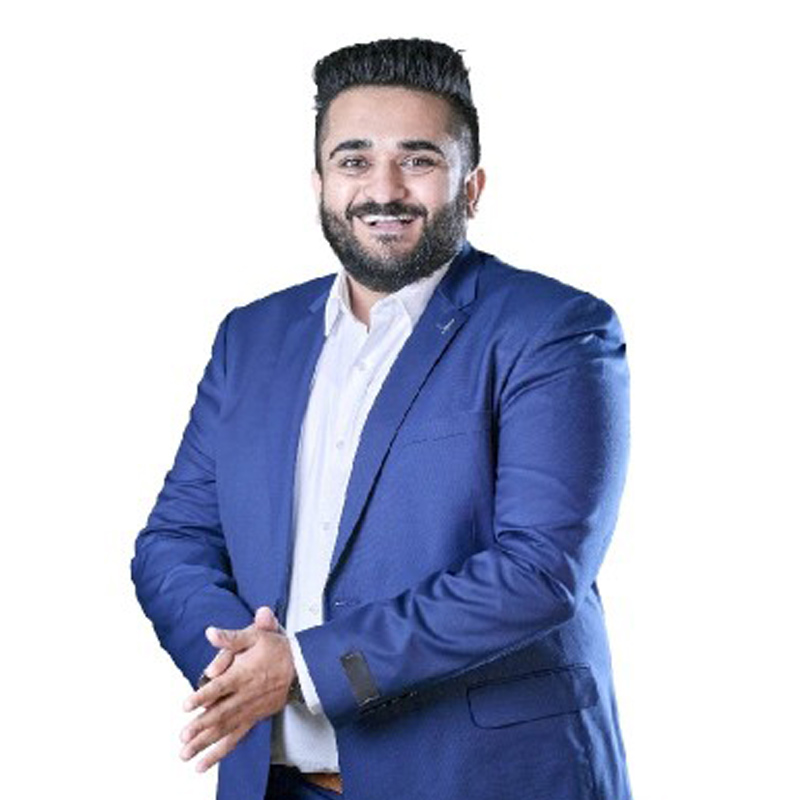
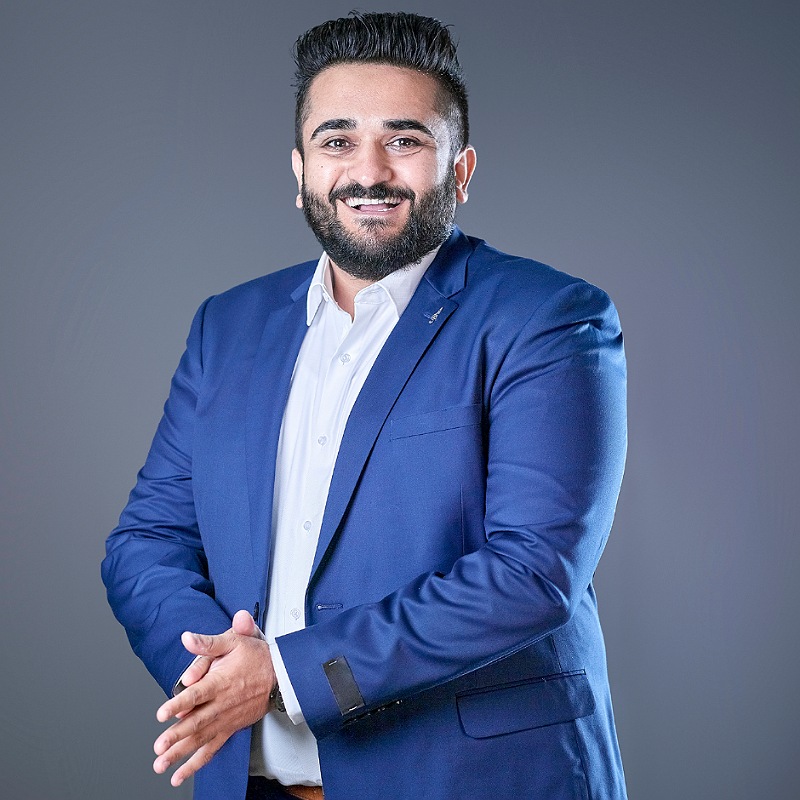
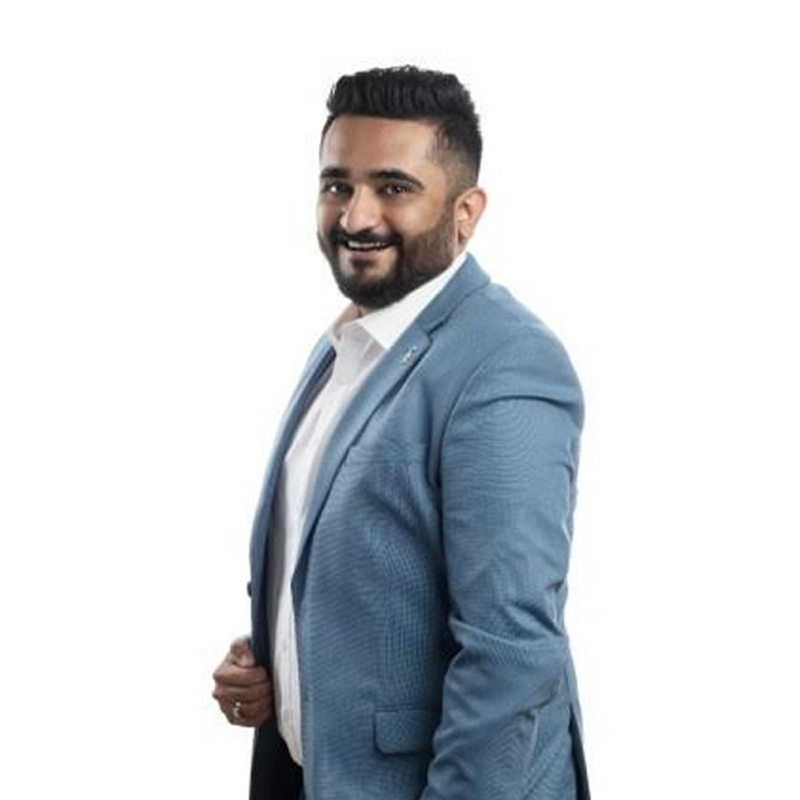
    Founded by Neel Pandya, former chief executive of AI startup Pixis (which he helped scale to $225m in funding), Climaty AI deploys four AI-powered agents—Campaign Builder, Creator, Optimizer and Analytics—to automate the grunt work and free media planners to focus on strategy rather than spreadsheets.

    The funding will bankroll expansion across Asia-Pacific, EMEA, Britain and north America, where demand for sustainable marketing is climbing. Climaty AI has already run pilots with Opella and tested its platform across edtech, consumer healthcare, automotive and consumer goods sectors.

    “Marketing platforms of the future will combine performance with accountability. Climaty AI is shaping this new standard with CliMarTech and agentic AI,” said Bengaluru-based venture and accelerator fund Turbostart founder Ganesh Raju. 

    Pandya, who spent two decades at L’Oréal, Vodafone and GroupM before diving into AI, argued that the most successful brands will treat accountability as a performance driver rather than a cost centre. “Agentic AI and sustainability are at the core of everything we do,” he said.

    The pitch: smarter campaigns, measurable results, and a smaller carbon footprint—performance and responsibility in one package. Whether agencies and brands buy it remains to be seen, but with $370 billion going up in smoke annually, there’s certainly room for improvement.

  • GUEST COLUMN: Venturing into AI world – Dealing with the Cookiepocolypse

    GUEST COLUMN: Venturing into AI world – Dealing with the Cookiepocolypse

    Mumbai: Technological advancements have been at the helm of our evolution. The last decade witnessed some stellar advancements and shifts in our behavior. Recalling a few; we upgraded from 3G to 4G almost in a blink, smartphones and tabs lead the device usage stats and social media has become the new “news finder.” The most important “world wide web feature,” that has been around for a couple of decades, and now is on the verge of sunset is cookies.

    And with this development being pronounced crucial by leading tech firms including Google and Apple, naturally, the most pressing question in every marketer’s mind is, how do we continue to target effectively in a cookieless world? The answer certainly is – Artificial Intelligence (AI).

    The rise of the new change

    Cyberlaw caretakers are under the constant dilemma of addressing the rising concerns about how digital consumer data is being gathered, stored and utilised. Browser giants like Apple Safari, Firefox, and Google Chrome have either already unplugged their third-party cookie storage approach or are working towards the same.

    This means the digital marketing space is transforming rapidly. However, this doesn’t necessarily ring a bell of disaster for the marketers. Pico targeting and communication with relevance between businesses and users can still see the light of the day by maximizing first-party data collection on websites. This consent-based data gathering helps to boost the users’ trust, dependency and retention on the platform.

    But the marketing fraternity’s concern remains – how do we precisely target communication to the select user cohorts without cookies? The answer, as mentioned earlier, most definitely is by using artificial intelligence. As the times change, our transformation from digital natives to AI natives is just a few miles away. And the cookieless web world might as well streamline the situation more ardently.

    How can AI help deal with a cookieless web?

    To begin with, AI systems comprise complex neural networks that are trained with billions of data points. On the back of this data, the AI begins to learn and understand actions, predict results and recommend best-suited actions to achieve the desired marketing goal. The most heartening news for marketers is the fact that AI has immense capabilities to provide deep insights into the constantly evolving customer base and improve the understanding brands and businesses have of their users. And all of this without cookies.

    From enabling multichannel communication to relevant advertising, AI has the calibre to effectively cement the gap that will spring up in the cookieless world. Thousands of advanced AI models analyze and learn from billions of first-party data with the help of deep learning algorithms and NLP. This further helps the AI to make accurate predictions and provide recommendations in real-time.

    As we move towards more stringent privacy frameworks, AI is already revealing high efficiency in improving ROI and amping up business growth incredibly. Additionally, with AI holding the omnichannel communication fort high, marketers can precisely target user cohorts across multiple channels without worrying about the lack of cookies.

    (About Author: Neel Pandya is the Pixis CEO for Europe and APAC)

  • Pixis names Neel Pandya as CEO for Europe business

    Pixis names Neel Pandya as CEO for Europe business

    Mumbai: Pixis (formerly known as Pyxis One), a provider of contextual codeless AI infrastructure for complete marketing optimisation, on Thursday named Neel Pandya as chief executive officer of its operations in Europe, in addition to his responsibilities of leading the APAC business.

    Pandya joined Pixis in its Bengaluru office as the APAC CEO in July 2021. “Under his leadership, Pixis witnessed a 185 per cent growth in revenue in the APAC region, with India independently recording 150 per cent of growth. Over the last seven months, in addition to greatly stabilising customer churn, Pandya has also been instrumental in adding close to 30 new enterprise customers,” said the company in a statement.

    “Neel has been doing a remarkable job navigating and growing the business in APAC. In addition to the new volley of customers we’re signing up, we’re also seeing record retention rates with our existing customers,” stated co-founder and global CEO Shubham A Mishra. “Over the last few months, we’ve been noticing steadily increasing traction in Europe, and I believe we have the right person in Neel to lead our Europe business.”

    As CEO of Pixis’ Europe business, Pandya’s key responsibilities will include leveraging existing traction in the region to profoundly grow the business and brand. 

    Weighing in on his appointment, partner at Chiratae Ventures Venkatesh Peddi added, “Neel’s success in the APAC region is testament to his belief in the Pixis vision, as well as his charisma as a leader. His prior experience with the European markets will serve him excellently in executing and staying on top of the expansion roadmap.”

    Pandya is a seasoned leader who possesses the global experience and a deep understanding of consumers in APAC and Europe. Prior to Pixis, he exemplified vast professional capabilities at L’Oréal, Vodafone and GroupM. Additionally, he was named one among India’s Top 40 under 40 Most Disruptive Minds, two years consecutively, and has also served as the youngest media head of all times at L’Oreal and Vodafone.

    “The past seven months at Pixis have seen my learning curve grow steeply, and I’m beyond honoured at being given the responsibility to grow the Europe business now,” said Neel Pandya. “The continent is currently undergoing an interesting and exciting phase in marketing. In fact, digital advertising spends alone have amounted to over 69.4 billion Euros, making it the second-biggest market after the US. I’m thoroughly looking forward to building strong teams that can support us in growing our European operations.” 

  • Albino Mascarenhas joins Pyxis One India as HR head

    Albino Mascarenhas joins Pyxis One India as HR head

    Mumbai: Pyxis One, a global startup that provides AI infrastructure for marketing and business growth, has appointed Albino Mascarenhas to lead the human resources division in India.

    In his new role, Mascarenhas will work closely with the startup’s leaders to drive strategic talent management initiatives and disseminate the growing startup’s core values and culture, said the organisation in a statement. “One of his immediate responsibilities will be to lead the talent acquisition efforts for the community of AI experts that Pyxis One is building within the organisation. This community comprises AI researchers, scientists, and engineers from across the globe,” it added.

    Mascarenhas comes with 19 years of people management experience having led human resources at ZEE5 & Komli Media and managed the West and South region for Times Internet Ltd in the past.

    Speaking about the new appointment, Pyxis One’s APAC CEO Neel Pandya said, “I’m truly excited to have Albino onboard with us at Pyxis One. It’s an enormous step towards quickly and efficiently bringing in quality talent to Pyxis, and with Albino driving our people agenda we’re sure to scale even faster.”

    Commenting on his new role, Mascarenhas said, “I am thrilled at the prospect of scaling and driving growth at Pyxis One. I look forward to working closely with the leadership team to outline a successful people’s strategy, and drive successful initiatives.”

  • Neel Pandya joins Pyxis One as CEO, APAC

    Neel Pandya joins Pyxis One as CEO, APAC

    Mumbai: Pyxis One, a start-up providing AI infrastructure for marketing, appointed Neel Pandya as the new CEO of its APAC business. Pandya succeeds Shubham Mishra, who will now take on the role of global CEO.

    In his new role, Pandya will take over the APAC business to strategise and expand operations to manage and navigate Pyxis in the region. He will also play a pivotal role in ramping up hiring for Pyxis One across departments. This year, Pyxis is looking at boosting their hiring by 30 per cent under Pandya’s leadership, the company said in a statement.

    “Neel is one of the sharpest minds our country has,” said Shubham Mishra. “He sees and believes that AI infrastructure for marketing is all set to transform the way we approach business growth itself. We have started expanding into the Americas and Europe faster than we expected and having Neel with us will make our expansion efforts a lot smoother.”

    Pandya is a seasoned marketing professional who has global experience and a deep understanding of the APAC regions. He joins Pyxis One from Loreal, where he performed as the youngest head of media and digital.

    “It’s going to be a positively challenging position as Pyxis makes its mark across the global landscape and APAC operations begin to ramp up multi-fold,” Pandya said on his new role.

  • Neel Pandya to lead ISA media forum

    Neel Pandya to lead ISA media forum

    New Delhi: Indian Society of Advertisers (ISA) has roped in Neel Pandya to lead its media forum. Pandya is also serving as the L’Oreal India national media and digital head.

    The development was announced in a meeting of the media forum held on 4 November 2020.

    ISA chairman, CEO, secretary-general and other members of the forum welcomed Neel to this role.

    “We are confident that Neel from his varied experience across sectors and functions would add considerable value through the media forum to the ISA,” it said in a statement.

    The ISA media forum meets periodically to take stock of and deliberate on industry developments that affect advertisers.

    Pandya has over 13 years of experience and has worked across several brands and agencies including – Vodafone, GroupM, TAM, Future Group, and HDFC Bank. He joined L’Oreal India in 2017.

    He was a speaker at the 2019 edition of indiantelevision.com’s BrandVid Summit.

  • Advertisers weigh in on effectiveness of BARC’s integrated TV plus OOH measurement

    Advertisers weigh in on effectiveness of BARC’s integrated TV plus OOH measurement

    MUMBAI: In a significant move, the Broadcast Audience Research Council (BARC) India recently announced the integration of TV and out-of-home (OOH) TV viewership in its media workstation software. The decision will allow BARC India subscribers to get a comprehensive understanding of the overall viewership.

    Brands and marketers have welcomed the move for the viable opportunities it can create. However, a few of them point out that such ratings will be impactful only during big-ticket event-based OOH viewing.

    Dentsu Aegis Network CEO greater south and chairman and CEO of India Ashish Bhasin is of the view that it will help marketers in making more informed decisions. He says, "I believe it is a step in the right direction. A lot of TV viewership, particularly around sporting events like IPL, happens outside of homes and the more research that we can get, the more clarity of data we can get, the more it helps the medium and also helps in making more informed choices."

    L'Oreal head of media Neel Pandya feels that while it is too early to tell how the policy will fare, it is going to be interesting to see how the advertising culture will evolve accordingly. He says, “It’s a great move by BARC to include out of home TV viewership as a part of its offering. Over the years, the only large media available for mass audience have been TV and OOH. As urban India is spending more time out of their homes on weekends, this service will enable marketers to get a holistic picture of the audiences’ TV viewing habits. OOH is an attractive proposition nowadays, leading to its extensive use and a boom of OTT players in the country. The only hurdle for large advertisers to invest heavily in OOH is its measurement system. While it’s too early to tell, it will be interesting to see how advertising evolves to capture the attention of increasing OOH TV viewing audiences.”

    The service will allow broadcasters and advertisers to uncover more value and insights into TV-viewing behaviours, both inside and outside the home. The data will also be available in the planning module for agencies to plan effectively and account for this audience.

    RSH Global CMO Poulomi Roy is of the view that the integrated ratings will help the marketers during event-based properties like IPL but otherwise the impact is going to be negligible. She says, “Big ticket media properties like IPL & World Cup which have a homogeneous group of people with common sentiments viewing together will show better reach and hence, marketers who spend on these properties will get affected in a positive way. However, it is important to know the sample size and coverage area and lastly how the data will be interpreted. Barring these days when such properties are not airing, the impact of these measurements is negligible because for a consumer it will be forced viewing of whatever is served by the social hotspots.”

    KMPG India partner and head, media and entertainment Girish Menon thinks that while the intent behind the decision is very good, one needs to think through how the measurement metric will work to cover a large number of people who will be watching at one place along with demography of those viewers.

    He says, “The way we need to look at out of home viewing is in two types. One is event-related viewing, mostly relevant to sports, and the other is consumption in the hotel. For an event-based viewing, for example, if you go to a restaurant, 50 people might be watching (from one screen). How do you really measure the number in such case? If you look at hotels, that model is very different. There is a reasonable chunk of the transient population that means, a person either flips through channels to pick up something interesting or typically goes to his favourite channel. Either way, it is not appointment viewing. But at least brand loyalty will have a larger play. So, therefore it is slightly more advantageous to larger and more well-known channels. There we benefit at the channel level, not necessarily at the programme level.”

    Menon says that the way advertising works in India is ratings-based in terms of reach, people and demography. “Essentially, it will add to those ratings. Therefore from an advertiser’s perspective, it is a little bit better because it expands the population the advertisers will be able to target. But at the end of it, it benefits the advertisers like all other measurement systems.”

    BARC had started the OOH TV viewership management in 2018, in Delhi, Mumbai and Bangalore. The council has also announced the expansion of this service to 120+ urban towns as well. This also comes at a time when BARC India has expanded its panel to 40,000 metered homes within the committed timeline of March 2019