Tag: NDTV

  • NDTV accelerates growth spending as revenue climbs in transformation push

    NDTV accelerates growth spending as revenue climbs in transformation push

    NEW DELHI: NDTV is pressing the accelerator on its transformation strategy, ramping up investment in marketing and expansion even as revenue growth gains momentum. The Adani-controlled broadcaster posted a 12 per cent increase in half-year revenue to Rs 230 crore whilst completing a Rs 396 crore oversubscribed rights issue and merging four subsidiaries to streamline operations.

    Revenue from operations rose 10 per cent year-on-year to Rs 123 crore in the September quarter on a consolidated basis, reflecting improving traction as the company positions itself for a new era. For the six months ended September, the top line climbed to Rs 230 crore from Rs 205 crore, signalling steady progress in a fiercely competitive media landscape.

    The numbers reveal a company making bold strategic bets. Marketing, distribution and promotional expenses surged 33 per cent to Rs 115 crore for the half-year—a clear signal that management is prioritising audience acquisition and brand visibility over short-term profitability. The September quarter alone saw Rs 58 crore deployed towards growth initiatives, up 29 per cent year-on-year.

    “This is classic growth investing,” said one analyst who tracks the media sector. “NDTV is leveraging its capital raise to build market share and strengthen its competitive position whilst the fundamentals improve.”

    The rights issue, completed on 9 October, was oversubscribed 1.11 times, with proceeds specifically earmarked for expansion, brand-building, debt reduction and corporate purposes. The successful raise increased paid-up capital from Rs 26 crore to Rs 45 crore, providing ammunition for the company’s ambitious reinvention plans.

    NDTV also executed a major structural overhaul, merging NDTV Networks, NDTV Worldwide, NDTV Media and NDTV Labs into the parent company with effect from 1 October. The consolidation, sanctioned by the regional director of the ministry of corporate affairs, is designed to eliminate operational silos and create a more agile organisation. Authorised share capital now stands at Rs 237 crore.

    The broadcaster is simultaneously pursuing inorganic growth. NDTV has entered a binding term sheet to acquire the GoodTimes channel and associated intellectual property from Lifestyle & Media Broadcasting, pending regulatory approval from the ministry of information and broadcasting. The deal would expand the company’s content portfolio and distribution footprint.

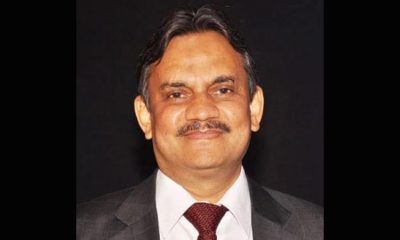
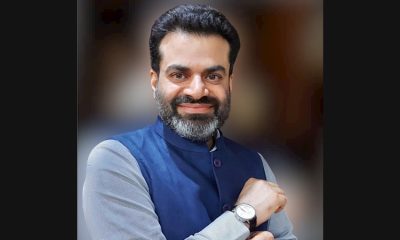
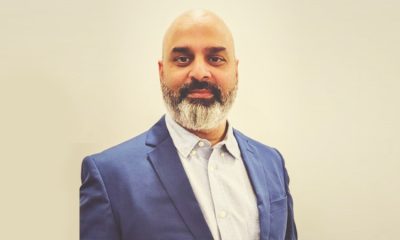
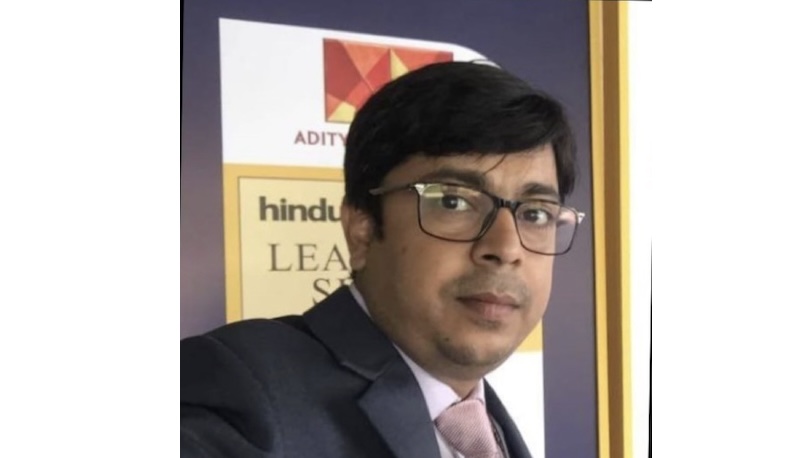
    Management changes underscore the focus on operational excellence. Akhil Kumar Gupta, a chartered accountant with 19 years’ experience spanning media, infrastructure, healthcare and entertainment, will assume the chief financial officer role from 1 December. Gupta, who previously held senior positions at Adani Enterprises, Zydus Lifesciences and Bharti Airtel, brings deep expertise in financial transformation, digital systems and strategic decision-making. He replaces Anup Dutta, who reaches superannuation.

    The board also re-appointed independent director Viral Jagdish Doshi for a second three-year term beginning January 2026, ensuring continuity in governance as the company navigates its transition.

    NDTV’s investment phase reflects a calculated gamble: sacrifice near-term margins to capture long-term market share in India’s rapidly evolving media ecosystem. With a freshly capitalised balance sheet, a streamlined corporate structure, and aggressive growth spending, the broadcaster is positioning itself as a serious player in the battle for eyeballs and advertising rupees.

    Whether the strategy succeeds depends on execution—and whether revenue growth can eventually outpace the current marketing blitz. But for now, NDTV is signalling it has both the resources and the resolve to compete. The transformation is underway, and the company isn’t holding back.

  • B4U Network hires new  revenue chief

    B4U Network hires new revenue chief

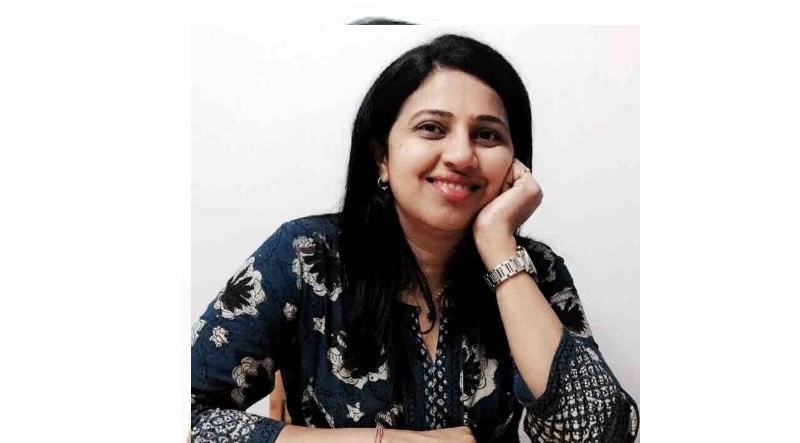
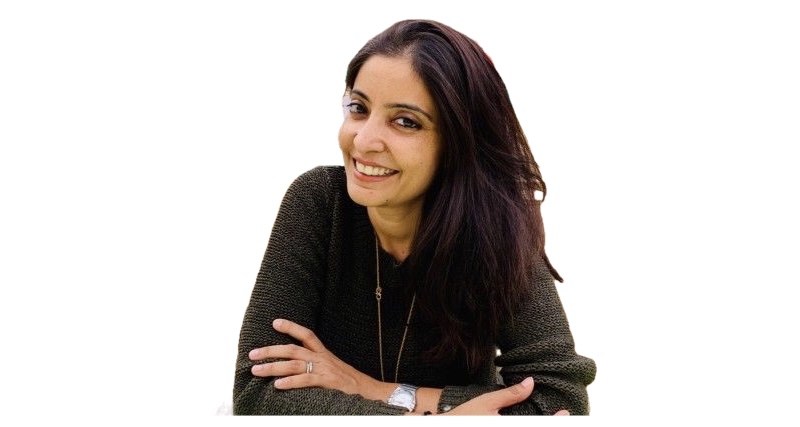
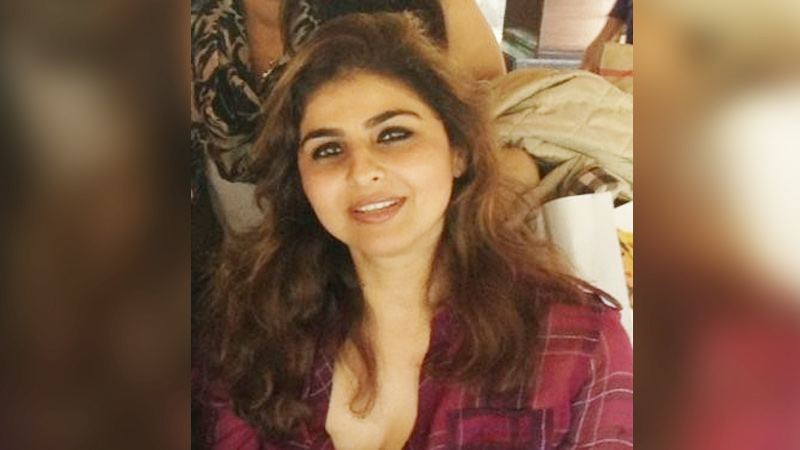
    MUMBAI: Hemlata Yederi has moved to B4U Network as chief revenue officer after spending 14 years building the sales operation at rival broadcaster Sri Adhikari Brothers group. The move, effective September, hands her control of revenue strategy and partnership deals across B4U’s entertainment channels.

    Yederi spent over a decade as national head of sales and latterly chief revenue officer at Sri Adhikari Brothers, where she managed advertising revenue for channels including Mastiii, the country’s leading music channel, Hindi film channels Dabangg and Dhamaal, Marathi regional channel Maiboli, and general entertainment channel Dillagi. That she’s now steering B4U’s monetisation efforts marks a significant coup for the network—and an uncomfortable loss for her former employer.

    With three decades in media sales under her belt, Yederi’s career spans stints at NDTV, where she ran advertising sales for the west, and an 11-year run at Mid Day as associate vice president of sales. She cut her teeth in yellow pages sales at Getit Infomediary in the early 1990s, managing field and telesales teams before the digital revolution upended directory advertising.

    At B4U, Yederi now oversees brand monetisation, media sales and cross-platform expansion for the Mumbai-based broadcaster. Her LinkedIn announcement, posted five days ago, came wrapped in the obligatory corporate sentiment about “people and purpose” and “balancing strategy with heart”—the sort of language that sounds earnest but means little.

    What matters is execution. B4U has hired someone who knows how to extract revenue from India’s advertising market and has spent years doing precisely that for a competitor. Whether Yederi can replicate that success in new colours remains the only question worth asking. In media sales, loyalty lasts only as long as the next quarterly target.

  • Breaking the news and the charts CNN-News18 tops the ratings race

    Breaking the news and the charts CNN-News18 tops the ratings race

    MUMBAI: Newsrooms thrive on breaking stories but this time, CNN-News18 is the story. The network has stormed ahead of rivals to claim its place as India’s undisputed English news leader, clocking numbers that speak louder than any debate panel ever could.

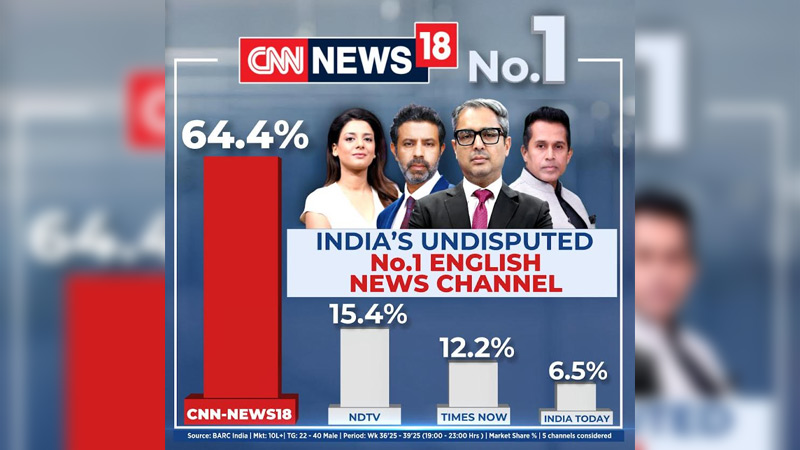
    According to the latest BARC India data, CNN-News18 has pulled off a 64.4 per cent market share in the primetime slot (7–11 pm), leaving competitors trailing far behind NDTV at 15.4 per cent and Times Now at 12.2 per cent. (Source: BARC India | Market: 10L plus | TG: 22–40 Male | Period: Weeks 36–39’25 | Market Share per cent | 5 channels considered.)

    For a genre known for high decibels and fierce rivalries, CNN-News18’s dominance is striking, the channel holds more than four times the share of its nearest competitor. The network’s grip on viewers during India’s most-watched hours has placed it firmly in a league of its own, with “No. 1” becoming more of a habit than a headline.

    Zooming out beyond primetime, CNN-News18 continues to reign overall with a 36.5 per cent market share, followed by NDTV 24×7 at 25.2 per cent and Times Now at 21.4 per cent. (Source: BARC India | Market: India | TG: 15+AB | Period: Weeks 36–39’25 | Market Share per cent basis AMA’000 | 8 channels considered.)

    The victory isn’t a flash in the pan either. CNN-News18 has maintained the top spot since the return of BARC ratings in March 2022, consistently holding its ground across cycles, a feat few news brands can boast in such a volatile space.

    What’s fuelling this sustained supremacy? A mix of credibility, sharp reportage, and familiar faces that have become synonymous with trustworthy journalism.

    The channel’s roster of seasoned anchors Zakka Jacob, Anand Narasimhan, Rahul Shivshankar, and Shivani Gupta has helped define its editorial rhythm. Their prime-time shows are known for being fast-paced yet focused, where arguments may heat up but facts still win the floor.

    Behind the desk, CNN-News18’s network of correspondents across India keeps the channel ahead on breaking stories, from Delhi’s political corridors to distant district headquarters. It’s this combination of speed, scale, and storytelling that keeps viewers coming back when the clock strikes seven.

    In an era where English news is often accused of shouting louder than it reports, CNN-News18 seems to have struck the balance pairing the energy of TV debates with the discipline of data. The result is clear in the numbers: nearly two-thirds of English news viewers are tuning into CNN-News18 during primetime, a lead that transforms competition into footnotes.

    What makes this rise even more striking is the shrinking gap between viewership and trust, a rare commodity in news. The channel’s ability to hold attention without sensationalism, and to mix credibility with conversation, appears to be its secret sauce.

    It’s not just about being the loudest voice in the room anymore, it’s about being the one audiences actually listen to.

    With its 64.4 per cent primetime share, 36.5 per cent overall market lead, and an editorial style that’s both assertive and authentic, CNN-News18 isn’t just leading the English news genre, it’s redefining what leadership looks like in it.

    In the ratings war, it seems, the network has done what it does best break the news, then break the mould.

  • NDTV’s longest-running health campaign Banega Swasth India launches AI chatbot and loyalty cards for children

    NDTV’s longest-running health campaign Banega Swasth India launches AI chatbot and loyalty cards for children

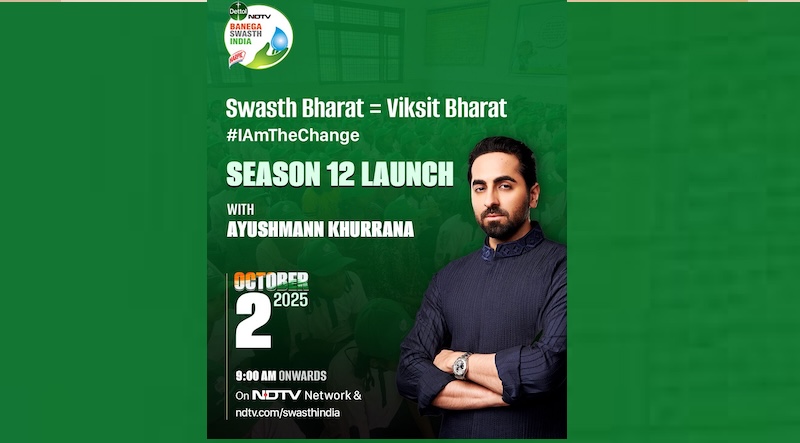
    NEW DELHI: Banega Swasth India is back for a 12th season, and this time it means business. NDTV and Dettol’s flagship health campaign will launch an AI-powered hygiene chatbot, a gamified loyalty card programme for children, and an accessibility curriculum for disabled youngsters when it takes to the airwaves on 2 October 2025.

    The telethon, fronted by actor Ayushmann Khurrana, will rally Indians around the theme “I Am the Change” and the call to action Mere Dus Gaz Se Viksit Bharat Tak (From My Ten Yards to a Developed India). The ambition is bold: transform every citizen into an agent of health change.

    The star attraction is Hygieia, India’s first hygiene chatbot, which will dispense health guidance in 22 Indian languages and four global ones. It sits alongside the Swasth Bharat Champ Hygiene Loyalty Card Programme—India’s first non-financial hygiene loyalty scheme for children, designed to build lifelong healthy habits through gamification and rewards.

    Breaking new ground on inclusion, Dettol will unveil what it claims is the world’s first digital accessibility curriculum for children who are blind, deaf, mute or autistic. Awards will honour maternal and child health tech accelerators focused on the critical first 1,000 days of life.

    President Droupadi Murmu will grace the event, joined by Uttar Pradesh governor Anandi Ben and Odisha chief minister Vishnu Deo Sai,  Malaika Arora, Nimrat Kaur and Jasmine Sandlas will perform.

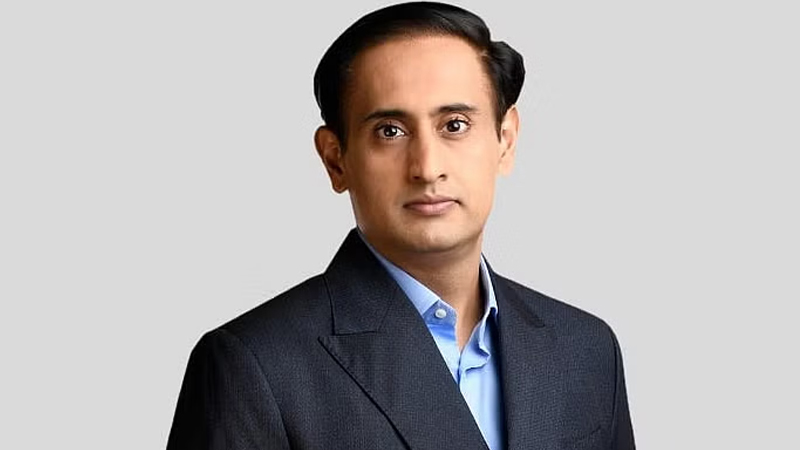
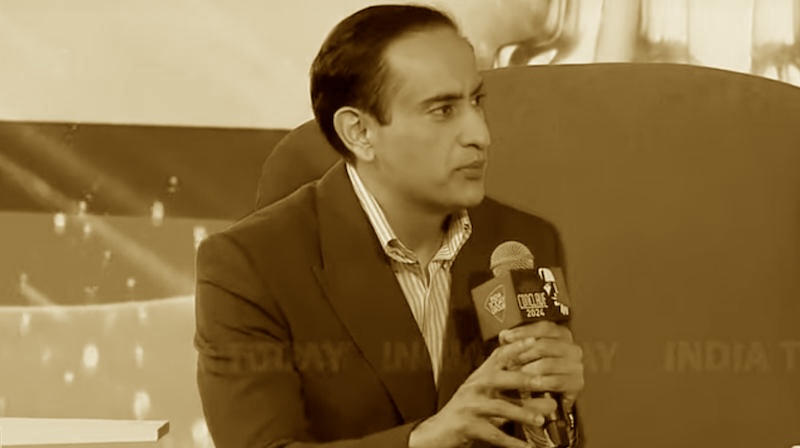
    NDTV chief executive & editor in chief Rahul Kanwal said the campaign has evolved into a movement that inspires citizens to contribute to the nation’s health journey. “With innovations like Hygieia and inclusive programmes for every child, the campaign demonstrates that purposeful individual action can transform communities—and collectively, guide India towards a Viksit Bharat by 2047.”

    Reckitt executive vice-president for south Asia  Gaurav Jain said the partnership was driving meaningful change in millions of lives. “By leveraging innovative solutions, we’re empowering individuals and communities to take charge of their health and hygiene. Our commitment to health equity and inclusivity is reflected in our Dettol Accessibility Curriculum, which ensures that no child is left behind.”

    The campaign has reached over 26 million children and enabled more than 38 billion handwashing occasions. Its architects believe individual responsibility and collective resolve will propel India’s health transformation. Change, they insist, begins with me.

  • NDTV pivots to live entertainment with star-studded concert series

    NDTV pivots to live entertainment with star-studded concert series

    NEW DELHI: NDTV, India’s three-decade-old news broadcaster, is striking out into uncharted territory with the launch of NDTV Good Times, a live entertainment venture that promises to bring marquee musical acts to iconic venues across the country.

    The move marks a bold departure for the Delhi-based media house, which has built its reputation on hard news and current affairs. Now it is betting that India’s youthful demographics and growing disposable income will fuel demand for premium live experiences.

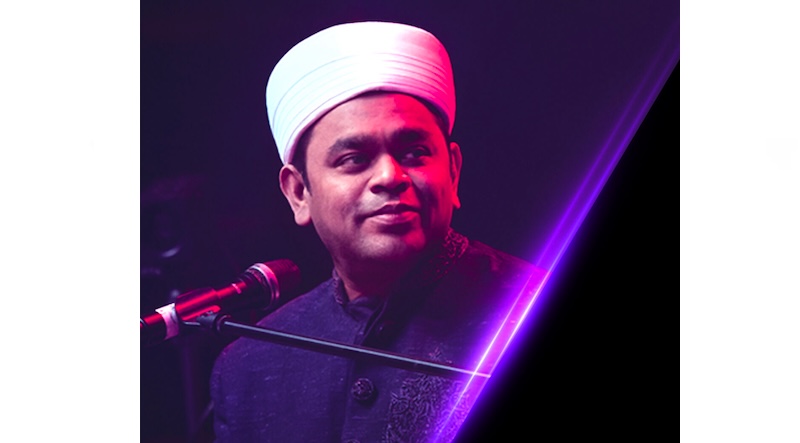
    The inaugural lineup reads like a who’s who of Indian music. AR Rahman will perform at Varanasi’s sacred ghats along the Ganges, while Sonu Nigam plans a tribute to legendary playback singer Mohammed Rafi at Kashmir’s Dal Lake. The roster also includes composer trio Shankar-Ehsaan-Loy and popular singers Jubin Nautiyal and Neha Kakkar.

    “NDTV has always stood at the intersection of storytelling and society,” said chief executive and editor-in-chief Rahul Kanwal. The company aims to “curate iconic performances that will not just entertain but also inspire, connect, and create lasting memories.”

    The venture taps into a global trend where live entertainment has become a cultural force, particularly among younger audiences who prize authentic, shared experiences over passive consumption. India, with one of the world’s youngest populations, appears ripe for such offerings.

    NDTV’s strategy leverages its existing broadcast and digital infrastructure to amplify these events beyond their physical venues. The company has partnered with ticketing platform  District to handle bookings and logistics.

    Rahul Shaw, the newly minted chief experiences officer, positions the initiative as “reimagining the heartbeat” of Indian culture by combining top-tier talent with extraordinary settings.

    The move comes as traditional media companies worldwide grapple with changing consumption patterns and seek new revenue streams. Whether NDTV’s gamble on live entertainment pays off will depend on its ability to translate its storytelling credibility into successful event curation—and whether Indian audiences are ready to pay premium prices for the privilege.

  • NDTV to snap up GoodTimes channel in Rs 18 crore slump sale

    NDTV to snap up GoodTimes channel in Rs 18 crore slump sale

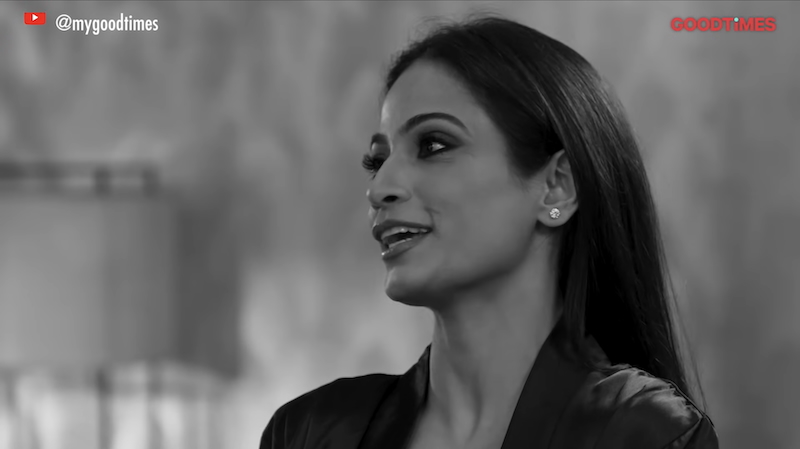
    NEW DELHI: New Delhi Television has approved the purchase of the GoodTimes channel from Lifestyle & Media Broadcasting in a slump sale valued at up to Rs 18 crore, a move that deepens its push into lifestyle broadcasting. The transaction will be funded through a mix of cash and television advertising inventory and is structured on a cash-free, debt-free basis. NDTV made this known through a regulatory filing on the Bombay stock exchange last weekend.

    GoodTimes, a fixture for fashion, food, travel and entertainment programming, will shift to NDTV as a going concern. Because Lifestyle & Media Broadcasting is a joint venture of NDTV, the deal qualifies as a related-party transaction, though the broadcaster emphasised that it is being executed on an arm’s-length basis and backed by an independent valuation from a registered valuer. NDTV added that its promoters and group companies hold no direct stake in the seller beyond any indirect shareholding.

    Completion is subject to routine corporate and regulatory clearances, including approval from the ministry of information and broadcasting for the transfer of the channel licence. NDTV expects the process to close within roughly three months.

    Executives say the acquisition aligns with NDTV’s long-term growth strategy, broadening its content portfolio and operational reach. The company believes folding GoodTimes into its network will strengthen its brand presence, diversify revenue streams and enhance value for shareholders as competition in India’s broadcasting market heats up.

  • Avanish Kumar takes charge of government digital business at NDTV

    Avanish Kumar takes charge of government digital business at NDTV

    NEW DELHI: NDTV has named Avanish Kumar as head of digital business (government), tasking him with leading its engagement with ministries, departments, PSUs and state bodies at a time when government advertising and campaigns are becoming increasingly digital.

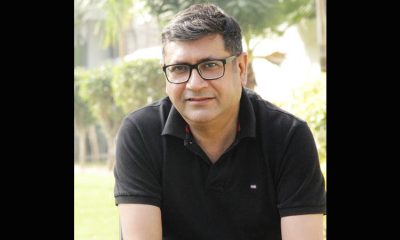
    Kumar joins from the India Today group, where he spent more than two years as chief manager of government business. There he managed the Business Today “Multiverse” – spanning the magazine, businesstoday.in and BTTV – with a sharp focus on monetising digital assets, building state and central government associations, and positioning the brand as media partner for investor summits and public events. He also worked directly with political parties to craft campaign solutions across platforms.

    Before India Today, Kumar was head of media marketing at Bharat Prakashan, publisher of Organiser and Panchjanya, where he managed pan-India teams and drove digital and content-marketing strategies for clients. He earlier served as business head at Flame Advertising, handling PSU and BFSI accounts, and was instrumental in developing government activations across radio, print, digital and cinema.

    Kumar cut his teeth in the private-sector media houses. At Hindustan Times, he generated advertising revenue across print, digital and radio while monetising flagship events such as the Hindustan Times Leadership Summit, Mint Energy Conclave and HT Palate Festival. At The Hindu, he focused on government features, supplements and sponsorship deals, working with ministries on campaigns such as “Incredible India”. His early years were spent at Nava Bharat, liaising with ministries and advertising agencies for media plans.

    Across these roles, Kumar has built a reputation as a government-business specialist with deep relationships across ministries, state information departments, investment boards and advertising agencies. His skill set blends digital marketing, media sales and event monetisation – areas critical for broadcasters and publishers as government spending increasingly shifts from print to online.

    At NDTV, Kumar’s brief is clear: maximise public-sector partnerships, align with government communication priorities, and grow digital revenues. His appointment comes as NDTV, part of the Adani group, looks to strengthen its foothold in digital news while navigating a fiercely competitive and politically sensitive landscape.

  • Revolving doors keep spinning in television as executives flee for calmer pastures

    Revolving doors keep spinning in television as executives flee for calmer pastures

    MUMBAI: The Indian media and entertainment business is experiencing something of a convulsion. At the heart of the storm sits television, a medium once considered impregnable, now rattled by both economic pressures and shifting consumption patterns. Senior and mid-level executives are walking out of plush offices at an unprecedented rate, turning resignation letters into the industry’s hottest commodity. The revolving doors at general entertainment channels, factual broadcasters and news networks have scarcely stopped spinning.

    Take the case of Rahul Kanwal, who after more than 16 years of high-profile editorial leadership quit India Today TV to join NDTV, in a move that shocked newsroom insiders. Or Ajit Varghese, the revenue chief at JioStar, who traded the corporate heft of a giant for partnership status at Madison, Sam Balsara’s three-and-a-half-decade-old agency. Meanwhile, Ashish Sehgal, a towering presence at Zee Entertainment for two decades and long seen as a confidant of Subhash Chandra and Punit Goenka bowed out just last week, a departure many in the industry still consider unimaginable.

    The Indian entertainment industry has been undergoing a leadership shake-up, particularly at Sony Pictures Networks India (SPNI). Veteran executive Neeraj Vyas exited after decades with the broadcaster to pursue entrepreneurial ambitions, signalling a personal pivot. Leena Lele Dutta, who oversaw the Kids and Animation business, is also stepping down, with Ambesh Tiwari set to replace her—a move that reflects SPNI’s portfolio restructuring. At the same time, the network bolstered its programming muscle by onboarding Nimisha Pandey as Programming Head at Sony SAB, underlining a renewed focus on fresh content creation.

    At Zee Media, a similar churn has unfolded. Manish Kalra and Archana Anand departed from Zee5 amid the platform’s ongoing strategy reset, while Mona Jain, Chief Revenue Officer, stepped down in August, citing industry-wide advertising pressures. Leadership realignment continued with Karan Abhishek Singh taking over as CEO, succeeding Abhay Ojha. These shifts highlight both the turbulence caused by stalled merger talks and the urgent need for sharper digital and ad revenue strategies.

    The news broadcasting sector has also witnessed high-profile exits. Avinash Pandey, CEO of ABP Network, resigned after more than two decades, stating personal reasons and the desire for a new professional chapter, with Sumanta Datta stepping in as his successor. MK Anand, CEO of Times Network, retired after leading the group through market headwinds, paving the way for Varun Kohli, who joined as COO to drive growth. Meanwhile, industry veteran Bobby Pawar shifted gears by joining News18 Studio as a creative consultant, reflecting the increasing importance of branded storytelling and creative content partnerships in newsrooms.

    The exits stretch beyond individual cases. Varun Kohli, who lasted barely a year as chief executive of Times Now, is gone. Aditya Raj Kaul, a stalwart of TV9, has crossed over to NDTV. At Warner Bros Discovery, Uttam Pal Singh, who spearheaded kids’ programming, resigned suddenly earlier this year, followed by Azmat Jagmat, another senior name. And in a particularly symbolic shift, Sanjog Gupta, head of sports at JioStar, has left to take up what one insider calls “a less bruising role” at the International Cricket Conference.

    What explains this exodus? A cocktail of pressures, say industry watchers. “Some of the folks are being let go on account of job redundancies,” observes one long-time media consultant. The wave of mergers and acquisitions JioStar’s consolidation, Zee’s attempted tie-ups, and the global reorganisations at Warner Bros Discovery has created overlapping functions. Where there are two people for one chair, one has to go.

    But redundancies only partly explain the malaise. The sharper truth, argue observers, lies in economics. Television revenues are under siege. Ad growth has slowed dramatically, with TAM Media data showing a 10 per cent decline in the first half of the year. Broadcasters, desperate to offset the slide, are demanding steeper targets from revenue heads and programming chiefs. “The expectations are unreasonable,” says another insider. “Advertisers are spoiled for choice, streaming platforms are eating into budgets, and yet top managements are chasing revenue hikes that are simply not possible. The stress is unbearable.”

    Increments, too, have dried up. Senior executives accustomed to annual rises and bonuses now find themselves fighting merely to hold ground. Worse still, broadcasters have been launching streaming services of their own almost all advertising-driven which has only spread resources thinner and pushed teams into even more brutal competition for a shrinking pool of ad dollars.

    Not all departures are sackings; some are voluntary retreats. As one industry observer puts it: “Executives are not just quitting jobs, they’re choosing health over hypertension. The rat race is too costly.” Indeed, several departures from Sanjog Gupta’s exit to ICC, to executives slipping into agencies or advisory roles bear the hallmark of a search for relative calm.

    Macro forces are compounding the gloom. With Russia’s war in Ukraine dragging on, Israel and Palestine locked in fresh conflict, and US president Donald Trump slapping stiff tariffs on Indian goods, global instability is feeding into local advertising budgets. Brands, particularly multinationals, are cautious, trimming campaigns and deferring big spends. “Belt-tightening will only intensify in the second half of the year,” warns a veteran media planner. “Blood baths are going to continue. Expect more resignations, more forced exits. The churn is far from over.”

    For now, television in India is still a business of scale: hundreds of millions watch every day, advertising still contributes the lion’s share of broadcaster revenues, and regional channels continue to proliferate. But for the men and women running the show, the glamour has dimmed. The executive suite, once the ultimate perch, has become a revolving door. And the more it spins, the less likely it seems to stop anytime soon.


  • Aditya Raj Kaul joins NDTV as senior executive editor for geopolitics and security

    Aditya Raj Kaul joins NDTV as senior executive editor for geopolitics and security

    NEW DELHI: NDTV has named Aditya Raj Kaul senior executive editor for geopolitics, national security and strategic affairs at NDTV 24×7, bolstering its newsroom with one of India’s most seasoned voices on foreign policy and defence.

    Kaul wasted no time settling in. On his very first day, he was filing dispatches from Tianjin, China, where Narendra Modi, Xi Jinping and Vladimir Putin gathered for the Shanghai Cooperation Organisation summit.
    With more than 15 years in frontline journalism, Kaul has reported from some of the world’s most volatile flashpoints — the India-China standoff in Ladakh, the abrogation of Article 370, the rise of ISIS in Iraq and Jordan, major terror strikes in Afghanistan and Pakistan, and India’s first state visit to Israel and Palestine. He was the first journalist on the ground during the 2014 Kashmir floods and has tracked disasters from Uttarakhand to Chhattisgarh’s Maoist belt.

    His international docket includes the G20 in Australia, Brics in China, Asean in Malaysia and Vietnam, and Saarc in Nepal, alongside high-level visits to the US, Germany and Israel. Along the way, he has secured exclusives with leaders such as S. Jaishankar, Amrullah Saleh, Tony Abbott and Benjamin Netanyahu.

    An award-winning documentary maker, Kaul’s films include Airlift on India’s evacuation in Ukraine and Killed by the Taliban on the death of Danish Siddiqui. His work has earned the Golden DigiPub World Award, News Television Award, and the Ram Jethmalani Prize.

    Rahul Kanwal, NDTV’s chief executive and editor-in-chief, hailed him as “among the finest in the field of strategic and international journalism,” adding that his presence in Tianjin on day one “shows his readiness and NDTV’s intent to be at the forefront of global stories.”

    Kaul said he was “honoured to join NDTV at this important juncture,” pledging to bring “clarity and context to events that impact millions.”

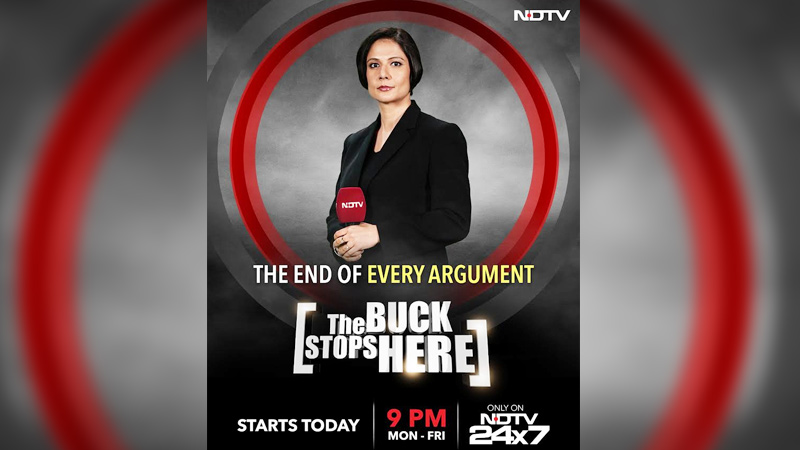
  • NDTV launches ‘The Buck Stops Here’ with Padmaja Joshi

    NDTV launches ‘The Buck Stops Here’ with Padmaja Joshi

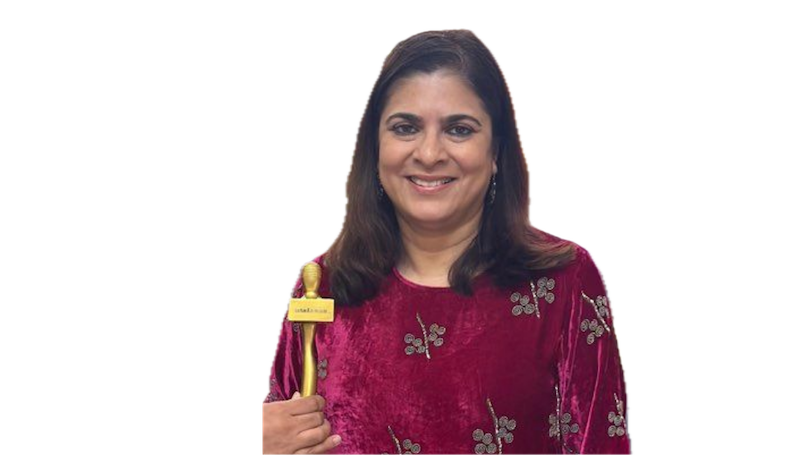
    MUMBAI: When it comes to primetime chatter, NDTV is putting its money where its mouth is. With The Buck Stops Here, fronted by Padmaja Joshi, the network is betting on a simple promise: end the noise, get to the point, and deliver answers that matter.

    Airing weeknights at 9 pm on NDTV 24×7, the show is pitched as the “end of every argument”, a space where governance, economy, society and India’s role in the world are not just debated but distilled into clarity.

    Joshi, NDTV’s managing editor and primetime anchor, brings her trademark directness to the role. “No evasion and no prevarication” she insists, setting the tone for debates that aim to close with conclusions rather than cliff-hangers.

    CEO and editor-in-chief, Rahul Kanwal, framed the launch as a statement of intent and said, “The Buck Stops Here is primetime as India deserves it – rigorous, and uncompromisingly focused on what matters most to the nation. Padmaja Joshi brings an editorial depth and clarity of vision that will ensure this is not just another show, but the end of every argument – a definitive moment in the national conversation.”

    For NDTV, the programme signals more than a new slot, it marks the channel’s renewed ambition to mirror a confident India with sharper, bolder coverage. For viewers weary of endless shouting matches, it could well be the place where the buck really does stop.