Tag: NCCS

  • DD national channel had a weekly viewership of 172 million in ’16

    NEW DELHI: The gross viewership of Doordarshan’s national channel in 2016 was 172 million per week as compared to 133 million per week in 2015 and 155 million per week in 2014.

    Minister of state for information and broadcasting Rajyavardhan Rathore has told the Parliament that the computation had been done under the New Consumer Classification System (NCCS).

    Being a public service broadcaster, the minister said in reply to a question that the pubcaster cannot therefore be guided purely by Commercial motive to produce high TRP ratings programmes.

    Section 12 of the Prasar Bharati (Broadcasting Corporation of India) Act 1990, the primary duty of the Corporation is to organise and conduct public broadcasting services to inform, educate and entertain the public.

    In accordance with these objectives, Doordarshan produces programmes encompassing the objectives of public service broadcasting.

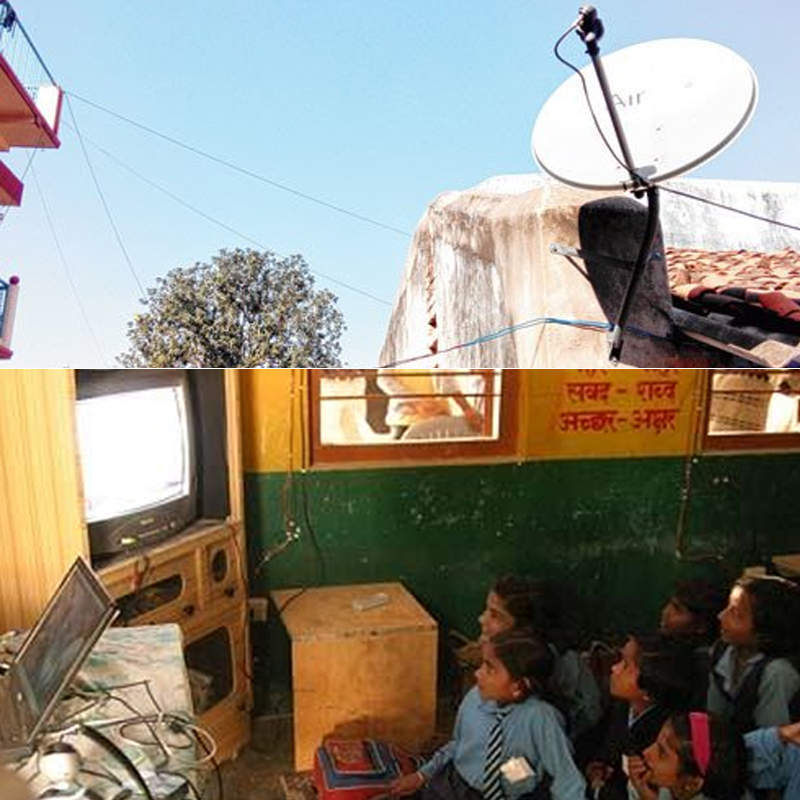
    He said that DD telecasts a variety of programmes for viewers in rural areas through its entire network of 23 Satellite channels (24X7) including six National, one International, and 16 RLSS (Regional Language Satellite Services) channels.

    Apart from this, Doordarshan has launched DD Kisan Channel to meet the special requirement of farmers and viewers in rural areas. Its programme content includes core agriculture, weather, rural development and entertainment for the benefit of viewers in general and farming and rural community in particular.

  • TV viewership jumps by a whopping 18%: BARC India

    MUMBAI: BARC India has released its weekly viewership data on the basis of a revised Universe Estimate (UE), which is based on the results of Broadcast India Survey – the largest-ever research study undertaken to ascertain TV universe & television viewing habits in India.

    With this, BARC India has updated and aligned its TV universe with ground-level changes in demographics, TV ownership and connection type, language preference and changes in NCCS profiles etc.

    Fieldwork for the Broadcast India Survey was carried out over November 2015 to Feb 2016, and covered 3,00,000 homes across 590 Districts comprising of about 4300 Towns/Villages. All 1 Lakh+ towns were covered, while towns below 1 Lakh were selected by a Probability Proportional to Size (PPS) method.

    With the new UE, Week 8 has seen a significant increase of 18Per cent in Total TV viewership in the country. Total TV impressions have grown from 22.7 billion in week 7 to 26.7 billion impressions in week 8.

    “BI 2016 is one of the biggest survey’s done in the country so far. The TV universe in India is ever growing and changing and so is the profile and choice of a TV viewer. The last survey done was in 2013 and the last Census was in 2011. The consumer and viewer landscape is changing rapidly – with electrification, prosperity, changing modes of signal and digitisation. We wanted to reflect this change in viewership numbers and hence conducted our own Establishment Survey. This will help our subscribers and the eco system align their strategies for better targeting. The new reality is TV viewership is rapidly growing and how,” said BARC India CEO Partho Dasgupta.

    The study also highlights the fact that TV HHs have grown faster in NCCS B and C, thus increasing the share of the middle class. While NCCS A has dropped from 22 per cent to 21 per cent , NCCS B and C have gone up from 24 per cent to 27 Per cent and 31 Per cent to 32 Per cent respectively. NCCS D/E on the other hand has de-grown from 23 per cent to 20 per cent . These trends are in line with fragmentation of family sizes (leading to lower average family sizes) and rising economic growth and rising prosperity. It also shows that India has more nuclear families without elders than ever before, and it is also the dominant family group among TV owning homes. While composition of joint families in the universe has come down from 26 per cent to 22 per cent, nuclear families with elders has grown from 53 per cent to 58 per cent .

    Some key changes have been seen in the BI study like electrification, migration, digitisation, rise in smaller and nuclear family culture, increase in middle class, inclusion of rural markets and single TV households which has an impact on TV viewership behaviour.

    BI-2016, the report based on the survey, contains not just an updated count and composition of TV homes across urban and rural India, but also offers data and insights that would be of immense value to marketers and advertisers. It contains granular data and information on media consumption habits of Indians, as well as select durable ownership and packaged goods purchase profiles. It is an updated database of Indian consumer behaviour.

  • Advertisers target rural north & south zone on serials & film-based content: BARC

    Advertisers target rural north & south zone on serials & film-based content: BARC

    MUMBAI: None realised the importance of rural market until BARC India started monitoring viewing habits in the countryside. After the TV audience measurement system gave its ratings, the industry woke up to the potential of this market.

    A recent newsletter released by BARC India emphasises on the viewing habits of the viewers on different fronts.

    From one front,  this research explores the advertisers and marketers targeting north and south zone on serials and film-based content to reach their respective audience.

    On an overall level for rural India, serial-based programmes secure the highest share, followed by film-based programmes. This pattern is consistent across zones with the exception of south India. Viewership for serials is driven majorly by the north zone while film-based programmes have maximum viewership in the south zone, which does not come as a surprise.

    public://barc6_0.jpg

    Most of the programme themes are driven by south zone. The only exception is music which is driven almost entirely by the north zone. For broadcasters in the serials and music genre, north rural market is the key.

    For advertisers and marketers targeting north and south zone, serials and film-based content will be the ‘Holy Grail’ to reach their audience respectively as over 30 per cent of the viewership is attributed to each of these content types across zones.

    For marketers targeting west or east zone, frequency-based plans yield results easily. On the other hand, for those targeting north, reach-based plans may be more achievable.

    On an overall level, the south zone registers the highest reach and ATS ( Average Time Spent) among the four zones in rural market. Looking at the west zone, ATS is the second highest after south zone. However, it has relatively lower reach. This shows that audience in the western rural market has lower reach but they spend a high amount of time consuming television content. Conversely, the north zone has the lowest ATS but has a comparatively better reach. One can infer that audience in the north zone does not stick to television viewing for as long as those in other zones.

    The rural viewership pattern

    Urban and rural India follow distinctly different viewing patterns across the day. Rural India starts its day much earlier than urban India around 5am, and continues to have higher viewership until 9am.

    Post 9am, urban India’s viewership catches up and has higher viewership than the rural India throughout the afternoon and evening. Both, urban and rural India see a marginal peak during 2-230pm. However, rural India sees an early spike for prime time as compared to urban India. The highest viewership in rural India is generated during the time-band 830-9pm followed by the time-band 8-830pm.

    Viewership starts declining around 1030pm hinting at an early wrap-up for the day for the rural audience.

    If one compares all the four zones in the rural market, it seems like the viewership is driven by southern rural market followed by the west zone. The lowest viewership in rural market can be observed in the north zone which has the lowest average rating percentage for the entire day.

    public://barc10_0.jpg

    public://barc9_0.jpg

    If one looks at the zone-wise viewership, both weekdays and weekends are driven by the south zone followed by west zone. Overall viewership for weekends is marginally higher than weekdays for rural India. At the zone level, this increase for weekend viewership is the maximum for the west zone and the least for the east zone.

    public://barc8_0.jpg

    public://barc7.jpg

    Viewership differs during prime time

    Millennials in rural India could be the next big target for broadcasters and advertisers to hold on to.

    Viewership in India during prime time is equally divided among both the genders. However, if compared by the four zones, north and west zone have a higher percentage of male viewers (51 per cent  and 52 per cent, respectively) and Millennials (age-group 15-30) form the largest percentage of audience in rural India. The pattern is the same among all the four zones with the exception of south where Gen X (age group 31-50) forms the largest percentage of the audience.

    NCCS C (New Consumer Classification System) has the highest share of viewership among all zones in rural India. While the west zone and the east zone display a composition similar to rural India, the north zone and south zone have some variations. The north zone has a substantially higher composition of NCCS A & NCCS B, while the contribution of NCCS C is lower than the rural India average. Conversely, in the south zone, the contribution of NCCS A is low.

    public://barc5_0.jpg

    Surprisingly, film-based programmes, which have the maximum reach during prime time, have one of the lowest stickiness across rural India for all the four zones. Game/talk/quiz and lifestyle-based programmes can hold the audience for long as they have a healthy ratio for reach to fidelity. In rural India, stickiness for serial-based programs is the highest across programme themes.

    Surprisingly, it is driven mostly by south zone, which had the lowest reach among all zones for this content. Interestingly, if one compares this to the audience composition analysed above, north zone and west zone, which have a higher percentage of male audience, also see higher stickiness for sports programmes. Lifestyle-based content in terms of stickiness has much better ratio of reach to fidelity across zones.

    public://barc4_0.jpg

    public://barc3_0.jpg

    Ad sector popularity

    The top ad sectors by viewership during prime time in rural India are personal care/hygiene, food & beverages, hair care and services etc.

    Personal care/hygiene and hair care sector have a higher share in the north zone. This can also be seen while comparing all the zones for the ‘personal healthcare’ category, where again the north zone takes the lead.

    On the other hand, the south zone is more inclined towards categories such as food and beverages, auto, durables and personal accessories.

    public://barc2_1.jpg

    Switching pattern for GEC & movie genre

    Since most of the TV viewership is generated by GEC and the movie genre, it would be interesting to understand the switching pattern of rural India on a day-part level.

    public://barc1_1.jpg

    As observed in the paragraphs above, throughout the day, most of the switching to or from a channel genre happens due to audience switching the TV on or not. However, it declines during the later time-bands. The only exception is 6pm to 12 midnight where switching between movies and GEC is higher than viewers switching TV on during that time-band (with movies as reference). On comparing switching from movies to GEC genre, switching percentage remains almost comparable throughout the day.

    On the other hand, switching from GEC to movies declines during later time-bands. On an overall level, switching from GEC to movies is seen more often that the switching from movies to GEC.

  • Advertisers target rural north & south zone on serials & film-based content: BARC

    Advertisers target rural north & south zone on serials & film-based content: BARC

    MUMBAI: None realised the importance of rural market until BARC India started monitoring viewing habits in the countryside. After the TV audience measurement system gave its ratings, the industry woke up to the potential of this market.

    A recent newsletter released by BARC India emphasises on the viewing habits of the viewers on different fronts.

    From one front,  this research explores the advertisers and marketers targeting north and south zone on serials and film-based content to reach their respective audience.

    On an overall level for rural India, serial-based programmes secure the highest share, followed by film-based programmes. This pattern is consistent across zones with the exception of south India. Viewership for serials is driven majorly by the north zone while film-based programmes have maximum viewership in the south zone, which does not come as a surprise.

    public://barc6_0.jpg

    Most of the programme themes are driven by south zone. The only exception is music which is driven almost entirely by the north zone. For broadcasters in the serials and music genre, north rural market is the key.

    For advertisers and marketers targeting north and south zone, serials and film-based content will be the ‘Holy Grail’ to reach their audience respectively as over 30 per cent of the viewership is attributed to each of these content types across zones.

    For marketers targeting west or east zone, frequency-based plans yield results easily. On the other hand, for those targeting north, reach-based plans may be more achievable.

    On an overall level, the south zone registers the highest reach and ATS ( Average Time Spent) among the four zones in rural market. Looking at the west zone, ATS is the second highest after south zone. However, it has relatively lower reach. This shows that audience in the western rural market has lower reach but they spend a high amount of time consuming television content. Conversely, the north zone has the lowest ATS but has a comparatively better reach. One can infer that audience in the north zone does not stick to television viewing for as long as those in other zones.

    The rural viewership pattern

    Urban and rural India follow distinctly different viewing patterns across the day. Rural India starts its day much earlier than urban India around 5am, and continues to have higher viewership until 9am.

    Post 9am, urban India’s viewership catches up and has higher viewership than the rural India throughout the afternoon and evening. Both, urban and rural India see a marginal peak during 2-230pm. However, rural India sees an early spike for prime time as compared to urban India. The highest viewership in rural India is generated during the time-band 830-9pm followed by the time-band 8-830pm.

    Viewership starts declining around 1030pm hinting at an early wrap-up for the day for the rural audience.

    If one compares all the four zones in the rural market, it seems like the viewership is driven by southern rural market followed by the west zone. The lowest viewership in rural market can be observed in the north zone which has the lowest average rating percentage for the entire day.

    public://barc10_0.jpg

    public://barc9_0.jpg

    If one looks at the zone-wise viewership, both weekdays and weekends are driven by the south zone followed by west zone. Overall viewership for weekends is marginally higher than weekdays for rural India. At the zone level, this increase for weekend viewership is the maximum for the west zone and the least for the east zone.

    public://barc8_0.jpg

    public://barc7.jpg

    Viewership differs during prime time

    Millennials in rural India could be the next big target for broadcasters and advertisers to hold on to.

    Viewership in India during prime time is equally divided among both the genders. However, if compared by the four zones, north and west zone have a higher percentage of male viewers (51 per cent  and 52 per cent, respectively) and Millennials (age-group 15-30) form the largest percentage of audience in rural India. The pattern is the same among all the four zones with the exception of south where Gen X (age group 31-50) forms the largest percentage of the audience.

    NCCS C (New Consumer Classification System) has the highest share of viewership among all zones in rural India. While the west zone and the east zone display a composition similar to rural India, the north zone and south zone have some variations. The north zone has a substantially higher composition of NCCS A & NCCS B, while the contribution of NCCS C is lower than the rural India average. Conversely, in the south zone, the contribution of NCCS A is low.

    public://barc5_0.jpg

    Surprisingly, film-based programmes, which have the maximum reach during prime time, have one of the lowest stickiness across rural India for all the four zones. Game/talk/quiz and lifestyle-based programmes can hold the audience for long as they have a healthy ratio for reach to fidelity. In rural India, stickiness for serial-based programs is the highest across programme themes.

    Surprisingly, it is driven mostly by south zone, which had the lowest reach among all zones for this content. Interestingly, if one compares this to the audience composition analysed above, north zone and west zone, which have a higher percentage of male audience, also see higher stickiness for sports programmes. Lifestyle-based content in terms of stickiness has much better ratio of reach to fidelity across zones.

    public://barc4_0.jpg

    public://barc3_0.jpg

    Ad sector popularity

    The top ad sectors by viewership during prime time in rural India are personal care/hygiene, food & beverages, hair care and services etc.

    Personal care/hygiene and hair care sector have a higher share in the north zone. This can also be seen while comparing all the zones for the ‘personal healthcare’ category, where again the north zone takes the lead.

    On the other hand, the south zone is more inclined towards categories such as food and beverages, auto, durables and personal accessories.

    public://barc2_1.jpg

    Switching pattern for GEC & movie genre

    Since most of the TV viewership is generated by GEC and the movie genre, it would be interesting to understand the switching pattern of rural India on a day-part level.

    public://barc1_1.jpg

    As observed in the paragraphs above, throughout the day, most of the switching to or from a channel genre happens due to audience switching the TV on or not. However, it declines during the later time-bands. The only exception is 6pm to 12 midnight where switching between movies and GEC is higher than viewers switching TV on during that time-band (with movies as reference). On comparing switching from movies to GEC genre, switching percentage remains almost comparable throughout the day.

    On the other hand, switching from GEC to movies declines during later time-bands. On an overall level, switching from GEC to movies is seen more often that the switching from movies to GEC.

  • Nick’s Motu Patlu regains top position: BARC week 49

    Nick’s Motu Patlu regains top position: BARC week 49

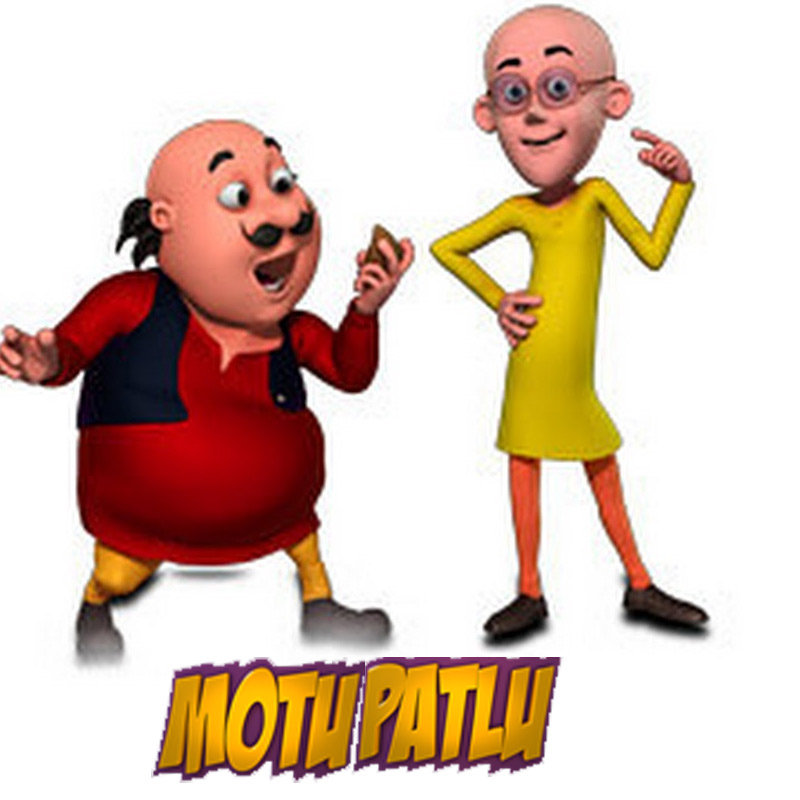
    MUMBAI: Going by Broadcast Audience Research Council (BARC) India’s all India (U+R) data for week 49  in NCCS All 4-14 Individuals category Viacom 18’s Nick maintained its lead in the genre, as its flagship show, Motu Patlu regains its lead position in the programme list.

    Nickelodeon’s viewership ratings rose to 75907(000s sums) from  69602 (000s sums). It lead the chart by a big margin from Turner International’s Pogo TV, which graced the second spot with 53416 (000s sums) followed by Cartoon Network with 51889 (000s sums).

    public://Rank1.jpg

    Hungama  followed  closely behind with 51119 (000s sums) ratings. Disney Channel came fifth on the list with a rating of 41422 (000s sums).

    NIck’s Motu Patlu In Alien World led the top five kids programmes chart with a rating of 840 (000s sums) closely followed by Pogo TV’s Ganesh with 509 (000s sums) ratings.

    public://RANK2.jpg

    Nick’s Motu Patlu  reappeared on the third spot as Motu Patlu in Double Trouble  with a viewership  rating of 436 (000s sums), as well as on the fourth spot as simply ‘Motu Patlu’ with 431(000s sums) ratings.

    Pogo TV’s Krishna in Vrindavan was the fifth most watched program in the genre in week 39 with 399 (000s sums) ratings.

  • Nick’s Motu Patlu regains top position: BARC week 49

    Nick’s Motu Patlu regains top position: BARC week 49

    MUMBAI: Going by Broadcast Audience Research Council (BARC) India’s all India (U+R) data for week 49  in NCCS All 4-14 Individuals category Viacom 18’s Nick maintained its lead in the genre, as its flagship show, Motu Patlu regains its lead position in the programme list.

    Nickelodeon’s viewership ratings rose to 75907(000s sums) from  69602 (000s sums). It lead the chart by a big margin from Turner International’s Pogo TV, which graced the second spot with 53416 (000s sums) followed by Cartoon Network with 51889 (000s sums).

    public://Rank1.jpg

    Hungama  followed  closely behind with 51119 (000s sums) ratings. Disney Channel came fifth on the list with a rating of 41422 (000s sums).

    NIck’s Motu Patlu In Alien World led the top five kids programmes chart with a rating of 840 (000s sums) closely followed by Pogo TV’s Ganesh with 509 (000s sums) ratings.

    public://RANK2.jpg

    Nick’s Motu Patlu  reappeared on the third spot as Motu Patlu in Double Trouble  with a viewership  rating of 436 (000s sums), as well as on the fourth spot as simply ‘Motu Patlu’ with 431(000s sums) ratings.

    Pogo TV’s Krishna in Vrindavan was the fifth most watched program in the genre in week 39 with 399 (000s sums) ratings.

  • Chrome Data rolls out massive rural habits report, cable TV included

    Chrome Data rolls out massive rural habits report, cable TV included

    MUMBAI: The Pankaj Krishna-led Chrome Data Analytics & Media today announced the completion of their proprietary Rural Establishment Survey (RES), an unprecedented study covering consumer behaviour and habits in over 200,000 Indian villages, representing over 300 million Indians.

    The survey, which was done over a period of 15 months, involved the entire Chrome Data infrastructure of over 650 field executive, 450 telecalling staff and the 150 strong analytics team, together speaking over 22 languages to map the length and breadth of the country. According to Chrome Data, one in a 100 households covering the sample area were reached.

    Respondents were made to fill out a detailed questionnaire which included consumer habits, family income and lifestyle patterns among other things.

    All the products in the naional consumer classification survey (NCCS), cable penetration, electricity, power cut data, political preferences, subscriber attached to each platform by village, are some of the data points which have been captured by the rural establishment report.

    The survey holds direct actionables for brands and agencies to help target growth regions

    Broadcasters, for example can know the exact subscriber base of cable networks in the villages covered. Along with this, it also gives the number of active subscribers of each cable network. The company believes RES will add immense value to business strategies for broadcasters, agencies and advertisers.

    Speaking on the product, Chrome Data CEO Pankaj Krishna: “It has been a humbling experience to be a part of a study of such a massive scale, and I’m proud of the team for the amount of efforts they’ve put in over the past 15 months. Even we weren’t prepared for some of the findings – for broadcasters for example, there are pockets of rural areas that have seen Freedish penetration spiral up to almost a hundred percent.”

    Chrome RES, he added, will be key for any business planning to capitalize on data driven strategies to exploit the 74% rural population.

    Pricing for the rural establishment report varies between Rs 35 lakh to Rs 1.8 crore depending on the number genres and channels that are subscribing to to it.

  • Chrome Data rolls out massive rural habits report, cable TV included

    Chrome Data rolls out massive rural habits report, cable TV included

    MUMBAI: The Pankaj Krishna-led Chrome Data Analytics & Media today announced the completion of their proprietary Rural Establishment Survey (RES), an unprecedented study covering consumer behaviour and habits in over 200,000 Indian villages, representing over 300 million Indians.

    The survey, which was done over a period of 15 months, involved the entire Chrome Data infrastructure of over 650 field executive, 450 telecalling staff and the 150 strong analytics team, together speaking over 22 languages to map the length and breadth of the country. According to Chrome Data, one in a 100 households covering the sample area were reached.

    Respondents were made to fill out a detailed questionnaire which included consumer habits, family income and lifestyle patterns among other things.

    All the products in the naional consumer classification survey (NCCS), cable penetration, electricity, power cut data, political preferences, subscriber attached to each platform by village, are some of the data points which have been captured by the rural establishment report.

    The survey holds direct actionables for brands and agencies to help target growth regions

    Broadcasters, for example can know the exact subscriber base of cable networks in the villages covered. Along with this, it also gives the number of active subscribers of each cable network. The company believes RES will add immense value to business strategies for broadcasters, agencies and advertisers.

    Speaking on the product, Chrome Data CEO Pankaj Krishna: “It has been a humbling experience to be a part of a study of such a massive scale, and I’m proud of the team for the amount of efforts they’ve put in over the past 15 months. Even we weren’t prepared for some of the findings – for broadcasters for example, there are pockets of rural areas that have seen Freedish penetration spiral up to almost a hundred percent.”

    Chrome RES, he added, will be key for any business planning to capitalize on data driven strategies to exploit the 74% rural population.

    Pricing for the rural establishment report varies between Rs 35 lakh to Rs 1.8 crore depending on the number genres and channels that are subscribing to to it.

  • BARC week 27: Nick leads kids genre; CN jumps to second spot

    BARC week 27: Nick leads kids genre; CN jumps to second spot

    MUMBAI: Continuing its reign as a genre lead, Viacom 18’s Nick was again the topmost watched channel in the kids entertainment segment, according to Broadcast Audience Research Council (BARC) India’s all India (U+R) data for week 27 in NCCS All 4-14 Individuals category.

    The channel has bagged 81167 (000s sums) as opposed to 86062 (000s sums) impressions last week showing a drop in its ratings, Nick is followed by Turner International’s Cartoon Network which has jumped from fourth to second position by securing 68299 (000s sums) impressions from 48093 (000s sums) in week 26.

    Cartoon Network is followed by Hungama from Disney India on the third spot with 57530 (000s sums) impressions and Pogo TV 56313 (000s sums) impressions giving it the fourth rank on the list.

    These are followed closely at heel by Disney Channel which has seen a significant drop in its viewership from 61691 (000s sums) last week to 52522(000s sums) this week.

    When it comes to the top five most watched programs in the genre, Motu Patlu and Chhota Bheem has yet again proved itselves as genre favourites.

    Nick’s Motu Patlu In Double Trouble lead the chart with 1071 (000s sums), followed by Motu Patlu Mission Moon from the same franchise grabbing the second spot with with 665 (000s sums) impressions.

    With a slightly lower ratings of 643 (000s sums) Motu Patlu Kungfu King Returns was third most watched show in the category while Chhota Bheem: Dholakpur To Japan was fourth in the list with 522 (000s sums).

    Chhota Bheem: Dholakpur to Kathmandu was fifth in the list with 515 (000s sums) viewership impressions. Overall one could notice a drop in total viewership in the genre.

  • BARC week 27: Nick leads kids genre; CN jumps to second spot

    BARC week 27: Nick leads kids genre; CN jumps to second spot

    MUMBAI: Continuing its reign as a genre lead, Viacom 18’s Nick was again the topmost watched channel in the kids entertainment segment, according to Broadcast Audience Research Council (BARC) India’s all India (U+R) data for week 27 in NCCS All 4-14 Individuals category.

    The channel has bagged 81167 (000s sums) as opposed to 86062 (000s sums) impressions last week showing a drop in its ratings, Nick is followed by Turner International’s Cartoon Network which has jumped from fourth to second position by securing 68299 (000s sums) impressions from 48093 (000s sums) in week 26.

    Cartoon Network is followed by Hungama from Disney India on the third spot with 57530 (000s sums) impressions and Pogo TV 56313 (000s sums) impressions giving it the fourth rank on the list.

    These are followed closely at heel by Disney Channel which has seen a significant drop in its viewership from 61691 (000s sums) last week to 52522(000s sums) this week.

    When it comes to the top five most watched programs in the genre, Motu Patlu and Chhota Bheem has yet again proved itselves as genre favourites.

    Nick’s Motu Patlu In Double Trouble lead the chart with 1071 (000s sums), followed by Motu Patlu Mission Moon from the same franchise grabbing the second spot with with 665 (000s sums) impressions.

    With a slightly lower ratings of 643 (000s sums) Motu Patlu Kungfu King Returns was third most watched show in the category while Chhota Bheem: Dholakpur To Japan was fourth in the list with 522 (000s sums).

    Chhota Bheem: Dholakpur to Kathmandu was fifth in the list with 515 (000s sums) viewership impressions. Overall one could notice a drop in total viewership in the genre.