Tag: National Film Awards

  • Diviniti crafts National Film and Phalke Awards

    Diviniti crafts National Film and Phalke Awards

    MUMBAI: Talk about a golden touch! Diviniti, famed for its fine craftsmanship and timeless elegance, has once again etched its mark in Indian cinema by creating the National Film Awards trophies and the Dadasaheb Phalke Award, the country’s highest cinematic honour.

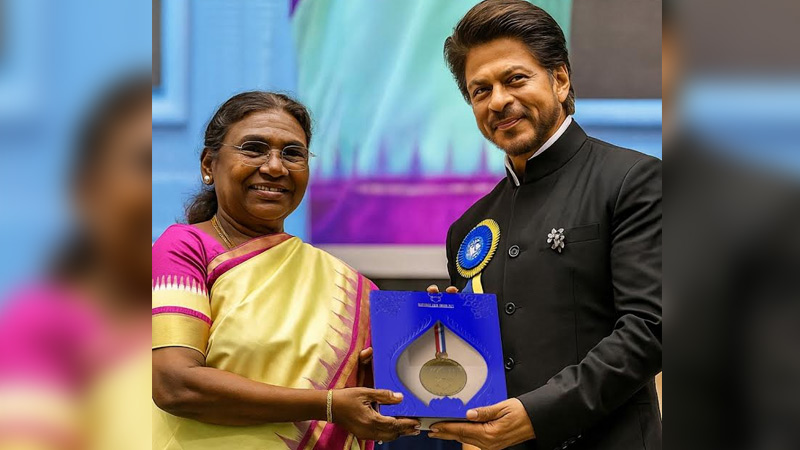
    For legends like Shah Rukh Khan, Mohanlal and Rani Mukerji, holding a Diviniti-crafted trophy was more than recognition, it was artistry meeting achievement. “It is an extraordinary privilege for Diviniti to craft honours that celebrate the finest talent in Indian cinema,” said Diviniti director Amushree Jha. “Every creation must embody not just beauty but also legacy, and seeing icons hold our work fills us with immense pride.”

    Diviniti’s association with the nation’s most prestigious awards is no one-off. The brand has long worked with government ministries and the office of the president of India, creating exclusive mementoes presented at national occasions of great significance.

    From its beginnings in spiritual and luxury gifting to becoming a trusted name in bespoke honours, Diviniti continues to craft artefacts that stand as symbols of pride, prestige and permanence. This enduring partnership with India’s highest cinematic accolades underscores not just craftsmanship, but a legacy woven into the very fabric of the nation’s cultural milestones.  
     
     
  • Cinema is a powerful medium of communication: Naidu

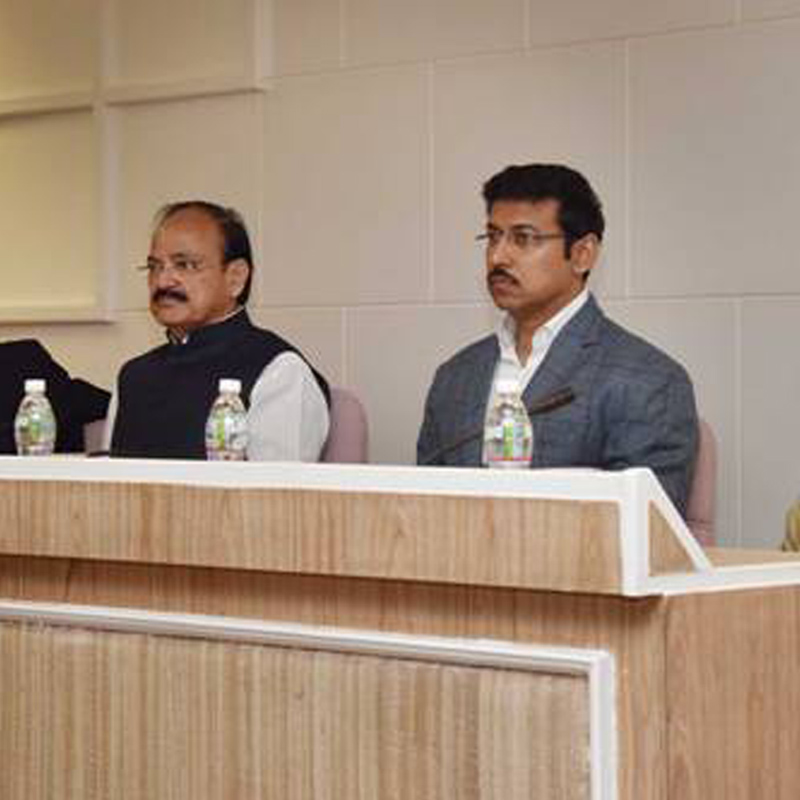
    NEW DELHI: The information and broadcasting minister M Venkaiah Naidu has said that cinema is a powerful communicator and influences the behaviour and societal norms and had the power to bring extraordinary changes in the lives of the people.

    Speaking after receiving the report of the 64th National Film Awards jury headed by the famed filmmaker Priyadarshan, Naidu said National Film Awards provided a platform to showcase the composite and rich culture of India through the medium of Cinema.

    The minister said that National Film Awards had established themselves as the premier film awards in the country while honouring the best talent in the film Industry.

    Taking advantage of this medium, the mMinistry had organised various film festivals targeting various sections of the society like Children Film Bonanza, Patriotic Film Festival amongst others.

    Referring to Regional Cinema, Naidu said it had evolved to the extent of becoming a natural competitor for Bollywood. Movies like Baahubali which had won several accolades had shown the potential of creativity, technology and animation in the Films Sector.

    Also Read :

    Film piracy: Govt has no ‘losses’ figure, industry estimates Rs 180 bn a yr

    Steps to encourage ease of doing film business under way

  • Most film-friendly state to get Rs 1-cr cash award

    Most film-friendly state to get Rs 1-cr cash award

    NEW DELHI: The most film-friendly state in India will henceforth receive a cash award of Rs 10 million (Rs 1 crore) in addition to Rajat Kamal and certificate.

    This was announced by information and broadcasting minister M Venkaiah Naidu at the opening of the 28th State Information Ministers Conference (SIMCON) on Saturday.

    The award was instituted in the National Film Awards given away on 3 May this year, and the first award had gone to Gujarat. But, there was no cash component involved.

    The minister said this had been done to encourage the ease of film shooting. Naidu suggested that the prize money may be used by the winning state towards film facilitation. Meanwhile, the minister of state for information and broadcasting Rajyavardhan Rathore said a website was soon being set up for film facilitation and permissions.

    Rathore urged the states to set up film facilitation units to ease out film shooting permissions as well as ensure seamless movement of their equipment.

    The ministry was in the process of setting up a central portal for all such related permissions and welcomed states to also collaborate in this platform as a part of ease of doing business initiative, he added.

  • Most film-friendly state to get Rs 1-cr cash award

    Most film-friendly state to get Rs 1-cr cash award

    NEW DELHI: The most film-friendly state in India will henceforth receive a cash award of Rs 10 million (Rs 1 crore) in addition to Rajat Kamal and certificate.

    This was announced by information and broadcasting minister M Venkaiah Naidu at the opening of the 28th State Information Ministers Conference (SIMCON) on Saturday.

    The award was instituted in the National Film Awards given away on 3 May this year, and the first award had gone to Gujarat. But, there was no cash component involved.

    The minister said this had been done to encourage the ease of film shooting. Naidu suggested that the prize money may be used by the winning state towards film facilitation. Meanwhile, the minister of state for information and broadcasting Rajyavardhan Rathore said a website was soon being set up for film facilitation and permissions.

    Rathore urged the states to set up film facilitation units to ease out film shooting permissions as well as ensure seamless movement of their equipment.

    The ministry was in the process of setting up a central portal for all such related permissions and welcomed states to also collaborate in this platform as a part of ease of doing business initiative, he added.

  • 63rd National Film Awards: ‘Baahubali’ is best film;’Bajirao Mastani’ bags largest number of awards for 2015

    63rd National Film Awards: ‘Baahubali’ is best film;’Bajirao Mastani’ bags largest number of awards for 2015

    New Delhi, 28 March: ‘Baahubali – The Beginning’ by S S Rajamouli, arguably the most expensive film ever made in India, today bagged the Best Film award for 2015, while megastar Amitabh Bachchan and Kangana Ranaut won awards for best artistes for ‘Piku’ and ‘Tanu weds Manu Returns’.‘Bajirao Mastani; bagged the largest number of awards with Sanjay Leela Bhansali getting the best director for the film at the 63rd National Film Awards for 2015, which will be presented on 3 May. ‘Baahubali – The Beginning’ also got the special effects award for V Srinivas Mohan.

    The Feature Film Central panel was headed by Ramesh Sippy, and comprised of 11 members including the chairman. The-Non Feature jury was headed by Vinod Ganatra and comprised seven members including the chairman. The jury on Best Writing on Cinema was headed by Advaita Kala and comprised three members including the chairperson.
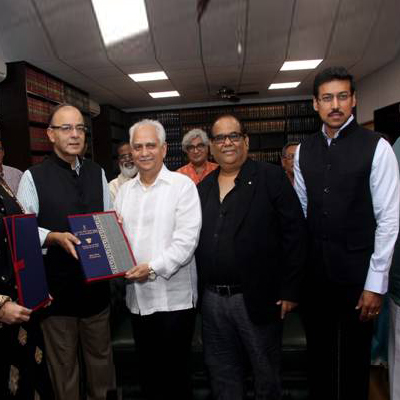
    Prior to the announcement of the awards, the chairpersons of the three juries and members of the jury presented their reports to Information and Broadcasting Minister Arun Jaitley. MoS Rajyavardhan Rathore and secretary Sunil Arora were also present. Jaitley appreciated the efforts put in by the jury members in deciding the awards in various categories which reflected the diversity of India’s cinematic brilliance and diversity.

    Awards list in brief

    Interestingly, the highly acclaimed and internationally applauded film ‘Masaan’ only received theIndira Gandhi Award for Best Debut Film of a Director for Neeraj Ghaywan.

    Contrary to expectations, Tanvi Azmi bagged the supporting actress award for ‘Bajirao Mastani’ (as the names Deepika Padukone and Priyanka Chopra were also doing the rounds), while Samuthirakani got this award for the film ‘Visaaranai’, which also received the best Tamil Film and Best Editing awards (late Kishore T.E). Gaurav Menon was named best child artiste for ‘Ben’. Kalki Koelchin got a Special Jury Award for ‘Margarita with a straw’.

    ‘Bajirao Rao Mastani’ also won awards for Best choreography by Remo D’Souza for the song ‘Deewani Mastani’, Best Cinematography Sudeep Chaterjee, best sound design by Biswajit Chatterjee, re-recording of final mixed track by Justin Ghose, and best production design by Shriram Iyengar, Saloni Dhatrak and Sujeet Sawant.

    The Salman Khan-starrer ‘Bajrangi Bhaijaan’ by Kabir Khan was named for Best Popular Film Providing Wholesome Entertainment, while the best Hindi Film award was given to ‘Dum Laga Ke Haisha.’

    Also interestingly, apart from the top actor awards, ‘Piku’ and ‘Tanu Weds Manu Returns’ also bagged awards for both original screenplay and dialogues for Juhi Chaturvedi (Piku) and Himanshu Sharma (Tanu Weds Manu Returns) respectively. The renowned director Vishal Bhardwaj received the best adapted screenplay accolades for the crime drama ‘Talvar’ inspired by a real-life case.

    This is the fourth time that Bachchan, who entered the film industry in the late sixties, has won a national award. He had earlier bagged the award for ‘Agneepath’ in 1990, ‘Black’ in 2005 and ‘Paa’ in 2009.

    Ranaut earlier won the best actress award for ‘Queen’ and a supporting actor award for ‘Fashion’.

    The Nargis Dutt Award for Best Feature Film on National Integration went to ‘Nanak Shah Fakir’ which also bagged the awards for Best Costume Designer for Payal Sajula and Best Make-up Artist to Preetisheel G Singh and Clover Wootton for film ‘Nanak Shah Fakir’ by Gurbani Media Pvt. Ltd.

    The award for best film on Social Issues went to ‘Niranayakam’ by V K Prakash, the Environment Conservation/Preservation award went to ‘Valiya Chirakulla Pakshikal’ by Dr Biju, and ‘Duronto’ Soumendra Padhi got the best Children’s Film. There was a special mention for Ritika Singh for the film ‘Irudhi Suttru’.

    The award for best female playback went to Monali Thakur for the song ‘Moh Moh Ke Dhaage’ in ‘Dum Lagaa ke Haisha’ and Mahesh Kale won the male playback for ‘Katyar Kalijat Ghusli’.

    The veteran Ilaiyaraaja got the Direction – Background Score award for ‘Thaarai Thappattai’ while M Jayachandran won the best Music Direction award for the song ‘Kaathirunnu Kaathirunnu’ in the film ‘Ennu Ninte Moideen’.

    The best non-feature award went to Amdavad Ma Famous by Hardik Mehta. The best book on cinema book award went to Dr. Rajakumar Samagra Charithre by Doddahulluru Rukkoji and the best film critic award to Meghachandra Kongbam of Manipur.


  • 63rd National Film Awards: ‘Baahubali’ is best film;’Bajirao Mastani’ bags largest number of awards for 2015

    63rd National Film Awards: ‘Baahubali’ is best film;’Bajirao Mastani’ bags largest number of awards for 2015

    New Delhi, 28 March: ‘Baahubali – The Beginning’ by S S Rajamouli, arguably the most expensive film ever made in India, today bagged the Best Film award for 2015, while megastar Amitabh Bachchan and Kangana Ranaut won awards for best artistes for ‘Piku’ and ‘Tanu weds Manu Returns’.‘Bajirao Mastani; bagged the largest number of awards with Sanjay Leela Bhansali getting the best director for the film at the 63rd National Film Awards for 2015, which will be presented on 3 May. ‘Baahubali – The Beginning’ also got the special effects award for V Srinivas Mohan.

    The Feature Film Central panel was headed by Ramesh Sippy, and comprised of 11 members including the chairman. The-Non Feature jury was headed by Vinod Ganatra and comprised seven members including the chairman. The jury on Best Writing on Cinema was headed by Advaita Kala and comprised three members including the chairperson.
    Prior to the announcement of the awards, the chairpersons of the three juries and members of the jury presented their reports to Information and Broadcasting Minister Arun Jaitley. MoS Rajyavardhan Rathore and secretary Sunil Arora were also present. Jaitley appreciated the efforts put in by the jury members in deciding the awards in various categories which reflected the diversity of India’s cinematic brilliance and diversity.

    Awards list in brief

    Interestingly, the highly acclaimed and internationally applauded film ‘Masaan’ only received theIndira Gandhi Award for Best Debut Film of a Director for Neeraj Ghaywan.

    Contrary to expectations, Tanvi Azmi bagged the supporting actress award for ‘Bajirao Mastani’ (as the names Deepika Padukone and Priyanka Chopra were also doing the rounds), while Samuthirakani got this award for the film ‘Visaaranai’, which also received the best Tamil Film and Best Editing awards (late Kishore T.E). Gaurav Menon was named best child artiste for ‘Ben’. Kalki Koelchin got a Special Jury Award for ‘Margarita with a straw’.

    ‘Bajirao Rao Mastani’ also won awards for Best choreography by Remo D’Souza for the song ‘Deewani Mastani’, Best Cinematography Sudeep Chaterjee, best sound design by Biswajit Chatterjee, re-recording of final mixed track by Justin Ghose, and best production design by Shriram Iyengar, Saloni Dhatrak and Sujeet Sawant.

    The Salman Khan-starrer ‘Bajrangi Bhaijaan’ by Kabir Khan was named for Best Popular Film Providing Wholesome Entertainment, while the best Hindi Film award was given to ‘Dum Laga Ke Haisha.’

    Also interestingly, apart from the top actor awards, ‘Piku’ and ‘Tanu Weds Manu Returns’ also bagged awards for both original screenplay and dialogues for Juhi Chaturvedi (Piku) and Himanshu Sharma (Tanu Weds Manu Returns) respectively. The renowned director Vishal Bhardwaj received the best adapted screenplay accolades for the crime drama ‘Talvar’ inspired by a real-life case.

    This is the fourth time that Bachchan, who entered the film industry in the late sixties, has won a national award. He had earlier bagged the award for ‘Agneepath’ in 1990, ‘Black’ in 2005 and ‘Paa’ in 2009.

    Ranaut earlier won the best actress award for ‘Queen’ and a supporting actor award for ‘Fashion’.

    The Nargis Dutt Award for Best Feature Film on National Integration went to ‘Nanak Shah Fakir’ which also bagged the awards for Best Costume Designer for Payal Sajula and Best Make-up Artist to Preetisheel G Singh and Clover Wootton for film ‘Nanak Shah Fakir’ by Gurbani Media Pvt. Ltd.

    The award for best film on Social Issues went to ‘Niranayakam’ by V K Prakash, the Environment Conservation/Preservation award went to ‘Valiya Chirakulla Pakshikal’ by Dr Biju, and ‘Duronto’ Soumendra Padhi got the best Children’s Film. There was a special mention for Ritika Singh for the film ‘Irudhi Suttru’.

    The award for best female playback went to Monali Thakur for the song ‘Moh Moh Ke Dhaage’ in ‘Dum Lagaa ke Haisha’ and Mahesh Kale won the male playback for ‘Katyar Kalijat Ghusli’.

    The veteran Ilaiyaraaja got the Direction – Background Score award for ‘Thaarai Thappattai’ while M Jayachandran won the best Music Direction award for the song ‘Kaathirunnu Kaathirunnu’ in the film ‘Ennu Ninte Moideen’.

    The best non-feature award went to Amdavad Ma Famous by Hardik Mehta. The best book on cinema book award went to Dr. Rajakumar Samagra Charithre by Doddahulluru Rukkoji and the best film critic award to Meghachandra Kongbam of Manipur.


  • National Film Awards ceremony to be simulcast on TV, radio, web

    National Film Awards ceremony to be simulcast on TV, radio, web

    NEW DELHI: The 59th National Film Awards ceremony and presentation of the prestigious Dadasaheb Phalke Award to thespian Soumitra Chatterjee will have a live simulcast on television, radio, and the internet this time.

    The awards will be presented by Vice President Hamid Ansari at the award ceremony, which will be held at Vigyan Bhavan. It will be telecast live on the national network at DD One, the international channel DD India, and on DD News from 5 pm. There will be a repeat telecast on 4 May on DD Bharati from 8 pm.

    In addition, the ceremony will be broadcast from 5.25 pm onwards on All India Radio‘s Rajdhani channel in Delhi; FM Rainbow in Delhi, Hyderabad and Jalandhar; Radio Kashmir; AIR stations in Mumbai, Chennai, Hyderabad, Guwahati and Kolkata; and FM Gold in Kolkata.

    Live webcast will be shown on www.dff.nic.in with a link from mib.nic.in.

    The National Film Awards are traditionally given away by the President and this is one of the few times since the awards were introduced that they are being given away by the Vice President as President Pratibha Devisingh Patil is on a trip to Seychelles and South Africa.

  • National film awards to be held on 3 May every year to commemorate ‘Raja Harishchandra’

    National film awards to be held on 3 May every year to commemorate ‘Raja Harishchandra’

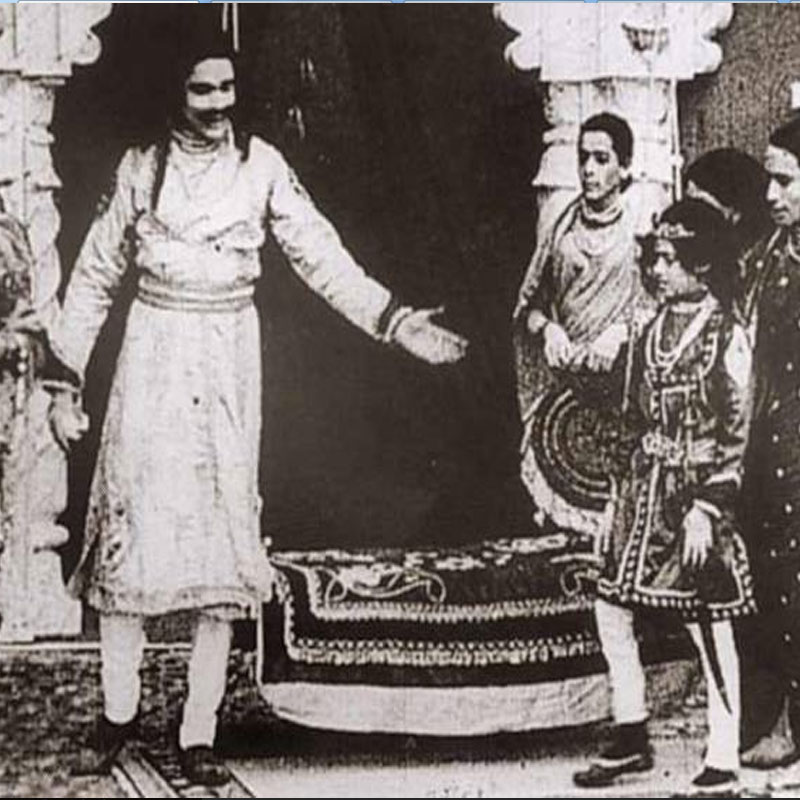
    NEW DELHI: The National Film Awards would be presented on 3 May every year since it was on that day in 1913 that the country‘s first indigenous feature film ‘Raja Harishchandra‘ by DG Phalke was released.

    According to Information and Broadcasting Ministry sources, there would be a special tableau on Indian cinema at the Republic Day parade on 26 January next year to mark one hundred years of cinema. The government would appreciate if some film personalities took part in this tableau.

    The Ministry has signed a memorandum of understanding with the Tourism Ministry to promote India as a film tourism destination and these two ministries will work with the Home and Culture Ministries towards creating a single window clearance for those wanting to shoot films in various parts of the country.

    Cinema is a cultural artifact and therefore has to be preserved. The country had made around 40,000 feature films till 2010 but many had been lost to posterity. The National Film Heritage Mission had been given a sum of Rs 50 billion to help restore and preserve these films and at least 2,500 films were being restored in the first phase.

    While video and internet piracy is a major issue, the main need is to create public awareness about this in a multimedia campaign in which the industry must also take part. Plans had been drawn up in the 12th Plan towards this, and sensitisation of police officers would be the first step in this direction.

  • Entries invited for the best Indian films for the 59th National Film Awards

    Entries invited for the best Indian films for the 59th National Film Awards

    NEW DELHI: Entries have been invited by the Directorate of Film Festivals for the National Awards for features and non-feature films made in 2011.


    Only Indian films certified by the Central Board of Film Certification between 1 January 2011 and 31 December 2011 would be eligible for the 59th National Film Awards.


    Entries have also been invited for the best book on cinema and for the best film journalist/critic, published during the calendar year 2011.


    The last date for entries is 17 January 2011. All films must have English sub-titles.


    The regulations are clear that any person found influencing the jury in any way would be disqualified from entering films for three years.


    There will be a two-tier system of Regional Jury and Central Jury for making selection for the various categories of awards as specified. The Central jury and five Regional Juries will hold their meetings in Delhi,


    The five regional juries will be:


    • North: One Panel for films in Hindi, Punjabi, Dogri, Bhojpuri, Rajasthani, Urdu, English and Central Indian Languages.

    • West: One Panel for films in Marathi, Gujarati and Konkani

    • South I: One Panel for films in Tamil and Malayalam.

    • South II: One Panel for films in Kannada, Telugu and Tulu.

    • East: One Panel for films in Bengali, Assamese, Oriya, Manipuri and dialects spoken in North East.

    Each Regional Panel would comprise a chairperson and one member (both of whom would be selected from outside the region) and three other members from within the region.


    The Central Jury will comprise a chairperson and 10 members and the chairpersons of Regional Juries would serve on the Central Jury. The book jury will have three members.


    Awards in features will be given in 29 categories, apart from the best film in a regional language recognized under the Constitution or English. There will be 22 categories in non-features.

  • Foreign firms find Indian film market attractive: Pratibha Patil

    Foreign firms find Indian film market attractive: Pratibha Patil

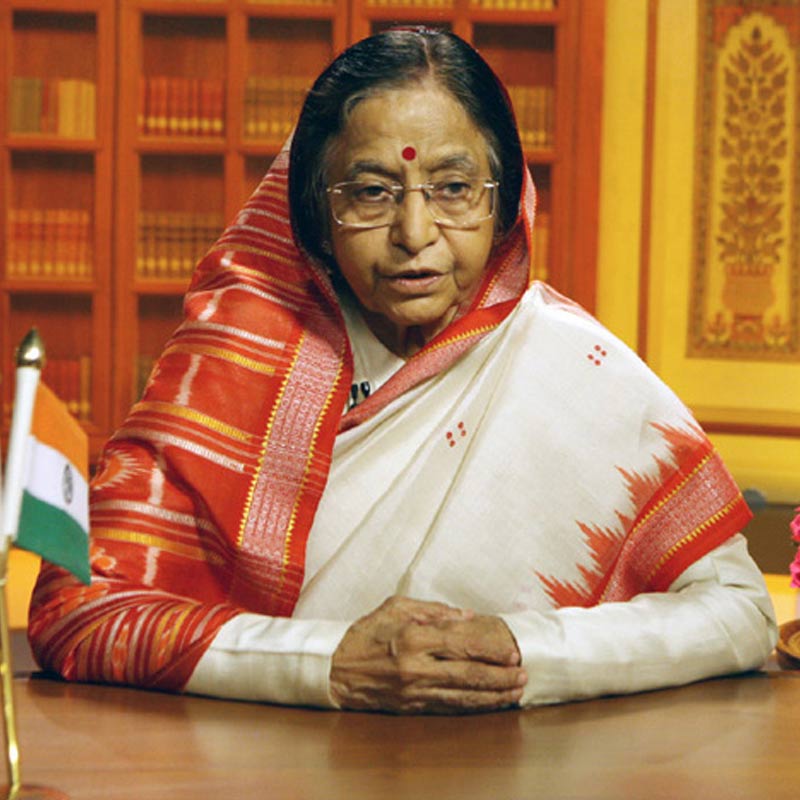
    NEW DELHI: Foreign film production houses are finding the Indian film market attractive, according to President Pratibha Devisingh Patil.

    Indian movie companies are also going global, finding new markets and deepening their existing presence.

    Speaking after giving away the 58th National Film Awards for 2010, Patil said that the medium of cinema imposes a great responsibility on everyone associated with the film industry to use the power of cinema to do good for society, through the portrayal of attitudes that help in building a tolerant and harmonious society.

    She stated creativity knew no barrier of age and the human spirit had always been striving for excellence. The awards received by five young artistes and the award for best writing in cinema going to the 90-year old Vijay Mulay was an encouraging fact and would surely inspire and motivate young film makers to give their greatest possible expression through this powerful medium.

    Speaking on the occasion, Information and Broadcasting Minister Ambika Soni said the Government had moved forward in setting up the National Film Heritage Mission with an outlay of Rs 6.6 billion. This Mission would provide a platform for comprehensive solutions for cataloguing, dissemination and monetisation of film content, video tapes, posters and other related materials in the possession of either the film wings of the Ministry or with various State Governments as well as with private individuals and institutions. The greatest benefit of the mission would be to enable the preservation of invaluable filmic heritage of the country which was an integral part of the socio-cultural heritage of the nation, she said.

    She said the year 2013 would mark the centenary year of Indian Cinema as the country’s first indigenous feature film ‘Raja Harishchandra’ by DG Phalke was produced in 1913. This centenary would be a milestone in India’s cinematic journey and needed to be showcased and celebrated. The Minister added that the Centenary celebrations would provide the country with an excellent opportunity to exhibit India’s ‘soft power‘ on a global scale and reinforce the idea of “Cinemas of India” along with the “Incredible India” campaign. As part of the Centenary celebrations, the National Museum of Indian Cinema, a first of its kind in India now being built in Mumbai, would showcase the evolution of Indian Cinema.

    Regarding skill development in the film sector, the Minister said the two Institutes under the Ministry – the Film and Television Institute of India (FTII), Pune, and the Satyajit Ray Film and Television Institute (SRFTI), Kolkata – were being upgraded to cater to the ever-increasing, highly skilled and specialised manpower requirement of the film and TV industry. Measures were being taken to declare these two Institutes as Institutions of National Importance through an Act of the Parliament.

    The Minister added that the winners of the awards in various categories had reinforced the belief in the motto of the National Film Awards for good cinema. This provided a platform for film centres to emerge all over the country thereby reflecting the vibrant socio cultural identity of our country in the realm of cinema.

    Veteran filmmaker K Balachander received a standing ovation as he went up to receive the Dadasaheb Phalke award, the nation’s highest honour for cinema. The award is conferred by the Government of India for outstanding contribution to the growth and development of Indian Cinema. The award consists of a Swarn Kamal, a cash prize of Rs 1 million, and a shawl. The award is given on the recommendations of a committee of eminent persons.

    A special highlight of the programme was the musical renditions of their award-winning songs by Suresh Wadekar from Mee Sindhutai Sapkal, and Rekha Bhardwaj from Ishqiya.

    Another highlight was that four children have won the best child actor awards. They include Harsh Mayer for the film I am Kalam, Shantanu Ranganekar and Machindra Gadekar for the film Champions, and Vivek Chabukswar for Baboo Band Baaja.

    The President particularly paid a special tribute to Vijay Mulay, who – when complemented by the President on receiving an award at this age – remarked: “But I am only ninety”.