Tag: Narendra Modi

  • Demonetisation: Housing, online payment gung-ho; others find solace in India’s larger interest

    Demonetisation: Housing, online payment gung-ho; others find solace in India’s larger interest

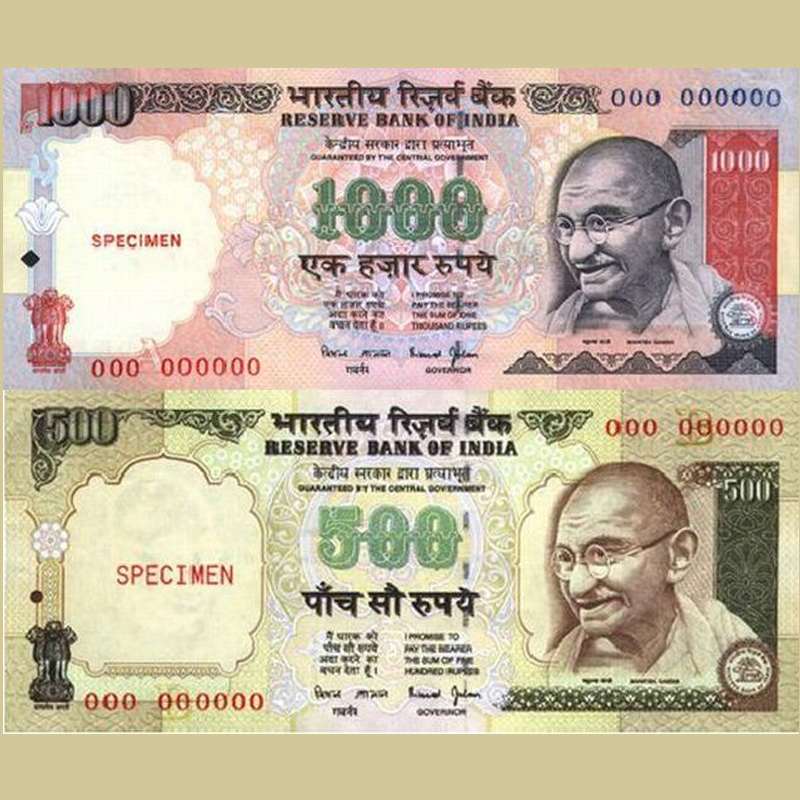
    MUMBAI: Prime Minister Narendra Modi’s decision to demonetise denominations above Rs 100 and circulate newly designed Rs. 500 and Rs 1000 sent tremors across the country on 8 November. By dawn the next day, news of how and to what extent, several industries would be affected by it, apart from the citizens, were circulating in the media.

    The unprecedented step has hit the markets hard, to say the least, as Sensex and Nifty 50 dropped to the lowest since August 2015. As the stock market recovered, real estate, jewellery, and recreation and a section of F&B industry are being expected to feel the brunt the most.

    “Cash transactions or black money deals have plagued the sector for a long time, sometimes even accounting for up to 50 per cent of transactions. This (demonetizing) move, combined with the Benami Property Act which became effective on 1 November, will help weed out corruption and black money to a large extent, from the sector. The organised segment of the market shouldn’t be majorly impacted since most homes are now bought by end-users who avail home loans. The unorganised segment which relies mostly on cash transactions, will be impacted significantly, however. While this will slow down the market in the short-term, it will make India’s real estate sector more transparent and organised in the long-term, which in turn, will attract more funds, both, domestically and internationally,” added housing.com CEO Jason Kothari on a more positive note.

    E-commerce suffered as well, as the players were restricted from operating on Cash On Delivery.

    Oxigen Services India DMD Sunil Kulkarni said, “In one of the impacts of the demonetization of Rs.500 and Rs.1,000 currency, many e-commerce companies have temporarily discontinued COD. However, the affected users have found an option in prepaid visa card. In the past couple of days, post-demonetization announcement, the load value on Oxigen Wallet prepaid visa cards increased four times. The daily average number of users have also increased by 167 per cent, which is clearly showing a trend that people are adopting new ways to make cashless transactions.”

    An Oxigen wallet user can create make a prepaid visa card on the go using balance in wallet or by cash loading through its 200,000 retail touch points spread across India and pay for all online transactions thereby addressing a concern for COD transaction ban.

    “Modi government continues to adopt innovative and feasible ways to eradicate the menace of black money and move India to 21st century nation. The demonetization is a bold step. Not only will this move bring transparency in the system but will also control the menace of counterfeit currency which has been swelling. After supporting the startups, giving impetus to the digital economy, this is another step for India to be at par with other great nations of the world,” added Droom and ShopClues founder Sandeep Aggarwal.

    On the other hand, online and mobile money services have felt the biggest push, as admitted by PayTm in a statement earlier released to the media.

    “As millions of consumers across India have taken to using their Paytm Wallets to transact offline, our biggest opportunity is to be available in every town and city in the country. We want to reach there faster, are looking to further strengthen our onboarding teams as we continue to build India’s biggest payments network.” said Paytm SVP Amit Sinha. The Paytm platform saw an overwhelming 435 per cent increase in overall traffic within hours of the Prime Minister’s demonetizing Rs 500s and Rs 1000.

    Similarly Vodafone’s M Pesa division also welcomed this move. “We reiterate our commitment to actualize the government’s vision through Vodafone M-Pesa that leverages the reach of mobile technology to enable financial inclusion and offers the convenience of a digital wallet for easy transactions. The unique cash-out feature of Vodafone M-Pesa makes it the ideal digital wallet for masses, enabling users to digitise cash, remit it to family and friends, pay bills and/or withdraw it at their convenience from over 120,000 touch points across the country,” said Vodafone India M-Pesa business head Suresh Sethi.

    Will this give a boost to digital marketing and encourage more marketers to spend on digital media?

    “This is a wonderful move by the prime minister and is sure to take the digital economy to the stratosphere! Digital can give India a huge competitive advantage – this action will help shift masses to using digital. While the initial few days will be tough, in the long run it will be greatly beneficial to the economy,” iProspect CEO Vivek Bhargava.

    “The bold move comes in as an effort to fight tax evasion, including allowing taxpayers this year to come clean about undeclared income, without facing full penalties. This initiative will lead to further assertive action towards fighting corruption and terrorism in the country. It aims at a long overdue newer, cleaner India,” seconded Mindshift Interactive CEO Zafar Rais.

    While many have predicted that SMEs and startups will have a hard time during the initial days of transition due to cash crunch, several start-ups are willing to look beyond. “Bold & visionary move! While its implications will take time to materialise and will hopefully be all positive, the sheer courage and audacity of it is truly inspirational,” shared Revv CEO and co-founder Anupam Aggarwal.

    Adding his perspective as an executive from the travel industry, FindMyStay co-founder Rohit Khetrapal added, “As the country has gone cashless for the next two days with the prime minister’s announcement, it will shift the offline bookings in travel domain to online bookings but leisure travel will be slow over few days because of cash not available in the market that people need for food, transport etc. For example, Goa doesn’t have Ola or Uber, and travelling is a challenge in a sense of cash. However, this is a revolutionary step to curb corruption.”

    A section of the broadcast industry supporting the incumbent establishment policy expressed happiness. Essel Group chairman, and Rajya Sabha MP had tweeted: “This decision is truly path-breaking, probably one of the biggest economic reforms in Independent India. It will definitely curb the black money issue and reduce corruption drastically.” ZEEL MD & CEO Punit Goenka stated: “The important decision is aimed towards the brighter future of our nation! There will be short-lived inconvenience, but for a better tomorrow.” DishTV CMD Jawahar Goel said “We are in sync with the cause (demonetisation) which in the long term will impact the economy positively. We have introduced special benefits to our patrons which will provide them continuity in entertainment and convenience of transactions in the present scenario.”

    While most industries as looking at the brighter side of the current situation, all isn’t merry in Bollywood. With new releases coming this weekend, Bollywood and other film industries in the country are also expected to feel the impact, especially the small budget releases. The All-India-Release of Hindi Feature Film “30 Minutes” was scheduled this Friday, 11 November. But now, fearing an empty house, the makers have decided to postpone it to 9 December, 2016.

    Producer-director Yesudas BC and executive producer Amarjit Singh Kohli, expressed their discontentment” “Since the sudden announcement of demonetization, a large number of requests from cine-goers have been constantly pouring in explaining that they (cine-goers) are having acute shortage of Rs 100 & low denomination notes owing to the closure of banks on 9 November 2016 and the subsequent restriction on the maximum amount of withdrawal of money from banks and ATMs.”

    On the flip side, Cinépolis India India Strategic Initiatives director Devang Sampat pointed out, “The ongoing demonetization is restricted to currency notes in circulation; the online booking will be a feasible option. We want to provide convenience to our customers. Booking tickets online will prove to be a win-win for our patrons; they can book tickets with convenience.”
  • Demonetisation: Housing, online payment gung-ho; others find solace in India’s larger interest

    Demonetisation: Housing, online payment gung-ho; others find solace in India’s larger interest

    MUMBAI: Prime Minister Narendra Modi’s decision to demonetise denominations above Rs 100 and circulate newly designed Rs. 500 and Rs 1000 sent tremors across the country on 8 November. By dawn the next day, news of how and to what extent, several industries would be affected by it, apart from the citizens, were circulating in the media.

    The unprecedented step has hit the markets hard, to say the least, as Sensex and Nifty 50 dropped to the lowest since August 2015. As the stock market recovered, real estate, jewellery, and recreation and a section of F&B industry are being expected to feel the brunt the most.

    “Cash transactions or black money deals have plagued the sector for a long time, sometimes even accounting for up to 50 per cent of transactions. This (demonetizing) move, combined with the Benami Property Act which became effective on 1 November, will help weed out corruption and black money to a large extent, from the sector. The organised segment of the market shouldn’t be majorly impacted since most homes are now bought by end-users who avail home loans. The unorganised segment which relies mostly on cash transactions, will be impacted significantly, however. While this will slow down the market in the short-term, it will make India’s real estate sector more transparent and organised in the long-term, which in turn, will attract more funds, both, domestically and internationally,” added housing.com CEO Jason Kothari on a more positive note.

    E-commerce suffered as well, as the players were restricted from operating on Cash On Delivery.

    Oxigen Services India DMD Sunil Kulkarni said, “In one of the impacts of the demonetization of Rs.500 and Rs.1,000 currency, many e-commerce companies have temporarily discontinued COD. However, the affected users have found an option in prepaid visa card. In the past couple of days, post-demonetization announcement, the load value on Oxigen Wallet prepaid visa cards increased four times. The daily average number of users have also increased by 167 per cent, which is clearly showing a trend that people are adopting new ways to make cashless transactions.”

    An Oxigen wallet user can create make a prepaid visa card on the go using balance in wallet or by cash loading through its 200,000 retail touch points spread across India and pay for all online transactions thereby addressing a concern for COD transaction ban.

    “Modi government continues to adopt innovative and feasible ways to eradicate the menace of black money and move India to 21st century nation. The demonetization is a bold step. Not only will this move bring transparency in the system but will also control the menace of counterfeit currency which has been swelling. After supporting the startups, giving impetus to the digital economy, this is another step for India to be at par with other great nations of the world,” added Droom and ShopClues founder Sandeep Aggarwal.

    On the other hand, online and mobile money services have felt the biggest push, as admitted by PayTm in a statement earlier released to the media.

    “As millions of consumers across India have taken to using their Paytm Wallets to transact offline, our biggest opportunity is to be available in every town and city in the country. We want to reach there faster, are looking to further strengthen our onboarding teams as we continue to build India’s biggest payments network.” said Paytm SVP Amit Sinha. The Paytm platform saw an overwhelming 435 per cent increase in overall traffic within hours of the Prime Minister’s demonetizing Rs 500s and Rs 1000.

    Similarly Vodafone’s M Pesa division also welcomed this move. “We reiterate our commitment to actualize the government’s vision through Vodafone M-Pesa that leverages the reach of mobile technology to enable financial inclusion and offers the convenience of a digital wallet for easy transactions. The unique cash-out feature of Vodafone M-Pesa makes it the ideal digital wallet for masses, enabling users to digitise cash, remit it to family and friends, pay bills and/or withdraw it at their convenience from over 120,000 touch points across the country,” said Vodafone India M-Pesa business head Suresh Sethi.

    Will this give a boost to digital marketing and encourage more marketers to spend on digital media?

    “This is a wonderful move by the prime minister and is sure to take the digital economy to the stratosphere! Digital can give India a huge competitive advantage – this action will help shift masses to using digital. While the initial few days will be tough, in the long run it will be greatly beneficial to the economy,” iProspect CEO Vivek Bhargava.

    “The bold move comes in as an effort to fight tax evasion, including allowing taxpayers this year to come clean about undeclared income, without facing full penalties. This initiative will lead to further assertive action towards fighting corruption and terrorism in the country. It aims at a long overdue newer, cleaner India,” seconded Mindshift Interactive CEO Zafar Rais.

    While many have predicted that SMEs and startups will have a hard time during the initial days of transition due to cash crunch, several start-ups are willing to look beyond. “Bold & visionary move! While its implications will take time to materialise and will hopefully be all positive, the sheer courage and audacity of it is truly inspirational,” shared Revv CEO and co-founder Anupam Aggarwal.

    Adding his perspective as an executive from the travel industry, FindMyStay co-founder Rohit Khetrapal added, “As the country has gone cashless for the next two days with the prime minister’s announcement, it will shift the offline bookings in travel domain to online bookings but leisure travel will be slow over few days because of cash not available in the market that people need for food, transport etc. For example, Goa doesn’t have Ola or Uber, and travelling is a challenge in a sense of cash. However, this is a revolutionary step to curb corruption.”

    A section of the broadcast industry supporting the incumbent establishment policy expressed happiness. Essel Group chairman, and Rajya Sabha MP had tweeted: “This decision is truly path-breaking, probably one of the biggest economic reforms in Independent India. It will definitely curb the black money issue and reduce corruption drastically.” ZEEL MD & CEO Punit Goenka stated: “The important decision is aimed towards the brighter future of our nation! There will be short-lived inconvenience, but for a better tomorrow.” DishTV CMD Jawahar Goel said “We are in sync with the cause (demonetisation) which in the long term will impact the economy positively. We have introduced special benefits to our patrons which will provide them continuity in entertainment and convenience of transactions in the present scenario.”

    While most industries as looking at the brighter side of the current situation, all isn’t merry in Bollywood. With new releases coming this weekend, Bollywood and other film industries in the country are also expected to feel the impact, especially the small budget releases. The All-India-Release of Hindi Feature Film “30 Minutes” was scheduled this Friday, 11 November. But now, fearing an empty house, the makers have decided to postpone it to 9 December, 2016.

    Producer-director Yesudas BC and executive producer Amarjit Singh Kohli, expressed their discontentment” “Since the sudden announcement of demonetization, a large number of requests from cine-goers have been constantly pouring in explaining that they (cine-goers) are having acute shortage of Rs 100 & low denomination notes owing to the closure of banks on 9 November 2016 and the subsequent restriction on the maximum amount of withdrawal of money from banks and ATMs.”

    On the flip side, Cinépolis India India Strategic Initiatives director Devang Sampat pointed out, “The ongoing demonetization is restricted to currency notes in circulation; the online booking will be a feasible option. We want to provide convenience to our customers. Booking tickets online will prove to be a win-win for our patrons; they can book tickets with convenience.”
  • TV channels’ annual renewal abolished; 963 companies to benefit

    TV channels’ annual renewal abolished; 963 companies to benefit

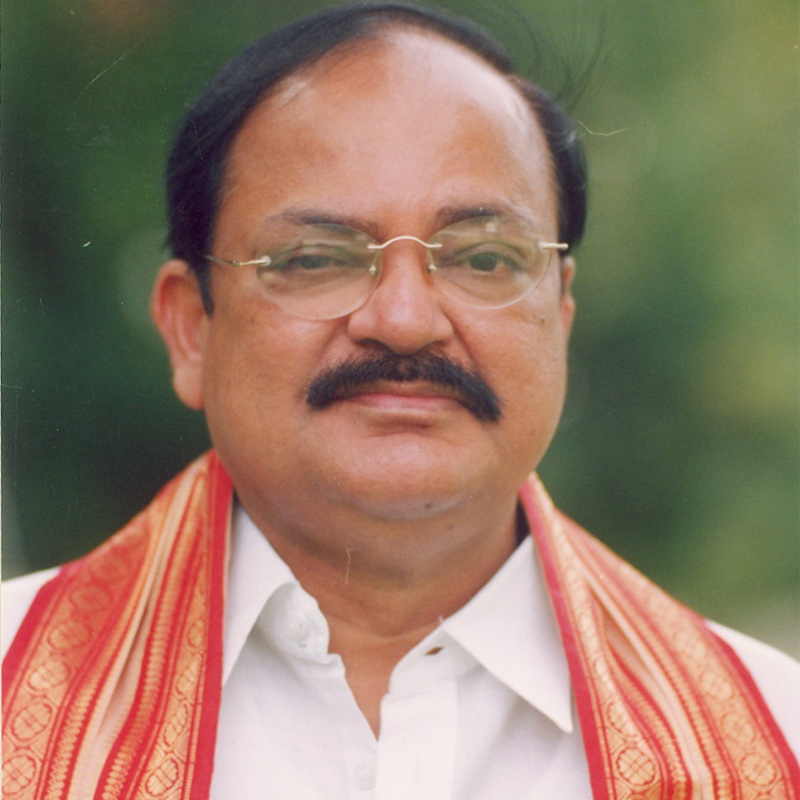
    MUMBAI: The Indian Government has decided to ease the annual renewal norms for TV channels, Information and Broadcasting Minister M Venkaiah Naidu has said. About 963 channels, including teleports, are going to be benefitted by this decision.

    The government is committed to the vision of Prime Minister Narendra Modi to promote ease of doing business, PTI. reported. “As part of the government’s initiative of ease of doing business, the Ministry has completely done away with the process of obtaining an annual renewal for TV channels in the current form,” he said while addressing the Economic Editors’ Conference in New Delhi.

    The government has decided to ease the “annual renewal” norms for TV channels and existing broadcasters can continue operations by simply paying annual permission fee 60 days before the due date, Naidu said on Friday.

    Naidu said that “broadcasters who have been given the permission for uplinking or downlinking can continue their operations by simply paying the annual permission fee which by itself will be treated as permission for continuation of a channel for a further period of one year.”

    Naidu hailed Modi’s move to demonetise Rs 500 and Rs 1,000 notes saying that it was being appreciated by all excepted a few with “vested” interests. Terming the move as an “historic” step, Naidu said that it was fine for TV channels to show the inconvenience caused to the people after the announcement was made but was not fair to “dwell” on it.

  • TV channels’ annual renewal abolished; 963 companies to benefit

    TV channels’ annual renewal abolished; 963 companies to benefit

    MUMBAI: The Indian Government has decided to ease the annual renewal norms for TV channels, Information and Broadcasting Minister M Venkaiah Naidu has said. About 963 channels, including teleports, are going to be benefitted by this decision.

    The government is committed to the vision of Prime Minister Narendra Modi to promote ease of doing business, PTI. reported. “As part of the government’s initiative of ease of doing business, the Ministry has completely done away with the process of obtaining an annual renewal for TV channels in the current form,” he said while addressing the Economic Editors’ Conference in New Delhi.

    The government has decided to ease the “annual renewal” norms for TV channels and existing broadcasters can continue operations by simply paying annual permission fee 60 days before the due date, Naidu said on Friday.

    Naidu said that “broadcasters who have been given the permission for uplinking or downlinking can continue their operations by simply paying the annual permission fee which by itself will be treated as permission for continuation of a channel for a further period of one year.”

    Naidu hailed Modi’s move to demonetise Rs 500 and Rs 1,000 notes saying that it was being appreciated by all excepted a few with “vested” interests. Terming the move as an “historic” step, Naidu said that it was fine for TV channels to show the inconvenience caused to the people after the announcement was made but was not fair to “dwell” on it.

  • Paytm to hire over 10,000 agents to onboard offline merchants

    Paytm to hire over 10,000 agents to onboard offline merchants

    MUMBAI: Paytm is looking to hire over 10,000 Paytm agents as it seeks to aggressively expand its offline merchant network to over 20 lakh touch-points by the end of the current fiscal year.

    Paytm’s cashless payments are widely accepted across India owing to the ease, convenience and safety they offer. Thanks to the country’s overwhelming response to Paytm, it is setting bolder targets to acquire more offline merchants in the coming months.

    Paytm SVP Amit Sinha said, “As millions of consumers across India have taken to using their Paytm Wallets to transact offline, our biggest opportunity is to be available in every town and city in the country. We want to reach there faster, are looking to further strengthen our onboarding teams as we continue to build India’s biggest payments network.”

    Brick-and-mortar merchants and other online-to-offline sectors present a huge opportunity for Paytm to integrate its fast, secure and convenient payment solution. The company has recently registered unprecedented growth in offline payments. The Paytm platform saw an overwhelming 435% increase in overall traffic within hours of the Prime Minister Narendra Modi announcing his plans to have a corruption-free India. This is a great showcase of how fast consumers across the country are taking to the ease, convenience and safety Paytm’s cashless payments offer.

  • Paytm to hire over 10,000 agents to onboard offline merchants

    Paytm to hire over 10,000 agents to onboard offline merchants

    MUMBAI: Paytm is looking to hire over 10,000 Paytm agents as it seeks to aggressively expand its offline merchant network to over 20 lakh touch-points by the end of the current fiscal year.

    Paytm’s cashless payments are widely accepted across India owing to the ease, convenience and safety they offer. Thanks to the country’s overwhelming response to Paytm, it is setting bolder targets to acquire more offline merchants in the coming months.

    Paytm SVP Amit Sinha said, “As millions of consumers across India have taken to using their Paytm Wallets to transact offline, our biggest opportunity is to be available in every town and city in the country. We want to reach there faster, are looking to further strengthen our onboarding teams as we continue to build India’s biggest payments network.”

    Brick-and-mortar merchants and other online-to-offline sectors present a huge opportunity for Paytm to integrate its fast, secure and convenient payment solution. The company has recently registered unprecedented growth in offline payments. The Paytm platform saw an overwhelming 435% increase in overall traffic within hours of the Prime Minister Narendra Modi announcing his plans to have a corruption-free India. This is a great showcase of how fast consumers across the country are taking to the ease, convenience and safety Paytm’s cashless payments offer.

  • TV production temporarily impacted by cursed Rs 500-1000 notes

    TV production temporarily impacted by cursed Rs 500-1000 notes

    MUMBAI: In what may be called a Herculean step, PM Narendra Modi banned Rs. 500 and Rs. 1000 notes as of midnight intervening 8 and 9 November. His live television broadcast came as a surprise to millions of unassuming Indians and the world at large, to say the least.

    Once understanding of the gravity of his announcement hit, throngs rushed to the ATMs, super markets, and chemist shops in a bid to rid themselves of the cursed notes which were to transform into waste paper overnight. In fact, retail shopping giant Big Bazaar, luxe watch chain Ethos, among many others seized this opportunity and allowed shoppers in till midnight, rightly expecting a rush. Petrol stations saw long queues even as late as the night of 9 November as desperate Indians tried to shed their 500 and 1000 notes. Foreign tourists despaired about the dud notes they had in their possession, as they neither hold bank account or post office accounts; the only currency they had was useless to them.

    By demonetizing Rs 500 and Rs 1000 notes, Modi has taken a bold stance to curb the raging black money menace and counterfeit currency that has been gnawing at the country’s economy for decades. The speed at which everything had transpired was astonishing, and many netizens lauded the move on social media.

    While this historic move is expected to contribute greatly towards nation-building, the transition phase will not be smooth. With banks shut for another day, ATMs dysfunctional temporarily until new legit denominations are restored in the banking system, life is proving tough for the public, to put it mildly. Different sectors have braced up for the varied impact this decision will bring, including the Indian television production industry.

    “For production houses like us, there are certain requirements for action props — flowers, food items, etc, which we usually buy in cash. Moreover, everyone’s travel and other conveyance compensation are also paid in cash. Not to mention the daily labour and daily-wage workers that a shoot employs… so yes, this ban has definitely created an a problem, especially with the banks shut,” explains Sol Production’s Fazila Allana.

    “Our ongoing shooting in Delhi for the show ‘Small Money Big Makeover’ which airs on FYI is currently stuck. It requires us to go out and buy stuff from the local market, and with today’s cash crunch situation, that is difficult,” she adds.

    Allana isn’t hindered by that, however, as she strongly believes that it is only temporary. “In the long term, I believe it is good for the industry. “A lot of these union workers often used to insist on cash payments, but now this sector can be regulated more effectively.”

    Asked if any of the long-running daily shows would be affected by this temporary turmoil, Allana reassured that it was highly unlikely. “Mega serials, as they are often called, will be the least affected as their shoots and contracts with artistes etc mostly operate on a monthly basis. They might be slightly inconvenienced by the sudden prop requirements, but that is all.”

    Allana, however, expressed concern over the lack of clarity on the upper limits of withdrawal for companies and the corporate, as it will be next to impossible to function if the cap for company usage is also Rs 2000 per day.

    BBC Worldwide India SVP & GM Myleeta Aga has welcomed the Prime Minister’s bold move calling it ” good to happen” to our industry.

    “There will be inconvenience, but we should all manage the inconvenience. It won’t stop our work. We mostly function with partners with whom we have long-term associations. They too understand the current situation, and are cooperating accordingly. We can use credit notes and the right available denominations for the next few days. As long as they are providing a legit service and are being paid in a legit way, there is nothing to worry about,” she adds.

    “The industry simply needs to be mindful while making cash payments in these two to three days,” says the optimistic CEO of The Contiloe Entertainment, Abhimanyu Singh.

    Asked if the TV industry will be majorly affected by this crackdown on black money hoarders, Singh says, “I don’t think the TV industry has something to worry about, most of our accounts are clean and every transaction is accounted for.”

    “In the short run, businesses will have to compromise with the change but I have faith the government has thought this out, and will effectively take action to normalise the situation. I don’t believe the prime minister would want businesses to shut down,” Singh added.

  • TV production temporarily impacted by cursed Rs 500-1000 notes

    TV production temporarily impacted by cursed Rs 500-1000 notes

    MUMBAI: In what may be called a Herculean step, PM Narendra Modi banned Rs. 500 and Rs. 1000 notes as of midnight intervening 8 and 9 November. His live television broadcast came as a surprise to millions of unassuming Indians and the world at large, to say the least.

    Once understanding of the gravity of his announcement hit, throngs rushed to the ATMs, super markets, and chemist shops in a bid to rid themselves of the cursed notes which were to transform into waste paper overnight. In fact, retail shopping giant Big Bazaar, luxe watch chain Ethos, among many others seized this opportunity and allowed shoppers in till midnight, rightly expecting a rush. Petrol stations saw long queues even as late as the night of 9 November as desperate Indians tried to shed their 500 and 1000 notes. Foreign tourists despaired about the dud notes they had in their possession, as they neither hold bank account or post office accounts; the only currency they had was useless to them.

    By demonetizing Rs 500 and Rs 1000 notes, Modi has taken a bold stance to curb the raging black money menace and counterfeit currency that has been gnawing at the country’s economy for decades. The speed at which everything had transpired was astonishing, and many netizens lauded the move on social media.

    While this historic move is expected to contribute greatly towards nation-building, the transition phase will not be smooth. With banks shut for another day, ATMs dysfunctional temporarily until new legit denominations are restored in the banking system, life is proving tough for the public, to put it mildly. Different sectors have braced up for the varied impact this decision will bring, including the Indian television production industry.

    “For production houses like us, there are certain requirements for action props — flowers, food items, etc, which we usually buy in cash. Moreover, everyone’s travel and other conveyance compensation are also paid in cash. Not to mention the daily labour and daily-wage workers that a shoot employs… so yes, this ban has definitely created an a problem, especially with the banks shut,” explains Sol Production’s Fazila Allana.

    “Our ongoing shooting in Delhi for the show ‘Small Money Big Makeover’ which airs on FYI is currently stuck. It requires us to go out and buy stuff from the local market, and with today’s cash crunch situation, that is difficult,” she adds.

    Allana isn’t hindered by that, however, as she strongly believes that it is only temporary. “In the long term, I believe it is good for the industry. “A lot of these union workers often used to insist on cash payments, but now this sector can be regulated more effectively.”

    Asked if any of the long-running daily shows would be affected by this temporary turmoil, Allana reassured that it was highly unlikely. “Mega serials, as they are often called, will be the least affected as their shoots and contracts with artistes etc mostly operate on a monthly basis. They might be slightly inconvenienced by the sudden prop requirements, but that is all.”

    Allana, however, expressed concern over the lack of clarity on the upper limits of withdrawal for companies and the corporate, as it will be next to impossible to function if the cap for company usage is also Rs 2000 per day.

    BBC Worldwide India SVP & GM Myleeta Aga has welcomed the Prime Minister’s bold move calling it ” good to happen” to our industry.

    “There will be inconvenience, but we should all manage the inconvenience. It won’t stop our work. We mostly function with partners with whom we have long-term associations. They too understand the current situation, and are cooperating accordingly. We can use credit notes and the right available denominations for the next few days. As long as they are providing a legit service and are being paid in a legit way, there is nothing to worry about,” she adds.

    “The industry simply needs to be mindful while making cash payments in these two to three days,” says the optimistic CEO of The Contiloe Entertainment, Abhimanyu Singh.

    Asked if the TV industry will be majorly affected by this crackdown on black money hoarders, Singh says, “I don’t think the TV industry has something to worry about, most of our accounts are clean and every transaction is accounted for.”

    “In the short run, businesses will have to compromise with the change but I have faith the government has thought this out, and will effectively take action to normalise the situation. I don’t believe the prime minister would want businesses to shut down,” Singh added.

  • Paytm’s traffic up by 435 per cent within hours of PM’s announcement

    Paytm’s traffic up by 435 per cent within hours of PM’s announcement

    MUMBAI: Mobile payment platform Paytm is registering massive growth across India within hours of Prime Minister Narendra Modi’s announcing the ongoing ban on Rs 500 and Rs 1000 denomination of notes. The Paytm platform saw an overwhelming 435 per cent increase in overall traffic as millions of consumers across India have taken to using their Paytm Wallets to transact offline.

    The company registered a 200 per cent hike in number of app downloads and 250 per cent surge in number of overall transactions and transaction value. The number of Saved Cards also grew by 30 per cent, pointing at a strong set of repeat customers the platform has now acquired. The company has noted 1000 per cent growth in money added to the wallet and 400 per cent growth in transaction value of offline payments. This is a great showcase of how fast consumers across the country are taking to the ease, convenience and safety Paytm’s cashless payments offer.

    Paytm CFO Madhur Deora said, “This is the biggest and most ambitious step ever to crack down on black money and fake currency. We stand by the government in its efforts towards taking black money out of the equation and offering a major boost to the Indian economy. Since Paytm is fast becoming synonymous to all kinds of payments, we are happy to announce we have registered a strong surge in volume on our platform.”

    Paytm’s cashless payments are widely accepted across India owing to the ease, convenience and safety they offer. Brick-and-mortar merchants and other Online-to-Offline sectors present a huge opportunity for Paytm to integrate its fast, secure and convenient payment solution. With the country’s overwhelming response to Paytm, it is setting bolder targets to achieve its goal of helping India’s transition into a cashless economy.

  • Paytm’s traffic up by 435 per cent within hours of PM’s announcement

    Paytm’s traffic up by 435 per cent within hours of PM’s announcement

    MUMBAI: Mobile payment platform Paytm is registering massive growth across India within hours of Prime Minister Narendra Modi’s announcing the ongoing ban on Rs 500 and Rs 1000 denomination of notes. The Paytm platform saw an overwhelming 435 per cent increase in overall traffic as millions of consumers across India have taken to using their Paytm Wallets to transact offline.

    The company registered a 200 per cent hike in number of app downloads and 250 per cent surge in number of overall transactions and transaction value. The number of Saved Cards also grew by 30 per cent, pointing at a strong set of repeat customers the platform has now acquired. The company has noted 1000 per cent growth in money added to the wallet and 400 per cent growth in transaction value of offline payments. This is a great showcase of how fast consumers across the country are taking to the ease, convenience and safety Paytm’s cashless payments offer.

    Paytm CFO Madhur Deora said, “This is the biggest and most ambitious step ever to crack down on black money and fake currency. We stand by the government in its efforts towards taking black money out of the equation and offering a major boost to the Indian economy. Since Paytm is fast becoming synonymous to all kinds of payments, we are happy to announce we have registered a strong surge in volume on our platform.”

    Paytm’s cashless payments are widely accepted across India owing to the ease, convenience and safety they offer. Brick-and-mortar merchants and other Online-to-Offline sectors present a huge opportunity for Paytm to integrate its fast, secure and convenient payment solution. With the country’s overwhelming response to Paytm, it is setting bolder targets to achieve its goal of helping India’s transition into a cashless economy.