Tag: Narendra Modi

  • Network18 unveils new identity for all news channels

    Network18 unveils new identity for all news channels

    NEW DELHI: Network18 has unveiled a new and common identity for all group news channels, which will be seen across the news stable, and a pledge to focus on and highlight more Indian languages.

    Commenting on the launch, Network18 chairman Adil Zainulbhai said, “As regional markets deepen and the hunger for vernacular news continues to rise inexorably, we have carried our strengths into multiple linguistic geographies through new regional channels and digital properties. Our portfolio of national channels across news genres provides us a platform that places us at a substantial advantage versus competitors.” In short: the reach is the strength.

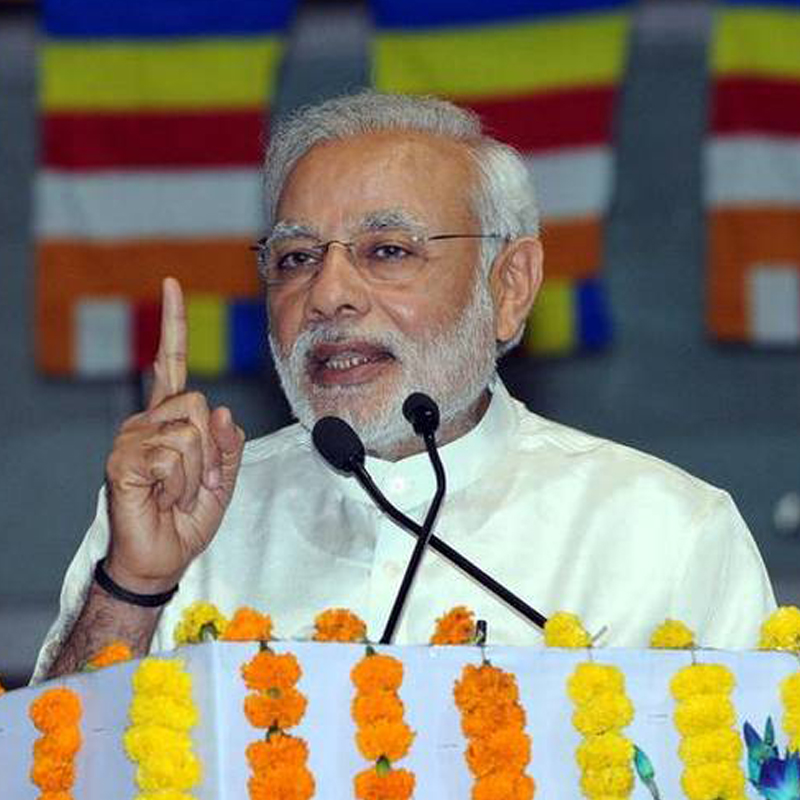
    The unveiling was done at the group-organised event themed ‘News18 Rising India Summit’ in the presence of national and international luminaries from the fields of governance, arts, business and academia. The occasion was graced by Prime Minister Narendra Modi, who delivered a keynote address outlining his government’s vision for India.

    Dignitaries present included ministers Piyush Goyal, Nitin Gadkari and Suresh Prabhu; CMs Shivraj Singh Chauhan, Jai Ram Thakur, Manohar Lal Khattar; and other public figures like politicians Farukh Abdullah, Abhishek Manu Singhvi, Anurag Thakur and personalities such as  Nobel laureate economist Paul Krugman, Gautam Adani of Adani Group, Naveen Jindal of Jindal Steel, State Bank of India CMD Rajnish Kumar, Anil Agarwal of Vedanta, Shikha Sharma of Axis Bank, filmstar Kangana Ranaut and adman-cum-CBFC chairman Prasoon Joshi.

    Talking about News18 Network, the network’s president Avinash Kaul said, “The television measurement agency BARC measures viewership pattern of 78 crore people in the country, out of which over 67 crore people watched News18 Network channels in the last one year, which means about 86 per cent viewers watched news channels of our network. News18 Network is not just the largest television news network but is also the largest digital news brand present in multiple languages. In fact, News18 Network has more monthly viewers (41 crore) than the entire claimed readership of newsprint readers in a month.”

    News18 covers 26 states and is present in 15 languages in the country. The network’s flagship English general news channel is CNN-News18 and Hindi general news channel is News18 India. Through Panorama, a subsidiary of TV18, the network operates a bouquet of 13 regional news channels namely News18 Urdu, News18 Rajasthan, News18 Bihar/Jharkhand, News18 Madhya Pradesh/Chattisgarh, News18 Uttar Pradesh/Uttarakhand, News18 Bangla, News18 Kannada, News18 Gujarati, News18 Odia, News18/Punjab/Haryana/Himachal Pradesh, News18 Kerala, News18 Tamil Nadu and News18 Assam/North East. News18 Network is also present across the globe in countries such as the US, UK, Australia and the UAE.

    TV18 also operates a joint venture with the Lokmat Group, which houses the Marathi news channel News18 Lokmat. To cover the global audience and sizeable NRI population, TV18 operates News18, a twenty-four hour television news channel designed to give global audiences a window into the world’s largest democracy.

    Also Read :

    We will consolidate all our channels under one brand: Avinash Kaul

    ETV News to be re-branded as News 18 

    CNN-News18 Rejigs its Evening Prime Time Line-Up

  • Union Budget 2018:  Populist budget fails to excite industry at large

    Union Budget 2018: Populist budget fails to excite industry at large

    MUMBAI: The Union Budget finally arrived today with all eyes fixated on Finance Minister Arun Jaitley. He presented his fifth Union Budget, which was also the last one for the Modi government before India sets out to choose its new prime minister next year. Riding on optimism, different research firms, news broadcasters and media companies kept speculating for about a month on what exactly should this year’s budget hold for India.

    While the Union Budget 2018 was essentially a populist budget as Lok Sabha elections are due next year, it turned out to be a rather disappointing one for the advertising and media industry but it was a big thumbs up for Digital India and digitisation. The budget focused on the middle class and rural population, guided by the mission to strengthen India’s agriculture, rural development, health, education, employment, MSME and infrastructure sectors.

    With a view to promote digitisation, the government is set to make the necessary investment in robotics, internet of things (IoT), artificial intelligence (AI), digital manufacturing and big data analysis with the NITI Aayog to establish a national programme to direct efforts in artificial intelligence. The government has committed itself to the development of technology along with concentrating on AI and its applications, a revolutionary move for the digital industry. The ministry has decided to double its Digital India budget to around Rs 3000 crore.

    The ministry has also proposed to set up 5 lakh Wi-Fi hotspots to give access to 5 crore rural citizens, which means digital and internet penetration into smaller pockets of the country will result in increased data consumption across India. The move will help brands, agencies and OTT players to create target content for such markets.

    In a move to regulate the cryptocurrency market in India, Jaitley said that the government would take essential measures to eliminate the use of crypto assets in financing illegitimate activities. He, however, maintained that the Indian government will explore the use of block chain technology proactively to usher in the digital ecosystem.

    Jaitley also announced the allocation of Rs 10,000 crore for creation and augmentation of telecom infrastructure. He also noted that micro, small and medium enterprises (MSME) are a major element for growth and mass formalisation of the MSME sector is slated to happen after demonetisation and GST, which took place in 2016-17.

    In what turned out to be the world’s largest government-funded healthcare programme, Indian ministry will launch health scheme to cover 10 crore poor families. The flagship national healthcare protection scheme of the government will provide upto Rs 5 lakh per family per year for secondary and tertiary care hospitalisation of members.

    The television and handset companies did receive a blow as mobile phones are now set to become costlier as the custom duty on them has been increased to 20 per cent. The move comes with an aim to promote the government’s ‘Make in India’ initiative.

    Customs duty on crude edible vegetable oils such as groundnut oil, safflower seed oil has been hiked from 12.5 per cent to 30 per cent while on refined edible vegetable oil it has been hiked from 20 per cent to 35 per cent. Customs duty on imitation jewellery’s been increased from 5 per cent to 15 per cent in 2016 to 20 per cent now with duty on sunglasses, cigarette lighter, toys, bus and truck tyres, select furniture also seeing a similar hike. The import duty on smart watches, wearable devices, footwear has now been doubled to 20 per cent whereas the duty on LCD/LED/OLED panels has been hiked to 15 per cent. The import of solar-tempered glass for manufacture of solar cells will be exempted from customs duty.

    While the health and education cess has been increased to 4 per cent, the aam aadmi who was positive about having to pay less tax will be disappointed as the government did not propose any change in the tax slabs for the salaried class this year.

    Also Read:

    Industry holds bright outlook for budget 2018

    Union Budget 2018: Industry expects govt to favour consumption

    Is India ready for the impact of AI on marketing?

    A year after demonetisation: E-payment services emerged winners 

  • WEF, Reliance join hands for digital excellence centre

    WEF, Reliance join hands for digital excellence centre

    Mumbai: In what could give a major fillip to PM Modi’s Digital India dream, which also envisages making available broadband and related services to over 60,000 village administrations, the World Economic Forum has announced a new digital technology centre in Mumbai that would be executed by the Indian government and Reliance Industries Ltd (Reliance) jointly.

    Dubbed the Center for Fourth Industrial Revolution (C4IR), it “will operate as the sister centre to the World Economic Forum Center for the Fourth Industrial Revolution in San Francisco, allowing policymakers and thought leaders in India to stay ahead of the curve through unique insights in new forms of governance and new technology applications, and connections with cutting-edge technology innovators globally,” Reliance said in a statement.

    The WEF identified India as a partner since it is a key economic, political and social shaper of the 21st century’s global, regional and industry systems.

    The WEF initiative is also a recognition of Modi’s Digital India vision and Startup India programme to encourage young entrepreneurs. It is the first centre opened outside of Silicon Valley in the US.

    “The capability for India to maximise the potential and minimise the risks of the Fourth Industrial revolution, both domestically for its economy and society, and globally as a major economic and social innovator — and cultural influencer– will be one of the foremost drivers for prosperity and peace over the coming decades,” the WEF said.

    The new economy will greatly benefit from the Fourth Industrial Revolution in a digital age and is expected to create significant value to countries that embrace them quickly by accelerating their GDP and job growth. These opportunities include artificial intelligence and machine learning, internet of things (IoT) and blockchain, among many others, according to the WEF.

    The WEF, which has been championing the Fourth Industrial Revolution, established C4IR in the Silicon Valley at San Francisco as Silicon Valley was already home to several of these exciting developments.

  • Demystifying news television viewership in 2017

    Demystifying news television viewership in 2017

    BENGALURU: On 9 November 2016, a day after Prime Minister Narendra Modi announced demonetisation, the share of news television viewership shot up to 21 percent as compared to the 11 percent during the previous eight weeks. This unscheduled event made news the second most watched genre on television after GECs on that day as stunned Indians grappled to understand the new and unknown tomorrow suddenly thrust upon them by the powers that be. Over the long term, news has grabbed about 8 percent of eyeballs glued to television and is generally the third most watched genre after GECs and movies.

    This and other data was shared by the Broadcast Audience Research Council of India (BARC) in a newsletter titled ‘Breaking the News Story.’ Divided into three parts, the newsletter delves into the contribution of the news landscape to television viewership; viewership analysis of a scheduled event; and viewership analysis of an unscheduled event.

    BARC has used its own and BMW data from week 8 to week 48 of 2017, the target group being all India. It says that it has considered all the news channels in India.

    The news landscape

    News in India is a dynamic and an extremely diversified genre. It has witnessed a 15 percent increase in the number of channels from 142 channels in 2017 to 163 channels in 2017.

    In terms of the number of news channels, viewership numbers are skewed in favour of Hindi news–36 percent of the news channels are in Hindi whereas news in the language attracts 47 percent of the eyeballs (total impressions) that watch the news genre. Regional channels, of which there were 93 regional news channels in 2017 spread across multiple regional languages, (eight percent more than in 2016) or 57 percent of the total, had a 52 percent share of the total impressions in the genre. English news channels made up 7 percent of the total number of 163 news channels in the country in 2017. Their combined viewership share of the genre was, however, a measly 1 percent. Despite this, the number of English news channels have grown by 33 percent to 12 active channels in 2017 as compared with 2016.

    People like to know of events and incidents happening around them that have a direct impact on their lives. BARC says that this is probably why the largest share of the viewership takes place on regional channels. BARC explains the large consumption of Hindi language news to the large number of Hindi-speaking markets in the country with 58 news channels catering to them currently versus 47 channels in 2016.

    Viewership by state markets

    Across zones in the country, consumption of news was highest in South India–its share of viewership was 36 percent, followed by the North with 26 percent, the West with 23 percent and the East with 15 percent.

    Among states, Uttar Pradesh, Uttarakhand and Delhi had the highest relative market share for the news genre. The Punjab, Haryana, Chandigarh, Himachal Pradesh, Jammu & Kashmir, Assam, North East, Sikkim and Kerala markets also showed a higher preference towards the news genre.

    Two states–Maharashtra and Goa–accounted for more than 50 percent of the news viewership in the West but contributed a relatively less share of eyeballs for news content as compared to total television.

    Audience profile

    Looking at the audience profile of the news genre, the gender ratio is skewed towards males–54 percent male to 46 percent female as against an even split of 50 percent for both males and females for total
    TV consumption.

    News viewership is quite fragmented between all age groups. The share of viewership at 14 percent for news is far higher for kids between 2 to 14 years as compared to that of mature people between 51 and 60 years at 12 percent and seniors who are 61 years or older at 9 percent. BARC attributes this anomaly to the fact that most households own a single TV set and hence there is co-viewing and also because kids form the largest age group in India.

    NCCS A and B show a marginally higher preference for news channels as compared to total TV while the preference among NCCS C, D and E is relatively lower.

    On an all-India level, the news genre audience is skewed towards males, age group of 22+ and NCCS A and B as compared to total TV viewership. Hence, further analysis in BARC’s newsletter has been done on the target group of males 22+ years of age.

    Viewership trends in the context of events

    BARC has looked at viewership trends from October 2015 to October 2017. Over the two-year period, BARC concludes that news is a dynamic genre with viewers moving in and out depending upon the stories and events being covered with some events leading to a higher spike in viewership than others. The biggest spike in viewership during the period under consideration took place at the time of the demise of Tamil Nadu’s chief minister Jayalalitha on 5 December 2016. The next bigger spike was demonetisation as stated earlier. Politically significant events such as elections also lead to spikes in viewership.

    Viewership analysis of a scheduled event–state elections

    BARC has considered state elections from 2016 and 2017 and shared all-day time-band trends for viewership data for pre-election week versus election-day versus results day for West Bengal, Kerala, Tamil Nadu/Pondicherry and Uttar Pradesh/Uttarakhand.

    According to BARC data, election results day received significantly high viewership throughout the day across all markets as compared to election day as well as the days leading up to the event.

    The importance of election day and result day varied across markets. Growth was highest for Kerala on result day as compared to the pre-election days and least for Uttar Pradesh/Uttarakhand. The difference in viewership in pre-election day and election day was the maximum in the case of Tamil Nadu/Pondicherry indicating the importance of election day for this market, while the other markets were predominantly results oriented. Viewership in the Tamil Nadu/Pondicherry market had a more fluctuating trend through the day with viewership peaking in the morning and then again in the afternoon between 1400 and 1430 hours.

    The viewership trendline for pre-election weeks and election-day was similar for Uttar Pradesh/Uttarakhand with very minor deviations indicating that election did not hold too much significance for this market.

    West Bengal/Kerala registered high viewership in the morning hours between 0730 and 1030 hours on results day. After this time period, viewership in case of Kerala dropped down steeply, while in the case of West Bengal the decline was gradual.

    On election day, viewership on regional channels was significantly higher for each of the state markets. It may be noted that BARC has considered the respective news channel for each market as the regional channel. This means that Bangla news channels in the West Bengal market, Malayalam news for Kerala, Tamil for Tamil Nadu and Hindi for Uttar Pradesh/Uttarakhand have been considered regional channels for each market respectively. The two southern markets of Kerala and Tamil Nadu did not register any viewership on Hindi language news. The viewership on national news channels (English news channels) also remained negligible because the event was very local and state specific in nature.

    BARC says that its data reveals that news bulletins were the most popular formats of news consumption on election result day for various markets. The next most popular format was interviews and discussions. The share of news viewing was comparable for West Bengal and Tamil Nadu/Pondicherry. While audiences in West Bengal also had some preferences for talk shows/chat shows, in Tamil Nadu/Pondicherry, the viewership was only split between the bulletins and interview formats.

    Reviews/reports were popular in only market–Kerala while Uttar Pradesh/Uttarakhand had a preference for only one story format–news bulletins—and other formats accounted for very little viewership there.

    On election result day, the break duration on the channels on average went down and the programming increased. In all likelihood, the channels were trying to ensure viewer stickiness by covering the results from various perspectives and angles and, hence, taking fewer breaks.

    Viewership analysis of unscheduled events

    Unscheduled events cannot be predicted and can happen at any time and, hence, are very immediate and sudden in nature and are covered by channels as the story breaks.

    BARC analysed trends on 8 November 2016, the day the Prime Minister announced demonetisation. Television viewership did not vary significantly from previous weeks until 2000 hours as this was when Narendra Modi announced demonetisation. In the aftermath of the announcement, on 9 November 2016, viewership of the news genre remained substantially higher through the day than the previous weeks’ average as people tuned in for updates and implications of the situation. While the overall viewership trend of news channels across various hours was the same across various day parts in line with the regular viewership pattern, a lot more people watched the news on 9 November 2016.

    On 9 November 2016, though GEC remained the most preferred genre, its viewership impressions declined by 5 percent to 49 percent from the previous 8-week average of 54 percent. Movie genre viewership impressions declined by 4 percent and brought the genre down to third place from second with a viewership share of 18 percent on that day as compared to the previous 8-week average of 22 percent. As mentioned above, viewership impressions of the news genre climbed up to second place from the third place to 21 percent from the previous 8-week average of 11 percent. Viewership impressions of the music genre declined by a percentage point to 3 percent from the previous 8-week average of 4 percent. The kids, sports, infotainment, business news and other genres retained their 8-week average viewership shares of 4 percent, 2 percent,1 percent, 0 percent and 1 percent, respectively.

    News bulletins were the most popular formats of news consumption on 9 November with 78 percent viewership, followed by interviews and discussion, while the other story formats seeing a relative decline in share.

    BARC has surmised that in the case of unscheduled events, viewers preferred quick takeaways while viewers were also interested in more detailed formats in the case of scheduled events.

    BARC has analysed the impact of demonetisation on advertisement by considering the 15-day periods before and after demonetisation. It says that the difference between total advertising FCT pre and post demonetisation was a staggering decline–10 percent down in the case of total television and an even higher 13 percent decline in the case of news television.

    Post demonetisation, ad insertions for anywhere banking, ATM services/debit cards went up significantly as compared to pre-demonetisation.

    Also read:

    BARC ratings: BBC World, News Nation enter top 5 in news genre

    Star Bharat leads Hindi GEC (U+R) in BARC week 52

  • Gujarat elections boost news channel ratings as Republic continues to lead English News

    Gujarat elections boost news channel ratings as Republic continues to lead English News

    BENGALURU: Rahul Gandhi’s shenanigans and Narendra Modi’s sudden and unexpected belligerence at rallies leading up to the Gujarat state assembly elections have resulted in bolstering sagging news viewership, especially for the English news genre. According to Broadcast Audience Research Council of India (BARC) data for week 49 of 2017 (Saturday, 2 December 2017 to Friday, 8 December 2017), combined ratings of the top-five English news channels (All India (U+R): NCCS AB : Males 22+ Individuals) increased by 12 percent as compared with the previous week.

     While the two politicians put on a spectacle for the viewers, it was the second-ranked Times Now that gained the most–both in terms of viewership as well as percentage of increase in viewership. The channel gained 0.138 million impressions and 22.2 percent increase in percentage of viewership growth during week 49 as compared to week 48 of 2019. However, this was not enough to beat its bête noire and displacer at the top spot–the Arnab Goswami-led Republic TV. Times Now was ranked second during the week under review (week 49 of 2017) with 0.759 million weekly impressions as compared to the genre leader Republic TV’s 0.819 million weekly impressions. Republic TV gained 0.11 million weekly impressions in week 49 and grew by 15.5 percent as against the previous week.

    At third was India Today Television in week 49 of 2017 with 0.339 million weekly impressions–the channel witnessed growth of 0.045 million weekly impressions, or 15.3 percent. Following India Today Television was CNN News 18 at fourth place with 0.233 million weekly impressions. CNN News 18 jumped a rank from the previous week’s fifth place with a gain of 4,000 impressions or 1.7 percent as compared to the previous week. Slipping a rank from the previous week’s fourth to fifth and losing 0.044 million impressions (losing 16.7 percent) was the Prannoy and Radhika Roy-led NDTV 24×7.

    Hindi News

    Hindi news channels also witnessed growth in ratings–the combined ratings of the top-five Hindi news channels-HSM (U+R): NCCS All : 15+ Individuals-grew by 6.6 percent in week 49 of 2017 as compared with week 48. All the channels in week 49 retained their week 48 rankings during the latest week. As expected, the biggest gainer during the week under review in terms of number of impressions as well as growth percentage was the genre leader Aaj Tak with a gain of 12.045 million impressions and growth of 11.1 percent. Aaj Tak recorded 120.442 million weekly impressions during week 49.

    At second place in the Hindi News genre in week 49 of 2017 was Zee News with 95.018 million weekly impressions. The Essel group’s premier Hindi News channel gained 5.110 million weekly impressions and viewership growth of 5.7 percent in week 49 as compared to week 48. India TV with 94.135 million weekly impressions was ranked third – the channel had gained 4.568 million weekly impressions and grown by 5.1 percent in week 49 as compared to week 48.

    At fourth rank in week 49 of 2017 was ABP News with 91.065 million weekly impressions. ABP News which recorded a gain of 2.6 percent and 2.288 million weekly impressions Completing the top five Hindi News channels quintet was News 18 India with 86.576 million impressions. News 18 India gained 6.269 million weekly impressions and its viewership grew by 7.8 percent in week 49 of 2017 as compared to week 48.

    Also read:

    MIB bumps up TV channel processing fee

    Hindi news channels alter programming for Gujarat elections

    Sun TV’s unassailable lead continues, while Zee TV leads Hindi across genre


  • A year after demonetisation: E-payment services emerged winners

    A year after demonetisation: E-payment services emerged winners

    MUMBAI: 8 November 2016 was a day that took the world by storm. While the world was stunned with Donald Trump’s victory as the new US president, Indian prime minister Narendra Modi decided to give the country a shocker of its own- demonetisation.

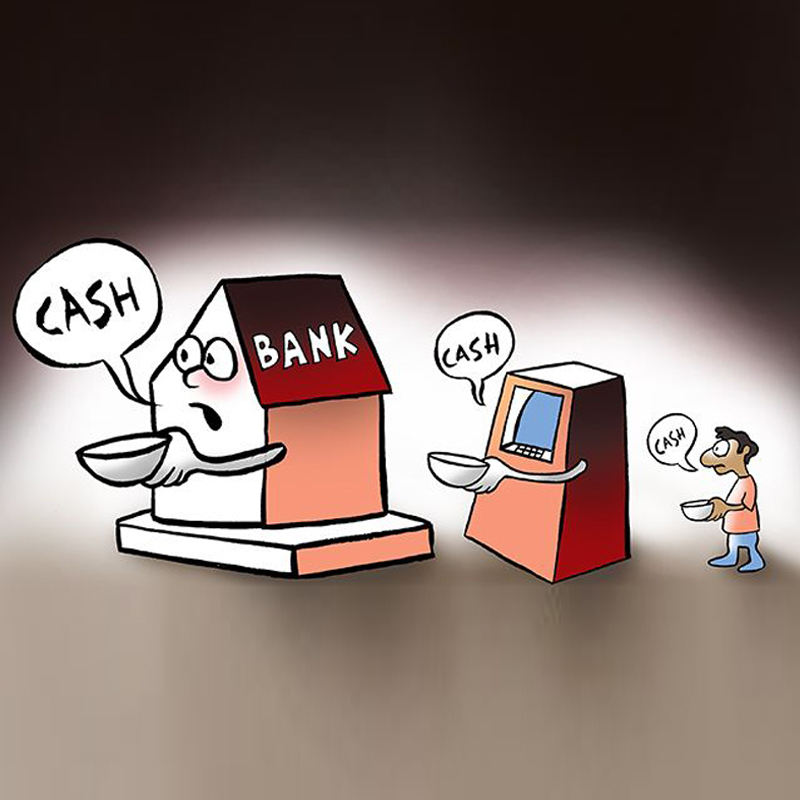
    An ordinary Tuesday evening saw all news channels and radio stations halt their programmes to listen to Modi, assuming it as another Mann Ki Baat. Instead, what followed was the shocking revelation that all the Rs 500 and Rs 1000 notes in the country will be invalid post midnight. As people scrambled to get rid of their notes and lined up for new ones, they were restricted to just Rs 10,000 a day and Rs 20,000 a week for the next 4 days (10-13 November).

    A severe cash shortage in the hands of the public forced them to seek alternative modes of payment. Companies too weren’t spared. By the second week of demonitisation, cigarette sales had dropped by 30-40 per cent and cash on delivery (COD) orders fell by 30 per cent for e-commerce companies. Dabur India corrected its advertising spends for November by almost 50 per cent and many prominent brands decided to hold the rolling out of new campaigns for a few months. The festive October-December quarter, this year, ended up draining out over Rs 2000 crore.

    Amidst this confusion and loss, if there was a clear winner, it was the class of startups offering online wallets and digital payments. Brands offering online payment ‘cashed’ out the most from the prime minister’s move. It was time for overlooked and unrecognised players like Paytm, Freecharge, Mobikwik, Swiggy, Zomato, Foodpanda and others to make optimum utilisation of the situation. These brands had found people’s Achilles heel and created campaigns, tweaking their communication, to show people that you don’t need to worry about less cash.

    public://F1_20.jpg

    With this, digital payments became India’s new currency and debit card transactions surged to over 1 billion in January this year from 817 million last year.

    public://1_5.jpg

    Foodpanda India co-founder and CEO Saurabh Kochhar says that there were positive implications of demonetisation on its platform. “Before demonetisation, on a regular day, our platform would receive close to 70,000 orders. While that shot up by 40-50 per cent, around 92 per cent of payments were made online after demonetisation. As our order value ranges between Rs 400-500, consumers did not mind paying online,” he reveals.

    As consumers were forced to get acquainted with digital payment modes, they got comfortable with the idea of paying for their orders online. Brands ensured their technology backend could support the surge in payments so that no glitches would leave people harassed or with bad experiences.

    One of the biggest beneficiaries of demonetisation was online wallet app Paytm. Within only 12 days after the move was announced, Paytm witnessed over Rs 7 million transactions worth Rs 120 crore a day and Rs 5,000 crore worth of transactions in the month of January 2017.

    Even though India was cutting down on spending, online travel grew between November 2016 and June 2017. Indians spent $246.6 million in overseas travel-related payments in November 2016, up 581 per cent as compared to $36.2 million spent in the same month in 2015. Arrivals from India to Australia since the demonetisation period (Nov 2016 – Aug 2017) grew at an average of 15 per cent.

    A year on, are people still transacting online at the same pace or was it just the momentary fluster? Kochhar optimistically says, “As valid currency got into a normalised flow in the country, there was an increase in COD orders. However, we have seen more uptake in users paying online for their orders. It is more about the change in the mindset of the users and demonetisation pushed them in that direction for sure.”

    While demonetisation opened people’s eyes to digital avenues, adex was briefly hampered. Overall brand revenues fell and there was a clear dip in sale, but all of that is now in the past. The advertising and marketing industry revved up but was assured that India’s suspicious view towards digital had surely been changed.


  • India Today to honour champions of ‘Clean India’ cause

    India Today to honour champions of ‘Clean India’ cause

    MUMBAI: The India Today Group announces the third edition of the India Today Safaigiri Awards and Singathon, a platform that will showcase and felicitate the pioneering efforts of those who are leading the change in cleanliness. This is in continuation to the launch of 1st edition in 2015.

    The event will be held October 2nd, on the third anniversary of the Swachh Bharat Abhiyan launch and the birth anniversary of Mahatma Gandhi. This year the theme around which the campaign is focused on “Gandgi Dehan Safaigiri ke Sang” which aims to demolish one the major evils that our nation is facing today and honouring the clean champions of the nation.

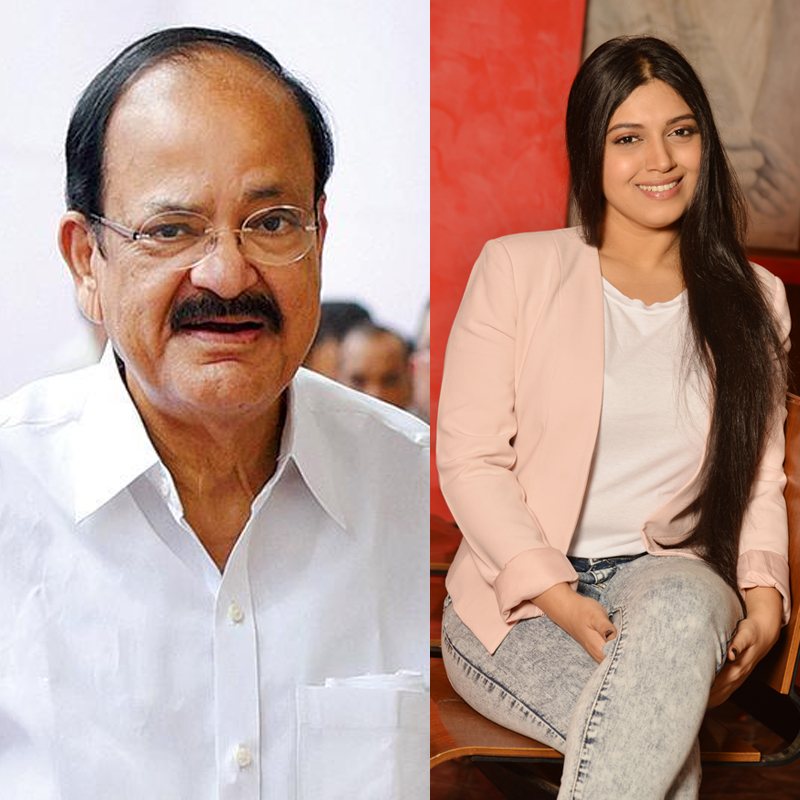
    India Today Safaigiri Awards & Singathon will be a day-long event and will get musicians together to celebrate the Safaigiri movement. The biggest names in the music fraternity will join hands to spread the message of Safaigiri. Bollywood actor Bhumi Pednekar will be presenting awards to women champions who have made Swachhata hi Seva their message. This special category of awards has been introduced this year in keeping with Prime Minister Narendra Modi’s message to observe September 15 to October 2 as Swachhata hi Seva fortnight. The focus is on women because if you teach a woman, you teach a generation.

    Vice President M Venkaiah Naidu will be presenting awards to 16 cleanliness champions selected by a process which involves shortlisting by Nielsen and selection by an eminent jury. The event will have singers performing throughout the day. The singers attending the day-long event include – Ankit Tiwari, Armaan Malik, Jasleen Royal, Amit Mishra, Shashaa Tirupati, Tulsi Kumar, Nakash Aziz and Mohit Chauhan’.

    India Today Safaigiri Awards and Singathon is a key initiative of the Group’s efforts in realising the vision of Swachh Bharat and in recognising Clean Champions across the country. The Clean Champions are selected in 16 categories through a process of fieldwork and selection by a jury of eminent citizens. The jury members are Mr. Aroon Purie, Chairman and Editor-in-Chief, India Today Group; Mr. Shashi Tharoor, MP; Ms. Neerja Birla, Founder and Chairperson, Aditya Birla Education Trust; Mr T.V Mohandas Pai, Chairman, Global Manipal Education; Mr.Vinayak Chatterjee, Chairman, Feedback Infra; Mr. Shubhagato Dasgupta, Senior Fellow, Centre for Policy Research & Bollywood actor Shilpa Shetty.

    The awards will be given in different categories such as Garbage Guru, Toilet Titan, Tech Icon, Water Saviour, Corporate Trailblazer and Cleanest Religious Place.

    The India Today Group has already started the war for cleanliness in a unique style at Ram Lila ground this year. Dirt/Filth, the major concern of the country was offered to fire in the form of Ravana this time.

  • Media’s best practices and innovations to be shared between India and Ethiopia

    Media’s best practices and innovations to be shared between India and Ethiopia

    NEW DELHI: India and Ethiopia would be signing an agreement on “Cooperation in the field of information, communication and media.”

    The union cabinet chaired by the prime minister Narendra Modi has said that the agreement will harness the growing power of information, communication and media for information dissemination and enhancing outreach between the two countries for inclusive development.

    It will also enhance people-to-people contact through exchange programmes. It would also provide an opportunity for both the nations to share best practices and new innovations in the field of information, communication and media.

    The agreement will encourage cooperation between mass media tools such as radio, print media, TV, social media etc. to provide more opportunities to the people of both the nations and create public accountability.

    The agreement, through an institutional framework, will facilitate exchange of delegations, personnel between the two nations, providing them opportunities to learn from each other’s best practices, bringing in equity and inclusiveness.

  • DoT-regd Net providers can set up towers on defence land

    DoT-regd Net providers can set up towers on defence land

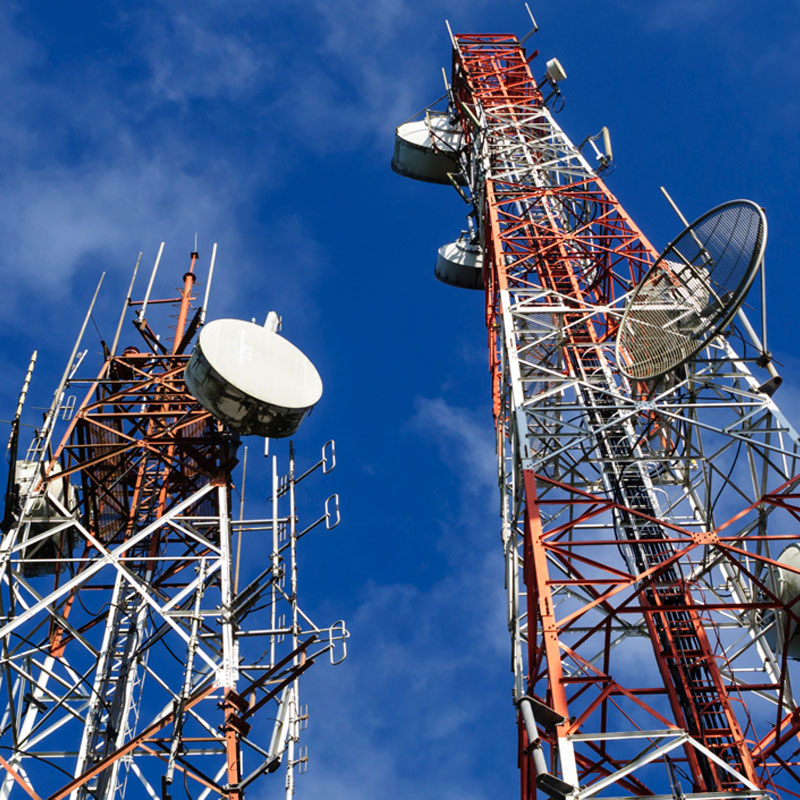
    NEW DELHI: The government has decided to allow allotment of defence land on lease and grant of permission in defence areas and cantonments to access service licensees and companies registered with department of telecommunications as internet provider for setting up shared communication towers and allied infrastructure.

    The union cabinet chaired by the prime minister Narendra Modi has approved a proposal for revision of policy of the ministry of defence for providing defence land to communication operators for construction of shared communication towers and allied infrastructure.

    The decision is based on experience in implementing the policy and guidelines issued by DoT for issue of clearance for installation of mobile towers. 

    This will improve the quality of communication services in the cantonments and military stations.

  • Govt urges TV and radio channels to publicise ‘Swachhta’ campaign

    Govt urges TV and radio channels to publicise ‘Swachhta’ campaign

    NEW DELHI: Private television and FM channels and radio stations have been requested to give adequate attention to the ‘Swachhta ki Seva’ campaign launched by the prime minister Narendra Modi in his ‘Mann ki Baat’ broadcast on 27 August 2017.

    “Keeping in view the public interest and importance of the matter,” the ministry of information and broadcasting has requested the media to “build the idea of the campaign in their programming so as to bring the message home to the maximum viewers.”

    In his broadcast on All-India Radio, Modi had called upon the nation to undertake the SHS campaign from 15 September 2017, culminating on Gandhi Jayanti, that is, on 2 October 2017.

    The aim of the campaign, he said, was to intensify the focus on cleanliness and create an environment of cleanliness across the country in the spirit of a ‘Jan Andolan’ (public movement).

    The ministry, in its request, said: “(The) media has a strong social and cultural impact on (the) society because of its inherent ability to reach out (to) a large number of people in the shortest possible time. (The) media, therefore, can play an important role in building public opinion and awareness in favour of the campaign.”

    The request was sent to seven different organisations of TV, FM and community radio channels. These are: News Broadcasters Association (NBA), the Indian Broadcasting Foundation (lBF), Association of Regional Television Broadcasters of India, Association of Radio Operators for India (AROI), Community Radio Association (CRA), Federation of Community Radio Stations (FCRS), and Community Radio Forum of India.