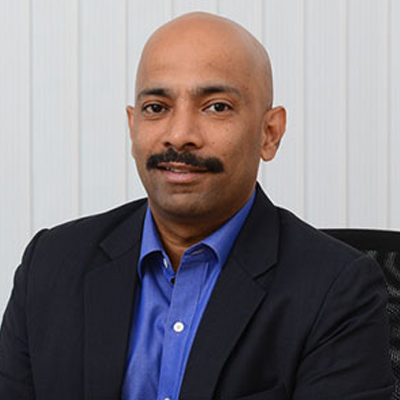
Tag: Nachiket Pantvaidya

  • Bollywood frenzy catapults Star Plus to top in digital homes too

    MUMBAI: Star Plus ended rival Colors’ six-week run as the top Hindi general entertainment television channel in digital homes in the first week of 2013, riding high on the Bollywood obsession among Indians.

    The telecast of Big Star Entertainment Awards, an annual event that honours the chosen best in Bollywood, for three-and-a-half hours on the New Year‘s eve helped Star Plus displace Colors from the No. 1 position in digital homes. Star Plus enjoys a leading position in the overall market (including both digital and analogue television homes).

    In the first week of the new year ended 5 January, Star Plus notched 275 GRPs (up from 225 in the 52nd week of 2012) with 44 of those contributed by just the Bollywood awards show, according to TAM Media Research data sourced from a television channel. In the overall market, the Bollywood awards show garnered 41 GRPs. It helped Star Plus widen its lead to 34 GRPs from 7 GRPs in the 52nd week of 2012 against its immediate rival Colors, which remained in the second position.

    Star Plus GM Nachiket Pantvaidya said, “It is indeed heartening to see a brilliant response from our viewers (to the Big Star Entertainment Awards show).”

    In fact, Star Plus regained the top position in digital market (HSM, 4+) after a gap of seven weeks since the first week of November 2011. Apart from the previous six weeks where Colors was at the top, Zee had occupied the top position in week 46. In week 44 and 45, Star Plus was at the number one position in digital market, as it was in the overall market.

    The government had mandated complete switchover to digital delivery of television channels in the top four metros from 1 November but the adoption of digitisation has happened almost fully in Mumbai and Delhi and to a great extent in Kolkata. Chennai is lagging far behind and is caught in a legal hurdle in the Madras High Court.

    Colors could add just three GRPs (gross rating points) to gross 245 GRPs in the first week of 2013 (previous week 242 GRPs). The Viavom18 channel had aired Colors’ Golden Petal Awards, the channel’s in-house awards function, which notched 4.56 TVR in the digital market, same as in C&S market. The Golden Petals Awards contributed 32 GRPs to its total GRPs in the first week.

    Colors CEO Raj Nayak had, on being consistently at the top in the digital market for several weeks, said, “….With the digitisation completed in Mumbai, Delhi and Kolkata (to a lesser extent though), these three markets put together contribute to a large proportion of the digital universe weightage. Hence, a strong base (of Colors) in the markets of Mumbai and Delhi helps.”

    Sony Entertainment Television (Set) lost 22 GRPs in the digital market to end the first week with 188 GRPs while Zee TV followed with 183 GRPs (previous week 177).

    Following Zee TV is Sab with 143 GRPs (previous week 149) and Life OK with 95 GRPs (previous week 105).
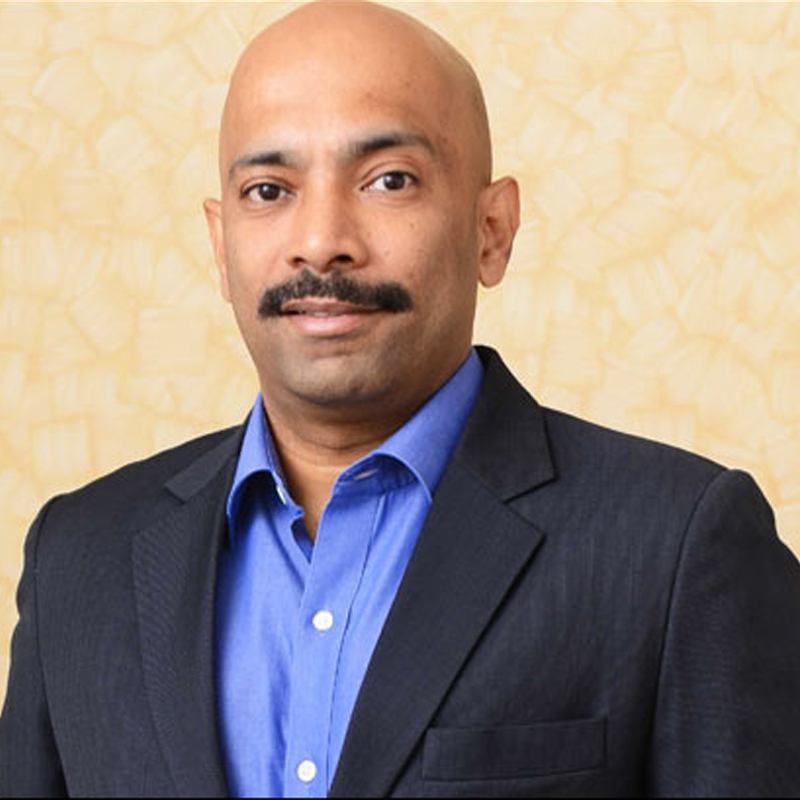
  • ‘Star Pravah is only entertainment channel with 25% of content aimed at males‘

    ‘Star Pravah is only entertainment channel with 25% of content aimed at males‘


    Star Pravah is only entertainment channel with 25% of content aimed at males‘
    Posted on 2 June 2012
     

    Star Pravah had a bad start and had to rework on its programming strategy to keep in pace with rivals Zee Marathi and ETV Marathi. Now having found the right content mix and being aggressive in buying movie rights, the channel leads the ratings chart.

    Launching with culturally rich shows like Raja Shivchhatrapati and Agnihotra, the channel changed track and is now focusing on contemporary content reflecting today’s lifestyle. It is betting big on movies and is willing to pay high prices.

    In an interview with Indiantelevision.com‘s Gaurav Laghate, Star Pravah channel head Nachiket Pantvaidya talks about the channel‘s programming plans and the challenges of the Marathi market.

    Excerpts:


    Q. After joining on 1 April last year, Star Pravah has grown in the Marathi general entertainment genre. What has worked in your favour? 
    From 120 GRPs during the last IPL, we have grown to 250 GRPs today. While the ratings are just a number, we have come a long way because we got the right strategy in place.


    Q. Star Pravah started with a show like Raja Shivchhatrpati and other shows portraying rich Marathiculture. Today, the shows are more on the contemporary day-to-day life. Are you talking of this shift in strategy?
    We believe that whatever the content is, it needs to reflect the society of today. So while we respect the ‘Maharashtrian‘ culture, we are focussed on catering to today‘s generation.

    With the help of our researches and various contact programmes, we have realised that our viewers, staying in whatever part of Maharashtra, are global citizens with big dreams and aspirations. They understand the importance of values versus the changes that are happening in the current economic scenario. With our programming, we are constantly portraying “today‘s Maharashtra”.


    Q. Marathi viewer is equally comfortable with Hindi. And if Hindi GECs are offering same shows, doesn‘t it pose a challenge?
    One of the major challenges is that a Marathi viewer is equally comfortable in watching Hindi general entertainmentchannels, news and sports. So we decided to work not just like a Marathi entertainment channel but an entertainment vehicle. We focus on being concurrent as well as on entertaining our viewers.

    And it is paying also. In the last eight weeks we have been ahead of the Hindi GECs. In the week ended 26 May, we clocked 256 GRPs, highest for the channel so far.


    Q. From programming point of view, what is the thought process behind the shows?
    All our shows are based on unique themes and we promote the idea of positive bright relationships.

    Our shows like Bhandaa Saukhya Bhare (game show between saas-bahu), Devyani, Pudhcha Paaul, Swapnanchya Palikadle, and upcoming Laxmi Vs Saraswati portray today‘s time, today‘s value system and ask relevant questions.

    We have kept the packaging the same… the dresses, attires, setups are still the same, but our approach is very modern.

    Also, we are the only entertainment channel with 25 per cent of the FPC dedicated to the male audience. We decided to have differentiated content, so from 9.30 pm till 10.30 pm we show Lakshya (crime drama) and Anolkhi Disha (supernatural) to cater to the male audience. In future we would also like to create some shows for the kids audience as we are a wholesome entertainment channel.

     
    ‘The ratings of TV premiere of Marathi movies have doubled. We are progressive and aggressive in the film acquisition space and want better production value, for which a better price is justified ‘
     

    Q. What are the other genres you are exploring?
    We would like to explore genres like comedy, thriller and socially relevant shows. We are sticking to our identity and will make sure that we offer the complete package.


    Q. Many times a viewer is not happy with the quality of production. How are you tackling this issue?
    A few of our shows are already being shot in high definition. And Shrabani Deodhar (creative director), at the helm of programming, makes sure our programming quality is no less than the Hindi GECs – at the price of Marathi GECs!


    Q. You have been acquiring a lot of movies. How has it helped the channel?
    We are bullish on acquiring movies as we want to see the Marathi film industry grow. So if you see, we have acquired a major chunk of movies, including all the three national award winning movies.

    We are looking at buying the rights of these films prior to the release. And these films have helped us to aggregate the incremental viewers. With every blockbuster, new viewers come to sample the channel and we promote our other properties.

    We have a good mix of high concept cinema as well as commercial films in our library. For high concept films we are investing in subtitling. We also put advertisements in English dailies so that a non-Marathi speaking viewer can also watch and enjoy good cinema.


    Q But many players say that you are also spoiling the market with such high acquisition prices?
    We want to write the resurgence story for the Marathi film industry. If you see, Maharashtra still has the lowest film acquisition price. If we keep doing hard bargain to acquire good films, it will drag us all down.

    In today‘s time, the ratings of TV premiere of these movies have doubled and we can recover the cost of acquisition. And after all, the price is just any number; we want to be assured of good cinema. We are progressive and aggressive in the film space and want better production value, for which a better price is justified.

    Today, all the big filmmakers in Maharashtra are willing to partner with us as we are expanding their market and trying to make the economic model work for them as well.


    Q. How are you marketing the channel and the properties?
    We know that as a late entrant in the market, we did not have the legacy to fall back on. Thus, we had to make that extra effort to reach out to our viewer. We have very extensive direct connect programmes and activities through which we keep reaching out to them.

    We want to make the viewers realise that we love them, we know their aspirations and we try to meet and talk to them directly. So you will not see many hoardings from our side just announcing a new show; we will reach to the nook and corner of the state and will meet them in person. Our ground connect programme is very strong.


    Q. And how is the response from the advertisers?
    Today we are a big vehicle for the advertisers to put their message across. A big leap of thought for us is that economic and SEC classification is not a geographic concept anymore. The concept of rural and urban is not there. We see rural parts in metropolitans like Mumbai and Pune as well as an urban class in very small towns. We are working closely with the local brands to help give them a global identity.


    Q. How is digitisation going to help you?
    I believe that digitisation will benefit us more than anybody as the inequalities in the distribution business will iron out.


    Q. How is being part of Star India helping you?
    Today Star India has many No. 1 channels in the national as well as regional space. The group has done great in regional with faith that regional could be the new national. The group strength also helps us in leveraging resources.

  • ‘Star Pravah is only entertainment channel with 25% of content aimed at males’: Star Pravah channel head Nachiket Pantvaidya

    ‘Star Pravah is only entertainment channel with 25% of content aimed at males’: Star Pravah channel head Nachiket Pantvaidya

    Star Pravah had a bad start and had to rework on its programming strategy to keep in pace with rivals Zee Marathi and ETV Marathi. Now having found the right content mix and being aggressive in buying movie rights, the channel leads the ratings chart.


    Launching with culturally rich shows like Raja Shivchhatrapati and Agnihotra, the channel changed track and is now focusing on contemporary content reflecting today’s lifestyle. It is betting big on movies and is willing to pay high prices.


    In an interview with Indiantelevision.com’s Gaurav Laghate, Star Pravah channel head Nachiket Pantvaidya talks about the channel’s programming plans and the challenges of the Marathi market.


    Excerpts:

    Q. After joining on 1 April last year, Star Pravah has grown in the Marathi general entertainment genre. What has worked in your favour?

    From 120 GRPs during the last IPL, we have grown to 250 GRPs today. While the ratings are just a number, we have come a long way because we got the right strategy in place.

    Q. Star Pravah started with a show like Raja Shivchhatrpati and other shows portraying rich Marathi culture. Today, the shows are more on the contemporary day-to-day life. Are you talking of this shift in strategy?

    We believe that whatever the content is, it needs to reflect the society of today. So while we respect the ‘Maharashtrian’ culture, we are focussed on catering to today’s generation.


    With the help of our researches and various contact programmes, we have realised that our viewers, staying in whatever part of Maharashtra, are global citizens with big dreams and aspirations. They understand the importance of values versus the changes that are happening in the current economic scenario. With our programming, we are constantly portraying “today’s Maharashtra”.

    Q. Marathi viewer is equally comfortable with Hindi. And if Hindi GECs are offering same shows, doesn’t it pose a challenge?

    One of the major challenges is that a Marathi viewer is equally comfortable in watching Hindi general entertainment channels, news and sports. So we decided to work not just like a Marathi entertainment channel but an entertainment vehicle. We focus on being concurrent as well as on entertaining our viewers.


    And it is paying also. In the last eight weeks we have been ahead of the Hindi GECs. In the week ended 26 May, we clocked 256 GRPs, highest for the channel so far.

    Q. From programming point of view, what is the thought process behind the shows?

    All our shows are based on unique themes and we promote the idea of positive bright relationships.


    Our shows like Bhandaa Saukhya Bhare (game show between saas-bahu), Devyani, Pudhcha Paaul, Swapnanchya Palikadle, and upcoming Laxmi Vs Saraswati portray today’s time, today’s value system and ask relevant questions.


    We have kept the packaging the same… the dresses, attires, setups are still the same, but our approach is very modern.


    Also, we are the only entertainment channel with 25 per cent of the FPC dedicated to the male audience. We decided to have differentiated content, so from 9.30 pm till 10.30 pm we show Lakshya (crime drama) and Anolkhi Disha (supernatural) to cater to the male audience. In future we would also like to create some shows for the kids audience as we are a wholesome entertainment channel.

    ‘The ratings of TV premiere of Marathi movies have doubled. We are progressive and aggressive in the film acquisition space and want better production value, for which a better price is justified ‘

    Q. What are the other genres you are exploring?

    We would like to explore genres like comedy, thriller and socially relevant shows. We are sticking to our identity and will make sure that we offer the complete package.

    Q. Many times a viewer is not happy with the quality of production. How are you tackling this issue?

    A few of our shows are already being shot in high definition. And Shrabani Deodhar (creative director), at the helm of programming, makes sure our programming quality is no less than the Hindi GECs – at the price of Marathi GECs!

    Q. You have been acquiring a lot of movies. How has it helped the channel?

    We are bullish on acquiring movies as we want to see the Marathi film industry grow. So if you see, we have acquired a major chunk of movies, including all the three national award winning movies.


    We are looking at buying the rights of these films prior to the release. And these films have helped us to aggregate the incremental viewers. With every blockbuster, new viewers come to sample the channel and we promote our other properties.


    We have a good mix of high concept cinema as well as commercial films in our library. For high concept films we are investing in subtitling. We also put advertisements in English dailies so that a non-Marathi speaking viewer can also watch and enjoy good cinema.

    Q But many players say that you are also spoiling the market with such high acquisition prices?

    We want to write the resurgence story for the Marathi film industry. If you see, Maharashtra still has the lowest film acquisition price. If we keep doing hard bargain to acquire good films, it will drag us all down.


    In today’s time, the ratings of TV premiere of these movies have doubled and we can recover the cost of acquisition. And after all, the price is just any number; we want to be assured of good cinema. We are progressive and aggressive in the film space and want better production value, for which a better price is justified.


    Today, all the big filmmakers in Maharashtra are willing to partner with us as we are expanding their market and trying to make the economic model work for them as well.

    Q. How are you marketing the channel and the properties?

    We know that as a late entrant in the market, we did not have the legacy to fall back on. Thus, we had to make that extra effort to reach out to our viewer. We have very extensive direct connect programmes and activities through which we keep reaching out to them.


    We want to make the viewers realise that we love them, we know their aspirations and we try to meet and talk to them directly. So you will not see many hoardings from our side just announcing a new show; we will reach to the nook and corner of the state and will meet them in person. Our ground connect programme is very strong.

    Q. And how is the response from the advertisers?

    Today we are a big vehicle for the advertisers to put their message across. A big leap of thought for us is that economic and SEC classification is not a geographic concept anymore. The concept of rural and urban is not there. We see rural parts in metropolitans like Mumbai and Pune as well as an urban class in very small towns. We are working closely with the local brands to help give them a global identity.

    Q. How is digitisation going to help you?

    I believe that digitisation will benefit us more than anybody as the inequalities in the distribution business will iron out.

    Q. How is being part of Star India helping you?

    Today Star India has many No. 1 channels in the national as well as regional space. The group has done great in regional with faith that regional could be the new national. The group strength also helps us in leveraging resources.

  • Disney’s dance contest ‘My School Rocks’ kicks off in Mumbai

    Disney’s dance contest ‘My School Rocks’ kicks off in Mumbai

    MUMBAI: Disney Channel’s interschool group-dance competition ‘My School Rocks’ kicked off in Mumbai today with students from over 50 schools in Mumbai competing to enter the semi finals of the contest.

    The performances from Mumbai kids will be pitted against schools from four other cities including Kolkata, Amritsar, New Delhi and Ahmedabad. Bollywood dance queen Saroj Khan will judge the competition and pronounce five schools with the best dancing talent as semi finalists.

    Vignettes of these five semi finalists’ performances will then be aired for audience poll via various voting mechanisms. The school to win the hearts of the viewers will take away the title – ‘My School Rocks’, states an official release.

    In addition, the winning group will star in a special music video which will be choreographed by Saroj Khan and will premier on Disney Channel on 25 December.

    Walt Disney Television International (India) executive director – programming and production Nachiket Pantvaidya said, “Disney Channel reflects real kids’ lives, their aspirations and dreams. ‘My School Rocks’ is all about encouraging kids to express themselves while learning the value of teamwork. As in the movie High School Musical, this contest is about believing in yourself and following your dreams.”

    “We believe in creating multiple touch points for our young viewers to experience our brand in an engaging and fun way. My School Rocks is an extension of our on-air programming philosophy,” he adds.

    Drawing inspiration from this year’s Disney Channel original movie High School Musical, particiapnts for My School Rocks were required to choreograph their own dance sequences to the High School Musical song ‘Ho ek hi aim’.

    The music of the High School Musical was rendered in Hindi by Sunidhi Chauhan, Naresh Kamath, Shweta Pandit, Neuman Pinto, and directed by John Stewart, programmed by DJ G and John Stewart.s

  • Playhouse Disney launches ‘Mickey Mouse Clubhouse’

    Playhouse Disney launches ‘Mickey Mouse Clubhouse’

    MUMBAI: Playhouse Disney, the preschoolers block on Disney Channel has launched the Mickey Mouse Clubhouse, a learning-focused series for tiny tots. The show is named after Disney’s favorite mascot.

    The show will be aired on Saturdays and Sundays at 8:30 am.

    The series has been created by producer Bobs Gannaway, producer and director of the Emmy Award-winning Disney’s Mickey Mouse Works. The series later evolved into Disney’s House of Mouse, that featured not just Mickey, but virtually all of the Disney animated characters.

    Although the character designs are referential to 1940s drawings, the show has 3D computer animation, a logical next step for the characters that have evolved, along with film technology, from black and white, to color and now to digitally rendered 3D.

    In order to ensure that each episode is entertaining and comprehensible to this core audience, Disney Channel writers and researchers visited preschools where they read story books based on the shows to students to see if they enjoyed it, if they understood the concepts and were engaged enough to participate.

    “The shows that have worked best with young kids are interactive ones, where the audience feels they’re playing along as opposed to just sitting back and watching. It’s always been Mickey’s way to connect one-to-one with kids, making him the perfect choice to further develop a close relationship with kids in a preschool learning environment,” said Walt Disney Television International (India) director programming and production Nachiket Pantvaidya.

    “The show helps to broaden the definition of math skills to include not just counting, but learning shapes, patterns, colors and fractions. Early math skills are key to preschoolers’ development because if it is embedded right from the beginning, kids will embrace the subject. The wonderful thing is that kids of this age love to count and master skills. They don’t see it as a chore or a lesson, they’re really proud of being able tell you what’s bigger and what’s smaller, what’s near and what’s far. It’s not work to them, it’s really fun,” he added.

    Mickey Mouse Clubhouse will help define the series’ educational goals and have an age-appropriate curriculum with the help of the Sensational Six: Mickey, Minnie, Pluto, Goofy, Daisy and Donald.

  • Disney Channel to air ‘Finding Nemo’ this summer

    Disney Channel to air ‘Finding Nemo’ this summer

    MUMBAI: Disney Channel will be airing Finding Nemo in summer. The movie will premier on the channel as a special treat comprising the summer programming lineup.

    Finding Nemo is an Academy Award winner global box office hit and has been regarded as a timeless classic complete with imaginative, visually appealing and excellent storytelling.

    Walt Disney Television International (India) director programming and production Nachiket Pantvaidya said, “Creativity in content and presentation is paramount in Disney’s philosophy to reach out to kids and families. We, at Disney, love to tell stories that touch people’s hearts while presenting positive values that are relevant across generations and geographies. Finding Nemo has a brilliant story line – a splendid tale of family and friendship. I am certain this blockbuster title will take Disney Channel viewers on an under-water adventure to cool off the summer heat.”

    Last week Disney also announced that it has acquired the telecast rights to Sahara One Motion Pictures’ animated film Hanuman. Disney Channel wll also air the movie this summer as an eight part series.