
Connect with us

Mumbai: Myntra continues to record strong demand within the Beauty and Personal Care (BPC) sector, as beauty enthusiasts flank the platform for its assortment of leading...
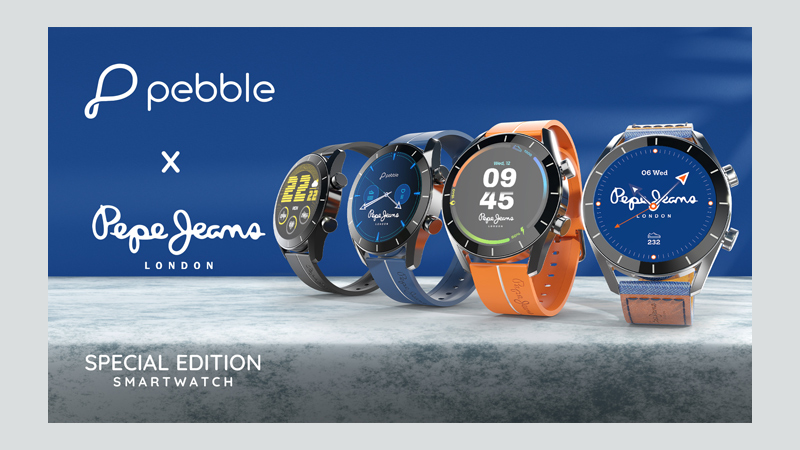
Mumbai: In a quintessential unison of the finest in fashion and the best in technology, India’s fastest growing smartwatch brand Pebble has partnered with Pepe Jeans...
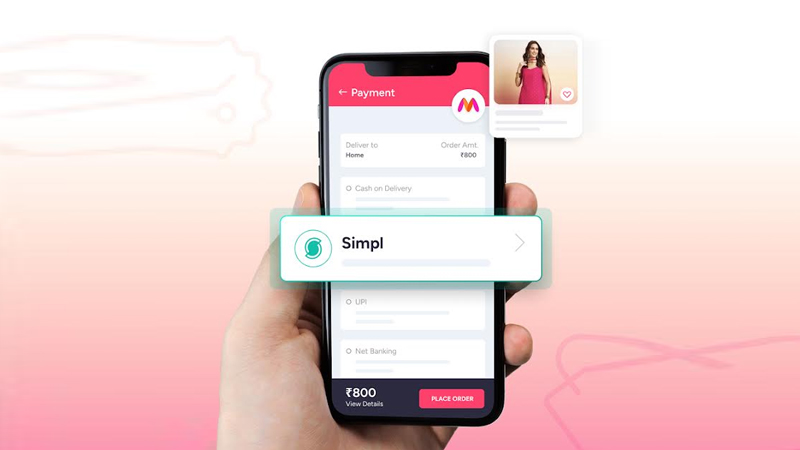
Mumbai: This festive season, Simpl’s foremost Checkout Network, announced its association with Myntra, one of the leading fashion e-retailers of the country to offer its one-Tap...
Mumbai: Myntra Beauty has announced the launch of its new marketing campaign strengthening its positioning as the ultimate premium and luxury beauty destination. The campaign film...
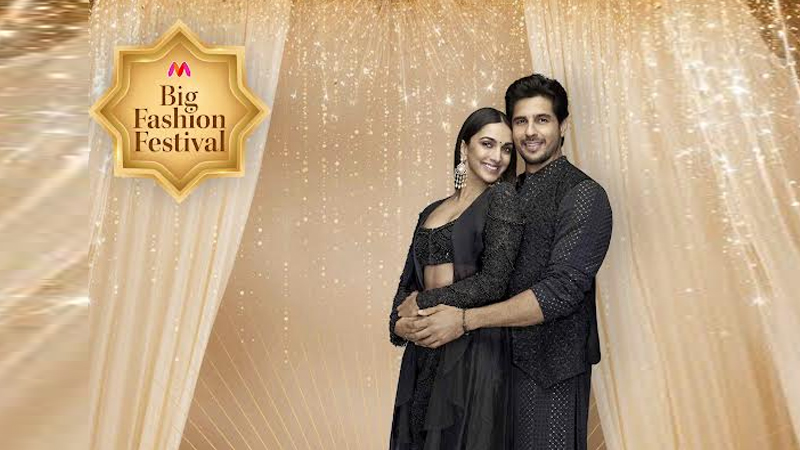
Mumbai: Myntra has rolled out its latest festive campaign starring Bollywood’s real and reel glamorous couple Sidharth Malhotra and Kiara Advani ahead of their highly anticipated...
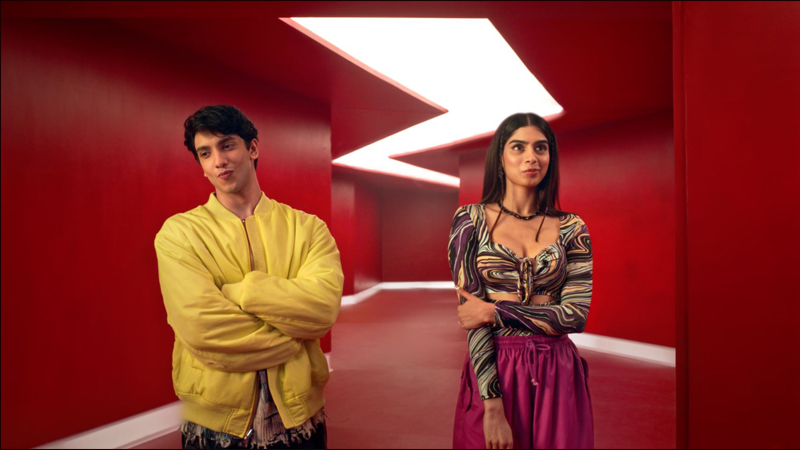
Mumbai: Myntra, one of the leading fashion, beauty and lifestyle destinations, has unveiled the ad film for FWD, its immersive trend-first destination for Gen-Z, starring its...
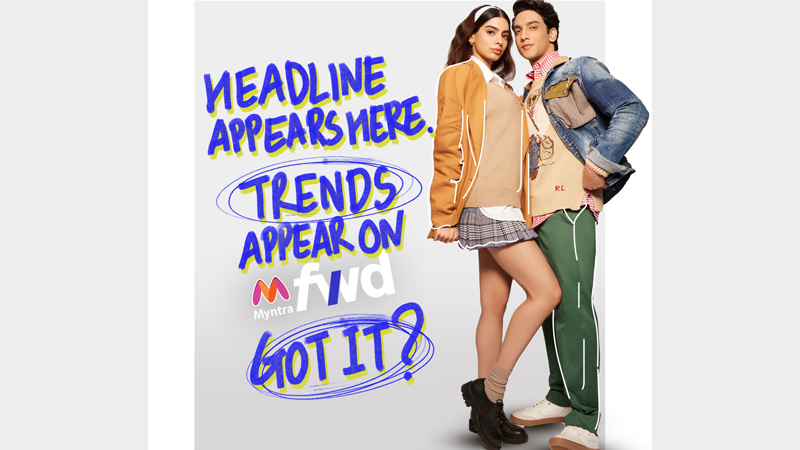
Mumbai: Myntra, India’s premier fashion, beauty, and lifestyle e-commerce platform, has unveiled its outdoor campaign, #SpotItGetIt, in collaboration with Ideas Farm, to celebrate FWD – the...
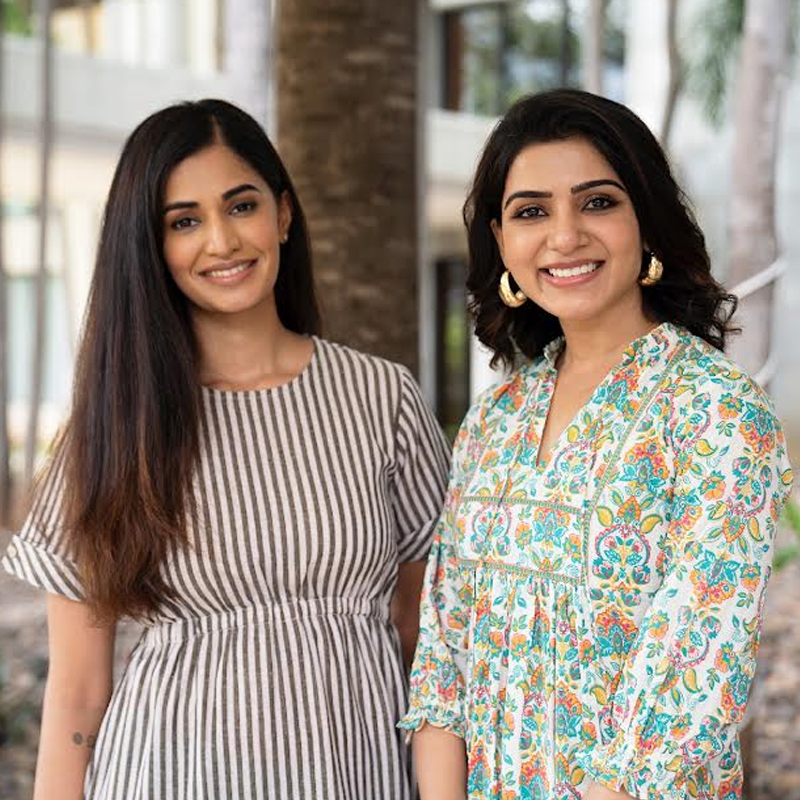
Mumbai: Samantha Ruth Prabhu and Sushruthi Krishna’s D2C ethnic wear brand Saaki aims to scale its revenues by 80 per cent in the next six months...
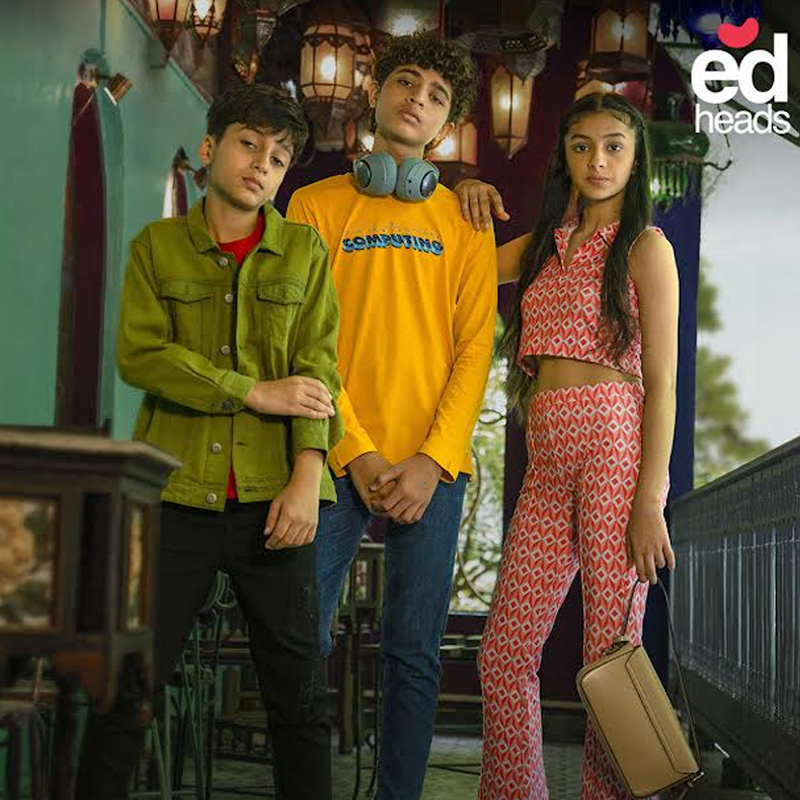
Mumbai: Alia Bhatt’s kidswear brand, Ed-a-Mamma, has announced an exclusive teen collection, building the franchise to include casual wear for teens. The launch of Edheads marks...

Mumbai: Global women’s fashion brand, bebe, has partnered with Myntra in India. The brand has also roped in young Bollywood diva, Sharvari, as its first brand...

New Delhi: Myntra has rolled out ‘Big Fashion Festival’ campaign for the upcoming festive season. The mega marketing campaign features Bollywood celebrities Ranbir Kapoor and Kiara...
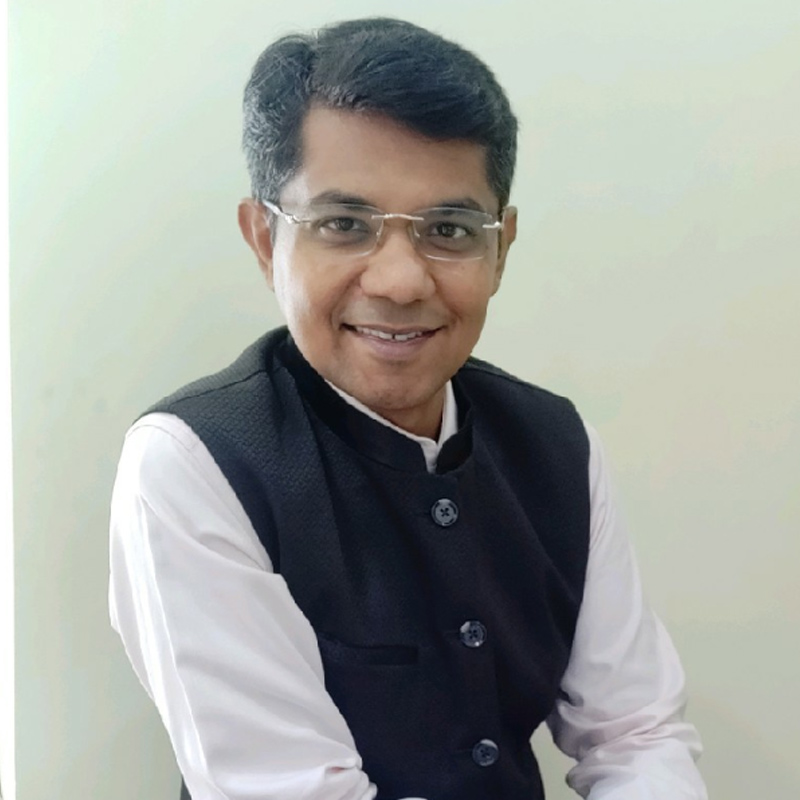
Mumbai: Myntra CXO and head of marketing & social commerce business Achint Setia has announced he is moving on from his current role at the fashion...
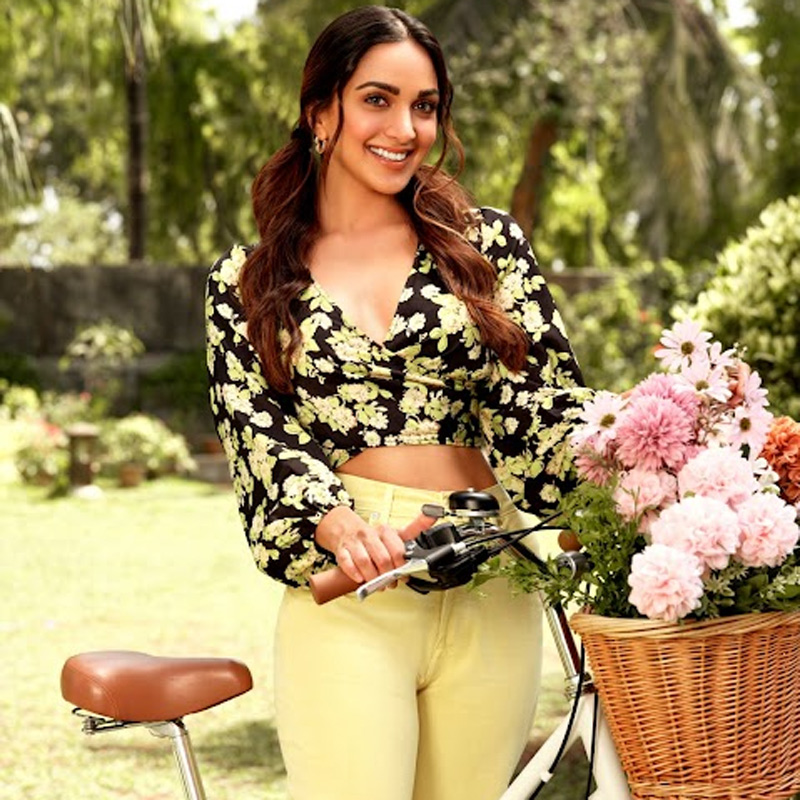
Mumbai: Mango has announced Kiara Advani as the new brand ambassador in India on Thursday. She will endorse the Spring Summer 2022 collection and the campaign...

Mumbai: Investment platform Upstox has announced the addition of three senior executives to its leadership team. The company has appointed former Myntra CMO Harish Narayanan as...
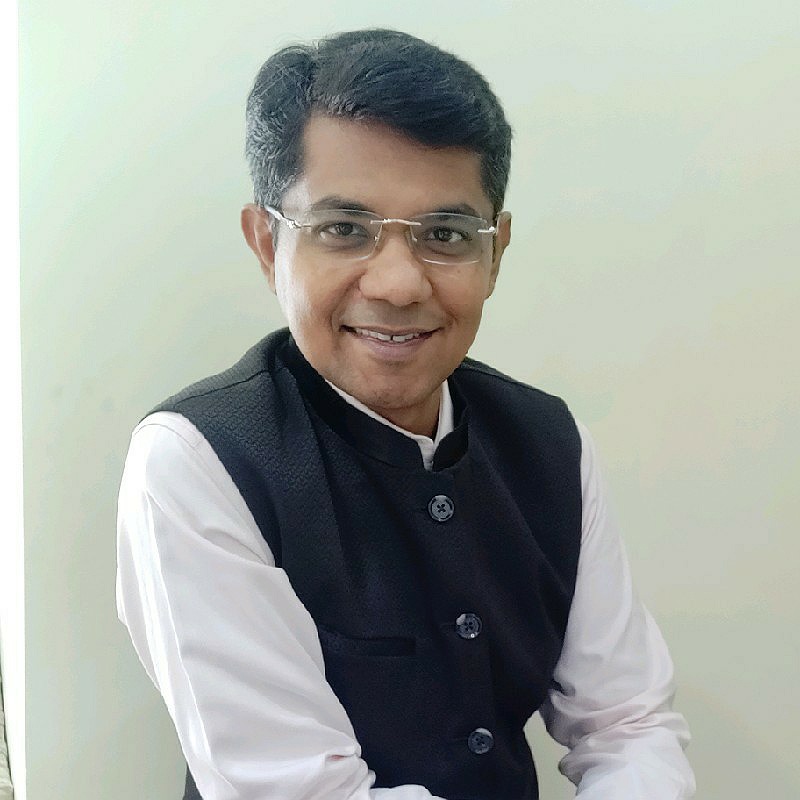
Mumbai: Flipkart-owned fashion e-commerce platform Myntra has promoted Achint Setia to the position of marketing and social commerce business head. He was previously the VP and...

Mumbai: Myntra has launched a marketing campaign ahead of the fifteenth edition of its flagship, ‘End of Reason Sale’ (EORS), scheduled to be held between 18...
Mumbai: Myntra has announced its foray into influencer-driven social commerce at scale, to cater to the evolving content consumption patterns and shopping preferences of consumers. As...
Mumbai: Fashion marketplace Myntra’s chief marketing officer (CMO) Harish Narayanan has decided to move on from the company. Narayanan’s exit was made official by the company...

Mumbai: Online fashion retailer Myntra has announced the appointment of Nandita Sinha as chief executive officer, effective 1 January 2022. Sinha will join Myntra from group...
Mumbai: Myntra and video streaming platform Voot have come together to launch Myntra Fashion Superstar Season three exclusively on Myntra Studio on the Myntra App and Voot...

MUMBAI: The Great Indian Festive sales have gotten underway with every e-commerce platform launching its biggest annual blockbuster sale campaign. The growth in internet users, reduction...

Mumbai: Ahead of its ‘Big Fashion Festival’ (BFF) slated between 3 and 10 October, fashion e-tailer Myntra has rolled out a 360-degree marketing campaign aimed at...

Mumbai: Discovery Communications India has announced the launch of its unique blueprint of clothing line – Discovery Adventures X Roadster Life Co, in collaboration with its licensing agent in India Black...

Mumbai: It’s September. And, there is palpable anticipation tinged with hope, as the country gears up for yet another festive season in the post-pandemic world. Onam...
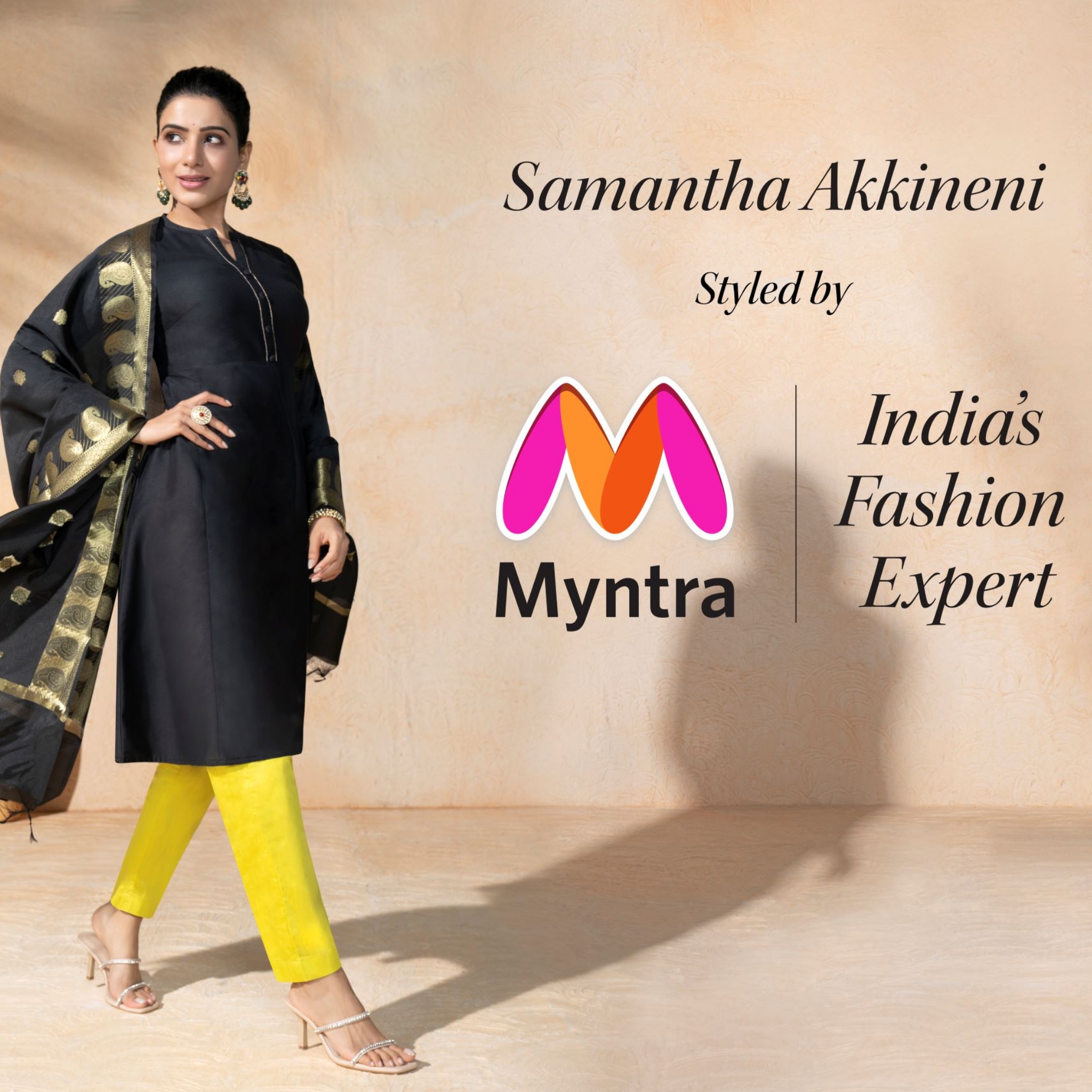
Mumbai: Myntra has unveiled its latest ad films featuring its brand ambassador, Samantha Akkineni, as part of a star-studded brand campaign that was launched earlier this month. With...
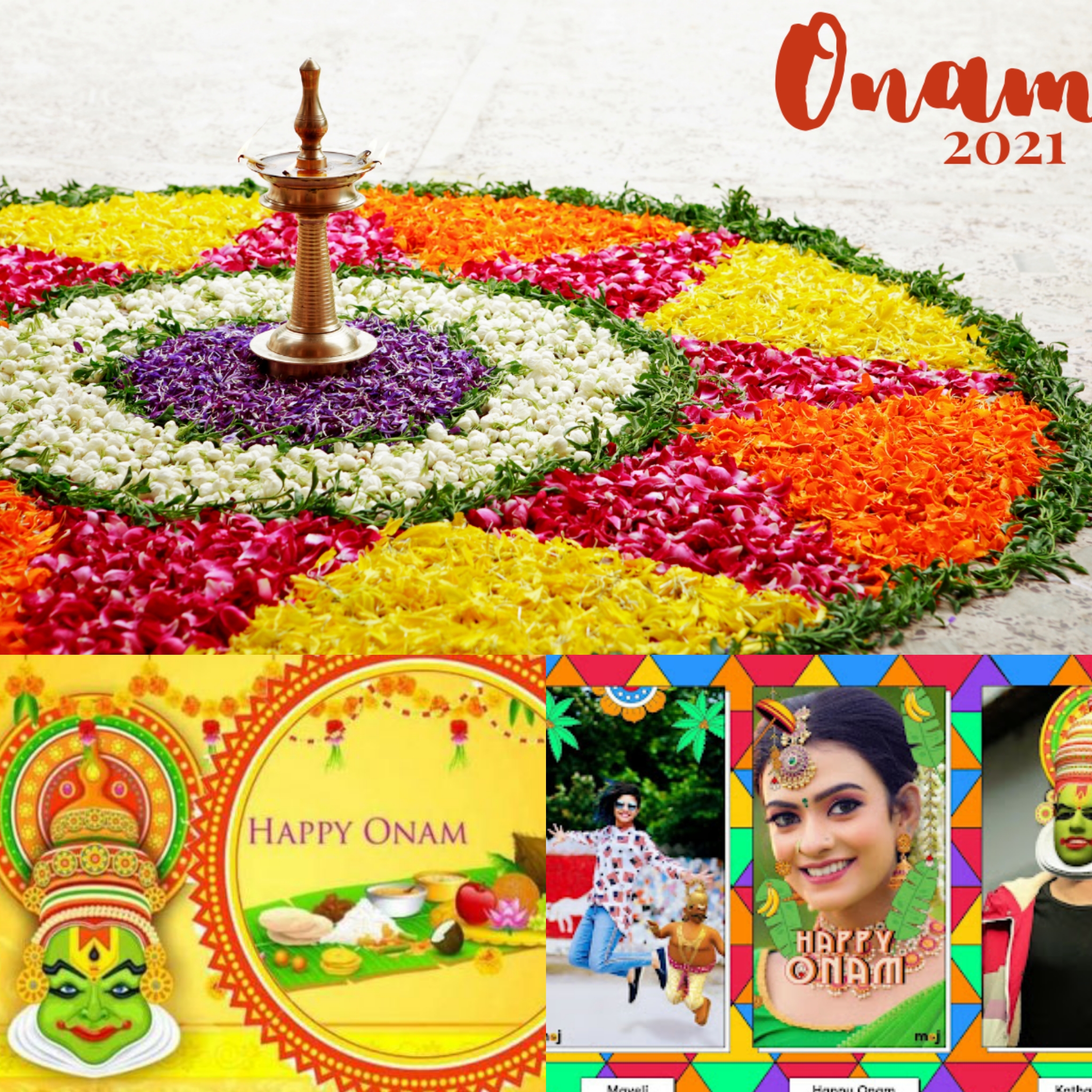
Mumbai: Kerala’s biggest festival of the year- Onam is finally here, flagging off the start of the festive season for the rest of the country. After...
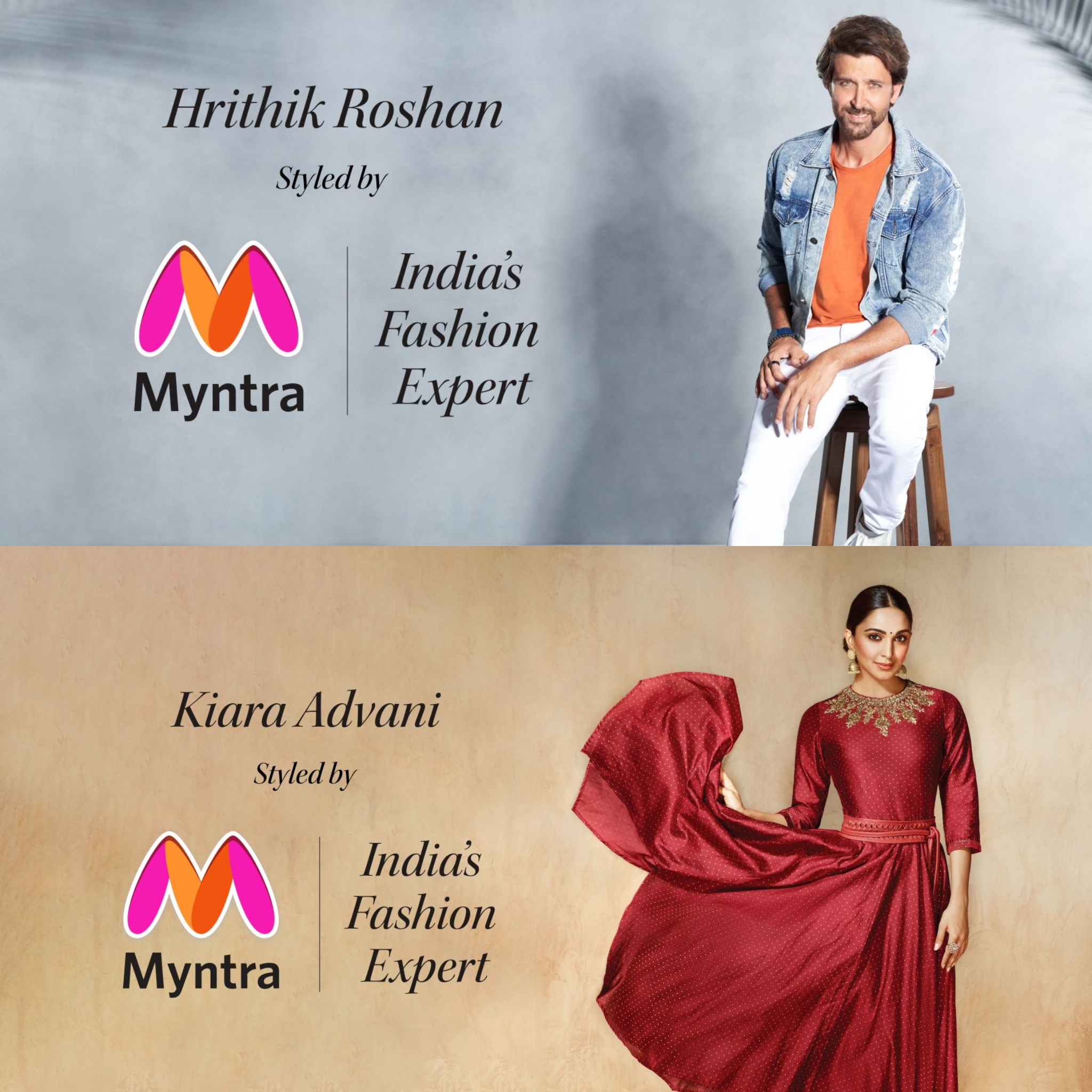
Mumbai: Myntra has launched a star-studded brand campaign with the roll-out of ad films starring Bollywood superstars Hrithik Roshan and Kiara Advani. The duo, in their...
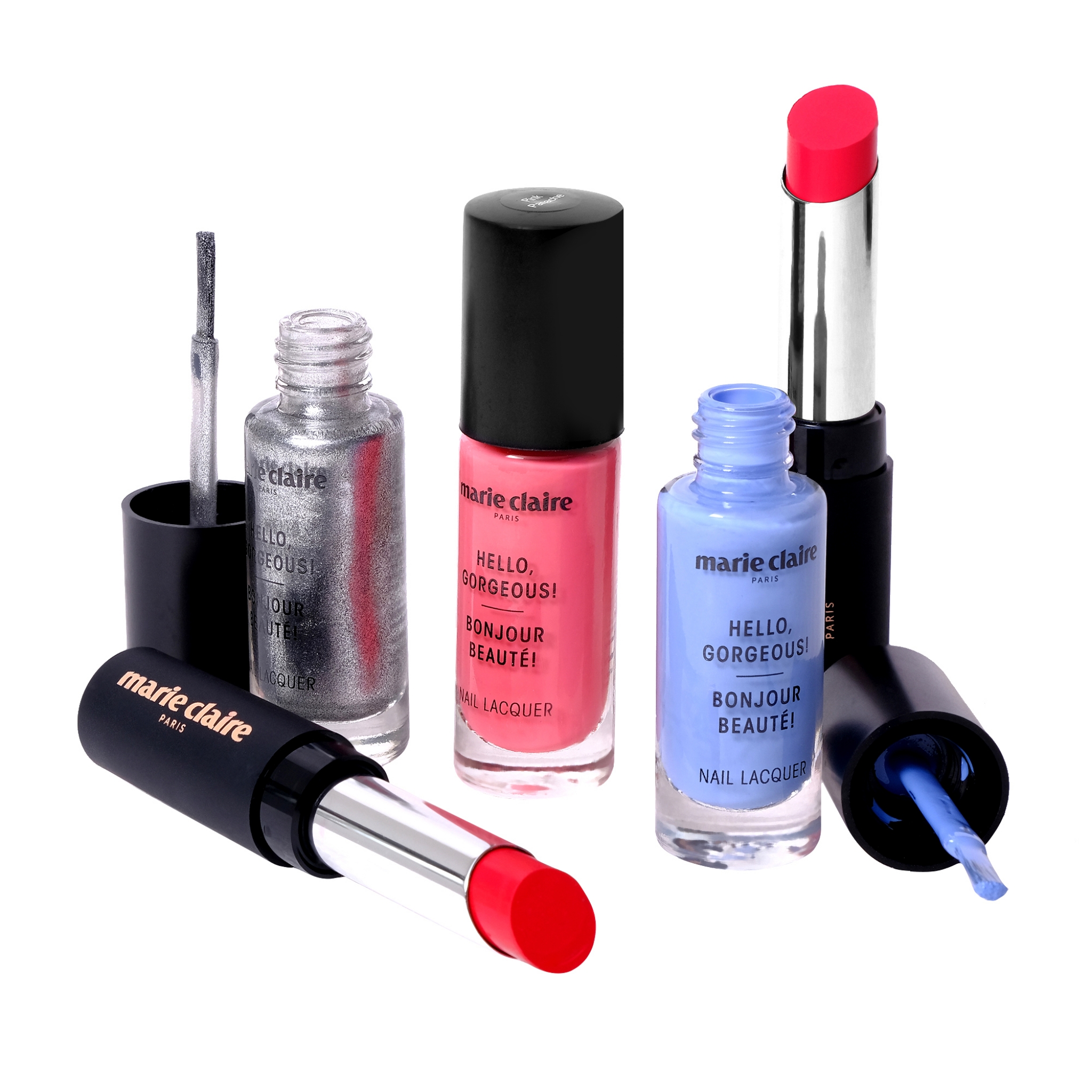
Mumbai Homegrown e-commerce marketplace Flipkart along with the group’s fashion, beauty & lifestyle major Myntra on Thursday announced a partnership with Marie Claire, a global lifestyle and...

Mumbai: Fashion e-commerce platform Myntra has launched its latest brand campaign featuring leading fashion icons and the company’s new brand ambassadors Hrithik Roshan, Vijay Deverakonda, and Dulquer...

Mumbai: The last one and a half years have escalated the pervasiveness of the OTTs and streaming platforms in our lives like never before. Not wanting...

MUMBAI: Celebrated world over as the birthday of Florence Nightingale, 12 May or ‘International Nurses Day’ recognises the work of nurses around the globe. Since the...

NEW DELHI: If there is one business which has distinctly gained during the unprecedented Covid2019 pandemic, it is e-commerce. And this gain has occurred across product...
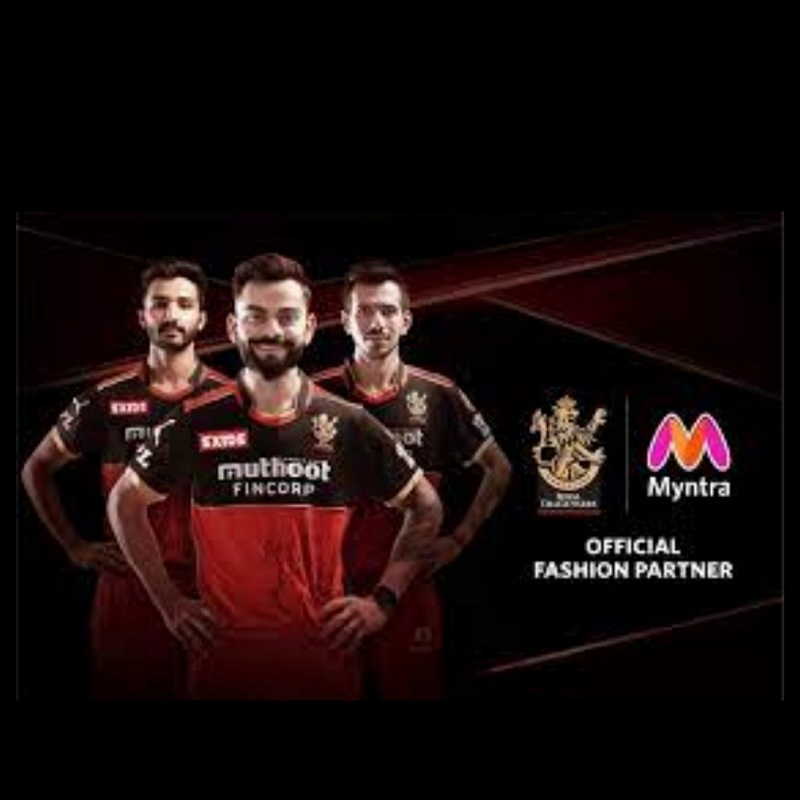
NEW DELHI: With the curtain-raiser of Indian Premier League (IPL) 2021 mere days away, brands are rushing to seal the deal with the teams in the...
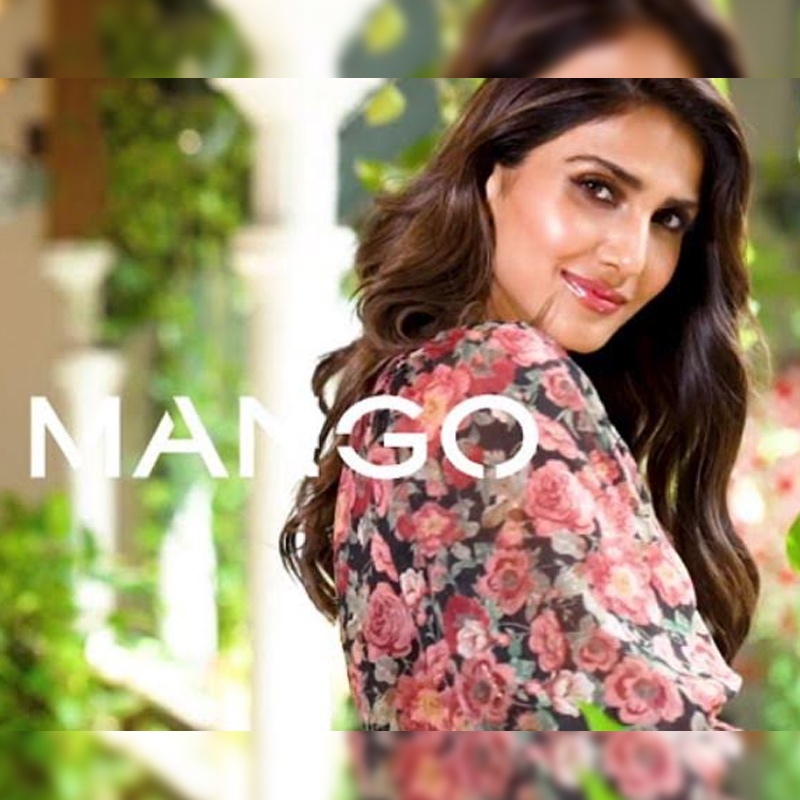
NEW DELHI: Spanish fashion brand Mango, along with its franchise partner Myntra, has roped in Vaani Kapoor as its first brand ambassador in India. The actor’s...
NEW DELHI: Kidswear is emerging as a strong and promising segment for online fashion major Myntra. The kids’ category is an integral part of the platform’s...
NEW DELHI: In India, there are two things that people lose their minds over: cricket and festivals. And the IPL is a festival of cricket. Add...

NEW DELHI: Myntra is teaming up with Max Fashion, one of the largest fashion retailers in India, to make your festive season shopping spree even more...

NEW DELHI: Ahead of the festive season, Myntra announces Bollywood actress, Disha Patani, as its brand ambassador to further consolidate its strong position in the massive...
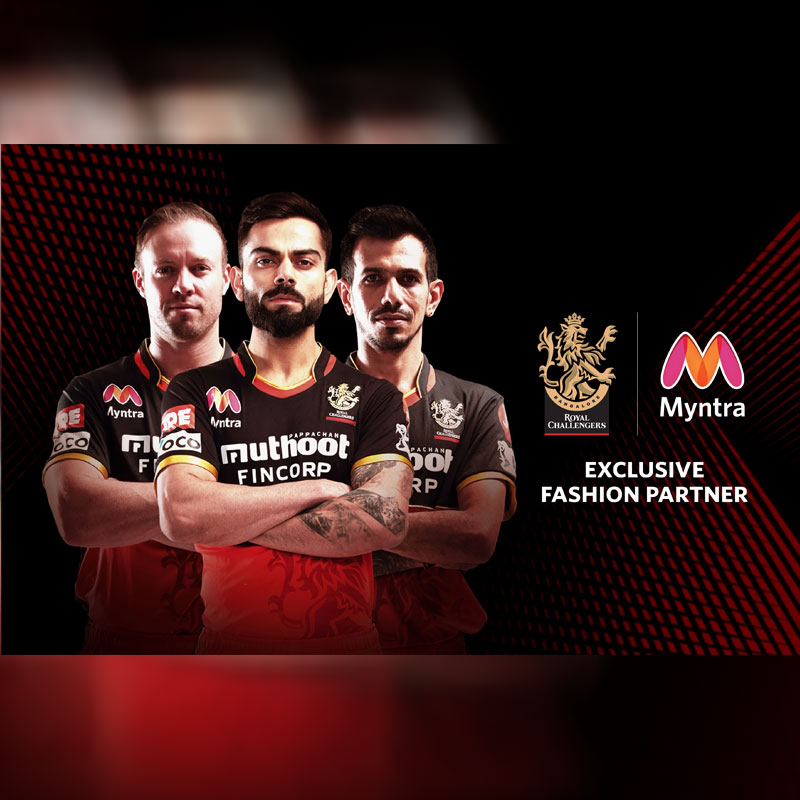
NEW DELHI: Myntra has partnered with Royal Challengers Bangalore (RCB), to be their exclusive fashion partners for the T20 cricketing event. As part of this association,...

NEW DELHI: Myntra has appointed bollywood actress Kiara Advani, as its brand ambassador and nationwide celebrity endorser. Her mass appeal as a talented actor and fashion...
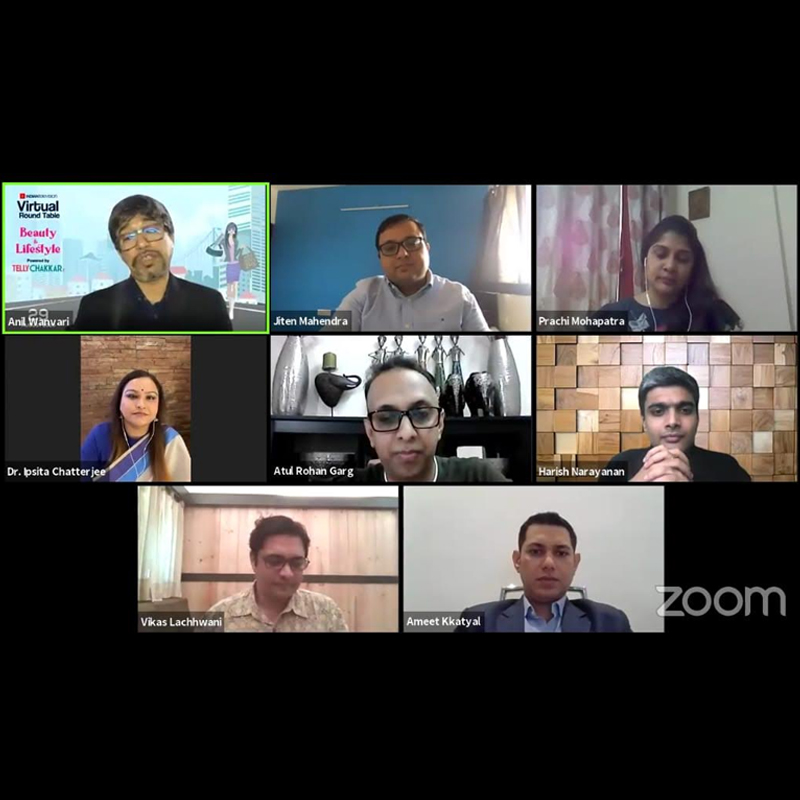
NEW DELHI: While the onset of the great Indian festive season with Onam might not have been the exact point of revival for the beauty and...
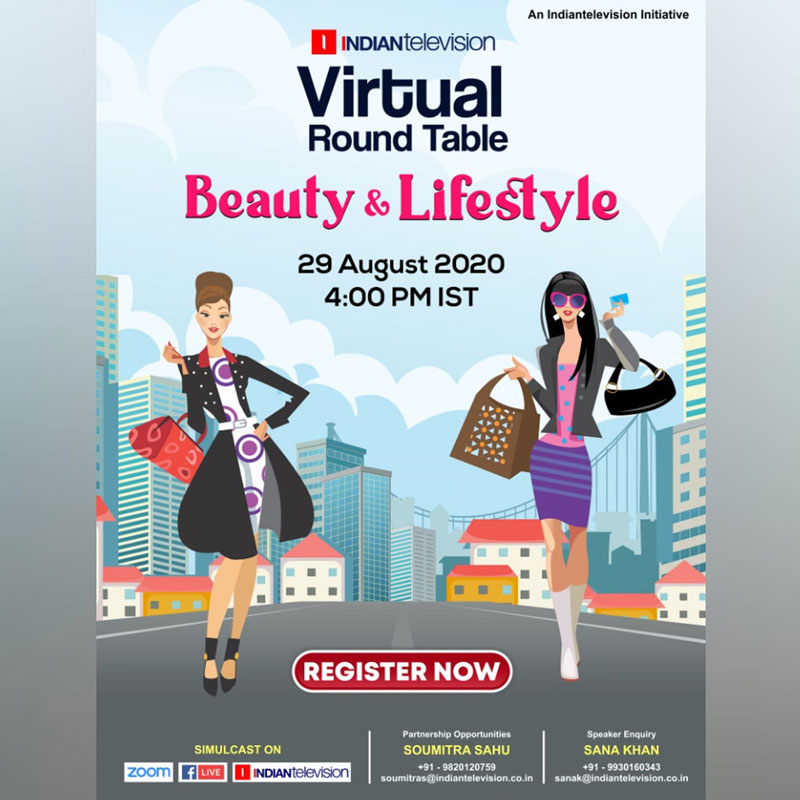
NEW DELHI- As consumers increasingly demand inclusivity, transparency and authenticity, beauty & lifestyle companies across price points are overhauling their operations, product assortments, and marketing tactics...
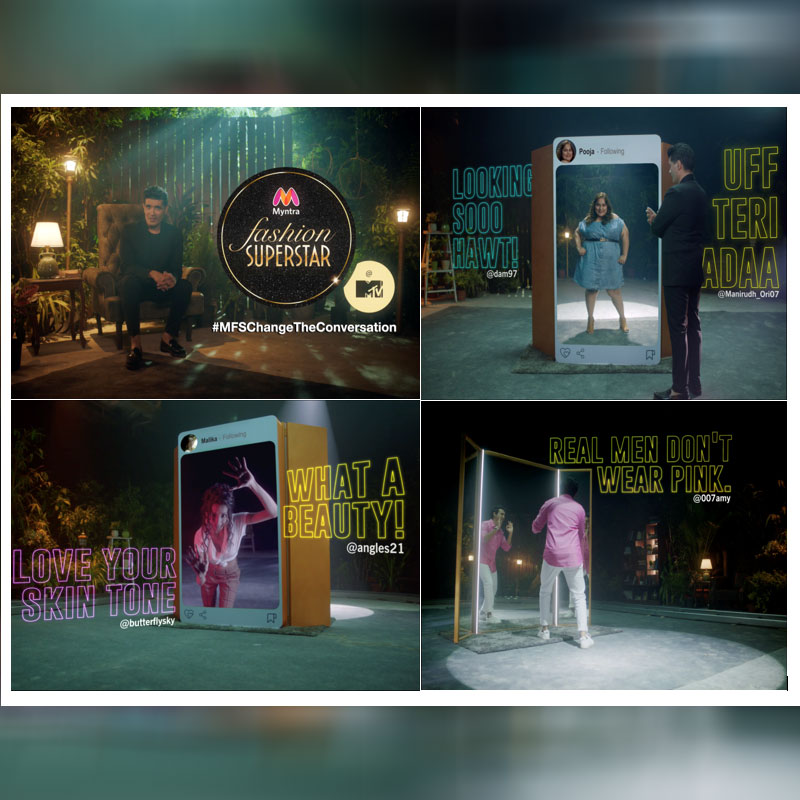
Mumbai: Myntra has initiated promotions to seek aspirants for the second edition of India’s only digital fashion influencer talent hunt, ‘Myntra Fashion Superstar-@MTV’, #MFSChangeTheConversation, the auditions...
NEW DELHI: Condé Nast India announces the launch of ‘Behind the Mask’, a mammoth, multilayered social awareness campaign with Myntra, helmed by a five-episode video series,...
NEW DELHI: In today’s experience era, majority of CEOs believe customer centricity is essential for driving business growth. However, there is still a big gap between...

NEW DELHI: Myntra has launched Myntra Fashion brands in the Middle East, giving a strong impetus to its international expansion plans. The company has partnered with...
New Delhi: Chicco, the brand that takes care of multiple needs of babies with innovative offerings in nursing, cosmetics, toys, travel and fashion has tied up...
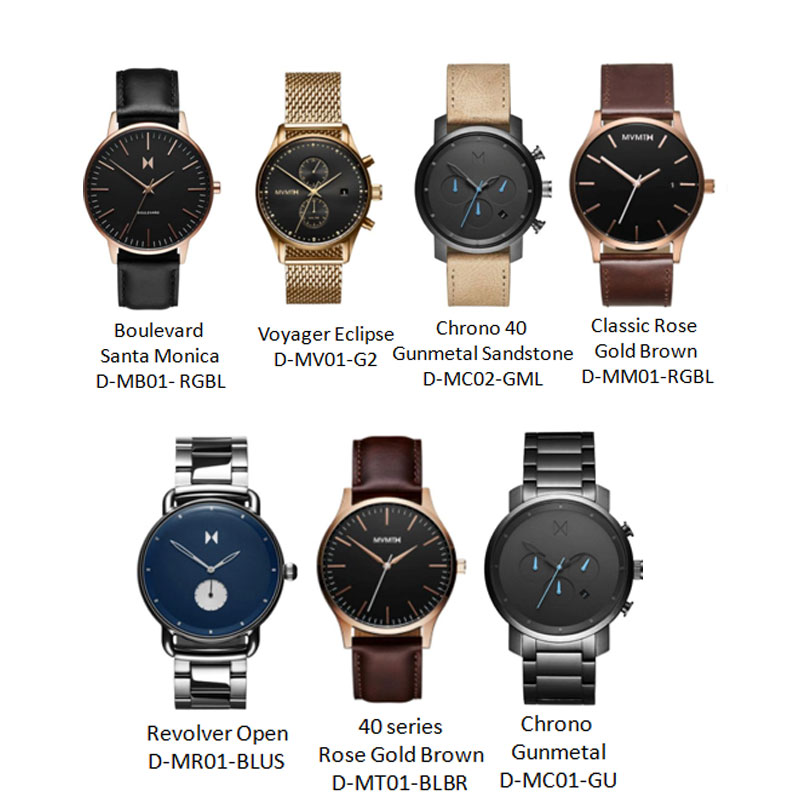
NEW DELHI: Myntra, in a strategic partnership with Movado Group International today announced the launch of MVMT (pronounced as ’Movement’) watches on its platform. Founded in...
MUMBAI: Touted to be nation’s biggest fashion event, Myntra’s End of Reason Sale (EORS) will kick off on 19 June. Shoppers across the country will have...
MUMBAI: Godrej L’Affaire, a curated experiential lifestyle platform by the Godrej Group, concluded its fourth season in Mumbai. More than 1300 people including several prominent personalities...



