Tag: multichannel TV

  • DD, AIR covers most naxal-hit areas too

    DD, AIR covers most naxal-hit areas too

    NEW DELHI: The entire state of Chhattisgarh, including its rural and naxal-affected areas, has been provided with multichannel TV coverage through Doordarshan’s free to air DTH service DD FreeDish while 13 AIR stations are operating in Chhattisgarh including eight of 100 W FM relay transmitters for localised coverage.

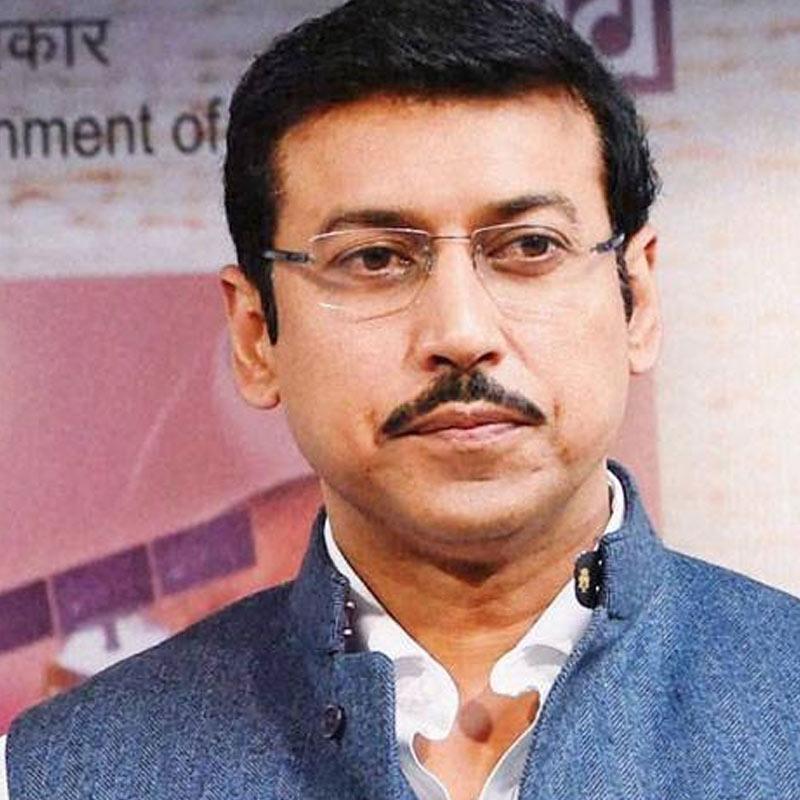
    Answering a question in the Parliament about coverage by Prasar Bharati in naxalite-affected areas, minister of state for information and broadcasting Rajyavardhan Rathore said that the signals of Direct to Home (DTH) service can be received with a small-sized dish receiving unit.

    A total of 29 terrestrial TV transmitters of varying power are functioning in Chhattisgarh, he added.

    As far as AIR was concerned, he added that some areas of Dantewada, Bijapur and Koriya districts were still uncovered by AIR’s terrestrial broadcast. High Power Medium Wave transmitter from AIR Nagpur is also providing AIR service in Chhattisgarh state.

    Most of the populated parts of Chhattisgarh are covered with AIR MW coverage and by its FM coverage also at reasonably good numbers of places.

    In addition, 31 channels of All India Radio are available on DD FreeDish throughout the country.

    Thirteen popular channels of All-India Radio can also be received through internet by browsing AIR’s website and by downloading suitable apps on iOS/ Android/ Windows based mobile phones.

    AIR’s scheme for replacement of existing outlived 100 kW MW transmitter at Jagdalpur by new 100 kW MW transmitter has already been approved under special scheme. A 5 kW FM transmitter under continuing scheme of 12th Plan has been approved for testing at Ambikapur

  • DD, AIR covers most naxal-hit areas too

    DD, AIR covers most naxal-hit areas too

    NEW DELHI: The entire state of Chhattisgarh, including its rural and naxal-affected areas, has been provided with multichannel TV coverage through Doordarshan’s free to air DTH service DD FreeDish while 13 AIR stations are operating in Chhattisgarh including eight of 100 W FM relay transmitters for localised coverage.

    Answering a question in the Parliament about coverage by Prasar Bharati in naxalite-affected areas, minister of state for information and broadcasting Rajyavardhan Rathore said that the signals of Direct to Home (DTH) service can be received with a small-sized dish receiving unit.

    A total of 29 terrestrial TV transmitters of varying power are functioning in Chhattisgarh, he added.

    As far as AIR was concerned, he added that some areas of Dantewada, Bijapur and Koriya districts were still uncovered by AIR’s terrestrial broadcast. High Power Medium Wave transmitter from AIR Nagpur is also providing AIR service in Chhattisgarh state.

    Most of the populated parts of Chhattisgarh are covered with AIR MW coverage and by its FM coverage also at reasonably good numbers of places.

    In addition, 31 channels of All India Radio are available on DD FreeDish throughout the country.

    Thirteen popular channels of All-India Radio can also be received through internet by browsing AIR’s website and by downloading suitable apps on iOS/ Android/ Windows based mobile phones.

    AIR’s scheme for replacement of existing outlived 100 kW MW transmitter at Jagdalpur by new 100 kW MW transmitter has already been approved under special scheme. A 5 kW FM transmitter under continuing scheme of 12th Plan has been approved for testing at Ambikapur

  • Multichannel TV, digital video growing in Myanmar: CASBAA report

    Multichannel TV, digital video growing in Myanmar: CASBAA report

    MUMBAI: Multichannel TV and digital video markets continue to grow exponentially in Myanmar. Around 12 months ago, the TV household penetration touched 5.8 million homes, or 55%.

    Nationally pay-TV connections amounted to 12% of total households. Within the traditional TV market, there are signs of rapid expansion. In
the free-to-air (FTA) sector, the number of channels increased fivefold from four networks in between 2009 and 2015.

    Meanwhile, multichannel-TV investment continues apace, including plans by several pay-TV providers to localize and improve and programming, expanding their reach through more extensive distribution investment supporting less complexity during the subscription and renewal processes.

    Asia Pacific multichannel TV association CASBAA today released its exclusive, members-only “Myanmar in View” report on the fast-evolving multichannel market in Myanmar, one of the world’s most dynamic media and telecoms economies.

    The “Myanmar in View 2017” report was released at the opening of CASBAA’s “Essential Building Blocks for Multichannel TV in Myanmar, Vietnam, Cambodia & Laos” spotlight conference in Singapore on 5 December.

    “Even as Myanmar experiences roller coaster political events, the multichannel TV and digital video markets continue to grow exponentially,” said Christopher Slaughter, CASBAA CEO. “According to our analysis and that of many economists and infrastructure specialists, Myanmar continues to experience high economic growth with the continued liberalization of the economy, moving towards becoming a free market and welcoming foreign direct investment as well as foreign firms.” Nevertheless, the CASBAA Report also notes that “Myanmar continues to suffer from inadequate infrastructure such as the lack of electricity and proper roads, although it has begun upgrading its infrastructure.” “Although Myanmar’s TV market stats reflect continued under-development within the broader economy they only highlight great medium-term opportunity for our sector,” said Slaughter.

    Meanwhile, multichannel-TV investment continues apace, including plans by several pay-TV providers to localize and improve and programming, expanding their reach through more extensive distribution investment supporting less complexity during the subscription and renewal processes.

    According to CASBAA, competition in the pay-TV sector will intensify as existing operators improve their service propositions and new players enter the market. However, while TV adspend has grown rapidly (US$120 million in 2015, up 31% since 2009) widespread piracy from “overspill” satellite dishes may dampen growth in the pay-TV industry.

    Through unregistered satellite services, viewers are able access more channels at significantly lower prices than that charged by Myanmar pay-TV players. Pirated DVDs of international movies and drama, which are widely available in urban areas, also dampen growth of the pay-TV market. “Unfortunately, there is a lack of concerted effort to tackle piracy issues in the country,” said Slaughter.

  • Multichannel TV, digital video growing in Myanmar: CASBAA report

    Multichannel TV, digital video growing in Myanmar: CASBAA report

    MUMBAI: Multichannel TV and digital video markets continue to grow exponentially in Myanmar. Around 12 months ago, the TV household penetration touched 5.8 million homes, or 55%.

    Nationally pay-TV connections amounted to 12% of total households. Within the traditional TV market, there are signs of rapid expansion. In
the free-to-air (FTA) sector, the number of channels increased fivefold from four networks in between 2009 and 2015.

    Meanwhile, multichannel-TV investment continues apace, including plans by several pay-TV providers to localize and improve and programming, expanding their reach through more extensive distribution investment supporting less complexity during the subscription and renewal processes.

    Asia Pacific multichannel TV association CASBAA today released its exclusive, members-only “Myanmar in View” report on the fast-evolving multichannel market in Myanmar, one of the world’s most dynamic media and telecoms economies.

    The “Myanmar in View 2017” report was released at the opening of CASBAA’s “Essential Building Blocks for Multichannel TV in Myanmar, Vietnam, Cambodia & Laos” spotlight conference in Singapore on 5 December.

    “Even as Myanmar experiences roller coaster political events, the multichannel TV and digital video markets continue to grow exponentially,” said Christopher Slaughter, CASBAA CEO. “According to our analysis and that of many economists and infrastructure specialists, Myanmar continues to experience high economic growth with the continued liberalization of the economy, moving towards becoming a free market and welcoming foreign direct investment as well as foreign firms.” Nevertheless, the CASBAA Report also notes that “Myanmar continues to suffer from inadequate infrastructure such as the lack of electricity and proper roads, although it has begun upgrading its infrastructure.” “Although Myanmar’s TV market stats reflect continued under-development within the broader economy they only highlight great medium-term opportunity for our sector,” said Slaughter.

    Meanwhile, multichannel-TV investment continues apace, including plans by several pay-TV providers to localize and improve and programming, expanding their reach through more extensive distribution investment supporting less complexity during the subscription and renewal processes.

    According to CASBAA, competition in the pay-TV sector will intensify as existing operators improve their service propositions and new players enter the market. However, while TV adspend has grown rapidly (US$120 million in 2015, up 31% since 2009) widespread piracy from “overspill” satellite dishes may dampen growth in the pay-TV industry.

    Through unregistered satellite services, viewers are able access more channels at significantly lower prices than that charged by Myanmar pay-TV players. Pirated DVDs of international movies and drama, which are widely available in urban areas, also dampen growth of the pay-TV market. “Unfortunately, there is a lack of concerted effort to tackle piracy issues in the country,” said Slaughter.

  • Around Rs 35 crore spent by Prasar Bharati in left extremist affected areas

    Around Rs 35 crore spent by Prasar Bharati in left extremist affected areas

    NEW DELHI: Both All India Radio and Doordarshan have spent around Rs 35 crore in setting up transmitters and programming in left wing extremist (LWE) areas.

    Programmes are aired on the theme of dissuading the youth from getting involved in anti-social activities and persuading those, who have misguidedly taken to arms, to come back and join the mainstream, Parliament was told recently.

    These are telecasting Developmental programmes on Education, Youth Welfare, Women Empowerment, welfare schemes for the area, Forest Act and Rights of Tribals including coverage of local festivals and tribal folk music in their local languages and dialects.

    The thrust is largely on the developmental schemes/activities of the Government of India and the State Governments. These programmes also dwell on the need of maintaining law and order in the concerned areas so that people’s progress could be achieved faster.

    As far as AIR is concerned, six new FM High Power Transmitters have been planned in LWE affected areas at a total cost of Rs.28.06 Crores at Kakinada East Godavari/Andhra Pradesh; Muzaffarpur in Bihar; Amibikapur Sarguja in Chhattisgarh; Dhanbad in Jharkhand; Bhawanipatna in Kalahandi (Odisha), and Suryapet in Nalgonda (Telangana).

    In addition to this, existing old/outlived transmitters at AIR stations functional in LWE affected areas are also planned for replacement by High Power Transmitters.
    As far as Doordarshan is concerned, a part of digitalization scheme approved under the 12th Plan Projects of setting up digital HPTs at a cost of Rs. 6.62 crore each have been implemented at Muzaffarpur (Bihar); Jagdalpur (Chhattisgarh); and Jamshedpur (Jharkhand).

    It was also emphasized by the sources that all the areas uncovered by terrestrial transmitters are covered with multichannel TV coverage through Doordarshan’s free to air DTH service Freedish.

  • Around Rs 35 crore spent by Prasar Bharati in left extremist affected areas

    Around Rs 35 crore spent by Prasar Bharati in left extremist affected areas

    NEW DELHI: Both All India Radio and Doordarshan have spent around Rs 35 crore in setting up transmitters and programming in left wing extremist (LWE) areas.

    Programmes are aired on the theme of dissuading the youth from getting involved in anti-social activities and persuading those, who have misguidedly taken to arms, to come back and join the mainstream, Parliament was told recently.

    These are telecasting Developmental programmes on Education, Youth Welfare, Women Empowerment, welfare schemes for the area, Forest Act and Rights of Tribals including coverage of local festivals and tribal folk music in their local languages and dialects.

    The thrust is largely on the developmental schemes/activities of the Government of India and the State Governments. These programmes also dwell on the need of maintaining law and order in the concerned areas so that people’s progress could be achieved faster.

    As far as AIR is concerned, six new FM High Power Transmitters have been planned in LWE affected areas at a total cost of Rs.28.06 Crores at Kakinada East Godavari/Andhra Pradesh; Muzaffarpur in Bihar; Amibikapur Sarguja in Chhattisgarh; Dhanbad in Jharkhand; Bhawanipatna in Kalahandi (Odisha), and Suryapet in Nalgonda (Telangana).

    In addition to this, existing old/outlived transmitters at AIR stations functional in LWE affected areas are also planned for replacement by High Power Transmitters.
    As far as Doordarshan is concerned, a part of digitalization scheme approved under the 12th Plan Projects of setting up digital HPTs at a cost of Rs. 6.62 crore each have been implemented at Muzaffarpur (Bihar); Jagdalpur (Chhattisgarh); and Jamshedpur (Jharkhand).

    It was also emphasized by the sources that all the areas uncovered by terrestrial transmitters are covered with multichannel TV coverage through Doordarshan’s free to air DTH service Freedish.