Tag: Mukta Arts

  • YRF recruits Ketan-O-Rana as sr manager production & post-prod supervisor

    YRF recruits Ketan-O-Rana as sr manager production & post-prod supervisor

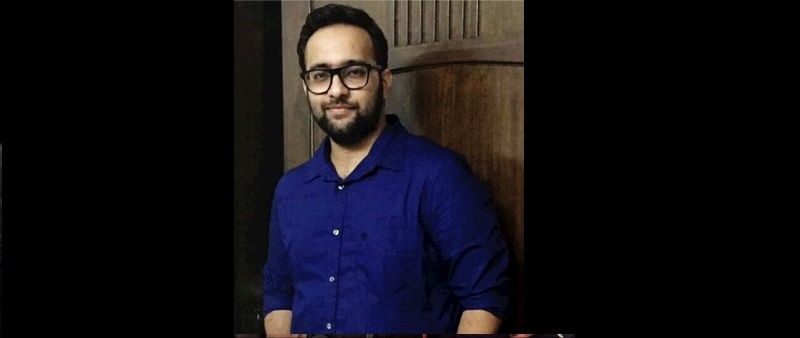
    MUMBAI: He’s an alumnus of Amity University where he graduated in  journalism, and Whistling Woods where he completed his film production and direction diploma. 14 years later  Ketan-O-Rana recently  joined YRF – Yash Raj Films  as senior manager production and post production supervisor.

    Along the way he worked in various capacities in companies such as Equinox Films, Balaji Telefilms, Ramesh Sippy Entertainment either in production or creative. NFDC beckoned and he joined it as a creative director for a couple of years until he was called by Dar Motion Pictures as a writer director – once again for a couple of years.

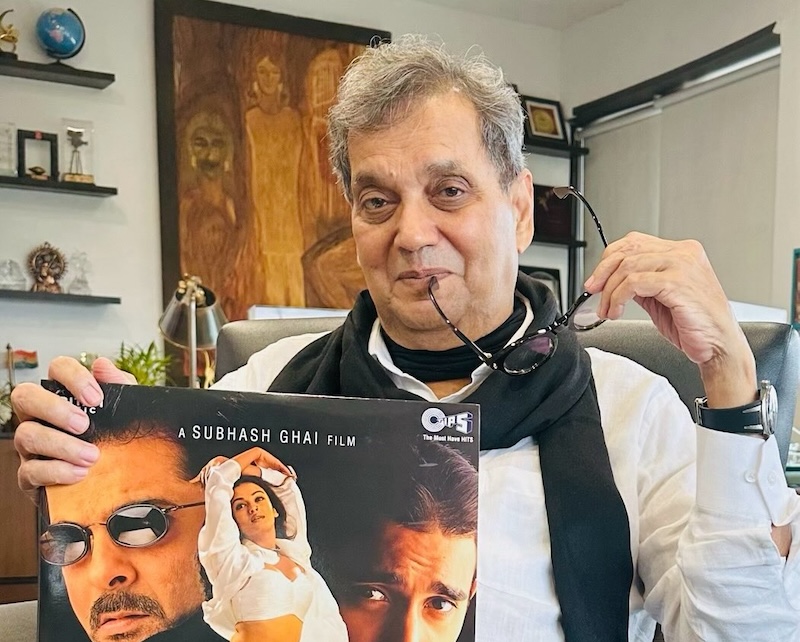
    Bambai Dreams was his next stop, followed by B62 studios where he rose to become post- production supervisor. He had a six month stint working at Mukta Arts where he worked as an associate on Subhash Ghai’s film. He finally went independent founding his own banner Postman Pictures which he ran for 12 years. He then decided may be it would be good to be employed someplace and joined YRF.

    “I’ve spent years on sets where chaos meets creativity, navigating the showdown between vision and reality. Now, as post production supervisor at Yash Raj Films, I leverage my background as an associate director, producer, and screenwriter. I thrive on the details and those fleeting moments that elevate a story—whether it’s crafting explosive action sequences or executing the cut that just hits right. The reel never stops rolling, and I’m committed to making every frame count,” Ketan  said on Linkedin while announcing his appointment at YRF. 

  • Subhash Ghai’s Mukta Arts inks deal for 37 films with Zee

    Subhash Ghai’s Mukta Arts inks deal for 37 films with Zee

    MUMBAI: The Shubash Ghai-promoted Mukta Arts today informed the Bombay stock exchange that is has entered into an assignment agreement and executed a term sheet with Zee Entertainment Enterprises for 37 of its films.  The deal assigns the  satellite and media rights of the films to Zee for six years, commencing 25 August 2027.

    Mukta Arts announced that the duo agreed to a 25 per cent higher fee for the rights as compared to the previous agreement. The two did not disclose what the final deal amount is.  Amongst the big films that Ghai has helmed include: Karz, Khalnayak, Hero, Ram Lakhan, Karma, Pardes, Saudagar, Taal, Yaadein, Bombay To Bangkok, Good Boy Bad Boy, Khanna & Iyer, Sham Ghanshyam.

    Mukta Arts has had a long history of working with Zee with its films being licensed to the broadcaster repeatedly. The duo signed a deal wherein the veteran film maker would make three films for Zee Studios in 2021.The first of these was 36 Farmhouse which was released in January 2022.

    Recently, Mukta Arts, Mukta A2 cinema, Zee Cinema and PVR announced that the Anil Kapoor-starrer Taal would be re-released in theatres from 27 September in the twenty-fifth year of its first release. 
     

  • Mukta Arts’ Q3 FY19 consolidated revenues up 33% y-o-y to INR 40.7 core

    Mukta Arts’ Q3 FY19 consolidated revenues up 33% y-o-y to INR 40.7 core

    Mumbai : Mukta Arts Limited today announced the financial results for the third quarter and nine months ended on December 31, 2018, as approved by its Board of Directors.

    Consolidated revenue for Q3 FY19 grew by 33.2% y-o-y; from Rs 30.5 crores to Rs 40.7 crores. Whistling Woods International, a Mukta Arts’ subsidiary in the education business posted a 19% growth in revenue for Q3 FY19. During the quarter, Whistling Woods hosted the CILECT Congress, a globally renowned & prestigious event in the film education fraternity. This was the first time that the event was held in India. It attracted eminent keynote speakers and a total of 171 delegates represented 52 countries.

    Mukta A2 Cinemas, a subsidiary into exhibition business posted a 43% y-o-y growth in Q3 FY19 revenues at Rs 19.7 crores and turned EBITDA positive. The company added 5 new screens recently and its total count as of today stands at 64 screens, including 6 in Bahrain & 10 under its JV with Asian Cinemas.

    For 9M FY19, the company’s consolidated total revenue at Rs 124.3 crore grew by 23%. EBITDA for nine months was Rs 11.7 crore while Total Comprehensive income at Rs 1.7 crore as against Rs 1.4 crore after extraordinary income of Rs 4.3 crore during the corresponding previous nine months of FY18.

    Commenting on its performance, Rahul Puri, Managing Director, Mukta Arts said, “Both our key businesses, exhibition and education reported strong revenue growth during Q3. Even for nine months, the revenue growth of over 20% is quite healthy and we reported a small post tax profit compared to losses during the similar period last year. We see good traction across the businesses.”

  • Digital industry celebrates Union Budget 2018

    Digital industry celebrates Union Budget 2018

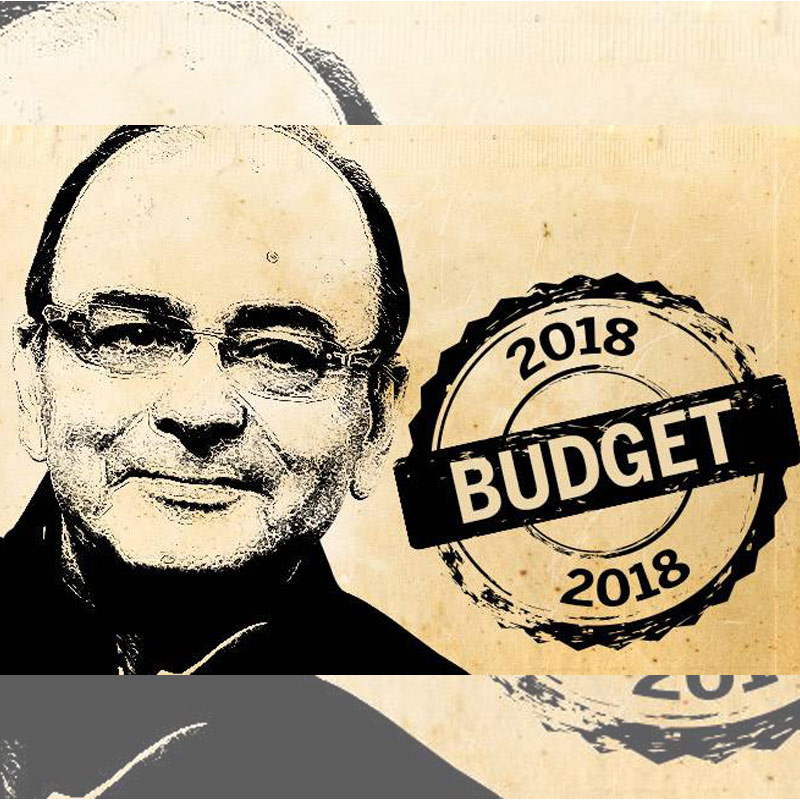
    MUMBAI: The Union Budget for 2018 that was finally unveiled yesterday turned out to be a rather disappointing one for the industry at large but Digital India and digitisation got prime time attention. The budget focused on the middle class and rural population, guided by the mission to strengthen India’s agriculture, rural development, health, education, employment, MSME and infrastructure sectors.

    With a view to promote digitisation, the government is set to make the necessary investment in robotics, internet of things (IoT), artificial intelligence (AI), digital manufacturing and big data analysis with the NITI Aayog to establish a national programme to direct efforts in artificial intelligence. The government has committed itself to the development of technology along with concentrating on AI and its applications, a revolutionary move for the digital industry. The ministry has decided to double its Digital India budget to around Rs 3073 crore. 

    The Indian media industry seemed to have mix reactions about this year’s budget and while some were disappointed, many seemed cheerful about it and considered it to be a welcome budget. 

    public://apporva.jpg

    Like the last few years, 2018 Union Budget too saw a dry spell for the entertainment industry with no big announcements. However, the government’s Digital India push by proposing to set up 5 lakh WiFi hotspots in the rural areas will pave the way for greater consumption of entertainment and news related content. It will also provide a boost to regional content, which is already expected to grow multifold in the coming years. Overall I would say the biggest positive highlight of this year’s budget was focused on agriculture and healthcare. This initiative will definitely help the marginalised part of our country in the long run.

    Dharma Productions CEO Apoorva Mehta

    public://rahul puri.jpg

    It was an expected budget. I think that it was widely believed the government would focus on the rural economy and so it came to pass. There was not much expected for the media and entertainment industry and there was nothing specific announced. Corporate India would be slightly disappointed though as corporate taxation was not reduced except for small enterprises. Aviation and farming were the big winners.

    Mukta Arts managing director Rahul Puri

    public://Megha-TataCOO-BTVI-3.jpg

    Budget announcements signal a stronger ecosystem for media and broadcast industry. In continuation with my pre-budget expectations, I am happy that FM has kept his promise by reducing corporate tax rate to 25 per cent.

    BTVI COO Megha Tata

    public://anita.jpg

    While the budget largely focuses on the upliftment of agricultural sector, there is an equal focus on technology by introducing national programme in the area of AI & exploring ways for using the blockchain technology for digital transactions. The emphasis on sectors like healthcare, education & skill development is a good step by the govt. Reforms in the education sector encourage more & more private institutions to expand or modernise to give students a more global perspective as part of their learning process, which also helps in tackling brain drain. Overall, the budget seems like a typical socialist one, without much to take-away for the common-man.

    Havas Media Group CEO India and South Asia Anita Nayyar

    public://rajiv.jpg

    I’m glad to see that the budget for digital India has doubled and also the fact that AI and Blockchain technologies will be used by the government. But I’m disappointed that government is looking to put an end to cryptocurrencies. Globally cryptocurrencies is a phenomenon which points towards the future of currencies and maybe a more inclusive view was needed.

    WATConsult founder and CEO Rajiv Dingra 

    public://Ashish-Bhasin.jpg

    The budget has focused on the right areas, particularly the rural and agricultural sector, which is definitely going to spur rural demand in the coming months and years. The rural economy needed a boost. I also like the fact that the Finance Minister has focused on ease of living rather than just ease of doing business and has introduced healthcare benefits which will benefit nearly 50 crore Indians. It is a landmark step. The emphasis on digital, particularly higher-end digital areas like artificial intelligence and usage of blockchain shows that the government is committed to providing a further digital thrust. The steps being taken, like provision of free WiFi and other forms of internet to all parts of the country will be extremely beneficial in the long run for the digital sector. It will help agencies like ours who are partnering clients for digital transformation.

    The introduction of the long term capital gains tax on equities will soon be digested by the industry I’m sure, but in some ways, I see a missed opportunity because the simplification of GST processes for the services sector would have gone a long way to help the advertising industry. The advertising industry doesn’t mind paying the taxes but abhors non-productive, complex procedures including filing of hundreds of returns every year. Overall I think the right sectors have got the incentives and therefore it should be good for the country.  If it is good for the country, it will be good for the economy and once the economy grows, the advertising sector will benefit from it.

    Dentsu Aegis Network chairman and CEO South Asia Ashish Bhasin

    public://deepak lamba.jpg

    The ‘Digital India’ program has received a major boost with double the allocation of  Rs. 3073 Crore for the coming year. Budget 2018 has proposed the set-up of 5 lakh Wi-Fi hotspots in rural areas thereby providing broadband access to 5 crore rural citizens. Much to the delight of digital media players, this move will open extended avenues for them and give a strong push to regional and mainstream digital content in these markets. With extensive broadband penetration, affordable data prices and smartphones, the vision for digital India could well come to fruition in the coming years. Lastly, the estimated over 7% growth for the next fiscal creates a positive sentiment for India’s economic and financial ecosystem.

    Worldwide Media CEO Deepak Lamba  

    public://joy_0.jpg

    In the Union Budget 2018, there has been a significant allocation towards rural development. The proposal of setting up 5 lakh Wi-Fi hotspots in rural areas will give impetus to media penetration in Tier 3 and Tier 4 markets. Media players are increasingly looking at Tier 2, Tier 3 and Tier 4 markets since regional content has begun to drive media growth. So, the infrastructure push in these regions will accelerate media consumption and inadvertently help the advertisers and the advertising business on the whole. I would certainly say it is a good budget, and we will gradually witness the positive results unfold in the future.

    TV18 president- revenue & Forbes India CEO Joy Chakraborthy

    public://ashsisg shah.jpg

    Government’s focus on rural and agriculture development, digitisation and digital education is going be a big demand booster for our sector. The rural demand for FMCG, beverages, automobiles, education and financial products are going to increase, this would increase advertising budgets of our clients from FMCG, education, financial services sectors. Government’s focus on digitisation brings in lots of rich data for us to better targeting for our customers. This focus would make India data rich country and the targeting and conversions on digital marketing front would be much easier and more accurate.

    Vertoz fand CEO Ashish Shah

    public://vivek_1.jpg

    FM Jaitley’s budget this year focuses on investments to be placed in artificial intelligence, machine learning and the Internet of Things with the NITI Aayog establishing a national program to direct efforts in artificial intelligence. The government has committed itself to the development of technology along with concentrating on AI and its applications which is a revolutionary move for the digital industry. Initiatives on infrastructure growth and education expansion have been looked at from a digital perspective, which reflects the significance of the ‘Blackboard to digital board’ movement. Decisions benefiting rural citizens–such as 5 lakh WiFi spots, give it a further impetus. Another game changer mentioned in this budget was the government’s will to proactively explore the use of blockchain technology. The allocation of digital India has been doubled which indicates the government’s emphasis on digital, heralding a stronger digital economy. I believe this was a great budget for the digital ecosystem.

    DAN Performance Group CEO Vivek Bhargava

    public://sahil chopra.jpg

    The much-awaited announcement of Union Budget prompted a gust of anticipation & higher expectations. While the Finance Minister touts the Union Budget as primarily focused on the agricultural sector, it sure reeks of reforms beneficial for numerous other sectors as well.

    The government has always encouraged the digital sector to flourish & the budget rightfully justifies their farsighted approach. This year the allocation to Digital India Scheme has been doubled to Rs 3073 crore which is a worthwhile move for the industry as a whole. Not only that, with the onset of fast-paced technology and AI shaping the new segment of digital World, NITI Aayog will establish a national programme for it. This is a clap-worthy reform which will help organisations diversifying with AI to have a wider scope with vast awareness among everyone.  For a higher internet penetration, 5 Lakh Wi-Fi hotspots will be set up in rural areas, which again is beneficial for the rural dwellers. The need to eliminate cryptocurrencies which are funding illegitimate transactions was also mentioned. The government has proposed to revamp the system of sanctioning loans to SMEs. As per the budget reforms now the information will be linked with GSTN & will be fetched from the same. This comes across as a welcome move as not only will it streamline the process but will enable people to get accustomed to the digital ingress. Corporate companies with a turnover of up to Rs 250 crore will also be highly benefitted from the budget as the corporate tax has been further reduced to 25 per cent.

    As per my opinion, the Union Budget has surely set a benchmark & the year looks promising with excellent reforms leading to growth & development of the economy.”

    iCubesWire CEO and founder Sahil Chopra

    public://chetan.jpg

    This is an excellent budget from the digital perspective. As expected, the government has doubled its allocation to digital India initiative at Rs 3073 crore. This will grow the entire digital economy and the government has shown that this is going to be focus area. Its commitment to exploring blockchain and AI only ratifies its vision for digital India. The other game changer is enhancing rural regions with 5 lakh Wifi hotspots. This would lead to higher adoption, skills upgrade and rural citizens embracing digital quickly. This budget gives me hope that we are on our way to becoming a digital-led economy.

    Tonic Worldwide founder and CEO Chetan Asher

    Also Read :

    Industry holds bright outlook for budget 2018

    Union Budget 2018: Industry expects govt to favour consumption

    Is India ready for the impact of AI on marketing?

    A year after demonetisation: E-payment services emerged winners 

  • Top M&E industry honchos see no major benefit from Budget ’17

    Top M&E industry honchos see no major benefit from Budget ’17

    MUMBAI: With the Union Budget’s focus on rural and infrastructure sectors, the media and entertainment (M&E) industry seems to be disappointed as the budget does not offer much. Though the sector is hoping to get some benefit through the digital push mentioned in the budget, expectations were high as the budget overlooked the sector even in the previous two budgets.

    No clarity on foreign direct investment (FDI) policy, goods and services tax (GST), no further reduction in the service tax, no direct benefit for the digital ecosystem, MSOs, telecom, and many such misses has upset the M&E industry at large.

    Impetus on digital payments and transactions will eventually help the OTTs/VoDs platforms subscription model. The government’s move to abolish Foreign Investment Promotion Board (FIPB) is believed to make it largely easier for foreign investors to invest in Indian companies.

    Reliance Broadcast Network Limited

    Reliance Broadcast Network (RBNL) CEO Tarun Katial said, “Budget 2017 is Neutral for the M&E sector although the consumption centric budget will put more money in the pocket of the common man and hence help the advertising and broadcast industries. Radio broadcast industry has requested specific policy measures like five per cent GST rate, reduction in custom duty for capex, etc and we look forward to the announcements when the GST rates are announced.”

    Mukta Arts 

    Mukta Arts MD Rahul Puri asserted, “The Union Budget this year has focused more on uplifting some of India’s poorest sections of society. While this year again the media and entertainment sector has been overlooked, however some announcements will definitely help our industry in many ways. Setting up the cyber security teams will help fight piracy, similarly, the government’s push towards Internet penetration in rural markets will help increase content consumption and increase the audience base. Further the abolishment of FIPB will make it easier for foreign investors to invest in Indian companies.”

    Worldwide Media 

    Worldwide Media CEO Deepak Lamba added, ‘’The Union Budget 2017 announced today, doesn’t include much on the  M&E sector, however there are some points that will have a positive impact on our industry. The budget reinforced India’s huge shift towards digitization especially with the proposed deployment of high optic cables to increase internet penetration in rural India. This is a big positive for content creators like us, as it will boost the digital content consumption across online and mobile platforms. Further impetus on digital payments and transactions will eventually help the subscription model. Also, the government’s move to abolish FIPB to make the inflow of FDI smoother and to consider liberalization of the FDI policy will have a positive impact for players across sectors in the long run.”

    KSS Limited (K Sera Sera)

    KSS Limited group CEO and KSS Digital Cinema CEO Rahul Kanani added, “The Union Budget 2017 introduces the abolition of the Foreign Investment Promotion Board which is a positive step leading to inducing more foreign studios investment in India. More investments coupled with technological upgradation will certainly be a boon for the Indian film industry. Further, with the digital transactions getting a boost the industry especially single screen businesses which have suffered hugely because of the recent demonetization will help get a push.”

    Pixel Pictures 

    Pixel Pictures CEO Prashanti Mallisetti said, “The budget on the onset looks quite positive and is in-line with the recent reforms. Though there are no major takeaways for any industry in particular that can affect a trajectory movement – the curb on cash transactions of 3 Lakhs is the one that is going to be a predominant factor in the demonetization short term scenario. More clarity in GST would have been great, but I guess we have to wait for that a little longer.”

    Dome Entertainment

    Dome Entertainment’s Mazhar Nadiadwala added, “GST would be implemented on the entertainment and events industry, and this would unify the indirect tax administration in India and help the country in two ways. Firstly, it will simplify and make it easy for the consumers to understand. Secondly, it will ease doing business in India. Also, application of GST will result into growth of the country and there will be transparency in the transactions. Under GST, service tax or state tax will be available as a credit which will reduce overall costs and eliminate dual levies of service tax and VAT on transactions. However, every coin has two sides, at one end where we have advantages of GST, on the other end certain businesses will face initial challenges, especially the ones who use traditional methods for transactions.”

    ActorsApply.com 

    An ActorsApply.com spokesperson said, “Government’s proposed reduction in the income tax for smaller organisations will add to the agenda of Startup India thereby expanding the scope for aspiring start ups. Also, the plan to provide a seven-year tax relief will help startups to overcome the losses incurred post demonetisation. The increase in time frame from 5 to 7 years for profit linked deductions was a much needed move specially for emerging start ups. The budget also levelled India’s huge shift towards digitization supporting it with the announcement of use of optic fibre cables for high-speed broadband connectivity in rural areas. This will mean increased Internet penetration through mobile and online mediums thereby boosting the start up sector overall.”

  • Top M&E industry honchos see no major benefit from Budget ’17

    Top M&E industry honchos see no major benefit from Budget ’17

    MUMBAI: With the Union Budget’s focus on rural and infrastructure sectors, the media and entertainment (M&E) industry seems to be disappointed as the budget does not offer much. Though the sector is hoping to get some benefit through the digital push mentioned in the budget, expectations were high as the budget overlooked the sector even in the previous two budgets.

    No clarity on foreign direct investment (FDI) policy, goods and services tax (GST), no further reduction in the service tax, no direct benefit for the digital ecosystem, MSOs, telecom, and many such misses has upset the M&E industry at large.

    Impetus on digital payments and transactions will eventually help the OTTs/VoDs platforms subscription model. The government’s move to abolish Foreign Investment Promotion Board (FIPB) is believed to make it largely easier for foreign investors to invest in Indian companies.

    Reliance Broadcast Network Limited

    Reliance Broadcast Network (RBNL) CEO Tarun Katial said, “Budget 2017 is Neutral for the M&E sector although the consumption centric budget will put more money in the pocket of the common man and hence help the advertising and broadcast industries. Radio broadcast industry has requested specific policy measures like five per cent GST rate, reduction in custom duty for capex, etc and we look forward to the announcements when the GST rates are announced.”

    Mukta Arts 

    Mukta Arts MD Rahul Puri asserted, “The Union Budget this year has focused more on uplifting some of India’s poorest sections of society. While this year again the media and entertainment sector has been overlooked, however some announcements will definitely help our industry in many ways. Setting up the cyber security teams will help fight piracy, similarly, the government’s push towards Internet penetration in rural markets will help increase content consumption and increase the audience base. Further the abolishment of FIPB will make it easier for foreign investors to invest in Indian companies.”

    Worldwide Media 

    Worldwide Media CEO Deepak Lamba added, ‘’The Union Budget 2017 announced today, doesn’t include much on the  M&E sector, however there are some points that will have a positive impact on our industry. The budget reinforced India’s huge shift towards digitization especially with the proposed deployment of high optic cables to increase internet penetration in rural India. This is a big positive for content creators like us, as it will boost the digital content consumption across online and mobile platforms. Further impetus on digital payments and transactions will eventually help the subscription model. Also, the government’s move to abolish FIPB to make the inflow of FDI smoother and to consider liberalization of the FDI policy will have a positive impact for players across sectors in the long run.”

    KSS Limited (K Sera Sera)

    KSS Limited group CEO and KSS Digital Cinema CEO Rahul Kanani added, “The Union Budget 2017 introduces the abolition of the Foreign Investment Promotion Board which is a positive step leading to inducing more foreign studios investment in India. More investments coupled with technological upgradation will certainly be a boon for the Indian film industry. Further, with the digital transactions getting a boost the industry especially single screen businesses which have suffered hugely because of the recent demonetization will help get a push.”

    Pixel Pictures 

    Pixel Pictures CEO Prashanti Mallisetti said, “The budget on the onset looks quite positive and is in-line with the recent reforms. Though there are no major takeaways for any industry in particular that can affect a trajectory movement – the curb on cash transactions of 3 Lakhs is the one that is going to be a predominant factor in the demonetization short term scenario. More clarity in GST would have been great, but I guess we have to wait for that a little longer.”

    Dome Entertainment

    Dome Entertainment’s Mazhar Nadiadwala added, “GST would be implemented on the entertainment and events industry, and this would unify the indirect tax administration in India and help the country in two ways. Firstly, it will simplify and make it easy for the consumers to understand. Secondly, it will ease doing business in India. Also, application of GST will result into growth of the country and there will be transparency in the transactions. Under GST, service tax or state tax will be available as a credit which will reduce overall costs and eliminate dual levies of service tax and VAT on transactions. However, every coin has two sides, at one end where we have advantages of GST, on the other end certain businesses will face initial challenges, especially the ones who use traditional methods for transactions.”

    ActorsApply.com 

    An ActorsApply.com spokesperson said, “Government’s proposed reduction in the income tax for smaller organisations will add to the agenda of Startup India thereby expanding the scope for aspiring start ups. Also, the plan to provide a seven-year tax relief will help startups to overcome the losses incurred post demonetisation. The increase in time frame from 5 to 7 years for profit linked deductions was a much needed move specially for emerging start ups. The budget also levelled India’s huge shift towards digitization supporting it with the announcement of use of optic fibre cables for high-speed broadband connectivity in rural areas. This will mean increased Internet penetration through mobile and online mediums thereby boosting the start up sector overall.”

  • Budget ’17: Media segments seek succour, digital direction from govt

    Budget ’17: Media segments seek succour, digital direction from govt

    NEW DELHI/MUMBAI: Despite government attempting to allay many fears of the various sectors of the Indian industry, the uncertainty prevailing after demonetisation continues and everybody is looking for the Union Budget 2017 to provide some indications, if not clear-cut answers, on various issues, including a high tax regime, incentivising digital uptake and, of course, the Goods and Services Tax (GST).

    Reliance Broadcast Networks Ltd (RBNL) feels as most radio broadcast players had been advocating for reduction in tax and custom duty on capital equipment, especially given the proposed launch of new frequencies, their expectation this year too remains the same as also the demand for granting infrastructure status to the broadcast industry.

    “Reduction in service tax would be a boon for the media and entertainment industry as a whole,” said Reliance Broadcast Network Limited COO Ashwin Padmanabhan.

    “The media and advertising industry in India is one of the fastest growing in the world. With the Union Budget 2017 expectation will rise for ‘Push for Digital India’ as India ranks second globally with 30 per cent Internet penetration, still to catch up with China (50 per cent) and USA (87 per cent). The implementation of GST is expected to benefit the industry bringing rationalisation of taxation policy by making the taxation process simple, transparent and easy to pay,”  Interspace Solutions CEO Praveen Vadhera.

    Shop CJ COO Dhruva Chandrie, while taking the bigger picture in account, opined if measures are taken to positively impact the overall consumer sentiment and propel their spending trends, it would definitely be good for the Indian economy. “While the government has set a goal of creating around 400 million jobs by 2020, one million people are entering the job market each year. In the given scenario, the government’s quick implementation of programs to create new jobs will give our economy the much needed boost,” he said.

    According to Mukta Arts MD Rahul Puri, the exhibition industry’s biggest hope for the Budget revolved around a formal announcement on the implementation of GST, which is not going to happen till July, but more details could emerge during the Budget speech. “Beside this, we hope that the government would continue to rationalise the corporate tax regime, which would be beneficial for the industry as a whole,” he added.

    Sphereorigins CMD Sunjoy Waddhwa felt that as times were changing for the media and entertainment industry, costs too are going up all round — from remunerations of artistes to costs of production of good programming. “However, I think GST would not have a lot of impact on our industry per se as long as the percentage is not too high,” he added.

    Echoing similar sentiments on rising cost of doing business, Pixel Pictures CEO Prashanti Malisetti said the entertainment industry players were under “heavy burden of multiple taxation and levies” such as license fee, service tax, VAT, etc. Buying props, for instance, currently attract high rates of VAT, depending on the State in question, she explained, adding, “In an ideal world, new technology adaptation should be viewed under a different category and new tax benefits should be applicable despite the age of the production house…(as) current import duties are high and can be a hindrance to smaller companies to make the jump.”

    While highlighting new format of shows in the non-fiction and game show category and arrival of VoD services have led to a host of new opportunities for production companies in the television industry, Malisetti also felt that the entertainment industry was particularly keen to get some clarification on GST.

    Demonetisation and, at times, the present BJP-led government’s unorthodox stand on various policies have been a common theme and, therefore, expectations from various quarters of the media and entertainment industry too have revolved around hoping to get clarifications from the government. Fractal Ink Design Studio CEO, co-founder and CCO Tanay Kumar highlighted that with demonetization “adding friction to our daily routines”, it would be interesting to witness steps taken towards “improving parallel transaction mechanisms”.

    Shop CJ Dhruva Chandrie, while taking the bigger picture in account, opined if measures are taken to positively impact the overall consumer sentiment and propel their spending trends, it would definitely be good for the Indian economy. “While the government has set a goal of creating around 400 million jobs by 2020, one million people are entering the job market each year. In the given scenario, the government’s quick implementation of programs to create new jobs will give our economy the much needed boost,” he said.

    According to Mukta Arts MD Rahul Puri, the exhibition industry’s biggest hope for the Budget revolved around a formal announcement on the implementation of GST, which is not going to happen till July, but more details could emerge during the Budget speech. “Beside this, we hope that the government would continue to rationalise the corporate tax regime, which would be beneficial for the industry as a whole,” he added.

    Sphereorigins CMD Sunjoy Waddhwa felt that as times were changing for the media and entertainment industry, costs too are going up all round — from remunerations of artistes to costs of production of good programming. “However, I think GST would not have a lot of impact on our industry per se as long as the percentage is not too high,” he added.

    Echoing similar sentiments on rising cost of doing business, Pixel Pictures CEO Prashanti Malisetti said the entertainment industry players were under “heavy burden of multiple taxation and levies” such as license fee, service tax, VAT, etc. Buying props, for instance, currently attract high rates of VAT, depending on the State in question, she explained, adding, “In an ideal world, new technology adaptation should be viewed under a different category and new tax benefits should be applicable despite the age of the production house…(as) current import duties are high and can be a hindrance to smaller companies to make the jump.”

    While highlighting new format of shows in the non-fiction and game show category and arrival of VoD services have led to a host of new opportunities for production companies in the television industry, Malisetti also felt that the entertainment industry was particularly keen to get some clarification on GST.

    Demonetisation and, at times, the present BJP-led government’s unorthodox stand on various policies have been a common theme and, therefore, expectations from various quarters of the media and entertainment industry too have revolved around hoping to get clarifications from the government. Fractal Ink Design Studio CEO, co-founder and CCO Tanay Kumar highlighted that with demonetization “adding friction to our daily routines”, it would be interesting to witness steps taken towards “improving parallel transaction mechanisms”.

    “As we see a lot of movement in the start-up world to take on the big pie of the digital world, we hope the Budget 2017 has some easing-down policies on regulatory aspects that will help them concentrate better on problem solving than running after compliance and taxation issues. With unique and easy payment methods like UPI and formation of payment banks, spending patterns and consumer behaviour is going to see a huge shift from being conservative to being more liberal and trusting. We, as a digital experience design agency, expect the Budget to be hugely in favour of creating digitally smart and enabled India in the coming times,” Kumar explained.
    TalentNext.com CEO Shekhar Purohit also felt that this year’s Budget could prove to be critical for the media and entertainment industry as major challenges remain with dual taxation (service tax and VAT), which unduly increases the cost of doing business.

    Pointing out that the media and entertainment industry continues to be a sunrise sector for India, Purohit said, “The implementation, application, and impact of GST on our industry must be addressed immediately and this year’s Budget should also support digitization to the fullest to foster digital empowerment.”

    Also Read:

    Budget 2017 Wish-list: MSOs demand industry status, rationalisation of entertainment & services taxes

    Broadcasters bat for parity with print medium under GST

  • Budget ’17: Media segments seek succour, digital direction from govt

    Budget ’17: Media segments seek succour, digital direction from govt

    NEW DELHI/MUMBAI: Despite government attempting to allay many fears of the various sectors of the Indian industry, the uncertainty prevailing after demonetisation continues and everybody is looking for the Union Budget 2017 to provide some indications, if not clear-cut answers, on various issues, including a high tax regime, incentivising digital uptake and, of course, the Goods and Services Tax (GST).

    Reliance Broadcast Networks Ltd (RBNL) feels as most radio broadcast players had been advocating for reduction in tax and custom duty on capital equipment, especially given the proposed launch of new frequencies, their expectation this year too remains the same as also the demand for granting infrastructure status to the broadcast industry.

    “Reduction in service tax would be a boon for the media and entertainment industry as a whole,” said Reliance Broadcast Network Limited COO Ashwin Padmanabhan.

    “The media and advertising industry in India is one of the fastest growing in the world. With the Union Budget 2017 expectation will rise for ‘Push for Digital India’ as India ranks second globally with 30 per cent Internet penetration, still to catch up with China (50 per cent) and USA (87 per cent). The implementation of GST is expected to benefit the industry bringing rationalisation of taxation policy by making the taxation process simple, transparent and easy to pay,”  Interspace Solutions CEO Praveen Vadhera.

    Shop CJ COO Dhruva Chandrie, while taking the bigger picture in account, opined if measures are taken to positively impact the overall consumer sentiment and propel their spending trends, it would definitely be good for the Indian economy. “While the government has set a goal of creating around 400 million jobs by 2020, one million people are entering the job market each year. In the given scenario, the government’s quick implementation of programs to create new jobs will give our economy the much needed boost,” he said.

    According to Mukta Arts MD Rahul Puri, the exhibition industry’s biggest hope for the Budget revolved around a formal announcement on the implementation of GST, which is not going to happen till July, but more details could emerge during the Budget speech. “Beside this, we hope that the government would continue to rationalise the corporate tax regime, which would be beneficial for the industry as a whole,” he added.

    Sphereorigins CMD Sunjoy Waddhwa felt that as times were changing for the media and entertainment industry, costs too are going up all round — from remunerations of artistes to costs of production of good programming. “However, I think GST would not have a lot of impact on our industry per se as long as the percentage is not too high,” he added.

    Echoing similar sentiments on rising cost of doing business, Pixel Pictures CEO Prashanti Malisetti said the entertainment industry players were under “heavy burden of multiple taxation and levies” such as license fee, service tax, VAT, etc. Buying props, for instance, currently attract high rates of VAT, depending on the State in question, she explained, adding, “In an ideal world, new technology adaptation should be viewed under a different category and new tax benefits should be applicable despite the age of the production house…(as) current import duties are high and can be a hindrance to smaller companies to make the jump.”

    While highlighting new format of shows in the non-fiction and game show category and arrival of VoD services have led to a host of new opportunities for production companies in the television industry, Malisetti also felt that the entertainment industry was particularly keen to get some clarification on GST.

    Demonetisation and, at times, the present BJP-led government’s unorthodox stand on various policies have been a common theme and, therefore, expectations from various quarters of the media and entertainment industry too have revolved around hoping to get clarifications from the government. Fractal Ink Design Studio CEO, co-founder and CCO Tanay Kumar highlighted that with demonetization “adding friction to our daily routines”, it would be interesting to witness steps taken towards “improving parallel transaction mechanisms”.

    Shop CJ Dhruva Chandrie, while taking the bigger picture in account, opined if measures are taken to positively impact the overall consumer sentiment and propel their spending trends, it would definitely be good for the Indian economy. “While the government has set a goal of creating around 400 million jobs by 2020, one million people are entering the job market each year. In the given scenario, the government’s quick implementation of programs to create new jobs will give our economy the much needed boost,” he said.

    According to Mukta Arts MD Rahul Puri, the exhibition industry’s biggest hope for the Budget revolved around a formal announcement on the implementation of GST, which is not going to happen till July, but more details could emerge during the Budget speech. “Beside this, we hope that the government would continue to rationalise the corporate tax regime, which would be beneficial for the industry as a whole,” he added.

    Sphereorigins CMD Sunjoy Waddhwa felt that as times were changing for the media and entertainment industry, costs too are going up all round — from remunerations of artistes to costs of production of good programming. “However, I think GST would not have a lot of impact on our industry per se as long as the percentage is not too high,” he added.

    Echoing similar sentiments on rising cost of doing business, Pixel Pictures CEO Prashanti Malisetti said the entertainment industry players were under “heavy burden of multiple taxation and levies” such as license fee, service tax, VAT, etc. Buying props, for instance, currently attract high rates of VAT, depending on the State in question, she explained, adding, “In an ideal world, new technology adaptation should be viewed under a different category and new tax benefits should be applicable despite the age of the production house…(as) current import duties are high and can be a hindrance to smaller companies to make the jump.”

    While highlighting new format of shows in the non-fiction and game show category and arrival of VoD services have led to a host of new opportunities for production companies in the television industry, Malisetti also felt that the entertainment industry was particularly keen to get some clarification on GST.

    Demonetisation and, at times, the present BJP-led government’s unorthodox stand on various policies have been a common theme and, therefore, expectations from various quarters of the media and entertainment industry too have revolved around hoping to get clarifications from the government. Fractal Ink Design Studio CEO, co-founder and CCO Tanay Kumar highlighted that with demonetization “adding friction to our daily routines”, it would be interesting to witness steps taken towards “improving parallel transaction mechanisms”.

    “As we see a lot of movement in the start-up world to take on the big pie of the digital world, we hope the Budget 2017 has some easing-down policies on regulatory aspects that will help them concentrate better on problem solving than running after compliance and taxation issues. With unique and easy payment methods like UPI and formation of payment banks, spending patterns and consumer behaviour is going to see a huge shift from being conservative to being more liberal and trusting. We, as a digital experience design agency, expect the Budget to be hugely in favour of creating digitally smart and enabled India in the coming times,” Kumar explained.
    TalentNext.com CEO Shekhar Purohit also felt that this year’s Budget could prove to be critical for the media and entertainment industry as major challenges remain with dual taxation (service tax and VAT), which unduly increases the cost of doing business.

    Pointing out that the media and entertainment industry continues to be a sunrise sector for India, Purohit said, “The implementation, application, and impact of GST on our industry must be addressed immediately and this year’s Budget should also support digitization to the fullest to foster digital empowerment.”

    Also Read:

    Budget 2017 Wish-list: MSOs demand industry status, rationalisation of entertainment & services taxes

    Broadcasters bat for parity with print medium under GST

  • Sony LIV partners with Mukta Arts to showcase Whistling Woods International’s short films

    Sony LIV partners with Mukta Arts to showcase Whistling Woods International’s short films

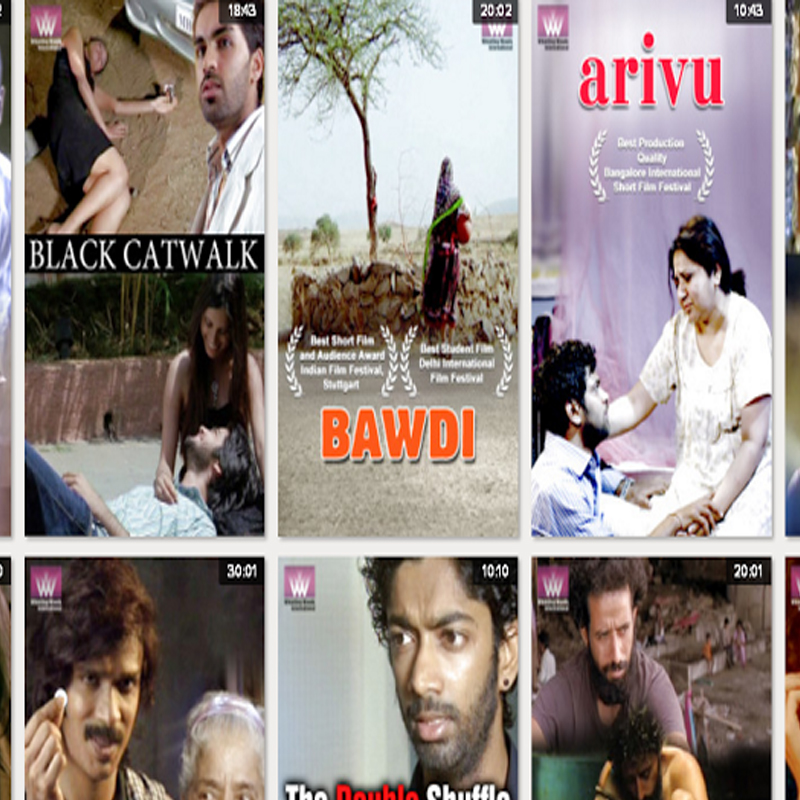
    MUMBAI: Whistling Woods International (WWI), one of the world’s leading film, communication and media arts school announced a partnership with Sony LIV, Sony Pictures Networks’ (SPN) premium digital video entertainment platform via Mukta Arts’ digital venture, Connect.1. Underlining the brand’s commitment to enhance the users’ entertainment-viewing experience, Sony LIV’s association with WWI and its digital venture Connect.1, will entail showcase and promotion of short films produced by students of the institute. These films will cater audiences across all age groups and will be featured under the section, “Mini Talkies”, on Sony LIV.

    Curated by Sony LIV, the short films will be of varied genres ranging from drama, thriller, action to romance and comedy, including several award winning films which have been screened at national and international film festivals. This partnership marks a new beginning for the WWI students to create outstanding and engaging content, inspiring the extended community in the media and entertainment fraternity, adding to Sony LIV’s existing diverse and growing library.

    Uday Sodhi, EVP and Head – Digital Business, Sony LIV, said, “We are delighted to announce our partnership with Mukta Arts, which will further enhance our extensive content library and allow our users to sample the latest content developed by the upcoming talents trained at Whistling Woods International. This association opens up avenues to collaborate with Connect.1 – the digital division of Mukta Arts, to create engaging and entertaining content for our users and establish Sony LIV as the premier digital destination for top-quality entertainment.”

    Subhash Ghai, Founder & Chairman, Whistling Woods International; Chairman, Mukta Arts Limited, added, “Firstly, I would like to congratulate Mukta Arts and Sony LIV for the association which will open a range of opportunities for both the brands. Over the time, Sony LIV has established itself as the go-to destination for today’s mobile-first consumer. This association will showcase the works of the students of Whistling Woods International, helping us amplify the reach and recognition of our talented students.”

    Headquartered in Mumbai, Mukta Arts, is an Indian film production company known for its association with several blockbuster movie hits such as Taal, Pardes and Ram Lakhan amongst others. These successful hits from the production house of Mr. Subash Ghai have pre-defined directorial credibility for Mukta Arts in the history of Indian Cinema.

    Do watch the short films here:

  • Sony LIV partners with Mukta Arts to showcase Whistling Woods International’s short films

    Sony LIV partners with Mukta Arts to showcase Whistling Woods International’s short films

    MUMBAI: Whistling Woods International (WWI), one of the world’s leading film, communication and media arts school announced a partnership with Sony LIV, Sony Pictures Networks’ (SPN) premium digital video entertainment platform via Mukta Arts’ digital venture, Connect.1. Underlining the brand’s commitment to enhance the users’ entertainment-viewing experience, Sony LIV’s association with WWI and its digital venture Connect.1, will entail showcase and promotion of short films produced by students of the institute. These films will cater audiences across all age groups and will be featured under the section, “Mini Talkies”, on Sony LIV.

    Curated by Sony LIV, the short films will be of varied genres ranging from drama, thriller, action to romance and comedy, including several award winning films which have been screened at national and international film festivals. This partnership marks a new beginning for the WWI students to create outstanding and engaging content, inspiring the extended community in the media and entertainment fraternity, adding to Sony LIV’s existing diverse and growing library.

    Uday Sodhi, EVP and Head – Digital Business, Sony LIV, said, “We are delighted to announce our partnership with Mukta Arts, which will further enhance our extensive content library and allow our users to sample the latest content developed by the upcoming talents trained at Whistling Woods International. This association opens up avenues to collaborate with Connect.1 – the digital division of Mukta Arts, to create engaging and entertaining content for our users and establish Sony LIV as the premier digital destination for top-quality entertainment.”

    Subhash Ghai, Founder & Chairman, Whistling Woods International; Chairman, Mukta Arts Limited, added, “Firstly, I would like to congratulate Mukta Arts and Sony LIV for the association which will open a range of opportunities for both the brands. Over the time, Sony LIV has established itself as the go-to destination for today’s mobile-first consumer. This association will showcase the works of the students of Whistling Woods International, helping us amplify the reach and recognition of our talented students.”

    Headquartered in Mumbai, Mukta Arts, is an Indian film production company known for its association with several blockbuster movie hits such as Taal, Pardes and Ram Lakhan amongst others. These successful hits from the production house of Mr. Subash Ghai have pre-defined directorial credibility for Mukta Arts in the history of Indian Cinema.

    Do watch the short films here: