Tag: Mudra Group

  • DDB Mudra releases Youth Report 2013

    DDB Mudra releases Youth Report 2013

    MUMBAI: DDB Mudra Group has released its maiden Youth Report themed on “Beauty Money Sex Love Faith Substance”, the six entities which most acutely influence the choices and aspirations of urban young Indians.


    “Our role has been to merely curate the content so as to ensure the insights are raw and relevant. We have further ensured the focus is on the core thought process that goes behind brand decisions which is more sustained so that the data can be of use to marketers while developing their communication” explains DDB Mudra Group chief operating officer Pratap Bose.


    The report, unlike any other, has been collated by a panel of 40 college students, who themselves are a part of the TG, across five major cities including Mumbai, New Delhi, Bangalore, Chennai and Kolkata.


    “This report also features our six mindset archetypes, a proprietary tool we use to cut through conventional SECs to better understand youth buying behavior given the diversity and continuous evolution of this TG,” adds the agency’s chief youth marketer Samyak Chakrabarty.

  • Mudra Group realigns structure

    Mudra Group realigns structure

    MUMBAI: The Anil Ambani-owned Mudra Group, which has recently got acquired by Omincom, has made its first realignment in the structure.


    As Omnicom increased its holding in the integrated agency, starting January 2012, the group will be known as DDB Mudra Group and will have DDB, Mudra, and Mudra Max under its umbrella, reveals a highly placed source in the company.


    Also, Ingnite Mudra will become Mudra Ahmedabad, while design outfit Water and pre-production division Mantra will not see any change.


    Additionally, Pratap Bose will be the new CEO of Mudra and will continue to head Mudra max while Sandeep Vij will head DDB.

  • Advertisers should continually reinvent

    Advertisers should continually reinvent

    NEW DELHI: In a world of so many choices, it is important for advertisers and corporates to continually reinvent ideas to reach out to the new generation, and also use social media through the Internet for this purpose.

    This was the general consensus at the 27th AdAsia held in India after a period of eight years and attended by over 1200 delegates from India and 25 countries.

    On the concluding day, Pepsico chairman and CEO Indra Nooyi cautioned those in the advertising and marketing business that the uncertainties in the corporate world could only be overcome if one could adapt suitably to face the future.

    She said that the corporate world today faced a crisis of leadership, of governance, and of expectations.

    The corporate leaders therefore have to lead for ‘today and tomorrow at the same time‘ – that is, keep an eye on the horizon even as one planned for the present. Similarly, one has to be ambitious, attract and tap the right talent and make sure that it stayed with you, and the leaders have to be ‘super visible‘ – they should be available to all their employees and not sit in ivory towers and give orders.

    She said creativity and adaptability are the answers to uncertainty, and referred to working in an atmosphere of connective autonomy.
     
    Referring to her own brand, she said that the way to sell globally is to innovate and so while Lays is a popular Pepsico brand, it is marketed in different countries with local flavours.

    Nooyi was addressing the concluding session of AdAsia 2011.

    Talking about the theme – “Uncertainty: The New Certainty” – Mudra Group MD and Group CEO and AdAsia 2011 chairman Madhukar kamath said that it underlines the dynamic world that is currently at an inflection point witnessing a realignment of global economic leadership. Post the global meltdown, Asia leads the world on the path of recovery, thus attracting attention from the world over.

    Earlier, Saatchi and Saatchi creative chairman Robert Senior said there have to be certain change in strategy to be in the advertising and marketing business in ‘the age of now‘. Thus, attention had to be substituted by participation, inform by inspire, interpretation with interaction, return on investment with return on involvement, and pumping markets with creating movements.

    Speaking on the pursuit of Big Ideas in the Age of Now, he said the consumer today lives in a VUCA world: he is volatile, uncertain, complex, and ambiguous. The advertiser has to change that attitude to being vibrant, unreal, crazy and astounding.

    Noting that ideas can be the prism of hope, he said the real skill lay in seeing the point in an idea and then nurturing it with speed, agility, and news desk mentality.

    He said at the outset that he is particularly impressed by the optimism among the advertising fraternity in India, as compared to Europe. The advertisers know what their consumers expected from them.

    In another session where he interacted with lyricist and McCann Worldgroup India‘s chairman and CEO Prasoon Joshi, Coca Cola Company EVP and chief marketing and commercial officer Joseph Tripodi said large companies tend to be very conservative and often do not take risks. In his company, he has encouraged a policy where one would put 70 per cent of his money where he know it would pay, 20 per cent to innovate off that 70 per cent, and 10 per cent just innovate with new ideas. Thus, it would not matter too much if that 10 per cent failed.

    There is also need to take some risk and take some challenges, part of which is trying to create popular culture.

    He said it is important to understand the brand and create love for it. Coca Cola did this with the help of inspirational and operational marketers.
     
    He said the aim was to create both love and value for the brand as well as the product. Consumers demanded value for their time and attention and wanted entertainment, and portability. For all this, evolution was mandatory.

    For his brand, he said the focus was on storytelling and there has been a link with the liquid being sold.

    Furthermore, he said in reply to a question that value for him meant shared dividends and this was the reason for Coca Cola to endorse causes. He gave several examples of how this had been done by showing short film clips. There is need to market certain global values as commonalities are growing all over the world with ‘Internet being the great democratiser‘ which made everything ‘glocal‘. People like to connect with each other and therefore Coke has also used the social media for this purpose since it is a natural human behaviour to share.

    But it was necessary to earn the trust of the local people. One cannot let the hype get ahead of the reality and therefore the nature of Corporate Social Responsibility has changed with the non-governmental organisations not just wanting cheques. They want commitment and not mere promises, and wanted that the corporate house should be transparent. Therefore one has to work to earn the trust of the consumer and the NGO.

    Answering a question, he said that flavour extensions in Coke were only aimed at catering to local populations.

    In a session on how to navigate through in the face of media fragmentation, Citi Head of Global Marketing (Consumer) Bob O‘Leary said new technologies demand new choices and new behaviours and it is important to rise to the occasion.

    OMD Worldwide CMD Mainardo de Nardis said it is necessary to capture the imagination of the people through the right beliefs.

    Maxus Worldwide CEO Kelly Clark said that it is important to keep creative talent motivated and challenged, and excited about their work. People can be brought in from various fields but have to be kept in the company by appreciating the impact of their work.

    The importance of reinventing oneself was driven home again in a discussion on building brands in a trust deficit world. All the speakers stressed the need to be able convince the people about brands.

    Moderating the session, author Deepa Prahlad said technology is changing everything and affecting the metaphors of brand marketing. Therefore advertisers and brands have to change.

    Engine and WCRS President Robin Wight was clear that brands were created to avoid too much of brain work by the consumer who should be able to recognise what he wanted by seeing a brand. The decline in trust is because the consumer often did not want to use brain power. The Internet and social interactions could help to rebuild that trust, he said. Peer-to-peer marketing through social networking is a great tool, he said.

    Bharti AXA Life Insurance CEO Sandeep Ghosh said people expect proof rather than promises, and showed two commercials of his company to prove this point. But leadership also matter, he added.

    Ford India president and managing director Michael Boneham said one has to re-invent brands to separate oneself from competitors. For example, he said his cars have added features like a Bluetooth to become different. He also believed in consumers talking to consumers and therefore his company has avoided brand ambassadors.

    GroupM CEO South Asia Vikram Sakhuja said a major problem is that with too many choices, one live in an attention deficit world. Therefore, psychological equity is as important as brand equity. Digital tools could help engage the consumer and build trust. There is need to evolve with the consumer, and brands should never talk down to consumers.

  • Omnicom to acquire majority stake in Mudra Group

    Omnicom to acquire majority stake in Mudra Group

    MUMBAI: US-based advertising giant Omnicom Group is upping its stake in Anil Ambani’s integrated marketing communications company Mudra Group in a bid to significantly expand its service capabilities and presence in India.

    Omnicom, which at present holds 10 per cent stake in the Mudra Group will increase the holding to 51 per cent. As part of the agreement, Omnicom will also extend its partnership with the Reliance ADA Group and Reliance ADAG chairman Anil Ambani will join the Omnicom International Advisory Committee.

    The deal will give Omnicom a strong foothold in the Indian market, where it is far behind its international competitors like WPP.

    “This acquisition is an important step in achieving Omnicom‘s strategy to extend and deepen our presence in rapidly growing markets,” said Omnicom Group president and CEO John Wren. “Our vision is to be a source of innovation in every market we serve. Mudra is widely acknowledged as an outstanding company with impressive creative product and expertise in a broad range of disciplines. Mudra‘s innovation and depth of talent will strengthen our business capabilities not only in India but around the world.”
     
    Mudra Group has a four agency networks: branding and communications agency Mudra India; marketing and advertising agency DDB Mudra; integrated engagement and experiential agency Mudra Max; and Ignite Mudra. It has 26 offices across the country and an extensive field activation network.

    “DDB has been an excellent partner over the years. We have benefited immensely from the collaboration and transfer of knowledge from around the globe. We are proud to belong to such a storied network,” Mudra Group CEO Madhukar Kamath said. “Omnicom and DDB have clearly been the inspiration for Mudra Group‘s transformative growth over the last five years. My colleagues and I look forward to the next decade of explosive growth in the Indian market.”

    DDB Worldwide president and CEO Chuck Brymer noted, “This acquisition will further unite two companies that have long held the same values, creative goals and ambitions. Under Madhukar‘s leadership, Mudra is the original challenger brand of the Indian communications industry, and it shares DDB‘s culture of creative excellence. Together, we will create even greater growth for our clients in this rapidly changing, technologically driven region.”
     
    DDB and Mudra Group‘s relationship began in 1988 and later in 2007 the two companies formed DDB Mudra, which established DDB India, Tribal DDB, Rapp and DDB Health & Lifestyle in the Indian market.

    DDB Asia Pacific CEO John Zeigler added, “Mudra has an impressive history as both creative leaders and strong believers in integrated solutions making them one of the most innovative companies in India.”

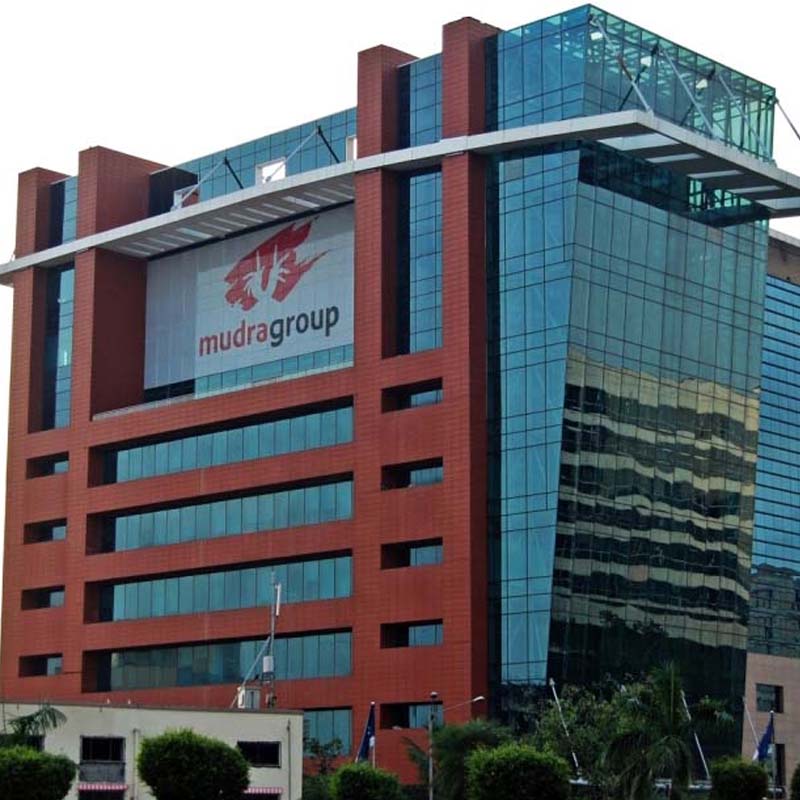
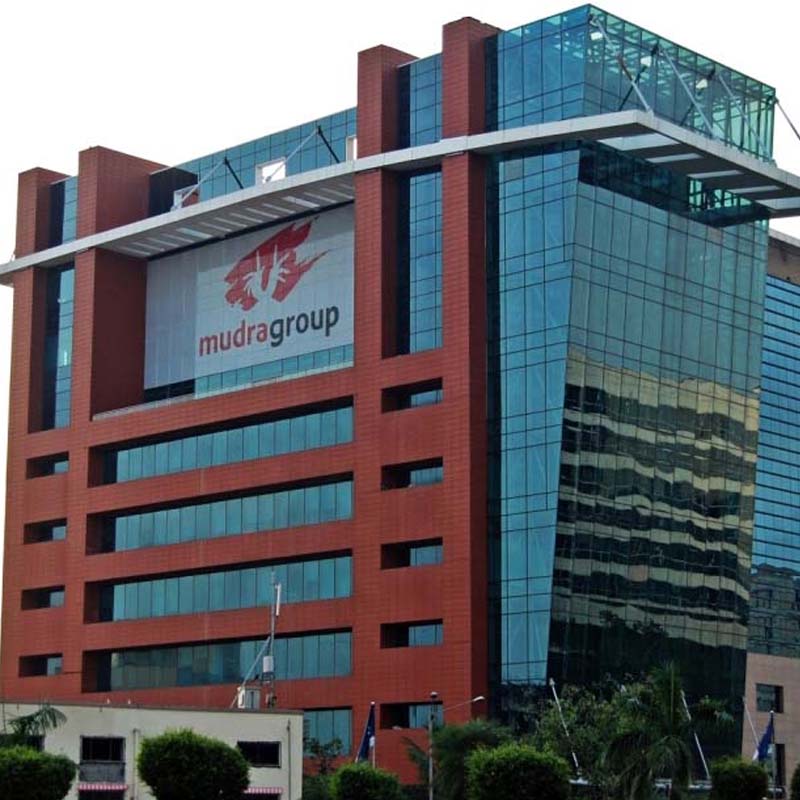
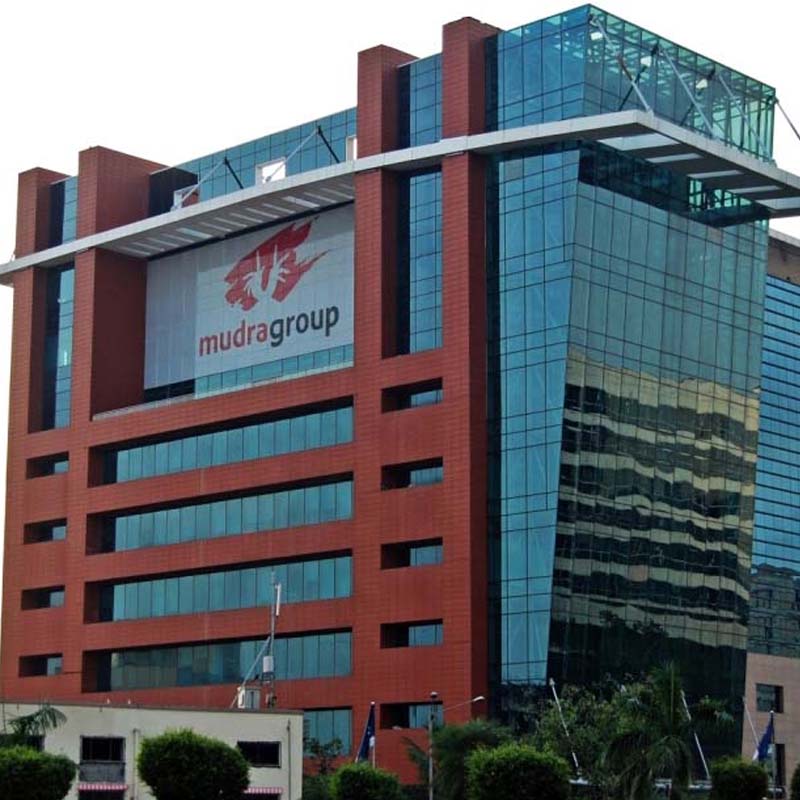
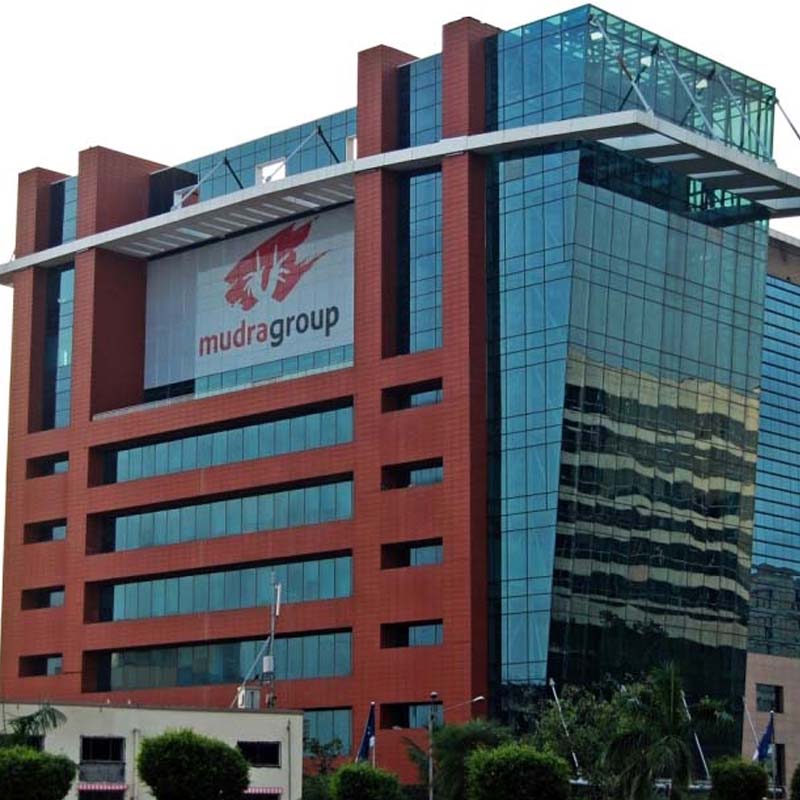
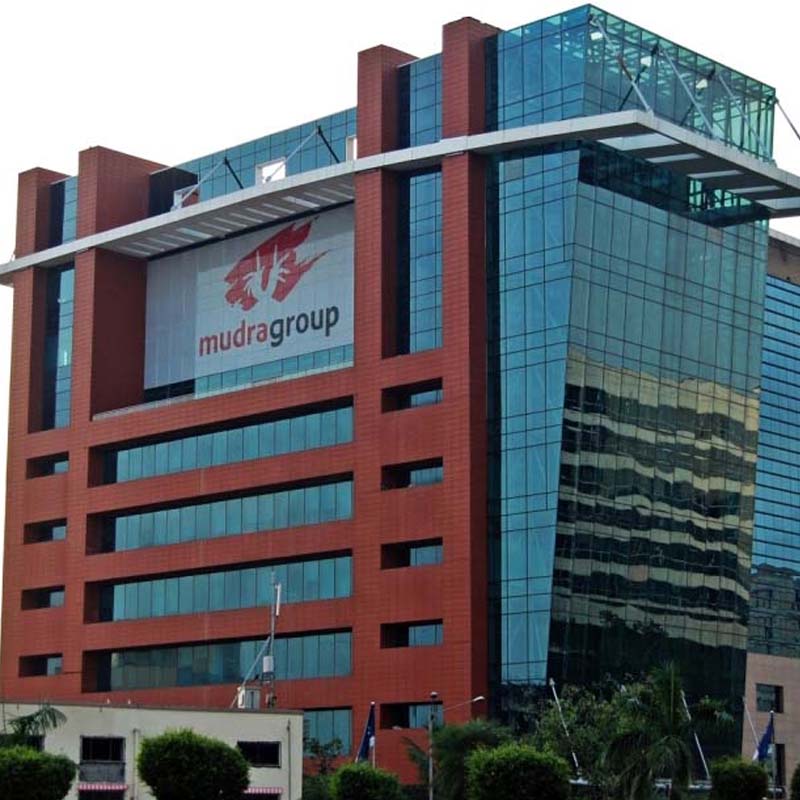
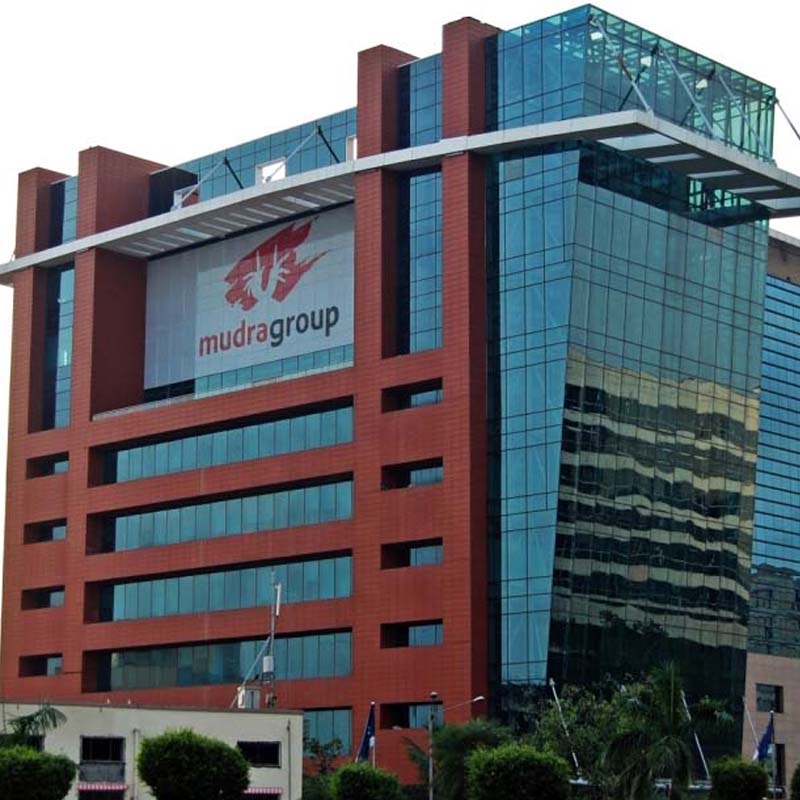
    Omnicom Group EVP and CFO Randall Weisenburger noted, “In addition to significantly expanding our service capabilities in the region, this partnership will bring with it an exceptional Shared Services and Operations Center in Ahmedabad that will help Omnicom more efficiently expand its other operations in India. Additionally, Mudra recently moved into a new headquarters facility in Mumbai called Mudra House, a sustainable building and one of the few in India to be awarded LEED (Leadership in Energy and Environmental Design) Gold certification. Mudra House is widely acclaimed for its conservation features and state of the art technology.”

  • AdAsia to focus on ‘Uncertainty: The New Certainty’

    AdAsia to focus on ‘Uncertainty: The New Certainty’

    NEW DELHI: Around 1200 delegates are expected to converge in the Indian capital to hear 50 of the world’s top experts in the world of marketing, media and advertising at the 27th edition of AdAsia 2011 being held in India after a gap of eight years.

    Asia’s biggest Marketing, Media and Advertising Congress, AdAsia will be held from 31 October to 3 November on the theme of ‘Uncertainty: the new Certainty’ and will have around 18 sessions on various subjects apart from the grand opening and closing ceremonies. The speakers will include around 45 from overseas.

    Information and Broadcasting Minister Ambika Soni will inaugurate the meet and Delhi Chief Minister Sheila Dikshit is expected to speak.

    The last Congress hosted by India was in 2003 in the pink city of Jaipur and was considered a landmark event. AdAsia 2011 is being organised under the aegis of the Asian Federation of Advertising Associations (AFAA).

    The theme “Uncertainty: The New Certainty” underlines the dynamic world that is currently at an inflection point witnessing a realignment of global economic leadership. Post the global meltdown, Asia leads the world on the path of recovery, thus attracting attention from the world over.

    There is a new paradigm as far as Asia is concerned, and the one thing that is certain is uncertainty, according to Madhukar Kamath, Group CEO & MD, Mudra Group and Chairman, AdAsia 2011.

    Brands are on an experimental spree through multi-layered communication channels right from Twitter, Facebook to mobiles and micro-blogging as the new evolving mediums. Mastering this ever-evolving operating environment and its impact on business is gaining critical significance to long-term sustainability. AdAsia 2011 will not only chronicle the changes but also provide a glimpse of impending opportunities and challenges that lie ahead in this dynamic field of advertising and marketing.

    The sessions will be conducted by global stalwarts of the Corporate, Marketing, Advertising Media & Communications community that will explore the business ecosystem and understand the nature of disruption. Time tested tools which have never failed the industry along with new tools, methods, applications and ever booming digital medium will be discussed in detail.

    “With unprecedented tectonic changes impacting the way one does business, AdAsia 2011 is a platform which not only chronicles the changes, but also provides a glimpse of what opportunities and challenges await us. This is especially relevant as 2011 sees the world – after having weathered the financial tsunami – emerging from the effects of the global meltdown. Moreover, with Asia broadly, and India specifically, leading this global recovery, the centre of gravity is changing. If, in the 20th century, the world looked at the West for innovation and progress, in the 21st century, everyone’s attention is on Asia,” Kamath said at a press meet here.

    Indian Newspaper Society Deputy President Ashish Bagga stressed that this was a knowledge-sharing platform and not a business meet, though he admitted some networking may lead to business later.

    Some of the subjects being taken up are: Decoding the New Age Consumer, Future of Management, From Chat rooms to Twitter, Media Fragmentation – How to Navigate through traffic?, Disruptive Branding / Away from Herd Marketing, Art of Storytelling in Multi-screen environment, Building Brands in a Trust Deficit World, Global Ethos: Managing Unpredictability across circumstances of Life & Business, and The Pursuit of Big Ideas in the Age of Now.

    Some of the speakers are: Indra Nooyi – Chairman & Chief Executive Officer, PepsiCo; A. Salman Amin – Executive Vice President & Chief Marketing Officer, PepsiCo; Chris Thomas – Chairman and CEO of BBDO in Asia, Middle East and Africa & Chairman of Proximity Worldwide; Anna Bernasek, Writer and Journalist; Nitin Paranjpe, CEO & MD, Hindustan Unilever Limited & EVP South Asia, Unilever; Harish Manwani, COO, Unilever; Arvind Rajan, Managing Director and Vice President of Asia Pacific and Japan (APJ) at LinkedIn; Ronda Carnegie, Head of Global Partnerships at TED; Kate Day, Communities Editor, Daily Telegraph Online; Ram Charan – Business Consultant, Speaker and Author; Akira Kagami – Executive Advisor & Global Executive Creative Advisor, Dentsu Inc.; Thirasak Tanapatanakul – Worldwide Chairman, Creative Juice; Duncan Goose – Founder & Managing Director, Global Ethics Limited; Joseph V. Tripodi – Executive Vice President and Chief Marketing & Commercial Officer, The Coca-Cola Company; Kitty Lun – Chairman & CEO, Lowe China; Koichi Yamamoto – General Manager, Global Solutions Center, Dentsu Inc.; Michael I. Roth – Chairman & Chief Executive Officer, Interpublic; Pankaj Ghemawat – Global Strategist, Professor, Author and Speaker; Irfan Mustafa – Chief Leadership Development Officer, Yum! Brands Inc. & Managing Director, Middle East, North Africa, Pakistan and Turkey, Yum! Restaurants International; and Piyush Pandey – Executive Chairman and Creative Director, South Asia, Ogilvy & Mather India.

    Taiwan and Thailand are to pitch to hold the AdAsia 2015.

  • AdAsia: Droga, Charan & Tobaccowala are key speakers

    AdAsia: Droga, Charan & Tobaccowala are key speakers

    MUMBAI: AdAsia 2011 has said that David Droga, Dr Ram Charan and Rishad Tobaccowala will be the key speakers for the congress to be held in New Delhi from 31 October to 3 November.

    The three speakers will share their perspective on the evolving dynamics in business management, marketing and communications at AdAsia 2011.

    PepsiCo chairperson and CEO Indra Nooyi will be the Keynote Speaker at the congress.
     
    David Droga, who founded an independent advertising agency Droga5, has also worked as worldwide CCO of the Publicis network, ECD of Saatchi & Saatchi London, and regional creative director of Saatchi & Saatchi Asia.

    A business advisor with more than 30 years of experience, Dr. Charan has worked with companies such as GE, Verizon, Novartis, Dupont, Thomson Corporation, Honeywell, KLM, Bank of America, and MeadWestvaco.
     
    Rishad Tobaccowala helps guide strategy and serves as a catalyst to innovation efforts across Vivaki – a Publicis Groupe entity. He has also served as the chief innovation officer of Publicis Groupe Media and was the founder and president of SMG Next.

    Chairman of the organising committee AdAsia 2011 and Group CEO and MD – Mudra Group Madhukar Kamath said, “AdAsia2011 is honoured to welcome David Droga, Ram Charan andRashid Tobaccowala to AdAsia 2011. Their varied experience and expertise in different fields of management, marketing and communications will add immeasurable value to the entire conference and will provide it a holistic view.” 
     
    AdAsia returns to India after eight years. In 2003, the AdAsia congress was hosted in Jaipur and was widely regarded as a landmark in the history of the Congress. AdAsia seeks to comprehensively explore all aspects of the theme ‘Uncertainty: The New Certainty‘.

  • Mudra creates national anthem for Big Cinemas

    Mudra creates national anthem for Big Cinemas

    MUMBAI: Mudra Group has created a new National Anthem video for Big Cinemas, part of the Reliance ADA Group.

    The video has been shot in sign language and enacted by children with a hearing/speech impairment.

    Says Mudra Group CEO Bobby Pawar, “The idea is centered on the thought, ‘Patriotism knows no language‘ and it is brought to life by hundreds of special kids singing the National Anthem with their hands.”

    The anthem was released on 26 January across Big Cinemas screens and will be played before the start of a movie.

    “Our idea was to use the Anthem to make people do more than just stand and sing; it is to make them feel a little differently about their country while driving home a strong message about unity in diversity. The film is the first part of a programme to engage people, on ground and on line, in a dialogue about how we can free our nation from the prejudices that can divide us,” adds Pawar.

    The Anthem has been directed by Amit Sharma of Chrome Pictures, based on the concept by Mudra Group.

    Says Sharma, “What appealed to me most was the challenge this idea posed at me as a film maker. It needed to be handled very sensitively without losing out on the impact. I went and met these kids and was really touched by the spirit they showed. So I decided not to use any actors – but got these real special kids to do. Special thanks to all the teachers and the kids for their cooperation and their spirit with which they displayed.”