MUMBAI: One the leading MSOs in India, Hathway Cable & Datacom Limited, undertook stringent action against recent disruption of its services in Pune by lodging three FIRs in multiple police stations across the city.
In a series of incidents recently, fibre optic cables of Hathway provided by Tata tele-services were cut at multiple locations in the city by unknown parties leading to disruption of Hathway services and causing inconvenience to several Hathway customers.
Due to the fibre cuts, Hathway signals were disrupted and lost for around 4 to 6 hours during the crucial ICC World Twenty20 matches including the semi-final encounter between India and West Indies, which led to huge consumer angst and created a lot of dissatisfaction to several Hathway customers. The fibre cuts caused by certain unknown parties seemed to be a deliberate and an intentional attempt to disrupt Hathway services in Pune and tarnish the brand image of the company, especially, during a high decibel event like the ICC World Twenty20. Hathway suspects that the agenda was to destabilise Hathway in the city and cause revenue loss.
Senior Hathway officials in Pune immediately took measures to counter this act of fibre cutting by illegal means by lodging FIRs across three major police stations in the city, demanding a probe.
Once the police investigation is out, Hathway seeks to take legal measures against the culprits.
New Delhi, 29 March: The Information and Broadcasting Ministry has urged multi-system operators to apply by 30 April in case they want to supply signals in the areas falling under Phase IV of digital addressable system.
In an advertisement also addressed to cable operators who want to become MSOs, the Ministry has said this is necessary as adequate time is needed for registration, and for the MSOs to be ready by 31 December this year when analogue is expected to be switched off all over the country.
It has also been pointed out that Section 11A of Cable Television Rules 1994 is clear that any stakeholder desirous of providing television DAS signals in a notified area have to be registered as MSO with the Ministry.
Attention has also been drawn to the notification of 11 September 2014 which gave the final deadline for the various phases and stated that digitization in IV Phase has to be completed by 31 December this year.
The advertisement has also been placed on the website digitalindiamib.com whch can also be accessed through the main mib.nic.in.
Stakeholders have been asked to get full details from these websites, and also have the option of calling toll-free number 1800-180-4343.
New Delhi, 29 March: The Information and Broadcasting Ministry has urged multi-system operators to apply by 30 April in case they want to supply signals in the areas falling under Phase IV of digital addressable system.
In an advertisement also addressed to cable operators who want to become MSOs, the Ministry has said this is necessary as adequate time is needed for registration, and for the MSOs to be ready by 31 December this year when analogue is expected to be switched off all over the country.
It has also been pointed out that Section 11A of Cable Television Rules 1994 is clear that any stakeholder desirous of providing television DAS signals in a notified area have to be registered as MSO with the Ministry.
Attention has also been drawn to the notification of 11 September 2014 which gave the final deadline for the various phases and stated that digitization in IV Phase has to be completed by 31 December this year.
The advertisement has also been placed on the website digitalindiamib.com whch can also be accessed through the main mib.nic.in.
Stakeholders have been asked to get full details from these websites, and also have the option of calling toll-free number 1800-180-4343.
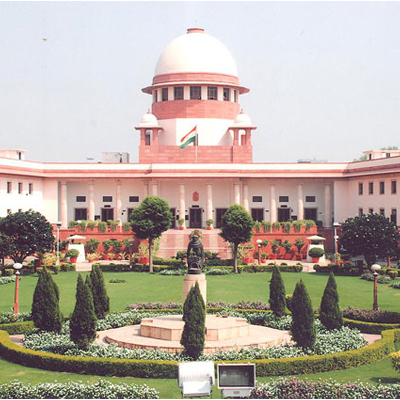
NEW DELHI: In an order that will not only have far-reaching consequences for broadcasters but may encourage others to take the headend-in-the-sky (HITS) route, the Supreme Court today rejected the challenge to the Telecom Disputes Settlement and Appellate Tribunal (TDSAT) view that HITS players should be treated at the same level as pan-India multi-system operators (MSOs).
The Tribunal had on 7 December last mandated that the reference interconnect order would be the starting point for negotiations between them and the distribution platforms.
The apex court decided the matter after hearing both sides on the issues raised.
The appeal had been filed by the Indian Broadcasting Foundation (IBF), Star India and Taj TV after a similar appeal had earlier on 22 Januarybeen dismissed in the Delhi High Court as not maintainable on the ground that the broadcaster had an alternative remedy of appealing in the Supreme Court.
The Tribunal had said, “It is difficult to see a HITS operator as different from a pan-India MSO and in our considered view a HITS operator, in regard to the commercial terms for an interconnect arrangement has to be taken at par with a pan-India MSO and must, therefore, receive the same treatment.”
The broadcasters had contended that the Tribunal through its order dated 7 December had completely taken away the freedom of contract. They also contended that the Tribunal had crossed its jurisdiction by passing an order on the TRAI regulation.
The High Court had said that it did not feel the need to examine whether TDSAT had the jurisdiction to direct broadcasters to treat the HITS operator Noida Software Technology Park Ltd (NSTPL) at the same level as pan-India MSOs.
That Court had heard arguments presented by Star India and NSTPL, whose petition had been accepted on 7 December by the Tribunal, which had asked Star India and Taj TV to execute fresh agreements with NSTPL. However, TDSAT had kept the operation of the judgment pending till 31 March this year.
It had said that on past occasions as well similar suggestions were made with the hope of nudging the TRAI to take proactive steps to reduce the scope of disputes arising out of the regulations. “At the same time, the fact that regulatory intervention may be the ideal way forward cannot and should not be an excuse for this Tribunal to shirk the interpretative issues that have come before us. This is particularly so when there appears to be regulatory inertia,” TDSAT had said.
The Tribunal had, on 18 December, impleaded Zee Turner and others in another petition by Star India against NSTPL and asked the broadcasters to produce the agreements between the broadcasters and major MSOs. It opined that some agreements have to be suspended by Star and Taj TV.
Though the TDSAT petition had been filed by NSTPL, it will also help Hinduja Group’s HITS platform NXT Digital, which entered into the fray last year.
TDSAT had directed Star and Taj, as well as the other broadcasters who had joined the proceedings as intervenors, to issue fresh RIOs in compliance with the Interconnect Regulations, as explained in the judgment within one month from the date this order becomes operational and effective. It will be then open to NSTPL to execute fresh interconnect agreements with Star and Taj, and with any other broadcasters on the basis of their respective RIOs or on negotiated terms within the limits.
NEW DELHI: In an order that will not only have far-reaching consequences for broadcasters but may encourage others to take the headend-in-the-sky (HITS) route, the Supreme Court today rejected the challenge to the Telecom Disputes Settlement and Appellate Tribunal (TDSAT) view that HITS players should be treated at the same level as pan-India multi-system operators (MSOs).
The Tribunal had on 7 December last mandated that the reference interconnect order would be the starting point for negotiations between them and the distribution platforms.
The apex court decided the matter after hearing both sides on the issues raised.
The appeal had been filed by the Indian Broadcasting Foundation (IBF), Star India and Taj TV after a similar appeal had earlier on 22 Januarybeen dismissed in the Delhi High Court as not maintainable on the ground that the broadcaster had an alternative remedy of appealing in the Supreme Court.
The Tribunal had said, “It is difficult to see a HITS operator as different from a pan-India MSO and in our considered view a HITS operator, in regard to the commercial terms for an interconnect arrangement has to be taken at par with a pan-India MSO and must, therefore, receive the same treatment.”
The broadcasters had contended that the Tribunal through its order dated 7 December had completely taken away the freedom of contract. They also contended that the Tribunal had crossed its jurisdiction by passing an order on the TRAI regulation.
The High Court had said that it did not feel the need to examine whether TDSAT had the jurisdiction to direct broadcasters to treat the HITS operator Noida Software Technology Park Ltd (NSTPL) at the same level as pan-India MSOs.
That Court had heard arguments presented by Star India and NSTPL, whose petition had been accepted on 7 December by the Tribunal, which had asked Star India and Taj TV to execute fresh agreements with NSTPL. However, TDSAT had kept the operation of the judgment pending till 31 March this year.
It had said that on past occasions as well similar suggestions were made with the hope of nudging the TRAI to take proactive steps to reduce the scope of disputes arising out of the regulations. “At the same time, the fact that regulatory intervention may be the ideal way forward cannot and should not be an excuse for this Tribunal to shirk the interpretative issues that have come before us. This is particularly so when there appears to be regulatory inertia,” TDSAT had said.
The Tribunal had, on 18 December, impleaded Zee Turner and others in another petition by Star India against NSTPL and asked the broadcasters to produce the agreements between the broadcasters and major MSOs. It opined that some agreements have to be suspended by Star and Taj TV.
Though the TDSAT petition had been filed by NSTPL, it will also help Hinduja Group’s HITS platform NXT Digital, which entered into the fray last year.
TDSAT had directed Star and Taj, as well as the other broadcasters who had joined the proceedings as intervenors, to issue fresh RIOs in compliance with the Interconnect Regulations, as explained in the judgment within one month from the date this order becomes operational and effective. It will be then open to NSTPL to execute fresh interconnect agreements with Star and Taj, and with any other broadcasters on the basis of their respective RIOs or on negotiated terms within the limits.
NEW DELHI: In perhaps the largest clearance of provisional licences in such a short time, a total of 32 multi system operators (MSOs) got provisional licences after 8 February, raising the total of MSOs operating in the country to 727 including the 231, which have permanent (ten-year) licences.
The last list of 8 February had put the figure of provisional MSOs at 464. All the new provisional licencees have got the clearances between15 and 17 February.
The Ministry of Information and Broadcasting (MIB) had by 12 January cancelled the licences of 26 MSOs and closed their cases.
According to the list issued today, the areas of operation of some of the MSOs have been revised or amended.
Of the new licensees, only one has got the licence for pan-India for the first three phases of digital addressable system (DAS). The rest are from Maharashtra, Gujarat, Karnataka, Rajasthan, Madhya Pradesh, Utar Pradesh, Telangana, Goa, Andhra Pradesh, and Tamil Nadu.
NEW DELHI: In perhaps the largest clearance of provisional licences in such a short time, a total of 32 multi system operators (MSOs) got provisional licences after 8 February, raising the total of MSOs operating in the country to 727 including the 231, which have permanent (ten-year) licences.
The last list of 8 February had put the figure of provisional MSOs at 464. All the new provisional licencees have got the clearances between15 and 17 February.
The Ministry of Information and Broadcasting (MIB) had by 12 January cancelled the licences of 26 MSOs and closed their cases.
According to the list issued today, the areas of operation of some of the MSOs have been revised or amended.
Of the new licensees, only one has got the licence for pan-India for the first three phases of digital addressable system (DAS). The rest are from Maharashtra, Gujarat, Karnataka, Rajasthan, Madhya Pradesh, Utar Pradesh, Telangana, Goa, Andhra Pradesh, and Tamil Nadu.
NEW DELHI: The number of private satellite television channels in the country registered with the Information and Broadcasting Ministry fell by seven in the quarter ending September 2015 from 826 in quarter ending June to 819.
However, the maximum number of pay channels carried by certain cable operators in non-conditional addressable system (CAS) rose from 214 to 233 in the same period. The maximum number of Free-to-Air (FTA) TV channels carried by certain cable operators in non-CAS areas in the period rose from 179 to 197.
The data is based on reports received by the Telecom Regulatory Authority of India (TRAI) from broadcasters and multi system operators (MSOs).
In areas served by non-addressable systems, the maximum number of TV channels carried in digital form as reported by cable operator – Hathway Cable & Datacom Limited – amongst those who have reported is 458.
The maximum number of TV channels carried in analogue form as reported by – Ortel Communications Limited – amongst those who have reported is 100.
In these areas, the maximum number of FTA channels carried, as reported by Hathway Cable & Datacom amongst those who have reported is 197.
The maximum number of pay channels carried as reported by a cable operator (Hathway Cable & Datacom) amongst those who have reported is 233. The maximum number of local channels carried as reported by a cable operator (Hathway Cable & Datacom) amongst those who have reported is 28.
As on 30 September, 2015, there were a total of 226 MSOs who had been granted Permanent Registration (for 10 years) by the Ministry apart from 173 MSOs who had been granted Provisional Registration (for 10 years) by the Ministry of I&B for providing Cable TV services through Digital Addressable Systems (DAS).
There had been a total of 252 pay channels as reported by broadcasters as on 30 June. During the quarter ending September 2015, three new pay channels – Colors Infinity HD, Colors Infinity, and Zee Café HD – were launched. During the quarter, one channel – The MGM was temporarily suspended.
During the quarter, the transmission mode of two channels – VH1 and Comedy Central – was changed from SD to HD. The total had risen to 254 pay TV channels by September end.
TRAI in its quarterly report said that apart from the free DTH service of Doordarshan Freedish, there are six private DTH operators. The total number of registered subscribers and active subscribers being served by these six private DTH operators were 81.47 million and 41.05 million respectively as on 30 September, 2015.
The Ministry had permitted a total of 90 Teleports by September end.
NEW DELHI: The number of private satellite television channels in the country registered with the Information and Broadcasting Ministry fell by seven in the quarter ending September 2015 from 826 in quarter ending June to 819.
However, the maximum number of pay channels carried by certain cable operators in non-conditional addressable system (CAS) rose from 214 to 233 in the same period. The maximum number of Free-to-Air (FTA) TV channels carried by certain cable operators in non-CAS areas in the period rose from 179 to 197.
The data is based on reports received by the Telecom Regulatory Authority of India (TRAI) from broadcasters and multi system operators (MSOs).
In areas served by non-addressable systems, the maximum number of TV channels carried in digital form as reported by cable operator – Hathway Cable & Datacom Limited – amongst those who have reported is 458.
The maximum number of TV channels carried in analogue form as reported by – Ortel Communications Limited – amongst those who have reported is 100.
In these areas, the maximum number of FTA channels carried, as reported by Hathway Cable & Datacom amongst those who have reported is 197.
The maximum number of pay channels carried as reported by a cable operator (Hathway Cable & Datacom) amongst those who have reported is 233. The maximum number of local channels carried as reported by a cable operator (Hathway Cable & Datacom) amongst those who have reported is 28.
As on 30 September, 2015, there were a total of 226 MSOs who had been granted Permanent Registration (for 10 years) by the Ministry apart from 173 MSOs who had been granted Provisional Registration (for 10 years) by the Ministry of I&B for providing Cable TV services through Digital Addressable Systems (DAS).
There had been a total of 252 pay channels as reported by broadcasters as on 30 June. During the quarter ending September 2015, three new pay channels – Colors Infinity HD, Colors Infinity, and Zee Café HD – were launched. During the quarter, one channel – The MGM was temporarily suspended.
During the quarter, the transmission mode of two channels – VH1 and Comedy Central – was changed from SD to HD. The total had risen to 254 pay TV channels by September end.
TRAI in its quarterly report said that apart from the free DTH service of Doordarshan Freedish, there are six private DTH operators. The total number of registered subscribers and active subscribers being served by these six private DTH operators were 81.47 million and 41.05 million respectively as on 30 September, 2015.
The Ministry had permitted a total of 90 Teleports by September end.
MUMBAI/NEW DELHI: DTH players like Videocon d2h, DishTV et al have been shouting from rooftops about being DAS Phase III ready for a few months now. And since the DTH sector stands to benefit the most with the cable TV digitisation drive in India, most players have rolled out aggressive advertising campaigns to acquire more customers.
While Videocon d2h expects Phase III to be 50 million TV households in terms of size, the scope for customer acquisition is vast.
More so now with the ongoing High Court cases filed by various multi system operators (MSOs) and cable operators to extend the Digital Addressable System (DAS) Phase III implementation deadline, as many as five states have got temporary respite. With cable operators in several states facing shortage of set top boxes (STBs), the situation proves beneficial to DTH players in acquiring new subscribers in DAS Phase III.
Dish TV, which is the oldest direct-to-home player in the country, has stepped up its campaign following the deadline of the Government for switching off analogue signals in all urban areas covered by DAS Phase III.
In fact, the DTH player has been very upfront about their marketing strategy that capitalises on the confusion over digitisation in Phase III areas, as seen from their latest aggressive campaign titled Dish99. Targeting the Hindi speaking market, the catch phrase for this new campaign reads “Set-Top-Box Matlab DishTV” (Set-Top-Box Means DishTV).
The TVC features popular TV actress Radhika Madan, who is a household name for daily soap watchers, addressing two housewives to tell them that their serials would be off air soon.
When the panic-stricken women ask what they should do, she urges them to switch to Dish TV that offers service starting at just Rs 99 before their analogue signals are disrupted and they miss out on their daily entertainment.
Explaining their current marketing strategy, Dish TV MD Jawahar Goel said, “DishTV’s advertising has always been very pro-active, but the ongoing campaign has been designed in view of the obvious shortage of set top boxes with cable operators. With the deadline of phase III of TV digitisation coming to a close, we aim to capitalise the huge captive user base that will eventually be on digital platform.”
With this product, further, to augment the digitisation drive in Phase III, DishTV has introduced a 360 degree multi-media campaign spanning TV (across leading entertainment, sports and news channels), outdoor, radio, digital, online and direct marketing that leverages the power of popular TV celebrities. This DAS campaign features DishTV’s relatable faces to strike a chord amongst the audience and create awareness about TV digitisation among every household to shift from analog to digital platform,” added another DishTV spokesperson.
Earlier Tata Sky too had rolled out a similar engaging campaign with Kangana Ranaut as its brand ambassador reaching out to people and telling them why they should switch to Tata Sky and enjoy paying for selective channels.
However, Tata Sky points out that their campaign was not intentionally targeted to capitalise the digitisation situation.
Tata Sky CEO and MD Harit Nagpal says, “We didn’t do any special campaign and the ads with Kangana Ranaut had commenced last year before the deadline. The ad simply says that if the viewer gives a missed call on the displayed number, Tata Sky will call back for installing their system. Thus, the viewer will save money as well as get the work done.”
The campaign kick started earlier in June 2015, saw itself drawing several eyeballs from both consumers and industry experts by virtue of its casual and conversational style of narrative.
On the other hand, sources share that Doordarshan’s free to air DTH service FreeDish has no plans to step up its publicity or marketing in view of the extension orders by High Courts of the DAS Phase III.
“FreeDish was in a market that was different from the other DTH players as it was a free to air platform. DD generally publicised FreeDish only on its own channels and has no intention of any cross-channel promotion,” a source informs.
It is undeniable that the current situation of DAS Phase III poses an opportunity for several DTH players to provide an easier alternative to consumers and bring them on board as subscribers while cable operators find a solid ground on the digitisation proceedings. What’s more, even as the government has announced 31 December, 2016 as the deadline for DAS Phase IV, it now remains to be seen how DTH players get even more aggressive on the marketing front as the year progresses.