Tag: movies

  • Star Jalsha Movies’ tricks for better audience engagement

    Star Jalsha Movies’ tricks for better audience engagement

    KOLKATA: Star Jalsha Movies which recently acquired broadcast rights for Calcutta Football League (CFL) is going extra miles to woo its audiences and develop a connect. The channel has deployed ten cameras including one each on both goal posts along with helicopter shot of stadium for better connect with around 80 lakh football lovers who are watching CFL live every evening.

    The channel has also put together a commentary team that boasts of two former India internationals Debjit Ghosh and Rajat Ghosh Dastidar and tollywood Diva Sayoni as star presenter.

    “Big lenses (tele-lenses) have been used, backed by crystal clear capturing of sound of players, crowd and even kicking of ball. All ten cameras have the capability to show replays,” said a city based sports analyst.

    Two characters of Phuchka and Goleda have been added to bring in the fun factor into the game, said the analyst.

  • Where Advertising Can’t, Content Can: Vinit Karnik National Director, Sports and Live Events of GroupM ESP

    Where Advertising Can’t, Content Can: Vinit Karnik National Director, Sports and Live Events of GroupM ESP

    Marketers for brands, consumer products, retail chains, media and entertainment are struggling to redefine and reinvent “advertising” for a new generation of empowered consumers.

    Media proliferation and fragmentation is making it harder to reach consumers with traditional formats of “interruption” advertising. New technologies, media platforms and consumer behaviors are affecting every aspect of traditional marketing and thereby dramatically impacting marketing effectiveness.

    There is a strong need to create “engagement” advertising models with digital at the core which will facilitate more sophisticated, powerful and profitable connections between brands, content creators and their target audiences….

    There is a strong need to create “engagement” advertising models with digital at the core which will facilitate more sophisticated, powerful and profitable connections between brands, content creators and their target audiences.

    Internationally, the content-commerce partnership evolution is gathering momentum. Brand entertainment partnerships are changing the rules of developing creative campaigns, marketing and advertising planning and production.

    In response to these challenges, GroupM India launched GroupM ESP to help brands harness the power of content based solutions by activating the power of movies, music, sports, live, celebrities and characters.

    GroupM ESP specialises in evaluating, negotiating, developing, activating and measuring strategic content platforms and partnerships around movies, music, sports, celebrities and characters. Uniquely positioned at the intersection of the media and the sports and entertainment industries, the ESP teams focus on developing innovative content strategies and solutions with a digital core that embed advertiser’s brands in consumer passion points using multimedia leverage and multifaceted partnerships.

    GroupM ESP also works closely as a high end consultant with clients and rights owners to help create and own multi-media content assets of long term value and their exploitation through media distribution, marketing, licensing and retailing to build deeper and more valuable connections with consumers.

    The Indian entertainment and sports market, the largest in the world by size, offers advertisers and their brands, unique and multiple passion points to reach and engage target audiences with profitable and proven content solutions, embracing all the learnings from traditional media and advertising. New technologies and new channels incorporating licensing need to be harnessed creatively using insights with marketing ROI rigorously quantified.

    The Indian entertainment and sports market, the largest in the world by size, offers advertisers and their brands, unique and multiple passion points to reach and engage target audiences…

    The GroupM ESP content team comprises more than 50+ specialists (the largest for any advertising or media agency in India) has been providing end-to-end solutions for over a decade now. Known for its transparent dealings, easy and preferred access to content and talent (International, National and Regional), GroupM ESP is also able to seamlessly deliver the benefits of parent GroupM media volumes, relationships and specialist units backed by robust systems and processes. All this has been recognised through more than 50 awards at various industry and company platforms.

    Through its high profile alliances and partnerships with content creators, rights owners and talent across every domain and geography, the GroupM ESP team is able to offer expanded capacity and capability to handle complex projects smoothly.

    As we move from a decade of “Airing” to “Sharing”, digital needs to be at the core of any marketing program and the GroupM ESP team is adequately equipped to impart a strong digital dimension in all its projects. An in-house ESP digital team backed by the parent GroupM resources ensures that solutions are digitally centered and executed.

    More than 100 advertisers in India have benefited from their association with GroupM ESP.

  • Q1-2014: Bag Films reports higher y-o-y income

    Q1-2014: Bag Films reports higher y-o-y income

    BENGALURU: B.A.G. Films & Media Limited (Bag Films) consolidated income from operations of Rs 32.67 crore for Q1-2014 which was 43.9 per cent higher than the Rs 22.7 crore reported by the company for Q1-2013 and almost flat (0.29 per cent lower) as compared to the Rs 32.77 crore for Q4-2013.


    Let us look at the other consolidated figures reported by Bag Films for Q1-2014


    Total expenditure for Q1-2014 at Rs 33.44 crore was 13.8 per cent lower than the Rs 38.79 crore for Q1-2013 and 8.7 per cent lower than the Rs 36.64 crore for Q4-2013.


    Bag Films reported a net loss after minority interest for Q1-2014 at Rs (-3.25) crore which was less than a third (28.7 per cent) the Rs (-11.32) crore for Q1-2013 and less than half (44.6 per cent) the Rs (-7.29) crores for Q4-2013.


    Segment Results

    Bag Films operates in five segments: Audio-visual production, Movies, Leasing, FM Radio and Television Broadcasting.


    Bag Films Audio-visual production segment reported a consolidated income of Rs 9.98 crore for Q1-2014 which was 42 per cent more than the Rs 7.03 crore for Q1-2013 and almost double (93 per cent more) than the Rs 5.17 crore for Q4-2013.


    The segment result for Audio-visual production for Q1-2014 at Rs (-0.44) crore was less than a quarter (23.27 per cent) of the Rs (-1.90) crore for Q1-2013 and 23.38 per cent of the Rs (-1.89) crore for Q4-2013.


    Leasing segment revenue for Q1-2014 at Rs 0.46 crore was almost quadruple (3.94 times) the Rs 0.12 crore for Q1-2013 and 5.87 per cent more than the Rs 0.44 crore for Q4-2013.


    The segment result for Q1-2014 for Leasing at Rs (-0.76 crore) was 39.55 per cent better than the Rs (-1.25) crore for Q1-2013 and less than half (41.75 per cent) of the Rs (-1.81) crore for Q4-2013.


    Bag Films Radio segment reported a 65 per cent rise in revenues in Q1-2014 to Rs1.56 crore as compared to the Rs 0.95 crore for Q1-2013 and was 24.4 per cent more than the Rs1.25 crore for Q4-2013.


    The radio segment result for Q1-2014 at Rs 0.51 crore was 43.2 per cent lower than the Rs 0.9 crore for Q1-2013. For Q4-2013, Bag Films Radio segment result was Rs (-1.17) crore.


    Bag Films Television broadcasting segment reported revenue of Rs 20.67 crore which was 39.5 per cent more than the Rs 14.82 crore for Q1-2013, but 20.21 per cent lower than the Rs 25.90 crore for Q4-2013.


    Segment result for Bag Films Television broadcasting segment for Q1-2014 at Rs 6.09 crore was 33.5 per cent lower than the Rs 9.15 crore for Q4-2013. This segment had reported result of Rs (-6.62) crore for Q1-2013.

  • How T-Series hit a Billion views on YouTube

    How T-Series hit a Billion views on YouTube

    It’s India’s No 1 music company. Now it has also got the nametag of becoming a YouTube billionaire. T-Series‘ Youtube channel crossed the billion views milestone in just a span of two years since it took the digital route. Some 2.3 million subscribers helped it get there.

    So what is it with T-Series’ YouTube initiative that has struck a chord with the digital generation? Let’s take a look:

    It’s content, content, content

    For starters, its got the most massy content – music of the biggest films out there on its mainstream Bollywood Channel, Take a look at what visitors get to consume on the T-Series home page: the music, trailers of Aashiqui 2, Yeh Jawaani Hai Deewani, Fukrey, Lootera, Chennai Express, Policegiri and Once Upon a Time in Mumbaai Dobaara. Can you get more popular content than that?

    India‘s music king Bhushan Kumar has a billion reasons to celebrate

    T-Series has over the 30 years of its existence spent top-dollar to acquire the rights to the music of some of Bollywood’s biggest blockbusters. The music of this huge catalogue has also been ported on to its YouTube channels, making for a treasure trove for music lovers.

    Then the T-Series Youtube presence is marked by many sub-channels like Apna Punjab for Punjabi Pop, Hamaar Bhojpuri for Bhojpuri content, Bhakti Sagar for spiritual music, Pop Chartbusters for Indipop videos, Shabad for Punjabi Devotional content, Bollywood Classics for 1980‘s and 1990‘s content, regional music channels and channels dedicated to full length Bollywood movies and Indian classical music.

    Though some of these channels don’t get humungous views, they go to service the long tail of consumers and cumulatively add up to large numbers.

    “These are targeted at niche audiences and we are really happy the way they have panned out. Hamaar Bhojpuri has seen really exciting numbers and has been getting views from as far as Argentina, Brazil, Germany and Middle East,” explains T Series president Neeraj Kalyan who looks after the label’s digital initiatives.

    Ok, it’s not just the content, it’s what you do with it, that counts

    “We experiment with our content and try to learn from our audiences which in turn help us improve ourselves,” explains Kalyan. “Nothing is fixed like a normal brand page of a mobile company or a cosmetic product, our product is music which is very personal and has the highest level of emotional connect with the consumers. Content programming on social media is as important as it is for television or radio.”

    T-Series’ endeavor with YouTube has always been to improve consumer interaction and make it it more interesting and engaging. Hence, it has innovative concepts like Audio and Video Jukeboxes, Bollywood Twisters, Lyrical Videos, Song of the Day and Fan of the week, which lures consumers into coming back.

    What else does it focus on? “Metadata building, tags, annotations, SEO are all standard procedures and needs constant focus to succeed in this space,” says Kalyan.

    “These require tremendous perseverance and have to be build up step by step.”

    Ok, you have played with the content. Now you have to promote it like hell using other social media where you have diehard fans.

    T-Series has a strong presence on other social media outlets such as Facebook, Twitter and G+. Its official Facebook page has 608,436 likes and hundreds of thousands of visitors at any time talking about the channel and its music. On Twitter, T-Series has around 19,627 active followers. @TSeries is buzzing with tweets and re-tweets every couple of hours. The numerous fan-driven handles of its popular movies are busy re-tweeting and sharing every update, thus adding to the social buzz – and the traffic thereof. Then it has 1.5 million people in its G+ circles, a sizeable number no doubt.

    “Social media is not like old school media, it’s a more personal medium which is primarily driven by peer activities, their likes and dislikes and if one has to enter their personal space one has to become their friends instead of a brand page. The prime focus of our strategy is to make friends instead of likes, subscriber or followers on our social media accounts.” Kalyan reveals.

    Then the T-Series digital team changes its social messaging strategy as per its content offerings. And it uses the entire strength of its social media to promote each major piece of content. For example, for a Salman Khan film, the entire social plan revolves around Salman Khan. And the zillions of tweets, updates, pictures, videos all cumulatively work to create even more buzz adding to the views.

    Work with Youtube, and get it to push your content

    By virtue of its being one of the larger players on YouTube in India, T-Series content, from time to time gets the nudge from the latter’s content team led by Manan Singhi in India. What that means is that, when visitors log on to the YouTube home page they are given prompts to visit the T Series channel as it is listed as among the more viewed ones.

    Build a digital team

    Kalyan personally supervises T-Series’ dedicated in-house digital team – though small – of around eight to 10 people. The average age is about 25-26 years, while Neeraj is 44. Says he: “T-Series’ digital team has been the winning mantra for us and will always

    The T-Series digital team is constantly on the go to keep visitors and viewers of its social media outlets engaged

    remain at the core of this success. We have genre specific experts managing all our channels and are currently busy with audience building for the niche channels. Our team interacts with fans on an every day basis; gives regular response to their queries, accepts criticism. We reward fans and recognize them online, which adds to their pride and improves interaction and helps in building a strong brand – consumer relationship.”

    The one billion views achievement has already got him praise from an effervescent T-Series chairman & managing director Bhushan Kumar.

    T-Series‘ digital driver Neeraj Kalyan

    “I would like to dedicate this success to all our fans all over the world that have helped us reach this milestone. I would like to congratulate my entire in-house digital team and the YouTube team for this tremendous feat. We look forward to achieving greater heights with our dedication and passion to offer quality content and experience to our discerning consumers worldwide,” says he.

    Kalyan says the past two years of T-Series’ association with YouTube have been a great learning and he hopes to put those learnings to help T-Series leapfrog further. “We will get to our next billion in double quick time,” he says. “I am sure we will.”

    With that kind of confidence, he well might.

  • PK Online launches Hello1.in

    PK Online launches Hello1.in

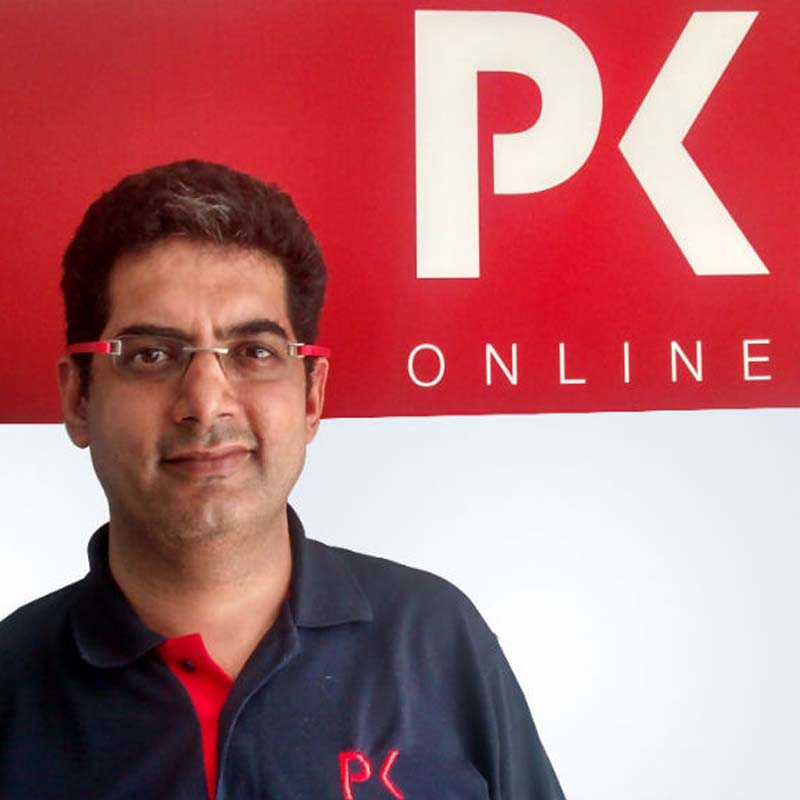
    MUMBAI: Digital media company PK Online has launched Hello1.in, a content distribution product. The product which is accessible on multiple devices like feature phones, smart phones, PC and smart TV, currently features Live TV, Movies, Music, Apps, and Games. The portal in future will include eBooks and magazines.

    Hello1.in currently supports both, pay per use/download and subscription based services. This service is on self developed content delivery platform. PK online earlier has also been behind many successful content distribution products like Hello TV and also runs Adchakra which is a cross channel ad network.

    PK‘s ad network business complements this initiative by acting as the audience acquisition engine for the service. Their current content partner include leading players like Zee, Universal, UTV, Reliance and Times Music and is looking at adding more Indian and international partners. The real time and transparent revenue reporting feature enables content partners to stay updated on the performance of their catalog.

    Hello1‘s monetisation strategy is based on operator distribution and direct to consumer model. It is currently integrated with leading operators like Vodafone, MTNL and Idea as an off deck service and is open to license the platform to content owners who want to set up their own digital destination.

    The company is also looking to capture audiences using the social platform. Keeping this in mind, Hello 1 has its presence even on Facebook and users can directly register on Hello1‘s FB application http://goo.gl/V4okL.

    Other than this the company also plans tie ups with all leading ISPs, MSOs and Mobile operators to offer consumers to pay through operator accounts in coming months. The other important features about this new media innovation is that it is a one stop destination for all types of digital content with a single account and subscription for all devices, a digital cloud based Vault for re-downloads, an automatic device adaptation for seamless rendering across 7000 feature phone models and it is a native app for Android and iOS.

    Commenting on their latest project, PK Online co-founder and VP Cauvery Adiga said, ‘We are trying to bring all our learning in one comprehensive product which provides a good user experience and ease of payment to end users. Hello1.in aims to be the choice of destination for ‘legal and paid‘ consumption of digital content by enabling micro-transaction for Indian market.”

  • Mutli Screen Media goes to the movies with film initiative

    Mutli Screen Media goes to the movies with film initiative

    MUMBAI: TV broadcaster Multi Screen Media India – which runs TV channels Sony Entertainment, Sab, Pix, and Six – is going to the movies. The company has set up a new initiative under MSM Motion Pictures which is slated to produce a clutch of films under the banner.


    The first film to get off the blocks is Bajate Raho, which it is co-producing in partnership with Eros International. The announcement of its new venture was made today in presence of the star cast of Bajate Raho at Versova Cinemax.

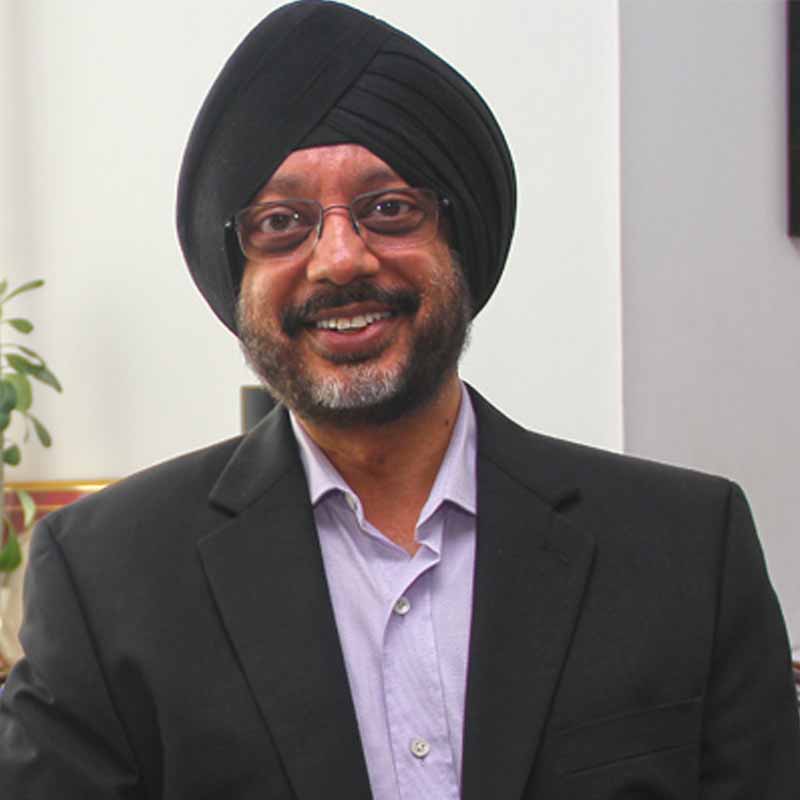
    MSM COO N.P. Singh

    “Multi Screen Media has been entertaining the audiences through its shows on television for the past 17 years. For us the time was apt for playing our role on the silver screen as well,” announced MSM chief operating officer N.P. Singh.

    MSM Motion Pictures has three more movies lined up for release by this year‘s end. “Three more projects are in production and pre-production phase. We have collaborated with different production houses for the same,” added Singh.

    Bajate Raho is a revenge comedy. “The other three movies, all mid budget, will be in the genre of comedy, romantic comedy and horror,” he said.

    The movie which promises to do away with formula movies has been directed by Shashant Shah of Dasvidaniya andChalo Dilli fame. “He was one more reason for us to co-produce the movie. He was a part of Sony Max ten years back. When we heard the script, it impressed upon us so much, that we decided to co-produce it along with Eros International.”

    MSM Motion Pictures, which is a division of MSM will be headed by CEO Manjit Singh and COO N.P Singh.

    “After our successful stint in television space we were keen to expand our horizons and tap the growing movie business in India. We are focused to provide entertaining and engaging content by offering combination of big as well as medium budget films,” said Manjit Singh.

    The film is set to release on 26 July and has a star cast consisting of Ravi Kishan, Tusshar Kapoor, Vinay Pathak, Ranvir Shorey and Dolly Ahluwalia.

    Bajate Raho, a revenge comedy is about making things right by taking the wrong way.

    The promos seem promising, but will it reach out to the audience? We will have to wait and watch. For now as the star cast says “Bajate Raho.”

  • Rediff.com introduces new redesigned website

    Rediff.com introduces new redesigned website

    MUMBAI: Rediff.com has launched the new version of its website featuring a new and enhanced homepage sporting a tiled interface.

    The new Rediff homepage brings alive an assortment of content and services using the contemporary grid layout that is visually rich. Each unit of the grid features the latest information photographs and videos, giving it a more interactive and image-friendly appearance.

    Featuring thirty headlines, the new homepage offers a wide range of relevant news items from across sections like news and politics, business, movies, get ahead, cricket and sports.

    Additionally, its e-commerce platform gets a boost with a large footprint on the homepage to capitalise on the growing usage of e-commerce platforms throughout India.

    The new design is based on user feedback and provides a seamless experience on personal computers and laptops as well as touchscreen handheld devices like tablets and smartphones.

    Rediff.com chairman and CEO Ajit Balakrishnan said, “The Indian internet user base is quickly moving to consuming our services on various types of mobile devices, whether at home or on the go. As a result, this transition required us to take a fresh and innovative view of how our users are likely to interact with our portal. Our new tiled interface is a step towards making it easy for a rapidly growing segment of users who access our website from tablet like touchscreen devices.”

    “We have also redesigned the site in terms of providing users with the content and imagery they desire on our home page, while adding more e-commerce options, which have been in higher demand from this growing population. We believe, the steps we‘ve taken will enhance the overall user experience and over time, contribute to a growing Rediff user base and more widespread adoption of the Rediff brand,” Balakrishnan added.

  • Sunny, porn and big bad world of TV

    Sunny, porn and big bad world of TV

    It took a lot of frisking around in bed in the buff – with first, women,and then men – for the camera to transform an Indian Sikh girl Karenjit Kaur Vohra from Ontario into a global porn star who goes by the handle of Sunny Leone. From there she made her way back to India and into our homes with the fifth season of Bigg Boss where she has surprised all.

    Her face is finely structured, her smile bewitching the youth of India. She is comfortable in her skin as a sex goddess. Her laugh is gay, full of abandon. She comes across like a person who knows what she is all about, and she loves it. She has all the oomph and jiggles in the right places to make her stand out from the rest of the Bigg Boss 5 gang. She is Indian, and looks partly so, but sounds totally foreign. And yet she speaks Hindi with a charming accent and style. She is exotic. A mysterious enticement.

    Yes, she has that seductive figure, the seductive American/Canadian accent and a very seductive way of carrying herself.

    But she has done nothing – yet – to warrant her the porn star status that has made her the wet dream of millions of her fans the world over.

    Adult content can offer a release for many frustrated youth, who, in its absence, tend to vent their pent-up frustration out on girls as young as four or five as newspaper reports have revealed
    _____****_____

    The media has gone to town with Sunny. Reams and reams of pages of editorial have been written about her. Internet news sites, facebook communities and blogs have gushed about her porn star status in the hope of titillating readers to consume more of their pictures, and the accompanying puerile editorial. (This piece hopefully is not adding to the pulpy content). News channels too have spent thousands of minutes of on-air time examining Sunny Leone from every angle and even flashing pictures of her nearly undressed.

    Then some unknown organisations backed by shady characters have been grappling at straws to nail her and the show for crossing the boundaries of decency. And cash in on the Sunny phenomenon. And possible bask in the glare of the media by sending out dubious press releases about her being banned by some unknown associations of persons.

    But Sunny -the consummate professional that she is – she has not given them the chance; she has walked the thin line extremely well.

    Do you know Sunny Leone may have never made it to Bigg Boss 5? Well, she had been signed on earlier this year. But folks at the channel were balking at having her on-air as there were concerns whether cause-hunting groups would make a pornographic star’s appearance on the show as a cause celebtre.

    Finally, however, senior management decided to bite the bullet and go ahead, and ordered the channel’s standard and practices division to keep an even sharper watch on the content before it is pushed out on air.

    India which has given the Khajurhao, the Kama Sutra to the world has hypocritically been blocking out risqué content for years, nay decades.

    While most progressive countries allow adult content on air late night with some controls, India‘s lame policy makers and influencers have shut the door on it. Pseudo moralists in government and pseudo social activists have strangled and paralysed any movement on this score. India has millions of sex workers nationally servicing 10 times as many men daily. Parlours offer sex services from young masseuses under the guise of massage. There‘s a strong underground pornographic production network on anyway which disseminates clips through the net and through illegal channels in South East Asia and even India. These continue to flourish under the very noses of these same pseudo moralists. Some may also have the blessings of some of these very protesters in power.

    The Bhatt angle may have been just a ploy to attract eyeballs, deflect some heat the channel may have been getting-courtesy – Sunny, and also bring in Bollywood to make it look legit.
    _____****_____

    The fact is that adult content can offer a release for many frustrated youth who in its absence tend to vent their pent-up frustration out on girls as young as four or five, something which we tend to see in shocking newspaper reports day in day out. The government‘s Victorian approach is helping no one, apart from giving some ammo to the moral brigade to make noise from time to time and keep the information and broadcasting ministry busy. The government has set a digitization of Indian cable TV deadline. The technology that digital cable TV and DTH brings with it enables selective blocking of what can be termed objectionable content in the home by the viewer himself. The viewer will get to decide what he/she and his family members will be permitted to watch.

    So it’s about time that the powers-that-be drop their pseudo-moralism and take steps to rethink broadcast of adult content in the age of the internet where sex is the most searched term on google. And there are more visuals of the sexual act easily accessible to even underage kids at the click of a mouse then ever in mankind‘s history. Also, remember an extremely bold film like The Dirty Picture by the queen of family dramas Ekta Kapoor is getting rave reviews and attracting the so-called "conservative Indians" to cinema halls and multiplexes.

    Back to Sunny. She has tried to break out into Hollywood in the past, without much success. But Bollywood seems to be more accepting and welcoming than mainline or B-grade movie makers of the good old US of A. Earlier this week, she cast her spell on film maker Mahesh Bhatt who has been linked with the most beautiful of actresses and has had several relationships with the most desirable women. Bhatt fawned over her, showered lavish praise on her – behaving like an ageing, veteran film maker who has found his muse towards the sunset of his career.

    And he has offered her a part in Jism 2. Sunny, appears warm to the idea, and has left it to her agent in the US and Pooja Bhatt’s Fisheye Network to hammer out an agreement on her behalf for her Bollywood debut. If that is worked out, it will be a dream come true for Bhatt.

    A performer who has done it all, will be relatively easy to deal with.

    Dropping clothes will come naturally; smooching will not be a problem, she will possibly go the Full Monty; no body doubles will be needed. It will make for an interesting movie

    Sunny times are ahead. Yeah!!!

    Or at the end of it all nothing may emerge from it. The Bhatt angle may have been just a ploy by the channel‘s marketers and spin doctors to attract eyeballs, deflect some heat the its management may have been getting courtesy Sunny, and also bring in Bollywood to make it look like even India‘s most respected entertainment institution is wooing her and possibly get a veneer of legitimacy attached to what is going on on-air.

    If this is true then, our dear Sunny will head back to Los Angeles at the end of Bigg Boss 5, and remain a much remembered nymph. And she will be doing what she knows best: producing and marketing herself in the big lucrative world of porn.

  • Trai reviews ad time policy for TV channels

    Trai reviews ad time policy for TV channels

    NEW DELHI: In what can possibly upset business models of TV networks and negatively impact genres like news, movies and sports, the Telecom Regulatory Authority of India (Trai) is reviewing the advertisement duration policy for television channels.

    The sector regulator has sought the views of stakeholders on prescribing an upper limit for the duration of advertisements on clock hour basis and defining time gaps between consecutive ad breaks during telecast of movies and other programmes.

    In a consultation paper on “Issues Related to Advertisements in TV Channels”, Trai has also sought views on different maximum limits for the duration of ads in free-to-air (FTA) and pay channels in a clock hour bais.

    The paper has been issued suo motu with the primary objective of striking a balance between giving consumers a good TV viewing experience, and protecting the interests of all the stakeholders of the television industry.

    Trai proposes to limit the duration of the ads on a clock hour basis. No FTA channel should carry ads exceeding 12 minutes in an hour. For pay channels, this limit should be six minutes, according to Trai‘s proposition for which it wants to take the views of the stakeholders before framing out its recommendations.

    The 12 minutes of ads should not be in more than 4 sessions in one hour, Trai feels. In other words, there should be continuous airing of the TV show for at least 12 minutes each. Not more than three ad breaks should be allowed during telecast of a movie with the minimum gap of 30 minutes between consecutive ad breaks.

    In case of sporting events being telecast live, the regulator feels the ads should only be carried during the interruptions in the sporting action – for example, half time in football or hockey match, lunch/ drinks break in cricket matches, game/set change in case of lawn tennis etc.

    What can adversely affect the sports genre most is that Trai is also in favour of allowing only full screen ads. In its view, part screen ads should not be permitted. Drop down ads should also not be permitted, Trai feels.

    As far as News and Current Affairs channels are concerned, they should be allowed to run not more than two scrolls at the bottom of the screen and occupying not more than 10 per cent of the screen space for carrying non-commercial scrolls, tickers etc.

    The audio level of the ads should not be higher than the audio level of the programme.

    At the outset, Trai has said that ad income contributes substantially to the overall TV revenue pie. This had led to the tendency of pushing more and more ads on pay and FTA channels.

    The increasing duration and distracting formats of ads has, however, adversely affected the consumers’ viewing experience. This has been reflected in numerous consumer complaints and opinions being expressed at various forums.

    Written comments on the issues raised in this consultation paper are invited from the stakeholders by 27 March and counter-comments by 2 April. Based on that, Trai will come out with its recommendations.

  • Multiplexes take Rs 450 million hit

    Multiplexes have taken a Rs 450 million knock since the producers began to stop supply of their fresh slate of movies from 4 April.

    The pinch is particularly felt hard by the top six plex operators who account for three-fourth of the 850 screens across the country, according to information gathered by Indiantelevision.com.

    In this research article, Indiantelevision.com estimates the revenue loss to climb to Rs 850-900 million if the strike continues for a month.

    Analysis

    Let us examine the impact in revenue caused due to different occupancy rates due to the movie release embargo. The big six namely Big Cinemas, PVR, Inox, Cinemax, Fame Cinemas and Fun Cinemas themselves constitute about three- fourth of the total number of screens. While there are more than 11,000 single-screen cinemas across the country, the multiplexes contribute to well over 50 per cent of the revenue generated.

    The occupancy rates are expected to be significantly different in the multiplexes with major Hindi films not being released. According to Fun Cinemas COO Vishal Kapur, screens are currently operating at around 15 per cent occupancy.

    The table below shows the number of seats, revenue per-show and revenue per-day generated by all multiplex screens in the country at the given occupancy rates. The occupancy rates have been considered between 10 and 60 per cent across all screens in the country.

    Note that in the above table, the average number of seats per screen in a multiplex is taken to be 230 and the total number of screens has been taken at 850. The average price of a movie ticket has been considered to be a conservative Rs 125. Additional losses would include loss in sales in food and beverages at the counters which is estimated to be around Rs 35 per-seat. The total loss, thus, incurred per-seat per-show would amount to Rs 160.

    A 10 per cent occupancy rate causes a difference of around Rs 15 million per day across all the 850 screens in the country. During normal times, screens may operate between 15 to 50 per cent occupancy depending on the movies showing at the time, says marketing head of Inox Harshavardhan Gangurde.

    Thus if we take a figure of 35 per cent to represent the occupancy rates of multiplex screens at any time of the year, in the current scenario there could well be a difference of 20 per cent in average occupancy rates.

    As is evident from the table, the multiplexes earn Rs 30 million less per day from ticket sales and food counters. Per week, this amounts to a loss of Rs 210 million in revenue, taking all multiplex screens into account. This figure does not include additional sources of revenue from vehicle parking and other such ancillary sources. However, the IPL may well have tempered the losses as it has the potential to lower the occupancy rates in the multiplexes.

    The big six hit the most

    The top six multiplexes took the biggest hit in revenue losses, as is evident from the table below.

    IPL impact on movies

    Many believe that the IPL is one of the main reasons for bringing a halt to the release of Hindi movies. The IPL took the country by storm in 2008 and is believed to have eaten away significantly into box-office collections. Industry observers believe that this is the right time to hold movies from releasing in multiplexes as it would in any case lead to significant losses. Movies released during the IPL in 2008 (from 18 April to 1 June) include Sirf, Tashan, Anamika, Mr. White Mr. Black, Pranali, Jimmy, Bhootnath, Jannat, Don Muthuswami, Dhoom Dhadaka and Ghatothkach. Clearly, most movies released were not big-budget movies. The only significant movies released during this time were Tashan, Jannat and Bhootnath. Jannat was the only movie which did reasonably well while the others had nothing much to write about.

    This year, during the IPL season, producers have decided not to jump into the fray at all. The IPL has provided the perfect time and opportunity to broker a deal with multiplex owners.


    Conclusion

    There could be a 20 per cent loss in occupancy rates if the United Producers and Distributors Forum stays put in not releasing new movies till a settlement is reached. From our calculations, this difference in occupancy rates would amount to revenue losses of Rs 850-900 million per month in multiplexes. This figure is much lesser than Rs 1-1.5 billion per month as is being claimed by some industry sources.

    The IPL has provided the perfect time for producers and distributors to settle the issue with multiplex owners. This issue had been simmering for a while ever since the release of Fanaa by Yash Raj movies way back in 2006. A sensible resolution of this issue hopefully would be reached during this time which would serve the best interests of either party for a good period of time.