Tag: Monozygotic

  • Eros Digital ropes in former Google exec Ali Hussein as COO

    Eros Digital ropes in former Google exec Ali Hussein as COO

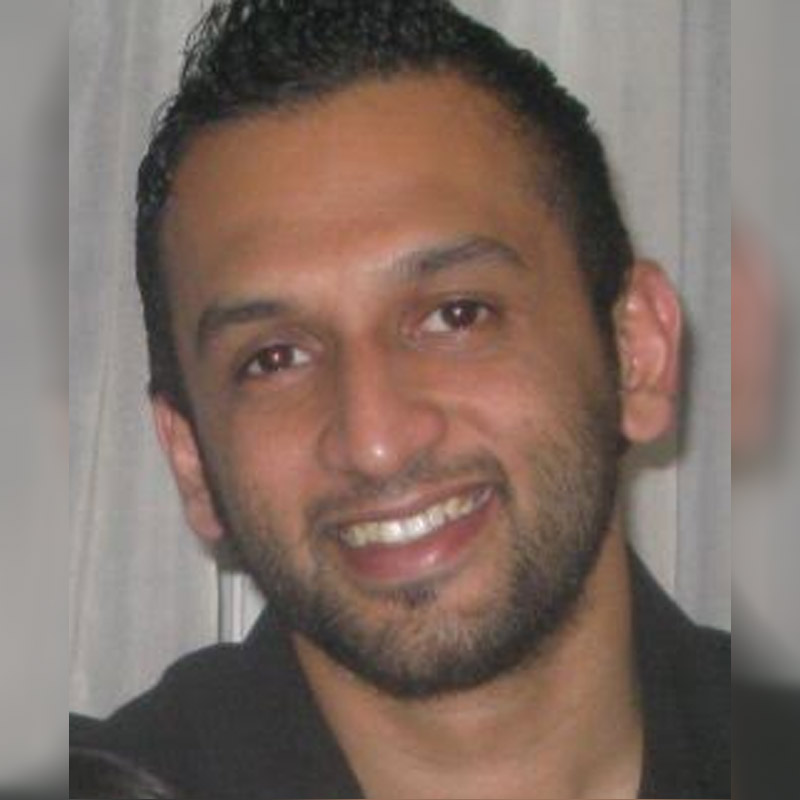
    MUMBAI: Kishore Lulla-Rishika Lulla Singh-run Eros Digital is muscling up. The digital content streaming and distribution company has signed up former Google and You Tube executive Ali Hussein as chief operating officer (COO). Rishika Lulla Singh is the CEO of the company.

    Hussein will be spearheading Eros’ digital initiatives including Eros Now, its cutting-edge digital over-the-top (OTT) South Asian entertainment platform.

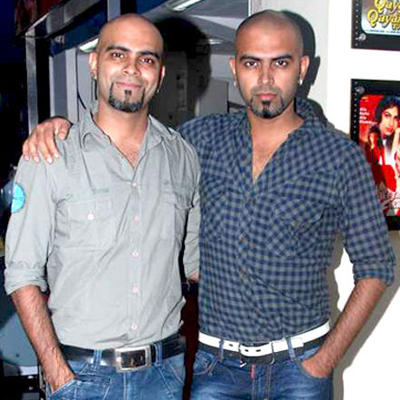
    Hussein is a co-owner of Monozygotic Productions promoted by Rajiv and Raghu Lakshman, Rajiv Luthria, Siddharth and Rahul Tewary (of Swastik Productions). Sources indicate Hussein will continue to retain his substantial stake in the company.  Monozygotic is behind reality show MTV Drop Out Pvt Ltd, which was launched last year.

    Rishika Lulla Singh said, “We are delighted to have Ali join the leadership team at Eros. The impact of digital technology on media consumption is growing at a rapid space, making this sector one of the most exciting in present times. At ErosNow, we are in a robust growth phase and continue to reinvent ourselves as a digital company. With Ali’s experience in media, entertainment and the digital space, we look forward to further capitalising our digital expansion strategy and I wish him all the best.”

    Prior to Monozygotic, Hussein was head of media partnerships, You Tube, where he spent around two and a half years. Before YouTube, he was assistant vice president of digital at Viacom18—looking after Nickelodeon, MTV and Colors—over a three and a half year period. And prior to that, Hussein was assistant general manager at Hungama Mobile.

    Speaking on his appointment, Hussein said, “This is an exciting time for the Indian digital landscape and we are poised to become India’s largest digital entertainment company. I truly believe Eros Now is an established global player that is best positioned to leverage this space with the strength of its vast content library and dominant market share and I am very happy to be a part of this opportunity to take the company to the next level”.

    Earlier this year, Eros Now, the group’s streaming app, had announced a five million paying subscriber base globally. Eros Now has partnered players worldwide to expand its offerings, including Amazon across the US and the UK, Roku in the US, Canada and the UK, and T-Mobile in the US. The company most recently partnered LG for its Smart TVs worldwide, apart from having deals with companies such as Reliance Jio, Airtel, Vodafone, and Idea Cellular in India.

    Eros Now is slated to launch its original shows soon.

    Also Read:

    Eros Now Available on Amazon Channels

    2017: The year OTTs went regional in India

    Eros reports higher profit margin despite fewer releases

  • MTV to air new reality show ‘Dropout Pvt Ltd’

    MUMBAI: MTV launched a new reality show MTV Dropout Pvt. Ltd, presented by Droom.in, powered by Micromax and Maruti Suzuki and grooming partner Gillette which will see the birth of the world’s first ever start-up formed on television.

    Created by Monozygotic and co-developed by MTV and Monozygotic, the show will premiere on 29 July at 7pm and next day onwards on Voot.

    Dropout Pvt. Ltd. is a show that will take viewers through the process of identifying and transforming ‘dropouts’ into the ideal start-up team and kick-starting their entrepreneurial journey.

    Expert businessmen who have excelled in their respective fields, Droom.in CEO and founder Sandeep Aggarwal, Mydala.com CEO and co-founder Anisha Singh, Games2Win CEO and co-founder Alok Kejriwal along with the show’s hosts and creators Raghu Ram and Rajiv Laxman will be a part of panels identifying and transforming ‘dropouts’ into the dream start-up team to kick-start their entrepreneurial journey.

    Speaking about the first season of Dropout Pvt. Ltd., Viacom18 youth, music and English entertainment head Ferzad Palia said, “India is brimming with young untapped energy keen on making ideas come to life and we at MTV, believe that as the largest platform for everything related to the youth, it is our responsibility to recognize, channelize and mobilize this energy by providing the youth with the right tools to make ideas happen. MTV aims at empowering these youngsters by providing them the biggest encouragement in the form of Dropout Pvt. Ltd. to kick start their entrepreneurial dreams. We at MTV realize that the youth today with their ‘go-getter’ attitude is willing to dream big to achieve their goals. We just want to give them the wings to fly.”

    Raghu Ram shared, “This exciting new show which revolves around the idea of entrepreneurship will be all about gutsy young minds keen on achieving their dreams. Rajiv and I saw a lot of potential in the idea of the show and we sat down with the MTV team to discuss and finalize the concept. The two of us together have conceptualized the show and will be producing and hosting the show as well. This is India’s first of its kind startup reality show aimed at the youth and we hope to boost the confidence of a lot of youngsters out there as we already have a long-standing connection with the youth of India.”

    “In a country like India where blazing one’s own trail is not encouraged too much; MTV is yet again taking a brave step by celebrating those youngsters who choose to go their own way by providing them with the correct platform to give life to their dreams. Through this show that has been conceptualized by Raghu and me, we aim to transform these young people into the ideal entrepreneurs and kick- start their start-up journey. When we were starting out, Raghu and I have had to go through a lot and hence understand the struggle and we both understand the youth very well due to the work we have done with them throughout our careers. It takes a lot to give up on everything and start something of your own and we are here to make this a lot easier for the youth out there,” said Rajiv Laxman.

    Speaking about the show, Aggarwal shared, “Dropout Pvt. Ltd. is a brilliant concept. This is an amazing platform for young minds who have a knack to start something of their own to be pitted against the biggest real-world business challenges, who must survive to form India’s dream startup team. Entrepreneurship is nothing without risk- taking and taking risks is scary whether you are going for a game of poker or quitting your college to pursue one of your promising business ideas. Entrepreneurship is a real test of once conviction, confidence and courage and the ones who take risks ultimately reach their destination. Dropout Pvt. Ltd. will be a great kick starter for all the risk- takers out there!”

    Singh also mentioned, “It feels exhilarating to be a part of the jury for Dropout Pvt. Ltd, especially after interacting with the kind of people that have walked in through the doors during the audition rounds. Each one had a phenomenal story or idea. It’s great that the Indian youth finally has a large platform to experiment with their ideas and launch their start-up dreams. We are looking for contestants who have the ‘self-starter’ attitude. Love that MTV recognizes that the youth today has bigger dreams and is willing to do what it takes to beat the odds. They are ready to change the status quo to make a difference. It’s time to become bigger than your dreams and MTV is giving you a chance to do it.”

    “It’s a different high being one’s own 8boss and a show like Dropout Pvt. Ltd. will help young minds kickstart their journey towards realizing their dream. Entrepreneurship is not only about being the best at what you do, it’s also about surrounding yourself with people who are smarter and can do a better job. MTV has given the biggest platform to young entrepreneurs to shed all their pretexts and learn how to build a company, not to sell but to keep,” said Kejriwal.

  • Synergy between quality content & branding workable in digital space, feel industry experts

    MUMBAI: Providing young ‘jobbers’ in India with new, engaging and emotionally-connecting original OTT content that may be closer to their life, family or work situations with or without subtle brand integration would eventually lead to a pay-model (SVoD). And, that seemed to the underlying theme of ‘Expanding the content creator value chain’ session at the recent Vidnet 2017 organised by Indiantelevision.com in Mumbai.

    Moderator Sidharth Jain opened the discussion with four interesting models of the evolving OTT content some of which, as claimed, got 100 million views. One was the self-funded yet reasonably successful model of a Bollywood struggler, Navjyot Gulati’s short film ‘Best Girlfriend’. The second was Jyoti Kapur-Das’ Royal Stag branded ‘The Chutney’. The third experiment was YouTube-discovered Tamil director, who used his film proceeds to part-fund an original episodic series on Hotstar, and the fourth was the recent Amazon Prime-commissioned ‘Inside Edge’ model, which is loosely based on IPL and its evolution.

    Given this context, especially in the last two years, where did the panelists think the opportunities for content creators were? How could one use these learning to draw up strategies? Who is creating value and opportunities for creators? These were some of the posers by Jain to panelists, which included Reliance Broadcast Network Limited CEO Tarun Katial, Still and Still Media Collective founder Amritpal Singh Bindra, Monozygotic’s Raghu Ram, Viacom18 Digital Ventures head of content Monika Shergill and Perform Group director, content sales, India, Subhayu Roy.

    “Independent content creators getting some 100 million views underlines my impression that platforms (films, television or digital) dictate the kind of entertainment that will be produced let alone what will work and what won’t,” said Ram, adding that he believed television was for group viewing and mobile for individual viewing, which made all the difference.

    Monozygotic’s ‘Aisha My Virtual Girlfriend’ pocketed several international awards. “A lot of unconventional people who have been struggling in films and television,” Ram felt, “will find their voice on digital.”

    However, the nascent OTT industry is still experimenting, it seems. “Honestly, I feel, we have just begun. And, those who claim they know it all or have figured it out, are talking through their hat,” said Voot’s Monika Shergill. Though, she added that digital was an exciting and formula-breaking medium where people were “judging you all the time.”

    Referring to `It’s Not That Simple’ (Swara Bhaskar’s six-episode web series launched in October 2016), Shergill said that nobody was programming for women at that point in time and most shows were being made for “young, urban boys”. But, Voot chose to a show a disruptive subject for a mature female audience. “It was narrated and depicted tastefully and thought provokingly done,” she explained, highlighting serious subjects too could work brilliantly on a digital platform.

    Dwelling on demographics and experimenting with originals going forward, Shergill said Voot’s core TG was 18-30 years. “There is a misconception that we (OTT players) are catering to a very young or college-going audience,” she said, “But, in fact, we are targeting around 10 million first-jobbers who may have moved away from television and actively looking for stories that talk to them.”

    Rejecting a recently-coined phrase that OTT viewers and content lie “between Narcos and Naagin” as a headline-catching phrase, Shergill was of the opinion a large part of the Indian audience, however, was looking for good stories (and) not necessarily emotionally connecting with those (international) characters. “They (the audience) are looking for answers — life’s answers, which are closer to family and work situations,” she justified her stand on audience’s need.

    However, not everybody seems to have a definite handle on the kind of content that really worked. “Whether it is 10, 12 or 25-minute-series, nobody can guarantee the viewer’s attention as analytics may have found out,” Amritpal Singh said, admitting that a good story couldn’t be “supplemented, complemented or replaced” for sure. Singh has worked on all three formats of films, television and digital.

    While admitting that people learnt new tricks everyday in the digital space RBNL’s Katial felt like the cinema audience changed from single screen theatres to that of a multiplex with everybody becoming a multiplex audience eventually, the digital audience also is changing evolving. “Crucial changes took place (in the audience profile) after the arrival of Reliance Jio…the profile of the video viewer changed completely,” he asserted, explaining that digital has opened up a new class of viewers.

    “Although, on the digital platform one gets the time and space to do newer stuff and feel satisfied, I don’t think anybody is going to make path-breaking shows such as `Narcos’ for sometime (in India) until the audience evolves and stabilizes,” Katial said, adding, however, the journey would be “enriching” — there would be actually opportunities to do many different things.

    Does one needs to look at segmentation such as regional content, low cost or premium content, regional or pan-India market? It could work sometime. Katial highlighted the case of a Hispanic series with English sub titles, a take-off on Narcos, which did well on Netflix, connecting with the audience.

    “This average underdog story with greed, love and lust has reached somewhere, but it may not seem to do well on traditional television in India. But, we have an audience which is willing to experiment,” Katial remarked, adding that though in India there is also a segment of audience that is more confortable with content in their regional language.
    But speaking on segmentation, Katial also said there existed a section of ‘free audience’ on OTT such as FTA in the television space. “The SVoD audience is different from the AVoD audience. The former loves quality content, “he added.

    However, OTT or digital space is not about just fiction — of good quality or otherwise. Sports globally not only are a big attraction, but also revenue earners. And, India too is following that trend, albeit slowly.

    UK-based Perform Group’s Subhayu Roy said it was important to offer content that resonates with the audience. In the west, sports broadcasters did a magazine-kind programming before or after a game giving audiences options such as highlights, best shots at the goal, for example and analysis.

    “One could experiment with that magazine programming thought process in India. With that, one could manage to have a fresh set of audience and break the formula to content creation,” Roy argued.

    Talking about the fiction versus non-fiction, Ram said that they were yet to come up with something that was native to digital, while Shergill felt “non-fiction originals” on OTT had a limited shelf life —like a bursting of a big cracker. But, both of them agreed engagement with the audience was important. `MTV Roadies`’ consumption numbers (on digital) paralleled television and `Big Boss’ too had similar numbers, it was claimed.

    Do digital audiences seek free content or support from brands is critical? While agreeing that brand integration was important, Shergill said, “One needs a revenue model with brand support for the kind of stories that you want to tell. But we have not limited ourselves to that. We have gone ahead and invested in quality content. We did several shows last year and invested in originals pipeline. Now, we are ready with our next slate of shows. If a brand comes on board, it will be good, but quality hasn’t been compromised on.”

    The audience is more open to the idea of subliminal kind of branding as compared to the ‘Paas Paas’’ in-the-face branding, Bindra felt.

    Panelists also agreed that Indians generally struggle with the concept of paying for good — especially original and quality content. “Indians have traditionally struggled with the idea of paying for content. It does not come to them naturally. But, it will eventually happen. One needs to create the kind of content that justifies the kind of subscription they pay,” Bindra explained.

  • Second season of ‘A.I.SHA | My Virtual Girlfriend’ to launch on Arré

    MUMBAI: Arré’s cult and award winning web series A.I.SHA | My Virtual Girlfriend is back with a season two. This season endeavors to further explore the maze of dimensions that go beyond the creation of A.I.

    Season two of A.I.SHA is about revenge, redemption and a revolution that threatens to destroy anyone who comes in the way of a mad pursuit of power, control and world domination.
    This season of A.I.SHA has six episodes and will launch on the Arré App, website (www.arre.co.in) and all its partner platforms, including Facebook, Youtube, SonyLiv, YuppTV, Vodafone Play, and others on 23 March 2017.

    Arre founder B Saikumar said: “We are overwhelmed with the response on A.I.SHA, a show that introduced a new genre within the digital space in India. Set in the backdrop of A.I, virtual reality and cyber crime, this season explores various emotions from love to revenge in the real and virtual worlds, promising to keep the viewer on the edge of his seat. A.I.SHA is very special to us since it was one of the shows that Arré launched with and we are thrilled to be coming out with a new season within the year.”

    The show is presented by Gillette Flexball in association with Palo Alto Networks and Indo Nissin Foods. Palo Alto Networks has also partnered with the series as script consultant and advisor, to bring in the required technical authenticity to the show.

    It is produced for Arré by Raghu Ram and Rajiv Laxman’s production venture, Monozygotic.

    Ram added, “We’re fast approaching a world where the power balance depends on who controls A.I. Season 2 is a peek into this exciting and scary world and A.I.SHA is at the centre of this deadly power struggle. This season takes this great game to the next level.“

  • Arre’s ‘A.I.SHA | My Virtual Girlfriend’ wins at WebFest

    Arre’s ‘A.I.SHA | My Virtual Girlfriend’ wins at WebFest

    MUMBAI: Arré’s first web series A.I.SHA | My Virtual Girlfriend has won the best overall web series and best suspense/thriller at South Florida WebFest in Miami. The show has been selected from among a selected screening of the best 27 global web series and short films that were shortlisted.

    A.I.SHA, Artificial Intelligence Simulated Humanoid Assistant (A.I.SHA) is India’s first AI-based digital series. The story pivots around the widely debated and chilling premise of what happens when artificial intelligence develops feelings and consciousness. Sam, the show’s protagonist, creates A.I.SHA, without realising the consequences, and thus begins a series of events that rapidly spirals out of control.

    “I am happy that A.I.SHA has broken new ground in the web series space in India and globally. We’re now excited about Season 2 and hopefully will pack in enough thrills and chills for our viewers,” said Arre founder B. Saikumar.

    The series is directed by Sahir Raza, written by Raghu Ram and Harman Singha and produced for Arré by Monozygotic. The show was presented by Gillette Flexball. To bring technical authenticity, the series has also partnered with Palo Alto Networks, a next-generation security company, as Cyber Security Advisers and Dell as the Technology Partner.

    Following the resounding success of season 1, Arré also launched a Telugu version of the show in association with Yupp TV and also plans to release a Tamil version of the show to reach out to a wider audience.

    The team has also begun pre-production work for season 2, which is planned for launch early next year.

  • Arre’s ‘A.I.SHA | My Virtual Girlfriend’ wins at WebFest

    Arre’s ‘A.I.SHA | My Virtual Girlfriend’ wins at WebFest

    MUMBAI: Arré’s first web series A.I.SHA | My Virtual Girlfriend has won the best overall web series and best suspense/thriller at South Florida WebFest in Miami. The show has been selected from among a selected screening of the best 27 global web series and short films that were shortlisted.

    A.I.SHA, Artificial Intelligence Simulated Humanoid Assistant (A.I.SHA) is India’s first AI-based digital series. The story pivots around the widely debated and chilling premise of what happens when artificial intelligence develops feelings and consciousness. Sam, the show’s protagonist, creates A.I.SHA, without realising the consequences, and thus begins a series of events that rapidly spirals out of control.

    “I am happy that A.I.SHA has broken new ground in the web series space in India and globally. We’re now excited about Season 2 and hopefully will pack in enough thrills and chills for our viewers,” said Arre founder B. Saikumar.

    The series is directed by Sahir Raza, written by Raghu Ram and Harman Singha and produced for Arré by Monozygotic. The show was presented by Gillette Flexball. To bring technical authenticity, the series has also partnered with Palo Alto Networks, a next-generation security company, as Cyber Security Advisers and Dell as the Technology Partner.

    Following the resounding success of season 1, Arré also launched a Telugu version of the show in association with Yupp TV and also plans to release a Tamil version of the show to reach out to a wider audience.

    The team has also begun pre-production work for season 2, which is planned for launch early next year.

  • What does young India want from TV shows?

    What does young India want from TV shows?

    MUMBAI: Reality shows with dollops of voyeurism or reality shows showcasing talent; hard-hitting real life stories or risqué fiction; fantasy or crime; comedy or cutting edge adventure… what is it that the youth of today wants from television in terms of entertainment?

    While a few shows successfully manage to pervade all society’s echelons, a few fail to take flight. Moreover, now with the digital entertainment landscape augmenting every day offering fresh new content on the go, broadcasters have their task cut out for them to engage the young and restless minds with relevant programming.

    A question that often echoes in the conference rooms of broadcasters and production houses during brain-storming sessions is: What does the youth of today want from television in terms of entertainment?

    Roadies fame and Monozygotic co-founder Rajiv Ram rightly points out, “Today’s youth is always seeking content by consuming it across different platforms, which are available to them. The youth wants to get surprised with edgy content diverting from the mainstream content that is provided to them.”

    Not the ones to follow herd mentality whether it is about career choices or personal life decisions, the youth today wants to bring a change in society and this also reflects in the kind of content that TV shows today are are furbishing them with.

    The youth fare on television today offers a diverse range of life changing shows like Big F, Emotional Atyachaar, Love by Chance, Pyaar Tune Kya Kiya and Gumrah spreading awareness amongst the youth through hard hitting stories. At the same time, shows like Sadda Haq and Yeh Hai Aashique aims at breaking society’s prejudices and stereotypes. On the other hand are reality shows like Roadies, Splitsvilla, Bindass Naach or India’s Top Model, which provides a platform for youngsters to showcase their talent and skills. Bad Company, a talk show, lures the young audience with its concept of revealing the deepest, darkest secrets of TV actors.

    It’s no secret that viewers are the biggest decision makers when it comes to the success of a show. What is perhaps lacking in the youth entertainment landscape today is experimental content, which dares to take some risks. While last year one did see some shows like Warrior High, Roadies X2, Big F, India’s Next Top Model and Love School breaking the shackles with new concepts on MTV, the fact is that there’s a need for more such shows targeting the youth. And while MTV was experimenting with its programming, Channel V and Bindass were not far behind with the launch of shows like Swim Team, Bindass Naach, Tu Con Mein Con, Zindagi Wins and Kota Toppers.

    “A show like Swim Team would not work in India because of the content. It is indeed new, but the youth cannot relate to the concept. On the other hand, a one of its kind dance reality show Bindass Naach will attract viewers’ attention with its concept portraying a trio living for their dreams,” adds a media expert.

    With the buzz created by Big F and Love School, both shows are giving strong competition to existing shows in the category. “The add-on factor to these two shows is that they have roped in familiar industry names as the host to gain some traction,” points out a channel executive.

    The entertainment pyramid is well layered with each level catering to a diverse set of audience. While at the base of the pyramid is the audience consuming content from the internet services, the level above constitutes of people consuming information from the various over-the-top platforms (OTT), which offers content catering to the youth. At the third level is the consumption of international shows and at the tip of the pyramid is a pure experience i.e. live shows. At every level of the pyramid, the youth expects different content.

    Supporting this, erstwhile Viacom 18 EVP and MTV & MTV Indies business head Aditya Swamy, who is now with Flipkart as senior director – marketing says, “The pipe is getting bigger and better every passing day with one end through which the information is being poured to the audience and the other end through which the youth is consuming the content. The content ecosystem is vibrant constituting diverse information for a group of people, who are totally different from one another and have a divergent content preference, which cannot be clubbed together as one.”

    On the other hand, with the growing access to internet, the young generation has the option to consume anything and everything from the web sans barriers. “There is information all around us but it’s on the youth to take the call. They have to use, assimilate and make sense of the information. The only problem that I believe in India is navigation. And the need to have more relatable and real characters that the youth can connect with,” adds Bawa Broadcasting creative director Cyrus Oshidar.

    Added Sunshine Productions producer Sudhir Sharma, “Channels need to understand the need of the youth and what will grab their attention. They won’t consume information that doesn’t interest them. A show done out of a random research won’t work. The youth plays the role of a dual personality these days and you have to link your content with their lives to penetrate the show,”

    Sharma strongly believes that skin show or bold scenes won’t get views, instead more relatable content will get good following.

    “With changing trends, the youth will demand different types of content. Sadda Haq is successful today because of its theme, which goes against the rules laid down by the society. The show successfully bridges the gap between the reel and real characters. The youth will heavily consume such content,” asserts Beyond Dreams founder Yash Patnaik.

    “Roadies X2, with its new concept and jury was well received by viewers. It did well not only because of the recall element attached to it but also the concept, which kept the audience on their toes to know what’s in store for them,” observes an industry expert.

    The youngsters have been hooked to some popular international shows through the internet services available to them. Shows like F.R.I.E.N.D.S, How I Met Your Mother, Sherlock etc, are widely watched in India. However Patnaik is of the opinion that though shows from the West have enjoyed success in India, they still cater to a limited group of people. “Original content will still be consumed on a larger scale, which cannot be matched,” he says.

    India’s Next Top Model, which is an adaption of America’s Next Top Model, proved to be successful with the buzz that it created. “I don’t think that there is a need to acquire content when we have enough talent available in India to create original shows,” adds Patnaik.

    The year has seen shows like Warrior High or Zindagi Wins going off air in just a few months. While the former was an interesting campus tale with dozens of love moments between the couples, it could not help grab enough eyeballs. On the other hand, the latter being a medical drama moulded on the lines of Dill Mill Gayye, started off as a romance between two friends, but lost its spark halfway. In the absence of a convincing storyline, the show saw an influx of new characters but failed to strike a chord with the audiences and had to make an early exit.

    “Production houses need to constantly re-invent content with the changing dynamics in the society. They can’t feed one type of a content for years,” says Patnaik.

    The youth today is consuming information simultaneously from different platforms and wants shows, which can be consumed easily in one go. And now more so with the launch of Netflix in India, which uploads the entire season of shows at one go on their subscription driven platform, people have yet another legit platform to go to! Swamy rights points out that as the audience will evolve, so will the content model and hence platforms for better consumption of information will evolve. “The entire media – digital or TV – is growing at a steady pace,” he says.

    Also emphasising on the concept of branded entertainment, Sharma points out that if shows stick to brands, they ought to work in India. “The business of shows is dependent on ratings as well as on the funding from advertisers,” he says.

    “Advertisers need to understand the content that the services are providing to the viewers. They cannot provide diluted system fed information to the youth. In today’s scenario, audience segmentation is an issue and needs to be solved so as to retain the youth audience. The youth requires risky, humoristic, never seen before content with elements of surprise,” adds Ram.

    “With the change in consumer trends, channels along with the production houses have to understand the content that they are providing to the youth,” adds Swamy.

    Ram says, “Even advertisers have to understand the content on such channels in a better way and develop the bridge between real and reel life characters. Channels need to work on their programming strategies to keep the audience intrigued. Only then will the entire industry grow as a whole,” says Ram.

    The need of the hour for youth entertainment channels is no doubt to dish out some edgy relatable content, which will in turn keep them glued to traditional TV viewing even in the rapidly expanding digital world.

  • Pepsi ropes in Raghu & Rajiv for Crash the IPL TVC

    Pepsi ropes in Raghu & Rajiv for Crash the IPL TVC

    MUMBAI: Rajiv Laxman and Raghu Ram have garnered a cult following thanks to their histrionics on MTV Roadies. Now global cola giant Pepsi has roped in the terrible twins in a bid to stoke the voting instincts of online video guzzlers in India to help it decide which consumer generated commercials (as part of its Crash the IPL campaign) make the cut and make it on broadcast television. 


    The duo has produced a commercial under the umbrella of their production house Monozygotic. The TVC is slated to go on air in the next day or two (on MAX and SIX respectively), though it has already made its debut on YouTube. 


    Both Rajiv and Raghu have gained notoriety over the past decade as the very hostile audition hosts of MTV Roadies (which they quit late last year) who bludgeon contestants with their nastiness.  


    The Pepsi TVC begins with the producer of a show tearing his hair out about the low audience ratings it is garnering. His team informs him that the ratings have fallen because the brothers have been extremely kind towards the contestants appearing for the auditions. And a flashback follows. Almost every participant sails through the brothers with them telling each one “What the Stress Yaar?” 


    In the TVC, the producer then schemes with Rannvijay to help them get their trademark hostility back. He hides their Pepsi while they very sweetly select a contestant. When they discover their Pepsi is missing, they flip their lid and their nastiness erupts again to the delight of the producer and Rannvijay. The TVC ends with the tagline “It’s beeping awesome.”


    Speaking to Indiantelevision.com, Laxman says, “When we got a call from Pepsi, we were overwhelmed and decided to be a part of the creative innovation. We decided to play around with our USP and come with something quirky and progressive and that’s how ‘What the stress’ came in.”


    Adds Raghu Ram, “We are very excited to partner with Pepsi on the Crash the Pepsi IPL since it is a first of its kind property that empowers viewers to become content creators on both the TV and digital screens.”

    The TVC, which was completely shot in Mumbai has been directed by Bollywood director E Niwas.  “It was made on an extremely shoestring budget as the major departments including the casts, cinematography, music were taken care of by friends who collaborated for free,” says Laxman. “Raghu and I have been in the creative space for more than 20 years and now we want to use our experience to provide creative solutions for brands, which will be interactive and modern and help them develop a strong youth connection. Creativity is evolving every day and as screens start to merge, brands will have to be more innovative and interactive. So I think creative innovations like Crash The IPL have  the potential to become a strong precedent,” he adds.


    Speaking about the launch of the new TVC, PepsiCo India Beverages senior director marketing – social Ruchita Jaitley says, “This ad film by Raghu and Rajiv definitely adds more spunk to the campaign and will mobilize consumers to go vote for their favourite ad. We are overwhelmed at the kind of response Crash the Pepsi IPL has seen so far. It has been amazing to see how consumers and fans have taken on the creative challenge and shown their love for the brand. This is an all-important phase for the campaign, as we now hand over the reins to the consumers. India will now decide the next winner of this campaign and we’re keen and excited to see how this will play out.”