Tag: Monika Shergill

  • Netflix’s Monika Shergill talks about crafting stories for every mood on OTT

    Netflix’s Monika Shergill talks about crafting stories for every mood on OTT

    New Delhi: The OTT platforms have taken the world by storm. If there is one key trend that has completely revolutionised the way content is now being created across mediums, it is definitely these new-age platforms. And leading the way is OTT giant Netflix which currently boasts of over 209 million subscribers worldwide.

    From originals, sit-coms, documentaries, adapted formats to movies, the platform offers something for every kind of viewer. It will also be completing ten years in original programming soon, globally.

    “In all these years, we have tried to offer all kinds of stories on our platform – stories that feel real, and have universal emotions. We have had powerful novel based series, and multiple seasons each told in a fresh way,” says Netflix India, vice president, content, Monika Shergill at the fifth edition of The Content Hub 2021, which concluded recently.

    The three-day mega event organised virtually by Indiantelevision.com brought content makers from the world of television, films and OTT on one platform to delve upon the evolving media and entertainment industry. Indiantelevision.com’s founder and CEO Anil Wanvari got into an engaging fireside chat with Shergill about Netflix’s journey of creating content for the Indian masses.

    “Netflix is creating stories for every mood,” highlights Shergill. “As a streaming service, we are designed very uniquely. Everyone’s version of Netflix is different. You can experiment according to your taste, and try new content anytime you want. The way Netflix is designed, it is to really reflect as many lives as we can, mood within moods, genres, creating an ocean of stories and unlocking its full potential.”

    The French series, Lupin which was released on the platform in January remained among its Top 10 shows across most countries for weeks. It recently released Taapsee Pannu starrer Haseen Dillruba, and Kriti Sanon’s Mimi, and is gearing up for the release of the much-awaited fifth season of Spanish drama Money Heist. Then, there is the American teen romantic comedy, The Kissing Booth 3 in August.

    Haseen Dillruba has been trending ever since it was released. Ray (an anthology based on the works of Satyajit Ray) also spiked audience’s interest. Money Heist remained in Top 10 for 117 days last year,” Shergill says joyously. “What we are beginning to do is to create programming catering to different tastes. One story cannot work for everyone and we understand that everyone has different tastes, which we must cater to. Viewing of Kids content has increased by 100 per cent, and also the documentaries and films in different languages.”

    The final season of Money Heist is now set to launch in two instalments of five episodes each on 3 September and 3 December.

    The platform had announced as many as 41 titles early this year, and has a huge pipeline of new series, shares Shergill. “Finding Anamika will mark Madhuri Dixit’s debut on OTT. Then we will have another web-series, Yeh Kaali Kaali Ankhein in August which is a dark romantic series, bound to surprise everyone. R Madhavan will be seen in the comedy series, Decoupled. So, yes, we programme for every mood and taste,” adds Netflix India’s top executive, “Family dramas are also close to our hearts, and they appeal to the widest set of audiences.”

    According to Shergill, the platform has also made its mark as a global platform that has been successfully bringing best of stories from the world to India and vice-versa. “At a time when people cannot travel physically, we are taking them to different places through our stories. We are glad we are able to do it. All we want to do is entertain, and we promise that we have something for everyone. And, we deliver it to them in a responsible way,” she sums up.

    The fifth edition of the Content Hub 2021 was co-presented by IN10 Media Network and ZEE5, and co-powered by Applause Entertainment and Tipping Point, the digital content unit of Viacom 18 Studios. PTC Network was the supporting partner.
  • Srishti Behl Arya to quit Netflix India

    Srishti Behl Arya to quit Netflix India

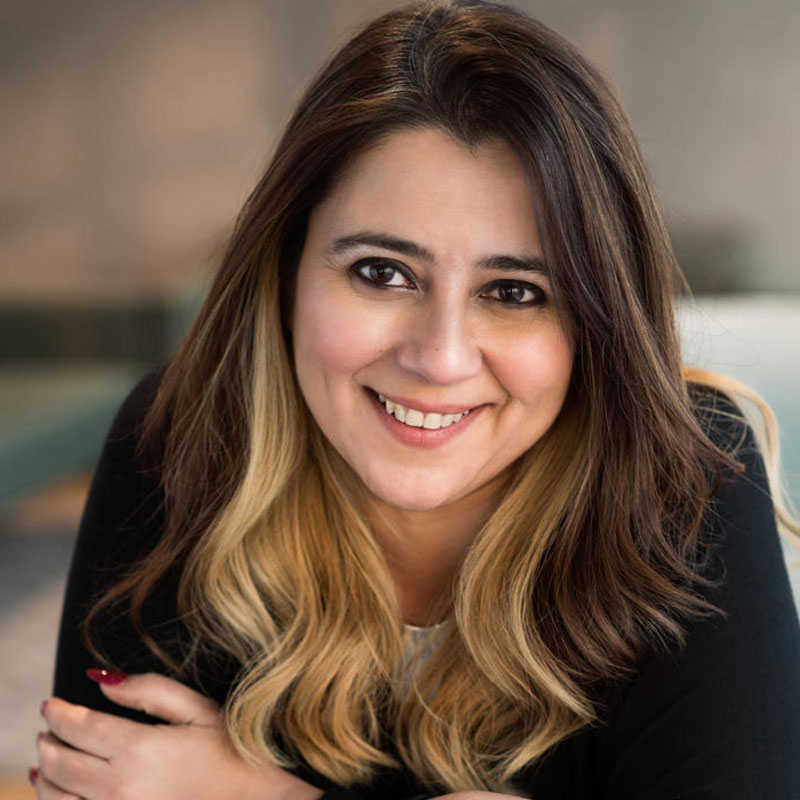
    KOLKATA: After a three years’ stint, Netflix India original films director Srishti Behl Arya has decided to move on. The veteran content creator joined the streaming service in May 2018 just when it began to expand its Indian content team. 21 May will be her last day at the company.

    Behl Arya has played a pivotal role in building Netflix India’s original film slate as starting from Hindi and then moving to regional markets as the competition around streaming intensified. In the last couple of years, the streaming giant has aggressively built its local library, enhanced its content investment in India. It began the year by unveiling a library with more than 40 originals consisting of as many as 13 movies.

    “Srishti has played a foundational role in building our original film slate in India, launching 35 titles over three years with critical acclaim and fandom including Guilty, AK vs AK, Bulbbul and Serious Men, and our first Tamil and Telugu films, with Paava Kadhaigal and Pitta Kathalu. We wish her every success and know she will bring her passion for storytelling to her future endeavours,” Netflix India VP content Monika Shergill said.

    Leading the Netflix originals film team in India over the last three years has been the adventure of a lifetime, Behl Arya stated. “I am incredibly grateful for this opportunity and have learned so much along the way. I couldn’t be more proud of the stories we’ve told, from first time directors, female filmmakers, established voices and so many fresh faces. I wish this wonderful team all the very best and can’t wait to see what’s ahead,” she added further.

    However, film remains a focus and priority investment for the streamer in the country. India is a key focus area for Netflix. It has not only commissioned local language content but has moderated subscription packs for mobile centric viewers, and launched its Hindi user interface.

  • Industry heads see huge headroom for growth across TV & digital in India

    Industry heads see huge headroom for growth across TV & digital in India

    KOLKATA: At the Asia Video Industry Association’s (AVIA) recent Future of Video India conference, industry leaders remained upbeat about the potential for growth in India’s television landscape despite a painful 2020 which had seen a 25 per cent drop in TV advertising revenue.

    The conference opened with an overview of the Future of Video in India with Media Partners Asia (MPA) India VP Mihir Shah. With learnings from the last year and economic resurgence in certain sectors, MPA predicts that in the next five years, with every new incremental dollar in the region, India will have 35 per cent share, almost evenly divided between television and online video.

    While cable in general is going through a structural decline, pay-TV subscriptions will grow both in value and volume and continue to offer scale for the traditional media players. And with more than 60 online video services in India, the total addressable market will continue to expand.

    This local expansion is what Disney+ Hotstar president & head Sunil Rayan is eyeing, with the streamer’s next stage of growth primed at developing their product for India, with pricing and content made for the local market. As India is a mobile-first market which drives individual viewing, while OTT and TV is not a zero sum game, OTT content needs to be far more engaging for individual viewing. “Fundamentally, we don’t believe in a one-size-fits-all approach for India because there are multiple Indias within India,” mentioned Rayan.

    The sentiment of diversity and positive co-existence among the platforms was echoed by Discovery Communications India south Asia MD Megha Tata. “India lives in several centuries at the same time,” she said, and this is not only the beauty and complexity of the market but also the opportunity to do more. While it is still a long way away before the demise of the TV, a differentiated content and product offering remains a key focus.

    “Content is king . . . distribution is god . . . that play of god and king will continue but differentiation of content will play a critical part in decision making,” added Tata.

    This focus on local content is also what drives content platforms. Netflix India VP content Monika Shergill shared that premium storytelling was a new space in India, as Indian audiences were open to experimentation and yet gravitating towards highly local tastes. “Our job and our passion is to find the best stories . . . the biggest stories . . . the untold stories from India and to become the service of choice for Indians in India . . . and in different parts of the world,” shared Shergill.

    For Zee5 Hindi Originals head Nimisha Pandey, the initial focus was on building volume, though it has now shifted to adding to the variety and scaling up the content offering. She, too, has realised the need to up the game on the regional market for the next set of growth. “There is so much demand that there is much hope for everyone to grow their businesses,” said Pandey.

    As the market where the next billion consumers of video will come from, Zee5 Global chief business officer Archana Anand summed it up best when she said, “It is the decade of video.”

  • Netflix India shares what worked for the platform in 2020

    Netflix India shares what worked for the platform in 2020

    NEW DELHI: Since its launch in 2016, Netflix has been making substantial inroads in India. Initially, despite having a massive content library, it would still lose out to rival streaming services because of its pricier subscription plans. With the twin aims of retaining users after the one-month free trial and widening its subscriber base, Netflix last year introduced its mobile membership plan, priced at only Rs 199 per month.

    In its last earnings call, the CEO of the streaming platform  stated that India is a priority market for them. It has been working tirelessly to attract Indian audiences to sample the platform. A week ago, Netflix held StreamFest, where it offered free access to its content across the country with the objective to create buzz and get newer audiences.

    The streaming platform also has an extremely active social media platform that continuously keeps the audiences engaged with its witty and funny tweets, YouTube community posts and collaborations with influential Indian vloggers and content creators.

    In a recent blogpost, Netflix India VP content Monika Shergill shared some insights into ‘What India Watched in 2020.'

    She began with stating that India has the highest viewership of films on the platform globally. “It’s no surprise that we love films in India. India has the highest viewing of films on Netflix globally and over the last year, 80 per cent of our members in India chose to watch a film every week.”

    While Extraction, Malang and The Old Guard were the most popular action films, Raat Akeli Hai was the thriller that kept audiences on the edge of their seats.

    “Ludo was the most popular comedy film. Ala Vaikunthapurramuloo (Telugu), Kannum Kannum Kollaiyadithaal (Tamil), Kappela (Malayalam)and Uma Maheswara Ugra Roopasya (Telugu) are among many other films that featured in India’s Top 10 row,” she added.

    There is no doubt that OTT platforms have created a level playing field for the new talent in the industry. Netflix’s original shows and movies include top actors and fresh blood.  

    Shergill shone the light on strong female leads that viewers admired. “We gravitated towards stories with strong female characters across genres and formats. The inspiring story, Gunjan Saxena: The Kargil Girl, was the most popular drama film in 2020. The other popular films and series in India this year included Guilty, Masaba Masaba, Bulbbul, She, Miss India, Never Have I Ever and Emily in Paris,” she wrote.

    “Talented new actors became the face of clever scammers in Jamtara: Sabka Number Aayega. This thriller became the Indian title to feature the longest on the Top 10 row in India. And we saw one of our favourite actors return as Ayyan Mani in Serious Men, one of the most popular drama films this year. Confused because your fan loyalties may be shifting? Well, you are not alone,” added Shergill. 

    Shergill went on to note that the viewing for non-fiction series on Netflix in India grew more than 250 per cent in 2020 over 2019.

    “The most popular non-fiction shows that got us hooked were Too Hot to Handle, Indian Matchmaking and the recently released Fabulous Lives of Bollywood Wives. Documentary viewing also grew more than 100 per cent in 2020 over 2019, and Bad Boy Billionaires, The Social Dilemma and Money Heist: The Phenomenon were the most popular documentaries on Netflix in India this year,” read the blog by Shergill.

    As they say, all we need is love. Shergill mentioned that Love Aaj Kal, Ginny Weds Sunny and Mismatched were some of the most popular romantic films and series that made us swoon this year. “In 2020, the viewing for romantic stories on Netflix in India increased by roughly 250 per cent compared to 2019,” added Shergill.

    In the kids genre, she wrote that the viewing of kids titles increased more than 100 per cent in India in 2020 over 2019.

    “The kids adored traveling to outer space with Over The Moon, which was the most popular kids’ title on Netflix in India in 2020. The kids also loved to discover the meaning of a family with The Willoughbys and Boss Baby: Back in Business (S4) and grooved with Feel the Beat. Special mention to the lovable Mighty Little Bheem (S3) that featured in the top 10 lists in the most number of countries globally,” she stated. 

    Great stories can come from anywhere. Indian audiences also keenly watched a lot of international content across languages. “This year, we explored stories from around the world, making the best use of subtitles and dubs. The German series Dark made our world go forward and back and then back and forward and then some, and the Spanish series Money Heist, made us wish that we were in the bank when Tokyo, Berlin, the Professor and many others took over. Dark was on the top 10 row in India for 95 days and Money Heist featured on our top 10 row for 170 days. The Turkish series The Protector is among the most popular titles in the fantasy genre this year and was also the non-Indian, non-English title that was viewed the most with subtitles and/or dubs. Pokémon: Mewtwo Strikes Back-EvolutionBlood of Zeus and One-Punch Man (S2) were the most popular anime titles in India this year.” 

    Interestingly, the viewing for K-dramas on Netflix in India increased more than 370 per cent in 2020 over 2019, shared Shergill. Some of the most popular K-titles in India included The King: Eternal MonarchKingdom (S2)It’s Okay to Not Be Okay and Start-up.

    The platform is growing massively in India and is teaming up with multiple partners to bundle its offerings. It is working to make  payment processing easier and seamless. Overall, the company added 2.2 million subscribers worldwide in the quarter ended 30 September.

  • “Lockdown exposed audience to streaming services, cultivating new behaviour”: Netflix’s Monika Shergill

    “Lockdown exposed audience to streaming services, cultivating new behaviour”: Netflix’s Monika Shergill

    International streaming giants have revealed their audacious plans for India already. Before setting an ambitious goal for India what Netflix has done is expanding the team here with experts who have knowledge of the local market. Monika Shergill, the creative mind who has been associated with leading local names in the television industry, like Viacom18 and Star India, is now with the international streaming service. One year into her new role, she has been focusing on churning out interesting stories for the country. Although Shergill was appointed as director of the series, she is now handling the Indian content slate for the platform as VP content. 

    In a freewheeling virtual fireside chat with Indiantelevision.com founder, CEO and editor in chief Anil Wanvari, Shergill shared how the last four months fared for it, the content strategy, plans for other genres like animated content in India and the nature of the new set of audiences coming to the platform. 

    Edited excerpts:

    Your role has been redefined. Could you tell more about this?

    I joined a year ago. I joined as director of series, now I handle India content slate and I have an absolutely fabulous team and all of us are working together on the great slate that we are planning to roll out. 

    How have been the last four months for you and your teams?

    Pandemic, in general, has been difficult for everyone. Not just from the lockdown but from so many different aspects. I think it has not been easy for people across the board. Work has been a very important part of keeping engaged and busy. At Netflix particularly, what been important for us is to be able to do some sort of meaningful time where you are working on something which is impacting someone, somewhere making it easier for them during such a difficult phase.

    What has kept you busy? Are there any changes you have made post the lockdown in the process of commissioning and development?

    Travel has been restricted. So many other things have changed for other industries and entertainment also. For work, specific things I can say, we are fortunate we can work remotely with minimum disruption. Yes, the production has been stalled that’s challenging for a lot of people. But from a preparatory perspective, if I were to say it has been an intense and prolific time for a lot of creators because it gave a pause to everyone to look at ideas, write and pitch. For Netflix, it has been an intense time from meeting creators, pitch meetings and writers reaching to us. We have been very busy with everything post which we announced and we are rolling out now. A lot of people have been gainfully engaged and turning out high-quality work. 

    Are there going to be changes in functions?

    First and foremost, the safety and security of the crew are really important. While we all are itching to go to production, I think it is really important for us to ensure safety. As you know streaming projects are very large scale projects and a lot of people are involved. Generally, production is a high-touch environment. So, it’s important to have the right protocols. At Netflix, we have global best practices and we are also working with local government, producers’ body and all of our projects teams. Whenever we go into production, it will be with the highest standards, keeping all of these things in mind but meanwhile, we are writing, doing prep, casting, etc. I think it’s the same for all the streaming platforms.

    For Netflix, we are fortunate to be a global service where we have a tremendous pipe of content. We are really ahead of the curve in terms of that. Production has opened up in several countries. Even in the last four months, Netflix has been constantly bringing out new content every day from across the world. For us being a full-scale service and content coming out of everywhere and being available to you at your convenience at your language of choice is something we really work hard.

    Who are the new sets of audiences on the service?

    It’s actually not restricted to a particular area. I won’t say it is from tier III cities. Netflix is a different kind of service but yes it is from metros, mini-metros and age-group agnostic. In Netflix, it’s about accounts. So, what we know is that a certain account has signed up with us and we have different profiles. There are family accounts, couples watching and the individual. As a service, we have a very diverse set of members. What we know is what content they are watching and that is most important to us. That is how we are able to recommend to them what should they watch.

    There has been a rapid surge of OTT consumption during this time. But as TV shows are coming back, will that affect streaming viewership?

    Honestly, TV consumption was not even down before. The way the old epics performed, even on GECs. A lot of the channels were playing epic, old successful shows. The viewership was not peaking but it was good. From a steamer perspective, there was a huge burst of people who joined at the beginning of the lockdown. We also know these are temporary numbers, temporary surge. The big uptake, in the long run, is temporary. I feel what has happened, what is different, what the last four months have done is actually a whole lot of new audiences have experienced what streaming content is like, what the experience is, access to premium content is like. Perhaps numbers will go down but in terms of experiencing new service but it is a cultivated behaviour which will prevail.

    OTT platforms have been acquiring movies lately but that pipe will also dry if productions don’t resume. How will the platforms churn out content?

    Actually from our perspective, the way we are positioned both in India and globally, we have a slate for the next few months. Globally, productions have opened up in many places. We are also many quarters ahead in terms of getting our content ready. I don’t see us in trouble unless things take a turn for the worse and don’t improve for several countries. Then we probably may have a challenge towards the second half of next year. But I am hoping that does not happen for the sake of everyone because there are so many livelihoods involved. And I am also hoping all of us are figuring out solutions; there are medical solutions to the situation, there are other innovative solutions that we may bring in production. I am hoping we are able to get back to production soonest and safely.

    Regional services like ZEE5 have large content. Services like Netflix have a global mix of content but the width of slate is also important in local languages. What do you think about that?

    I agree with you that ZEE5 has a lot of local content but actually for us at Netflix, even also from an Indian perspective, we have been releasing at least three new content pieces, a mix of series, new films between licensed and originals. The way people consume Netflix enjoy Netflix is a mix of what they watch from global and Indian slate. Netflix is far from slim from both perspectives.

    Do you have plans for animated content in India?

    We are always looking for breakthrough ideas and interesting stories. If you look at our slate also, animation is on our radar. We have a very talented vertical in-house for family and kids entertainment. They are making a lot of animated content. Our internal animators are working with creators in India.

    What is Netflix doing in regional spaces?

    We are very excited about the different language content we have at our service right now. As we are moving along, it’s going to be more and more robust. It’s a very important focus area for Netflix. 

  • Netflix and its India story

    Netflix and its India story

    MUMBAI: Netflix has been making  a good catch wherever it has been spreading its net over the past three years. But viewers in Indian waters do not get snared easily by the bait of snazzy and edgy content like in other parts of the world and that is something the streamer learned the hard way. It made a scratchy debut with just a handful of original shows and a thin catalogue of local content in 2016. Net result: only the top sliver (in the hundred thousand or so) of India’s 1.3 billion populace bit and it was left wondering why the service was not getting traction like it was elsewhere.

    The answer lay in localisation: India’s masses care very little about Stranger Things or Black Mirror – Bandersnatch – two series that fired viewers’ imaginations in several countries. Indians would rather watch a Naagin or a Nazar. And just having a Sacred Games and a couple of local movies and shows were not enough to make Indians flash out their check books or credit cards to pay the stiff Rs 700- plus monthly fee in a market where cable TV offered a smorgasbord of 700 channels at less than half that price. And CEO Reed Hastings' promise to shareholders that India would bring in the next 100 million subs seemed like an empty one.

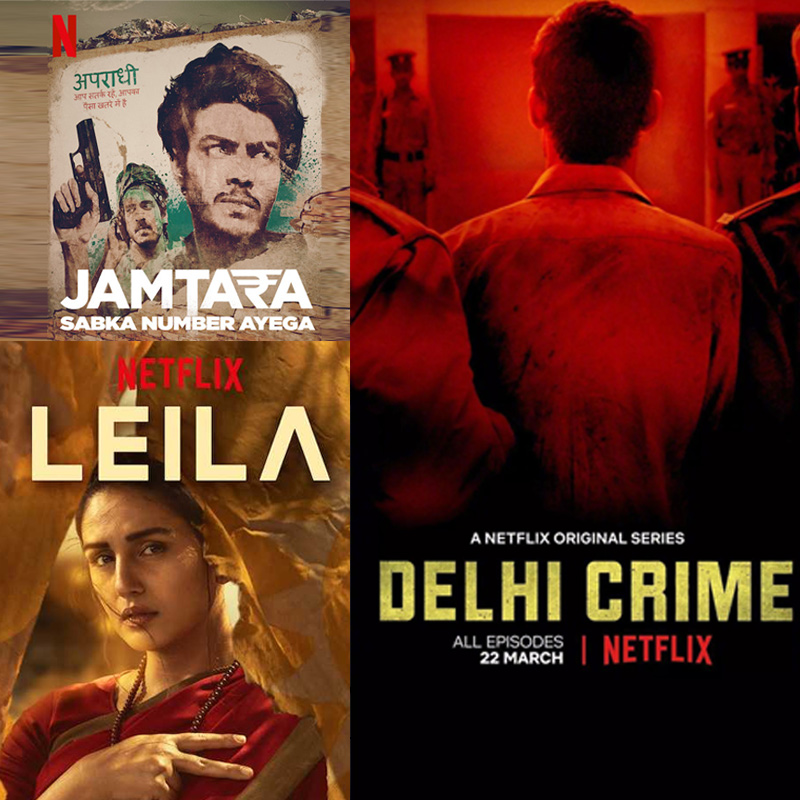
    Cut to 2020: the SVOD platform seems to be getting its act right and has rolled out a slate of local originals –both films and series – like Yeh Ballet, Sacred Games, Jamtara , Leila, Delhi Crime – and many more are in pre-prod stage or on the shooting floor.

    According to media reports, its financials too are getting better. Netflix’s India business grew more than 700 per cent during financial year 2019 recording revenues of Rs 466.7 crore and a net profit of Rs 5.1 crore. Hastings continues to have lots of faith in India’s entertainment-hungry viewers: he has kept a stash of Rs 3000 crore to invest in original content over the next two years.

    India needs that kind of investment; maybe more. There are more than 150 free-to-air channels offering TV shows (fiction and drama), movies and a lot more. Premium cable and satellite pay TV general entertainment channels at Rs 12 to Rs 19 also don’t cost that much. And they offer entertainment which suits the milieu that they are living in and even meets their aspiration needs. The main Indian broadcasters Zee TV, Sony, Star and Viacom18 have strong streaming services, ZEE5, SonyLIV, Hotstar and VOOT, which not only serve the linear feeds of the GECs but also offer the shows and movies on demand, apart from offering premium digital-only originals. Then there are independent streamers like AltBalaji, MX Player, hoichoi and ShemarooMe, which too have interesting programmes for their viewers.

    What bodes well for Netflix is that it has invested in local hires like Monika Shergill, Srishti Behl Arya, Aashish Singh with lots of experience in the local media and the entertainment industry. Earlier, for the first two years, Netflix executives in Los Angeles had oversight over the India office and the content that was being acquired and churned out. The perks of a team familiar with local content is already reflecting in the recent content slate.

    Since the end of 2018, the dramatic change in the overall approach has become noticeable. The platform has joined hands with big names of B-Town like Karan Johar, Shah Rukh Khan, Anurag Kashyap, Dibakar Banerjee and Vikramaditya Motwane. Kashyap’s Sacred Games was the first Indian original series to give the platform prominence in the cluttered market. While Red Chillies Entertainment’s Bard of Blood was critically acclaimed, Dharmatic Production’s Drive received negative feedback. At Indiantelevision.com’s The Content Hub 2020, Netflix’s Aashish Singh said that a number of people watched the film adding that the service does want to create content for every mood of the member and every segment.

    The diversity of Indian audience may sound a cliched and over-stated fact but no one can deny the truth. Film-buff Indians can now watch erstwhile star Manisha Koirala in its upcoming original film Maska. The platform has also slated a comedy special original Ladies Up. Mighty Little Bheem will also get a new season soon. To battle with the broadcaster-led platforms like Zee5, Hotstar, Voot, which have legacy content and international rival Amazon Prime Video with its shopping benefits, Netflix must reach into the heartland or Bharat as it is called. Especially when it looks to sign on that humongous 100 million subscribers from the country.

    Indians are price-sensitive consumers and it's a well-known fact. As is the fact that India is a mobile-first video consumption market thanks to cheap handsets and almost-free data plans. Last year, Netflix hit both these peculiarities by launching a mobile-only pack for Rs 199 per month as against the Rs 799 for the premium large screen experience. In its latest investor conference call, Netflix chief product officer Greg Peters said that thanks to this, they have been able to add incremental subscribers along with an increase in retention.

    The platform is also coming up with more innovative marketing strategies. Over the last year, Netflix India’s social media presence has also started gaining more word of mouth in the vast e-universe of the country. It is also recently testing a Rs 5 plan for the intial month which has again created good chatter. Moreover, it recently added a feature which allows users to make their watchlist decision easier. On the back of the new top 10 feature, Netflix members will notice a newly designed row that will show them what's popular in India.  

    One of the major challenges for Netflix is increasing its awareness to beyond tier-I and tier-II cities. More vernacular, localised content may give the platform a fillip in India’s interiors where smart phones work, even if TVs don’t because of frequent power outages. Although competition is bound to rise for the streaming service in India with the entry of Disney+, there’s optimism abounding about Netflix’s Indian journey in the days, months and years ahead. It looks like its story will have a happy ending.

  • Netflix India ropes in Tanya Bami as director international originals

    Netflix India ropes in Tanya Bami as director international originals

    MUMBAI: Tanya Bami is the latest senior executive to join Netflix as the global streaming giant continues to beef up its India arm. Tanya, Indiantelevision.com has learnt, will join the streamer next week as director international originals. She will be part of the team which Monika Shergill leads.

    In July this year, Indiantelevision.com had reported that Tanya had stepped down from her role at Viacom Digital Ventures as head Voot Originals and vice president content.

    The veteran media executive joined Voot in November 2015 from Zee Entertainment Enterprises Ltd where she served as head – weekend content.

    Before joining ZEEL, Tanya spent over five years at Star India where she held the position of AVP content for the network’s flagship GEC Star Plus.

    Apart from stints at broadcasters like MTV, Channel V, and BBC, she has also worked at major production houses like Big Synergy and Optimystix Entertainment India.

  • Voot to launch ‘Fuh se Fantasy’ produced by Bodhitree

    Voot to launch ‘Fuh se Fantasy’ produced by Bodhitree

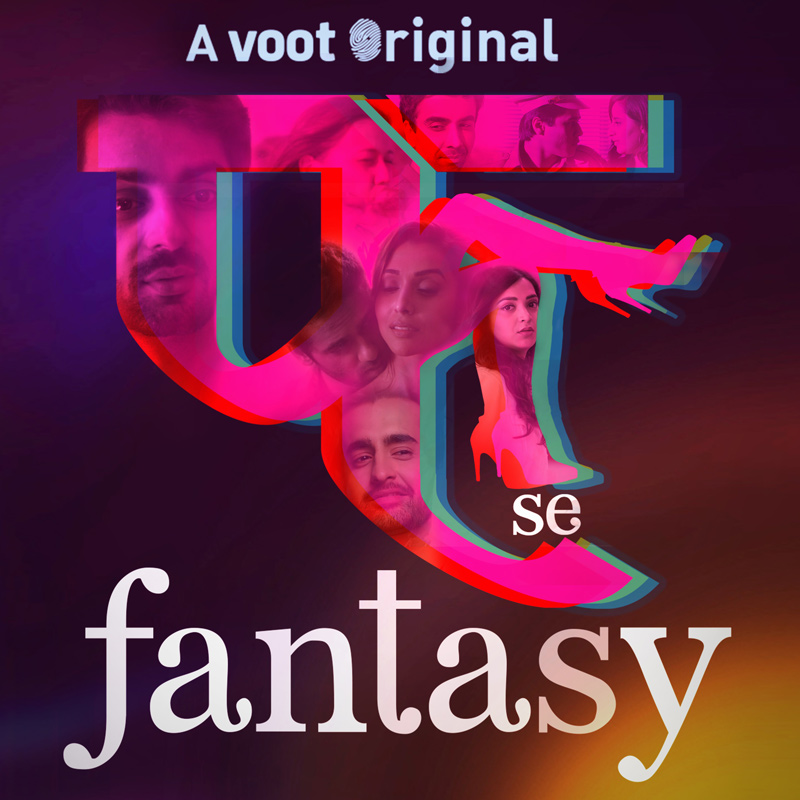
    MUMBAI: Voot is all set to come up with a new original series, Fuh se Fantasy, produced by Bodhitree production house and the show will start streaming from 5 April 2019.

    Fuh se Fantasy is a series about the delight in modern relationships that dare to explore their deepest, quirkiest and most exciting desires. In a world where we are opening our minds and laws up to every kind of relationship, why think twice before we go after what our heart is truly attracted towards? 

    Voot head content Monika Shergill said, “As a platform, we have sharply catered our original content to the millennial audience that is keen to understand the complex definitions around love , relationships and desire in today’s world. Fuh se Fantasy is a delightful look at people in love taking their fantasies head on. The anthology series makes a progressive, edgy and fun statement and will surely entertain with its quirky,  brave and  immersive stories.”

    A charming showcase of couples exploring their fun fantasies, the show, starring popular faces such as Karan Wahi, Plabita Borthakur, Naveen Kasturia, Anshuman Malhotra, Gaurav Pandey and Anupriya Goenka, is a 10 episodic series.

  • VOOT announces season 2 of ‘Silsila Badalte Rishto ka’

    VOOT announces season 2 of ‘Silsila Badalte Rishto ka’

    MUMBAI: VOOT’s popular show ‘Silsila Badalte Rishto Ka’ which has been at the center of conversations is now going for a new season with a compelling new love story.  The marquee show that is a fan favorite has gained significant viewership after coming on to Voot and as an Exclusive series created by Voot Originals team it resulted in more than 2X growth in views. In the last 45 days alone It has  garnered 200 M plus views !

    ‘Silsila Badalte Rishto Ka’ known for its  brave and distinctive narrative of a forbidden love story is set to take a leap with a powerhouse cast of heart-throb Kunal Jaisingh, the beautiful Tejasswi Prakash and the talented Aneri Vajani essaying key roles as the next generation . Season 2 deals with the complex relationship decisions and dilemmas that all the young people face when needed to choose between commitment and true love . VOOT Original “Silsila Badalte Rishton Ka – Season 2 is set to go live on VOOT , starting 5th March 2019.

    Elaborating on the launch of the show, Monika Shergill – Content Head, Viacom18 Digital Ventures said “ As the only daily Original series across the entire digital landscape , Silsila has been a gamechanger by successfully doubling its audience on VOOT. On the back of its terrific performance and fandom we are very excited to now take it younger in season 2 and  explore all the relationship themes that are relevant to our huge youth TG on VOOT.”     

    The upcoming journey of the series is definitely set to get as much love and support from its viewers and create new milestones. So now, get ready to experience the changing face of your favorite show only on VOOT.

  • OTT platforms need more passion projects, experimental content, original voices

    OTT platforms need more passion projects, experimental content, original voices

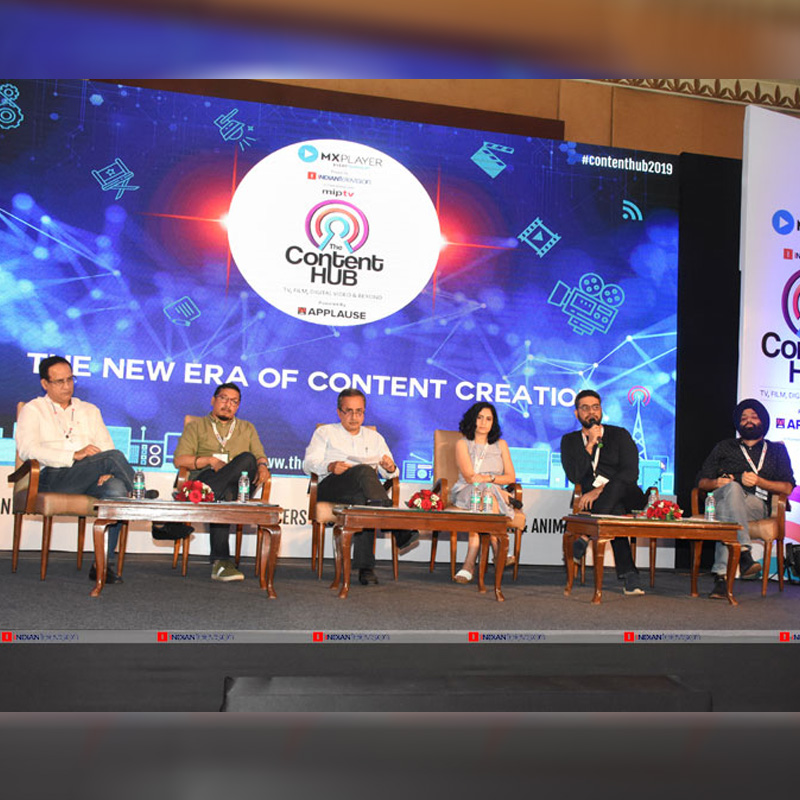
    MUMBAI: 2018 saw various OTT players in India gain massive popularity. There are more than 30 sites serving hours and hours of original as well as syndicated content, in various languages, genres, and tastes. During the third edition of Indiantelevision.com’s The Content Hub, sponsored by MX Player, representatives from some of the top OTT platforms in the country the need of good and meaningful content and the kind of programs that can work in this dynamic world.

    Part of the panel were Addatimes Pvt Ltd managing director Rajiv Mehra, The Viral Fever (TVF) global head of business and content Rahul Sarangi, Viacom 18 EVP and head content Monika Shergill, MX Player chief content officer Gautam Talwar and One Digital Entertainment COO and co-founder Gurpreet Singh. The panel was moderated by industry veteran and Hungama Digital Media Entertainment executive producer Sanjeev Lamba.

    The panel unanimously agreed on the fact that the greatest need of time is to procure and create high-quality original content that resonates with the audience. They stated that all the logistics; be it production or budgets, come only after people who can create and write quality content.

    Shergill said, “The competition to find good creators and partners to tell great stories is actually, by far, the single biggest challenge that we face because I feel that as a market, we kind of missed out on the golden age of content creation. While the world was producing a lot of mature content, we were leaning towards only soap opera kind of stories.”

    Sarangi chipped in with some fine examples of the work that TVF has created, “To see what kind of content people watch, we pulled out a few episodes of ‘Yeh Meri Family’ from YouTube and then put it on Netflix. The show became the second-most trending content in India and has a completion rate of 70 per cent. Because the writing was so strong, people came and watched it again and again. Similarly, with ‘Pitchers’, it wasn’t a grand show shot on high production budgets like ‘Sacred Games’. But it became the highest rated show on IMDB, just because of good writing.”

    He added, “I think the biggest thing we need to do right now is to invest in good writers. Also, we need to give them the time and pay them well. Groom the talent! Writers are going to be the prime thing that we need.”

    Moderating the panel, Lamba put another pertinent question forward asking what sort of content OTT platforms are willing to back. To this, the panel hailed the need of bringing original voices to the paradigm that are not just fresh but can also add on to the type of content that is already working on the web.

    Talwar mentioned that being the newest kid on the block, MX Player is currently trying to understand what the viewing pattern of the audience is. He said, “We have licenced quite a lot of content from people who have a high experience in actually creating successful web series, including TVF, Pocket Aces, and ALTBalaji. We have put this content online and now we are using a lot of data to understand what actually works in the space.”

    He continued, “Essentially, we are looking for content that is going to appeal to 18-30-old males, largely from North India. But it is genre-agnostic because I believe, people today watch everything. We are looking out for authentic stories from heartland India as they work well with the metro audience as well.”

    Mehra also agreed that the audience today loves watching all sort of content, be it long form or short form. He mentioned the need to experiment with the duration of the content and tell stories that the audience can connect to.

    While Shergill vouched for the need for passion projects and experimental content, Sarangi shared that they are looking for stories that touch the hearts of people. He stated that TVF will not indulge in violence or sexually explicit content, at least for a few more years.

    The panel also discussed the much-debated topic of IP rights. Shergill noted, “IP is something that is very important because this content is meant for posterity. You are believing in someone’s idea and paying to the last stream. So, the skin of the game for any platform is to have IP rights with them. But having said that, I also feel that when we know what kind of content creators we are speaking about, then there may be certain different models to work. But when you are working with teams of creators, and backing their idea, IP is the only asset you are creating and you should have the right to it.”

    Sarangi mentioned that as a company they do not sell their IP rights despite having worked with several OTT platforms. He said, “The reason behind this is that it is not only about production cost. It is also because of the time and effort put in by the creative team. We thereby do mostly an output kind of a deal or a licencing avenue. Also, we can do this at this point in time because we can guarantee a hit rate.”

    However, Singh shared a different angle and said, “IP has become a very crude word. Most people don’t even know what the value of an IP is. People are just fighting for it right now but they don’t even know what they are going to do of it after two or three years. So, I think if you are being compensated for the value, you must sell the rights to the platform.”