
Connect with us
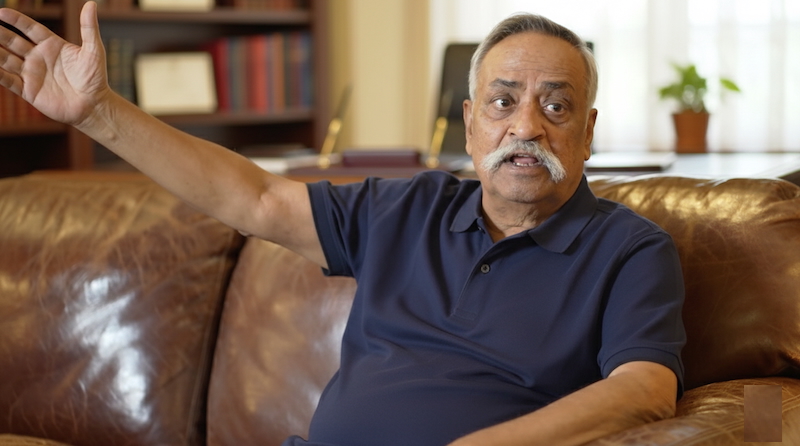
MUMBAI: Piyush Pandey, the creative colossus who spoke to India in its own voice passed on on Friday aged 70. The man behind Fevicol’s unbreakable bond,...
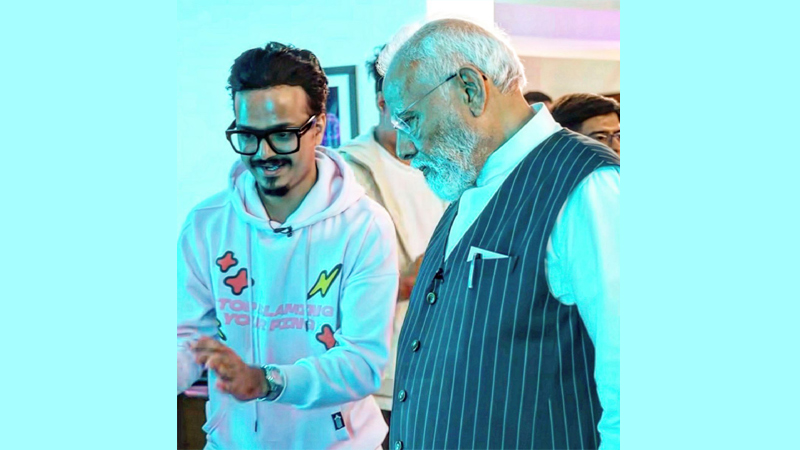
Mumbai: In a bid to drive forward the development of India’s burgeoning Esports industry, the country’s notable gaming personalities convened in a groundbreaking dialogue with PM...

New Delhi: India TV has predicted that if Lok Sabha elections are held now, prime minister Narendra Modi-led National Democratic Alliance (NDA) can register a landslide...
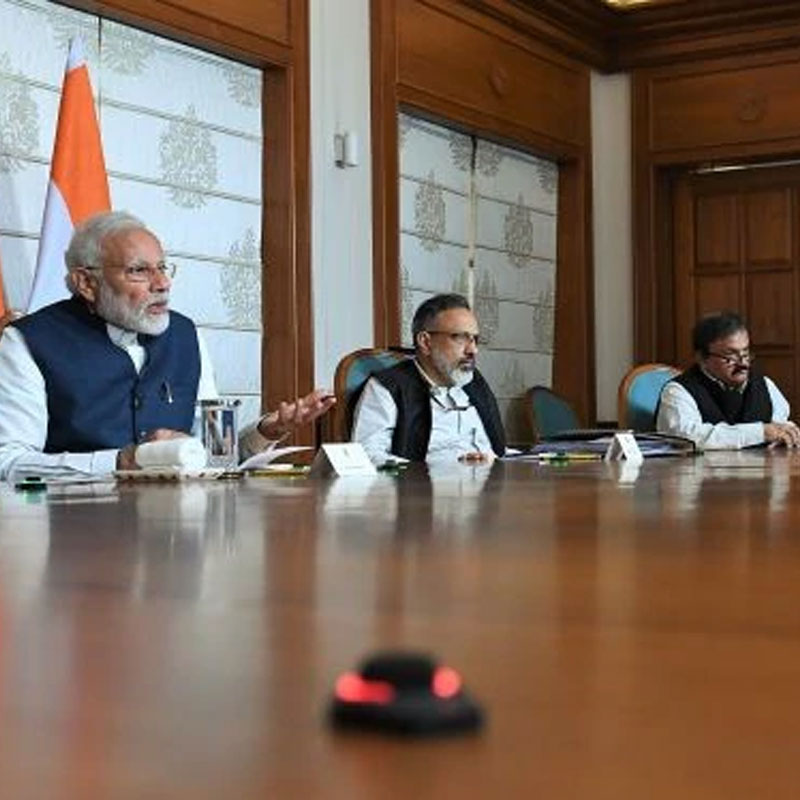
It was hardly a month ago that prime minister Narendra Modi’s image appeared to be taking a beating what with the nation getting divided between those...
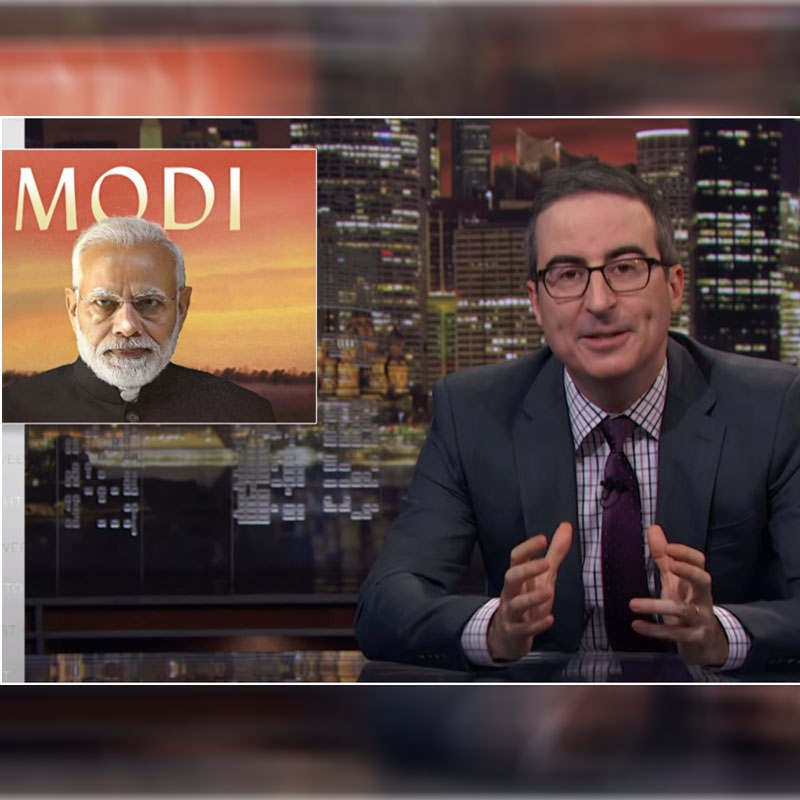
As you may know by now, Prime Minister Narendra Modi is meeting with US President, Donald Trump, in Trump’s first official visit to India. Modi’s last...
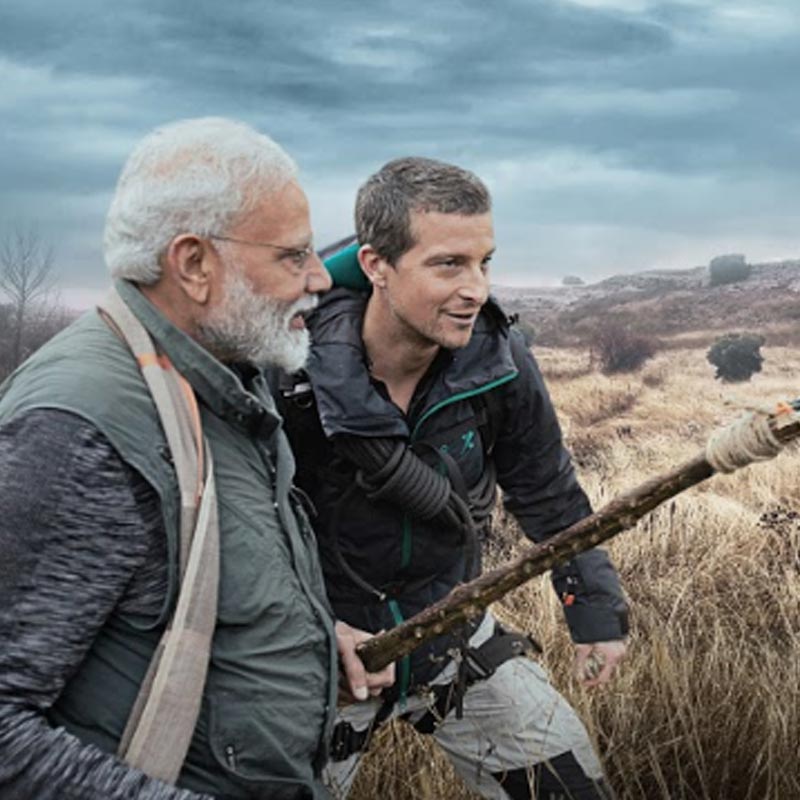
MUMBAI: Indian Prime Minister, Narendra Modi’s special interaction with celebrity survivalist anchor, Bear Grylls is now streaming exclusively on Netflix across the world. The special edition...
MUMBAI: The Indian Space Research Organisation (ISRO) has set a world record by launching 104 satellites on a single rocket, including India’s earth observation satellite Cartosat-2...
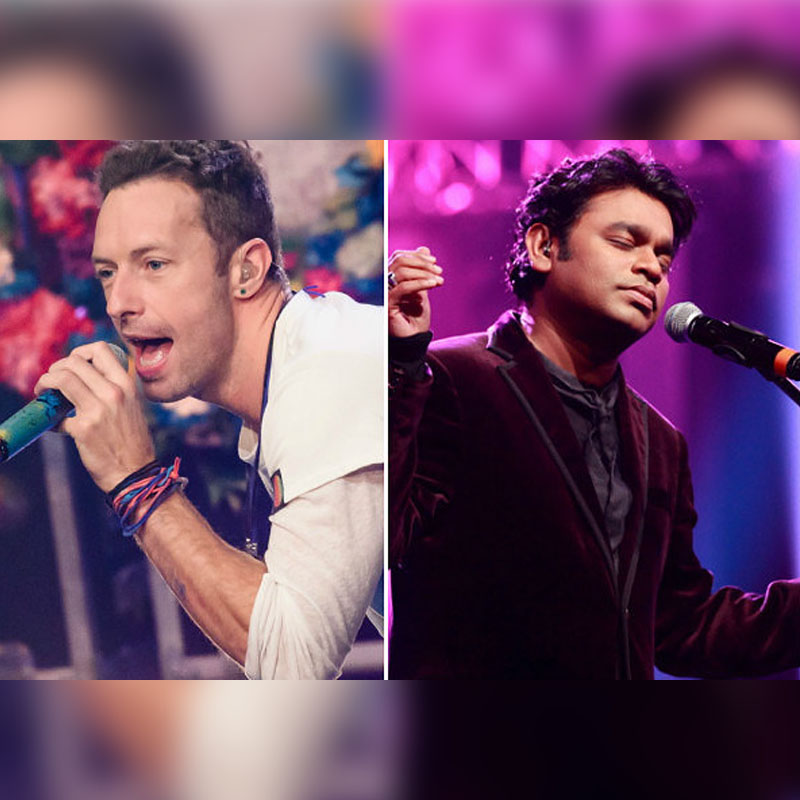
MUMBAI: The Global Citizen Festival India, presented by Colors Viacom18 and Venky’s, called upon governments, and leaders, who made commitments to achieving the sustainable development goals....
MUMBAI: The Global Citizen Festival India, presented by Colors Viacom18 and Venky’s, called upon governments, and leaders, who made commitments to achieving the sustainable development goals....
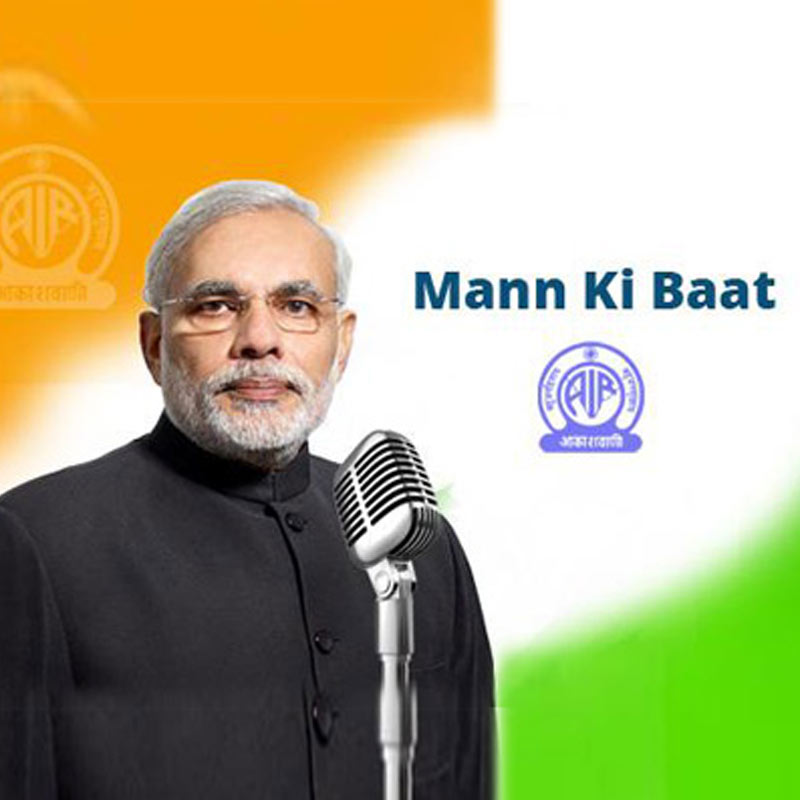
NEW DELHI: “There might have been locks on newspaper houses, radio might have been speaking just one kind of language,” but “given the opportune moment, the...
NEW DELHI: “There might have been locks on newspaper houses, radio might have been speaking just one kind of language,” but “given the opportune moment, the...

MUMBAI: As the Modi-led government completes two yearsin power, CNN-News18, through its special array of programming, focus on and analyse all aspects of key decisions and...
MUMBAI: As the Modi-led government completes two yearsin power, CNN-News18, through its special array of programming, focus on and analyse all aspects of key decisions and...

MUMBAI: PayUmoney and Zepo have joined hands to celebrate women’s entrepreneurship month with the launch of a new campaign, which aims at assisting enterprising women to...
MUMBAI: PayUmoney and Zepo have joined hands to celebrate women’s entrepreneurship month with the launch of a new campaign, which aims at assisting enterprising women to...

MUMBAI: As the Modi Government gears up to present its second Union Budget, Hindi news channel IBN7 has lined up a series of pre-budget shows to analyse the...
MUMBAI: As the Modi Government gears up to present its second Union Budget, Hindi news channel IBN7 has lined up a series of pre-budget shows to analyse the...

NEW DELHI: While policy announcements were avoided in view of the ongoing Parliament session, Zee News came in for praise in Prime Minister Narendra Modi’s monthly Mann ki...
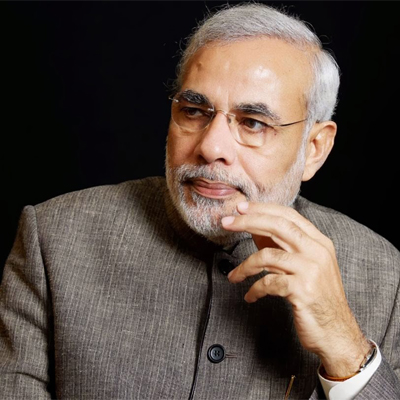
NEW DELHI: Prime Minister Narendra Modi, who has won acclaim for his monthly ‘Mann ki Baat’ broadcasts on All India Radio, wants people to use social...

MUMBAI: BBC World News will be turning the spotlight on India’s new government as the channel presents its World Debate programme from the World Economic Forum...
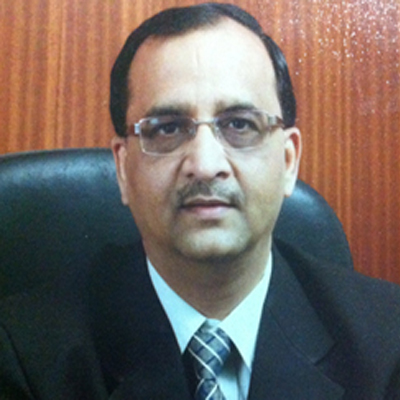
MUMBAI: Zee Entertainment Enterprises Ltd (Zeel) today appointed Mihir Modi as chief finance & strategy officer in place of Hitesh Vakil, who is now elevated as...
NEW DELHI: The Indian cricket board is likely to invite bids for TV rights this week. This time the rights have been broken up in to...
MUMBAI: GroupM has hired Ashoke Sengupta as its CFO for South Asia. Sengupta, who joins GroupM from Microsoft, where he was the head of corporate finance,...

MUMBAI: One thing you have to give to Modi Enterprises – they set great store by the judiciary in dealing with distribution disputes. Modi, which had...
MUMBAI: Associate Media Director, in charge of broadcast, Madan Mohan Mohapatra has put in his papers at Starcom Worldwide. The agency simultaneously announced the appointment of...



