Tag: Mobile Marketing

  • Harnessing geotargeting and personalisation in mobile marketing

    Harnessing geotargeting and personalisation in mobile marketing

    Mobile marketing in India has turned to another peak in 2024 owing to its rapid transformation within the geography. More than 1.2 billion people own mobile devices, and the uploading rates of mobile phones in tier two and three cities are very high. Complex geo targeting practices along with other types of individualised messages allow advertisers to extend their coverage of consumers. Such global shifts allow brands to reach their audiences and fulfill their marketing strategies in new, location enriched, yet personalised ways.

    However, India’s mobile marketing tactics have to cater to the country’s multidimensional cultural fabric. AI alongside machine learning has made it easier for marketers to identify and segment their audience accurately. Companies, for example, provide specific community based marketing wherein language, shopping habits, app usage, and preferred payment methods are taken into account in all communications. For instance, the same active campaign can execute offering Bengali promos at the time of Durga puja in Kolkata and different promos for Navratri in Gujarat at the same time.

    After the implementation of India’s Digital Personal Data Protection Act 2023, new legal regulations have changed the way marketers sought to collect and use consumer’s data. Campaigns today manage to do this better than the past, by being personal yet respecting consumer’s privacy. Brands have begun to place emphasis on ethical data collection by adopting opt-in policies for geolocation sharing, as well as giving users options on how much data they want to share. This notion of privacy has now shifted from simply being a policy to being a key factor in generating consumer confidence.

    Such geotargeting and personalised marketing techniques have already begun to yield positive results in various industries. Lunch promotions at office buildings are being employed by quick service restaurants, retail stores are presenting local customers with available items in their vicinity, while e-commerce sites are showing people when their orders in their area will be delivered and the products that are most appropriate for them. Even banking applications have jumped on the band wagon, advising users on available ATMs in their vicinity, with the maximum amount of cash that they can withdraw from the machine automatically determined by the specific user’s account activity and preferences.

    With 85 percent of users relying on smartphones to access services, 65 percent accessing the internet, and social media via mobile platforms, it is no wonder that campaign planning in India takes a different perspective than in other countries. Most of the successful campaigns today include installation of progressive web apps for better and forward client engagements through searching in voice for a specific region, automatically crafting conversations through information available on WhatsApp, and embedding augmented reality content to be accessed geographically. Such features are critical in countries where the availability of particular networks can be limited and where the specs of devices being used are unlikely to be the same.

    Taking such an approach, marketers experience blockades which relates to data being orthodox regarding Indian audiences, applicable network connectivity standards, device fragmentation and cultural factors. Nevertheless, answers are coming through operational-grade data availability, offline-first approach and extensive compatibility requirements and relevant professional for the market engaged to the content being presented. Metrics have also changed and mobile geo-conversion metrics, app stickiness, geo revenue per user and language friendliness responsiveness have come on board.

    Predictions for 2024 are optimistic, as businesses expect AI to map the location of their customers and persuade them efficiently across channels. Advanced biometric identification and blockchain technologies promise increased data protection without compromising on relevance. It is already apparent that performing accuracy checks on the data, testing campaigns in bunches and smaller biogeographical areas, and being mindful of the shifts in the audience will be the end goals in the land battle of mobile marketing.

    By the end of 2024, marketers will need to combine marketing automation and effective geo-fencing solutions to provide targeted marketing in mobile channels in India. On the other hand, locations and cultures must attract marketers who are sensitive. In this scenario, the future is portrayed in a very optimistic light – the end belongs to those in mobile marketing who can understand the nuance of the country, where heavy personalisation is welcomed not as an intrusion but an enhancement.

    The article has been authored by NetSetGo Media global business head Abhishek Tiwary.

  • Xiaomi hires Avow as its agency partner

    Xiaomi hires Avow as its agency partner

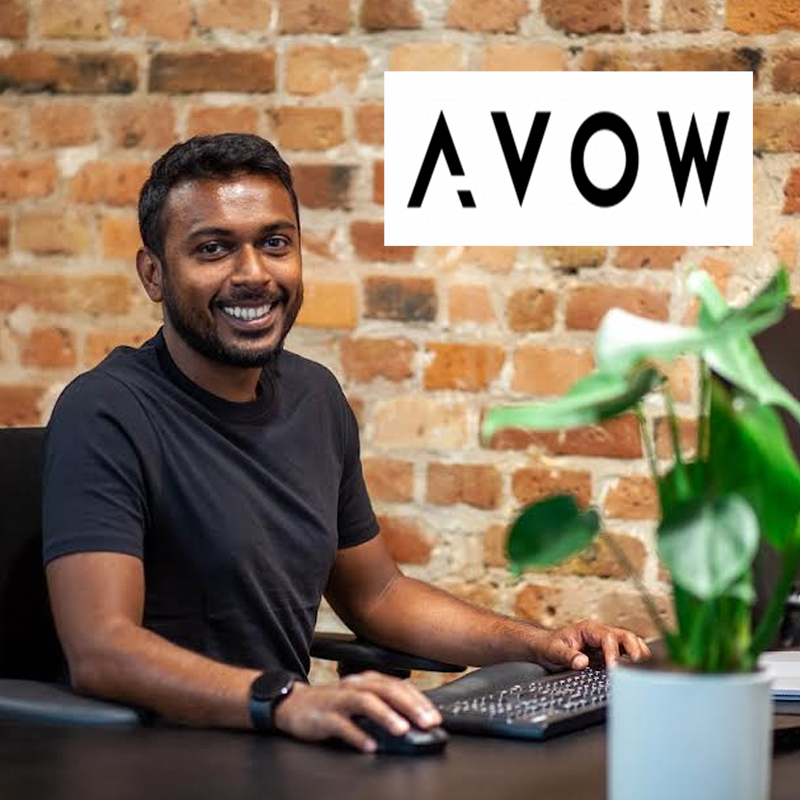
    Mumbai: A leading mobile original equipment manufacturer (OEM) Xiaomi has onboarded Avow, the specialist in mobile OEM user acquisition, as its official core agency for the entire regions of Europe, the Middle East and Africa, South-East Asia, and Latam.

    Through this representation, Avow will undertake all media sales activities for Xiaomi’s ad platform (Mi Ads) in the awarded regions and will interact as the main point of contact to manage a 360-degree execution of mobile ad campaigns on the platform—including media inventory buying, campaign set up, result measurement, and campaign optimisation. Brands and agencies looking to leverage the Mi Ads platform will now gain access to exclusive ad formats and reach untapped users from Xiaomi’s diverse user base via Avow’s international teams, who will offer managed campaigns as well as brand awareness activities.

    In India, this partnership will be crucial for mobile marketers, app developers, and brands looking to use OEM advertisement placement to reach previously untapped user audiences and make inroads into Xiaomi’s massive user base. In the past, Avow has engaged with leading brands in India like Amazon Prime, Unacademy, UpGrad, Byju’s, MoneyTap, Avail, and WazirX.

    Headquartered in Berlin, Germany with one of its regional offices in Bengaluru, India, Avow was twice ranked and recognised in the top 10 in AppsFlyer’s Performance Index XII and XIII, including a dedicated growth section: India, South-East Asia, and India, non-gaming finance.

    Mi Ads covers 200+ countries and regions, is supported in 70 languages, and offers reach to 280 million+ quality active users across the world. The platform provides a multi-faceted advertising portal through proprietary apps like Mi Browser, Mi Music, Mi Themes, Mi Video, AppVault, and its official alternative app store, GetApps. Through multiple targeting options, Xiaomi allows marketers to accurately locate target audiences and convert their users into the brand’s customers.

    Xiaomi’s media sales expansion strategy is to outsource these activities by selecting strong core partners to represent them in specific regions. This partnership comes at a crucial time, as marketers looking to promote apps are bound to rely upon third-party advertising sources with very little or no guarantee of fraud detection, booming costs, and user engagement. Xiaomi’s OEM advertising placements allow app marketers to achieve incremental user growth from customers who are brand loyal to Xiaomi in these local markets.

    “We are stoked to enter this new chapter in our cooperation with Xiaomi. Our long-term partnership is based on trust and shared goals for contributing to the mobile advertising industry. This new challenge will strengthen our alliance, and allow us to offer unique opportunities for mobile marketers to access some of Xiaomi’s most extensive markets in Europe, the Middle East and Africa, South-East Asia, and Latam,” said Avow CEO & co-founder Ashwin Shekhar.

    Avow’s reach and ability to deliver growth results for clients have allowed it to expand its global footprint, opening offices in India, Indonesia, China, Vietnam, Brazil, Philippines, and Russia to cater to its large client base in those local markets.

  • GUEST ARTICLE: How to evaluate the effectiveness of mobile marketing strategies and campaigns

    GUEST ARTICLE: How to evaluate the effectiveness of mobile marketing strategies and campaigns

    Mumbai: In the modern era driven by technology, organisations across sectors and industries are leveraging tech-enabled solutions to streamline business operations. The surge in digital transformation is also changing the metrics of key business areas, including product development, marketing, and communication, among others. Brands have been readily using the advantages of digital presence for awareness, promotion, and establishment. Soaring digitalisation has reluctantly changed the patterns of customer behaviour along with their needs. New-age tech-savvy users such as gen-z and millennials are now reliant on digital devices, and among them, smartphones have become the most preferred device for online shopping, news, utility, payment, shopping, entertainment, games, finance, etc. Therefore, to cater to the needs of these modern-day netizens, brands are using mobile marketing strategies to connect with them at multiple touch-points and lure them into the marketing funnel via personalised content (ads). However, the main point to ponder is how the effectiveness of the marketing campaigns is measured and the methods to optimise them according to the changing demands of the customers. 

    Key metrics to measure the effectiveness of mobile marketing campaigns 

    Mobile marketing is gaining momentum to be a comprehensive marketing strategy thanks to the rise of smartphones, internet accessibility, and social media. The measurement typically points out the customer’s behavioural pattern and lets the brands know their problems to improve. For instance, if the interface of an application is lagging, the customer might bounce back to other competitors, leading to the declination of reputation and sales. Therefore, to determine whether a brand is performing well in the market, it is essential to segregate a few pre-requisite metrics on which the campaign’s success can be measured. These KPIs help to determine the performance of the marketing strategy in terms of customer acquisition, loyalty, retention, awareness, etc.

    The effectiveness of the marketing campaign must align with the end-mile goals of the brand. These goals can include: driving sales of the product or service; initiating support for customer engagement and retention; increasing brand awareness and promoting the business via ads across viable platforms. There is also a need to analyse these goals at a regular interval of time to address the progress and optimise the strategies for desired outcomes.

    Social metrics to hear customer’s voice

    Until this day, word of mouth is considered a well-recognized metric to determine a product/brand’s popularity. This metric usually indicates how well a brand is performing on social media platforms. Modern-day marketers often use social media monitors to track how well the organisation, brand, or product is perceived by prospective customers online. The collective measurement is in the gist of audience sentiment, whether positive or negative. It is a crucial criterion as the marketers must take hold of the time and effort they are spending, which can directly affect the ROI. However, social media conversations are dispersed and far-flung, making it difficult for marketers to consolidate the information in a meaningful way. With social media analytics tools, they can gather data and make advances in data visualisation, analysis and predictive modelling to convert scattered information into useful statistics. By successfully implementing these techniques, the effectiveness of mobile marketing strategies can be measured efficiently and insight into the customer’s needs can be congregated. 

    Retention for measurement of churn rate

    While launching an application, a brand must know how the user is meant to interact with it. Customer retention rate is an essential metric which sheds light on why and how users stay on the app over a long timeframe. However, sometimes the app experiences a churn, which is a measure of how many potential customers have stopped using the app in a given period of time (one day, seven days, and 30 days). App retention is calculated by dividing monthly active users by monthly installations.

    The strategy can be structured based on the user-base the brand is targeting i.e. android or iOS. This can also include the measurement of CPI (cost per install) and CPLU (cost per loyal user) in response to seeing an advertisement. Both of these metrics when used ARPU (average revenue per user) determine the return on investment for the brand’s marketing efforts. The crucial element is to reduce the CAC (customer acquisition cost) and calculate the ROAS (return on ad spend), which is the measure of revenue earned for cost spend on the advertisement campaign.

    Measuring user engagement to build a ‘cohort’ 

    A brand employs a variety of strategies to capture the attention of netizens and convert them into loyal customers. This method can include curating content that is personalised and targeted based on an analysis of the visitor’s behaviour. Engagement is a strategy in which the brand wants customers to use the application frequently and for longer periods of time. The most important metrics to monitor are session length, session interval, and application screen per session, as well as the conversion rate in the case of an event, interaction rate, and opt-ins and opt-outs.

    Engaged customers act as bread and butter for the brand. They not only give decent reviews of the application/product/service but also recommend them to other users, making the campaign profitable. With cutting-edge strategies such as offers and discounts, these customers can be ‘cohorted’ to unwind the behavioural trends and gain insight into the actions that lead to higher engagement.

    All things considered 

    The main things that count in any marketing strategy are agility, flexibility, and creativity. Measuring the effectiveness of marketing campaigns can save a brand from exhaustive decision-making and save costs, which sharply leads to higher ROI. KPIs also help the brand to create better content (text, video, etc.) and measure what is performing well, engaging better customers so that the underperforming content can be eliminated. A brand must create an emotional connection with its customers in order to expect loyalty. 

    Personalisation and localisation are crucial factors in creating several touch-points under a marketing strategy. Audio, video, blogs, and content partnerships are some of the methods to make brand communication mobile-friendly. Organisations must be updated with megatrends such as multi-device behaviour, omnichannel approach, attribution strategies, A/B testing etc., to optimise advertisement campaigns for cost-effectiveness. 

    According to Statista, mobile advertising spending will surpass $339 billion by 2023 and the mobile marketing market size will nearly double by 2024, clearly stating how deeply mobile technologies are embedded in digital infrastructure. Therefore, with its growing significance, brands must make sure to use it efficiently and make the most of its potential to retain a competitive edge in the digital space.

    The author of this article is XY Ads head of supply Girish Chowdhary.

  • Digital Brand Fest 2022: How SMS and mobile marketing can accelerate brand growth

    Digital Brand Fest 2022: How SMS and mobile marketing can accelerate brand growth

    Mumbai: The digitally empowered consumers of today have more choices than ever before. As we enter into 2022 with new technologies propelling the digital transformation, several new age, as well as legacy brands, have jumped onto the digital bandwagon to up their marketing game, and retain connect with consumers.

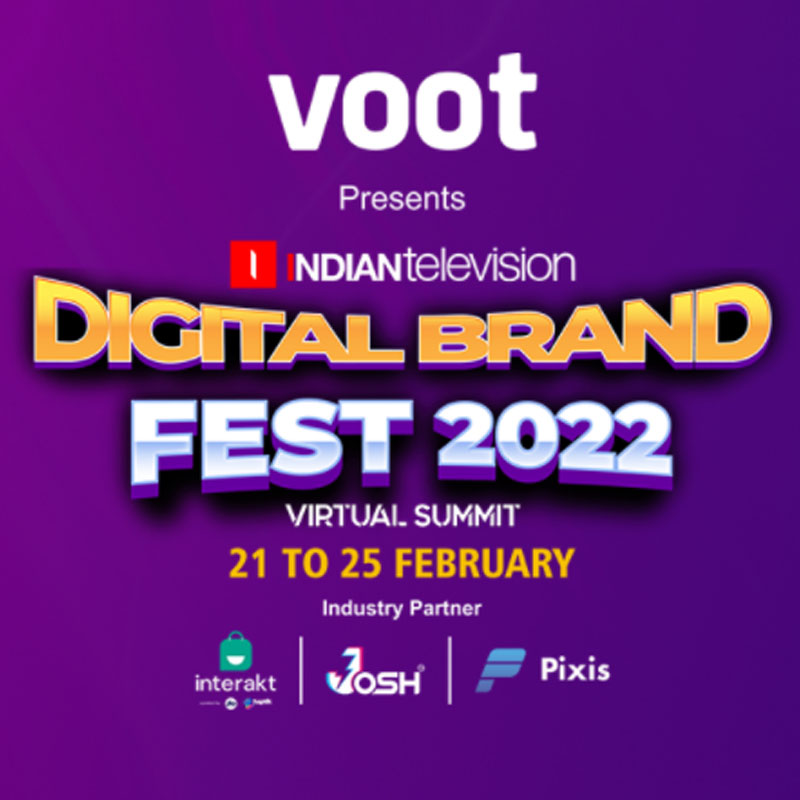
    On day one of the Indian Digital Brand Fest 2022, IndianTelevision.com brought a host of industry experts together on one platform to discuss these trends shaping the future.  The week-long virtual summit is presented by Voot, and Interakt, Josh, and Pixis have joined as industry partners.

    The session on ‘Panel on SMS, Notifications & Whatsapp Marketing’ held virtually on Monday was moderated by Group M head of mobile and emerging tech Niraj Ruparel and the panelists included Soptle chief business & marketing officer Ritesh Ghosal, PhonePe corporate communications head  Priya Patankar, SUGAR chief business officer Suchit Sikaria, ex-WOW Skin Science VP of Marketing Madhur Acharya, Jio-Haptik’s SMB Solutions VP & business head Ahshad Jussawala, and Clever Tap SVP Marketing Jayant Kshirsagar.

    The industry executives discussed the latest trends driving the change in mobile marketing and how it has impacted the industry’s growth. SUGAR CBO Suchit Sikaria noted that the digital strategy has to revolve around mobile, and it starts right at the time of designing the asset and it has to be a mobile-first design.

    PhonePe corporate communications head Priya Patankar shared that PhonePe considers itself essentially as a utilitarian that begins with payments. “We have realised customers start with the most basic use cases for which they download an app. Once customers start trusting the app, they graduate to the more complex use cases,” she said about new consumer behaviour on the payment platform, while admitting that the pandemic has been a huge inflection point for digital payments.

    When it comes to mobile marketing, SMS and WhatsApp are very powerful media to build a connection with the customer, the marketers asserted. However, brand communication to the consumer has to be looked at through the lens of relevance, timing & value in the message, the panelists noted. According to WOW Skin Science VP of marketing Madhur Acharya, mobile marketing gives a better ROI & retention as there is more clarity on how one’s campaign is performing.

    The executives emphasised on leveraging WhatsApp for a mobile marketing strategy from the beginning. Jio-Haptik’s Ahshad Jussawala added, “For any small business or SME looking to grow their online sales and improve overall customer support, Whatsapp can be a game-changer.”

    On customer acquisition, Clever Tap SVP Marketing Jayant Kshirsagar said, “Retention is more important than acquisition and we help our customers retain their customers.”

    Also read: Digital Brand Fest 2022: Decoding digital transformation for tech-led future

    The industry executives were also unanimous in their views on the importance of hyper-personalisation in mobile marketing. Clever Tap’s Jayant Kshirsagar observed that the right kind of personalisation involves looking at customers as a ‘cohort’, and not as a ‘one size fits all’ with hyper-personalisation. Soptle’s Ritesh Ghosal agreed that personalisation on WhatsApp & SMS marketing allowed them to create a loyalty program, by crafting a value into the message. To which SUGAR’s Sikaria shared their experience of sending out personalised messages to their most loyal customers on Whatsapp, wherein the responses the brand received from its customers consisted of instant emotive acknowledgments.

    Group M’s Niraj Ruparel gave a huge thumbs up to Mondelez’s SRK campaign, citing it as one of the best instances of hyper-personalisation using AI & ML.  “Stop selling, start serving. Because if you serve your customers right they’ll refer to your brand and you’ll get new customers!,” said Clever Tap’s Kshirsagar concluding the discussion.

    Towards the end of the session, the marketers also addressed the concerns of Spamming in mobile marketing. Putting consumer fears to rest it was pointed out that WhatsApp has all the policies and measures in place to curtail Spamming activities by brands.

    For more details on the event, click here

  • GUEST COLUMN: Mobile marketing trends that’ll pave way for OTT boom in 2022

    GUEST COLUMN: Mobile marketing trends that’ll pave way for OTT boom in 2022

    Mumbai: The OTT sector in India has emerged just like a Bollywood hero — their entry is always late but highly anticipated, sweeping away everyone’s heart and attention. Similarly, the sector that was once considered stagnant with very low penetration across different regions and markets has today become the most promising sector. 

    According to a report by RBSA Advisor, the OTT market in India is expected to increase to $12.5 billion by 2030 from about $1.5 billion in 2021. This massive rise can be largely attributed to the shift in consumer behavior brought on by the pandemic. With cinemas being shuttered, consumers were bound to shift from the big screens to their digital screens. What added to the growth was high-quality content across OTT platforms, the widespread availability of cheap data, and the high penetration of smartphones in India.

    While we have witnessed and understood the growth of India’s OTT landscape, it’s now important to understand what the future will unfold for fellow mobile marketers to enhance their brand presence in this competitive landscape.

    The Consumer is King

    Brands need to delve deeper into understanding their customers better. The kind of content that they prefer watching, the average viewing time of the consumer, their favorite celebrities, and their preferred language will all come into play when a marketer designs their campaigns. This allows marketers to get a better grasp of their consumer’s psyche and enhance customer experience accordingly. Keeping this in mind, brands and marketers will need to invest more time and budget in leveraging the right customer segmentation tools to not only personalise content recommendations but also attract and retain more users.

    Old Will Still Be Gold! 

    OTT players depend on new additions to the content library in order to increase their user base. However, there’s power in the classics. As a brand, one needs to leverage the strength of their existing library and extract more value from that, or potentially think differently about content-acquisition strategies like partnerships. 

    A big part of using the existing content is ensuring flawless content recommendations. With more and more viewing and listening patterns being formed during these times, delivering a hyper-personalised experience becomes vital. Since the competition in this space is high, there is an equally high risk of losing a user to a competitor almost immediately if they feel the recommendations do not align with what they want to enjoy at any given moment. As the usage of OTT media apps rapidly increases, marketers will be required to revisit their user personas and make changes to their app interface to make it more user-centric and user-friendly. Thereby, making app navigation simpler and intuitive.

    A New Shift in In-app Messaging to Enhance Customer Experience

    As brands strive to compete in the OTT space, video apps that have partnered with news houses could take the initiative of sending daily news updates to their customers. These updates could include the number of coronavirus cases and the latest news about anything Covid-19 related via push notifications and SMS. By collecting geographical data, brands can also personalize this by showcasing news from nearby locations. By looking at user habits, OTT platforms can send two kinds of recommendations – one to continue watching the show from where the user left off last time, and another to watch related content. However, timing is really crucial here – for example, one cannot send recommendations to watch a show during work hours!

    From House Parties to Watch Parties

    Watch parties recently became the talk of the town during the lockdown when like-minded users could gather virtually to watch their favourite series or movies online. This was further hyped by various digital influencers stressing this trend and hosting their watch parties by inviting selected users to stream a movie together. This is a huge opportunity for OTT marketers to not only increase viewership for their latest content but also invite new users to the platform. During the launch of a new movie or series, brands can lean into influencer marketing tactics to host a watch party for users. Watch parties also serve as a platform for users to engage with one another, exchange thoughts and share their fondness for a particular show or episode. Thereby, providing marketers with a huge opportunity to understand customer preferences without needing extra budgets. Similarly, watch parties also allow users to share instant feedback on the content that they are watching, further helping brands to understand what content to recommend to users the next time.

    Integrating Augmented Reality (AR)

    Another opportunity for the future of OTT is integrating it with augmented reality. Many Snapchat or Instagram users are familiar with augmented reality and want more AR in their lives. Mobile marketers that use AR features in their streams will have a chance to get ahead and attract more users to their mobile app. Augmented reality also provides marketers the ability to create more inventive, eye-catching, and interactive experiences for their customers and will become a key success metric for customer experience and engagement. The biggest advantage of augmented reality is that it creates unique digital experiences that blend the best of both digital and physical worlds. It does not need any special hardware or software to savor the experience as mainstream smartphones and mobile apps are already capable of experiencing AR. Imagine how immersive it would be to watch a favorite movie scene in augmented reality.

    In the long run, while TV will still be a defining part of our culture, the OTT sector is something mobile marketers cannot afford to ignore. Therefore, marketers need to start wearing their creative hats to bring users new and exciting experiences that increase their loyalty to the OTT brand. 

    (The author is the co-founder and chief product officer at CleverTap. The views expressed in the column are personal and Indiantelevision.com may not subscribe to them)

  • GUEST COLUMN: Mobile marketing in the OTT landscape: Big opportunity for digital marketers

    GUEST COLUMN: Mobile marketing in the OTT landscape: Big opportunity for digital marketers

    Mumbai: The rise in both viewership and engagement of over-the-top (OTT) has opened up a world of possibilities for marketers looking for new and better ways to reach their consumers sitting in the comfort of their homes. Recent reports estimate that the OTT segment will grow to approximately $ four billion by 2025. 

    Confirming this trend, India saw a huge upsurge in media consumption between March and June 2020. By the end of 2020, OTT video subscribers almost tripled to nearly 62 million, up from 32 million at the end of 2019. This accelerated growth of the Indian SVOD industry is assumed to be caused by the Covid-19 pandemic. 

    Despite the fact that the OTT streaming business is dominated by large corporations such as Netflix, Hulu, YouTube, and Amazon Prime, smaller OTT streaming services continue to emerge. In order to have an edge over these budding competitors, it’s essential to utilise the power and proven results of mobile marketing.

    Before we dive into the strategies, below are some major trends that mobile marketers must be cognisant of, to make the best use of this ripe opportunity:

    Mobile is becoming the first choice for content: Mobile has surpassed traditional TV as the main growth route for video distribution. In fact, mobile collaborations now account for more than half of all recent OTT video bundle deals, indicating that customers are increasingly using mobile devices. As more MNOs subsidise at no additional cost to encourage upsell and retention, this trend is anticipated to continue.

    The rise of 5G: Because 5G internet is projected to become the standard, especially in metropolitan areas, it will permanently transform streaming patterns.

    Shared viewing due to lockdown: The entire population has been forced to stay at home owing to worldwide lockdowns, which has resulted in a fast rise in the consumption of content. Many OTT platforms, such as Netflix and Disney+, quickly acted on this and launched technology that allows individuals to view films together on a video chat, allowing platform users to stream in sync, to assist customers to isolate themselves and social distance. GroupWatch on Disney+ and Teleparty on Netflix have been huge hits, and it’s a trend that is likely to remain.

    Shift in OTT Model: Live and linear OTT services, which are projected to be an essential element of the future generation of OTT video, have a large growth opportunity based on existing watching trends and untapped video segments. Pay-TV providers are ideally positioned to offer live streaming services that make use of content that is best enjoyed in real-time, such as news, weather, talk programs, and sports. In the future, the content will be re-bundled under an OTT structure, whereas the previous cable model concentrated on content unbundling.

    Now, in OTT, when it comes to developing a short- or long-term marketing strategy, mobile marketing is a critical component. There’s a mobile marketing channel for every segment of your audience where they are most comfortable, from email to pay-per-click (PPC), search engine optimisation (SEO), content marketing, and social media marketing. 

    To be effective with mobile marketing, marketers must provide a consistent experience that customers expect—which may be difficult to do when you’re trying to attract, engage, and retain people across several platforms.

    Following are some of the key things that marketers must keep in mind while crafting strategies for the OTT landscape-

    Push notifications are key: User-behavior-driven push notifications should remain a crucial component of the entire engagement plan, which are proven to boost engagement rates by as much as 80 per cent. 

    Value recommendations of customers: It’s extremely important for marketers to understand the preference of their customers and value their suggestions. Viewing history, in-app behavior, and daily time of app launch are some of the data points that when accumulated continuously will give a wealth of information on customer behavior, significantly helping personalisation. This personalisation will further help in increasing in-app time spent by generating the most appropriate content recommendations over time.

    Timing is crucial: Focusing on personalisation and context is very important to make mobile marketing work for OTT platforms. However, what’s also important is delivering the content, suggestions, and notifications at the correct time, the results of which are proven to be phenomenal.

    Conversion of freemium subscribers to paying customers is imperative: Acquiring users is definitely important when it comes to implementing a growth strategy, but the end goal should be to turn the subscribers who are consuming content for free into paying customers. Hence, marketers need to focus on pitching the platform’s subscription options, with appropriate personalisation, to the customer.

    Make the customers feel important: Finally, building brand loyalty is the key at every stage, and this can be done by making customers feel valued by addressing their feedback. Hence, through personalised and crafted push notifications and in-app messages, repeat users can be encouraged to rate and review the OTT platform.

    Connecting the links between online and offline media is the future of mobile marketing. When used with other, more traditional media, mobile is a strong tool that should be viewed as the glue that holds everything together. The competitive environment for OTT apps, both native and browser-based, is continuously shifting. Benchmarking one’s performance and development versus industry norms is essential for marketers. 

    OTT marketers need to note that distinctions between the provision of and accessibility to high-quality content across OTT platforms will continue to merge. How they can achieve a substantial competitive edge is by using data-driven AI-powered customised, relevant, and time-bound multi-channel dialogues with consumers. For successful user engagement for your media, marketers must take advantage of every single mobile moment!

    (Dave Dabbah is former chief marketing officer of CleverTap. The views expressed in the column are personal and Indiantelevision.com may not subscribe to them.)

  • UC Ads lends a hand to individual content creators in India

    UC Ads lends a hand to individual content creators in India

    MUMBAI: Mobile marketing in India is no longer a side dish. It’s the entree.  Brands know today that they need to invest a good chunk of their marketing budget to mobile ads. Sensing the opportunities in the evolving market, Alibaba Mobile Business group’s UCWeb launched innovative mobile marketing platform, UC Ads, last year. Alibaba UC Ads general manager Morden Chen, in an interaction with Indiantelevision.com spoke about business strategy and differentiated features of the platform.

    While UCWeb is an integral part of the Jack Ma led e-commerce giant’s strategy, it offers three core products including UC Browser, UC News, 9 Apps. Explaining how UC Ads is increasing its reach in India, Chen mentioned that it’s correlated with its overall product strategy.

    “Our product strategy is to serve another half of the global users who are just getting started for mobile internet. Users who just got their new Android phone, who just started mobile internet, can explore this interesting mobile world through our browser, a product with newsfeed and app store,” he said.  On the back of huge consumer base it has already created with existing products, UC Ads can help brands with the insights for targeted advertising.

    Talking about the clients, Chen said almost every e-commerce player and phone manufacturer are currently working with them including Amazon, Oppo, Vivo, Honor and Lava.

    After being in the Indian market for almost one year Chen says, “This market is rapidly growing. From my perspective, it will grow even faster due to new phone adaptations. It’s a booming market which I think will continue to boom in the next 10 years.” Interestingly, according to KMPG 2018 annual report, mobile advertisements are expected to grow from Rs 34.5 billion in FY17 to 304.5 billion in 2023 at a 43.8 per cent CAGR.

    “Before 2013-14, it was small. Around 2015, it’s getting more and more attention. Advertisers also want to invest, try and experiment in the sector. With more resources coming in it will get better. Mobile has many advantages that traditional players lack. Location-based, device based tracking is super easy compared to TVC. It has huge potential,” he added further.

    According to him, Indian online video space is full of long-form ads which are similar to TVC. On a different line, it is focusing more on short-form video created by individuals or small studios or individuals who want to have a studio and individual bloggers. It will mix official media content with articles from bloggers who have a deep understanding of something particular. “We want to let their articles also be viewed by users,” he added.

    While Chen was asked about competitors, he said everyone would mention those “two big guys” but he would not do so. According to him, the ever-interesting advertisement space is full of “feminies” (friends and enemies). If someone does better in one front, a competitor can do in another. According to him, working together will help everyone. The real challenges are fast adaptation, better infrastructure and 4G quality for seamless user experience.

    Talking about the Indian market, Chen also highlighted the necessity of good market research. Many internet startups came into India thinking it would be easy to monetise the product with the huge population. While getting users is not difficult, making the venture profitable is the real challenge.

    “We want to stay here, grow with the market and align with the local players,” Chen concluded. Currently, while UC Ads is present in India, Indonesia, Russia, the product may be available soon in Vietnam.

  • IAMAI to focus on emergence of mobile marketing in India

    IAMAI to focus on emergence of mobile marketing in India

    MUMBAI: The internet population in India is growing at a healthy rate. With 400 million internet users in India, the medium has provided a huge canvass for marketers to reach out to their audience. But, what is witnessing an exponential growth is the mobile marketing.


    The growth of consumer internet companies has also given an impetus to growth in internet users. If India is on the brink of attaining the magic figure of Rs 1 lakh crore in digital commerce, the availability of smart phones at cheaper rates coupled with low internet mobile tariffs have ensured that internet is within the reach of all.

     
    With a huge population of young consumers hooked to the internet, the marketing and advertising fraternity has taken cognisance of the power digital advertising. In 2014, the market size of digital advertising was Rs 2,750 crore and if we are to take 30 per cent y-o-y growth, it will be over Rs 3,500 crore. Though it is still at a nascent stage, planners have woken up to the embrace the power of the digital medium.


    IAMAI president Subho Ray says, “If the growth of digital commerce is anything to go by, planners will certainly spend more time understanding how to tap the hidden potential of the digital world. The phenomenon of online shopping is no longer restricted in the urban areas. If you look closely, internet users in rural India is growing faster than in urban India. The coming of age of payment banks and mobile wallets will encourage consumers to transact online. The point is, newspapers might not reach every village, but there is mobile connectivity in almost entire India and people out there are watching the world in their handheld device. It is just a matter of time that most brands will give a huge push for digital marketing.”


    The Mobile Marketing Summit, to be held in Bengaluru on 18 December, 2015, will have industry doyens taking a closer look at the emergence of mobile marketing in India.


    Acer CMO S Rajendran adds, “The Mobile Marketing Summit event always provides fascinating insights into the way mobile technology is bringing positive changes to how consumers behave and conduct their lives across all facets of their lives.  This summit helps bring audiences one step closer to ideas and developments that are breaking new ground in the market. Some recent trends are quite revealing about the pace of change in this space: the adoption rate of mobile is twice that of the internet, three times that of social media, and ten times faster than PCs. Today mobile is becoming not only the new digital hub but also the bridge to the physical world. That is the reason why mobile will be transformative to entire businesses.”
     

    Echoing Rajendran’s sentiments, Quikr CMO Vineet Sehgal echoes says, “80 per cent of our traffic comes from mobile and in that context it’s pretty clear that mobile marketing is no longer an experimental format but rather a crucial part of the mix for online businesses such as ours. Technological advances have made it possible for consumer touch-points via mobile to be personalized, location-based and hence extremely relevant which brings marketers immense opportunity.”

     
    The Mobile Marketing Summit 2015 will have sessions like State of Mobile Marketing In India; Mobile First and Brand Marketing; Engaging with multi-screen users: Every advertisers’ challenge; How Brands are considering promotions through Mobile Medium; etc.


    Speaking about multi screen users, Titan Company eCommerce head Alokedeep Singh added, “In a multi-screen world, mobile is becoming the primary/first screen for consumers to search, experience and shop online. In coming times, not only targeting users with relevant ads, push notifications etc, newer technologies like ibeacons, wearables will create endless opportunities for brands, marketeers.”

  • SVG & Komli merge biz to form indie mobile marketing platform

    SVG & Komli merge biz to form indie mobile marketing platform

    MUMBAI: Digital media platform SVG Media has merged its operations with Komli Media’s India business and global brand rights to create one of the largest mobile marketing company, with a combined share of 60 per cent of digital ad-tech spends in India, and a reach of over 150 million Indian Internet users across all screens.


    Under the terms of the deal, Komli India will function independently alongside the existing SVG Media group businesses: Tyroo Technologies, DGM, and SeventyNine; while SVG Media will serve as an umbrella company.

    SVG Media through its operating brands will now have operations in India, Indonesia, Middle East, Singapore, Japan, Beijing and Australia.


    As a combined entity, the new SVG Media group’s consolidated India revenues stand at over $50 million. Only Google and Facebook have more India revenues and reach than SVG Media after today’s announcement.


    RevX, the mobile re-marketing unit recently spun out of Komli Media expanding from India to global markets, will continue to operate as a standalone company that is unrelated to this merger.  


    SVG Media founder and CEO Manish Vij said, “At SVG Media, we are determined to deliver to our advertisers a comprehensive suite of digital marketing products. Our vision is to be the most valued digital marketing platform for the high growth Asian mobile commerce industry. With Komli’s addition, our advertisers will also get highest reach in social media. We are working hard to be the first billion dollar digital marketing platform from India.”


    Smile Group founder Harish Bahl added, “The Indian mobile advertising industry is expected to be valued at $3 billion by 2020. As per our estimate, SVG is now three times larger than its nearest competing mobile marketing platform in India. We are confident that the merger with Komli India will bolster the SVG platform to continue building and offering the best-in-the-industry media and technology infrastructure for its advertisers – owning the ability to deliver 100 million mobile-commerce transactions every year.”


    Komli Media founder and CEO Amar Goel said, “Joining hands with India’s largest digital marketing platform allows both of us to combine our best strengths to create unprecedented value for our customers. All of us at Komli India are excited to be a part of the SVG Media group and look forward to further consolidating our leadership in India.”