
Connect with us
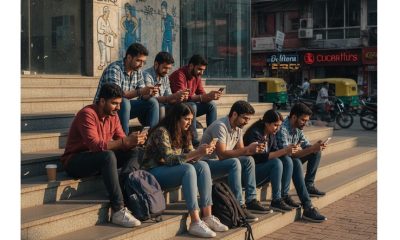

NEW DELHI: India’s digital revolution hit a milestone in November 2025 that would have seemed fanciful a decade ago: one billion broadband subscribers. That is 100...
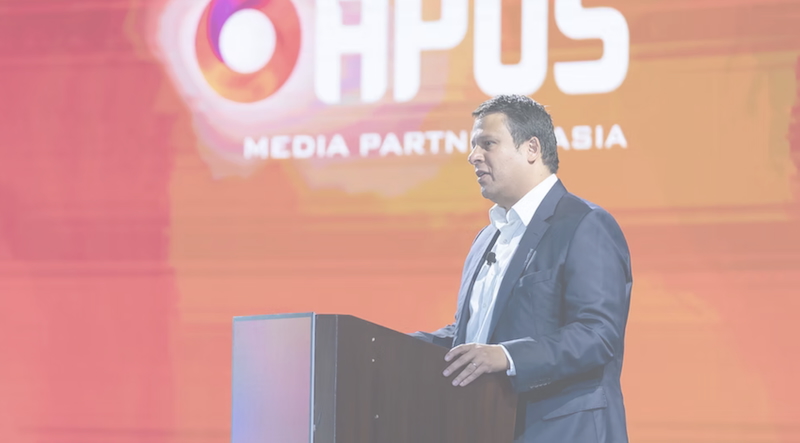
BALI : The 16th edition of the APOS Summit opened in Bali with a blunt forecast: Asia-Pacific’s media juggernaut is heading into rougher waters. “The next...
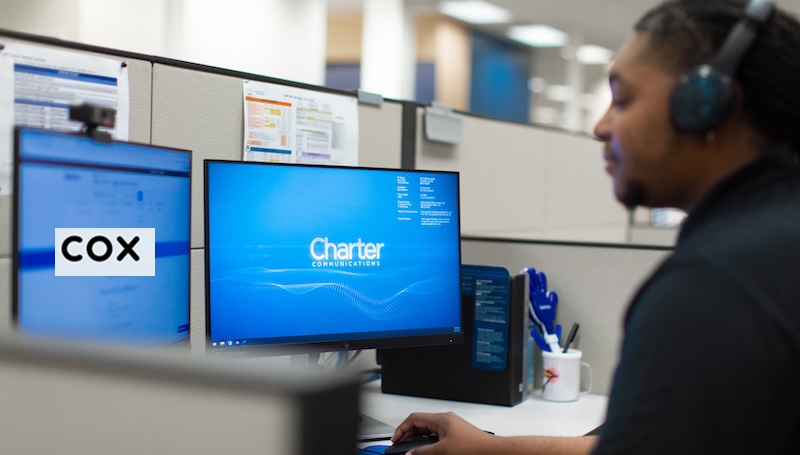
MUMBAI: In a mega-merger straight out of a business blockbuster, Charter Communications and Cox Communications have inked a definitive agreement to combine their businesses, creating an...

MUMBAI: India’s telecom sector added a modest 2.1 million net subscribers in January 2025, nudging the total count to 1.19 billion, according to the Telecom Regulatory...
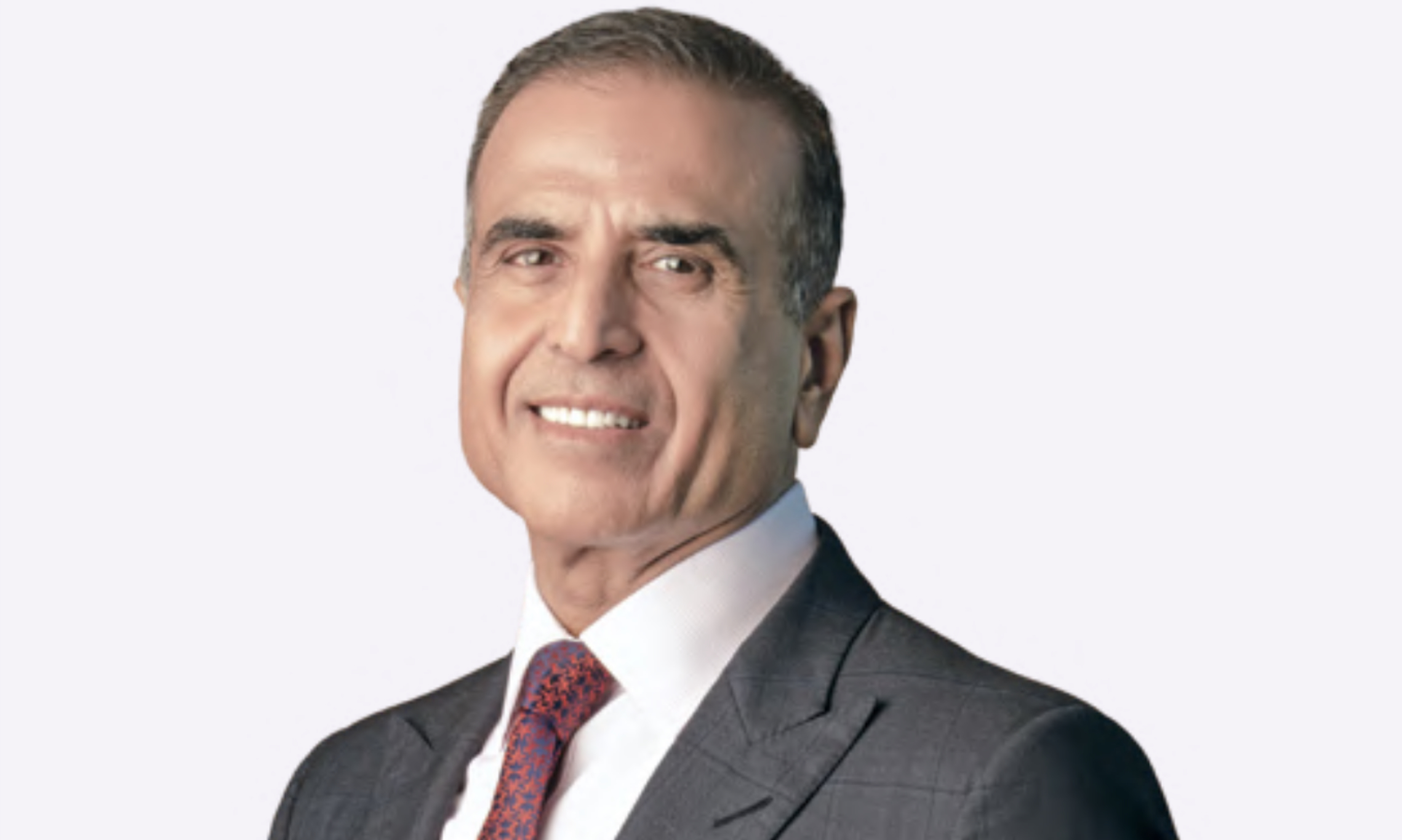
MUMBAI: Bharti Airtel’s Sunil Mittal has planted his company’s flag on the Britain’s biggest broadband and mobile company, the BT group. Earlier this week, Bharti Global,...

Sports betting has changed a lot in recent years with the platforms that are always changing and evolving to suit user requirements. Among these, 1xbit APK...
Mumbai: As per subscription data by the Telecom Regulatory Authority of India (Trai), Reliance Jio added 0.72 million wireless subscribers at the end of September 2022....

Mumbai: After successfully launching and running the OTT platform of Balaji – ALT Balaji, Ekalavya Bhattacharya has joined the new age media and content company, Offbeet...
Mumbai: As per subscription data by the Telecom Regulatory Authority of India (Trai), Reliance Jio added 3.28 million wireless subscribers at the end of August. Bharti...

Mumbai: Reliance Jio added 2.9 million wireless subscribers at the end of July, as per subscription data by the Telecom Regulatory Authority of India (Trai). Bharti...
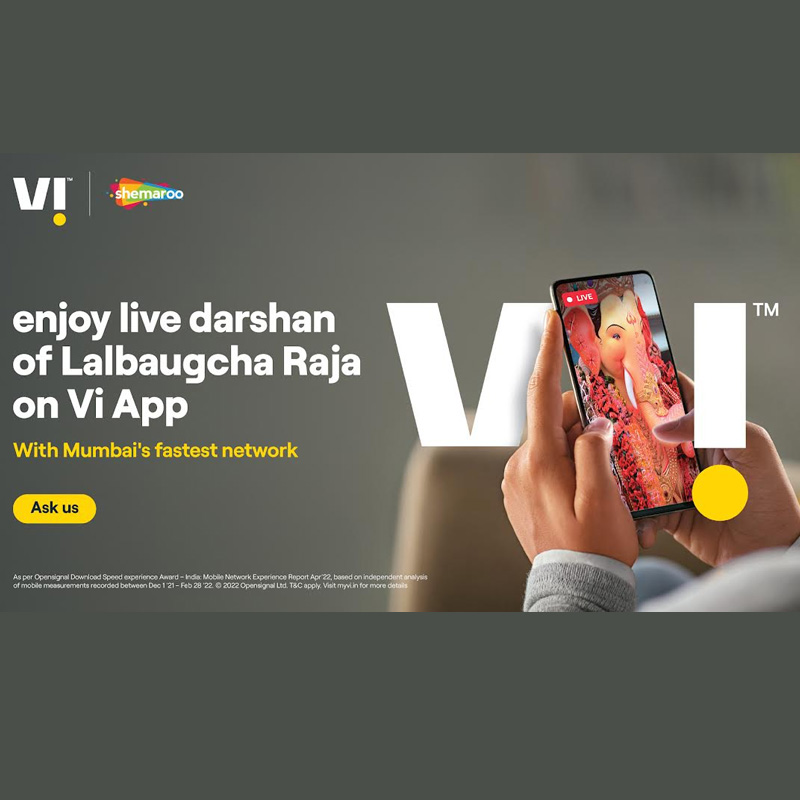
Mumbai: To enable its customers to experience the Lord Ganesha from anywhere in the world, telecom brand, Vodafone Idea will be streaming live darshan of Lalbaugcha...

Mumbai: The broadcasting of Esports Premier League (ESPL) season 2, the country’s first ever franchise-based esports league, has been postponed on account of the ban imposed...

MUMBAI: Currently, 57 percent of kids prefer television while only 10 per cent receive their entertainment via OTT. 33 percent of kids prefer to watch both...
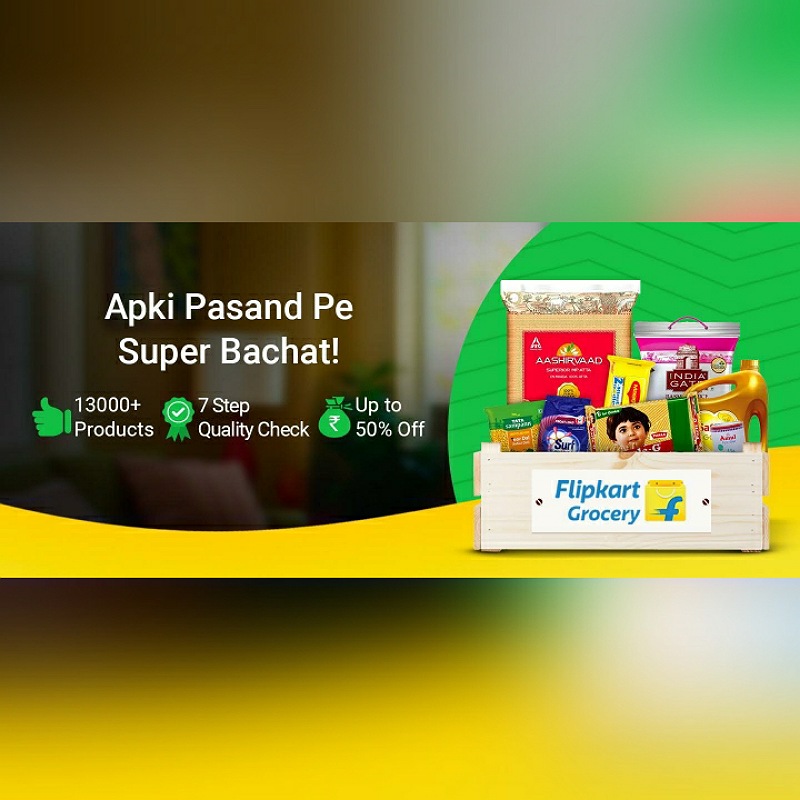
Mumbai: Homegrown e-commerce marketplace Flipkart has announced the launch of its latest digital campaign for Flipkart Grocery – a category that continues to see exponential year-on-year...

Mumbai: Mukesh Ambani-led conglomerate Reliance Industries Ltd (RIL) continued its golden run, and posted a net profit of Rs 18,549 crores for the third quarter ended...

Mumbai: Music streaming app, Gaana has unveiled its latest product feature ‘AutoQueue’ that promises to offer personalised music listening to its users. The newly introduced feature...

Mumbai: Home grown e-commerce marketplace Flipkart has collaborated with short video platform Moj to enable video and live commerce experiences at scale. The collaboration will help Flipkart to...
KOLKATA: Over the last two years, streaming giant Netflix has been experimenting with its pricing model as well as marketing strategy in India. After seeing massive...
New Delhi: Aajtak.in has again established its dominance in Hindi news space across digital platforms (Desktop, mWeb, App & Social). The latest Comscore data (February 2020)...

New Delhi: Shri Manoj Sinha, Hon’ble Minister of State (Independent Charge) for Communications and Minister of State for Railways, launched 250 mobile apps at the India...

New Delhi: The second day of India Mobile Congress, which is one of the biggest marquee Mobile, Internet, and Technology event for South-East Asia, saw the...
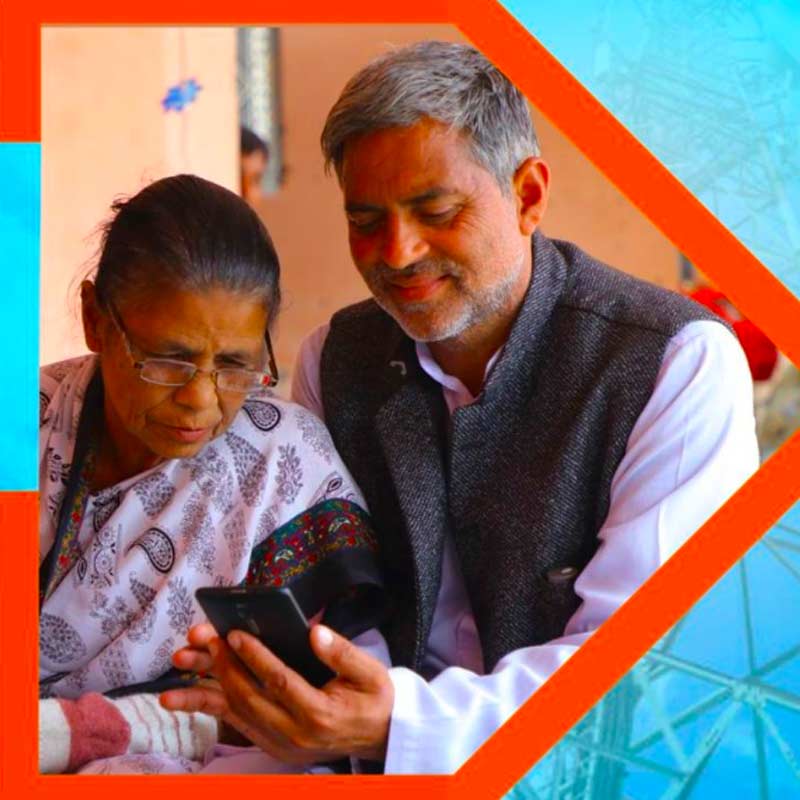
MUMBAI: Mobile internet rates witnessed a phenomenal drop of 93 per cent while data usage per user surged by more than 25 times in the three...

MUMBAI: With increasing preference for sports on digital platforms, ESPN is working towards tapping this demand with more content. The broadcaster, which has been present here...


Neque porro quisquam est, qui dolorem ipsum quia dolor sit amet, consectetur, adipisci velit, sed quia non numquam eius.
NEW DELHI: Given the complicated issues around net neutrality, an open house discussion is to be held in Mumbai on 26 May, 2017on Telecom Regulatory Authority...
‘Works at something sometimes somewhere’. That’s the description of the work profile on the Facebook page of Partho Dasgupta, chief executive of Broadcast Audience Research Council...
BENGALURU: Facebook Inc., (FB) reported 51.1 percent year-on-year (y-o-y) growth in ad revenue for the quarter ended 31 March 2017 (Q1-17, current quarter) as compared to...

MUMBAI: Shemaroo Entertainment Ltd. has appointed Zubin Dubash as the COO – New Media Business. He will be responsible for driving the New Media business and...
MUMBAI: Shemaroo Entertainment Ltd. has appointed Zubin Dubash as the COO – New Media Business. He will be responsible for driving the New Media business and...

MUMBAI: GroupM has launched an advanced technology suite of flexible media planning applications, data analytics and digital services titled [m]Platform. The platform will improve advertisers’ ability...
MUMBAI: GroupM has launched an advanced technology suite of flexible media planning applications, data analytics and digital services titled [m]Platform. The platform will improve advertisers’ ability...
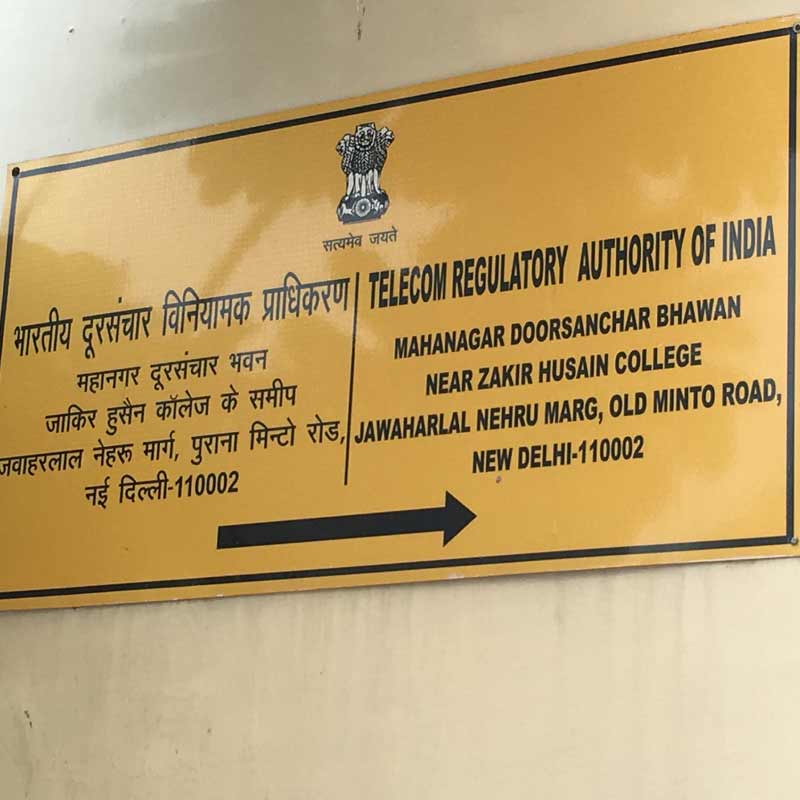
NEW DELHI: Given the complicated issues around net neutrality, an open house discussion is to be held in Hyderabad this month on Telecom Regulatory Authority of...
NEW DELHI: Given the complicated issues around net neutrality, an open house discussion is to be held in Hyderabad this month on Telecom Regulatory Authority of...
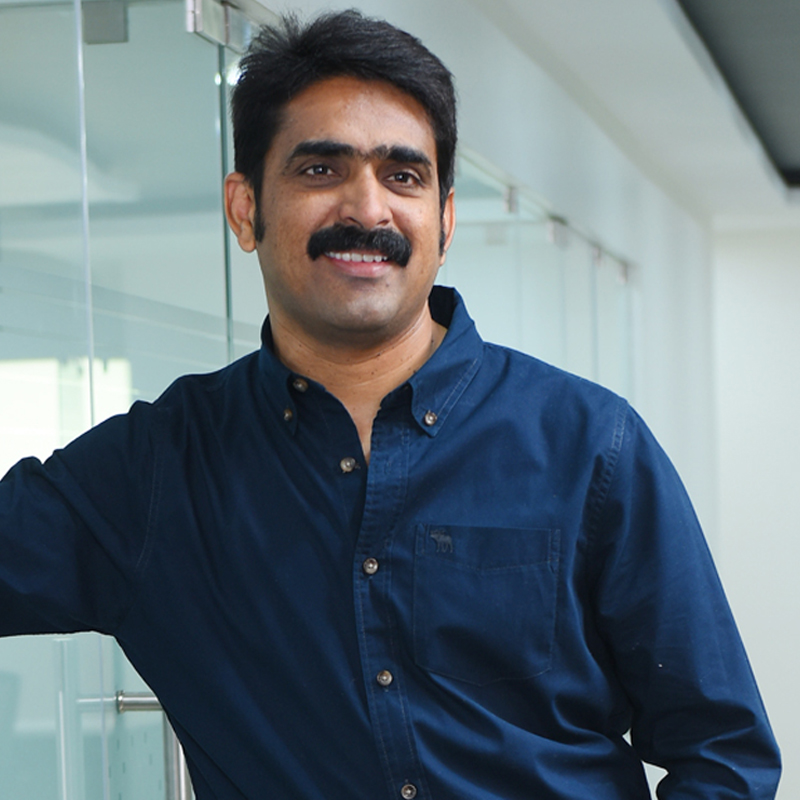
MUMBAI: It’s a sign of the confidence international private equity firms have in India’s one-billion plus mobile user base, the over the top (OTT) ecosystem and...
MUMBAI: It’s a sign of the confidence international private equity firms have in India’s one-billion plus mobile user base, the over the top (OTT) ecosystem and...
NEW DELHI: India has overtaken the United States to become the world’s second largest Internet market, with 333 million users, trailing China’s 721 million. A new...
NEW DELHI: India has overtaken the United States to become the world’s second largest Internet market, with 333 million users, trailing China’s 721 million. A new...
NEW DELHI: With consumers and service providers still to get a full experience of digital addressable systems and the various rules relating to it, an Open...
NEW DELHI: With consumers and service providers still to get a full experience of digital addressable systems and the various rules relating to it, an Open...
NEW DELHI: With consumers still to get a full experience of digital addressable systems and the various rules relating to it, the Telecom Regulatory Authority of...
NEW DELHI: With consumers still to get a full experience of digital addressable systems and the various rules relating to it, the Telecom Regulatory Authority of...
NEW DELHI: Given the complicated issues around net neutrality, stakeholders have now been given more time to reply to a consultation paper on Free Data which...
NEW DELHI: Given the complicated issues around net neutrality, stakeholders have now been given more time to reply to a consultation paper on Free Data which...

MUMBAI: Lava International Limited, one of the leading players in the Indian mobile handset industry, launched its latest multi-channel marketing campaign featuring its brand ambassador and...
MUMBAI: Lava International Limited, one of the leading players in the Indian mobile handset industry, launched its latest multi-channel marketing campaign featuring its brand ambassador and...

NEW DELHI: The Union Budget for 2016-17 is expected to result in raising the prices of mobile phones as well as personal computers. In his budget...
NEW DELHI: The Union Budget for 2016-17 is expected to result in raising the prices of mobile phones as well as personal computers. In his budget...
NEW DELHI: Anand Mahindra was adjudged as the Social Media Person of the Year at the 6th India Digital Awards The award was presented at...
NEW DELHI: Anand Mahindra was adjudged as the Social Media Person of the Year at the 6th India Digital Awards The award was presented at...

MUMBAI WeTravelSolo, India’s first solo traveller community cum Interest network has taken a step ahead to bring solo travellers and travel enthusiasts under an easily-accessible forum...


