Tag: Mirum

  • Sanjay Mehta launches Ananta Quest to reimagine life after 50

    Sanjay Mehta launches Ananta Quest to reimagine life after 50

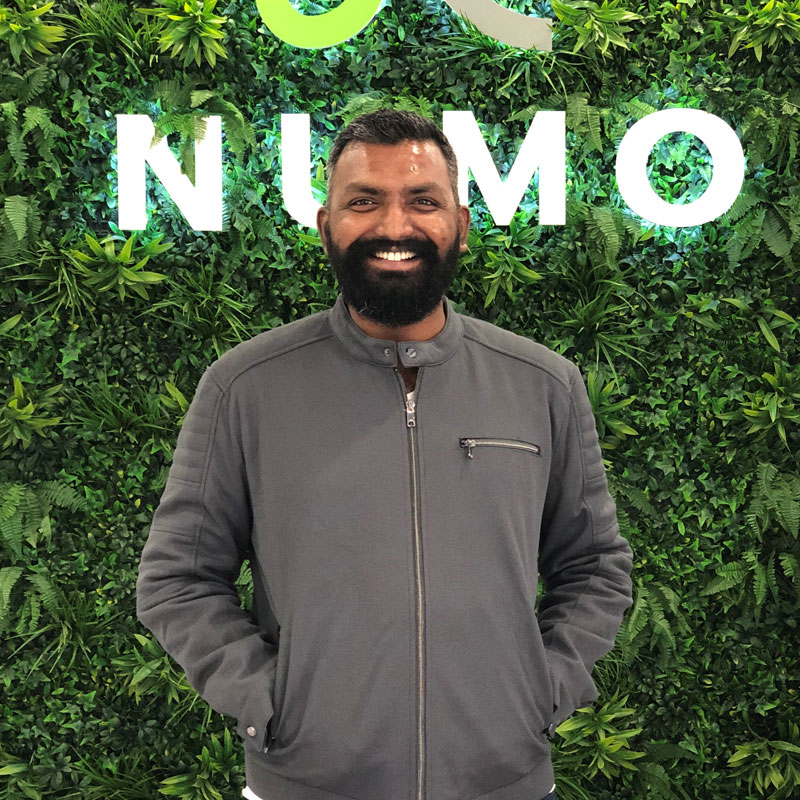
    MUMBAI: Sanjay Mehta, best known for founding Mirum, a pioneering digital agency, has launched a new venture, Ananta Quest. The platform targets Indians aged 50 to 65 who are grappling with questions of identity, health and purpose.

    Ananta Quest is built on three pillars: health (prana), wealth (artha) and community (ekatra). Its aim is to provide structure and action, not just reflection.

    Mehta has a record of spotting opportunities early. He created Homeindia.com in 1998, among the country’s first e-commerce sites, and Mirum in 2009, when social media marketing was nascent. His latest project stems from his own exploration of ageing, which he has documented through a content series called What If You Live to Be 100?.

    “Even the most accomplished individuals face hard questions after 50,” he said at the launch. “We want to create a trusted space where they can move from ambiguity to reinvention.”

    India’s over-50 population is expanding fast. Ventures such as Ananta Quest seek to shift the narrative about ageing, framing later life not as decline but as renewal.

  • Wunderman Thompson India launches WT Health

    Wunderman Thompson India launches WT Health

    Mumbai: Wunderman Thompson India has announced the launch of its healthcare specialist unit Wunderman Thompson Health (WT Health).

    Wunderman Thompson India’s new specialized practice offers a unique suite of services which will help health and wellness brands connect more meaningfully with consumers and healthcare professionals (HCPs) across all platforms of communication.

    With a multidisciplinary team of more than 100, WT Health has experts across creative, medico legal, compliance and public health; ensuring that technology, creativity and data are drivers of humanizing the healthcare and wellness experience.

    Commenting on the launch, Wunderman Thompson South Asia chief executive officer Shamsuddin Jasani said, “We couldn’t have chosen a better time to launch our specialized practice of Wunderman Thompson Health as the healthcare market is poised for exponential growth owing to an unprecedented demand for robust health and wellness solutions. Health and wellness brands are on the lookout for a partner that understands the specific nuances of healthcare marketing, and we believe we can provide business solutions to brands and can unlock growth by leveraging our core strengths of creative, strategy and martech.”

    Wunderman Thompson India director – business development Srikant Subramanian commented, “Advances in technology make the next chapter in healthcare delivery very exciting. In the ever evolving, and digitally transforming ecosystem, it’s so important to create tailored communication for each audience, and develop optimized ways to engage with them, be it HCPs, patients, MRs, or pharmacies. Our strategic technology partnerships, leveraged using our in-house medical professionals, allows us to provide truly end-to-end omnichannel healthcare delivery.”

    With vast experience across renowned health and wellness brands such as GSK, Zydus Wellness, Sanofi, Unilever, Pfizer, Bayer, Abbott, Mankind, Dr. Reddy’s in several therapy areas such as diabetology, cardiology, pediatrics, Covid care, central nervous system, WT Health will be focused on driving excellence in an evolving healthcare sector and delivering products that are insight driven and innovative to make a positive impact with key stakeholders.

    Wunderman Thompson India senior VP and executive business director Samarth Shrivastava added, “It’s an incredibly exciting time to be working in healthcare. Healthcare has evolved massively in the last 19 months compared to the last 19 years. Current developments have forced the industry to evolve at an unprecedented pace and have dramatically accelerated digital health’s adoption. With its pedigree in strategy and its complete suite of services, Wunderman Thompson Health has a unique offering which will help clients achieve their objectives in these dynamic times.”

  • Apollo Tyres mandates Mirum, a WPP agency, to create & release the latest campaign

    Apollo Tyres mandates Mirum, a WPP agency, to create & release the latest campaign

    Mumbai: Apollo Tyres has launched an awareness campaign  #RacingHeartsSince1909 for  Vredestein in India. The campaign, which is created and launched by Mirum, a WPP agency,  is all set to get the hearts racing! 

    The awareness campaign is being taken live on social media, OOH, print magazines, in addition to BTL activations in prominent cities across the country.

    The campaign targets the auto enthusiasts. It aims to raise awareness of the superior performance and rich legacy of the Vredestein brand.

    The company also focuses at bringing out the outstanding qualities that differentiates Vredestein from other tyre brands — a longstanding legacy of delivering tyres with premium styling and ultra-high performance. And, these are the two most important factors considered by owners of luxury cars and superbikes, the segments catered to by Vredestein.

    The campaign brings forward the brand’s ideology of tyres not just being another shoe of one’s vehicle, but a product which makes driving fun, fast and exhilarating. And this is a feeling that brand Vredestein has been delivering successfully for over a century, especially in Europe, with many of its tyres getting high ratings from automotive magazines in their tyre tests, much ahead of the competition.

    Commenting on the awareness campaign, Apollo Tyres Middle East and Africa & Asia Pacific president Satish Sharma said, “Vredestein is synonymous with premium styling and ultra-high performance tyres. We are looking at promoting these qualities of the brand, along with its heritage and legacy, which is winning hearts of the consumers, through this campaign, which is being rolled out across mediums.”

    Mirum North India director Arvind Nair added “Our attempt with racing hearts was to bring forth the love for driving combined with the heritage of the brand. For a brand like Vredestein, we focused on the emotion and the legacy of performance that sets it apart for over a century.”

  • Mirum India announces strategic partnership with Resulticks

    Mirum India announces strategic partnership with Resulticks

    Mumbai: Mirum, a Wunderman Thompson company and a part of the WPP Group, has announced a strategic partnership with Resulticks, an audience engagement platform.

    “We are happy to partner with Mirum, one of the leading digital and martech solutions agencies,” stated Resulticks CEO and CTO Mani Gopalaratnam. “Resulticks is a comprehensive, data-driven, and omnichannel marketing automation platform that supports all digital marketing requirements and gives users the ability to automate their core marketing activities. With the expertise of Mirum India added to the partner arsenal we are confident of delivering best-in-class managed services along with our platforms.”

    As a part of this collaboration, Mirum will be a solution partner for Resulticks and help the ‘real-time conversation marketing cloud’ platform to implement and integrate their martech stack for customers across industries and geographies, said the statement.

    “At Mirum, we understand the nuances that brands face while implementing and integrating a martech platform,” said Mirum India joint CEO Hareesh Tibrewala. “Resulticks is truly an omnichannel platform that allows marketers to plan, develop, deploy, and manage campaigns across channels like email, mobile, web, and social media while automating real-time & responsive communications. With our experience of over 12 years in ceaselessly delivering implementation projects, we are excited and look forward to our partnership with Resulticks.”

  • Mirum to provide martech services to L&T Realty

    Mirum to provide martech services to L&T Realty

    NEW DELHI: L&T Realty from the Larsen & Toubro Group has appointed digital agency Mirum India as its marketing automation services partner.

    L&T Realty is a real estate development company with residential, commercial and retail projects across west, south and north India. Mirum India, a Salesforce Gold consulting partner, will be responsible for providing managed services for Salesforce Marketing Cloud, the globally preferred 1:1 digital marketing platform.

    Mirum India EVP Mihir Karkar, said, “Mirum India is the go-to Salesforce partner for Marketing Cloud Services and has been the pioneer in the marketing automation space with almost a decade of experience. We are excited to win the L&T Realty business and look forward to providing flawless martech services.”

  • The challenges and benefits facing martech in India

    The challenges and benefits facing martech in India

    NEW DELHI: Martech sounds like quite a jargonistic word to many. But, put simply, it is the tech stack run by backroom geeks in glasses who use software and web-based services to manage, automate, or execute marketing tasks and processes. Data and analytics lie at the heart of martech, giving companies better customer and market insights, helping them to respond accordingly. 

    Globally, it is a booming business touching Rs 739,200 crore ($121 billion) in 2019, according to a report by advisory and research firm BDO and WARC in conjunction with the University of Bristol. In India, it is coming out of  its infancy  with marketers just about waking up to its utility, though the software development  sector has bitten a sizable piece of the global pie.

    Earlier this year,  WPP group company  Mirum India released its Martech Survey 2020 report, which did not give any indications of the sector’s size and scale, but it revealed that  marketers across India are bullish, with as many as 80 per cent of those surveyed expecting their organisation’s spends on these technologies to increase over the next five years. 

    Xaxis India country lead Bharat Khatri told Indiantelevision.com that there has been a significant rise in the investments that Indian brands and marketers are making in the martech space. “Around one-fourth of the overall marketing pie is being directed towards martech right now and this shift has occurred within the past few years only. Earlier, we were getting a minuscule share in the marketing pie, and it is definitely bound to grow further.” 

    However, according to him, despite growth in adoption, the core challenge for the industry remains that most of the people who are investing in the technologies are not aware of how it is benefiting them. “Around 50 per cent of the marketers today don’t know the exact functions of martech. There is a great need to educate the industry.” 

    Business head of a leading insurance company acknowledges in the Mirum India report that the biggest challenge is that there are too many hands involved in the martech implementation broth, thus leading to delays. “Adding to this is the pressure caused by marketers evaluating solutions only after they identify a specific business need, which leaves them with little time to plan before arriving at a decision,” he adds. He also points out to problems of integrating the martech tools with existing technologies in an organization and the pushback from internal stakeholders towards adopting change. 

    Another issue stifling  the sector’s growth is marketing budgets, which are limited. 
    Khatri explains that martech’s limitation, in the Indian context, is that one cannot instantaneously get to know if the investment being poured into it is worth it.

    “It takes two to three  years to understand the kind of impact the martech tools have had and the ROI. Now, for some marketers, it gets difficult to get the budgets sanctioned, and with a pandemic like Covid-19, when everyone is holding back their budgets, it is creating a big problem,” he says. 

    However, the industry believes that Covid2019 pandemic has certainly opened up newer and exciting opportunities for martech, and it will be wiser for the brands to latch on to it. 

    “COVID2019 has impacted consumer behaviour a lot and accentuated some of the consumer trends too. In the past four months, we have seen how the adoption and usage of online channels have increased,” says Logicserve Digital founder &  CEO Prasad Shejale. “Consumer journeys have changed significantly and have also affected brand loyalty. This is actually a great opportunity, and smart marketers are investing in analytics tools to understand changing customer behaviour.” 

    Adds Khatri:  “What brands are using martech for most is understanding the consumer behaviour and their journeys –  what they like, where and when they shop, etc. This has resulted in marketing being market-driven instead of sales-driven. This has resulted in great demand for technologies like customer data platforms (CDMs), tools for customer relationship management (CRM), and mobile phone data.”

    Shejale agrees: “The most important tools right now are the combination of analytics-insights-CRM/CDP. These tools, along with a focused approach on the consolidation of consumer data to understand them better, are important to provide better service to the consumers across their journeys, whether online or offline. For a smooth and convenient journey across online and offline channels, CRM tools can be very effective. They can also assist in sending the right communication to your audience at the right time through the right channels.” 

    Another interesting trend that is, arguably, impacting the growth of martech in India is global domination in the arena. The Indian industry is currently dotted by a lot of foreign players who have been active in the space for a long time. Khatri suggests that platforms like Salesforce are quite popular. 

    In a e previous episode of the Media Minds  2, Zoo Media & FoxyMoron co-founders Suveer Bajaj and Pratik Gupta had said, “India, by virtue of the fact that we have been a tech hotspot so as to speak, with big boys at Infosys, Wipro  and TCS setting the agenda, is globally acting as a back office for a lot of martech and a lot of adtech companies for generations. It’s funny though, like for example, even if you look at programmatic, we are about 18 months behind and what the rest of the world is.” 

    But Indian players are also catching up fast. 

    “India has a big advantage in making technology in-house and there are a lot of independent firms and also companies like ours who are a part of big global networks investing great time and energy in creating tools and technologies here. For example, last year we launched Xaxis Places, a completely homegrown technology and now 30 plus  markets across the globe are using it,” Khatri shares.

    Adds Zoo Media’s Pratik Gupta:  “We are struggling as an agency to be able to wrap our heads around all of the marketing tech and adtech that exists pretty much out there (but) there are a lot of things that we are doing. For example, there is a marketing technology and ad technology platform that we are building inside of Instagram, which is a landing page solution providing first-party data on e-commerce.” 

    Ambient, C Lab, ROOH, Brandscope director Deepak Kumar, also sheds some light on the in house technologies that the agency is working on. “We created a tool called Star Metrics, which helps identify the geographical heat map indicating where the fanbase of a particular star is and where the consumers of a brand are. If those heat maps match, a darker hotspot is created indicating the perfect fitment of both, ensuring maximum engagement.”

    He also mentions that the team is about to launch another technology to complement this in the coming weeks. 

    According to Khatri,  many independent firms are also getting active in this space. Albeit one problem that these players might face in the coming few months is  the market sentiment that has been created due to the pandemic, but he is sure that this is temporary. 

    Indeed, with the tide now rising for martech in India, it won’t be too long before it washes over many more who have been playing a wait and watch game.  
     

  • Mirum hires Preetam Thingalaya as director of media

    Mirum hires Preetam Thingalaya as director of media

    MUMBAI: Mirum has announced the appointment of Preetam Thingalaya as its director of media. Preetam will head the media planning and buying division and play a key role in growing the business and providing strategic direction, especially focusing on programmatic and performance marketing.

    Thingalaya comes with more than two decades of experience across agency businesses, including Mindshare, PHD, and Hungama. His last stint was with OTT platform Zee5 as the digital lead for SVOD and music verticals.

    Mirum has a successful media planning and buying division, servicing more than 50 clients across BFSI, healthcare, FMCG, F&B and other sectors. With Thingalaya at the helm, Mirum is looking forward to significantly enhance its digital media planning and buying bouquet of services. 

    Thingalaya will be based out of the Mumbai office and will directly report to the Jt CEO Sanjay Mehta.

    Commenting on Thingalaya’s appointment, Mehta says, “I am delighted to welcome Preetam on-board. Mirum offers a full-service solution to clients, from strategy, creative, technology, content, monitoring, and marketing automation, and paid digital media is an integral and critical component, to join the dots and deliver business results, for our clients. At Mirum, we already have a very successful media planning and buying division, and now with Preetam coming on board, we will provide enhanced value across all facets of paid digital media, further strengthening our media deliveries.”

    Thingalaya enthusiastically adds, “I am super excited to join the Mirum family and look forward to contributing towards the success of the organisation.”

  • How digital technologies are reshaping pharma marketing in India

    How digital technologies are reshaping pharma marketing in India

    MUMBAI: India holds an important position in the global pharmaceutical sector. As per an IBEF report, it is the largest provider of generic drug globally and supplies over 50 per cent of global demand for various vaccines, 40 per cent of generic demand in the US and 25 per cent of all medicine in the UK. However, marketing and advertising spends of pharmaceutical giants have been minimal for the past many decades, focusing mainly on B2B aspects of it and catered mainly through newspapers.

    But the advent of digital technologies, social media, and a whole new culture of evolving direct marketing, marketers associated with pharmaceutical and healthcare industries in India are exploring new ways to reach out to not only business partners but consumers as well.

    MedTrix Healthcare founder and CEO Vimal Narayan feels that doctors and patients both have become comfortable in accessing medical information on the internet, thus increasing the scope for healthcare and pharma marketers exponentially.

    He says, “With the rise of chronic illness, increased per capita income, disease awareness, and immediate access to healthcare facilities, marketers in India have plenty to room to innovate. The traditional marketing channel and campaigns may not work due to the above-mentioned reasons and we need a specialised marketing strategy for each disease/therapy areas. For instance, up until 6-8 years ago, patients were not comfortable searching for doctors online, but they are comfortable now and the trend doesn’t seem to slow down. This simple example illustrates that both patients and physicians are online.”

    This increasing scope of opportunities to innovate and scale a client’s business has pushed pharma & healthcare marketers to spend better and across platforms.

    ‘Healthcare Advertising Expenditure Forecasts 2019’ report by Zenith indicates that India is the fastest-growing market when it comes to spends on healthcare, surging at an average of 26 per cent a year between 2018 and 2021. The report also states that rising incomes and increased access to health insurance are making healthcare more accessible and encouraging a more direct-to-consumer marketing of healthcare products and services.

    Publicis Worldwide MD Srija Chatterjee notes, “Traditionally pharma marketing was all of a nattily clad medical representative with glossy literature trying to impress upon the doctor. Over the years, this has changed to a much more complex process. Hyper-fragmentation of the market, breakdown of legacy models, patient empowerment and changing definition of care has brought in greater opportunities for marketers. A number of global brands losing patents have led to Indian generics competing at lower price points. MR time with doctor has gone below 30 seconds. Hence, there is more emphasis on 1:1 relationship, richer consumer behaviour, newer sales model design and newer points of engagements.”

    Mirum general manager-sales Srikant Subramanian adds that there has been a tremendous growth from the digital perspective in Pharma marketing in India.

    He says, “With the advent of social media, and digital in general, in this post-Jio world, we see a lot of fragmentation of core audiences of doctors, patients, and policymakers. As a result, contextual communication becomes a necessary tool, and there is larger scope for innovative, creative marketing to be done across the entire marketing sphere of digital, social, ATL as well as BTL.”   

    Surely, the growth of digital medium within the country has given birth to newer dimensions of healthcare and pharma business. Online platforms such as Curofy, DocPlexus, Practo, Medshr, Lybrate, Healtho5 Solutions, myhCue and Docquity are helping doctors communicate with their peers. Online pharmacies such as Netmeds, 1 mg, Pharmeasy are offering stiff competition to the traditional high street pharmacies. Then there are portals such as VEEVA and AGORA while knowledge dissemination portals such as ‘Knowledge Genie’ (Abbott) are the latest examples of tech affinity.

    Narayan shares, “Digital transformation is revolutionising pharma and healthcare industry and is expected to transfigure medical communication strategies of pharma and healthcare companies. Some of the most preferred technologies adopted by companies are smart apps, patient chatbots, virtual assistants, virtual reality and augmented reality. These technologies seem to be the most preferred part of the go-to-market (GTM) strategy of pharma and healthcare companies in India and in the global markets. The way these technologies communicate with patients and physicians 24/7 is something that is widely appreciated.”

    Another important change that has occurred in healthcare and pharma marketing in the country and across the globe, in the past few years, is that the lines between the language used for B2B and B2C marketing are blurring for good.

    Subramanian quips, “Bryan Kramer puts it best when he said, that "It’s Human to Human H2H". The idea is that B2B is no longer about communicating from company to company, but person to person. We have to understand that need, and look to appeal to the emotional needs of our customers and how it relates to their business.”

    He further adds that the only difference in communicating with these two sets of consumers lies in the scale and frequency of marketing depending on the audience.

    “In our healthcare business, for OTC, we still need to drive awareness and availability of the store, as digital has still not become de-facto for purchase, so the application of your strategy will still need to appeal to a larger audience set. In a B2B scenario, however, the audience scale will always be smaller in comparison, and the messaging for individual audiences will be different basis their current stage in the buying cycle.”

    Narayan insists that there has been a significant difference in approaches that marketers and companies adopt for B2B and B2C activities. He mentions that platforms like 1mg, Medlife, Practo, and Healthkart, etc, have used digital technology and communication methods to build B2C domains from scratch, which is very different from healthcare and pharma companies. The strategies adopted by pharma companies, in general, is driven by physician engagement level with other dynamics such as market growth rate, competition level, awareness matrix and so on.

    “B2B marketing in this space is categorised under “One-Time Digital” solution and “Systematic Scalable Modular” solution. Many marketers prefer the latter, as they can replicate the model and fine-tune the marketing development plan at the execution stage year-on-year.  At the same time, some pharma and healthcare clients prefer developing a custom Health CRM platform for their internal and external communication activities. This is an early sign of adoption of Systematic Scalable Modular solution, as you can integrate Medical Case player and email marketing along with Health CRM platform,” he elaborates.

    Chatterjee also notes, “Communication in the health and pharma industry is complex. For one, it is heavily regulated, as it should be. Therefore, marketing to the consumer is largely on disease awareness, patient care, post-procedure maintenance care etc. For example, you can talk of diabetes and how to manage it, but you cannot advertise the drug because most of the complex drugs are ‘prescription only’.”

    She further says, “To the HCP (health care professional) on the other hand, it is all about how they can help their patient. At the core of it, the communication is based on science – what the drug does, how the molecule can help, what research went into creating it, what studies were conducted on the drug and what were the outcomes and of course, advantages over a competitor drug. These are communicated through various channels, some borrowed from other industries like advertisements, information leaflets, etc. but more importantly, seminars, ISPs (international speaker programmes), camps. There has been a lot more adoption of digital channels in recent years.”

    Marketers can fine-tune their strategies further using the heaps and bounds of data available online to strengthen their core strategies and curate personalised solutions for their respective audiences.

  • Figaro passes traditional taste of trust from dadi & nani

    Figaro passes traditional taste of trust from dadi & nani

    MUMBAI: Traditional Indian cooking is a legacy that gets passed down from one generation to another. The challenge for olive oil, even with its bucket full of benefits, is to be compatible with Indian recipes without compromising its original taste. In India, to make an ingredient a part of any recipe, it must satisfy the taste buds of the custodians of the family legacy. Gaining from this insight, Figaro meticulously organised a food tasting session where they invited grandmothers from all four corners of India to review traditional delicacies cooked with a twist.

    Speaking on the initiative, general manager- India Susana Toribio says, “Aiming towards the next level of growth, Figaro looks to root for the transition towards natural living. Overcoming the clutter that olive oil is only for continental cuisine, this food tasting session truly breaks the myth by cooking."

    Furthermore, marketing manager Satarupa Majumdar says, “One of the fundamental reasons for this 100-year journey has been the connection with the consumers. Figaro over the years has been the epitome of care, purity, trust and health. Through this food tasting session, we take the Indian food experts down memory lane with the uncompromising recipes by the new generation and Figaro.”

    The campaign is spearheaded by Mumbai based digital agency Mirum, a WPP group company. Mirum India executive creative director Naila Patel says, “In India, food is not just an emotion, it also is also wisdom that gets passed on. Every Indian has a ‘Meri Dadi ke haat ke bane laddu’ story. Our grandmas being the better cooks is a reality every Indian knows and believes. Thus, when Figaro wanted to cook traditional Indian recipes, we wanted the stamp of approval from the highest order. What shaped the thought was the insight that the bond between grand moms & grandchildren is precious, and the chances of a different cooking medium finding acceptance is highest when it is recommended by the grandchild.”